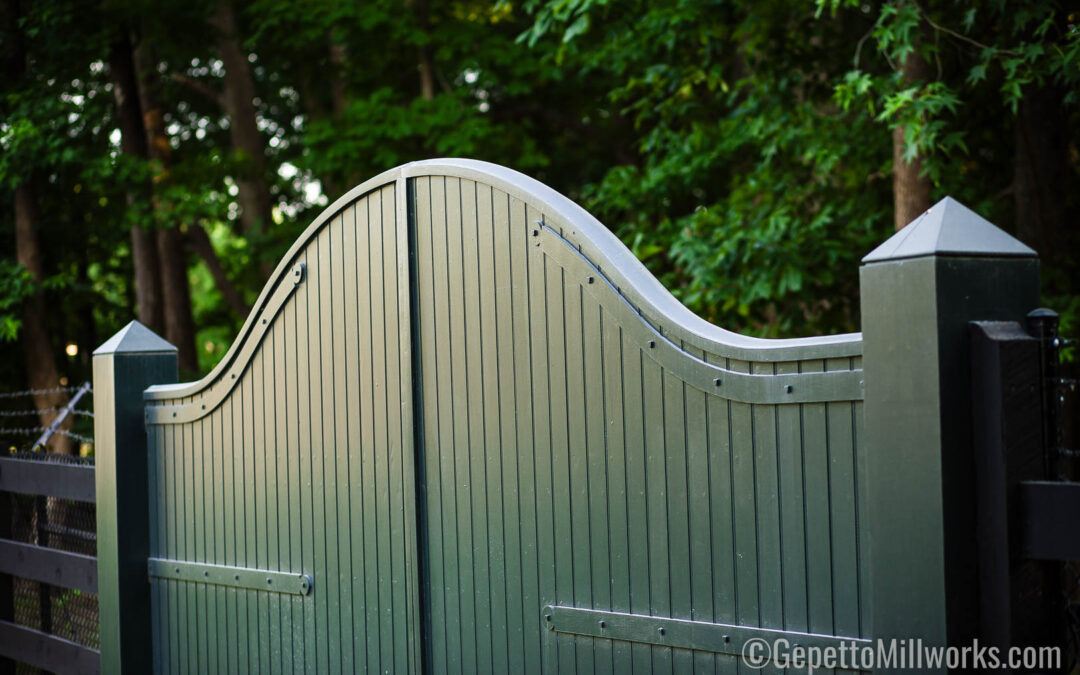
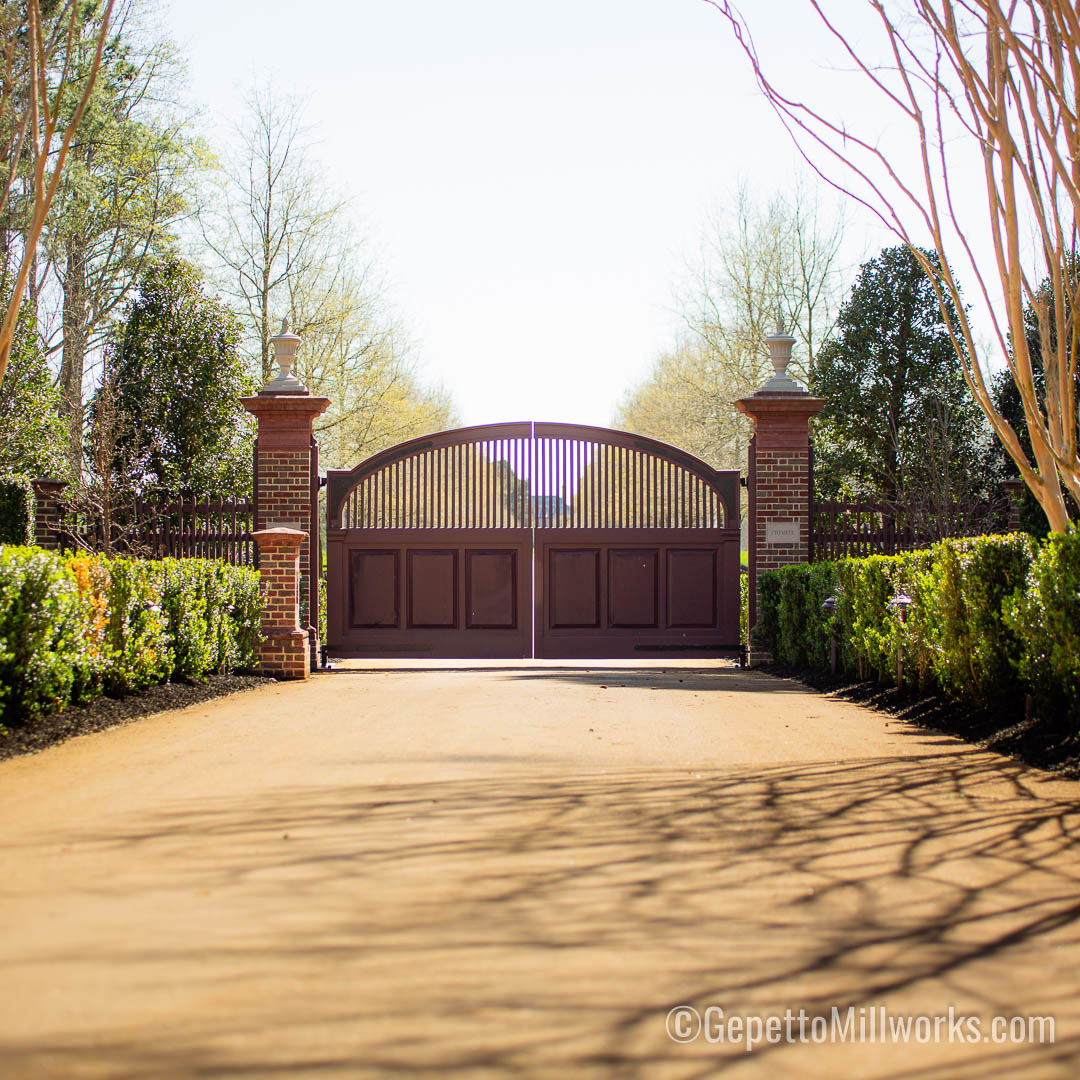
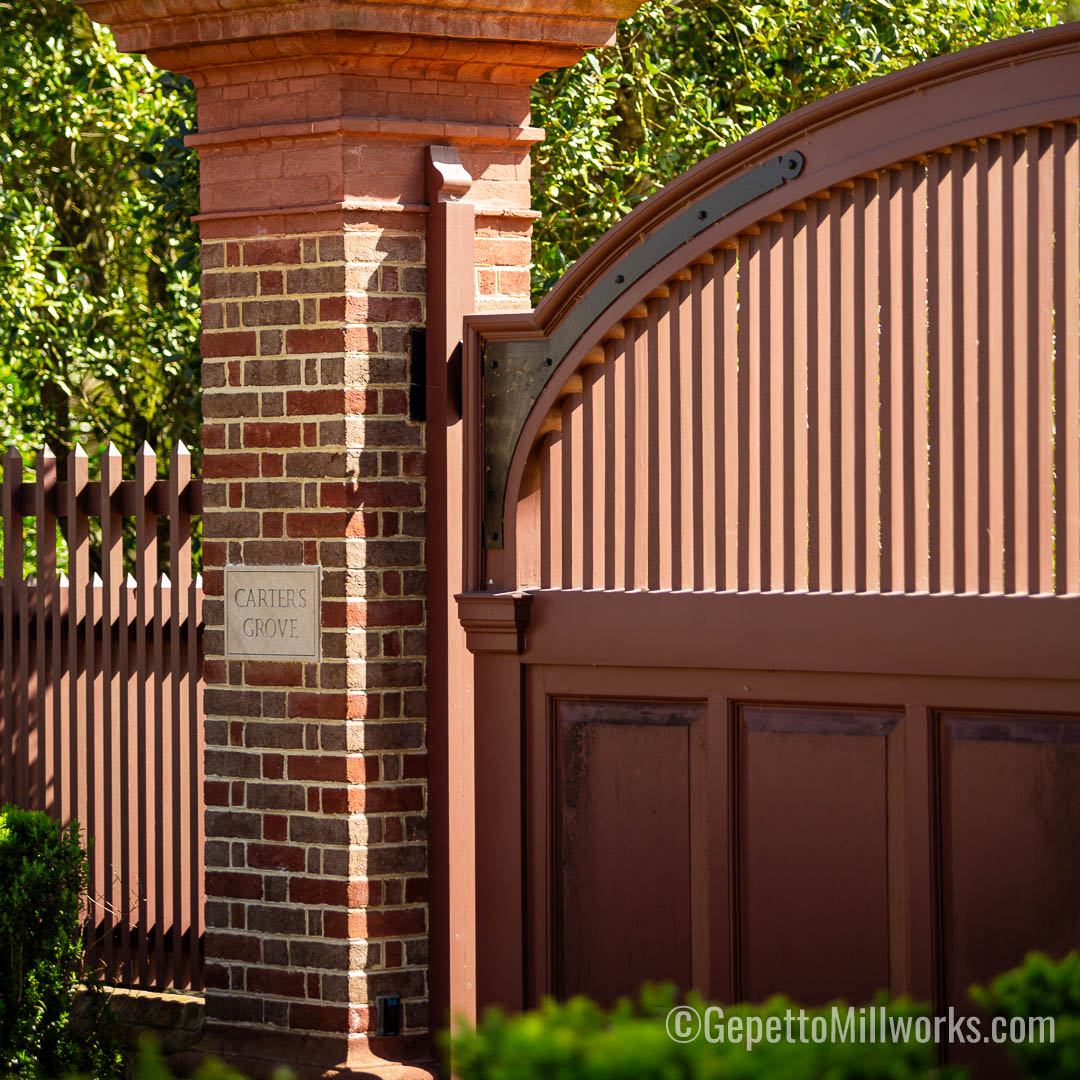
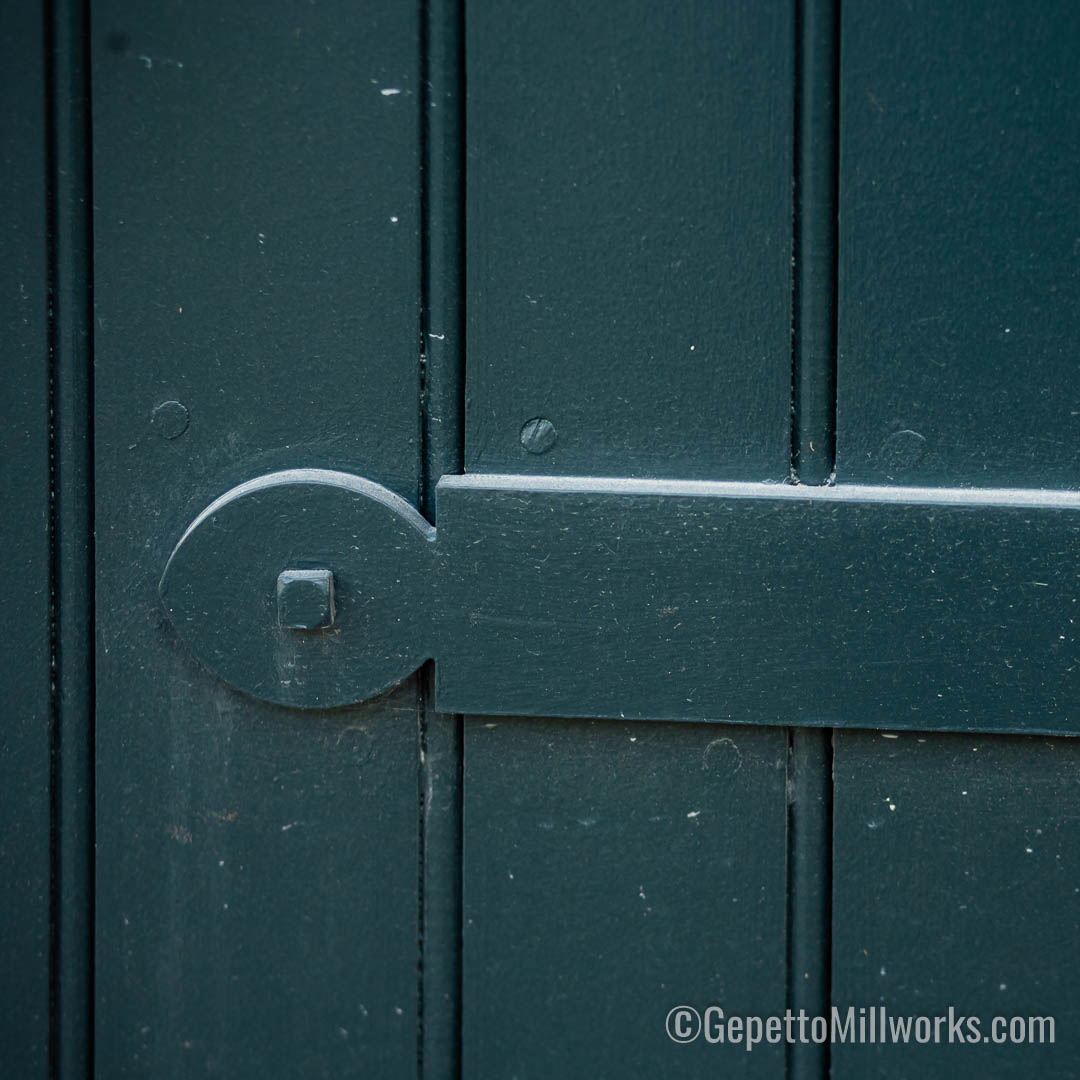
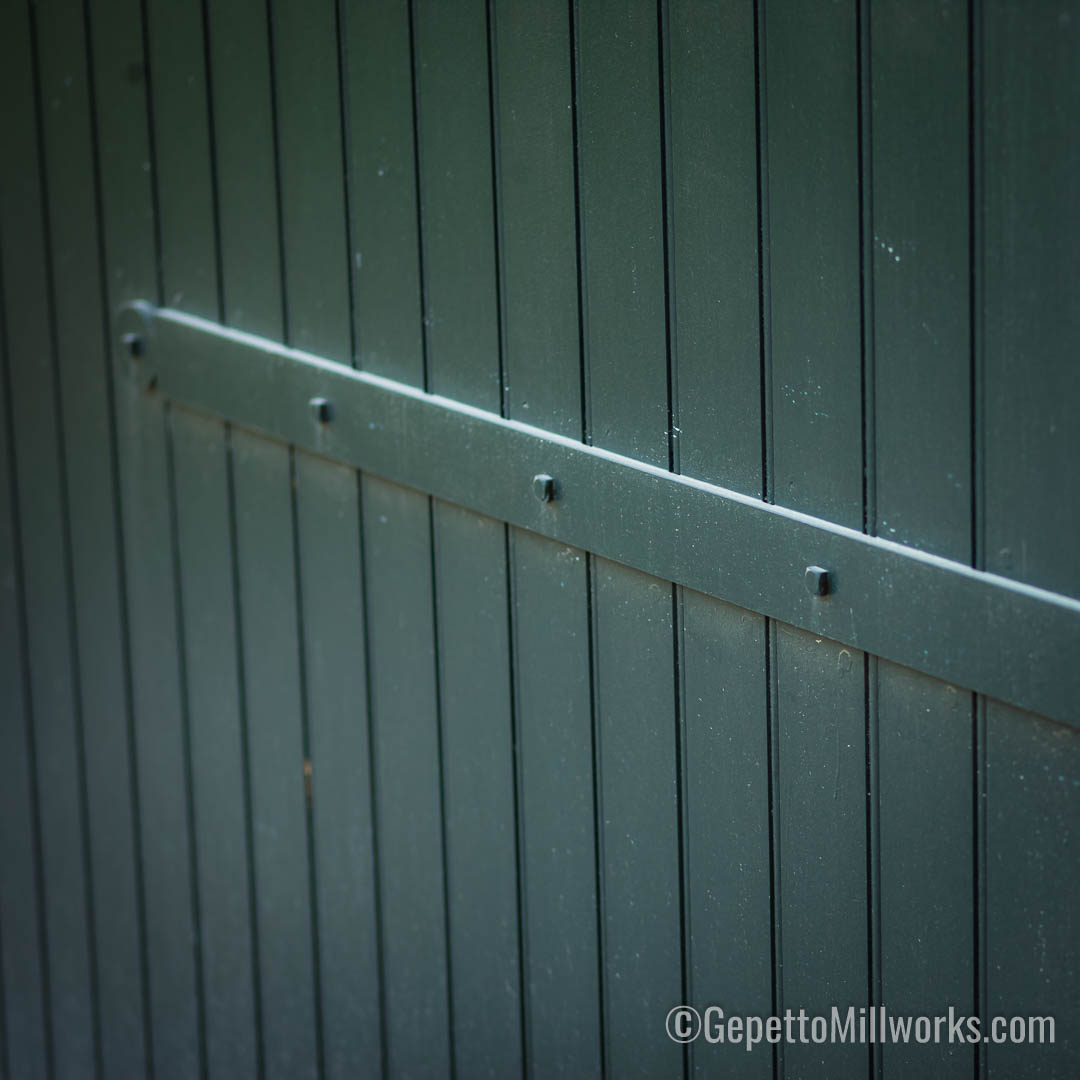
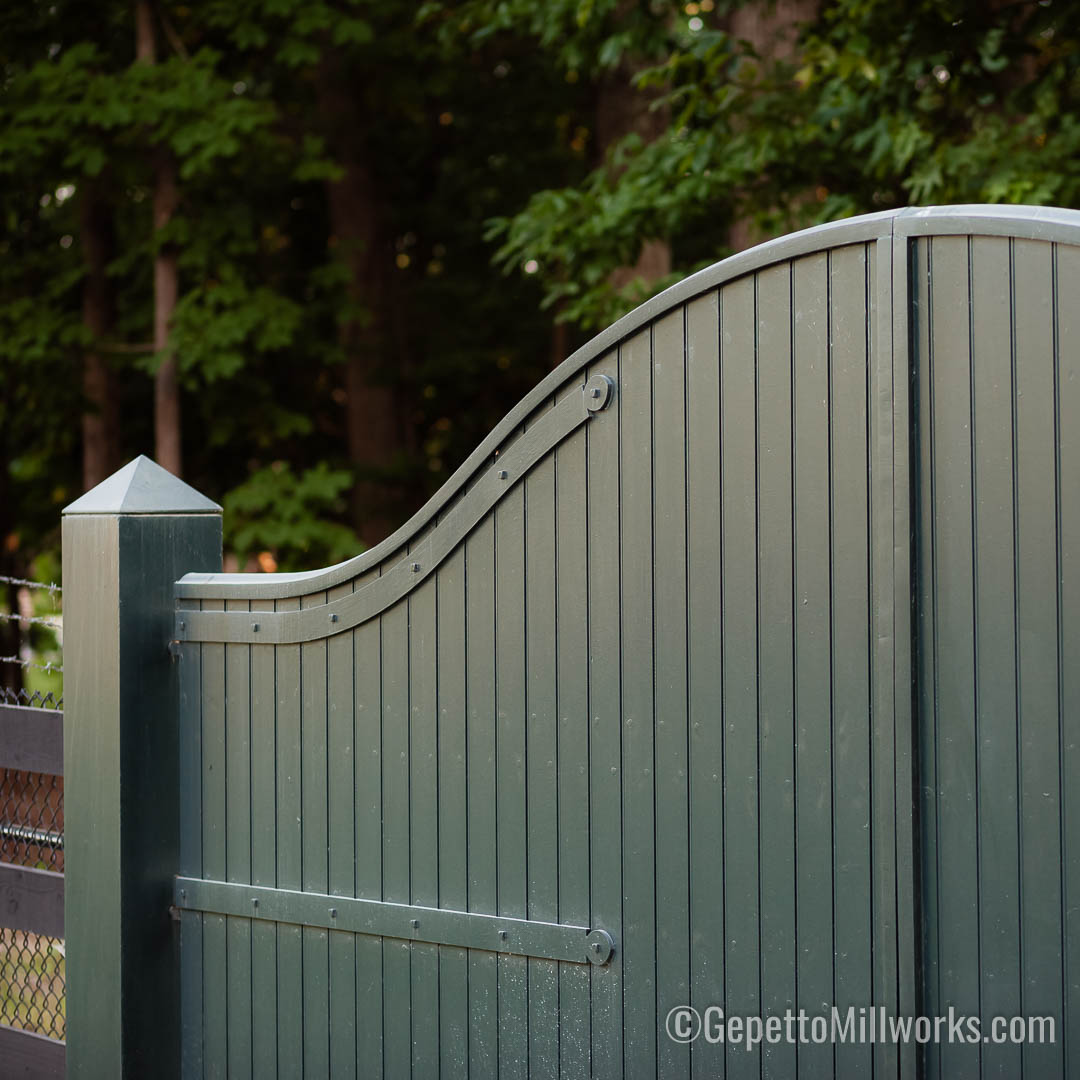
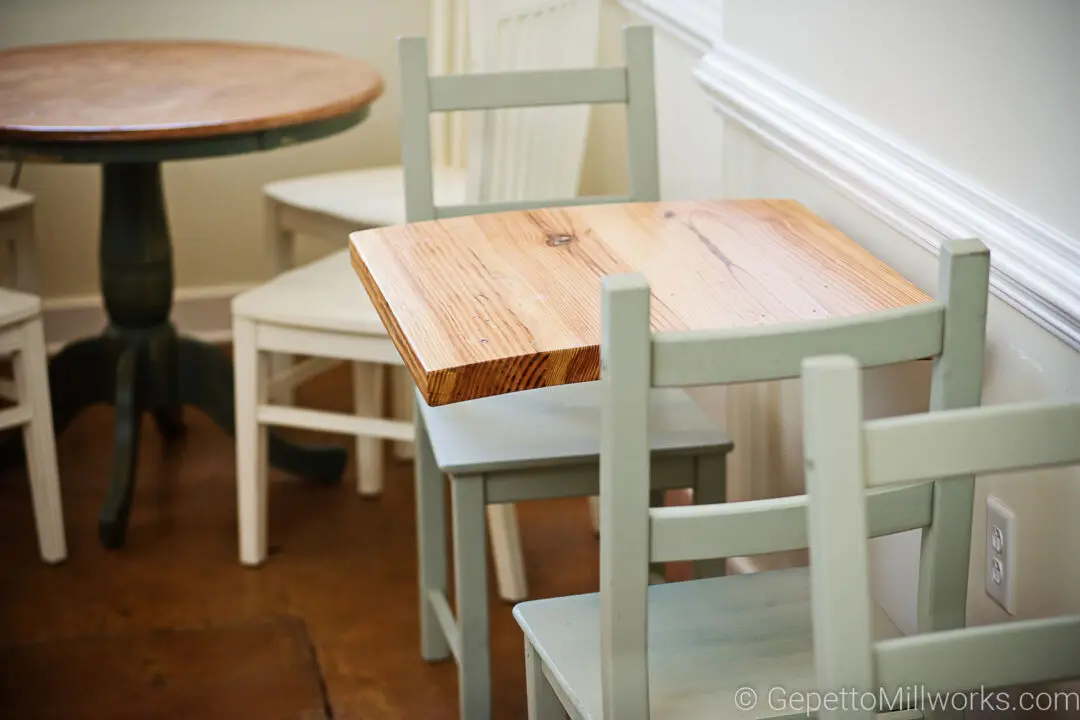
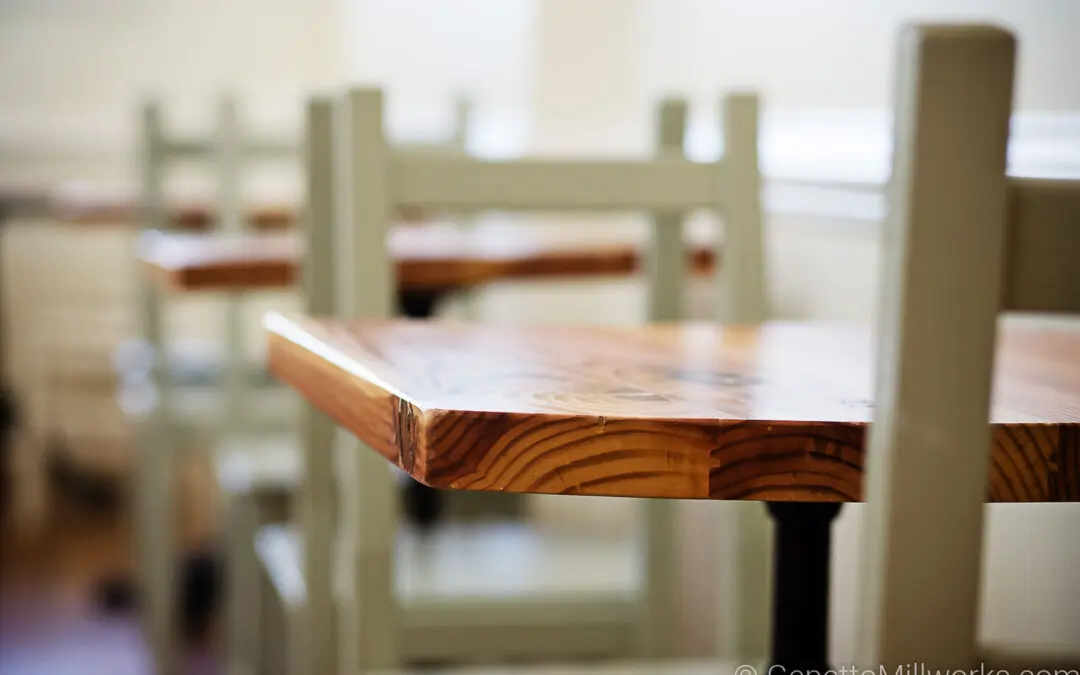
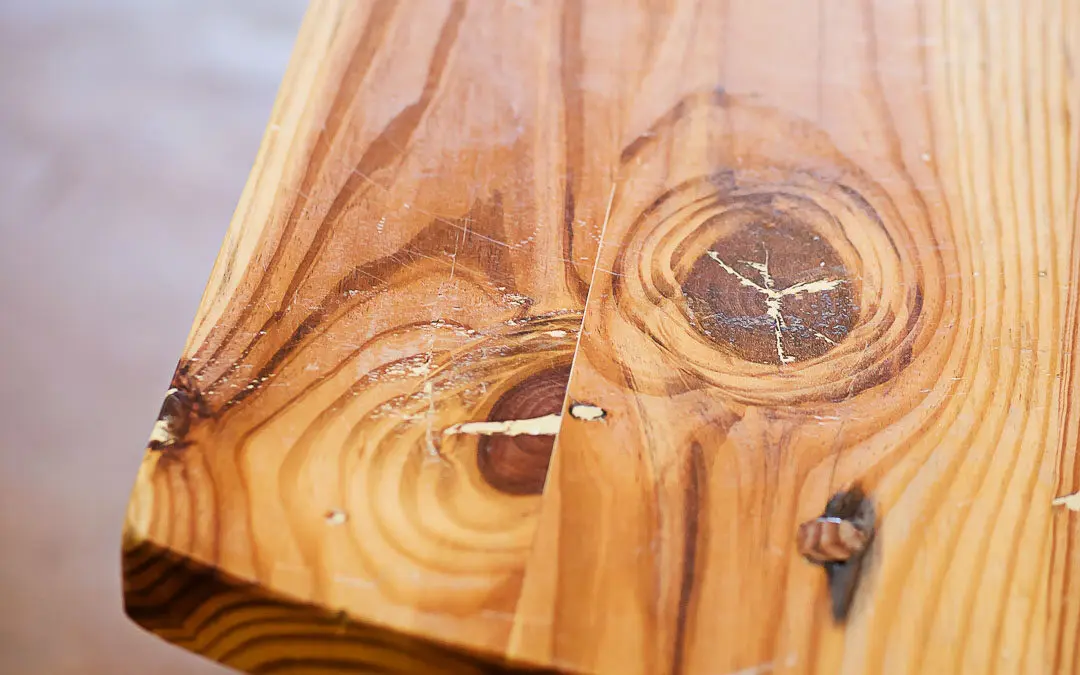
We have been using Accoya Acetylated wood for exterior applications since it’s introduction into the United States market in 2012.
Acetylated wood stands truer and weather’s better – read the acdemic articles below to start your education for specifiying the ‘foundation’ of your project.
Accoya Now American Made
“We are excited to be a part of the Kingsport community ,” said Rod Graf, general manager of Accoya USA.
“Our cutting-edge building will enhance capacity, create local jobs, and foster community. We are also eager to work with the Tennessee College of Applied Technology and the Regional Center for Advanced Manufacturing to become a preferred employer in the region as production begins.”
Virginia Expert Manufacture
Matt Wiley has been building with Accoya Acetylated Wood for over 10 years!
High quality one of a kind builds made in Virginia.
Specify Accoya
“Acetylated lumber wins accolades for its performance and small environmental footprint” ~Green Building Advisor
Unlike most pressure-treated wood, acetylated lumber doesn’t contain any copper or biocides that can leach into the environment over time. The treatment renders the wood harder, more dimensionally stable and immune to insects. Accoya lasts for 50 years above grade, 25 years in contact with the ground or submerged in fresh water, and has a service life of 70 years, according to its manufacturer.
Build From the Foundation
You understand the metaphor if you’re a builder. We are limited in our ability to deliver a ‘straight’ product, by straight lumber! In order to deliver your dream piece, we need quality lumber that will not warp or twist and it is becoming harder to source. Just like you wouldn’t want your foundation to be 1/8th out of square, we don’t want our raw materials to move 1/8th of an inch after they are machined to size.
Acetylation BY ROGER M. ROWELL ~ 4 SEPTEMBER 2006
The Vikings burned the outside of their ships to make them water resistant and flame retardant without knowing anything about hydrophobicity or the insulating properties of char!
Long before we had formal wood science, we had a long history of observations on the properties and performance of wood. It was well known that wood swelled and shrunk with water, that wood decayed, that wood burned, and that wood was degraded by the sun. People took advantage of the positive properties and also learned to design around wood’s weaknesses. As we started to understand the properties and performance of wood, we discovered that the properties of wood are, for the most part, a result of the chemistry of its cell wall components.
From this foundation, the science of chemical modification of wood was born. We first learn by observation, progress by experimentation, and finally advance through understanding. We learned to use wood, accepting that it changes dimensions with changing moisture content (MC),
Many chemical reaction systems have been published for the modification of wood and the systems have been reviewed in the literature. The chemicals include anhydrides, acid chlorides, ketene carboxylic acids, isocyanates, formaldehyde, acetaldehyde, difunctional aldehydes, chloral, phthaldehydic acid, and epoxides .
None of the studies of the chemical modification of wood and other lignocellulosic resources have gone past the research stage, except acetylation.
“Our sales in North America increased by 44% between fiscal years 2021 and 2022, and we continue to see strong demand for Accoya,” said John Alexander, group sales director. “Once operational, our Accoya 2022 production volumes will be doubled at the Kingsport site.”
The Kingsport facility, which will be operational in early 2024, will provide the North American market, while the Netherlands plant will supply the rest of the world. The American reactors are now on their way from Europe and will arrive in Kingsport in January 2023.
“We are excited to be a part of the Kingsport community and watch the development of the US facility,” said Rod Graf, general manager of Accoya USA. “Our cutting-edge building materials will enhance capacity, create local jobs, and foster community. We are also eager to work with the Tennessee College of Applied Technology and the Regional Center for Advanced Manufacturing to become a preferred employer in the region as production begins.”
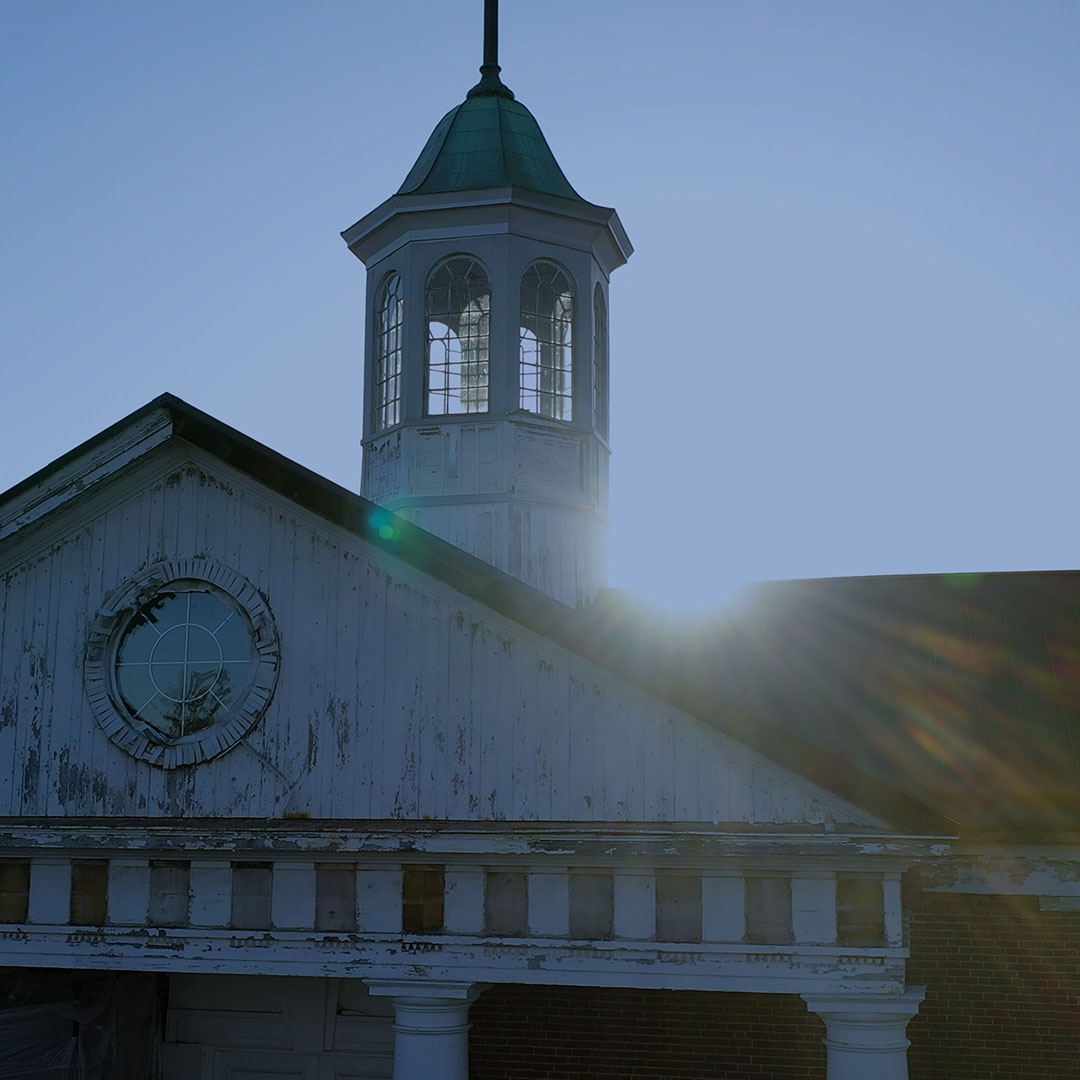
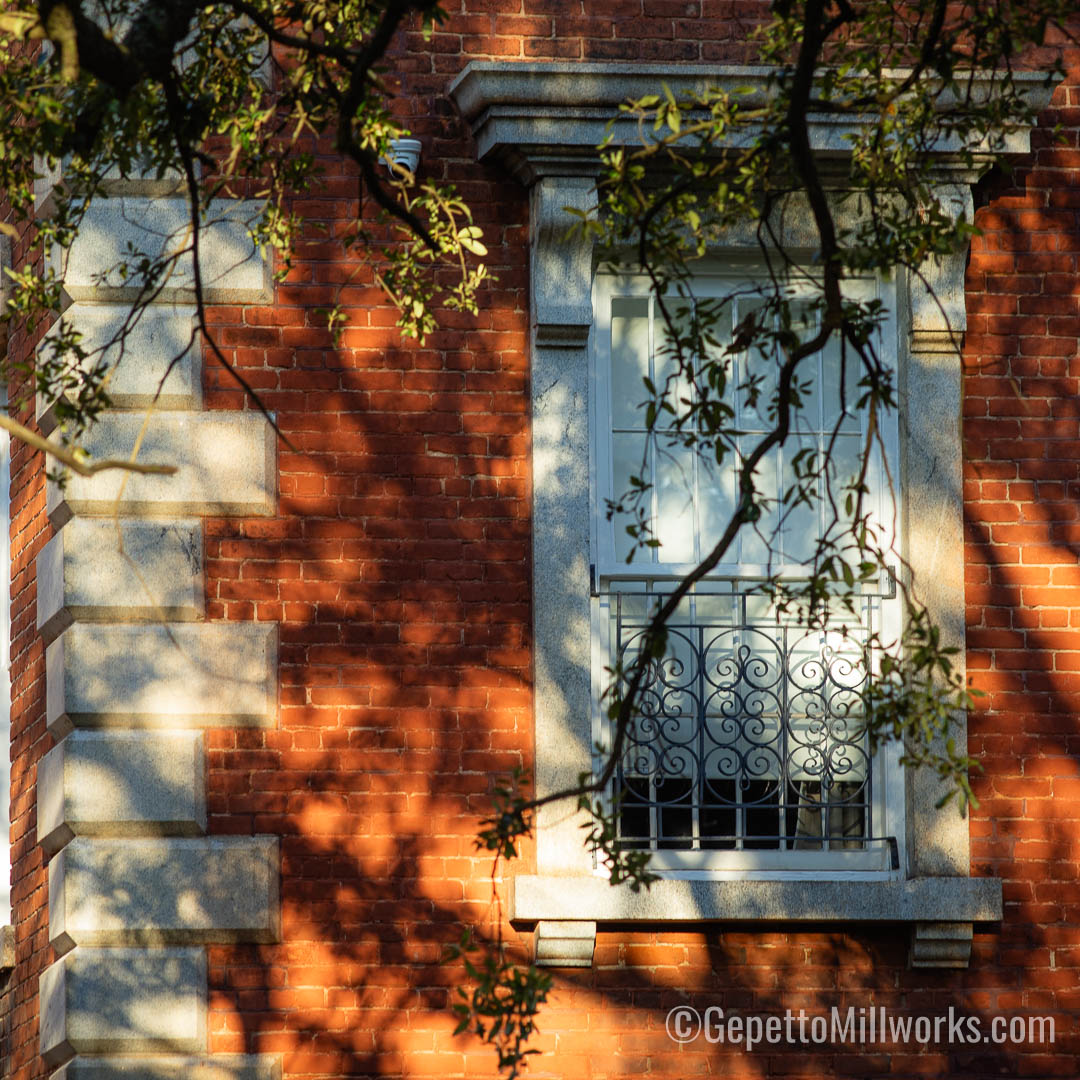
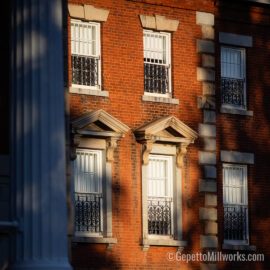
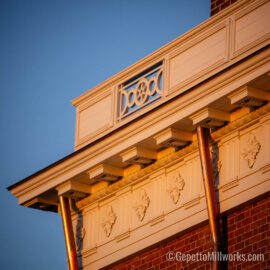
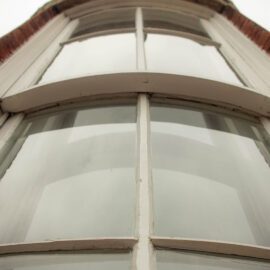
The Babcock Building is the cornerstone of the Bull Street historic district renovation. Gepetto Provided historic replica windows, and the rebuilt cupola.
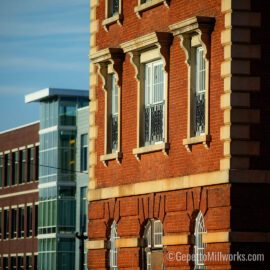
Located right in the middle of the largest development project in Columbia history, the building was built in 1885 and will be transformed into 208 luxury apartments with amenities.
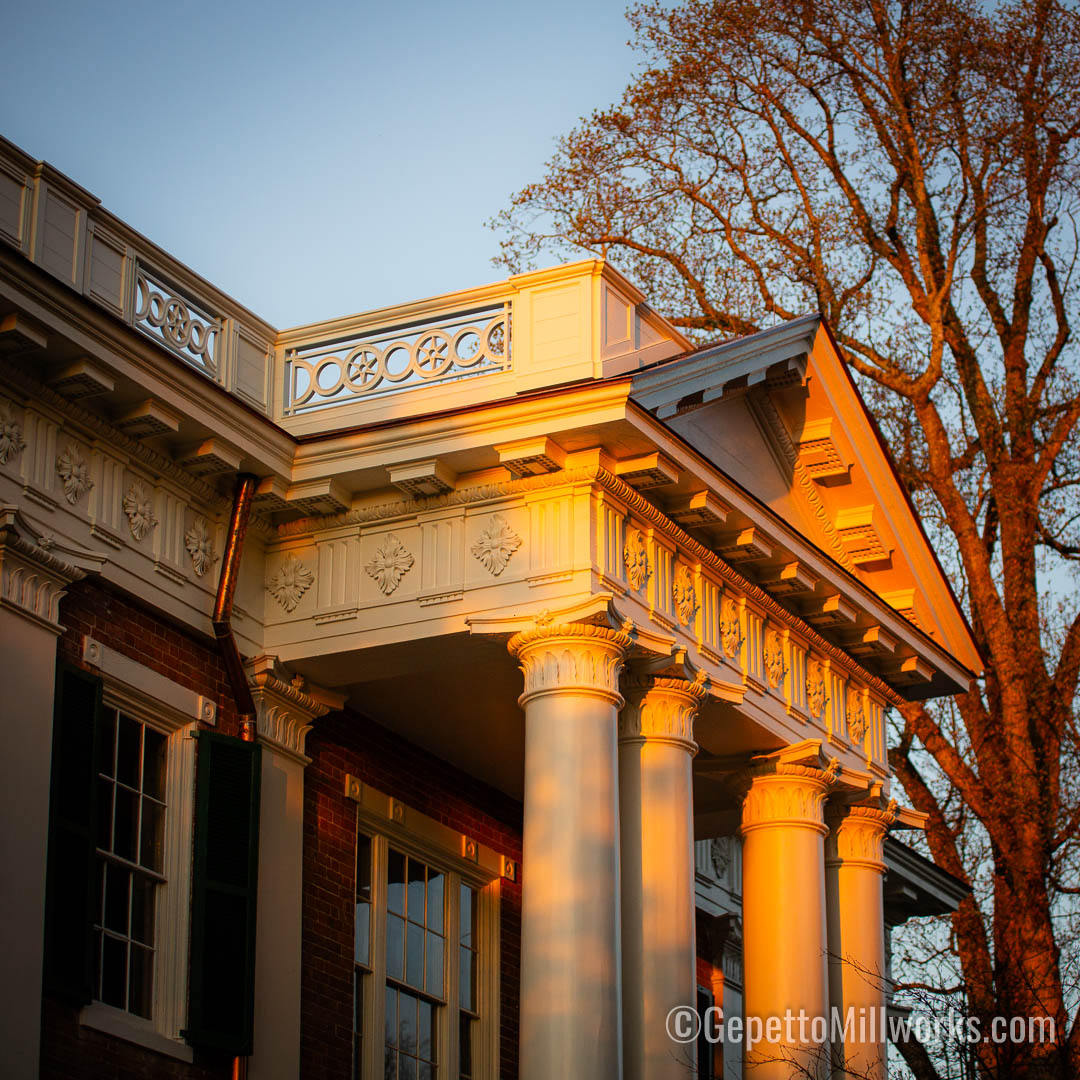
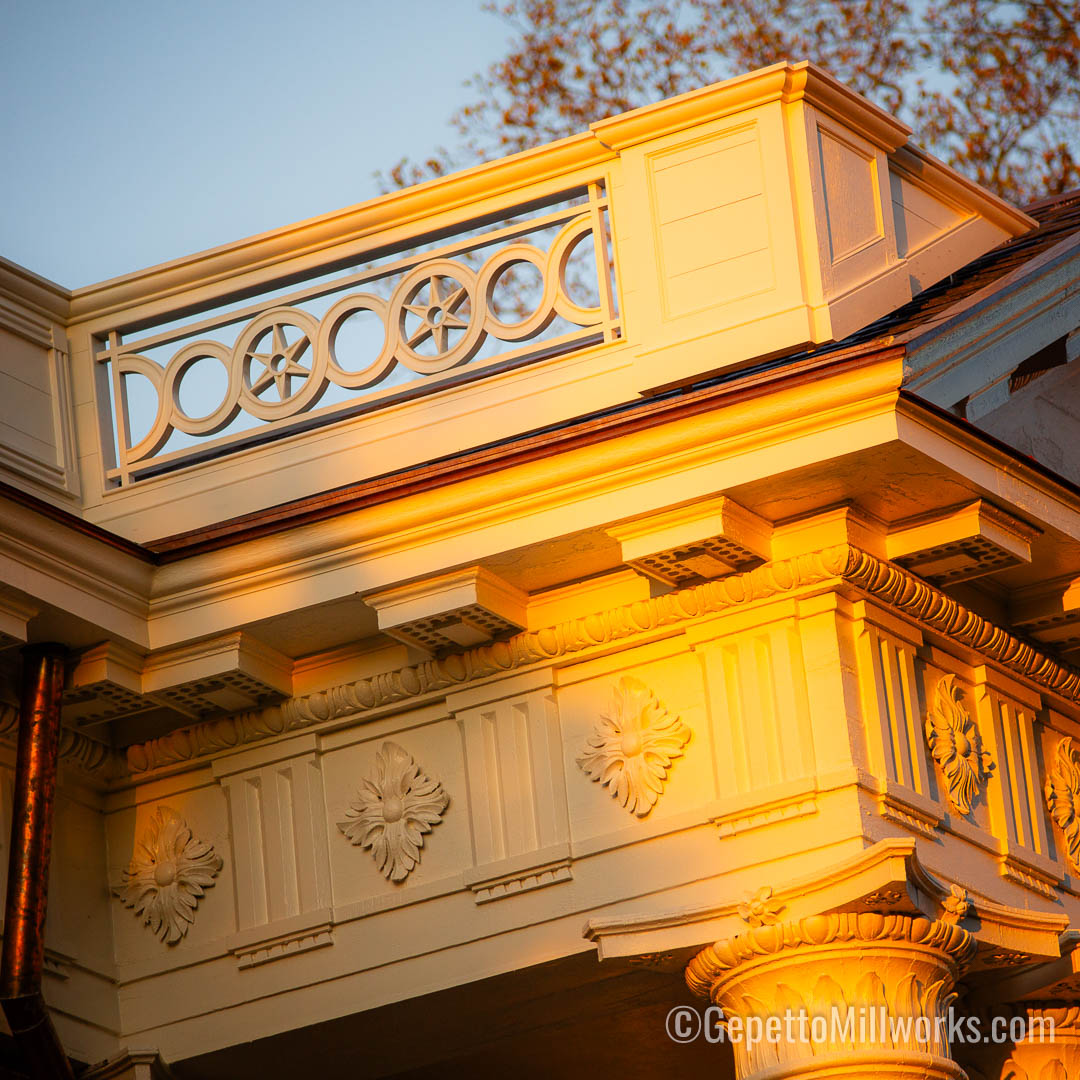
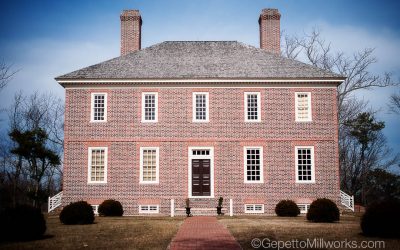
Built in 1911 and acquired by Virginia Commonwealth University (VCU) in 2001 the 18,000-square-foot mansion rehabilitation was orchestrated by long time specifiers of Gepetto Millworks – Glavé & Holmes Architecture. The modernization design was to provide a historically-sensitive rehabilitation to allow the building to serve as meeting and event space. The building’s historic fabric was restored in accordance with the Secretaty of the Interior’s Standards for Rehabilitation and the University’s preservation philosophy for historic buildings. Kjellstrom and Lee handled general contracting in concert with VCU maintenance and operations staff
Built in 1889 and 130 years later in 2019 another restoration began calling on Gepetto to custom fabricate new doors to match the historic profile. In addition to the time tested original joinery, we designed in our shop drawings a ‘stave core’ door that intelligently balanced the weather beating functions of three elements:
In 2018 + 2019 Sauers Spices made the development to move back into their historic offices at 2000 West Broad St capstoning the redevelopment of the Braod St Corridore. Not shown are the historically trimmed offices restored to their early 1900’s glory of mahogany framed glass privacy offices.
Virginia’s Central Business District, the Stumpf Flats on Main is currently undergoing a $5 million redevelopment, having previously served as the century old Stumpf Hotel. Renovation of the seven-story structure converted it into 24 one-bedroom apartments. Drucker + Falk the Washington, D.C.-based developer, is one of the most dominant and successful real estate developers in the Mid-Atlantic, controlling over 9 million square feet in the Washington Metro market with an additional downtown Richmond office and presence.
Lorem ipsum dolor sit amet, consectetur adipiscing elit, sed do eiusmod tempor incididunt ut labore et dolore magna aliqua. Consectetur adipiscing elit pellentesque habitant. Pulvinar mattis nunc sed blandit libero volutpat sed. Tincidunt arcu non sodales neque sodales ut. In iaculis nunc sed augue lacus viverra vitae congue eu. Facilisis magna etiam tempor orci. Gravida arcu ac tortor dignissim convallis aenean et tortor. Nibh mauris cursus mattis molestie a. Euismod elementum nisi quis eleifend quam adipiscing vitae proin sagittis. Vitae elementum curabitur vitae nunc sed velit. Imperdiet massa tincidunt nunc pulvinar sapien et ligula ullamcorper.
Originally built to house the Virginia Paper Company, the building became the home of the Lady Byrd Hat Factory in 1965. The building is located near the Turning Basin of Richmond’s newly constructed Canal Walk and is the only historic building on the Canal. McPherson Design Group assisted with the design for the conversion of this building to a mixed-use facility, including residential units, offices, restaurants, retail spaces and entertainment venues. Many of the historic structural elements were recycled and featured in the new building.
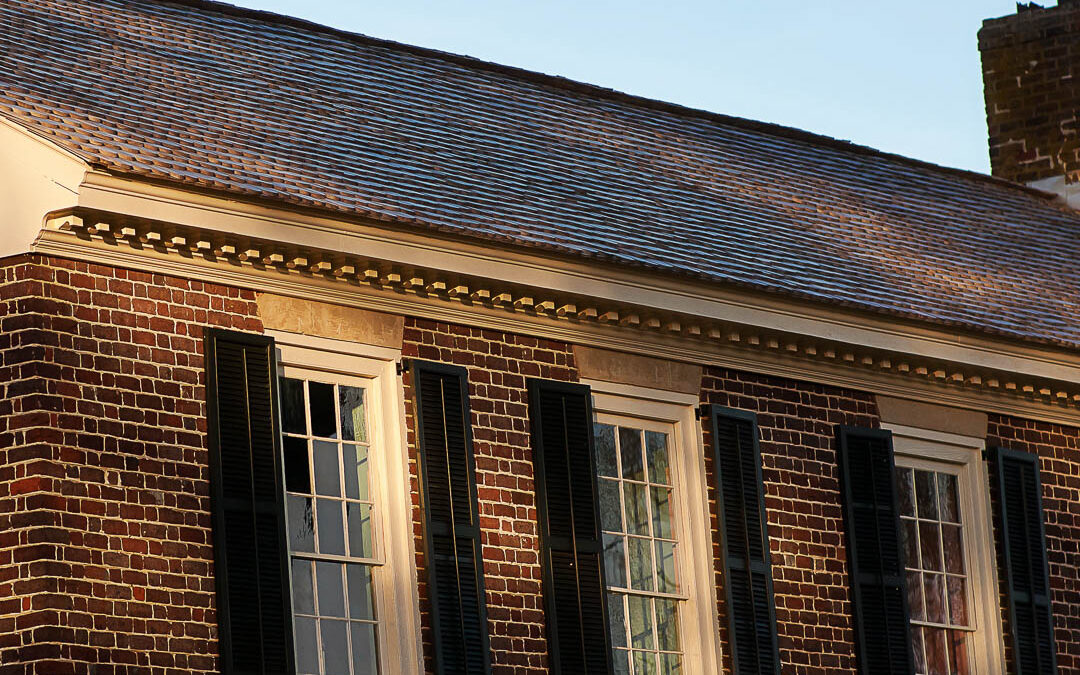
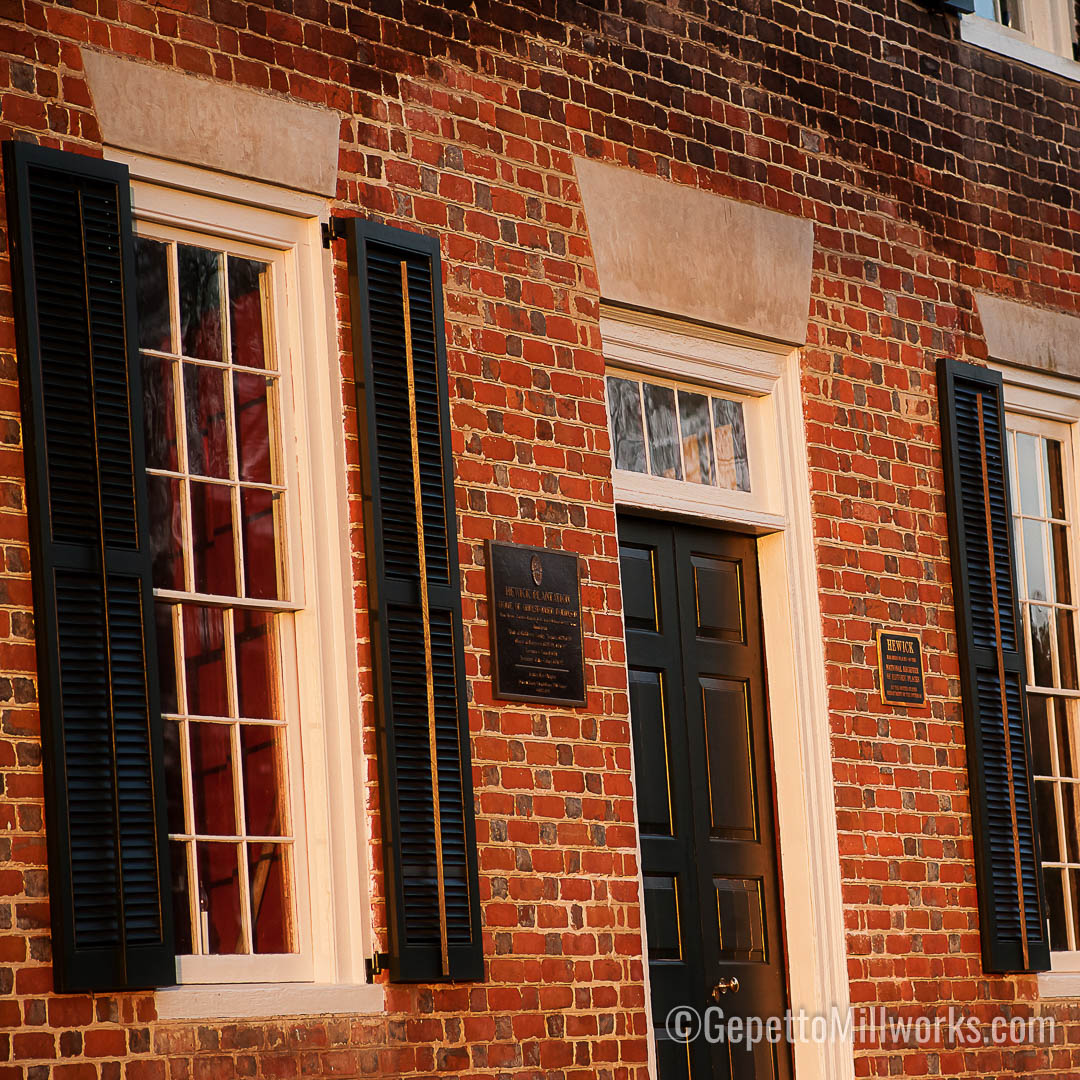
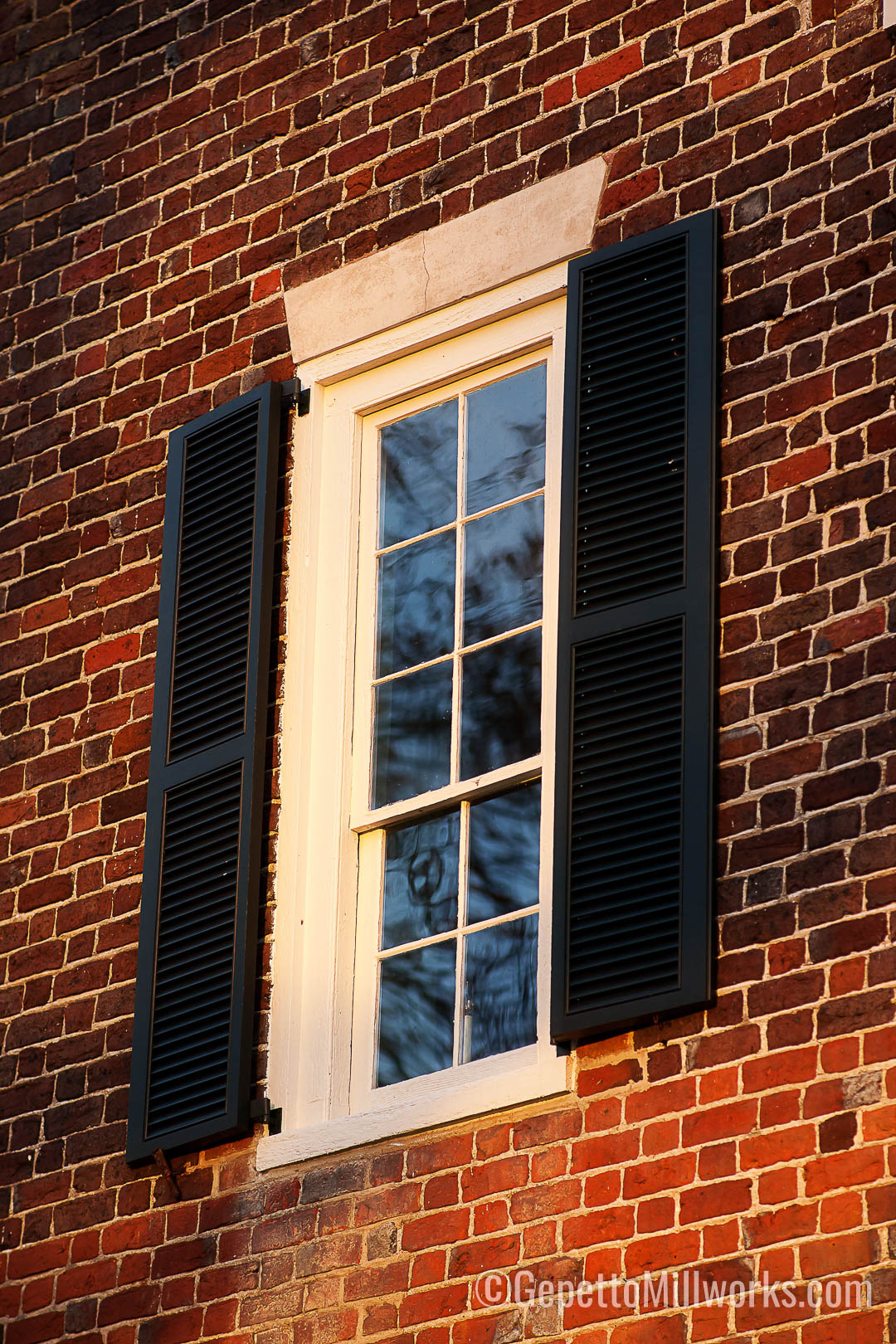
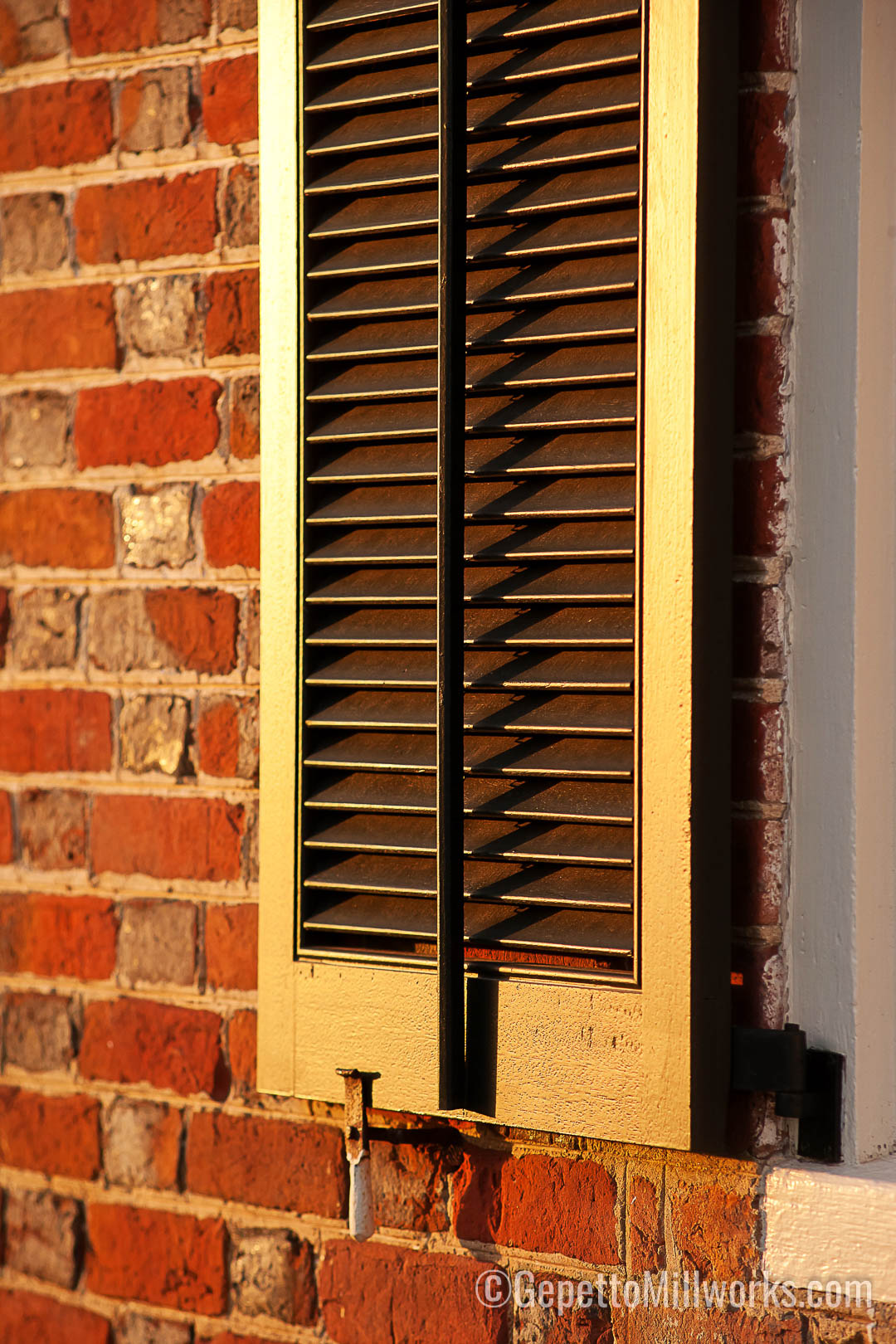
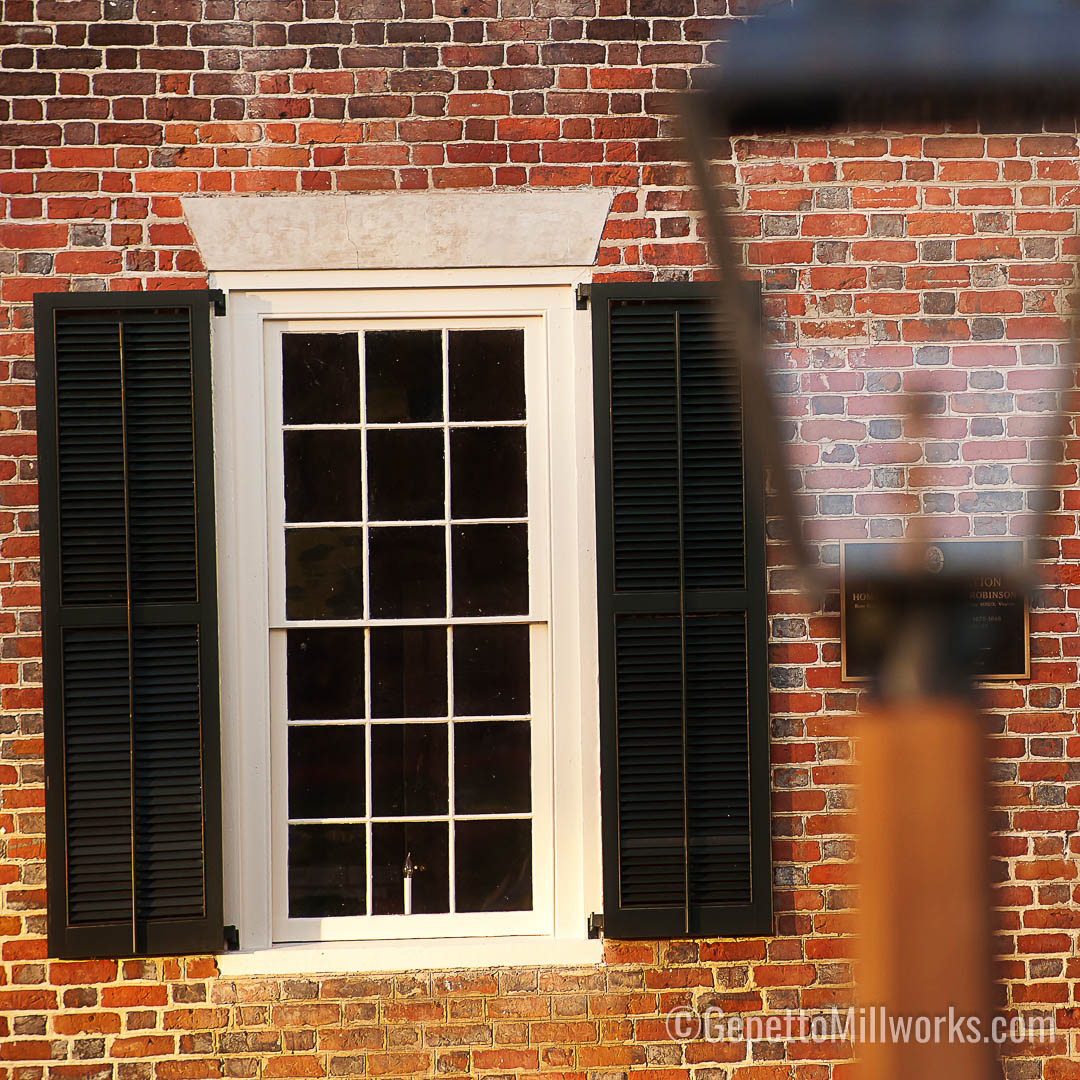
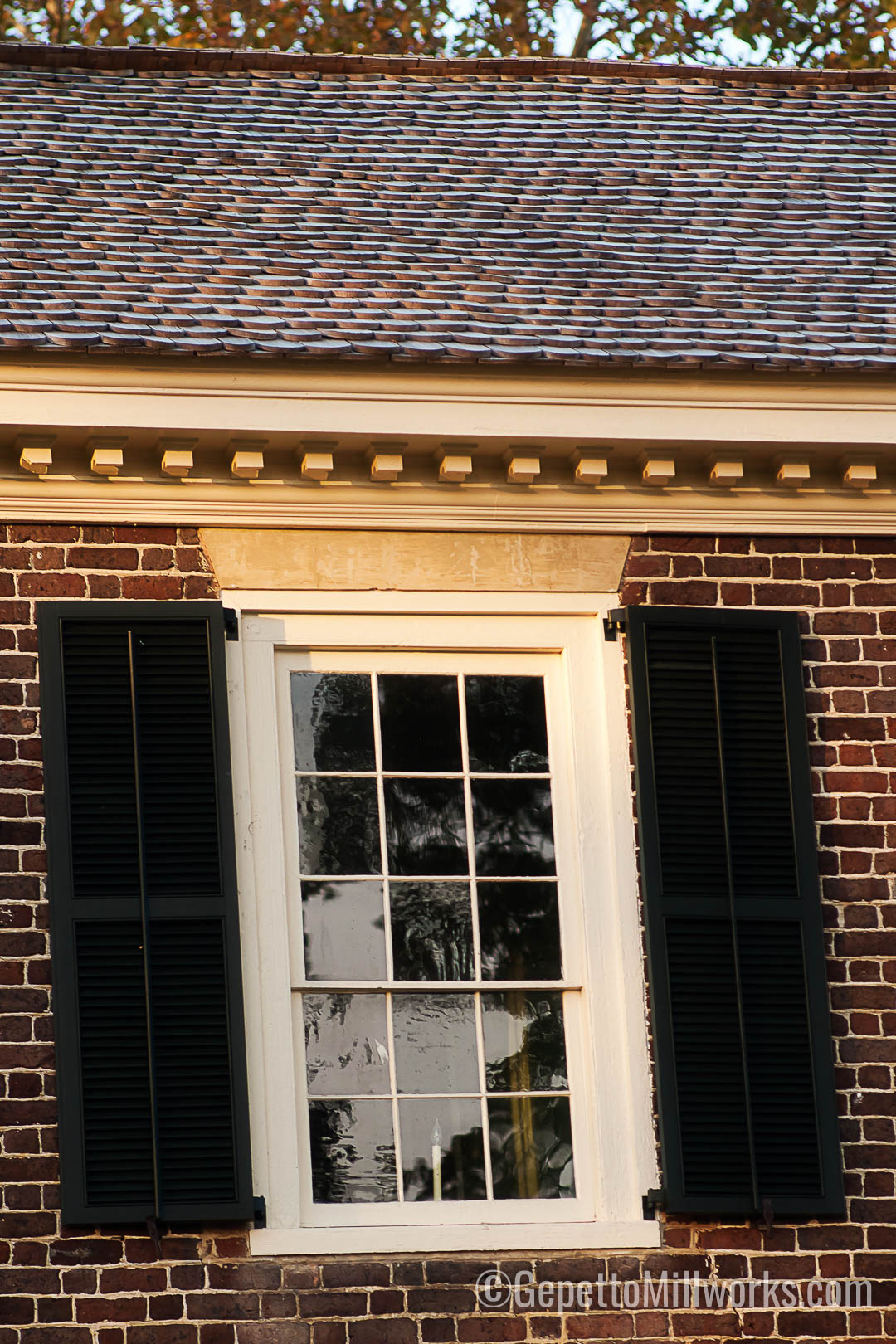
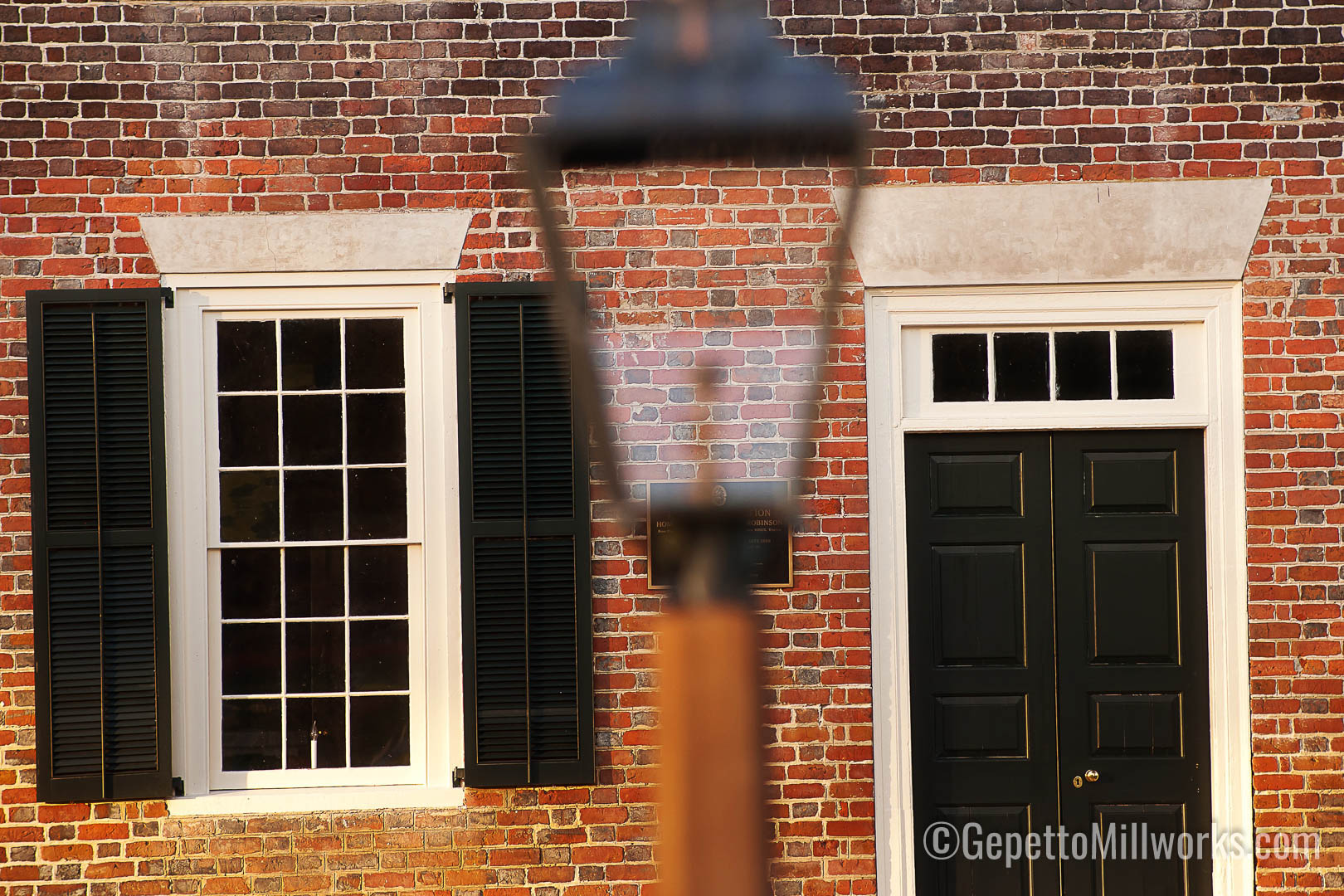
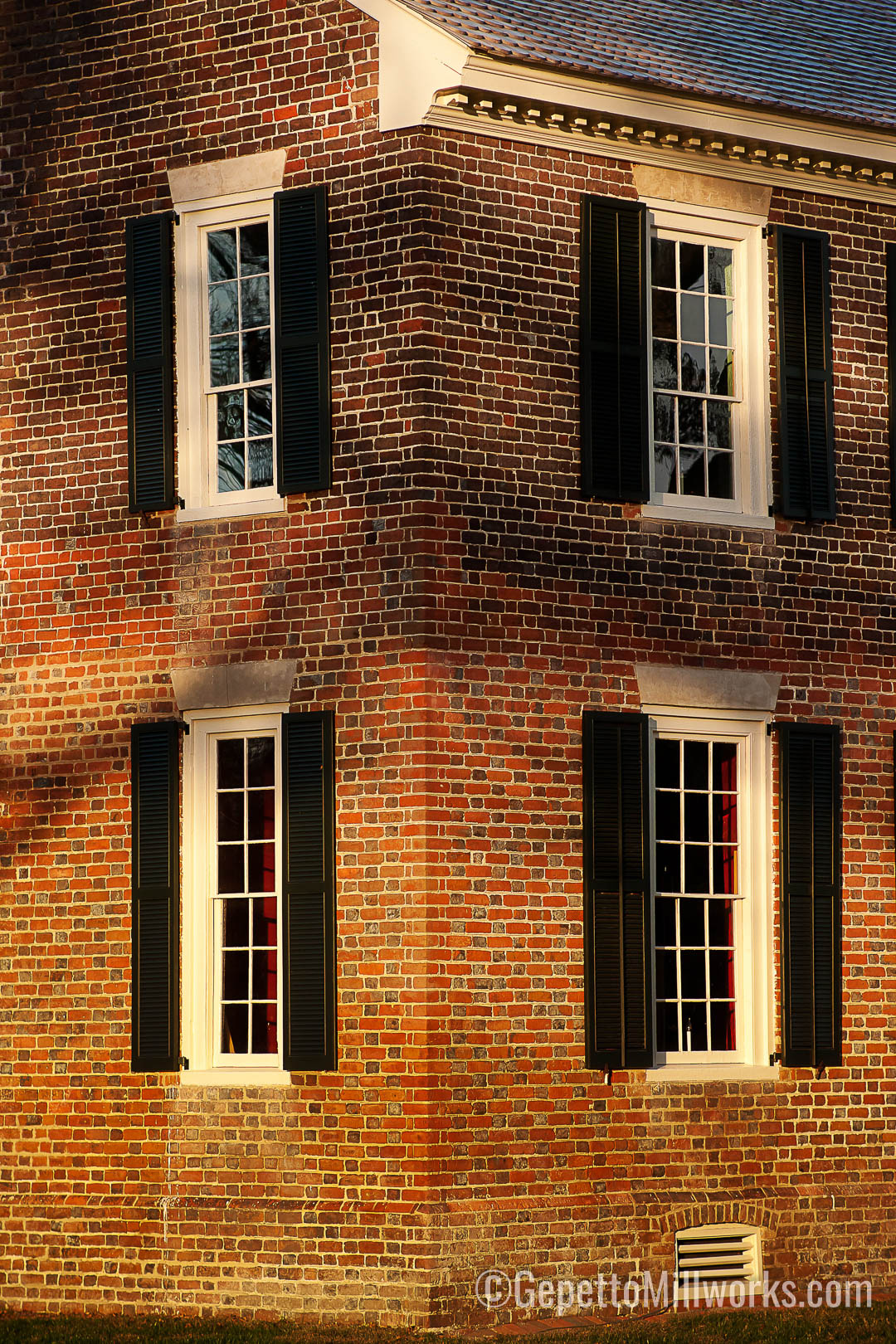
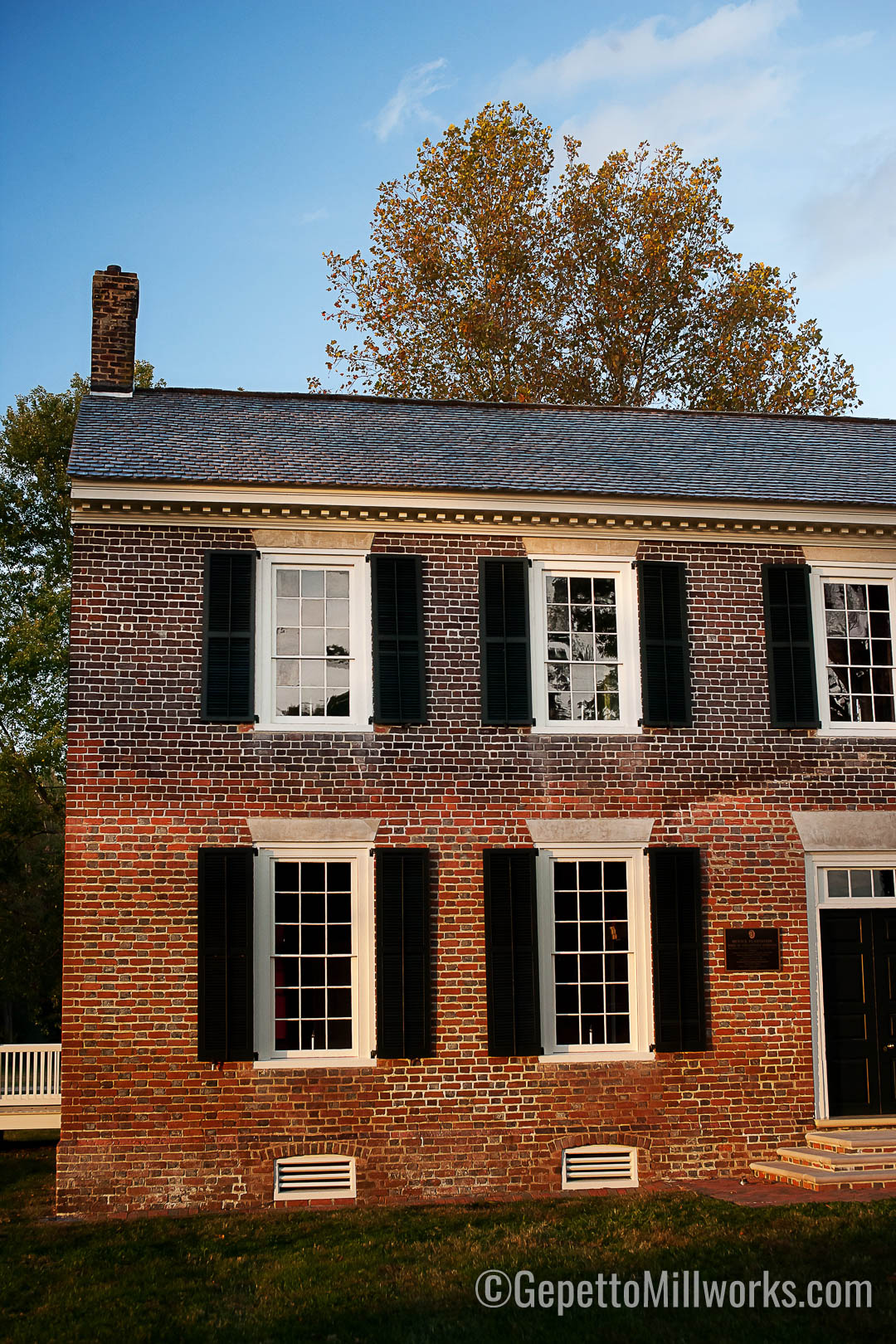
Handmade Wooden Shutters are a fixture in Virginia Historic Preservation
Gepetto has specific tooling and craftsmen to supply historic renovation
Accurate Materials and Technique
Accurate Materials and Technique restore with integrity to the core.
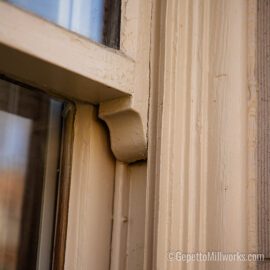
Historic preservation supplier for millwork, doors, windows and shutters
Made In Virginia
Your choice of Gepetto to supply your projects
Keeps the trade knowledge alive in VA
One Of A Kind
Whether working from rotted out existing
or fabricating to match historic record Gepetto craftsmen match drawings or photographs
with historically accurate technique
Historically Accurate Shutters
In the annals of architectural history, Virginia stands as a testament to the enduring legacy of American craftsmanship and design. From the colonial era through the antebellum period, the architectural landscape of Virginia evolved alongside social, political, and technological changes. One element that quietly reflects this progression is the humble shutter – an architectural detail often overlooked but integral to both form and function in historic buildings.
Colonial Virginia: Utilitarian Beginnings
In the early colonial period of the 17th century, Virginia’s architecture was pragmatic, reflecting the challenges of the New World. Buildings were typically constructed with locally available materials, and practicality dictated design. Early settlers, facing the harsh realities of Virginia’s climate and occasional skirmishes with indigenous peoples, sought to protect their homes from the elements and potential threats.
Shutters in colonial Virginia were primarily utilitarian in nature. They served as simple barriers against weather and intruders, constructed from wood and hinged to the sides of windows or doors. These shutters were often plain, lacking elaborate decoration, and were designed to be functional above all else. Colonial architectural styles such as the Cape Cod and Georgian influences were prevalent, with shutters complementing the symmetry and simplicity of these designs.
The Federal Period: Elegance and Symmetry
As Virginia transitioned into the Federal period in the late 18th century, architectural tastes shifted towards neoclassical elegance and symmetry. Influenced by the ideals of the Enlightenment and the architectural principles of ancient Greece and Rome, Federal style buildings in Virginia exuded refinement and sophistication.
Shutters during this period became more than just functional elements; they became integral components of architectural composition. Shutters were often painted in muted colors to complement the façade of the building, and decorative elements such as raised panels and louvered slats were introduced to add visual interest. The proportion and placement of shutters became carefully considered, contributing to the overall symmetry and balance of Federal style architecture.
Antebellum Virginia: Romantic Revival and Regional Variations
The antebellum period in Virginia witnessed a resurgence of interest in historical revival styles, inspired by romanticized notions of the past and a growing sense of regional identity. Architectural tastes became more eclectic, drawing from a variety of historical influences ranging from Greek Revival to Gothic Revival.
Shutters during the antebellum period reflected this diversity of styles. In rural areas, where agricultural wealth fueled the construction of grand plantation homes, shutters often featured elaborate detailing such as scrollwork and intricate louver patterns. In urban centers like Richmond and Alexandria, where mercantile prosperity thrived, shutters embraced the refined simplicity of Greek Revival and Italianate styles.
Preservation Challenges and Strategies
Today, preserving Virginia’s historic architecture, including its shutters, presents both challenges and opportunities. The passage of time, coupled with natural disasters and human intervention, has taken its toll on many historic buildings. Preservation efforts must balance the need to maintain historical integrity with modern-day functionality and safety standards.
One challenge in preserving historic shutters is ensuring their structural integrity. Many shutters from the colonial and Federal periods have succumbed to rot, insect damage, and general wear and tear. Preservationists must carefully assess the condition of existing shutters and employ appropriate conservation techniques, such as repair or replacement with historically accurate materials.
Another challenge lies in maintaining the visual authenticity of historic shutters. Over time, alterations and renovations may have resulted in the removal or alteration of original shutters. In such cases, preservationists may turn to archival research and historical documentation to recreate missing or damaged shutters, ensuring that new additions blend seamlessly with the original architectural fabric.
In the tapestry of Virginia’s architectural heritage, shutters serve as both functional elements and aesthetic adornments, reflecting the evolving tastes and technologies of their respective time periods. From the utilitarian simplicity of colonial Virginia to the neoclassical elegance of the Federal period and the eclectic revival styles of the antebellum era, shutters have played a vital role in shaping the character of Virginia’s built environment.
As stewards of Virginia’s architectural legacy, preservationists must remain vigilant in their efforts to safeguard historic buildings and their associated elements, including shutters. By embracing a holistic approach to preservation that balances conservation with adaptation, we can ensure that future generations continue to appreciate and cherish the rich architectural heritage of Virginia’s past.
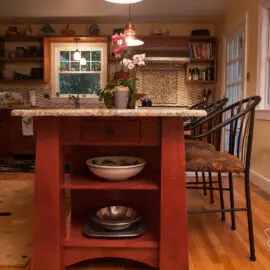
Craftsman style homes, originating in the late 19th and early 20th centuries, are renowned for their organic design elements and meticulous craftsmanship that wins in the hearts of Gepetto staff! Central to the allure of these homes is the intricate millwork featured in built-in cabinets, shelves, doors, baseboards, door frames, and crown detailing that really tie their interior spaces together with both function & aesthetic. As these homes age, preserving their original charm necessitates replacement or restoration of millwork components. Gepetto Millworks of Virginia has over 50 years of cumulative experience producing replica millwork to replace pieces damaged by time or accident. As a beacon of craftsmanship we offer bespoke millwork to your architect’s plan upholding the authenticity of a Craftsman style home being built from the ground up today. If the interplay between the millwork found in Craftsman homes built between 1900 and 1950 capture your admiration and inspire you in your dream home building process Gepetto Millworks stands ready to supply your project with attention down to the quality of the kiln dried rough-cut lumber we begin making your pieces from. If you are building your home to hold it’s value or inspire the next generation, you won’t be using veneer over a composite who’s structural integrity degrades with the swings in humidity. Gepetto craftsmen are doing hand joinery and working with solids every day in the shop and have the expertise to produce your drawings.
Craftsman Style Homes and Millwork:
Craftsman style homes emerged as a balancing response to the overly ornate Victorian architecture prevalent in the late 19th century. Influenced by the Arts and Crafts movement coming out of the furniture industry and academic design, Craftsman homes exude simplicity, warmth, and a connection to nature. The millwork found within these homes serves as a testament to the era’s emphasis on quality built by craftsmen honoring the natural materials they were most familiar with. Matt Wiley and Gepetto Millworks supplies replacement or new millwork to maintain the integrity of these architectural treasures if you are restoring one of these homes and seeking authentic replacement pieces.
Thecraftsman househas been around for more than 100 years, making it one of America’sfavorite architectural styles, with home-design elements built in to maximize space and elevate quality. “Craftsman-style homes are an expression of handcrafted artistry and natural materials utilized in honest ways,” says Rachael H Grochowski. This AmericanArts and Crafts stylewas popularized by furniture maker Gustav Stickley, who published a magazine calledThe Craftsmanand a book,Craftsman Homes(1909), that talk about the “simplification of life” and “a plain house that will last for generations and need but few repairs.”The tome served as a guide toCraftsman designthat spans everything from furniture to light fixtures and pillows.
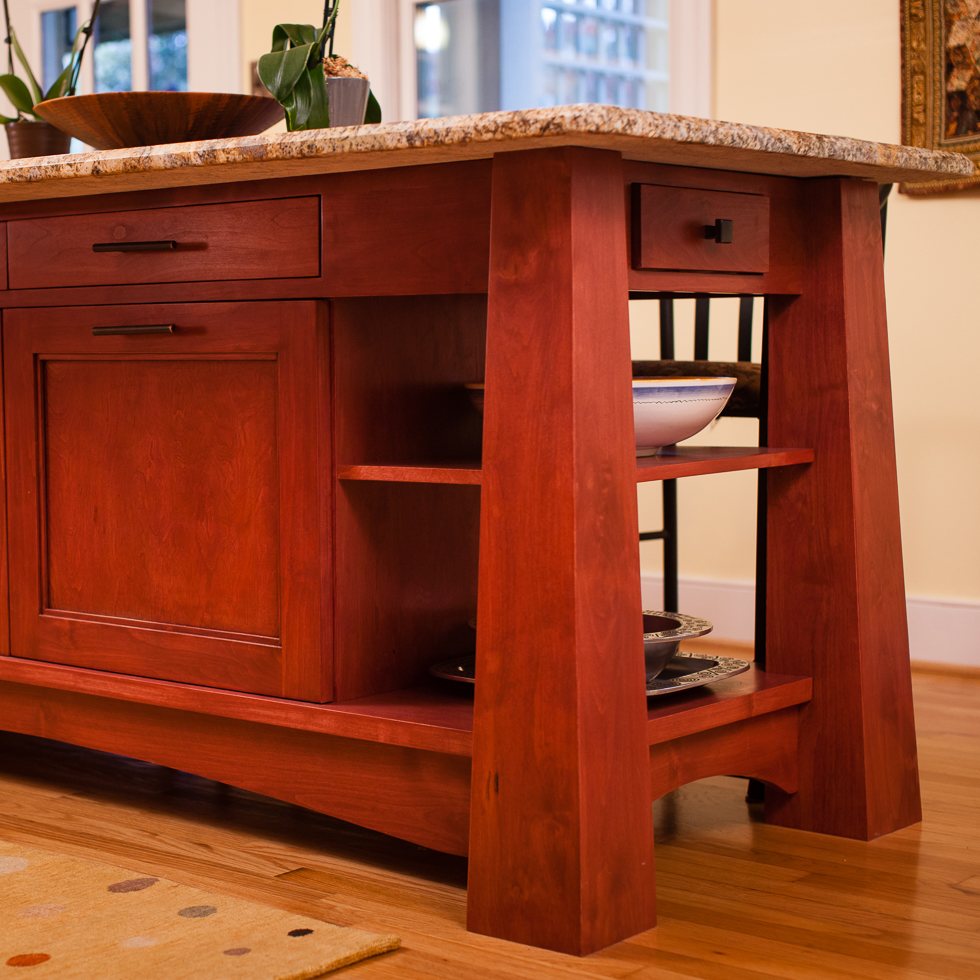
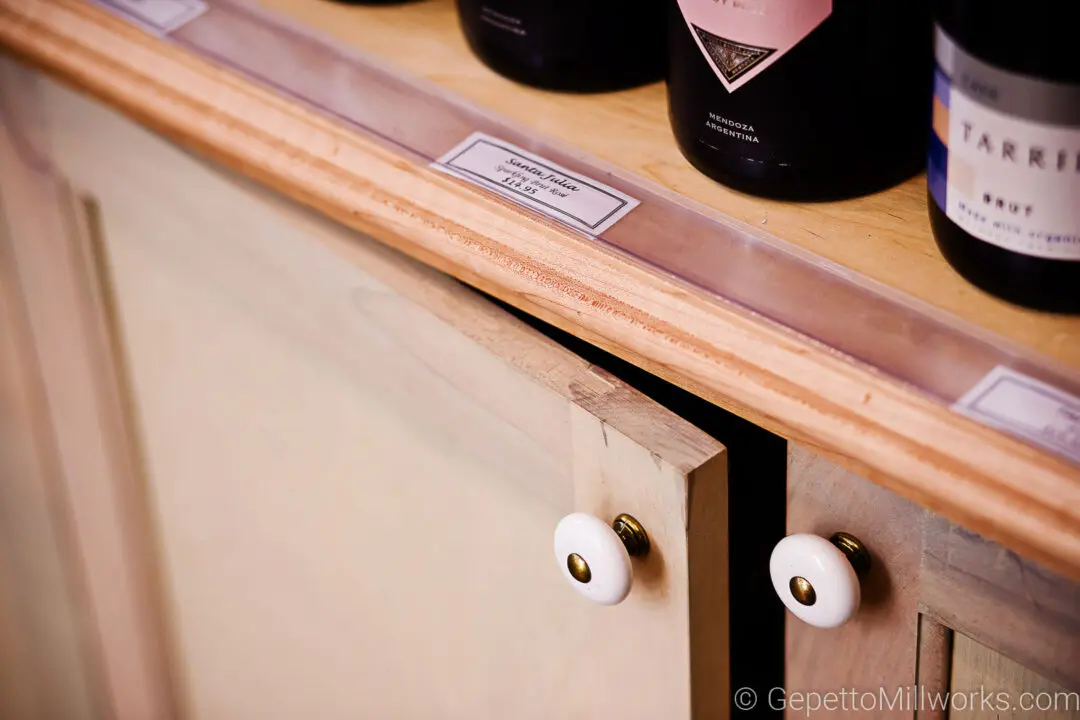
One of the defining features of Craftsman style homes is the presence of built-in cabinets and shelves. Made to fit elements are often characterized by sturdy construction, clean lines, and intricate detailing that doesn’t draw the eye like the former period of victorian squibbles. Craftsman cabinets and shelves typically are stained rather than painted, and showcase exposed grain and joinery, such as dovetail or mortise-and-tenon joints. The exposure highlights the skill of the craftsmen who created them, and honors the natural material’s texture. Gepetto Millworks of Virginia specializes in replicating these traditional joinery techniques, ensuring that replacement or new cabinets and shelves seamlessly integrate with the original millwork of Craftsman homes.
If you are launching into a ground up build and want to achieve the warmth of interior function in many of the interiors of America’s most famous architect, look no further than Gepetto as your trusted supplier! Built in bench seating, custom tables matching the design and grain of wall paneling – all of these options are available today through a supplier like Gepetto – but are generally lost in the transition to pre-manufactured home goods. If you are an interior designer and looking to make a splash for your client, give Matthew a call and talk through your goals as we have a cadre of experienced architects and millwork design draftsmen that can collaborate with you to produce the drawings and exact specifications to complete a project like this.
Doors and Door Frames:
Craftsman style doors and door frames are notable for their simple but elegant lines and solid construction. Doors featuring flat panels with simple geometric designs reflect the movement’s focus on craftsmanship with timeless geometric accents. Craftsman door frames may be unadorned with stained trim featuring the beauty of the natural wood grain to shine through. When you are featuring the grain, you’ll want to choose a supplier who can source slow grown species which have fewer defects. We make your doors to your custom design and frame detailing, allowing individual homeowners or architects to carry the authentic character of their Craftsman style homes into the future. We have some modern durability upgrades and weather proofing options that didn’t exist in the 1920’s and ’30s that will still honor the integrity of the wood materials.
Craftsman Baseboards and Crown Detailing:
Baseboards and crown detailing play a crucial role in defining the architectural character of Craftsman style homes. Baseboards are typically simple yet substantial, providing a visually pleasing transition between the walls and floors. Crown detailing, and even entire ceiling details on the other hand, adds a touch of elegance to the interior spaces, framing the ceilings and drawing the eye upward. Whether you’re dealing with a modest craftsman home or something bold and complex that might be categorized into the ‘midcentury modern’ aesthetic we specialize in crafting bespoke wood architectural elements. Baseboards and crown molding that capture the essence of Craftsman style produced using high-quality wood species and traditional milling techniques to achieve authentic period details.
Bungalow Columns & Room Dividers:
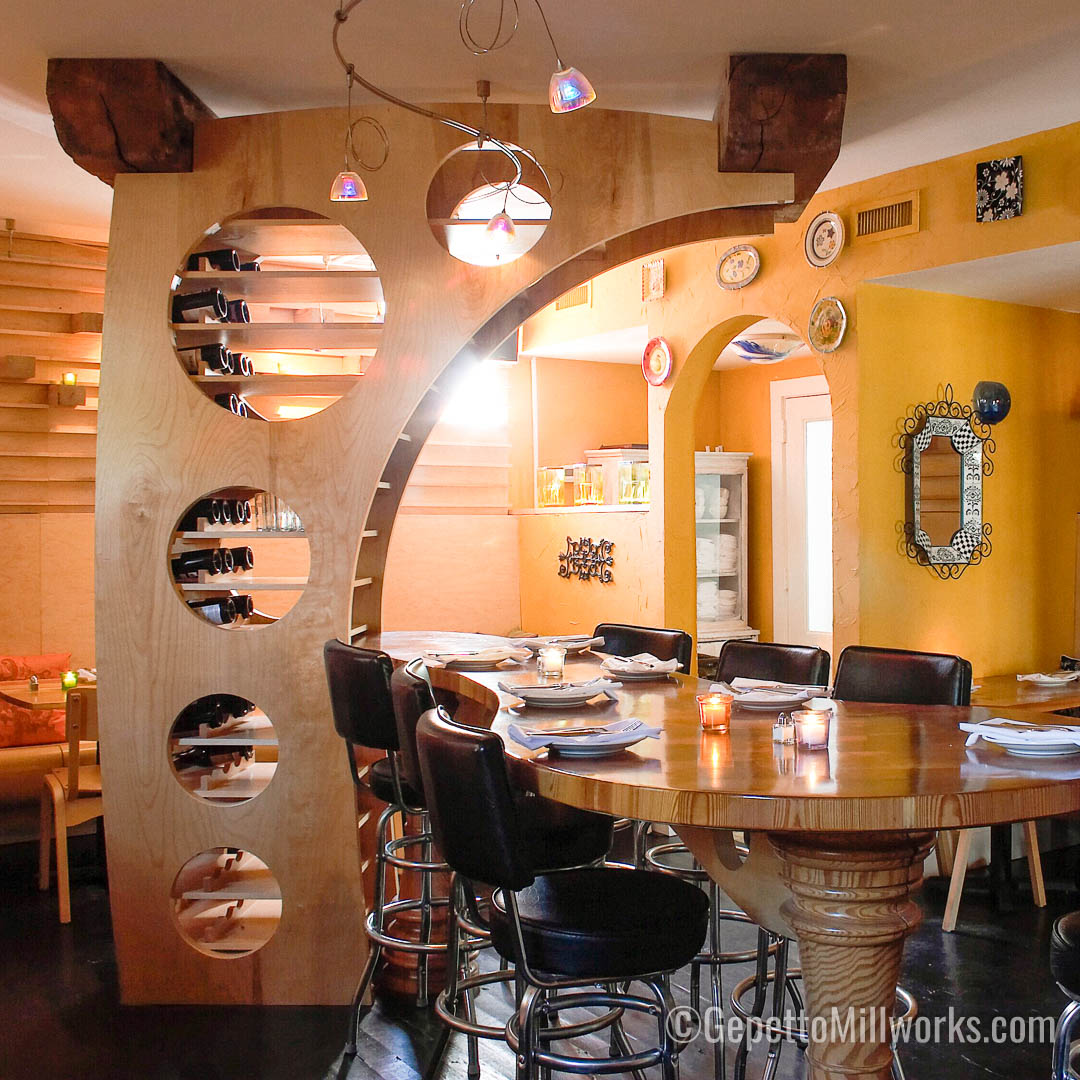
In addition to the built-in cabinets, doors, and trim, Craftsman style homes often feature distinctive bungalow columns and room dividers that mirror the square tapered column. The exterior to interior theme contributes to their recognizable charm from the street view. Bungalow columns, typically square or tapered, support the expansive front porches characteristic of Craftsman homes, evoking a sense of strength and solidity. The columns are often adorned with simple, yet elegant detailing, such as decorative capitals or geometric patterns, echoing the overall aesthetic of the home. That exterior theme is brought indoors to room dividers. Another hallmark of Craftsman design separating rooms with solid wood detailing often open to sound and light maintaining an open and airy feel. Dividers may feature built-in shelving, decorative screens, or crafted woodwork, adding visual interest and functionality to interior spaces. Today we can light them with LED accents and offers custom solutions for replicating or restoring solid wood columns and room dividers, ensuring that the timeless beauty of Craftsman style homes remains intact.
Bungalow, Prairie School, and Mission Revival style Millwork
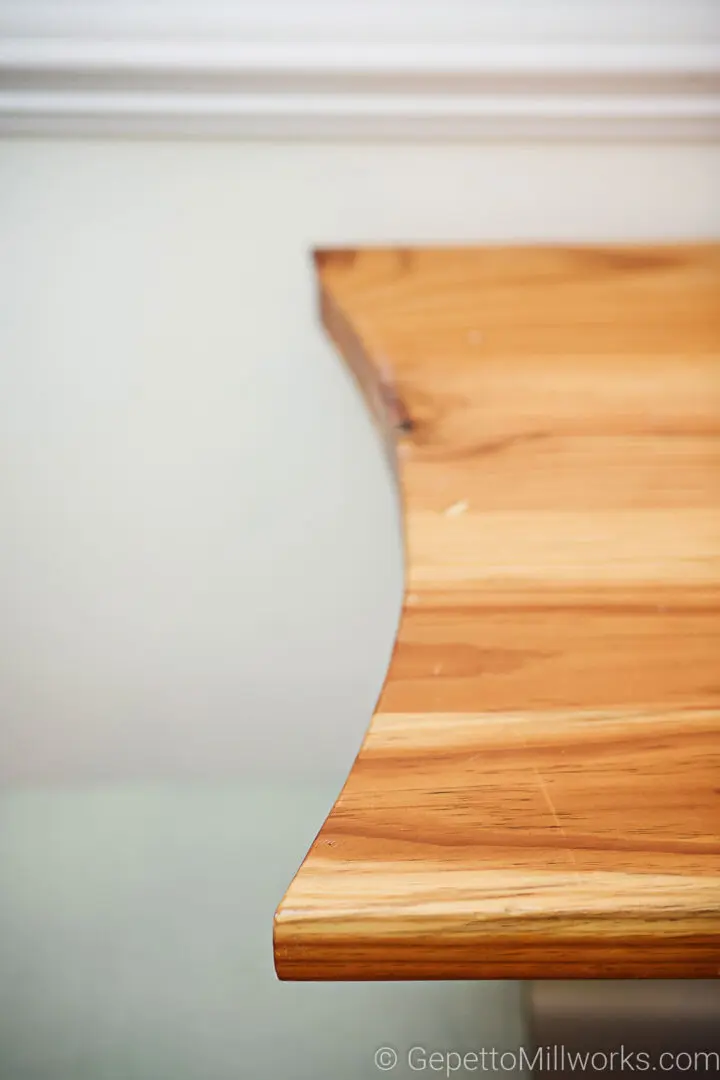
As Craftsman style homes continue to age, the preservation of their original millwork can feel like an impossible task until you find us! Gepetto Millworks of Virginia understands the unique challenges associated with renovating these architectural treasures and offers tailored solutions to meet the needs of homeowners and restoration professionals alike. Whether it’s replicating a damaged cabinet door, matching the profile of a historic baseboard, or crafting custom-built shelving with live edge solid wood to complement existing millwork with your needs of today. Gepetto Millworks of Virginia combines traditional craftsmanship with modern technology to ensure the longevity and authenticity of Craftsman style homes for generations to come. No one in 1940 was thinking of building in their flat screen TV – but today, you can build in your audio visual equipment into free standing or wall attached designed millwork.
Custom Millwork MaDe to Order
Is all we do every day of the week!
Craftsman style homes stand as enduring symbols of American craftsmanship and ingenuity, embodying the principles of simplicity, honesty, and connection to nature. The intricate millwork featured in these homes plays a vital role in defining their architectural character and we wish to work with the architects, interior designers and owners who are inspired to keep this tradition alive. We offer bespoke solutions for the replacement or restoration of millwork components in Craftsman style homes built in any era and their brethren styles: Bungalow, Prairie School, and Mission Revival. Our combination of traditional craftsmanship with modern techniques and materials ensures that the beauty and integrity of architectural woodworking shine for future generations to enjoy.
Rustic, Country Chic, and farmhouse style aesthetics have gained immense popularity with interior design across Virginia, West Virginia, North & South Carolina the core service areas Gepetto delivers custom wood built millwork within. The appeal boils down to offering a cozyness, the appeal of exposed wood grain has an attraction buried deep within the human psyche. A design theme centered around wood that evokes a sense of warmth, simplicity, and a connection to nature makes the perfect customer for Gepetto.
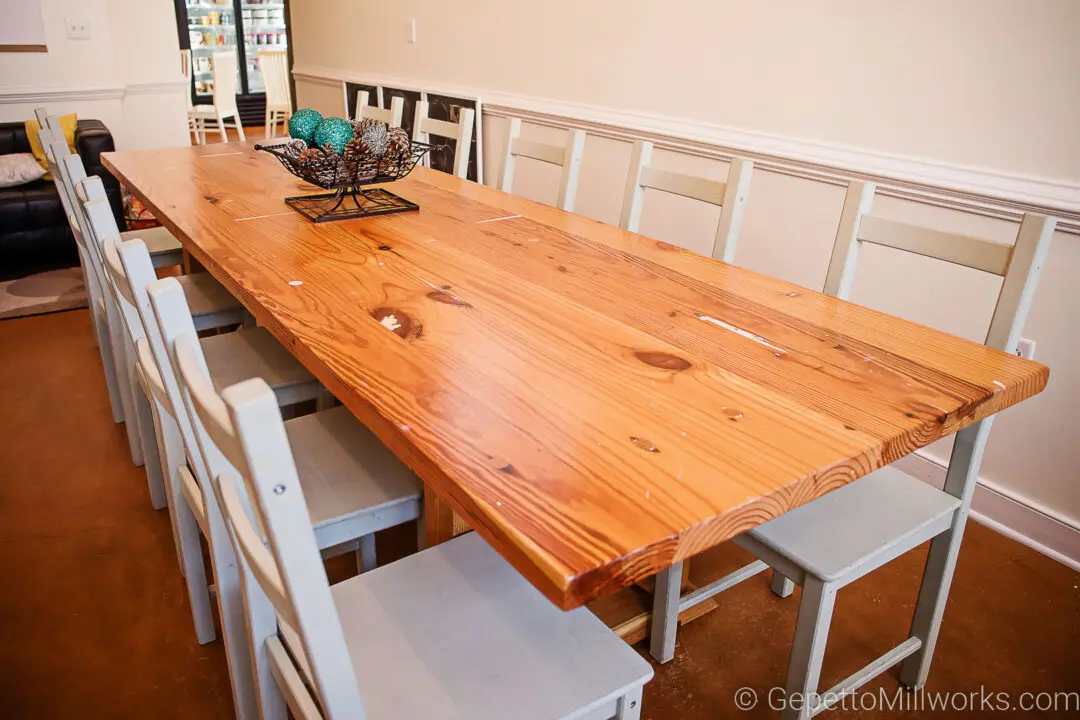
We apply the same warm blend of historic styles to modern homes, restaurants and office spaces as well if you are a design architect reading this we look forward to getting you on the phone before you start your surface design specifications so that we can talk about species, placement and cost saving measures we can achieve for you. The rustic styles create inviting environments that prioritize human comfort and well-being. Gepetto Millworks fabricates and delivers conference room tables or wooden desk surfaces that feel warm and look touchable. Based in the hills near Charlottesville, Virginia, we have done many projects sourcing directly from Virginia barn structures that are falling apart repurposing them into. We bring the rustic design elements to life through custom fabricating furnishings, infusing spaces with character and charm that we tore down from other spots in Virginia.
Rustic Charm in Restaurant Furnishings
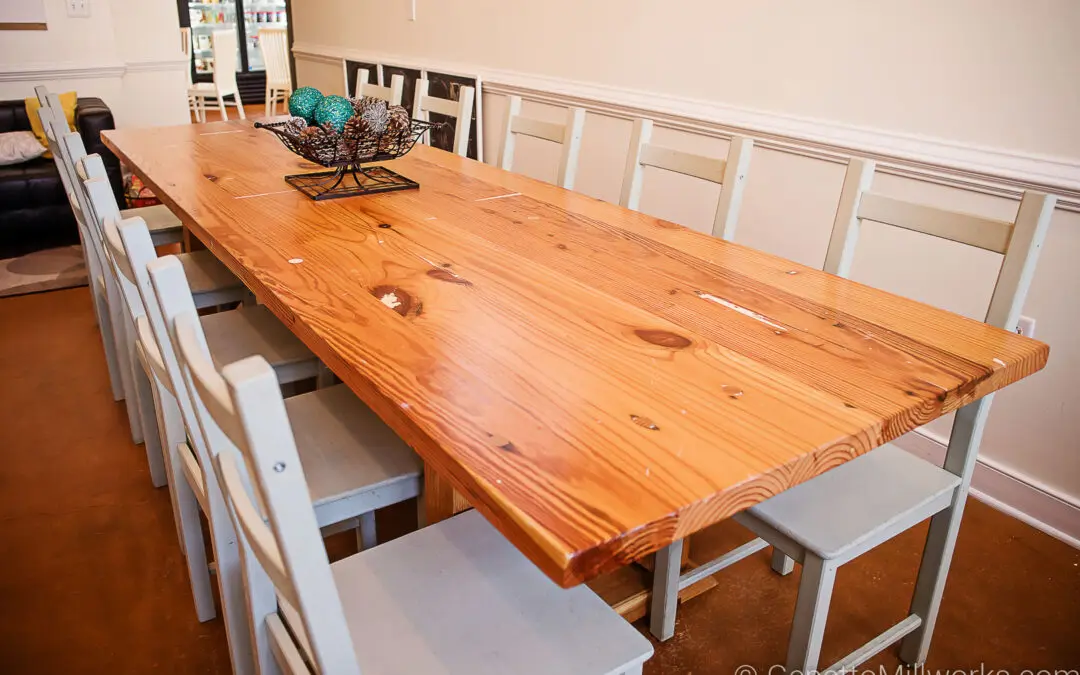
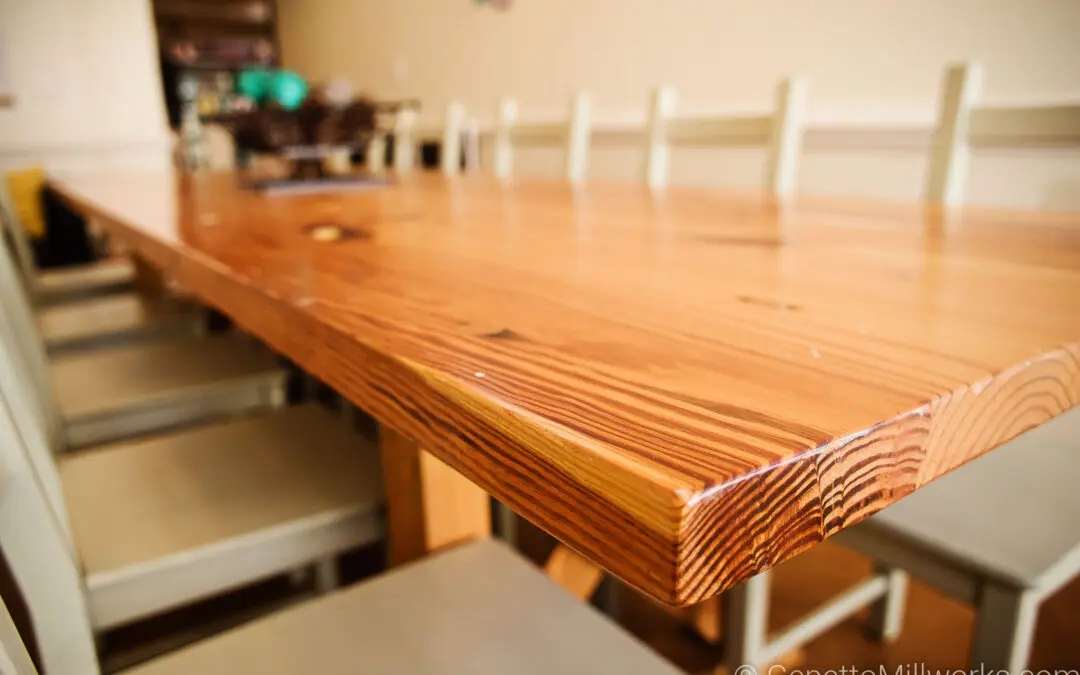
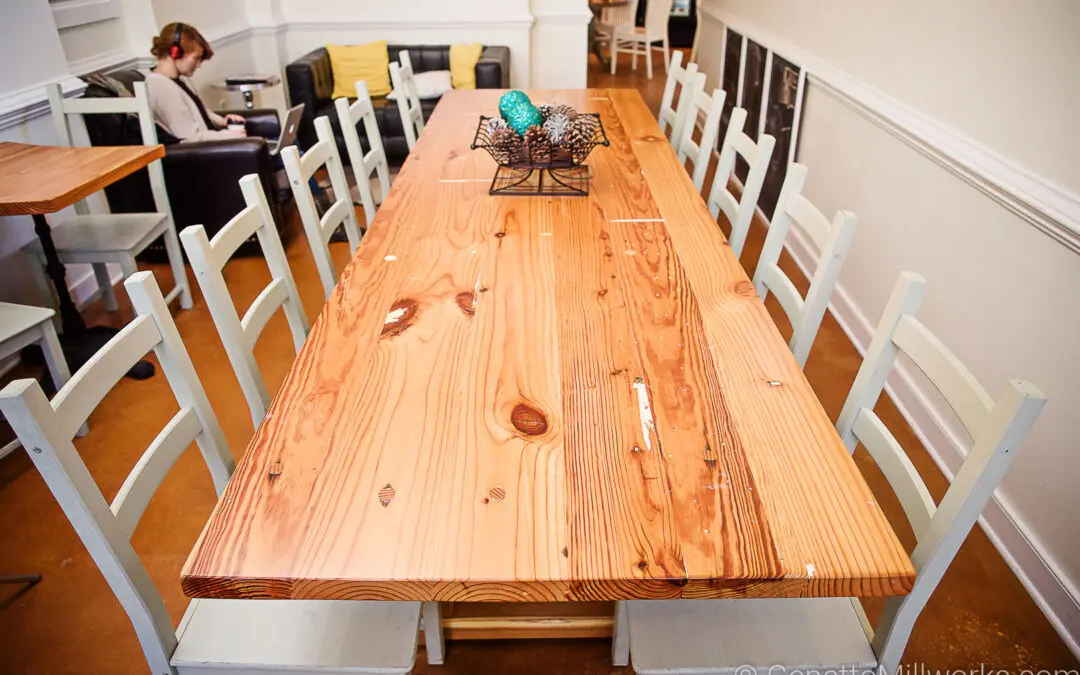
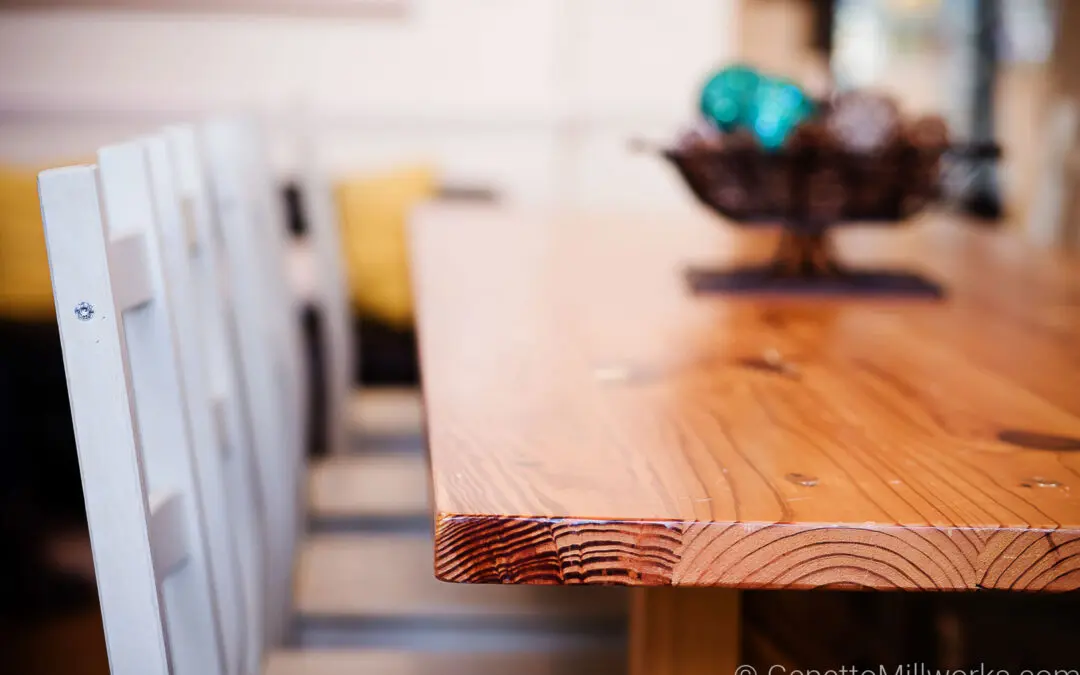
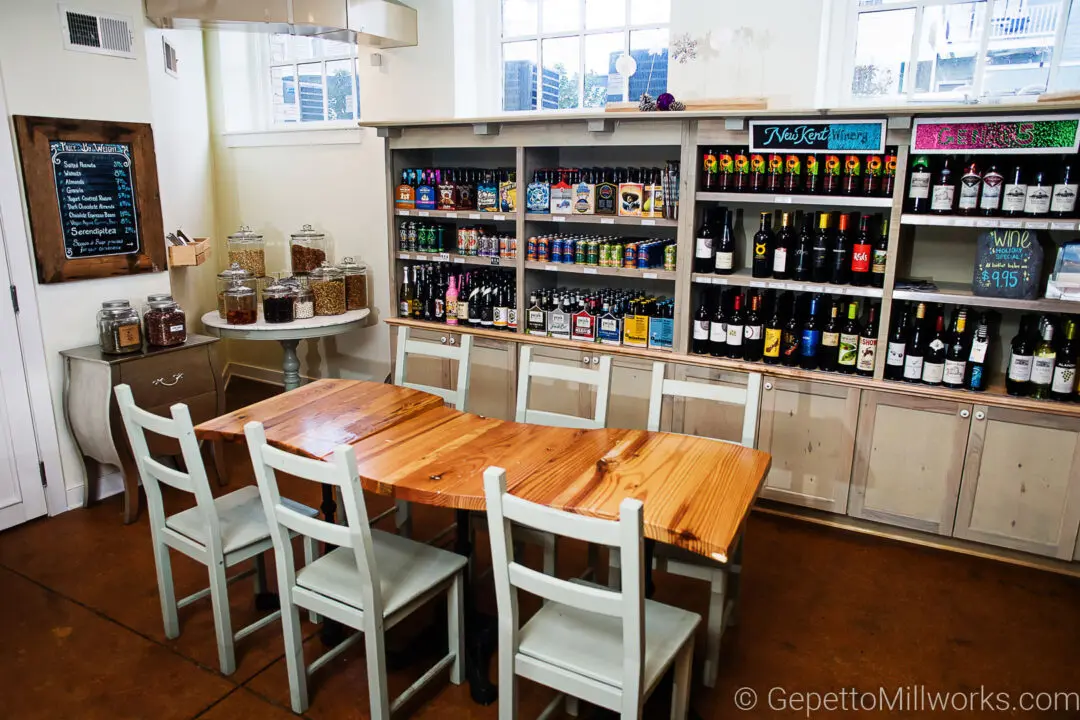
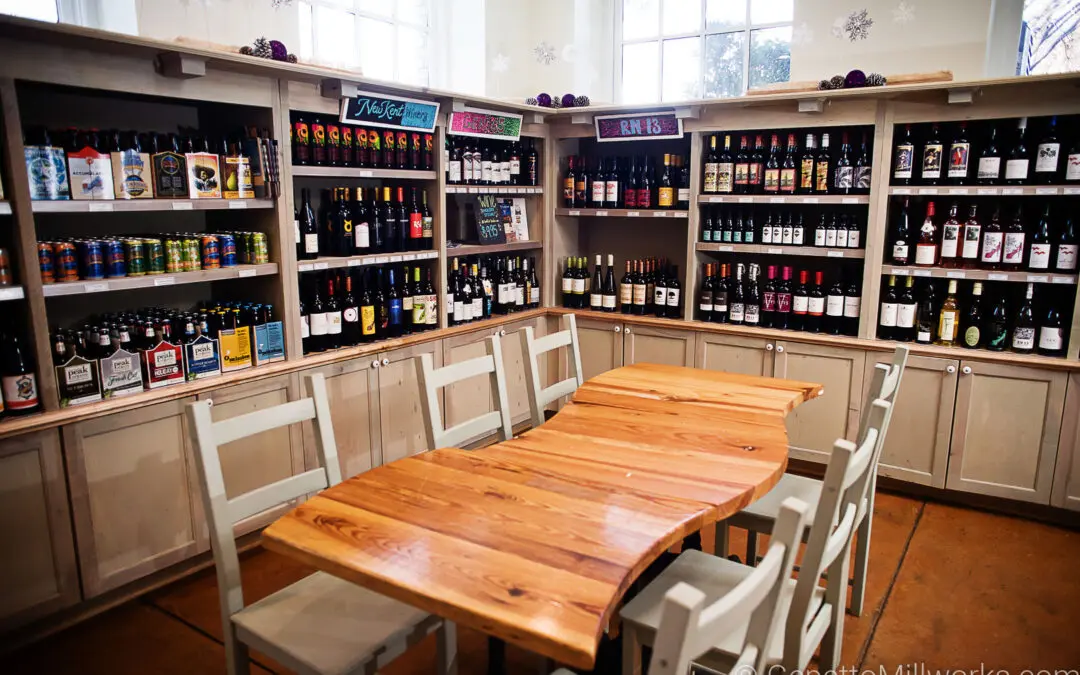
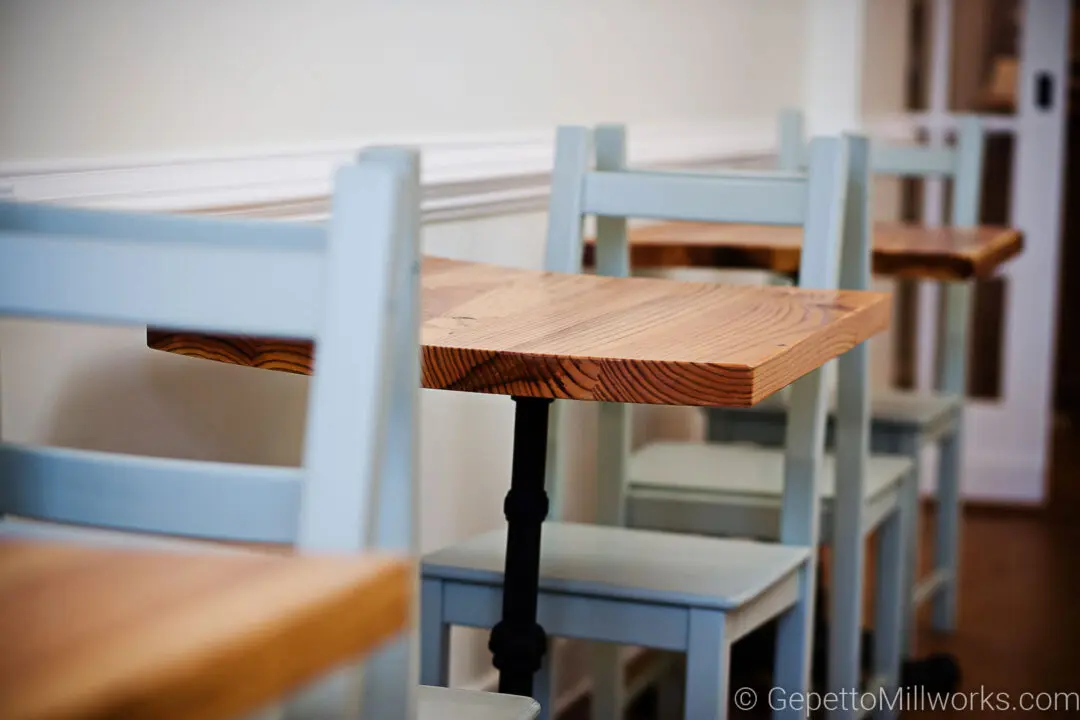
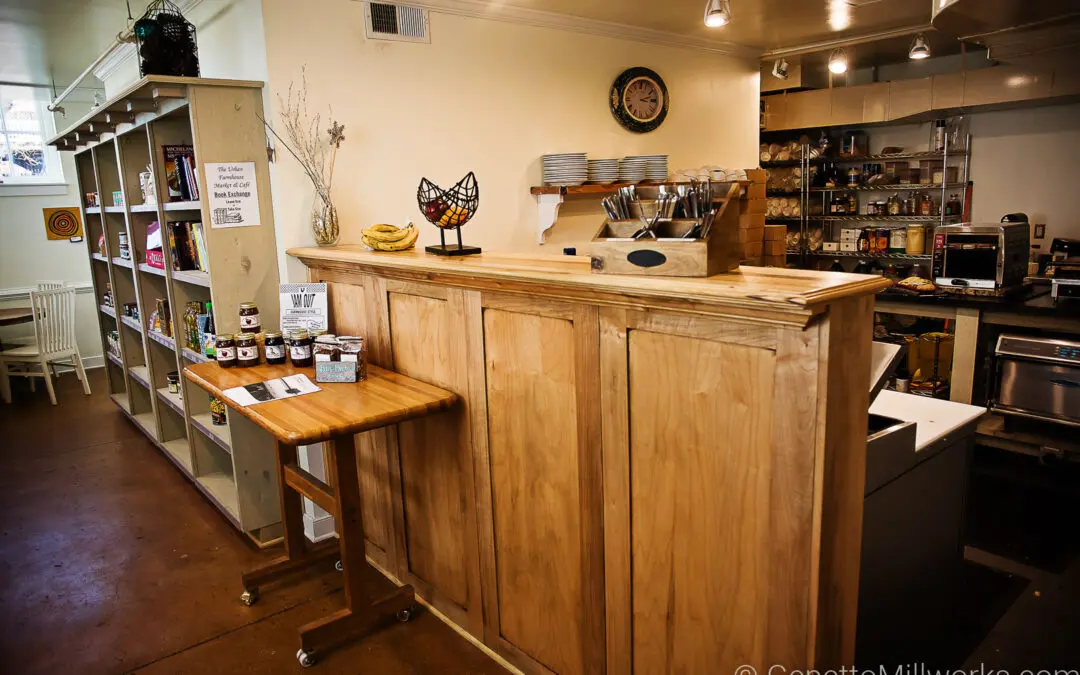
Rustic design is characterized by its use of natural materials, earthy tones, and a focus on simplicity. In restaurant furnishings, this aesthetic can be translated into wooden tables, chairs, and reclaimed materials that give the space a warm and inviting ambiance. Gepetto Millworks, with its expertise in custom woodworking, can craft unique pieces that showcase the beauty of natural wood grains and textures. And in today’s era, we have to state that these are all solid wood – no facings, veneers or other shortcuts that don’t wear well or last.
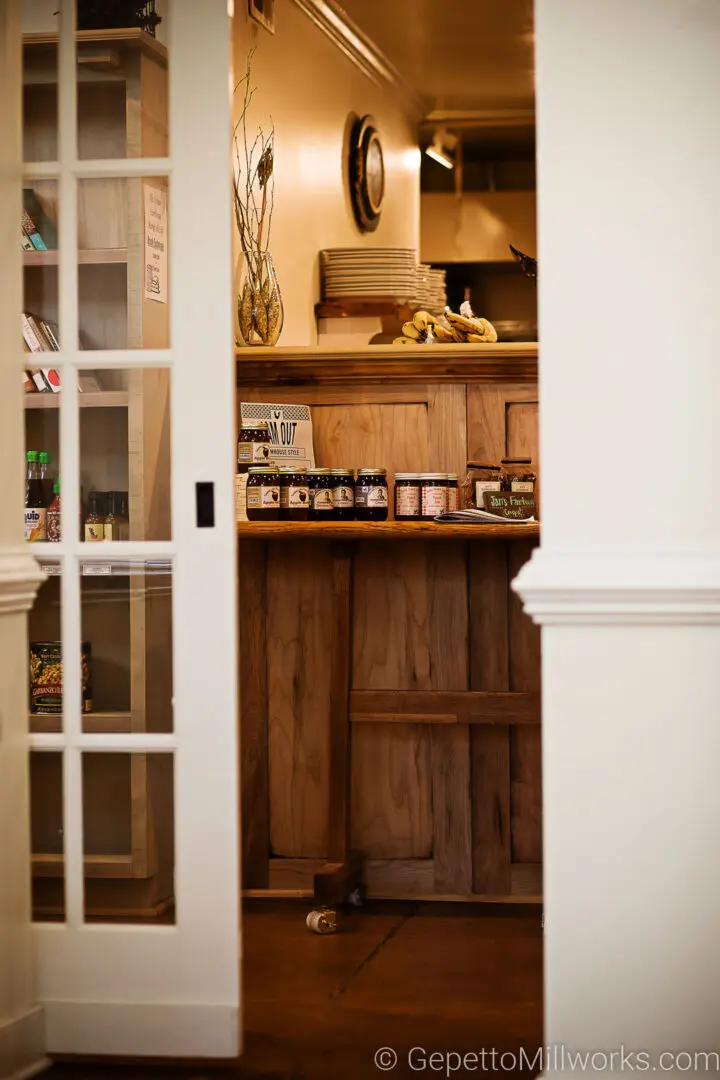
Additionally, incorporating open shelving made from reclaimed wood for displaying dishes or rustic lighting fixtures can further enhance the overall aesthetic. The goal is to create an atmosphere that feels welcoming and authentic, encouraging patrons to relax and enjoy their dining experience. Embracing Country Chic in Office Spaces
Country Chic design brings together elements of vintage charm and contemporary style. When applied to office spaces, it can transform work environments into comfortable and visually appealing places. Gepetto Millworks can play a pivotal role in achieving this by crafting bespoke office furniture that combines functionality with aesthetic appeal.
Imagine an office reception area with a distressed wooden desk, adorned with vintage accessories and accents. The use of pastel colors and floral patterns in upholstery can contribute to the Country Chic vibe. Gepetto Millworks can design and build custom storage solutions such as bookshelves or cabinets, incorporating beadboard paneling or other country-style details.
For workstations, the use of reclaimed wood for desks and ergonomic chairs upholstered in soft, natural fabrics can create a workspace that is both comfortable and visually pleasing. Country Chic office spaces can benefit from the integration of potted plants, artwork, and decorative items that evoke a sense of hominess.
Farmhouse Aesthetics: A Blend of Comfort and Functionality
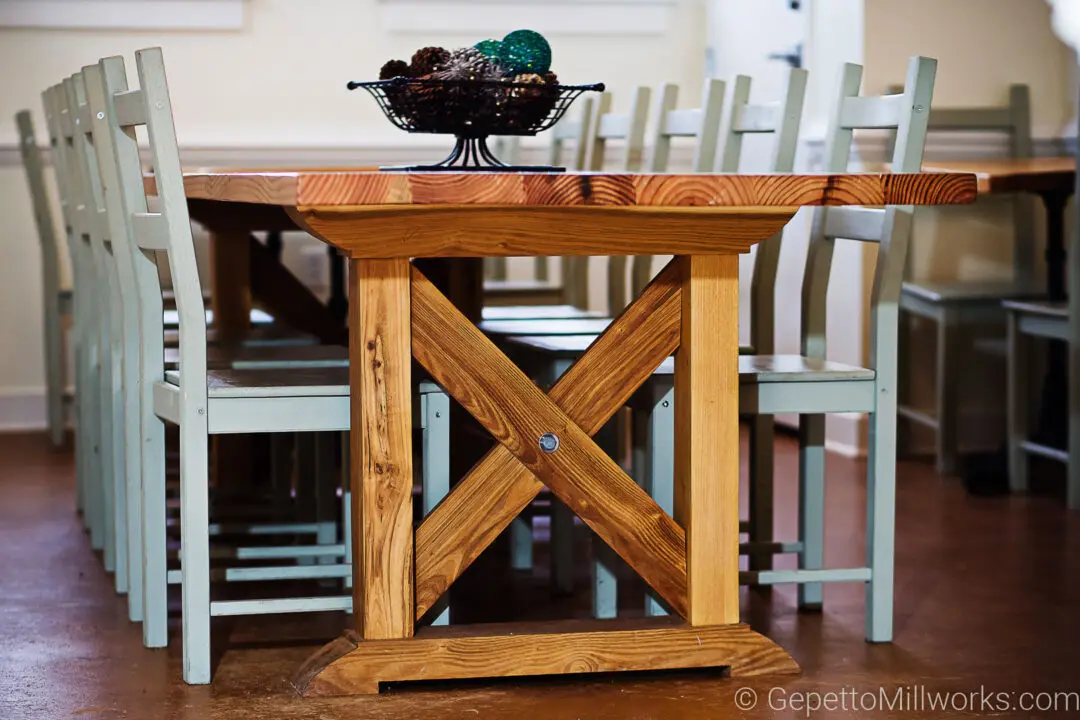
Farmhouse aesthetics often focus on the fusion of comfort and functionality with a not to Virginia’s historic past. Our commitment to craftsmanship can bring this fusion to life in both restaurant and office settings. In restaurant furnishings, farmhouse-inspired tables with sturdy construction can withstand the rigors of daily use while maintaining a charming appearance.
Farmhouse-style seating with cushioned benches and wooden chairs can contribute to a convivial atmosphere. Gepetto Millworks can customize these pieces to align with the specific needs and preferences of the establishment, ensuring that both the staff and patrons enjoy the space.
In office settings, farmhouse aesthetics can be integrated into conference rooms, creating a collaborative and inviting space. Large, robust tables made from solid wood can serve as a focal point, complemented by comfortable seating. Gepetto Millworks can incorporate storage solutions that seamlessly blend with the farmhouse theme, providing practicality without sacrificing style.
Gepetto Millworks: Crafting Unique and Personalized Spaces
Gepetto Millworks, based in Richmond, Virginia, is uniquely positioned to bring the charm of Rustic, Country Chic, and farmhouse aesthetics to life. The company’s commitment to craftsmanship and customization ensures that each piece of furniture is not just functional but also a work of art.
The artisans at Gepetto Millworks have a keen understanding of design principles and can work closely with clients to capture the essence of the desired aesthetic. Whether it’s creating a cozy dining nook for a restaurant or designing a welcoming office lobby, Gepetto Millworks excels in translating visions into tangible, high-quality furnishings. Conclusion: Elevating Spaces with Timeless Design
In conclusion, Rustic, Country Chic, and farmhouse aesthetics offer a wealth of design potential for restaurant and office spaces, focusing on human comfort and warm elements. Gepetto Millworks, situated in Richmond, Virginia, stands out as a reliable partner in bringing these design themes to life through custom furnishings.
By harnessing the beauty of natural materials, expert craftsmanship, and a commitment to personalized service, Gepetto Millworks can transform spaces into havens of comfort and style. Whether it’s the rugged charm of Rustic design, the vintage allure of Country Chic, or the functional elegance of farmhouse aesthetics, Gepetto Millworks has the expertise to craft furnishings that resonate with the unique identity of each establishment.
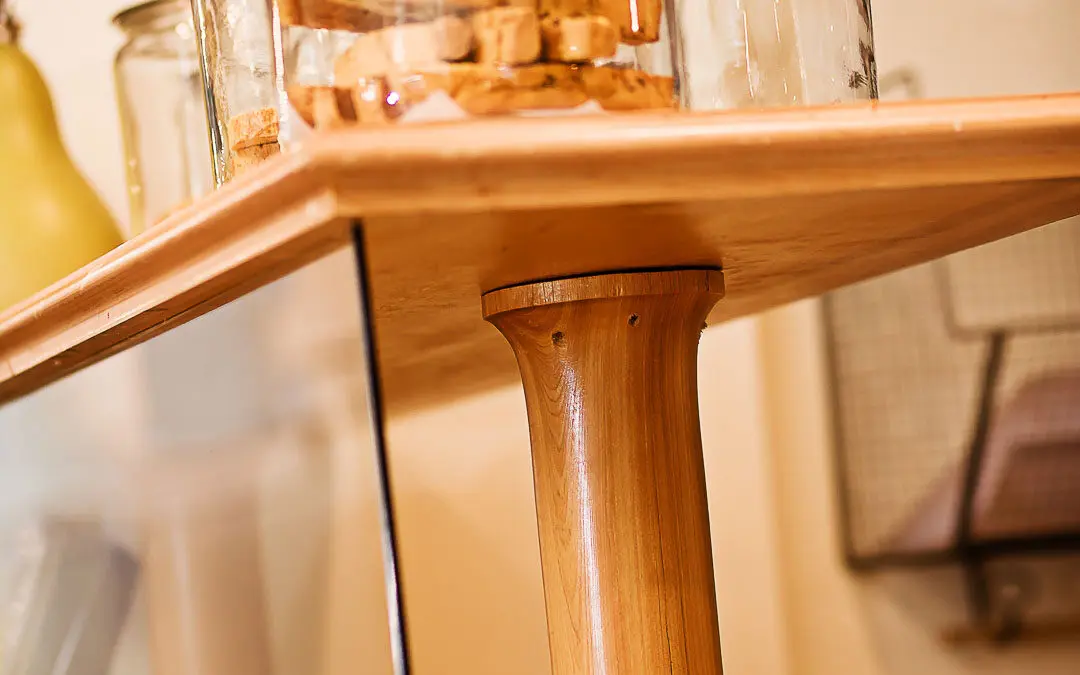
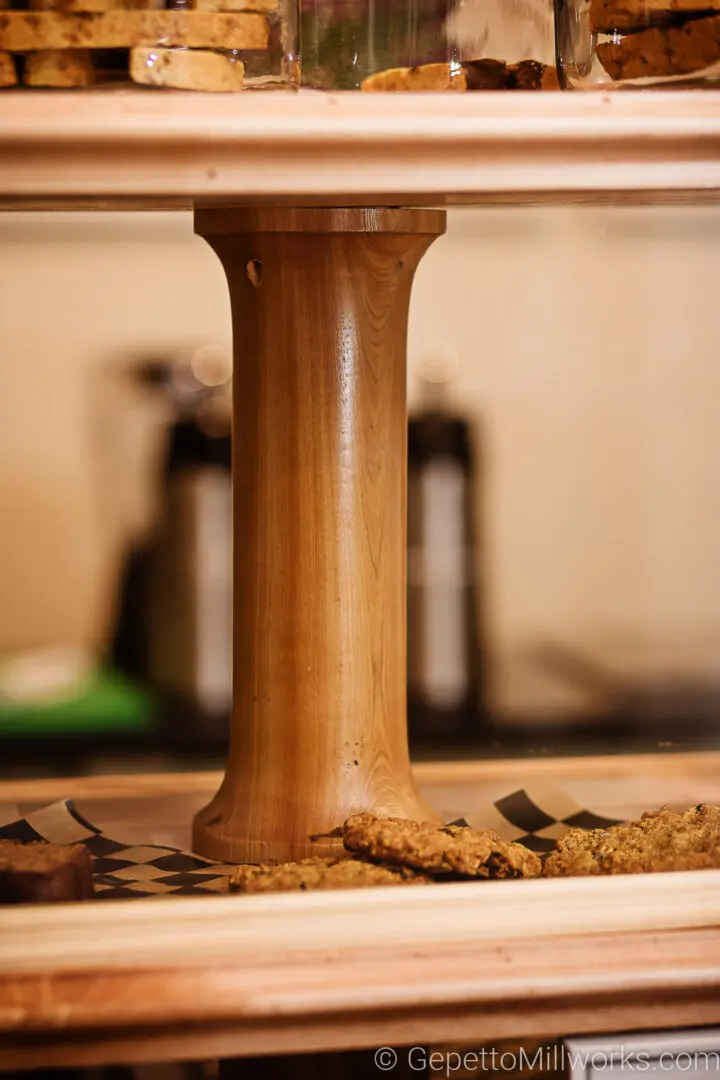
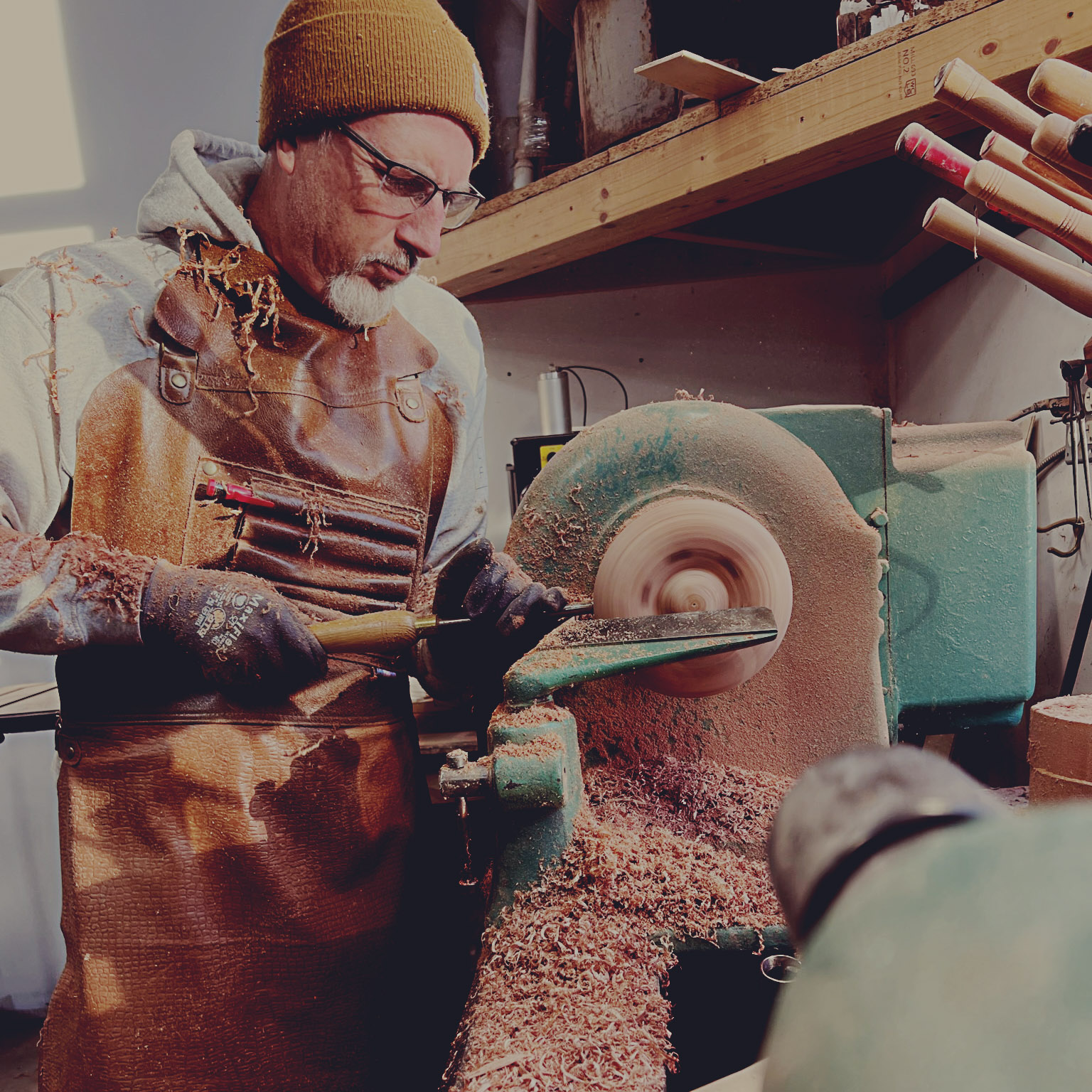
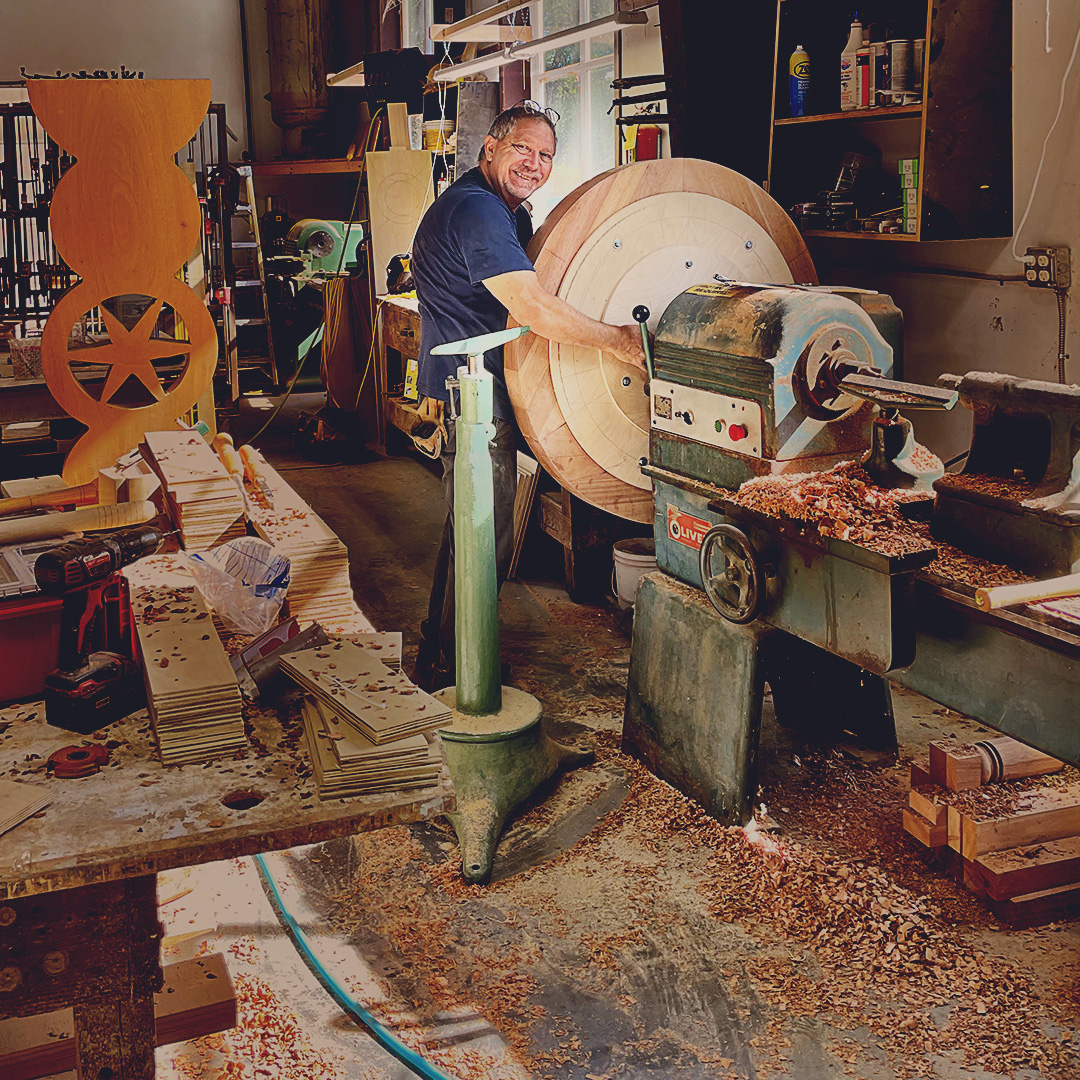
The art of turning wood on a lathe to create circular architectural elements is a blend of tradition, craftsmanship, and aesthetic vision. This practice, integral to woodworking and architecture, has evolved over centuries, adapting to changing styles and technological advancements while maintaining its core principles of shaping wood into functional and decorative forms.
Historical Significance
Woodturning, the process of shaping wood while it is rotated on a lathe, has been a fundamental woodworking technique since ancient times. The lathe, one of the oldest woodworking tools, is believed to have originated in ancient Egypt. Over the centuries, it has played a crucial role in the development of architecture, particularly in the creation of circular wood elements. These elements have not only provided structural support but have also been central to decorative motifs in various architectural styles.
Types of Circular Architectural Elements
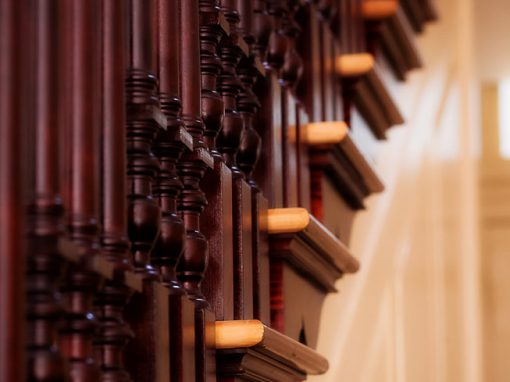
Balusters: These are the vertical supports in a balustrade system, commonly seen on staircases and balconies. Each baluster is turned to achieve a specific design, which can range from simple cylindrical shapes to more complex, intricate patterns.
Newel Posts: Serving as the anchor points of a staircase railing system, newel posts are often more substantial and elaborately designed than balusters. They mark the beginning, end, and turns of staircases.
Columns and Pilasters: These are fundamental in classical architecture, providing both support and ornamentation. Turned wooden columns often mimic the styles of their stone counterparts, such as Doric, Ionic, and Corinthian designs.
Finials: Decorative end pieces that can be found on top of newel posts, bed posts, curtain rods, and other architectural features. Finials range from simple rounded shapes to complex, carved designs.
The Turning Process
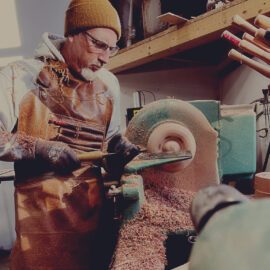
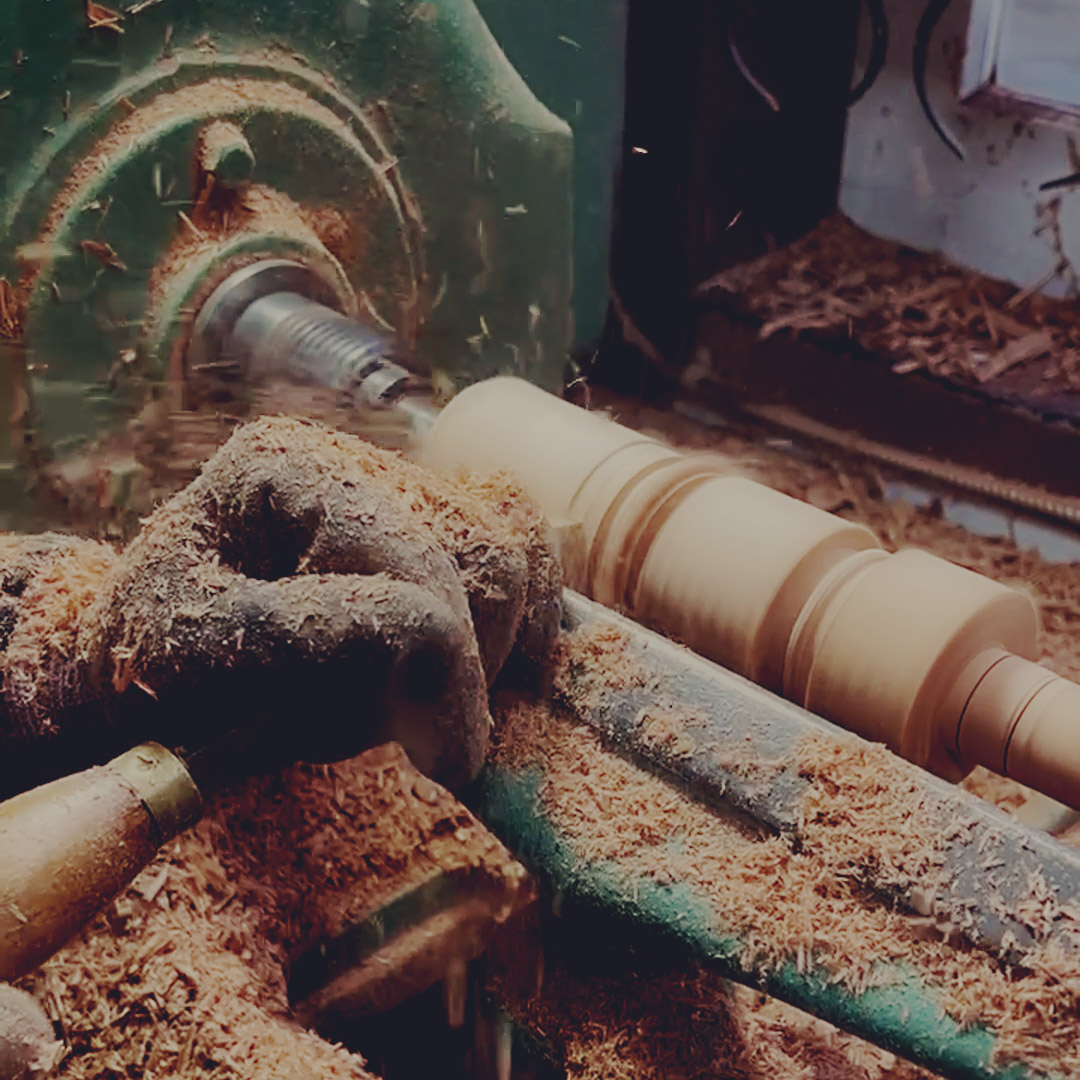
The process of turning wood on a lathe requires skill and precision. A craftsman selects a suitable piece of wood, considering factors like grain, texture, and strength. The wood is then mounted on the lathe, which rotates it at high speeds. Using various chisels and gouges, the woodturner shapes the wood, carefully following the design specifications.
The creation of circular architectural elements is not just about removing excess wood; it’s about understanding the material’s properties and working with them to achieve a balance between strength and beauty. The woodturner must consider the final application of the piece, ensuring that it is not only aesthetically pleasing but also structurally sound.
Applications in Architecture
Circular wood elements turned on a lathe find their application in various architectural contexts:
In residential architecture, they add elegance and character to staircases, porches, and furniture.
In public and historical buildings, they often play a role in preserving the architectural integrity and aesthetic of the structure.
In modern architecture, while the styles may have evolved, the fundamental process of turning wood for circular elements remains a testament to traditional craftsmanship.
Artistry and Craftsmanship
The creation of these elements is as much an art as it is a craft. The woodturner must have an eye for detail, an understanding of architectural styles, and the ability to translate a design concept into a tangible wooden form. This process requires not only technical skill but also a deep appreciation for the material and the history it carries.
Technological Advancements
While the basic principles of woodturning have remained constant, technological advancements have introduced new tools and techniques, allowing for greater precision and efficiency. Today’s woodturners can achieve more complex designs and consistent results, but the essence of the craft — the connection between the material, the tool, and the craftsman — remains unchanged.
Sustainability and Material Choice
In contemporary practice, there is an increasing focus on sustainability. The choice of wood, its sourcing, and the impact of the manufacturing process on the environment are important considerations. Woodturners and architects often opt for locally sourced, renewable wood species, ensuring that their creations are not only beautiful but also environmentally responsible.
Cultural Significance
Circular architectural elements turned on a lathe are not just functional components of a structure; they are bearers of cultural and historical significance. They reflect the architectural trends of their time, the skill of the craftsmen, and the cultural context in which they were created.
In conclusion, the practice of turning wood on a lathe to create circular architectural elements is a fascinating blend of history, art, and craftsmanship. It highlights the enduring relationship between humans and their environment, where a simple piece of wood, through the skilled hands of a craftsman, is transformed into a piece of architectural beauty. This tradition, rooted in the past, continues to evolve, adapting to modern needs while preserving the essence of the craft.
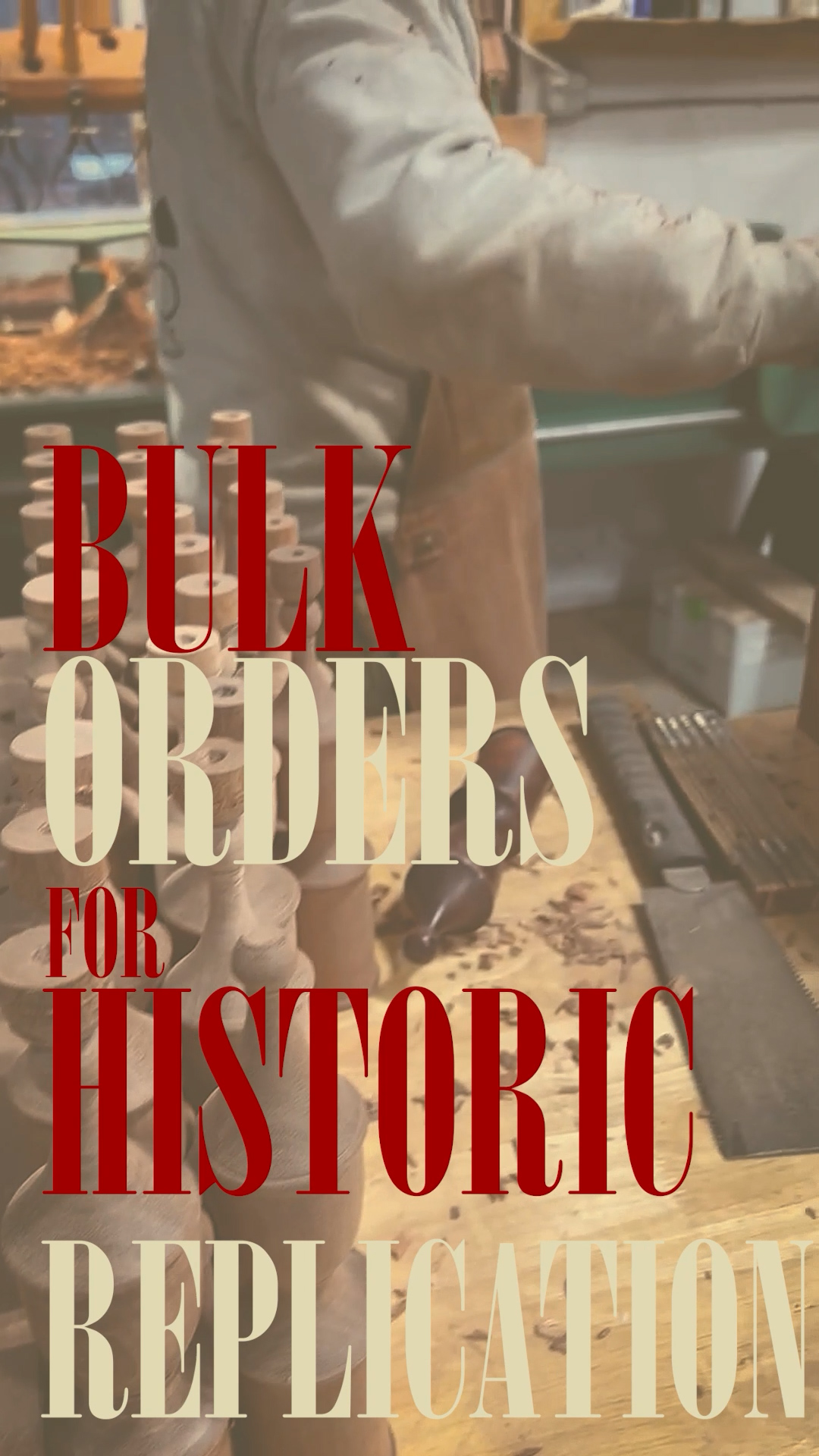
@gepetto.millworks The original bed finials at the Omni Homestead resort were misplaced during the extensive renovation process. As months went by, these finials became the final missing component, causing a delay in completing the project. Today, we are delighted to announce the successful delivery of 60 handcrafted and stained finials, which required only one week of shop time. This accomplishment marks the end of a four-month search! If you are in need of wooden historic replacement parts, your first step should be reaching out to Gepetto. You can contact Matt at (804) 938-2094 to tap into 30 years of construction knowledge and expertise. Matt can provide you with an accurate project timeline that Gepetto will commit to delivering on time as agreed upon. #historicreplica#woodturning♬ original sound - Gepettomillworks