
2025 William and Mary College Restorations
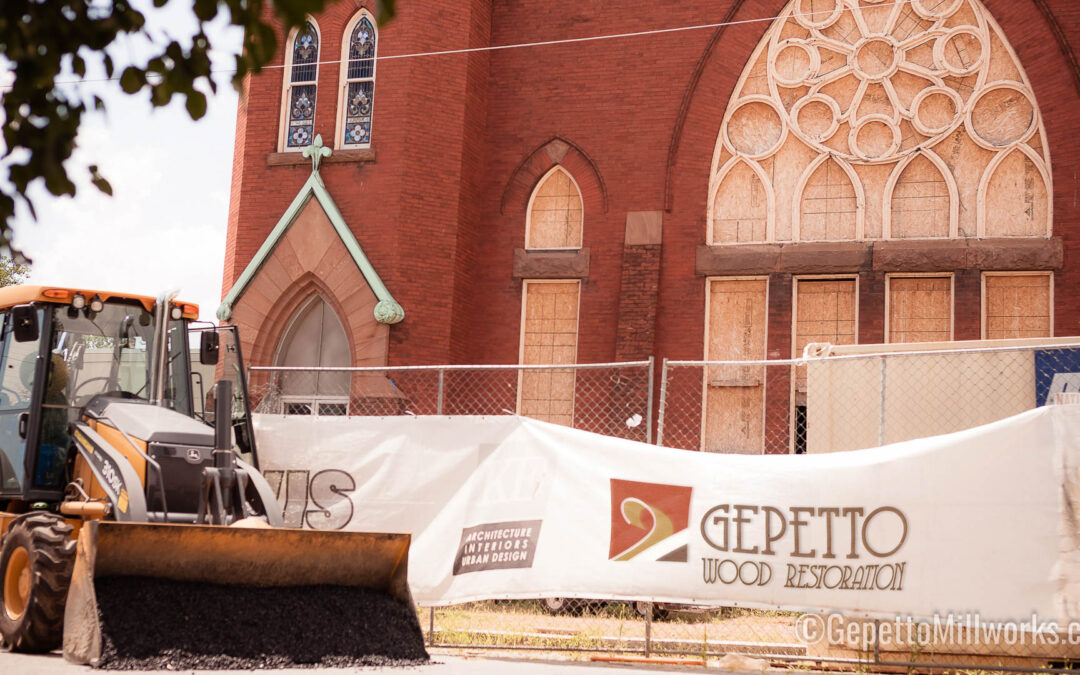
Church Hill Richmond Virginia Historic Millwork and Restoration Wood Supplier
Church Hill in Richmond, Virginia, Richmond’s first neighborhood, is a historic district boasting antebellum homes and architectural styles like Greek Revival, Federal, Queen Anne, and Italianate, known for its cobblestone streets and gas streetlamp
The Church Hill neighborhood stands on the south hilltop looking back toward ‘downtown’ across the shockhoe valley. If you long to reside in a historic home, there are few older or more historic places in the united states. The area is the oldest neighborhood in Richmond and legend suggests its name originated when William Byrd ll stood in the area now known as Libby Hill park and saw how the view below resembled the view of Richmond on Thames in London, England. Most of the homes in this area are pre Civil-War and architecture consists of Colonial, Greek Revival, Italianate and Queen Anne. The city has restored more than 200 historic properties in the Church Hill area since 1983. Live here and you will enjoy evening strolls down charming tree lined streets illuminated by the area’s distinctive gaslights. As you stroll you will pass charming row housing and townhouses adorned with wrought iron, ornate wood porches, lavish scrollwork and facades of stone and brick. The overlooks to the James river are mostly parklands allowing for a beautiful neighborhood experience with playgrounds and open spaces nearby.
Stave Core Historic Door Builders Virginia
Solid Wood Door vs. Stave Core Door:
Comparison of two solid wood building methods made in the Geppetto Millworks shop
When choosing between a solid wood door and a stave core door, it is important to understand the distinctions between the two. Both types of doors have their own set of advantages and drawbacks. At Geppetto Millworks, located in Charlottesville, Virginia, we specialize in crafting high-quality solid wood doors and stave core doors that ensure durability, aesthetic appeal, and a lifetime of functionality specified by our clients seeking a multi generational door. A solid wood door is crafted entirely from a single species of wood, traditionally and historically panels joined between main staveswith . Doors made with either method are renowned for their natural beauty, sold sense of weight, and the premium craftsmanship that will last for hundreds of years.
Benefits of Solid Wood Doors
Aesthetic Appeal – A solid wood door provides an unmatched natural beauty with unique grain patterns and textures.
Durability – Solid wood construction offers longevity, especially when properly maintained.
Sound Insulation – Due to their density, solid wood doors provide excellent soundproofing.
High-End Look and Feel – The weight and texture of a solid wood door contribute to a luxurious aesthetic.
Customizability – These doors can be easily carved, stained, or finished in numerous ways to match any design style.
Drawbacks of Solid Wood Doors
Susceptibility to Humidity – Wood expands and contracts with changes in moisture, which can cause warping or cracking.
Weight – The heft of a solid wood door can make it difficult to install and may require additional reinforcement.
Cost – Due to the premium materials used, solid wood doors tend to be more expensive.
Maintenance Requirements – Regular refinishing and sealing may be needed to protect against environmental elements.
Stave Core Doors are also “Solid” So Why Two Terms?
A stave core door is constructed using multiple small wood pieces, glued together and covered with a veneer of high-quality hardwood. This method enhances stability while maintaining the natural look of a solid wood exterior.
Benefits of Stave Core Doors
Greater Stability – A stave core door resists warping and shrinking, making it ideal for fluctuating climates.
Consistent Appearance – The veneer provides a uniform surface without the imperfections often found in natural solid wood.
Drawbacks of Stave Core Doors
Veneer Durability – While the exterior veneer looks like solid wood, it can be susceptible to damage and may not last as long as solid wood if frequently exposed to wear and tear.
*Gepetto does not produce any product with veneer – all our doors are solid wood of greater than 3/8″ thickness. We are writing this to help you decide what is best in your purchasing, and if you are being quoted a veneer product – it’s not the same as our quote. The stave core builds we do are to increase stability and reduce internal warp and twist that can occur in the high humidity of Virginia. At Geppetto Millworks, we offer both types of doors in solid wood to suit your specifications when ordering custom made doors.
Geppetto Millworks: Your Source for High-Quality Solid Wood Doors
At Geppetto Millworks, we have extensive experience crafting both solid wood doors and stave core doors. Our team in Charlottesville, Virginia, uses the finest materials and craftsmanship to create doors that stand the test of time. Whether you are looking for a classic solid wood door or a durable stave core door, we are here to help you make the best choice for your home or business.
For more information, contact us today to explore our wide range of solid wood doors and stave core doors.
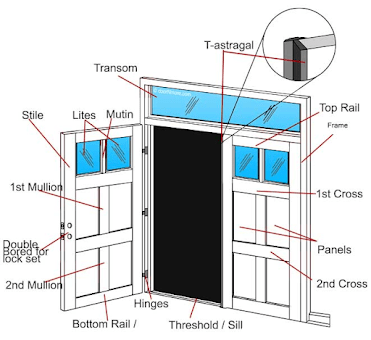
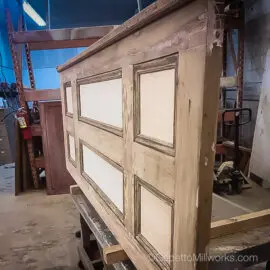
On the left (or above on mobile) you’ll see our technical terms for the parts of a door. The main vertical piece of wood – called the Stile – in all our doors we have to do the detailed foundational work of finding a solid stock of lumber thicker than 2″ and taller than the door. The selection of this piece becomes more complex as any amount of internal pressure in the grain structure can twist and warp your final product. One of the ways we combat the internal twist, is to bond two ‘staves’ together with a marine grade adhesive so any heating or pressure that develops in the solid wood presses back against a hand matched grain structure effectively counterbalancing the internal pressure. Gepetto does not produce any product with a ‘veneer’ but we would use a 3/8″ or 1/2″ thick piece of mahogany – well known to withstand moisture – with a stave core of something less expensive and lighter for the internal staves. The external face of mahogony becomes vacume bonded using the same water resistant and time tested resorcinol.
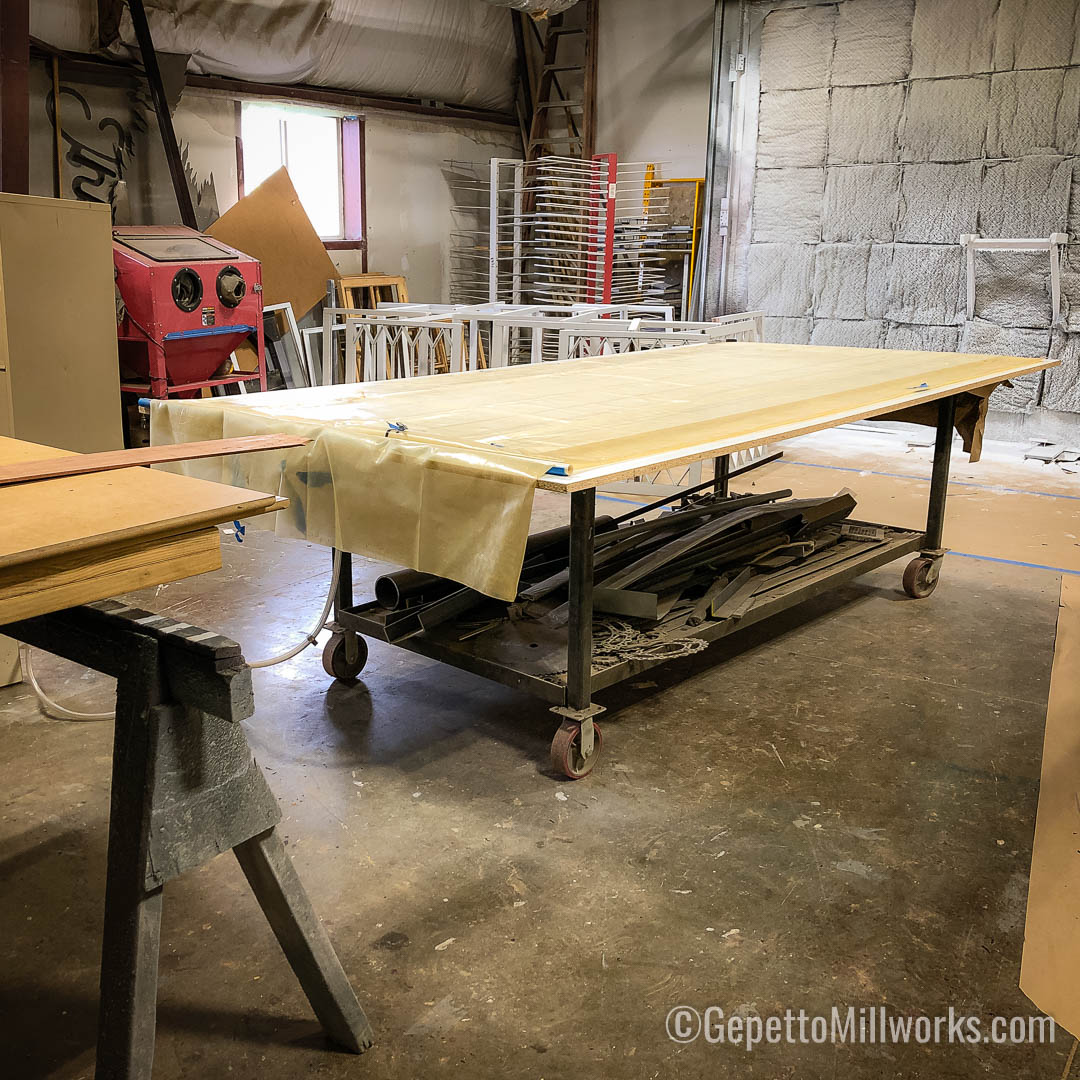
Vacume Bonding Staves
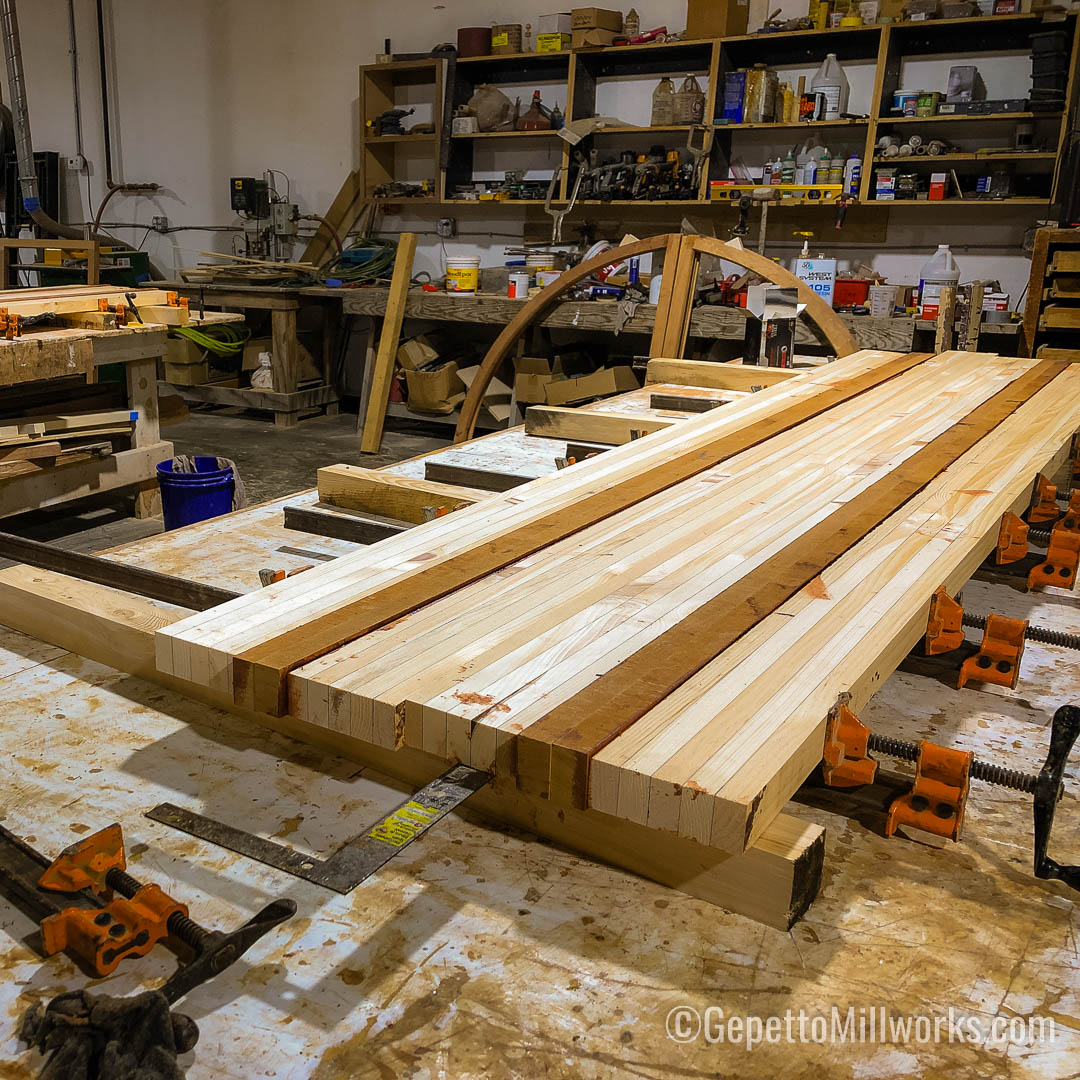
Individual Staves Being Laid Together
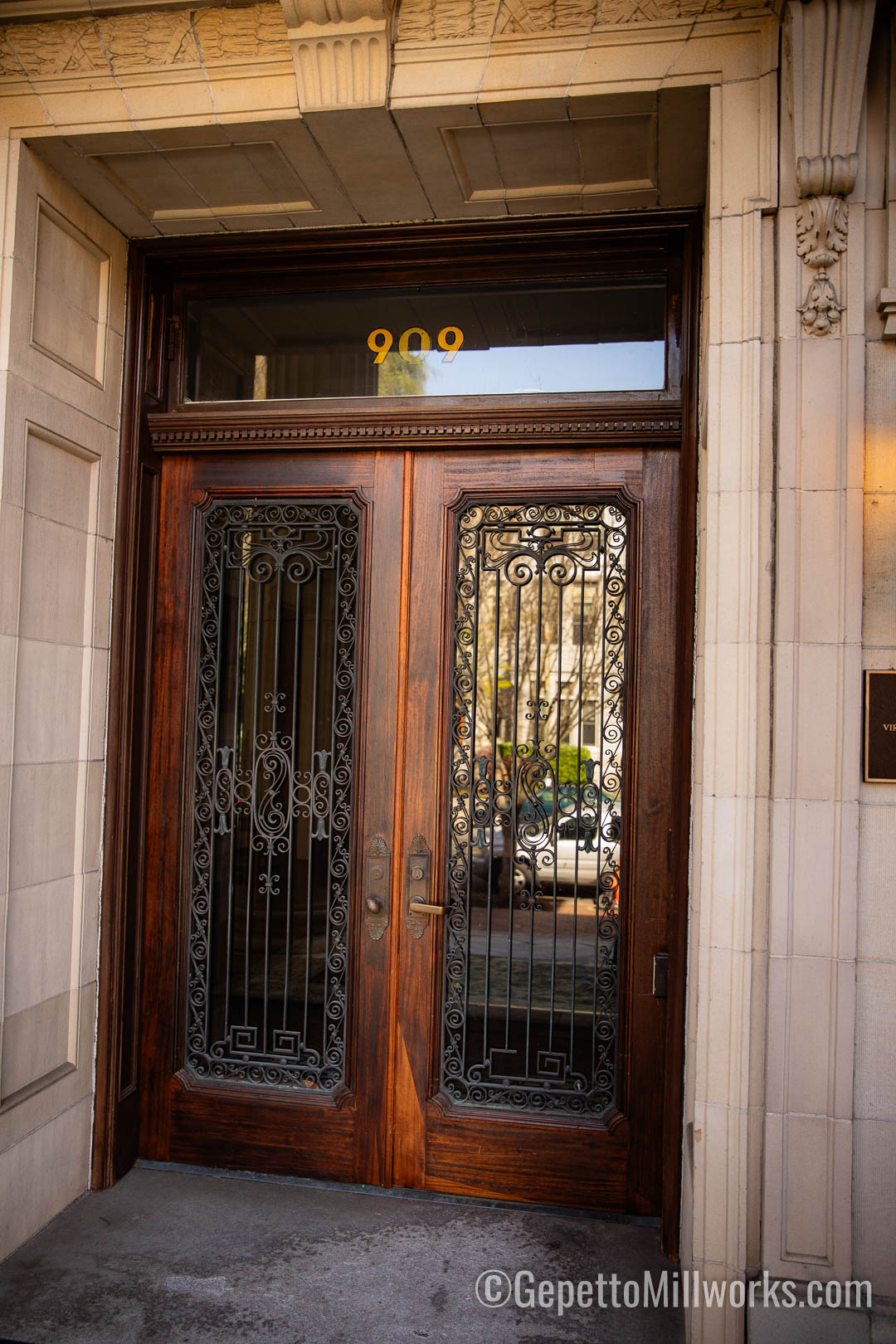
Richmond VA Authentic Historic Window Restoration
Richmond VA Authentic Historic Window Restoration
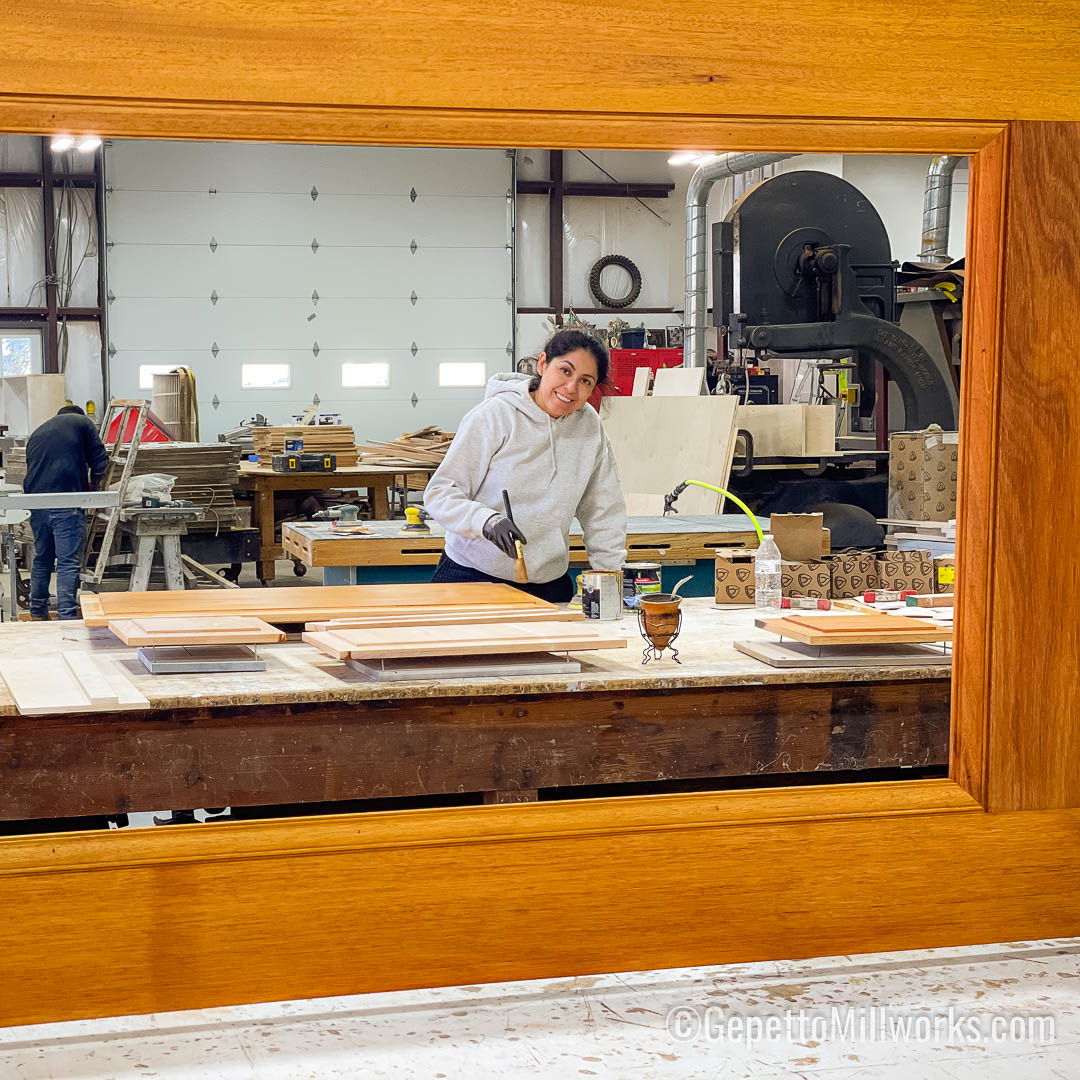
106-custom-door-building-shop
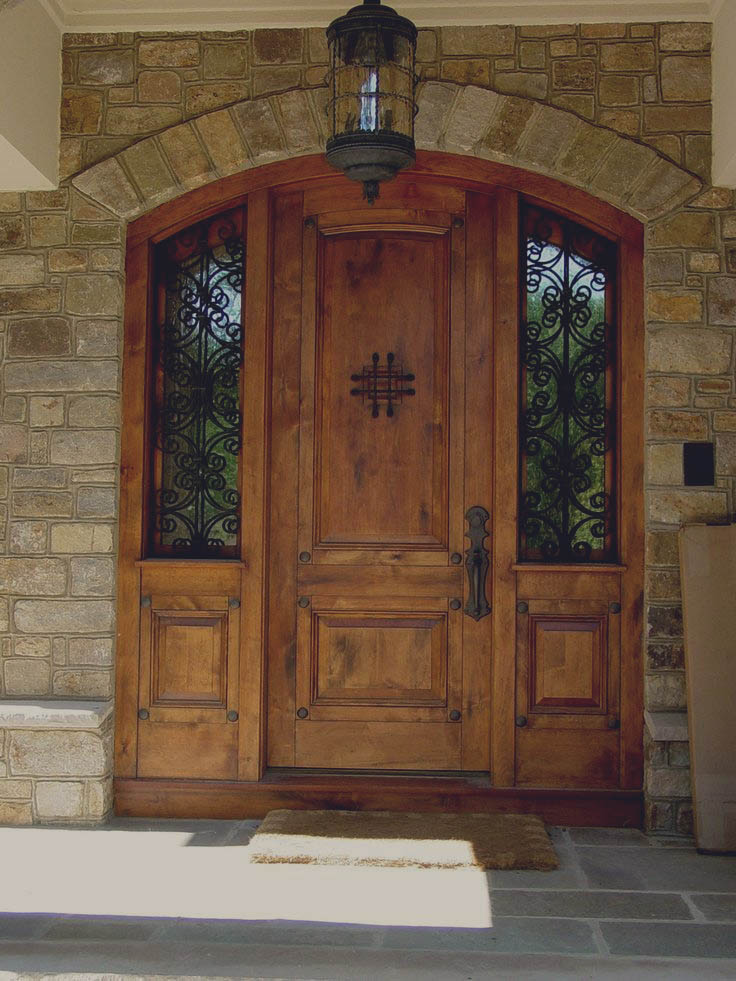
404-federal-style-doors-made-to-order-virginia
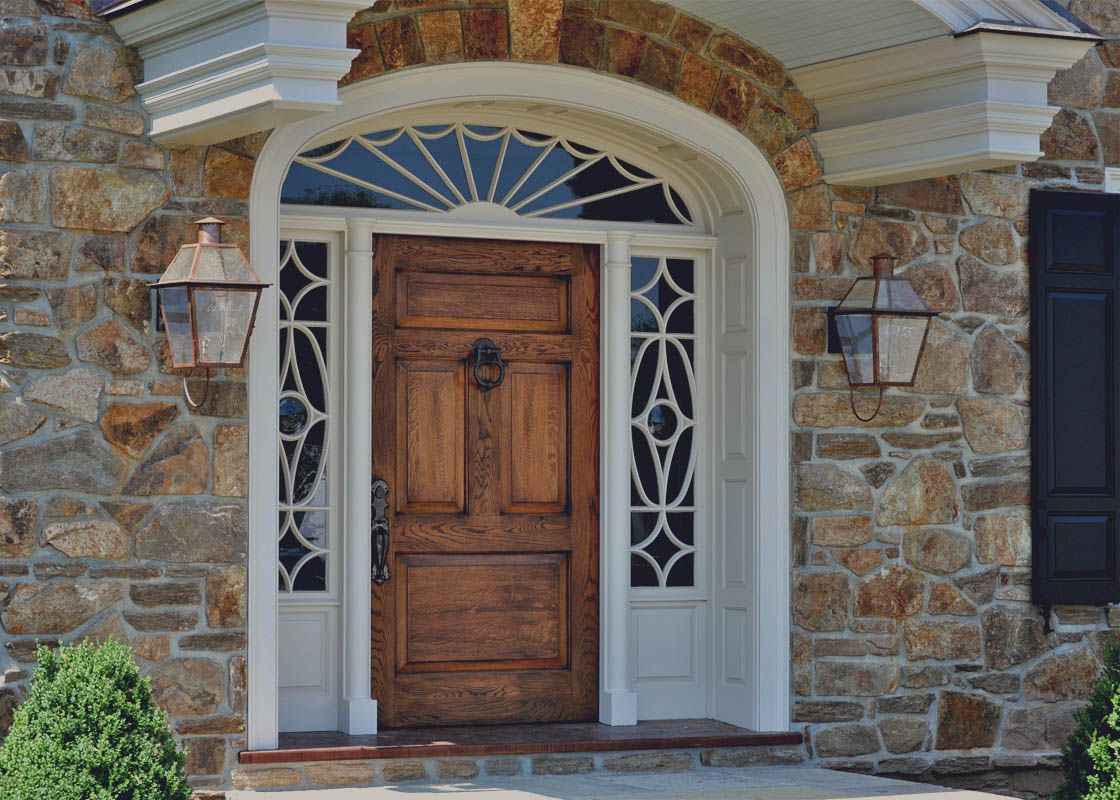
406-federal-style-doors-made-to-order-virginia
403-federal-style-doors-made-to-order-virginia
wood-door-manufacturer-0175_web.jpg
wood-door-manufacturer-0177_web-980×1467.jpg
wood-door-manufacturer-0184_web-270×270.jpg
wood-door-manufacturer-0167_web-1200×630-cropped-270×270.jpg
wood-door-manufacturer-0174_web-1200×630-cropped-270×270.jpg
0010-Arch-Round-Top-Radius-Door-Maker-400×516.jpg
0011-Arch-Round-Top-Radius-Door-Maker-1080×1080.jpg
wood-door-manufacturer-0123-1080×1080.jpg
solid-wood-door-restoration-VA-_0001-270×270.jpg
solid-wood-door-restoration-VA-_0004-270×270.jpg
new-front-doors-193376_400x250-270×250.jpg
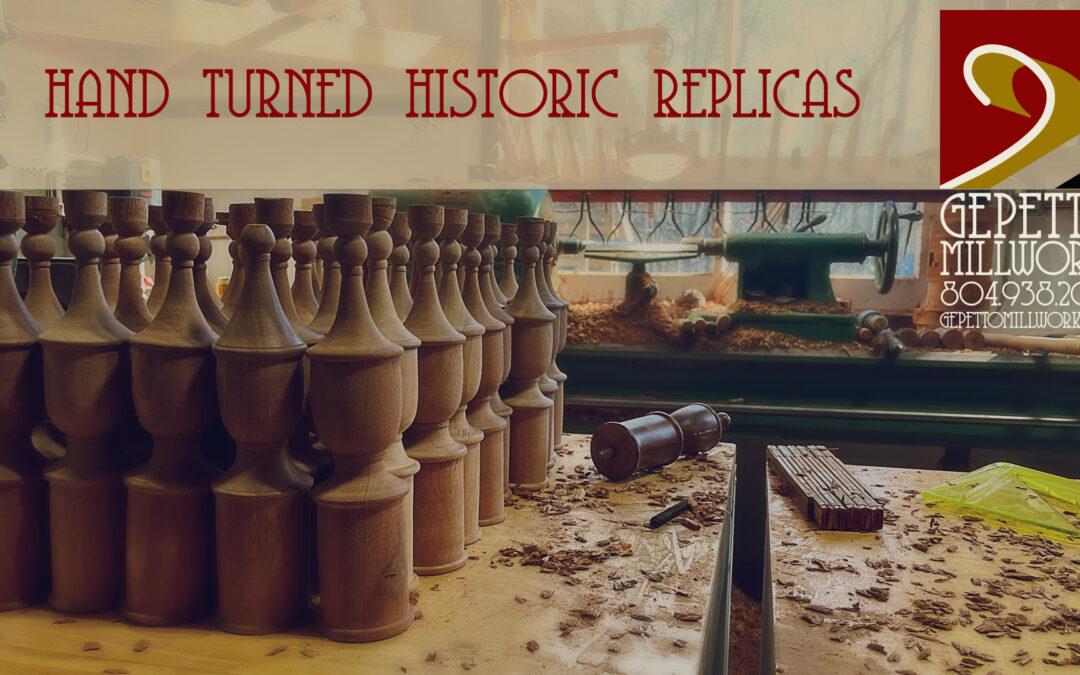
Virginia Wood Turning EXPERT
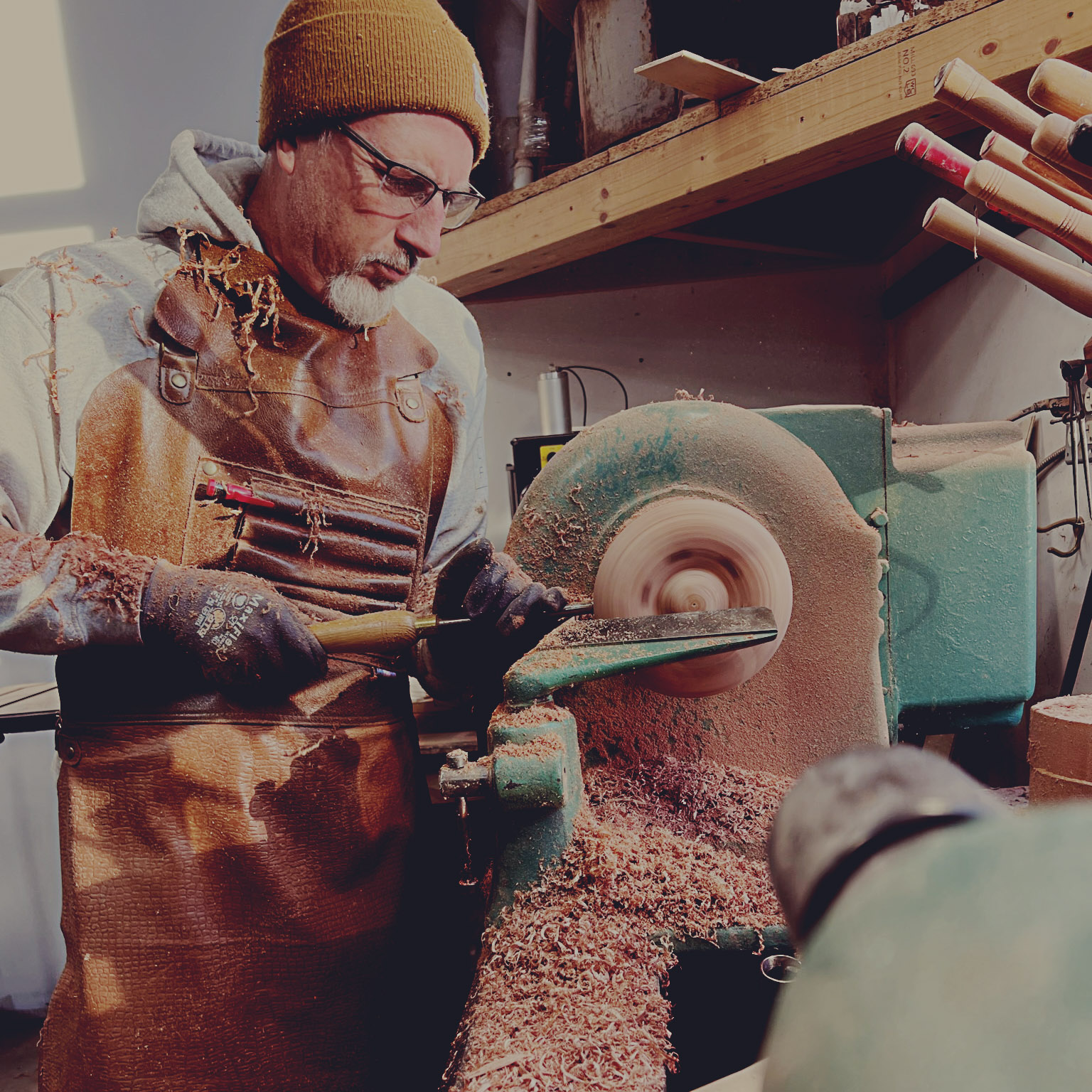
Hello, I’m Matt Wiley, proprietor of Gepetto Millworks, and I’ve spent decades learning the nearly lost craft of wood turning by hand. It’s on the art side of craft that allows me to deliver accurate architectural restoration millwork to the historic buildings of the southeastern United States. Growing up in rural Virginia, I looked up to the magesty of the historic structures all around me and now I’ve helped restore homes and buildings from Georgia, South Carolina, North Carolina, Deleware, Maryland, Pennsylvania, New Jersey and New York. The warm strength of wood, the tactile surface, and its ability to carry history in it’s shaping on the lathe is a skill I’ve honed being taught by the old timers of the Richmond furniture making shops. Over the years, I’ve had the privilege of turning raw blanks into small works of art. I’m glad you’ve found my work as it’s a delicate balance to focuses on blending traditional techniques with modern needs for cost but as I have strong ties to the timber industry that supports my craft I can source all specieces of blanks to match your historic preservation needs. My timely management and whole shop production allows for seamless renovations staying on the building timeline you need while preserving the charm that makes these properties special.
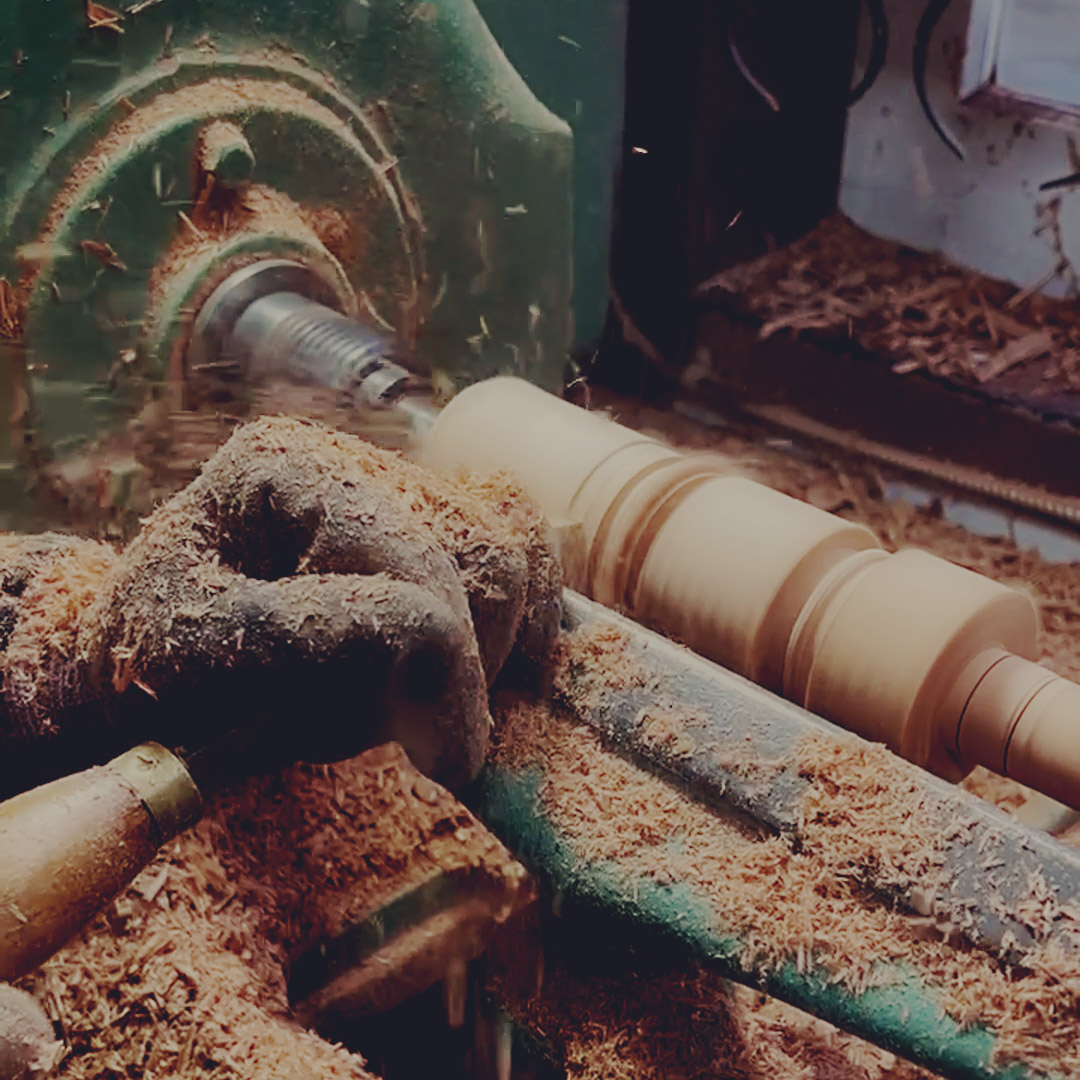
Wood turning is one of the oldest woodworking techniques known to mankind, pieces dating back to ancient Egypt have been found showing the technique. “Wood Turning” as implied involves rotating a piece of wood on a lathe and shaping it with handheld tools and you can see in my videos that it’s as simple as it sounds.
The Essence of Wood Turning
As simply as it looks on the surface, wood turning involves an intricate dance between the wood, the lathe, and the artisan’s tools. There’s something rhythmic and meditative about the process, but it is frought with a bit of danger and plenty of pitfalls. When turning wood, I always start by selecting the right quality in the blanks themselves—each species has its own characteristics that either support being carved while spinning or make it more difficult leading to lost materials. Whether it’s dense oak, soft pine, or the more exotic woods like mahogany, the grain of the wood guides the final product. Once mounted on the lathe, I begin shaping the wood, using a variety of gouges, chisels, and parting tools. The process can allows for the patterns to emerge or a slip of the tool or inconsistency in the wood can shatter the whole piece forcing me to start over. Whether for something as simple as a spindle , decorative newel post or pedestal wood turning for one of a kind pieces can be done at my shop. Please call me and describe your project needs as spam emails are not the personal touch I provide in delivering these services. And if you’re currently being tempted by styrofoam reproductions, you’re right I can’t beat the cost – but give me a call and see what the ballpark figures are for authentic wood elements.
25 Uses of Wood-Turned Architectural Millwork
Over the years, I’ve used wood turning to produce an array of products that enhance the structural and aesthetic quality of buildings. Below are some of the most common uses, ranging from purely decorative to highly functional:
Balusters – Classic use for turned wood in interior and exterior staircase railings. In many federal style Virginia buildings you’ll see a Balustrade – which is just a horizontal set of turned columns supporting a rail over an awning or separating a section of the building.
Newel Posts – Often the focal point of a staircase, these posts set the tone for the look and feel of the staircase and support the hand rail.
Porch Columns – Particularly in Southern homes, large, turned columns are an iconic look and support front porches. You don’t need to settle for factory turned porch columns and could instead have us turn you something Craftsman inspired, or more Greek and Romanesque. The limit is only our ability to source or build a blank to suit your design.
Mantelpieces – A turned wood mantel adds elegance and serves as the centerpiece of a fireplace.
Table Legs – Custom turned legs provide durability and style to dining, coffee, and end tables.
Chair Legs and Spindles – From dining chairs to rocking chairs, turned legs and spindles provide both structural integrity and aesthetic charm.
Bed Posts – Turned bed posts offer a timeless elegance to bedroom furniture.
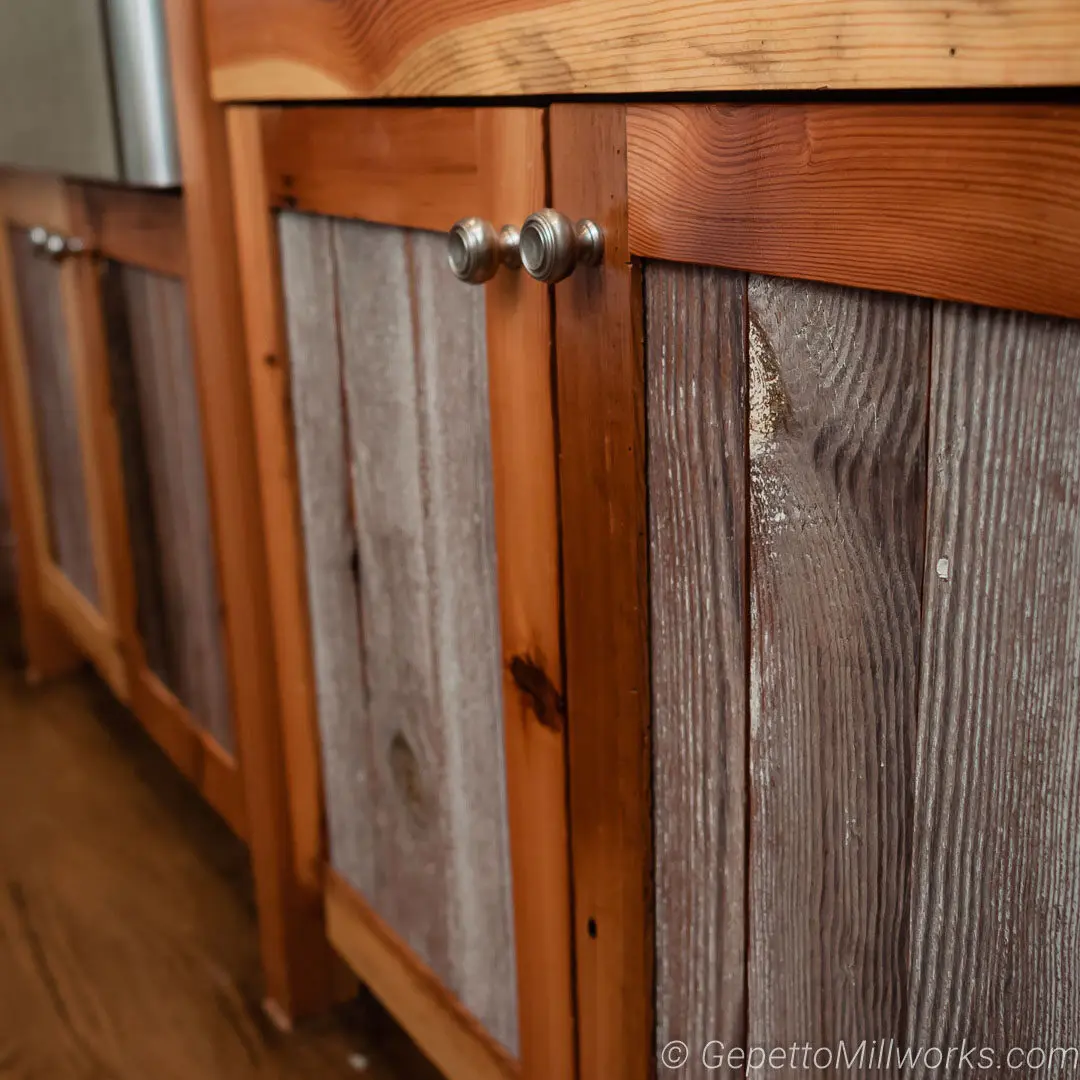
Cabinet Pulls – Hand-turned pulls offer a subtle but beautiful touch to custom cabinetry.
Crown Molding Accents – Adding turned elements to crown molding can enhance a room’s sophistication.
Ceiling Medallions – These decorative pieces, often placed around light fixtures, add a historical touch to any room.
Corbels – Used in both interior and exterior architecture, turned corbels add detail to shelves, mantels, and roofs.
Brackets – For supporting shelves or overhangs, turned wood brackets are both functional and ornamental.
Finials – Used to cap posts, these decorative features can be found on staircases, porch railings, and even bed frames.
Pillars – In large rooms or entryways, turned pillars serve both as load-bearing structures and elegant design elements.
Handrails – Smooth, custom-turned handrails offer both safety and style to staircases.
Wainscoting Caps – Adding a turned cap to wainscoting gives a polished finish to this classic wall treatment.
Window Sashes – Turned elements can be integrated into window sashes for historic home restorations.
Pedestals – Whether for tables or standalone, turned pedestals add elegance to any room.
Cupboard Columns – Used as decorative columns in kitchen cabinetry, they provide a traditional, high-end look.
Railing Posts – Turned posts add both stability and visual interest to deck and porch railings.
Bed Rails – The structural and decorative elements of turned bed rails provide a balanced combination of form and function.
Door Handles – Custom-turned handles bring a personal touch to doors and cabinets.
Pew Ends – In churches, turned pew ends provide a traditional and reverent design element.
Gate Posts – On exterior gates, these posts offer structural support and a decorative finish.
Lamp Stands – Custom-turned lamp bases can turn a basic fixture into a piece of art.
Spindle Turning:
This is one of the most common forms of wood turning used in architectural millwork. For elements like balusters, newel posts, and chair legs, the wood is held between two points and shaped as it spins on the lathe. This method allows for long, slender shapes with flowing curves or stepps to balance the designs.
Faceplate Turning:
This technique is used when creating wider, flatter pieces like table tops or medallions. The wood is mounted on a faceplate, and the turning happens primarily on one axis. This allows me to shape the wood’s face rather than its length.
Segmented Turning:
In segmented turning, multiple pieces of wood are glued together and turned as one piece. This technique allows for unique patterns and is often used in decorative applications like pedestals or lamp bases. Connect with me to discuss the options of mis-matching wood colors or stacking them to create unique designs or patterns in your final piece.
Hollow Form Turning:
For products like lamp bases or finials, where hollowing out the interior is necessary, I use hollow form turning techniques. It requires specialized tools to reach inside the wood without damaging the exterior.
Beading and Fluting:
Decorative elements like beads and flutes can be added to the surface of turned pieces to enhance their visual appeal. These are often found on chair spindles, bedposts, and other fine furniture.
Historic Preservation and Restoration
One of the most rewarding aspects of my work is helping to preserve historic homes throughout Virginia and the southeastern U.S. Many of these homes, dating back to the 18th and 19th centuries, feature architectural millwork that is no longer available through modern suppliers or ‘off the shelf’. Wood turning allows me to recreate these pieces with exacting detail, ensuring that the integrity of the original design is maintained.
In Virginia, I’ve worked on restoring homes in historic districts like Alexandria, Fredericksburg, Richmond and Staunton. These areas are rich with architectural heritage, and the woodwork in these homes is often a defining feature. Whether it’s replicating a centuries-old baluster or crafting a newel post that matches the original, the work requires both skill and historical knowledge that I am happy to apply to your project.
Further down the Southeast, cities like Charleston, SC, and Savannah, GA, present similar opportunities. These cities are famous for their well-preserved historic homes, and wood turning plays a key role in maintaining the authenticity of these properties. I’ve crafted turned wood columns and porch posts that mirror the original designs, ensuring that these homes retain their charm for generations to come. In Savannah, the blend of Victorian, Georgian, and Gothic Revival architecture creates a unique demand for custom millwork. I’ve worked on projects in this area that require recreating the ornate woodwork found in these homes, from porch columns to window sashes. While much of my work is rooted in Virginia, I’ve had the opportunity to expand my craft to other areas of the Southeast. The architectural diversity across this region means that no two projects are ever the same. In Charleston, for example, the influence of European architecture is more pronounced, which means that wood turning projects often involve intricate, decorative elements like turned balusters and staircases.
Wood Species and Their Roles in Architectural Millwork
Selecting the right species of wood is critical for any architectural millwork project. Different types of wood offer varying levels of durability, workability, and aesthetic appeal. Here are some of the species I frequently work with:
Oak: A strong, durable wood, oak is often used in load-bearing applications like columns and newel posts. Its distinctive grain pattern adds visual interest to any piece.
Pine: A softer wood, pine is easy to work with and is often used for decorative elements like balusters and wainscoting caps.
Mahogany: Known for its rich, dark color and fine grain, mahogany is a popular choice for high-end architectural millwork, particularly in historic home restoration.
Walnut: This hardwood has a deep, rich color that adds elegance to furniture and decorative millwork. It’s often used for mantelpieces and bedposts.
Maple: A dense wood with a smooth finish, maple is ideal for turning intricate details like beads and flutes.
Expanding the Craft Across the Southeast
Sapele, sapelli: Heartwood is a golden to dark reddish brown. Color tends to darken with age. Besides the common ribbon pattern seen on quartersawn boards, sapele is also known for a wide variety of other figured grain patterns, such as: pommele, quilted, mottled, wavy, beeswing, and fiddleback. Sapele can be troublesome to work in some machining operations, (i.e., planing, routing, etc.), resulting in tearout due to its interlocked grain. It will also react when put into direct contact with iron, becoming discolored and stained. Sapele has a slight blunting effect on cutters, but it turns, glues, and finishes well.
As always – call me direct for input on any project, or to discuss a longer run of turned wood historic millwork.
(804) 938-2094


video

arts & Crafts Style Millwork Supplier
4 Types of Craftsman-Style Homes
When discussing Craftsman-style homes, separating a couple of types can help you order fitting millwork. High diversity within this design genre which attempted a new american aesthetic. We can distinguish four main types of middle class Craftsman-style homes commonly built across the United States.
The Classic Craftsman Bungalow:
Typically modest in size, and one story, is known for its cozy, open floor plan and inviting front porch. The bungalow’s tapered columns and low-pitched roof showcase its dedication to simplicity and functionality, making it a lasting favorite among homeowners (and movie directors because it was developed in Los Angeles!).
The Prairie-Style Craftsman:
Frank Lloyd Wright’s bold inspiring designs led the Prairie Style from Chicago. Only in the Usonia subdivision were they small enough to be reachable for the average of income. General variations emphasizes horizontal lines and flat or low-pitched roofs. Large overhanging eaves and rows of windows try for a harmonious connection with the surrounding landscape. Heavy use of strong vertically predominant geometric designs show up in the woodworking and leaded glass. Room light from a high slit window designed for light, but not viewing outdoors.
The Mission-Revival Craftsman:
Rooted in Spanish colonial architecture, showcasing stucco exteriors, arched doorways, and terra-cotta roof tiles. Mission-Revival Craftsman homes often feature elaborate, handcrafted details such as tilework and ornamental ironwork, blending Old World charm with the developing Craftsman sensibility and naturally flowing from the west coast centered Bungalow movement.
The Four-Square Craftsman:
Known for its boxy, symmetrical design and two-story structure, the Four-Square Craftsman offers practicality and efficiency. With its hipped roof, central dormer, and spacious front porch, this style provides ample living space while maintaining the trademark Craftsman craftsmanship. Stain grade trim, open rooms divided by colonnades, breakfast nooks and other built in seating brings a modest sized house touches of luxury that are middle class american trademarks.
Woodwork & Finish Carpentry for the Craftsman Home
Houses of this period (ca. 1890s–1930s) often have woodwork that’s a clear indication of style and even region. Woodwork and stained trim are style-defining characteristics of bungalows, Tudors, and other houses of the Arts & Crafts stylistic groups. One fixture of the design style is the use of stain grade trim. Following along second are the built in cabinets and shelves also presented in open grain. The period was a sociological sea change, not driven by technology, but by the overall rejection of the Victorian era’s overly ornate decoration of everything while Americans were looking to define their own national style and identity.
The Arts & Crafts Colonnade
A motif of the period’s interiors, these open-plan room dividers have swung back in favor in new construction. An easily identifyable hallmark of Craftsman interiors is the colonnade, serving as a defining feature of the period’s design ethos. These room dividers, now experiencing a resurgence, were often built with mirror-image pairs and adorned with beams or arches. Gepetto Millworks excels in crafting custom colonnades, whether replicating historic pieces or creating new ones, incorporating traditional joinery techniques and premium hardwoods. With options ranging from classic oak to chestnut, Gepetto’s custom colonnades are also popular among modern revival enthusiasts.Old installations are no longer removed but instead stripped and refinished; new fixtures are a popular custom order with us for those building homes in this revival style or to match the neighborhood’s tone. Room-dividing colonnades usually appear in mirror-image pairs, the two sides often surmounted by a beam or an arch. Pillars may be set atop a pedestal wall that’s knee- to chest-high, perhaps incorporating built-in bookcases, leaded glass cupboards on either side or even a bench seat on occasion. Round classical columns are used, but the square “bungalow” pillars appeared in period millwork catalogs and have become one of those features most easily identified. Colonnades of oak or chestnut were clear-finished, or commonly stained dark. Painted colonnades, too, were in evidence and are particularly popular in the modern revival – but you’ll never convince us wood loving purists. If you are considering a revival build – contact us to talk about some unique species that would be a nice complement to feature in this visual centerpiece of your room. We are getting a lot of orders from the North Carolina Triad – Winston Salem, High Point, and Greensboro; Charlotte NC, and the Raleigh Durham regions for these moderately sized Colonnade and shelving designs that provide useful storage and a classy upgrade to the tract built cookie cutter homes easily obtainable in this region.
The Craftsman Breakfast Nook:
It seems every bungalow book, kitchen advertisement, house plan, and millwork catalog of the period featured an eating nook, cozy and often with whimsical detail. How many of them were actually built is up for question; adorable in illustration, they were a woodwork add-on that didn’t always make it to construction. The ones that did were ripped out during the inevitable kitchen remodelings that followed. But the nook is back in vogue, desirable both for restored bungalow kitchens and in new homes designed to be small and efficient. Unlike the painted breakfast nooks of the period, those of the revival may be built of furniture-quality hardwoods, as with this quarter-sawn oak table and benches in a kitchen.
The treads are oak and the balustrade maple, but aniline dyes create a consistent look in a stair designed by Virginia architect Jim Erler erlerdesign.com and patterned after woodwork in a Greene & Greene house.
The Arts & Crafts staircase:
For decades there have been two “default styles” for staircases: Colonial Revival and Modern. Today new houses are likely to have craftsman-built stairs, often in hardwoods like oak, with Craftsman, Mission, or Art Nouveau styling. In old houses, the staircase is a style- and era-defining element. Even when doors, mantels, and trim have been lost to time, the staircase can provide clues for restoration.
A gently updated galley kitchen in a 1930 California beach cottage keeps the vintage style of cabinets and the jigsaw-cut, ventilated “half door” under the sink. Photo by Tom Lamb, from Vintage Cottages
Style-specific trim:
“Arts & Crafts” is not so much a style as an umbrella term for an approach to design and living. It encompasses such style conventions as Mission Revival, Stickley-related Craftsman, Midwestern Prairie School, California Bungalow, and English design from William Morris to Charles Rennie Mackintosh. Houses of this period (ca. 1890s–1930s) often have woodwork that’s a clear indication of style and even region.
That kind of specificity is back, as the Arts & Crafts Revival becomes more and more sophisticated. Look for doors and trim right out of The Craftsman magazine; Prairie School window assemblages and flat moldings; Tudor mantels and staircases; Asian-inspired woodwork and built-ins in the manner of famous Pasadena architects Greene & Greene.
Choosing the right windows for a Craftsman-Style Homes
Incorporating the right windows into a Craftsman-style home is essential for achieving a harmonious balance between form and function. The perfect window selection will complement the home’s architecture and enhance its natural beauty and character. Let’s see what types you should consider for the right window system.
Craftsman-style homes traditionally incorporate natural materials and earthy tones, including solid wood windows. Of course, you can still use windows with other materials like UPVC or Aluminum, but select the suitable veneer resembling the wood texture with the benefits of more contemporary materials. Although double-hung windows are the most popular window type in historic homes, you can easily incorporate other types like casement or awning windows. Even picture windows can find their place in Craftsman-style homes. Choose windows that allow for an abundance of light.
Their geometric, original profile line guarantees a timeless design full of character, perfect for single or multi-family homes. With the Colorful technology, you can get the perfect wooden look with all the benefits like high energy efficiency, low maintenance, and long durability.
https://www.architecturaldigest.com/story/craftsman-house-everything-you-need-to-know
https://www.pinterest.com/pin/42221315240180787/
https://artsandcraftshomes.com/interiors/woodwork-finishes-for-the-craftsman-home