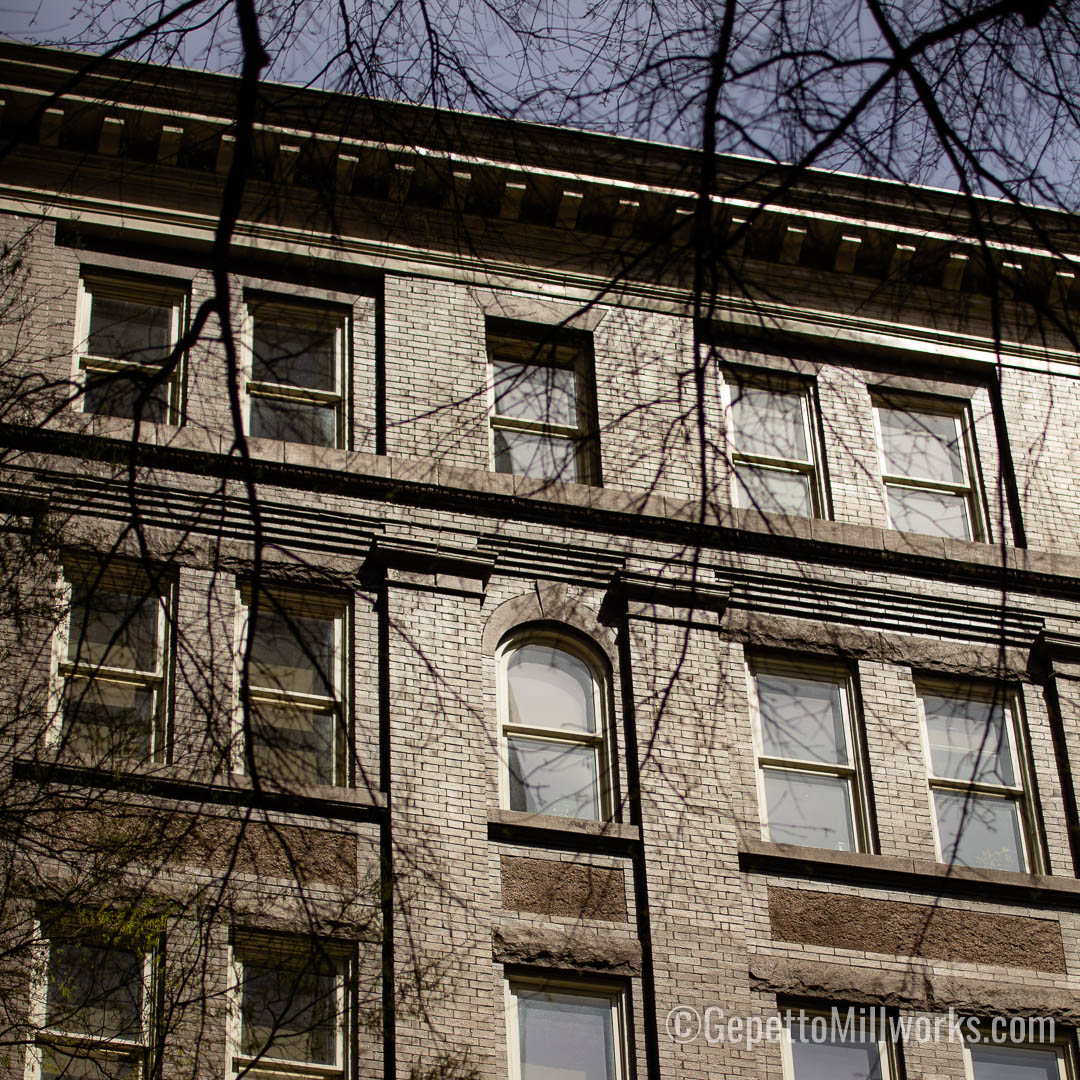
Bull St District Renovation Project Supplier

Bull St District Renovation Project Supplier

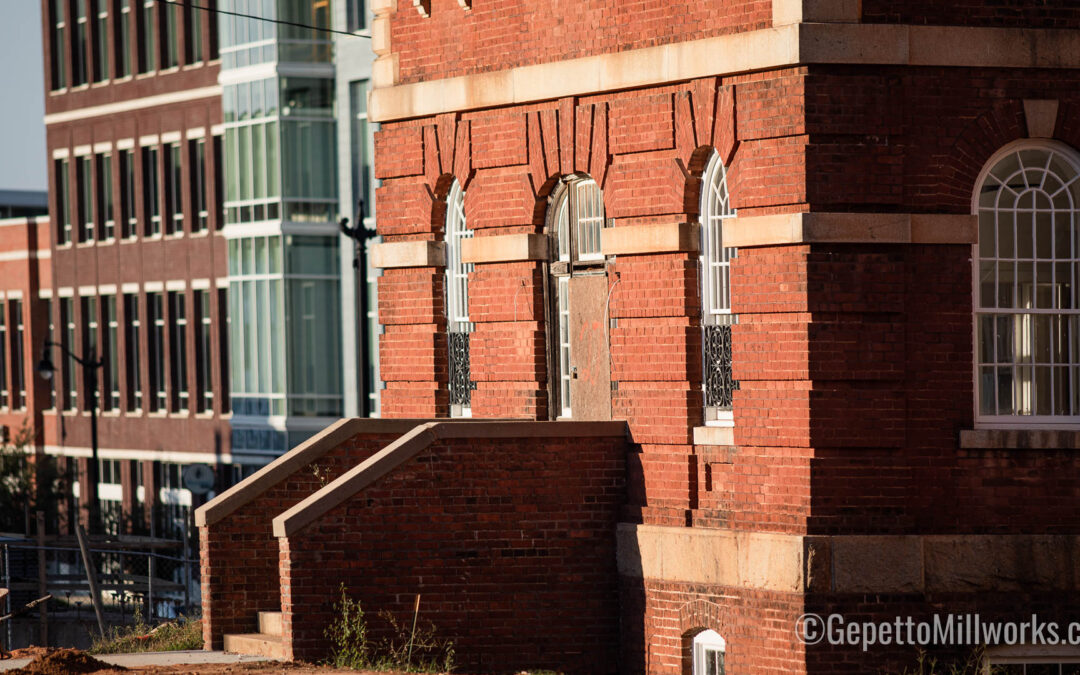
Bull Street Development:
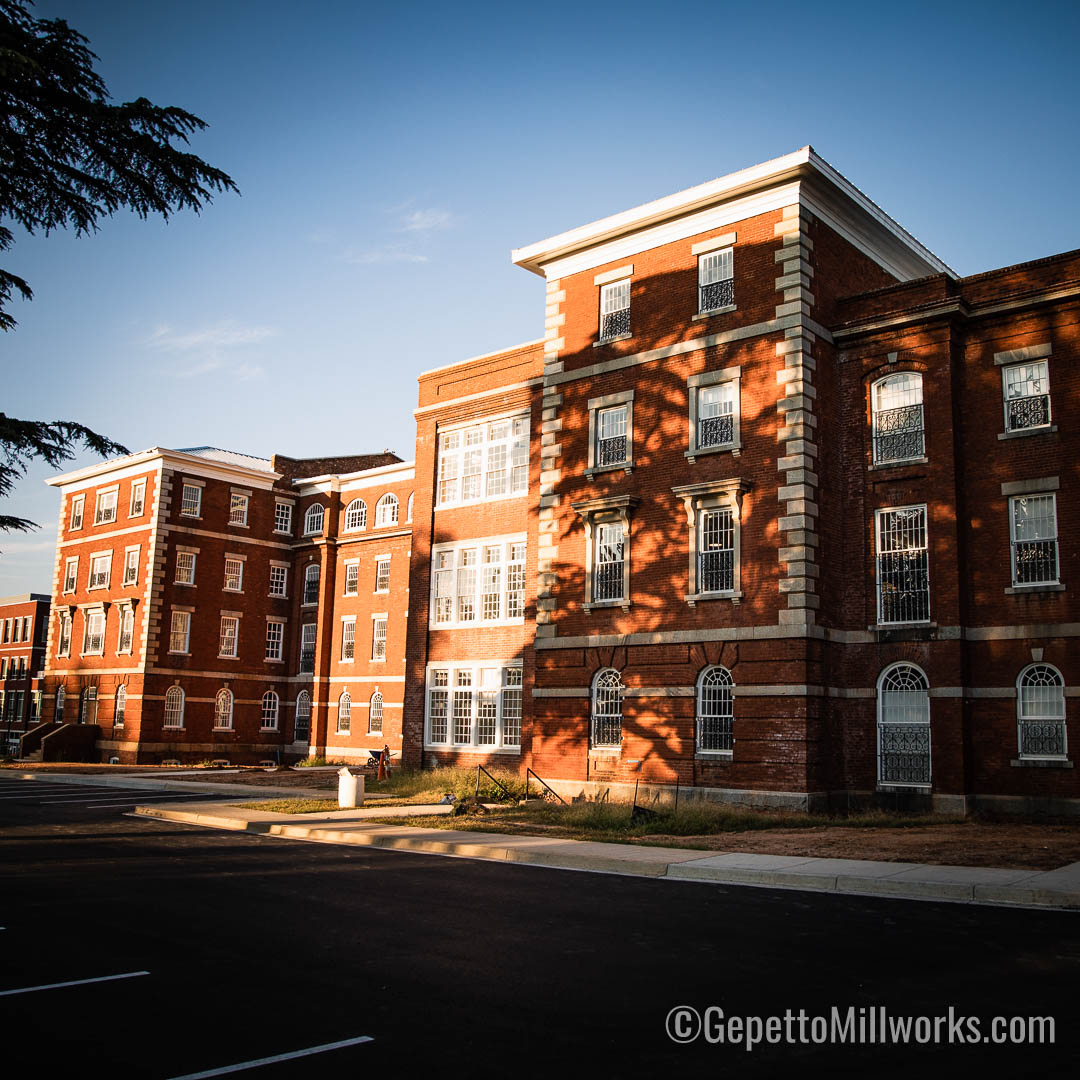
Transforming Columbia, South Carolina’s Historic Landmark

The Bull Street development in Columbia, South Carolina, stands as a testament to the city’s commitment to preserving its rich history while embracing modern progress. This ambitious project combines historic renovation, urban renewal, and mixed-use development to revitalize the iconic Bull Street Asylum site. By blending the past and present, the Bull Street development has become a thriving center of activity, attracting residents, visitors, and businesses alike.

Historic Renovation: Restoring the Legacy of Bull Street Asylum

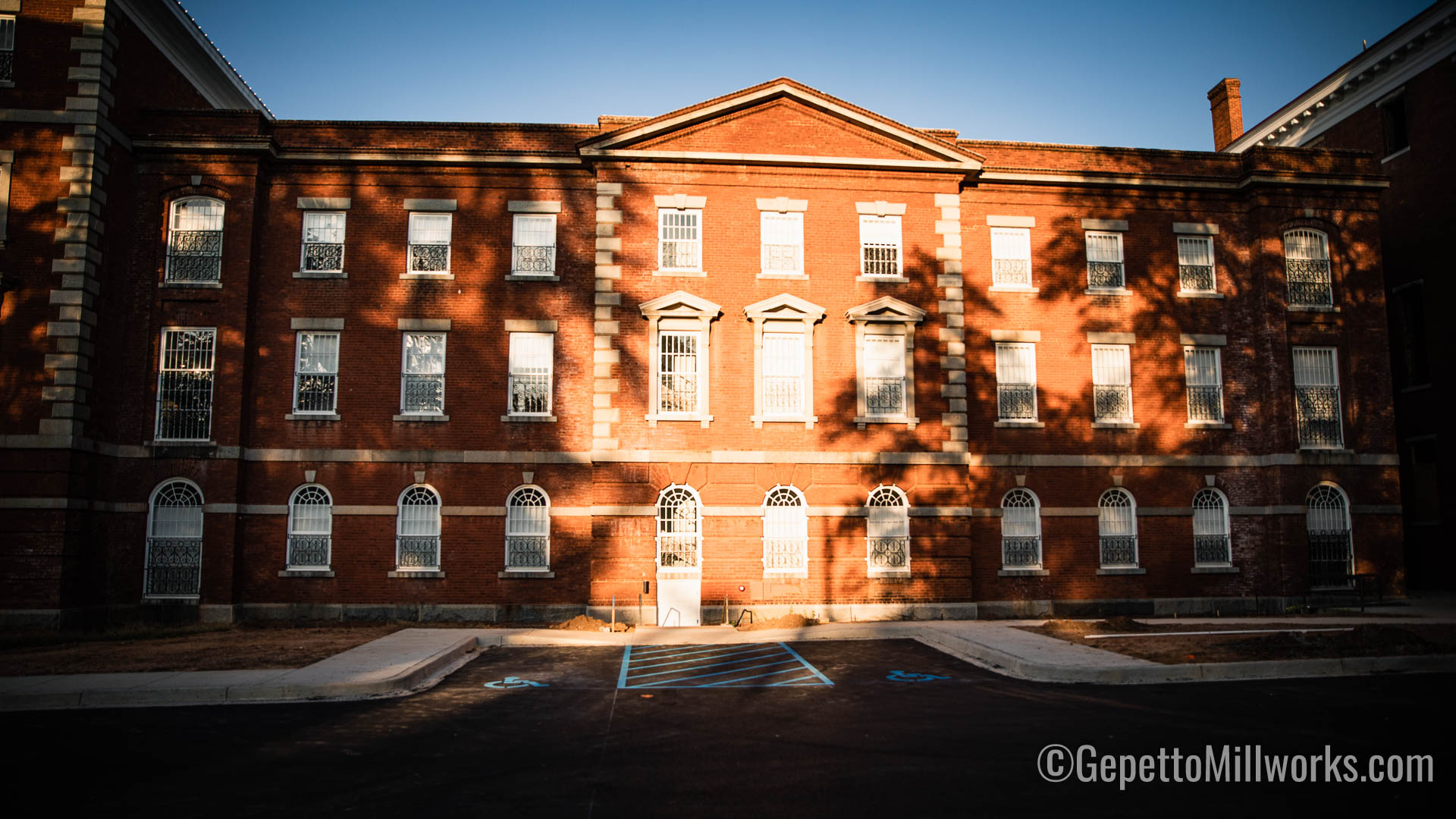
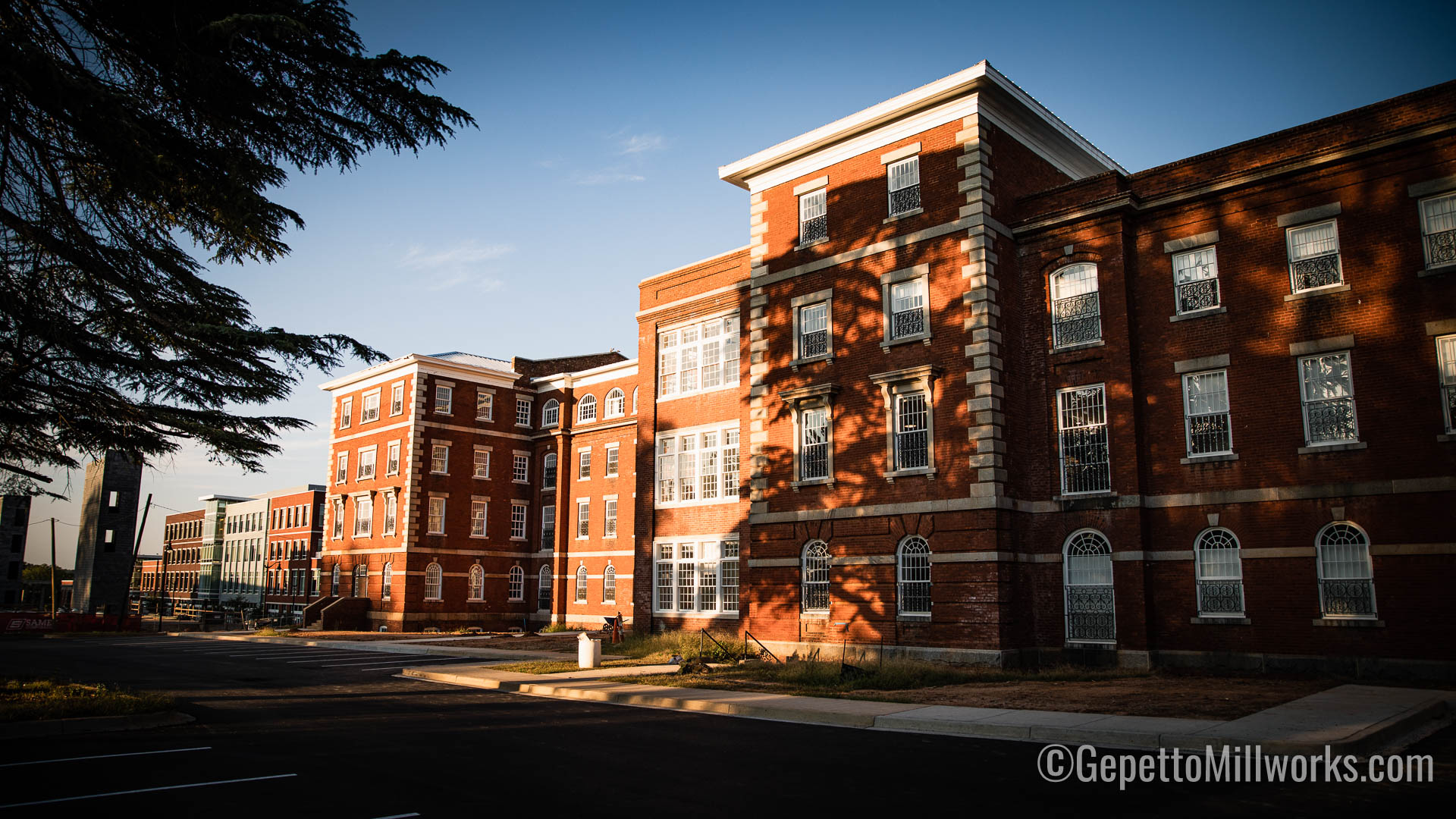
The Bull Street Asylum, originally known as the South Carolina Lunatic Asylum, opened its doors in 1828 and served as a beacon of mental healthcare until its closure in 1996. Recognizing its historical significance, the Bull Street Development team embarked on a mission to preserve and restore this iconic landmark.

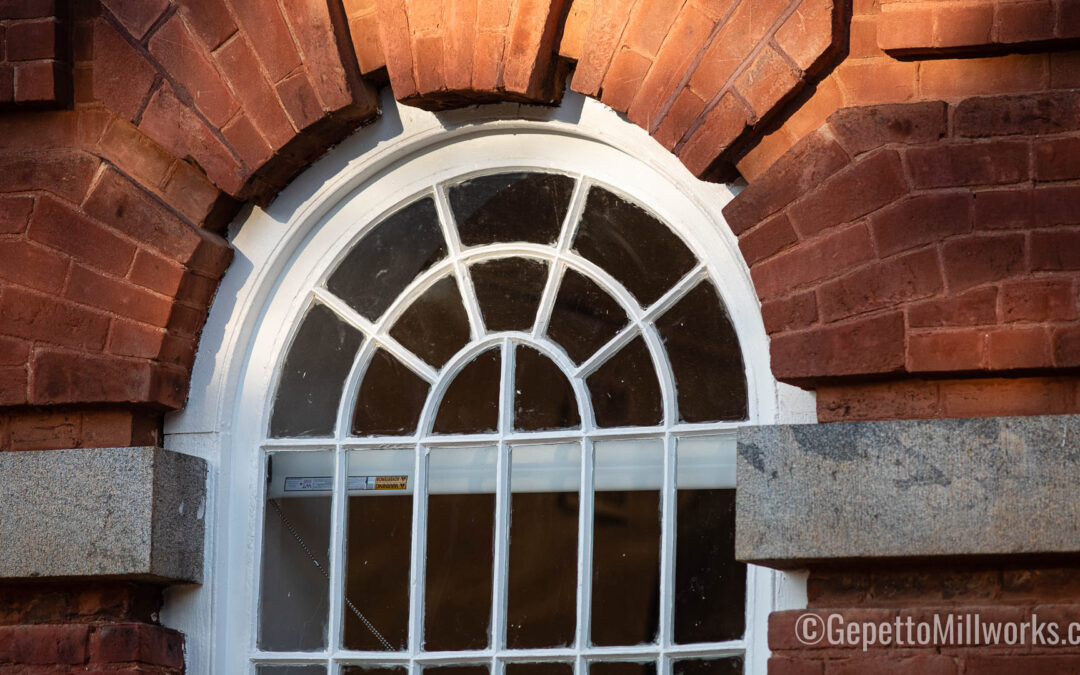
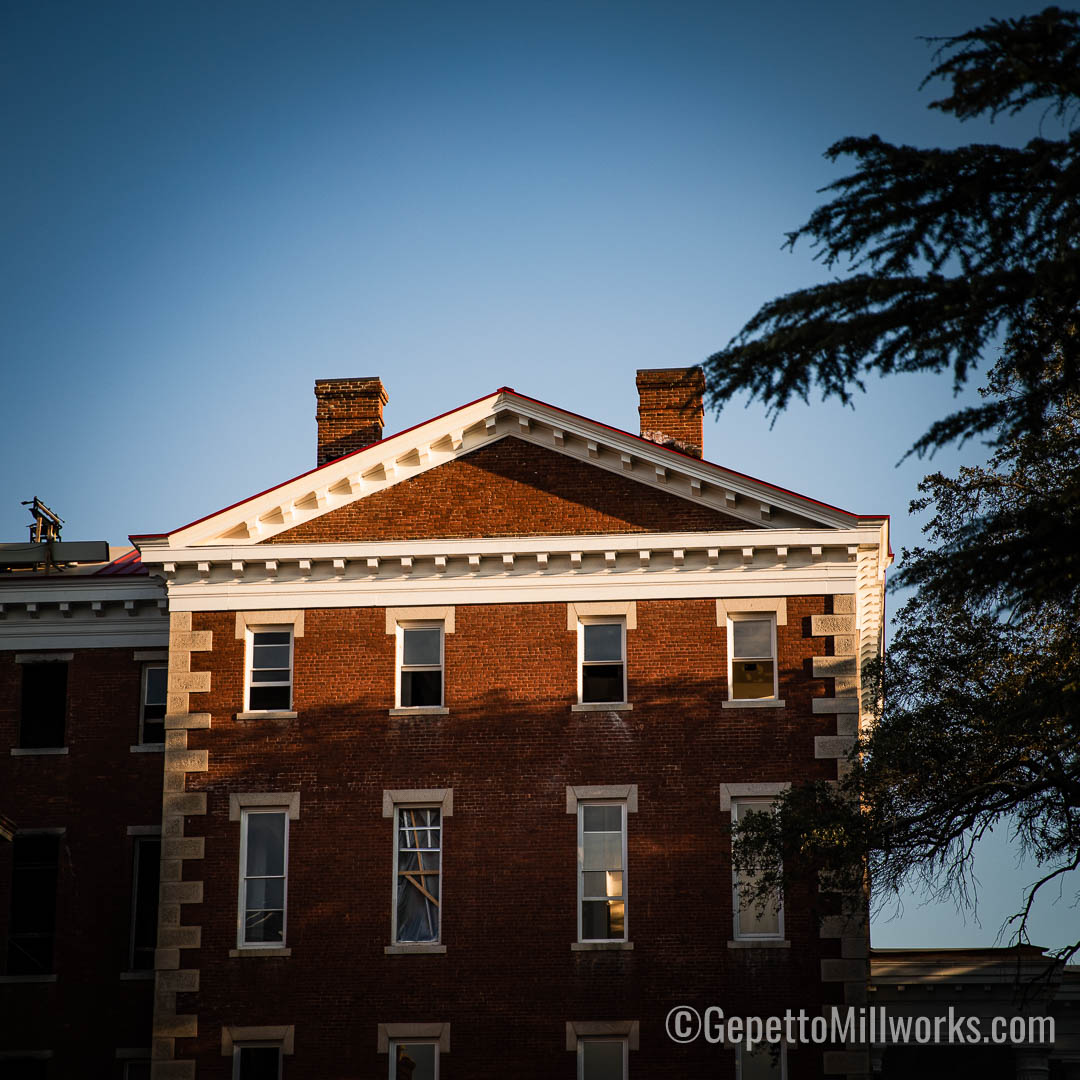
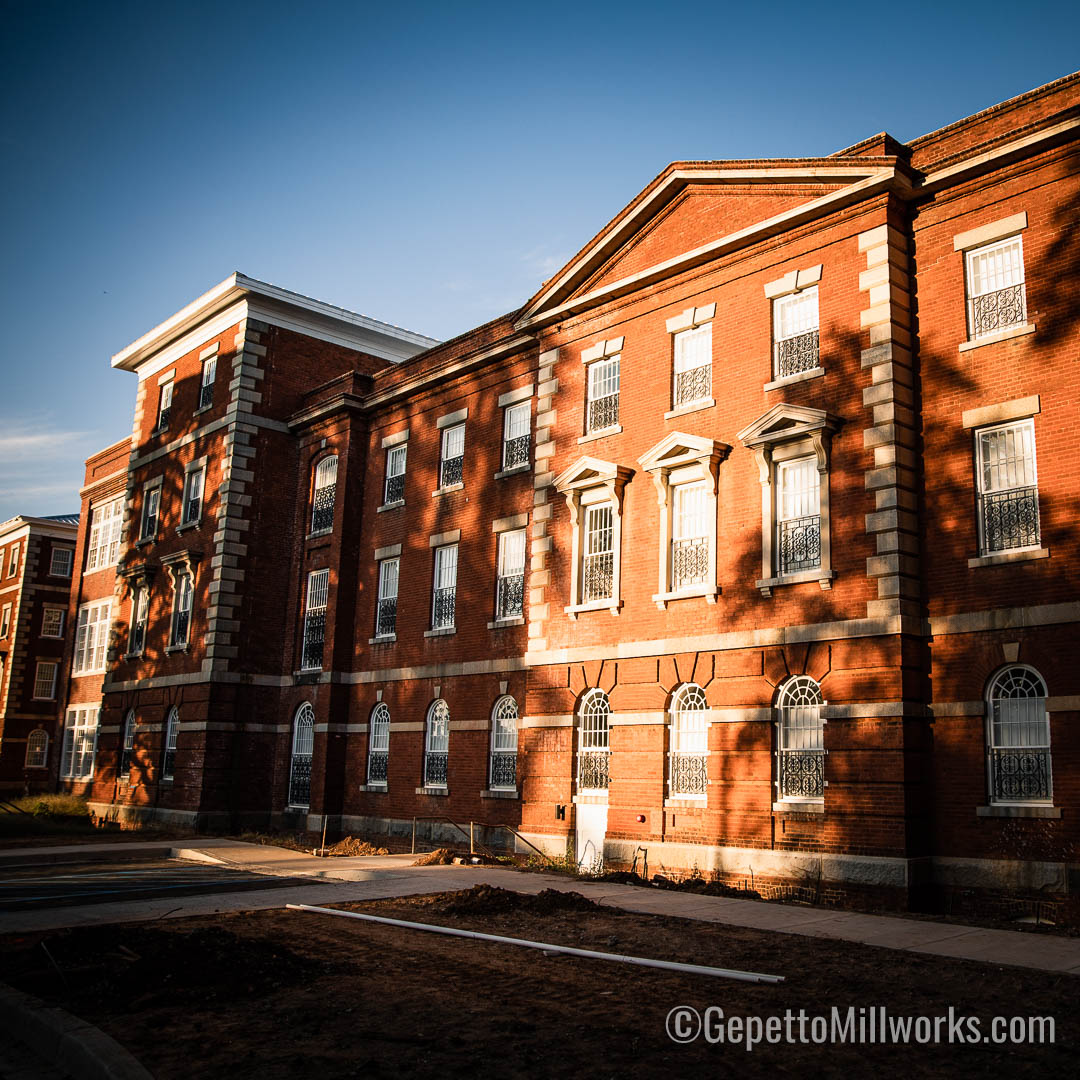
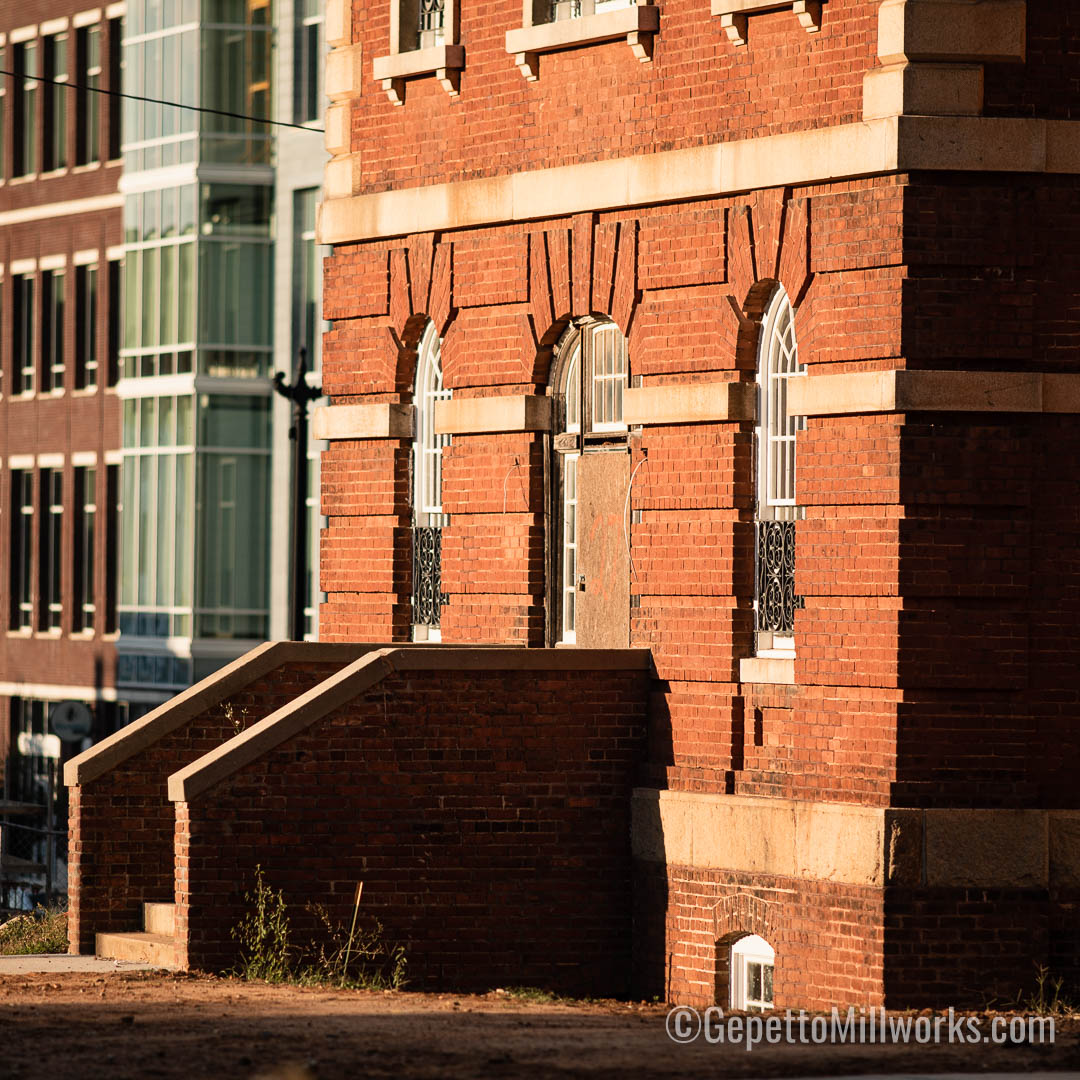
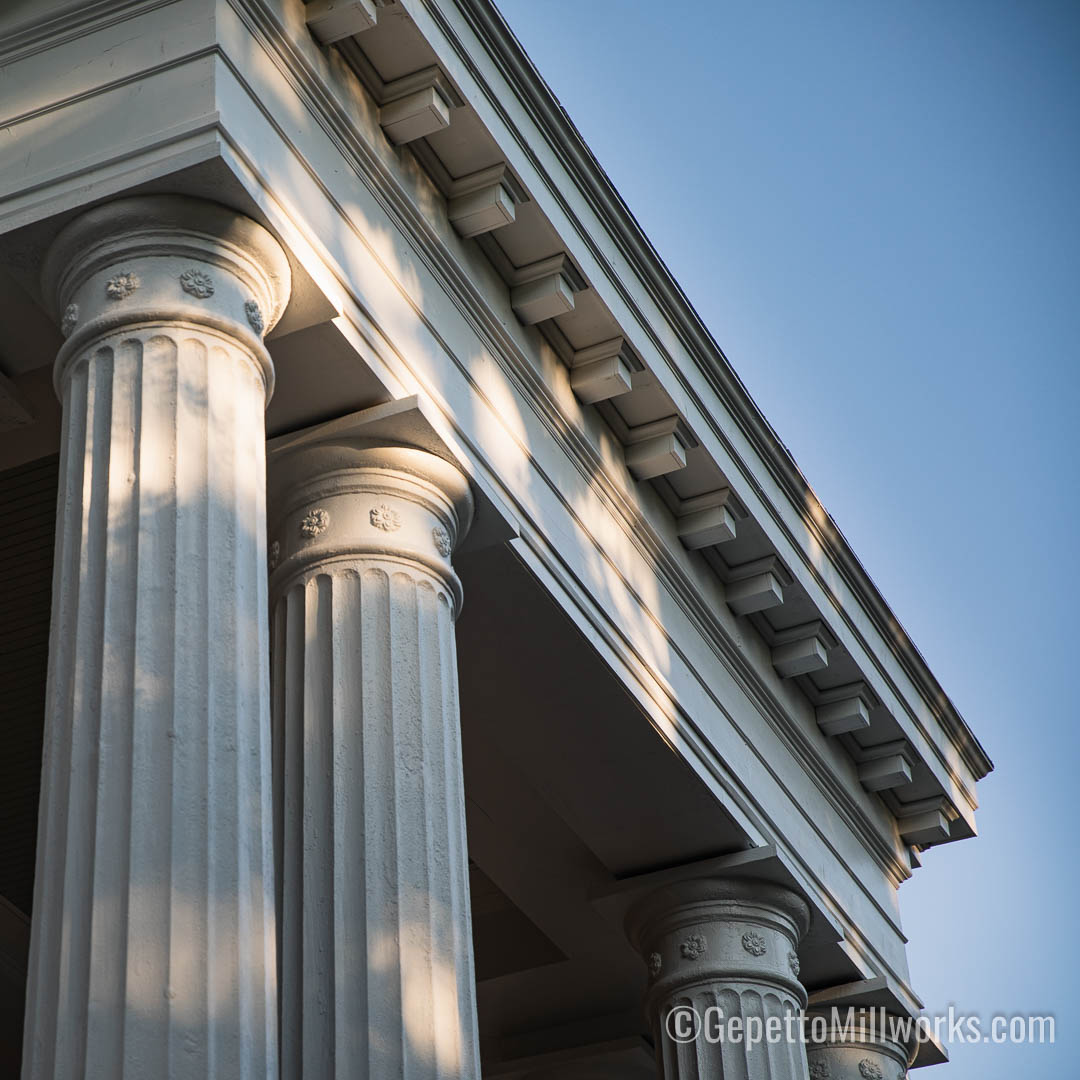
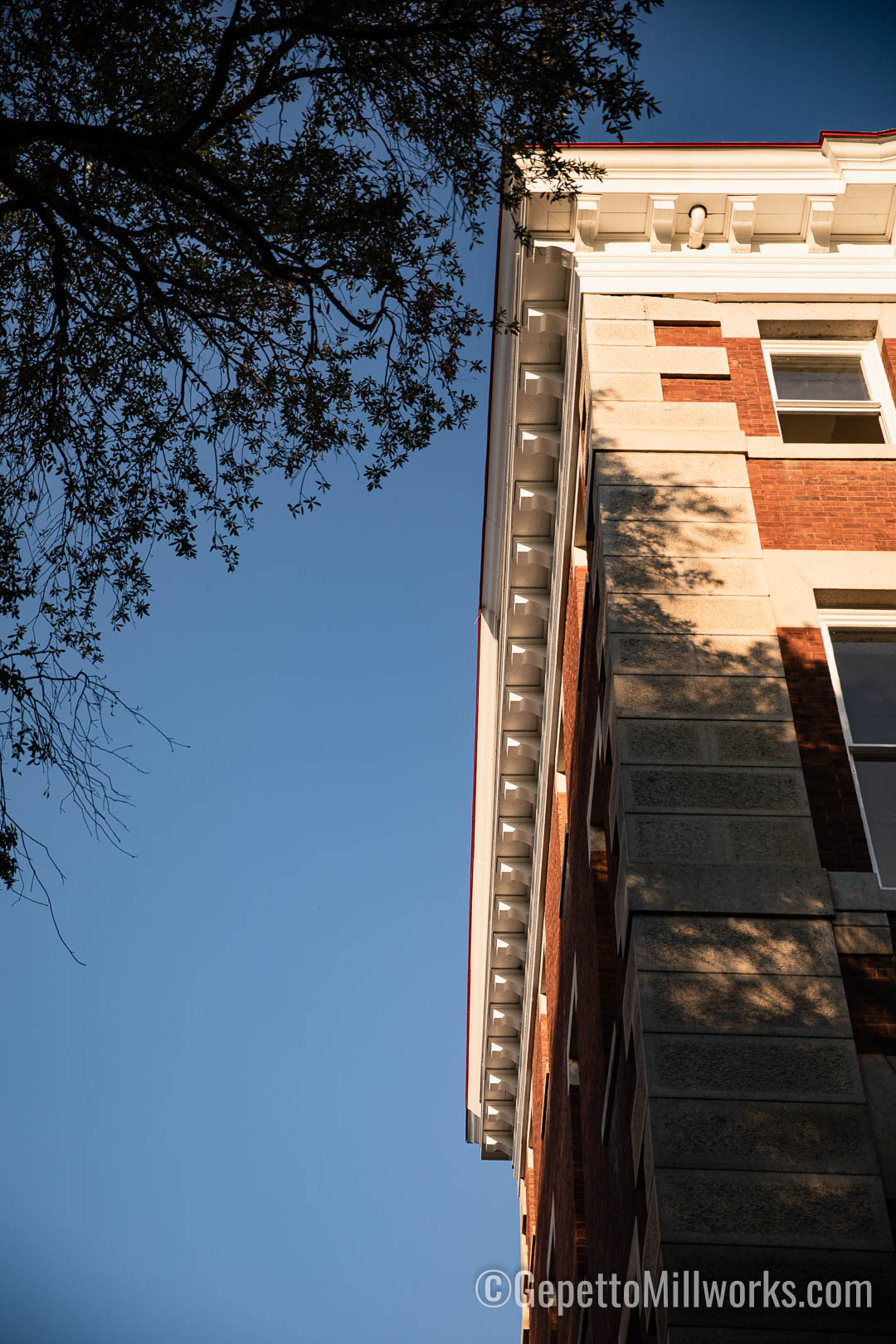
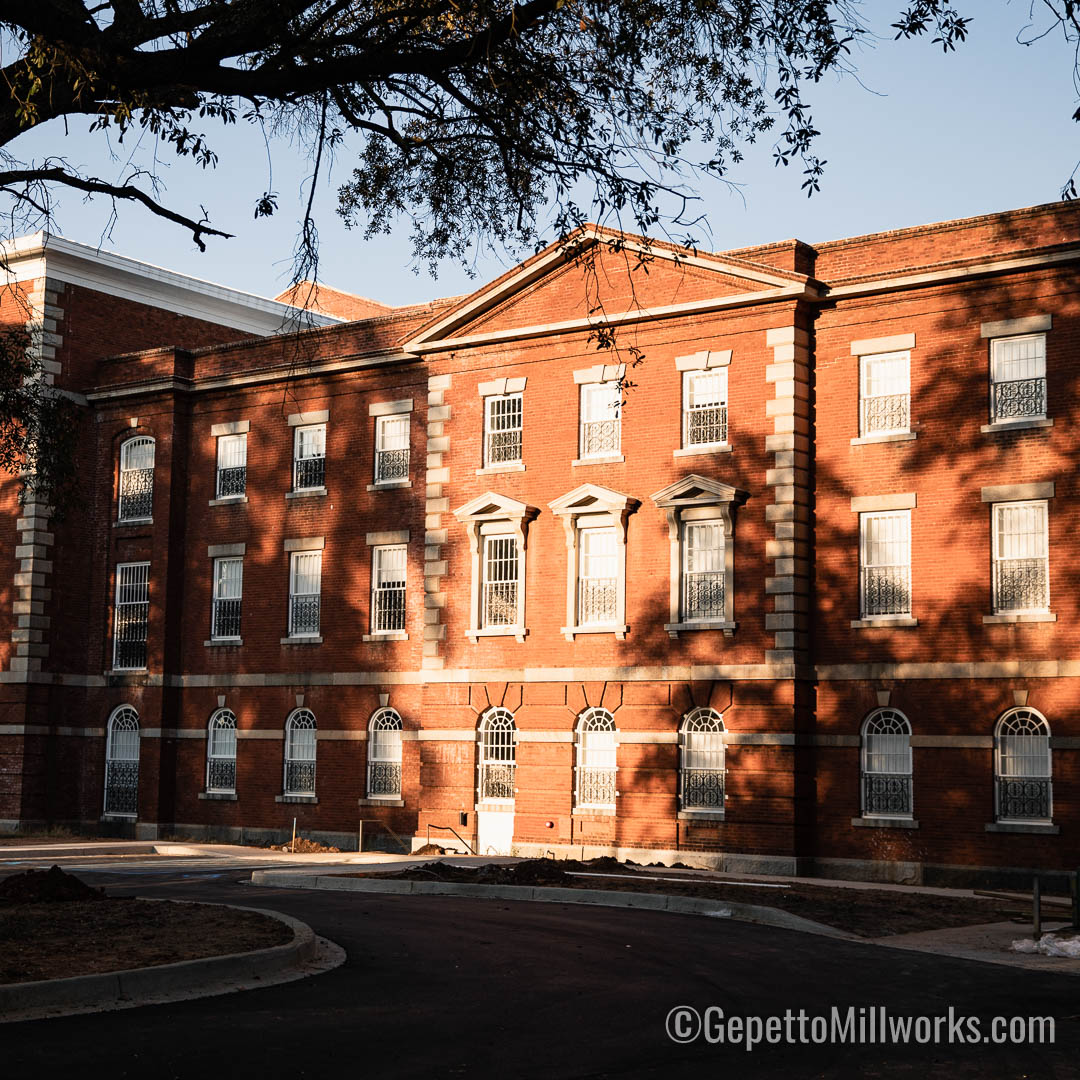
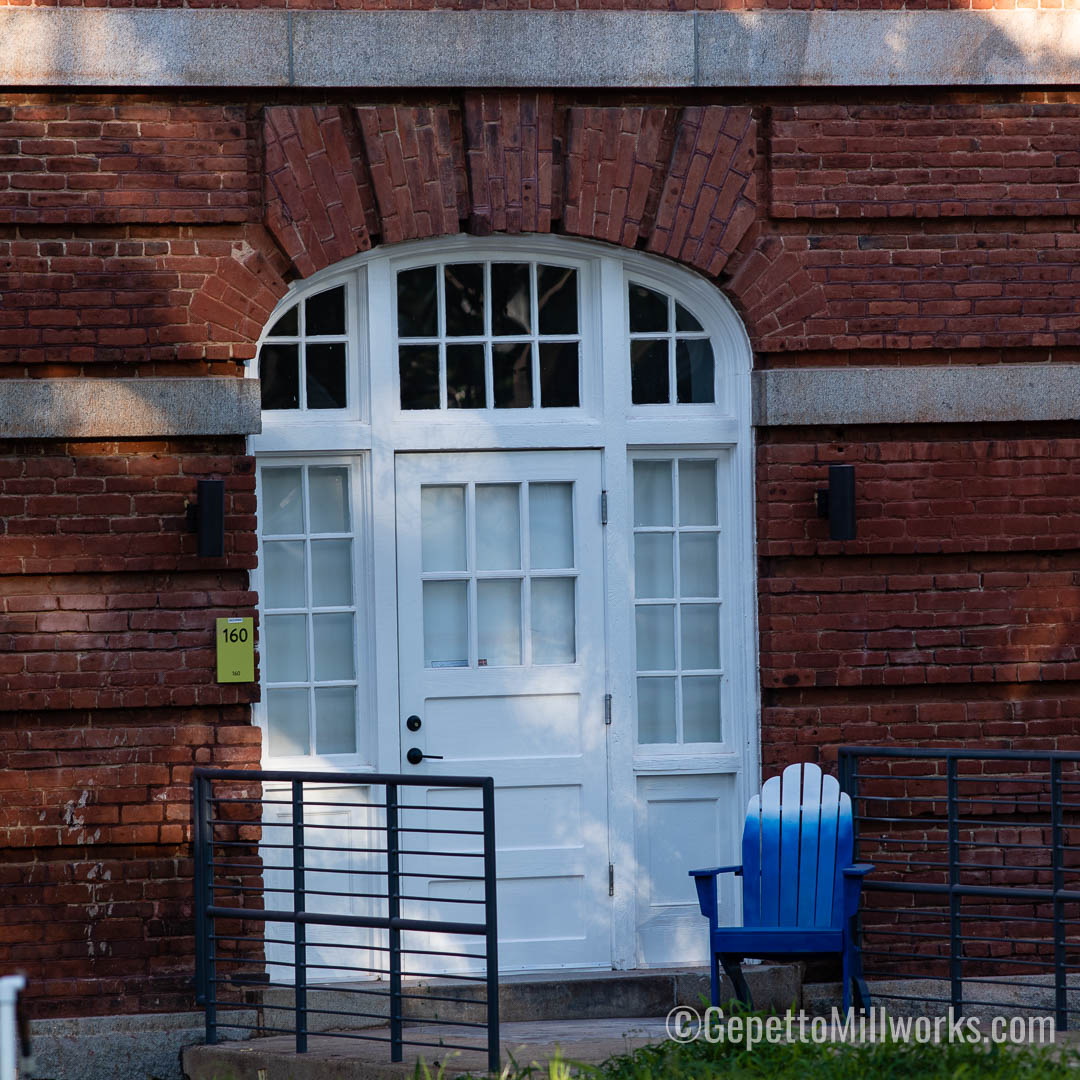
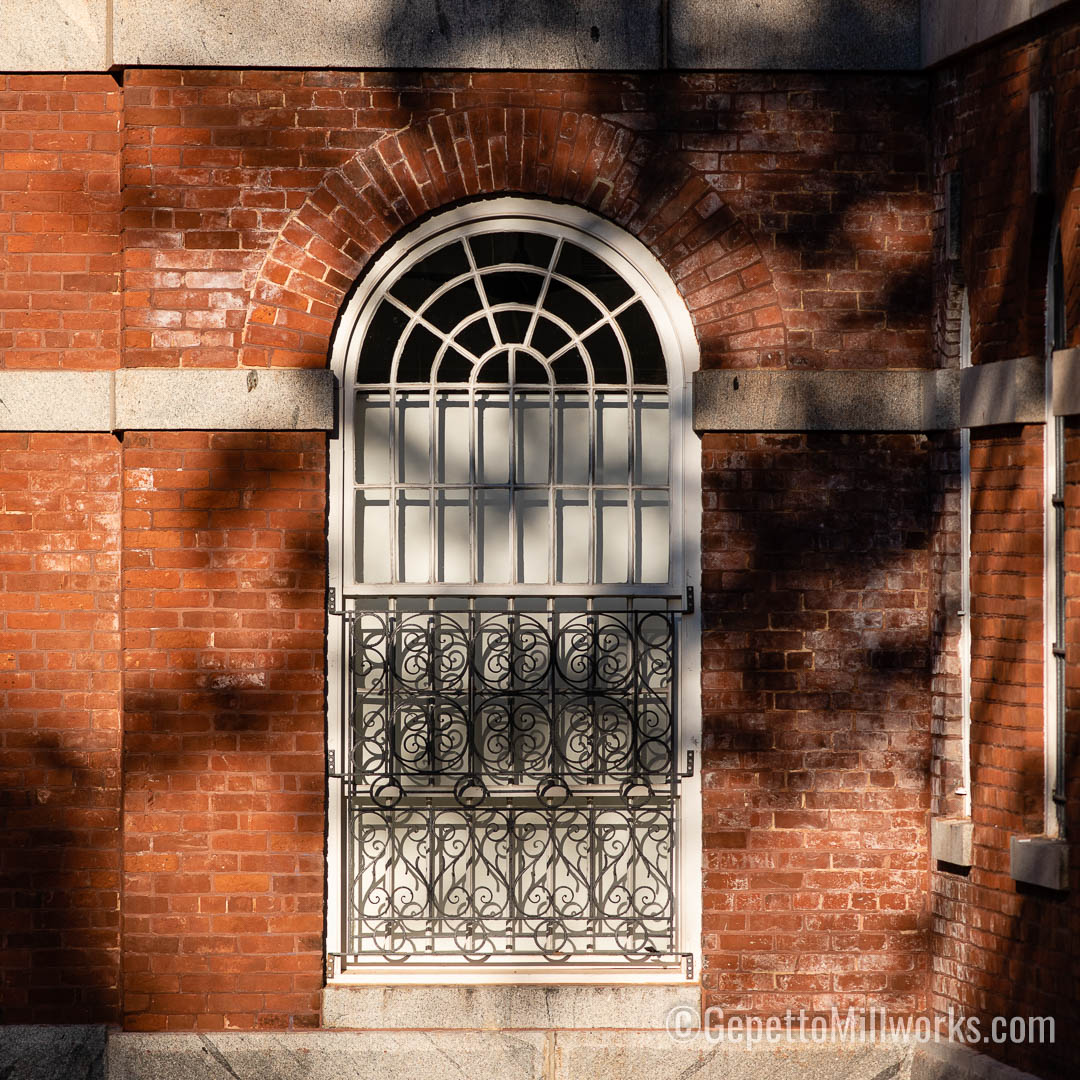
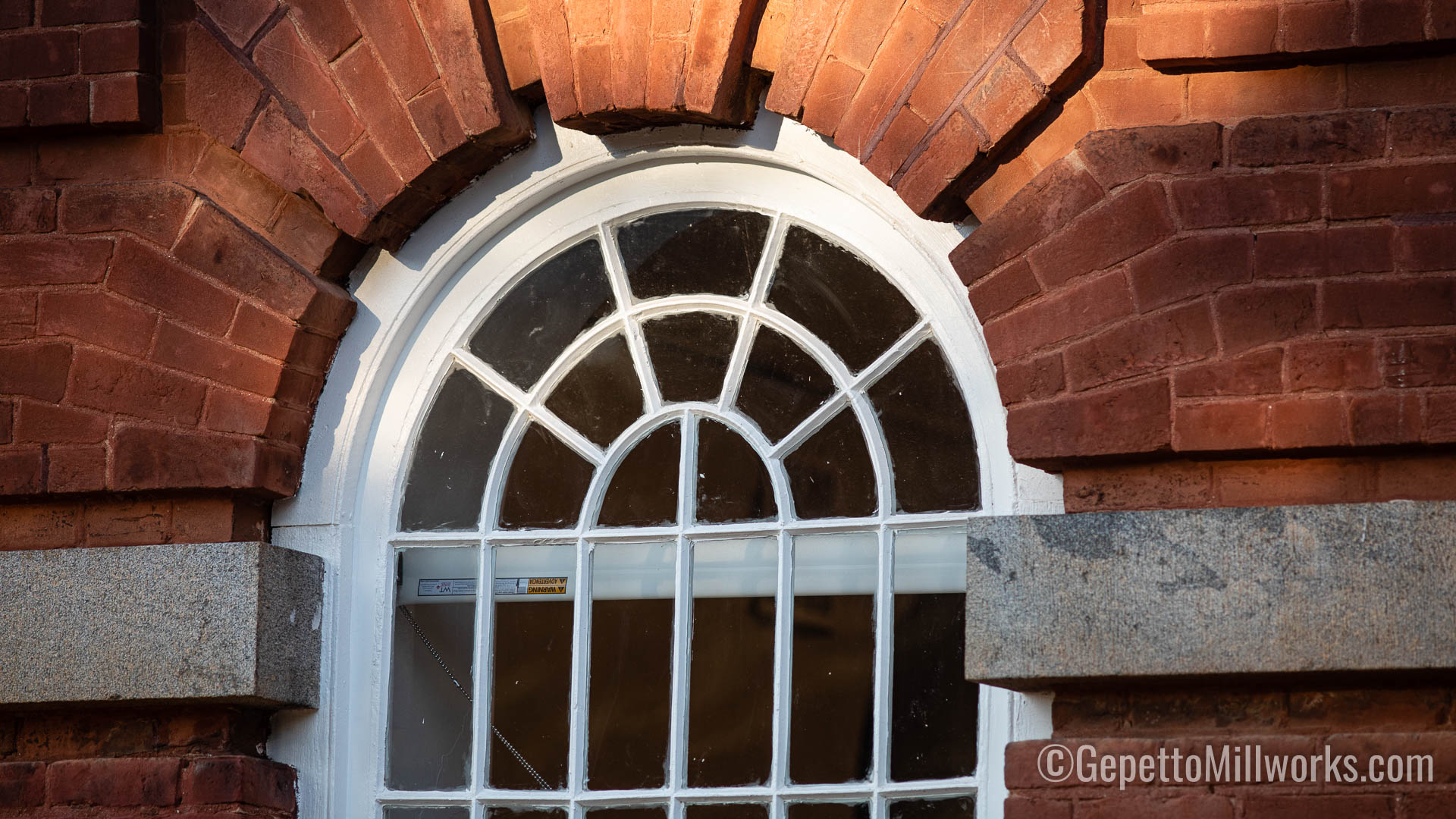
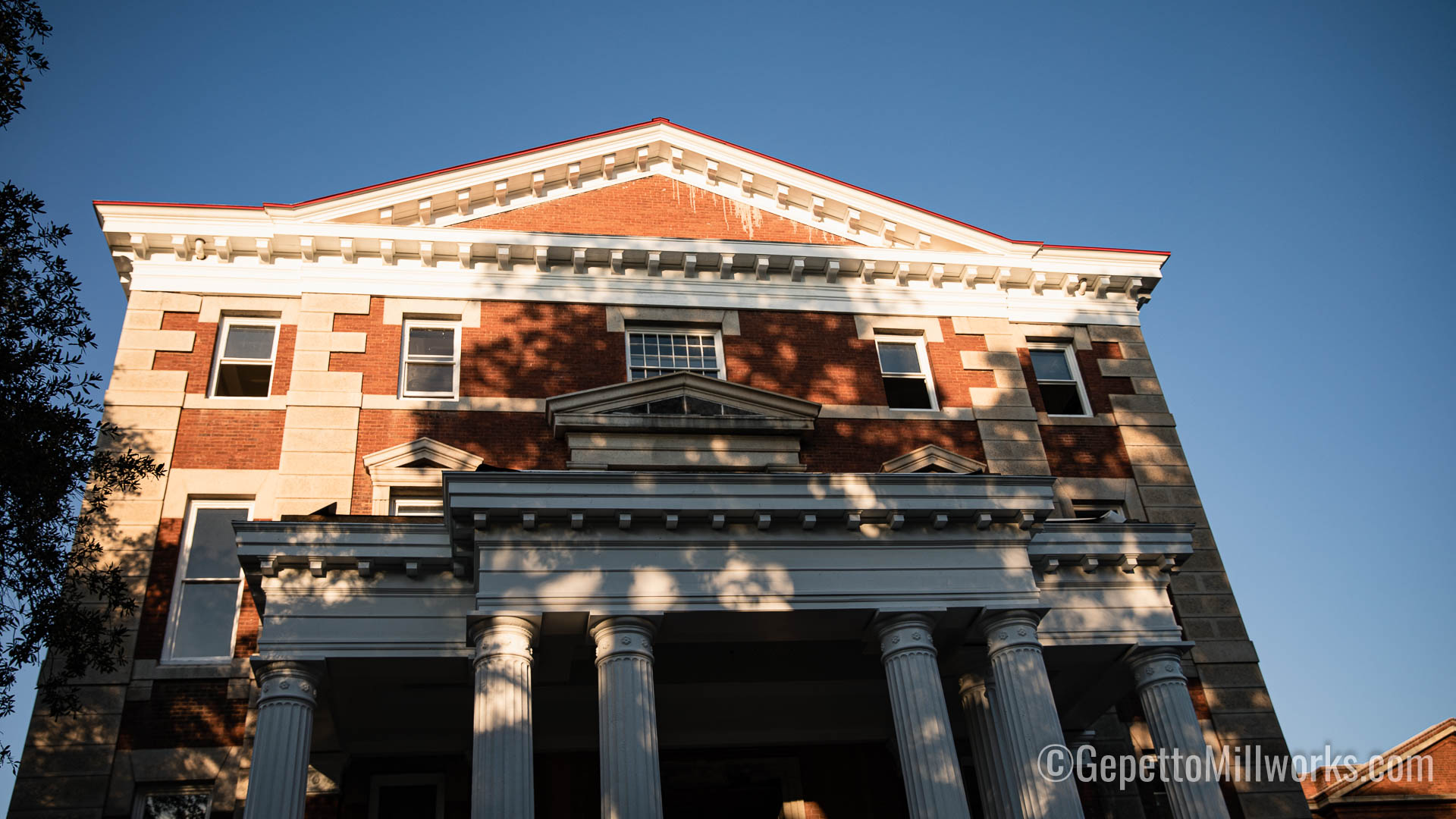
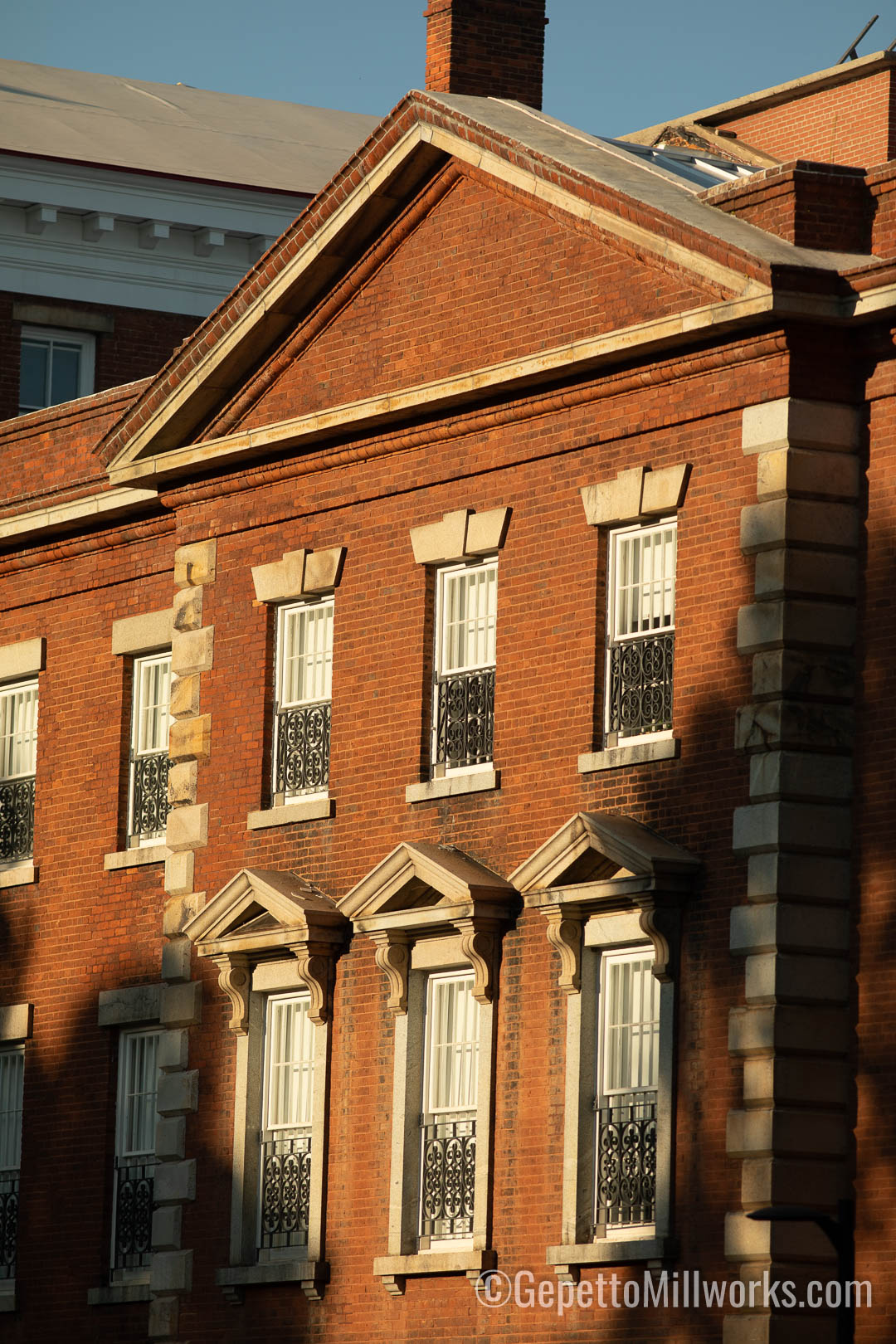
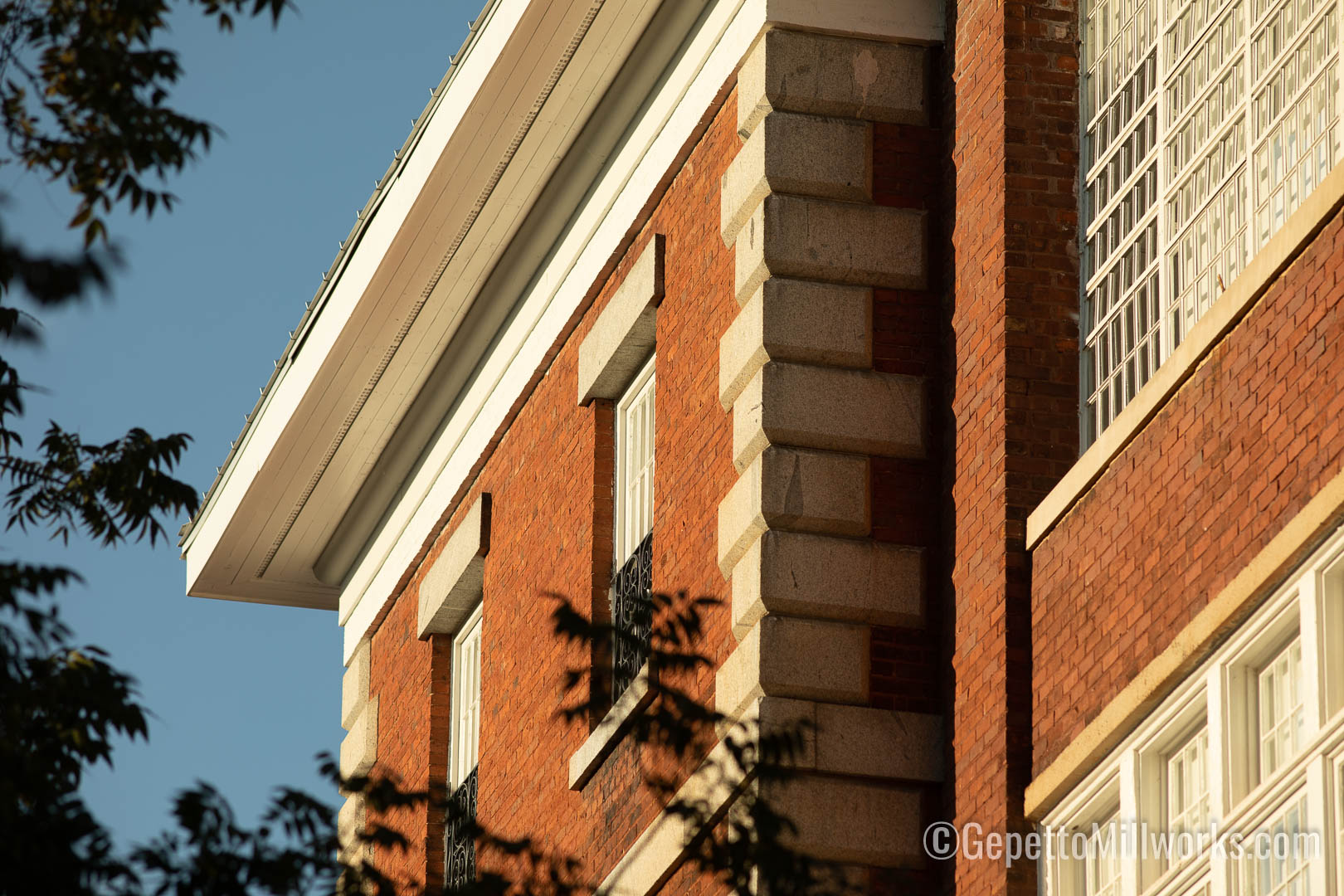
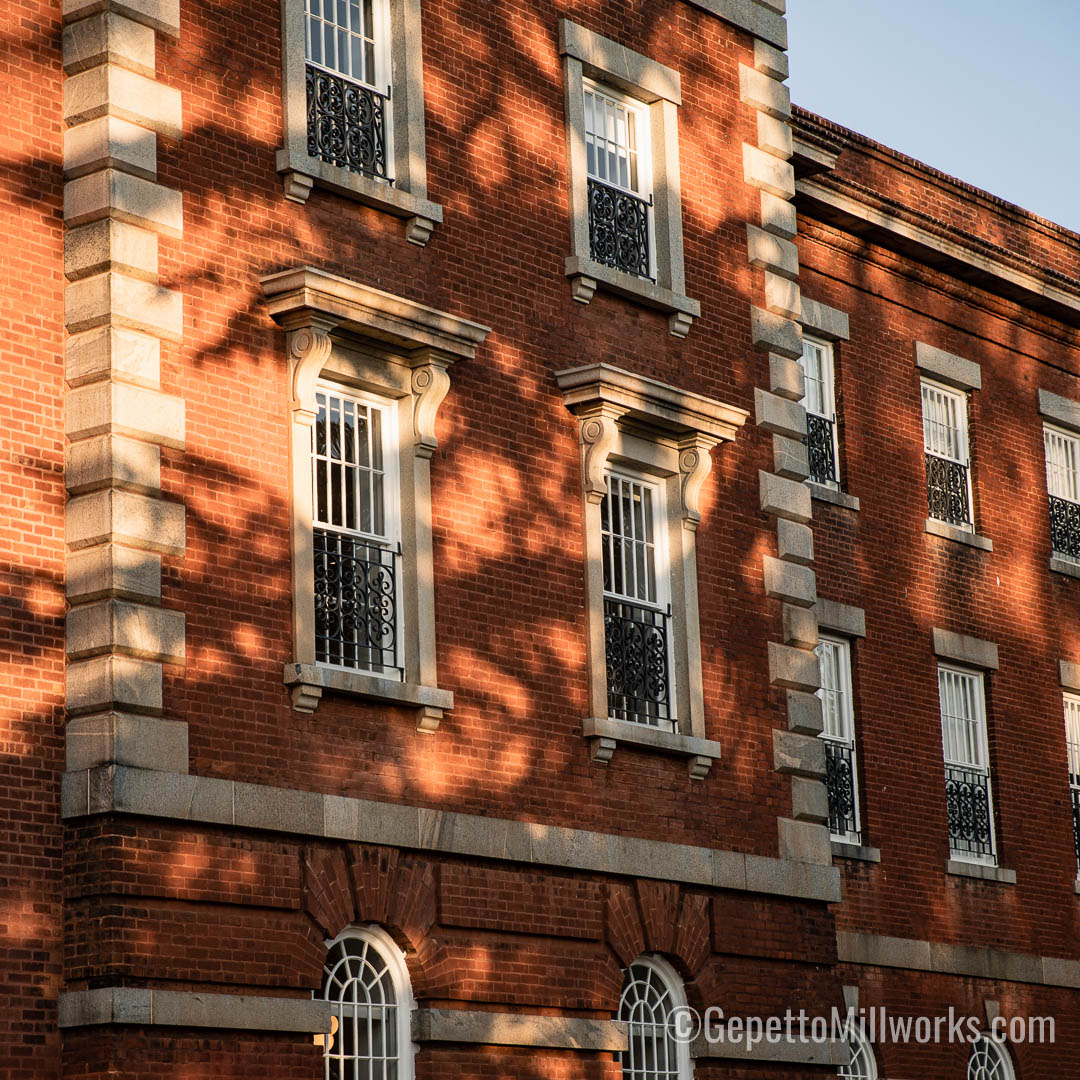
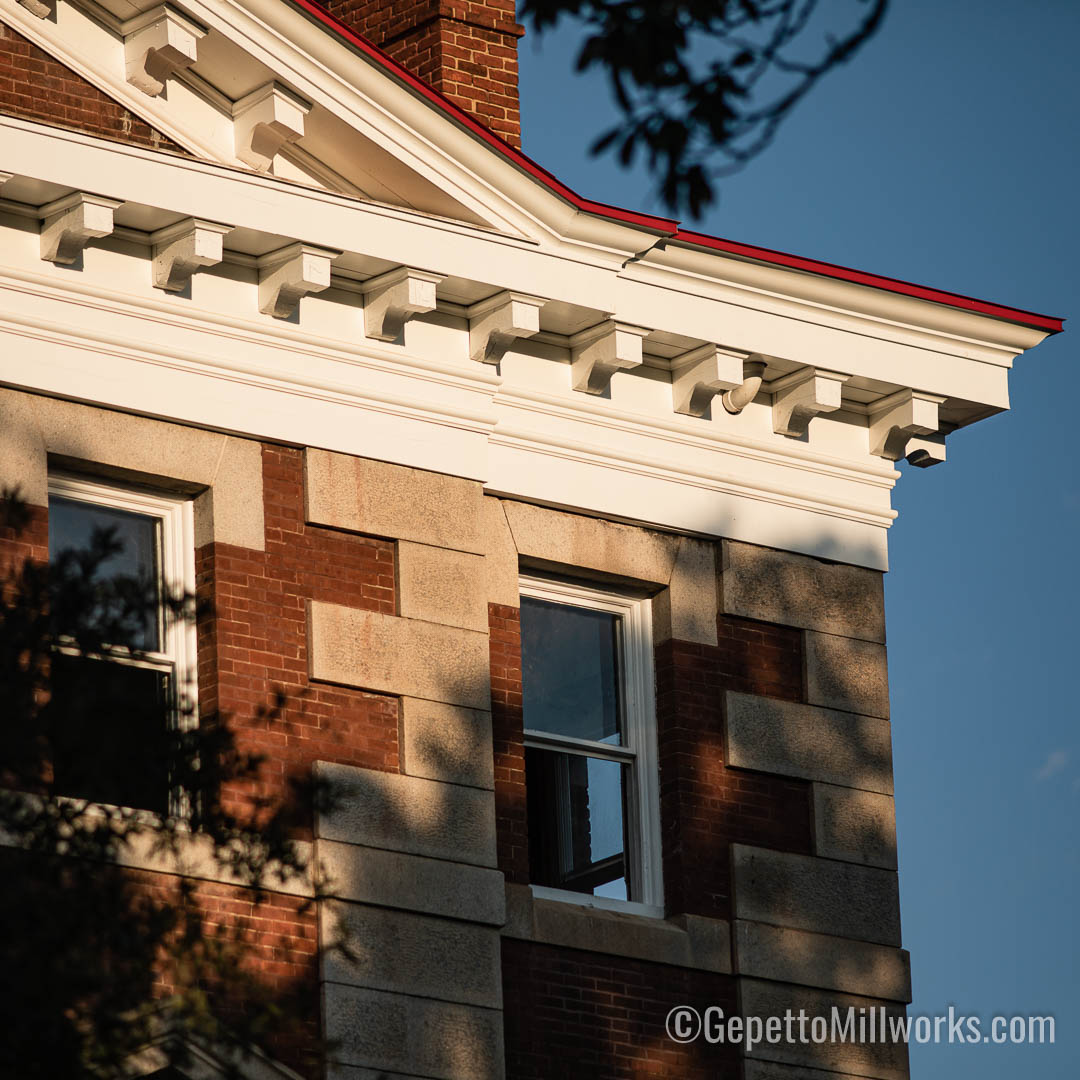
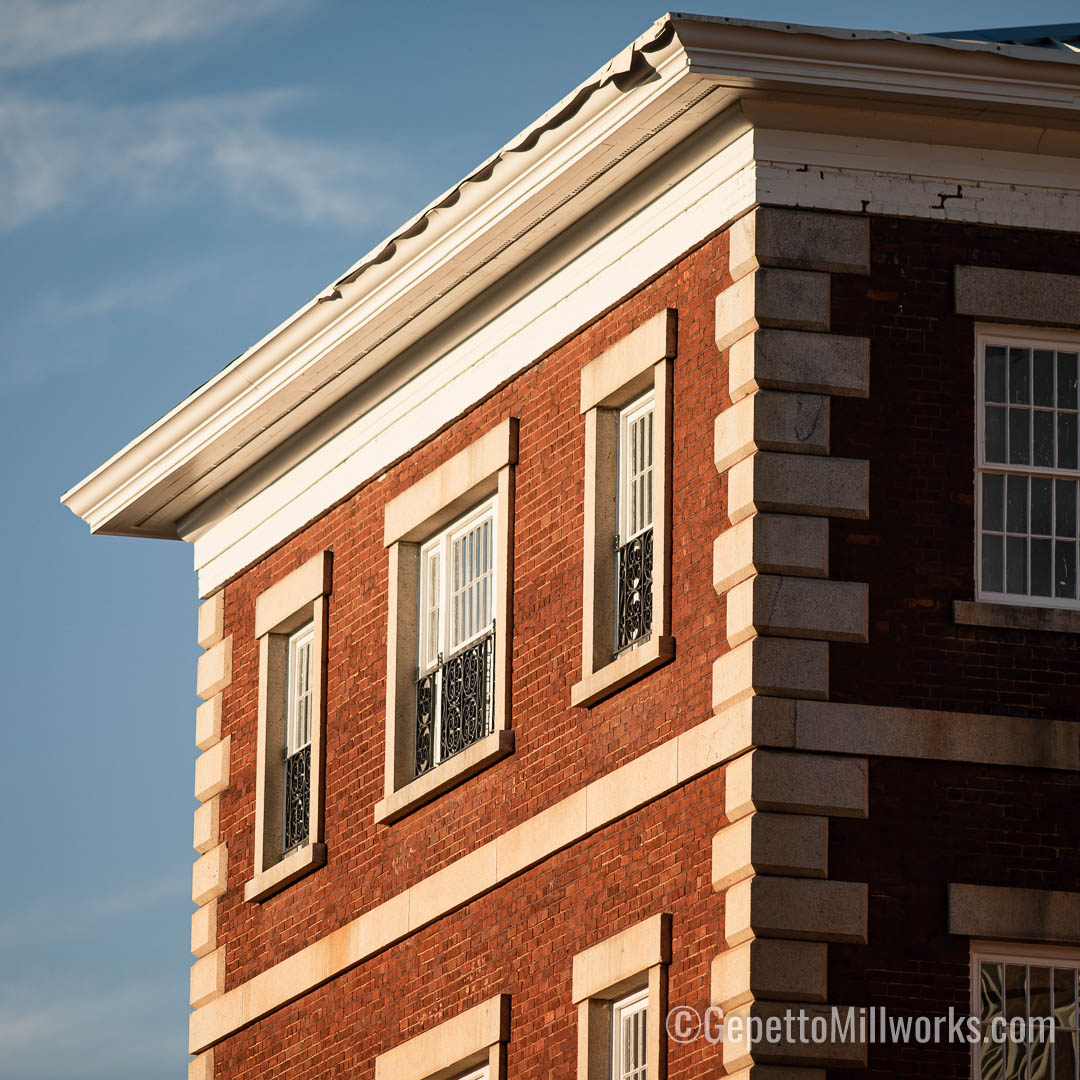
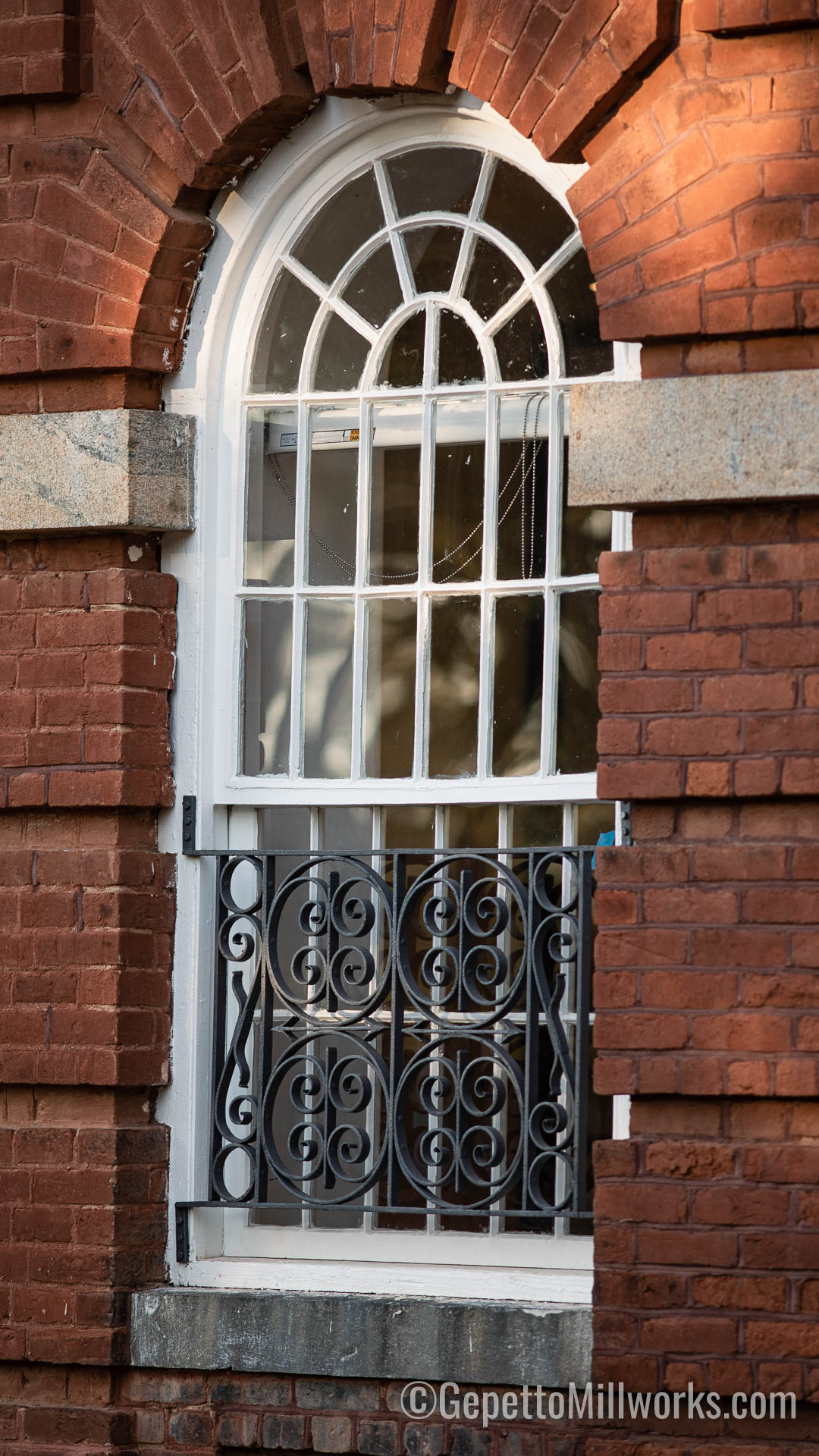
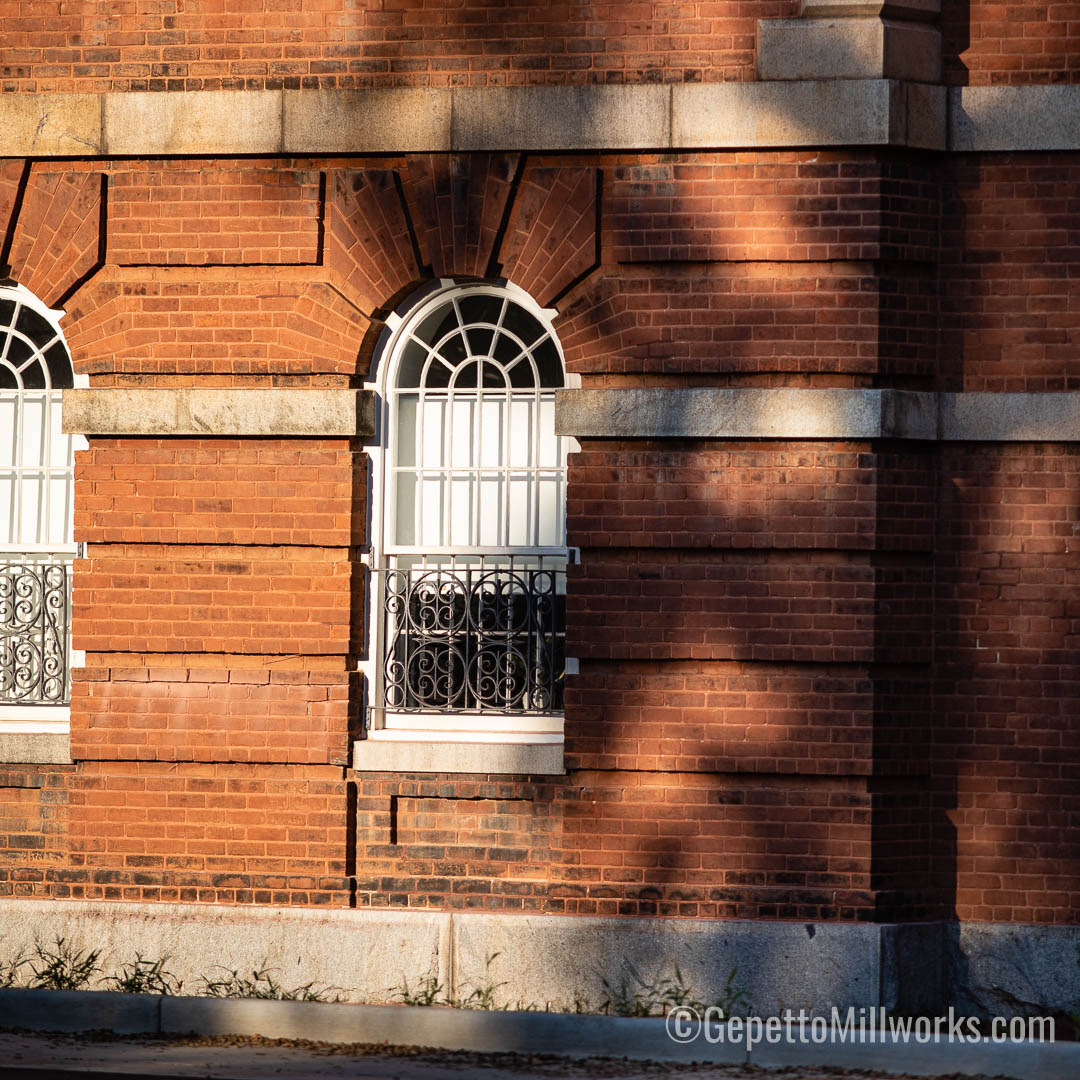
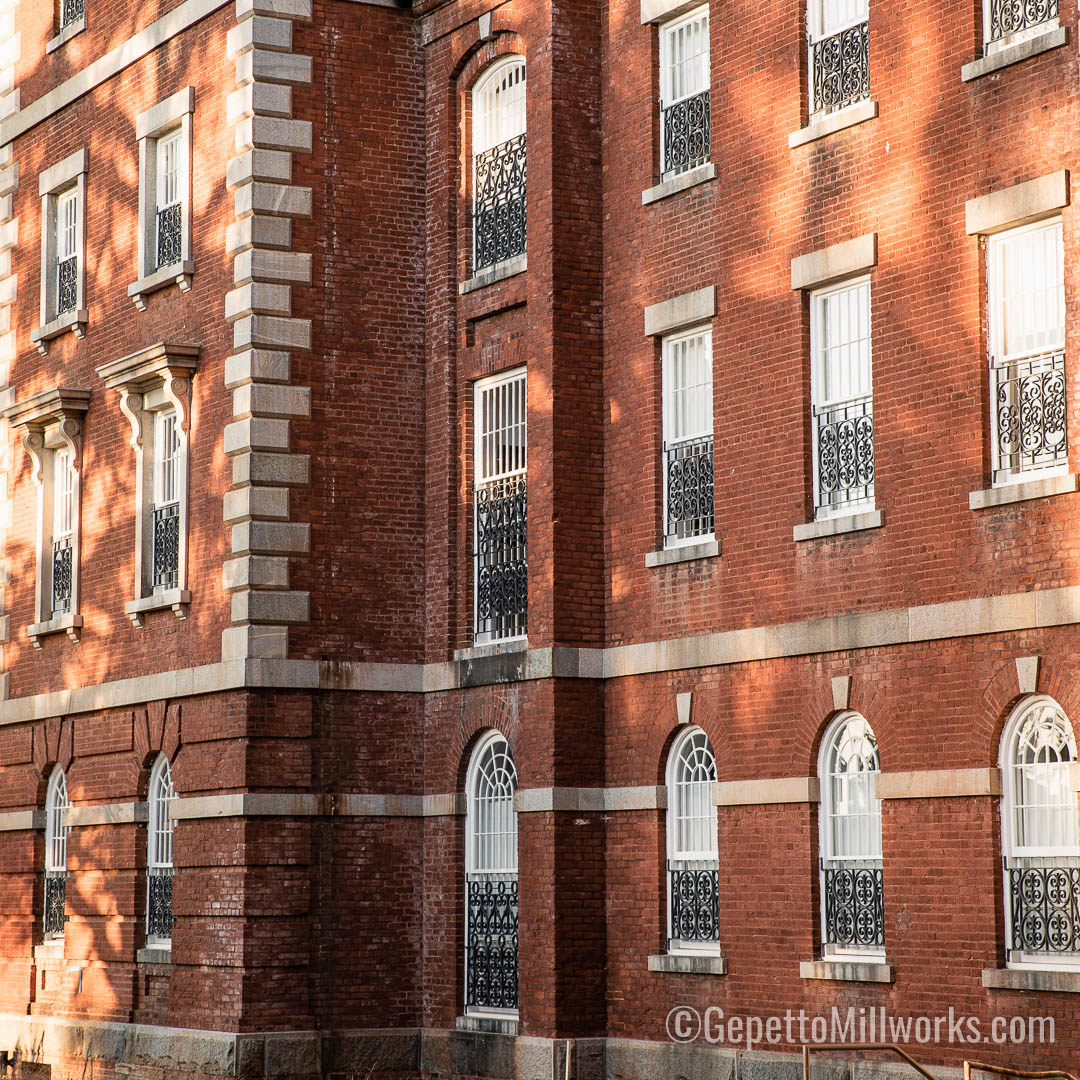
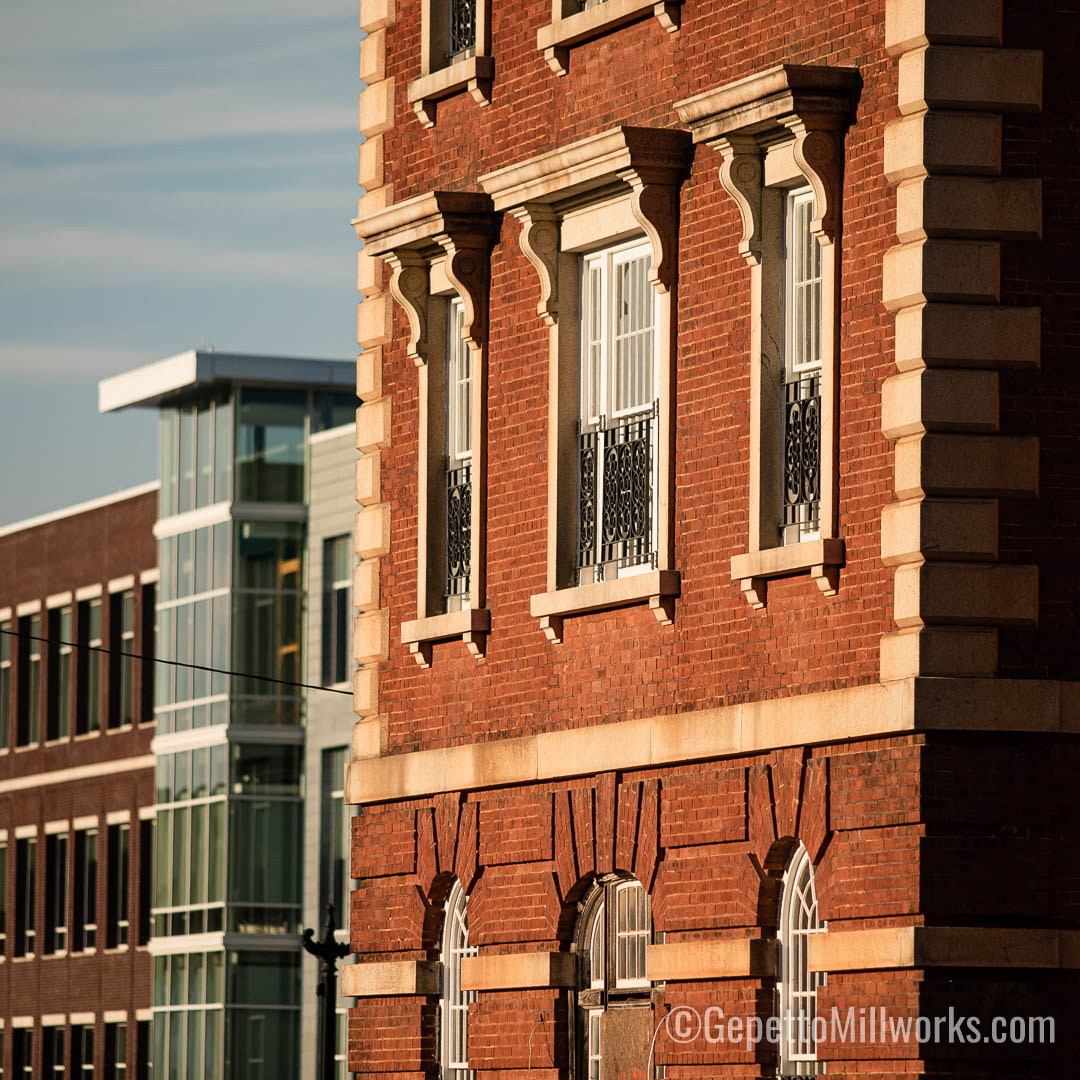
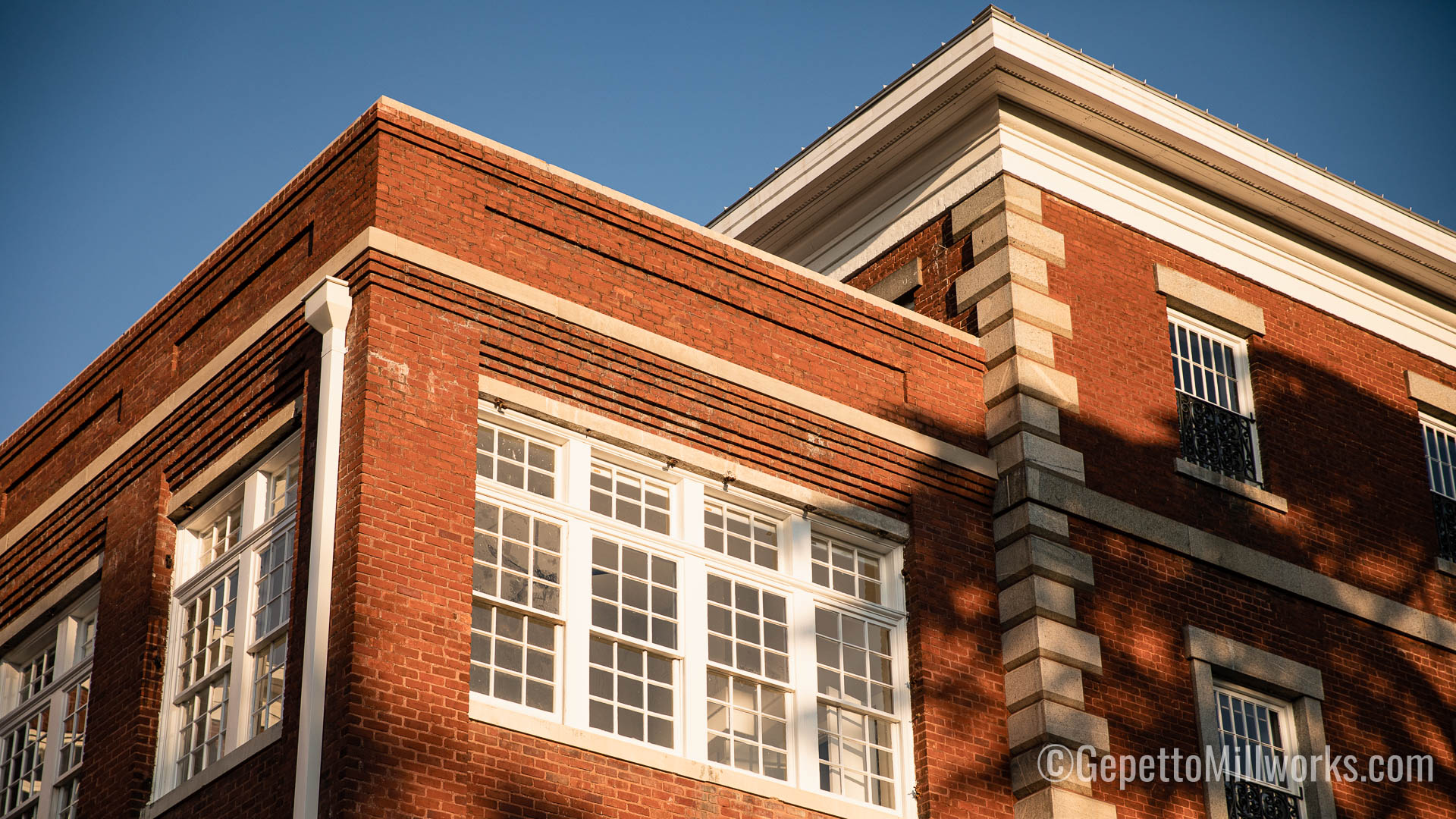
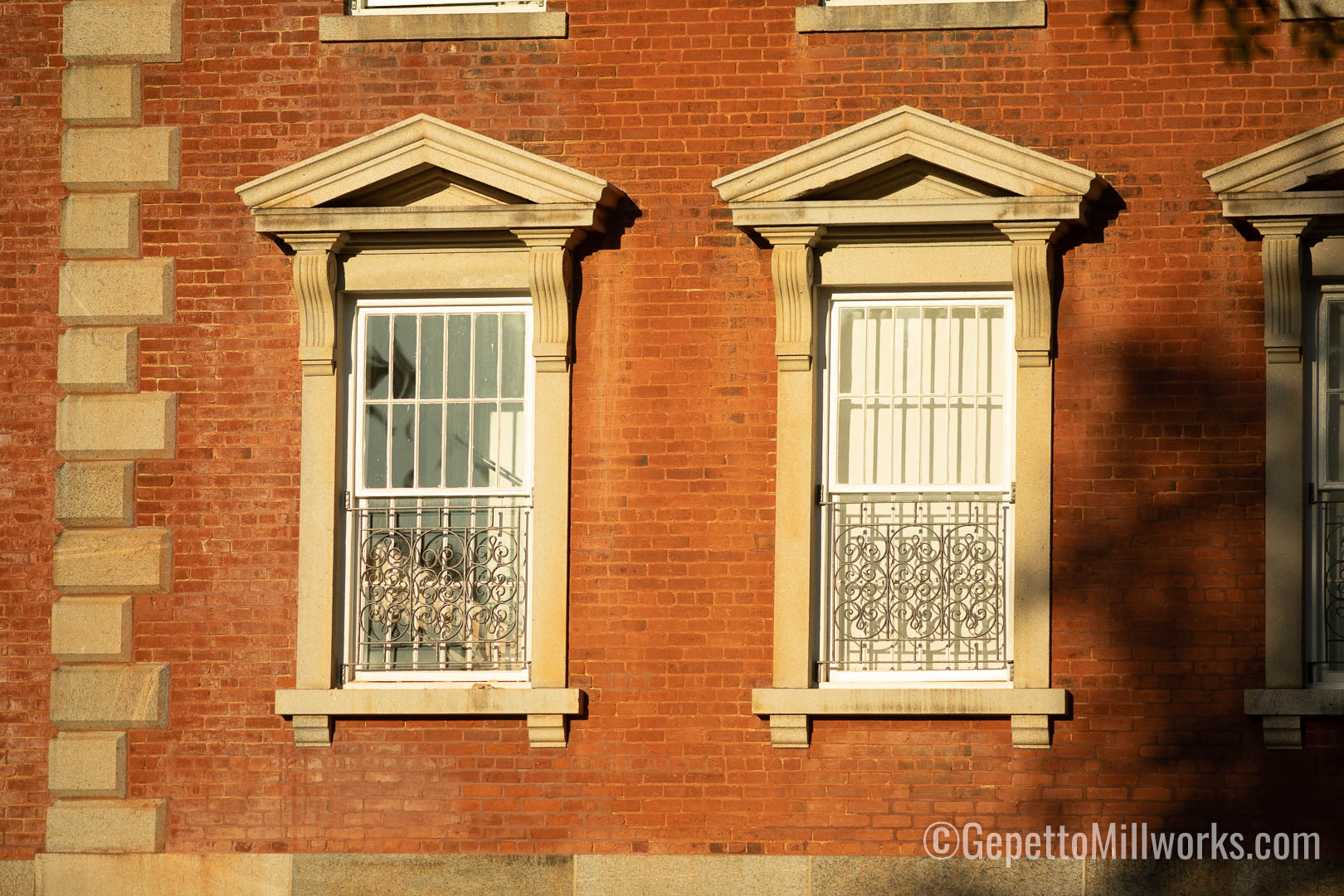
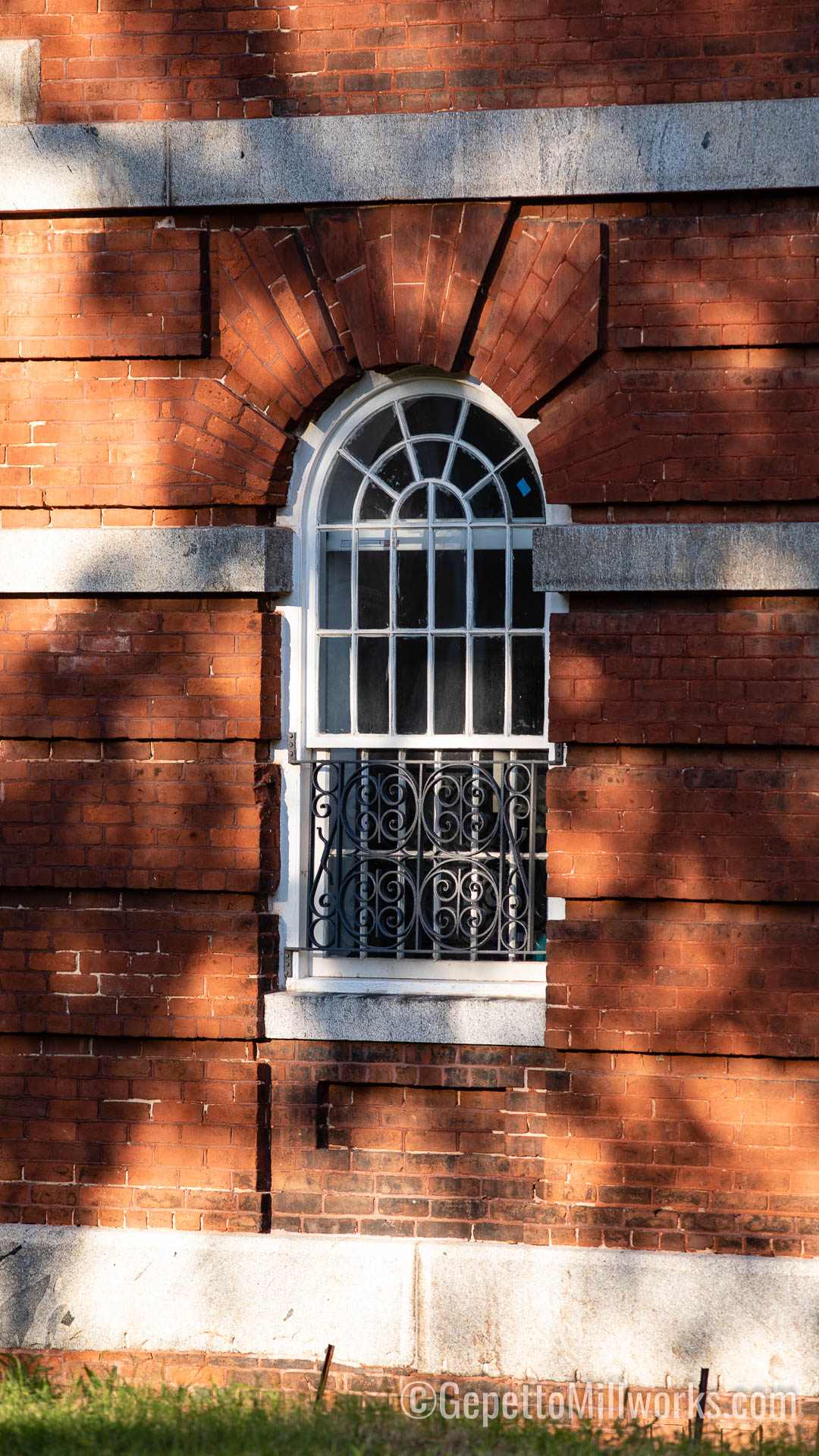
Historic renovation, a process that involves rehabilitating and revitalizing historic structures, played a vital role in transforming the Bull Street Asylum. While retaining the building’s unique architectural features, such as its imposing red-brick façade and intricate stonework, the developers ensured that the structure met modern safety and accessibility standards. This delicate balance between preservation and modernization has breathed new life into the historic site.

Urban Renewal: Goals and Impacts on Columbia’s Landscape

Urban renewal is a critical aspect of the Bull Street development, aiming to revitalize urban areas and improve the overall quality of life for residents. In the case of Columbia, South Carolina, the Bull Street project has become a catalyst for transformation, enhancing the city’s landscape and economy.

The primary goals of urban renewal in the Bull Street development are twofold: to repurpose underutilized spaces and to create a vibrant mixed-use area that fosters community engagement. The project’s master plan includes residential complexes, commercial spaces, recreational facilities, and green spaces. By blending historic preservation with modern amenities, the Bull Street development has successfully attracted residents, businesses, and tourists, contributing to the city’s economic growth.

Blending History and Modernity: Mixed-Use Condo Development

One of the highlights of the Bull Street development is the integration of the Bull Street Asylum’s rich history with a modern condominium development adjacent to the stadium. This unique blend of the past and present has created an enticing living experience for residents and visitors.

The Bull Street Asylum, now known as the BullStreet District, serves as the backdrop for the mixed-use condo development. The renovated historic buildings house a variety of amenities, including restaurants, boutiques, and art galleries, while the new condominiums offer luxurious and contemporary living spaces. This harmonious combination allows residents to immerse themselves in the site’s history while enjoying modern comforts.

The Bull Street development’s mixed-use area also includes a state-of-the-art stadium, serving as a gathering place for sports enthusiasts and hosting various events throughout the year. This vibrant and diverse neighborhood has become a social hub, attracting people from all walks of life.

The Bull Street development in Columbia, South Carolina, demonstrates the successful integration of historic renovation and urban renewal. By embracing the legacy of the Bull Street Asylum while introducing modern amenities and mixed-use spaces, the project has transformed a once-abandoned site into a thriving center of activity. Through its preservation efforts and commitment to community engagement, the Bull Street development stands as a shining example of how cities can honor their past while embracing a bright and prosperous future.

South Carolina Wooden Window Supplier

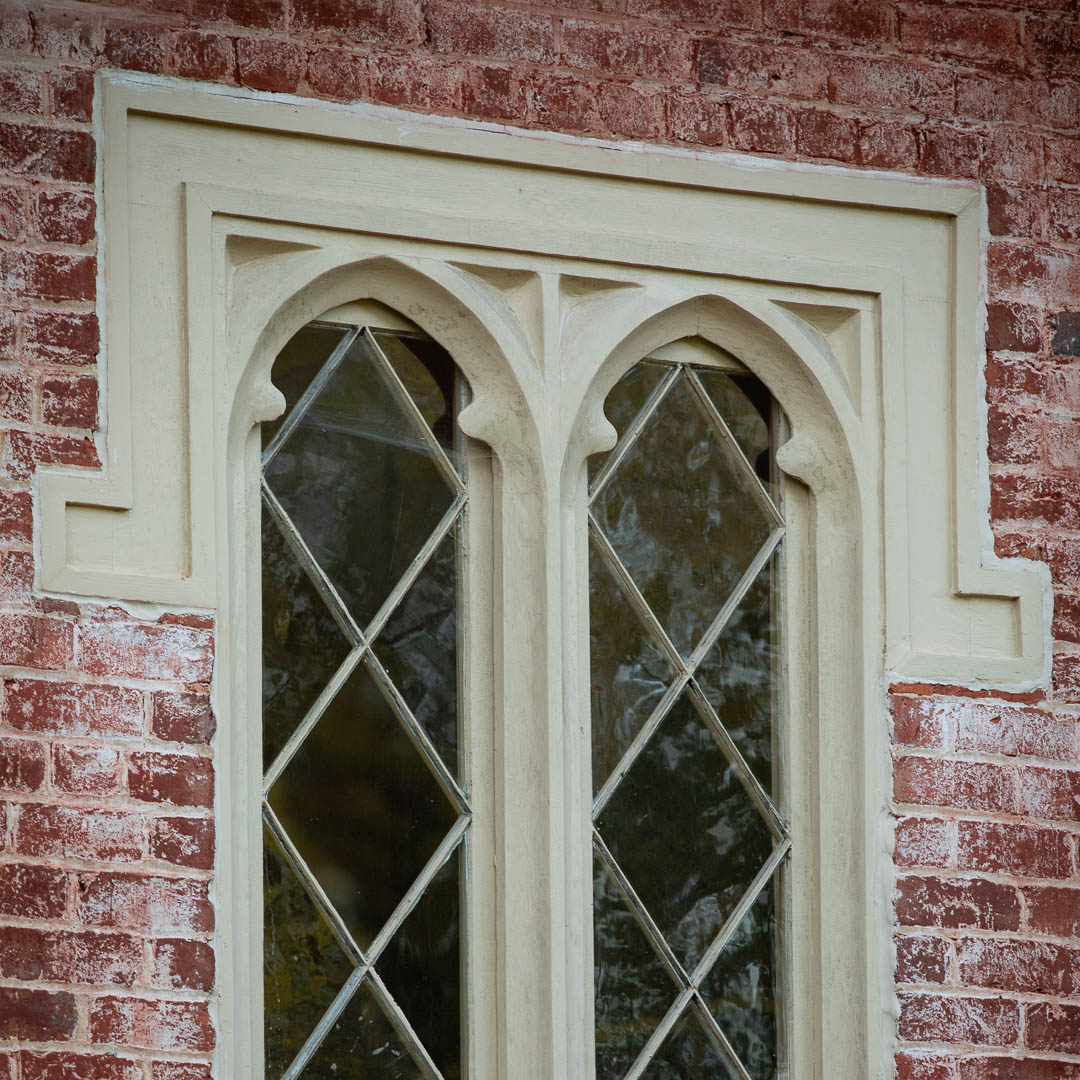
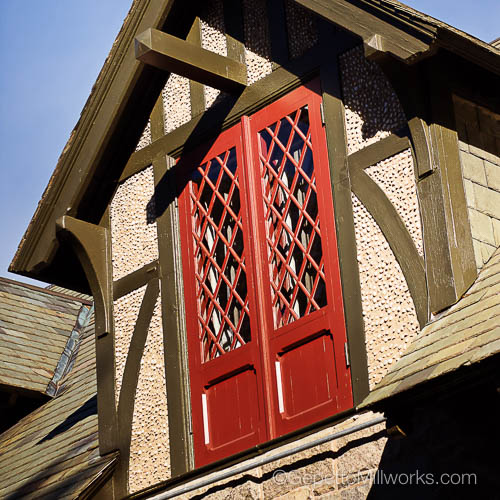
Historically accurate wooden window supplier South Carolina

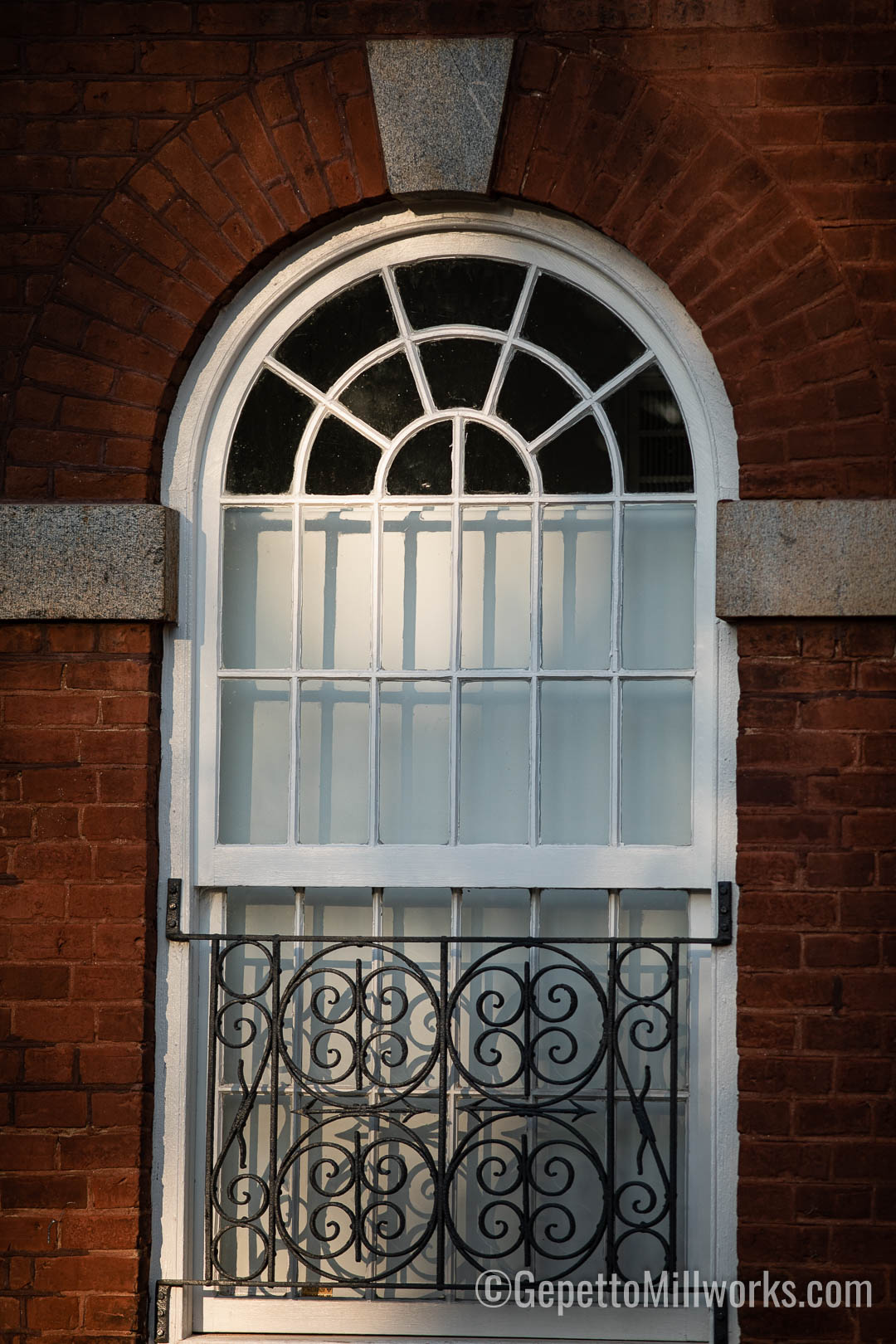
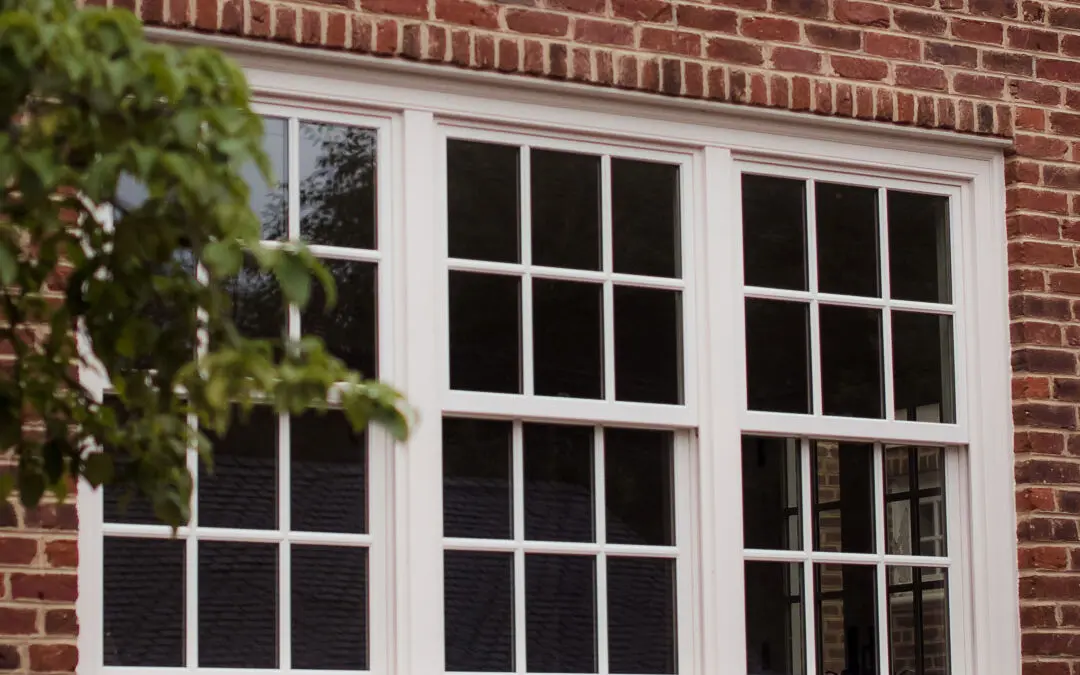
Gepetto Millworks makes to order any type of historic replica of existing windows.  For historically accurate renovation or commercial re-purposing projects that wish to keep the historic charm and effectiveness of mahogony built windows.

South Carolina Wooden Window Supplier

South Carolina Wooden Window Supplier

In the realm of architectural preservation and restoration, historic buildings hold a special place, preserving the essence of South Carolina’s rich heritage. When undertaking historic building projects, architects and construction managers can greatly benefit from the historic tax credit certification program. In this article, we will explore the significance of historic wooden windows in these projects, highlight the expertise of Gepetto Millworks as a supplier, and shed light on the advantages of leveraging the historic tax credit certification from a professional perspective.

Historic Wooden Windows and the Importance of Preservation

Architectural Integrity: Historic wooden windows are an essential component of a building’s architectural integrity. These windows showcase the craftsmanship, detailing, and design principles of a specific era, adding to the overall character and historical significance of a structure. Preserving and restoring these windows is crucial to maintaining the authenticity and charm of historic buildings.

Preservation Guidelines: When working on historic building projects, adherence to preservation guidelines is of utmost importance. These guidelines often dictate the retention or replication of original features, including windows. Gepetto Millworks specializes in producing historically accurate wooden windows that comply with preservation standards and bring the building back to its former glory.

Energy Efficiency and Sustainable Solutions: Contrary to misconceptions, historic wooden windows can be energy-efficient when properly restored and upgraded. Gepetto Millworks utilizes modern weatherstripping techniques and energy-efficient glass options to enhance the performance of historic windows while preserving their original aesthetics. This approach aligns with sustainable design practices and promotes energy conservation in historic building projects.

Expertise in Historic Wooden Windows

Craftsmanship and Attention to Detail: Gepetto Millworks has a well-established reputation for its commitment to exceptional craftsmanship and attention to detail. Their team of skilled artisans combines traditional woodworking techniques with modern innovations, ensuring the production of historically accurate and superior-quality wooden windows. Each window is meticulously crafted to meet the highest standards of excellence.

Customization and Replication: Gepetto Millworks understands the importance of customization and replication when it comes to historic building projects. They possess in-depth knowledge of various architectural styles prevalent in South Carolina, enabling them to replicate windows with utmost precision, even in cases of unique or intricate designs. Their ability to provide customization options allows architects and construction managers to tailor the windows to the specific requirements of the project.

Material Selection and Durability: Gepetto Millworks takes pride in sourcing only the finest materials for their historic wooden windows. Premium-grade hardwoods are carefully selected to match the original species used in historic structures. This meticulous attention to material selection ensures that the windows not only maintain an authentic appearance but also exhibit exceptional durability and longevity, supporting the long-term preservation goals of the building project.

Benefits of Historic Tax Credit Certification

Financial Incentives: The historic tax credit certification program offers significant financial incentives for owners and developers of historic buildings. By adhering to specific preservation standards, projects can become eligible for tax credits that can offset a portion of the rehabilitation costs. These credits can be used to reduce tax liabilities, attract investors, and lower overall project costs, making historic building projects more economically viable.

Preservation Advocacy: The historic tax credit certification program promotes the preservation and restoration of historic structures. By participating in the program, architects and construction managers contribute to the preservation of South Carolina’s architectural heritage. This involvement not only enhances the cultural value of the community but also positions them as stewards of historic preservation.

Marketing and Recognition: Buildings with historic tax credit certification gain recognition and prestige within the industry. They become eligible for various marketing

Historic Wooden WIndows Pressure TEsted Performance

Historic Wooden WIndows Pressure TEsted Performance

In order to pass installation and certification in some of the larger commercial restorations our windows have been placed in testing chambers to prove their durability against other industry products.  So far, we have passed with flying colors.  With the insight from these tests we did add a special weather beating feature to the windows that assists in bridging the gap between historic building methods and modern materials.  If you’re buying a thousand windows, we’ll show you what it is!  We can produce any type of complex multi-pane wooden historic window.  

Wooden Window Restoration for Historic Churches

Historic Window Builder VA

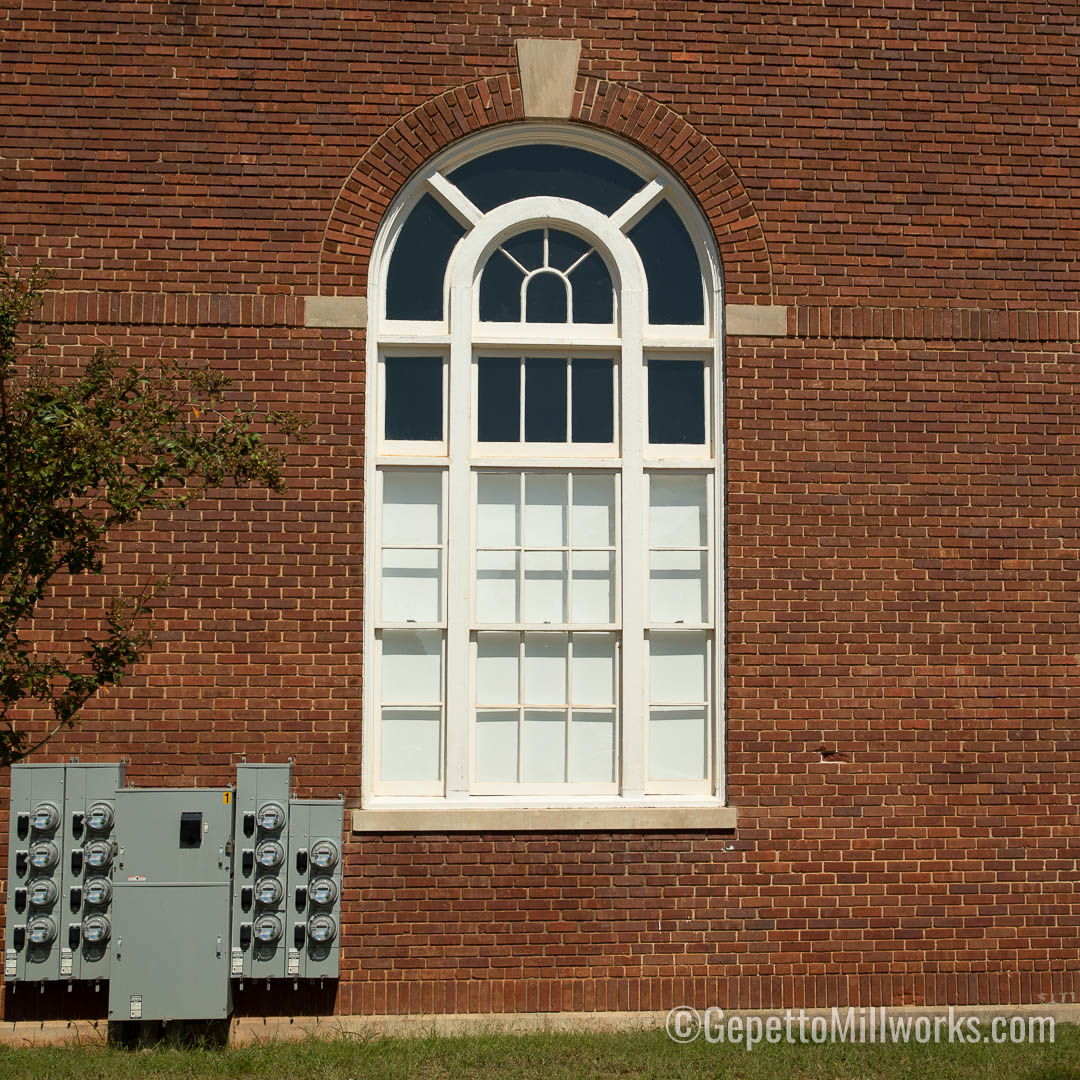
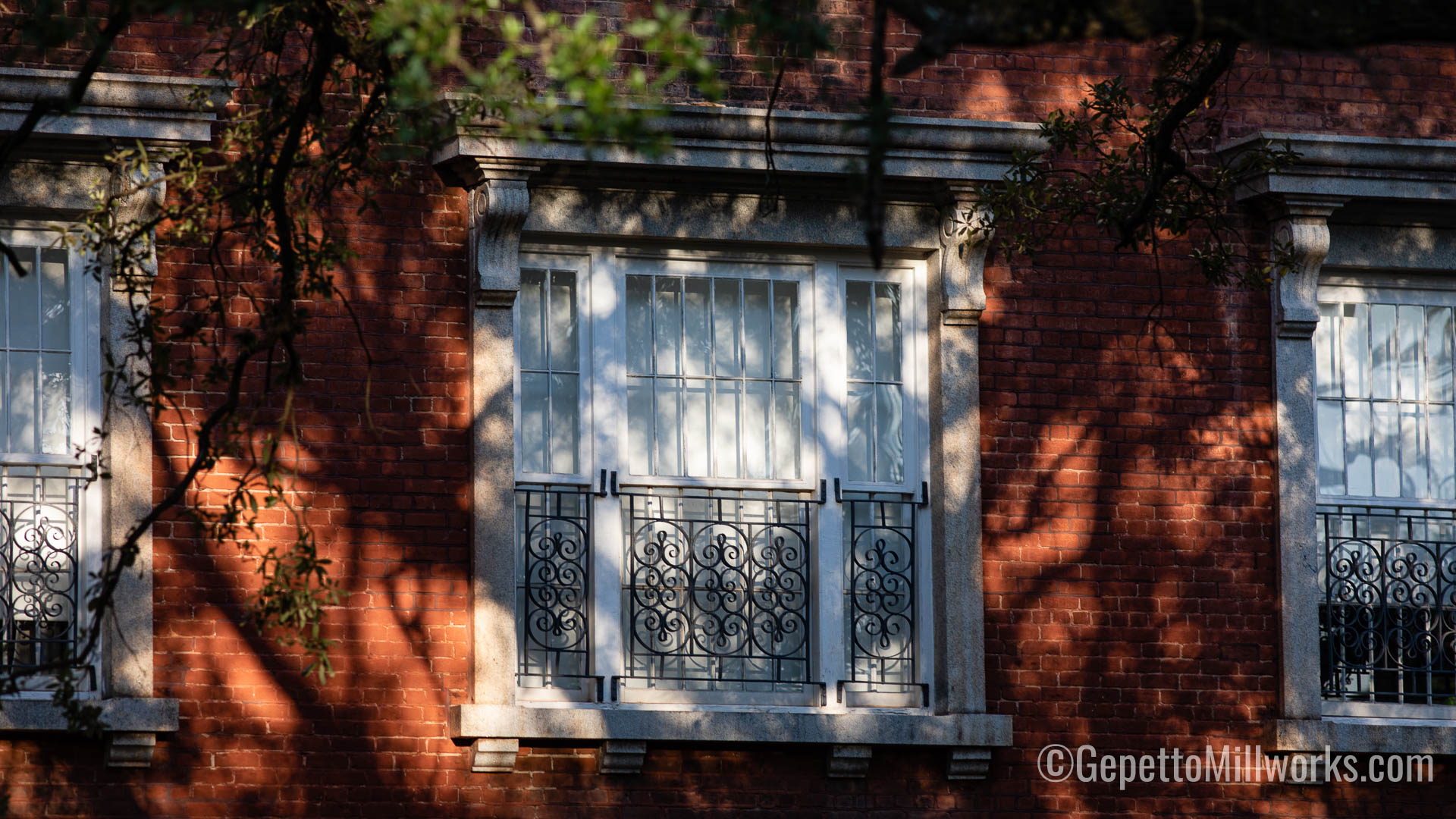
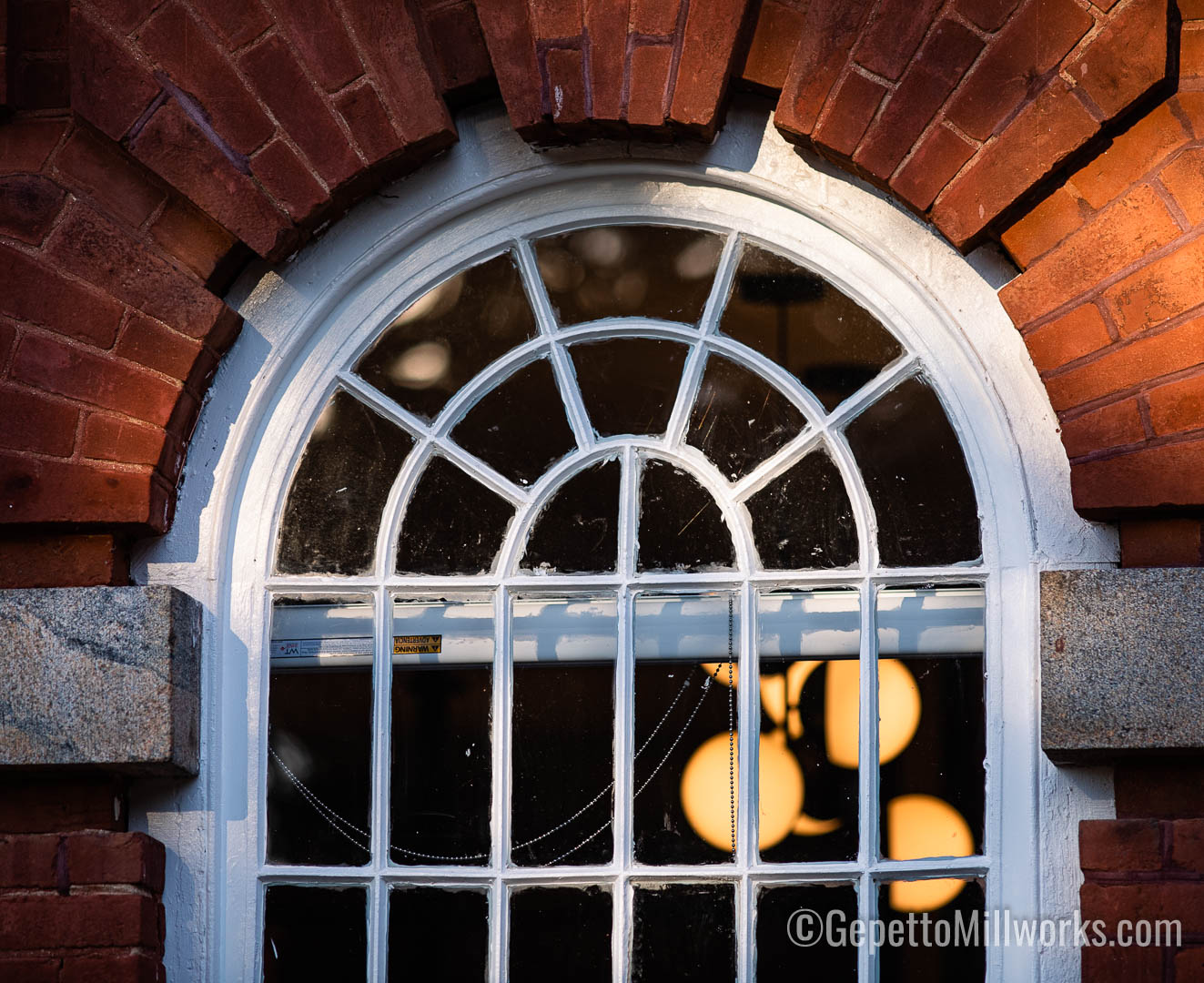
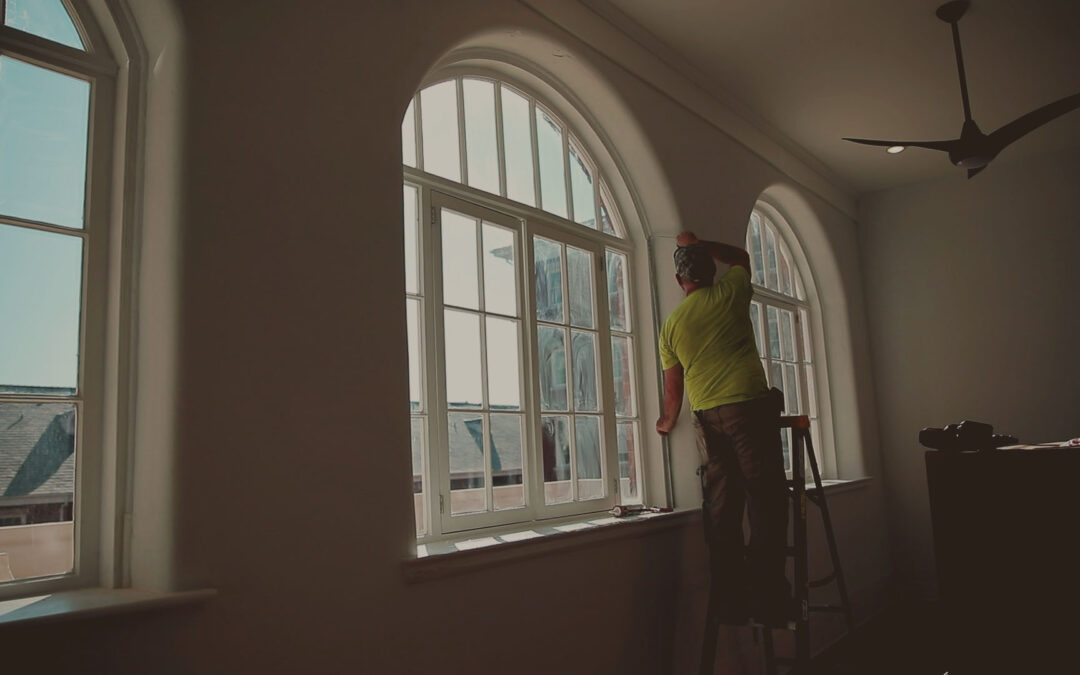
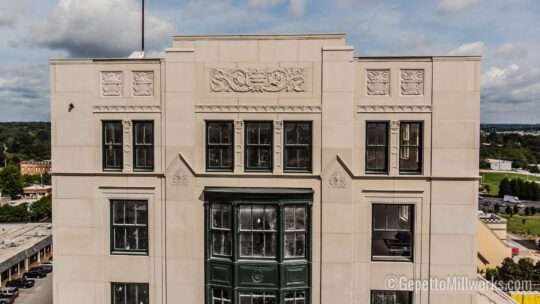
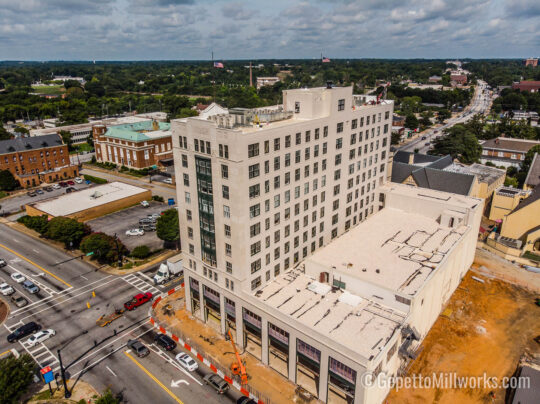
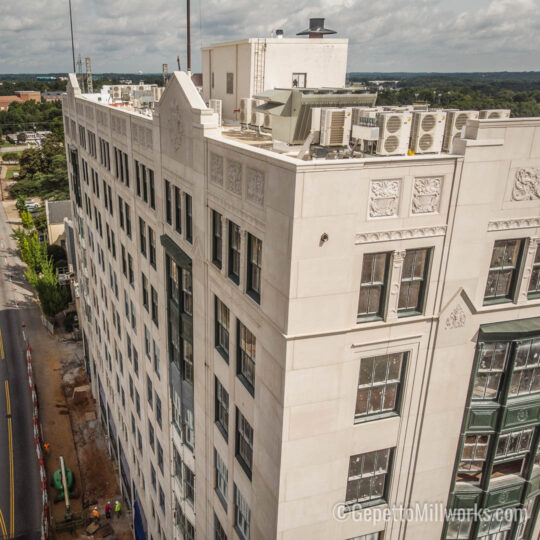
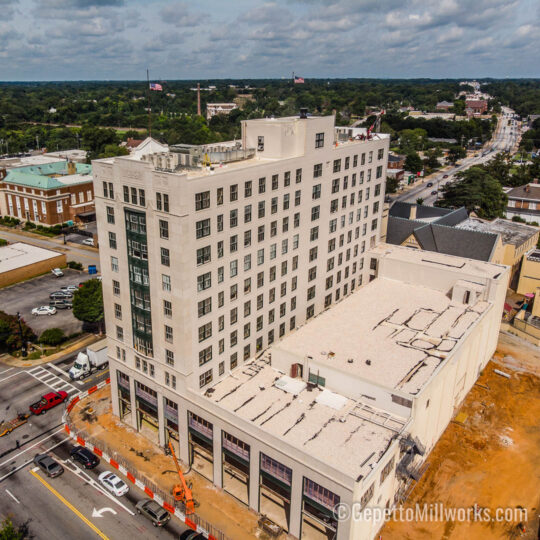
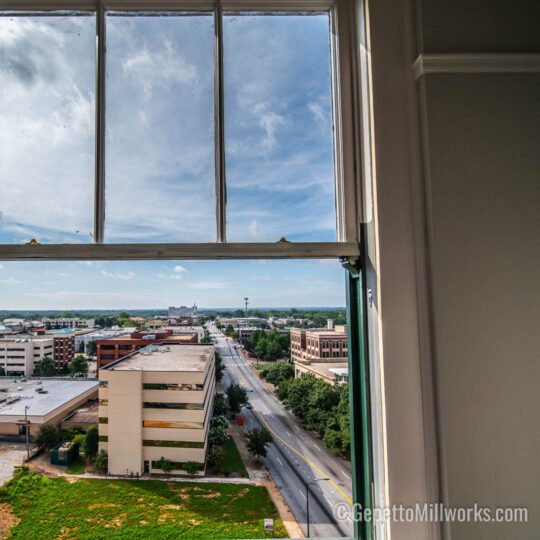
Gepetto Millwork shop is tooled up to support your large historic restoration project and can meet your demands for up to 100 window frames and 200 sashes per month.  Several of our large restoration projects across the south like the Montgomery Building in Spartansburg SC and the Bull Street District renovation of the State Hospital Building in Columbia SC. Both of these multi year renovations of existing structures were driven by Historic Tax credit incentives that hinged on finding a supplier for historically accurate windows. 

§ 15.2-2306. Preservation of historical sites and architectural areas; civil penalty.

A. 1. Any locality may adopt an ordinance setting forth the historic landmarks within the locality as established by the Virginia Board of Historic Resources, and any other buildings or structures within the locality having an important historic, architectural, archaeological, or cultural interest, any historic areas within the locality as defined by § 15.2-2201, and areas of unique architectural value located within designated conservation, rehabilitation, or redevelopment districts, amending the existing zoning ordinance and delineating one or more historic districts, adjacent to such landmarks, buildings, and structures, or encompassing such areas, or encompassing parcels of land contiguous to arterial streets or highways (as designated pursuant to Title 33.2, including § 33.2-319 ) found by the governing body to be significant routes of tourist access to the locality or to designated historic landmarks, buildings, structures, or districts therein or in a contiguous locality. A governing body may provide in the ordinance that the applicant must submit documentation that any development in an area of the locality of known historical or archaeological significance will preserve or accommodate the historical or archaeological resources. The filing of the building permit or demolition application shall stay the locality from issuing any permit to raze or demolish the historic landmark, building, or structure until 30 days after the rendering of the final decision of the governing body of the locality. An amendment of the zoning ordinance and the establishment of a district or districts shall be in accordance with the provisions of Article 7 (§ 15.2-2280 et seq.). The governing body may provide for a review board to administer the ordinance and may provide compensation to the board. The ordinance may include a provision that no building or structure, including signs, shall be erected, reconstructed, altered, or restored within any such district unless approved by the review board or, on appeal, by the governing body of the locality as being architecturally compatible with the historic landmarks, buildings, or structures therein.

2. Subject to the provisions of subdivision 3, the governing body may provide in the ordinance that no historic landmark, building, or structure within any district shall be razed, demolished, or moved until the razing, demolition, or moving thereof is approved by the review board or, on appeal, by the governing body after consultation with the review board.

3. The governing body shall provide by ordinance for appeals to the circuit court for such locality from any final decision of the governing body pursuant to subdivisions 1 and 2 and shall specify therein the parties entitled to appeal the decisions, which parties shall have the right to appeal to the circuit court for review by filing a petition at law, setting forth the alleged illegality of the action of the governing body, provided that the petition is filed within 30 days after the final decision is rendered by the governing body. The filing of the petition shall stay the decision of the governing body pending the outcome of the appeal to the court, except that the filing of the petition shall not stay the decision of the governing body if the decision denies the right to raze or demolish a historic landmark, building, or structure. The court may reverse or modify the decision of the governing body, in whole or in part, if it finds upon review that the decision of the governing body is contrary to law or that its decision is arbitrary and constitutes an abuse of discretion, or it may affirm the decision of the governing body.

In addition to the right of appeal hereinabove set forth, the owner of a historic landmark, building, or structure, the razing or demolition of which is subject to the provisions of subdivision 2, shall, as a matter of right, be entitled to raze or demolish such landmark, building, or structure, provided that (i) he has applied to the governing body for such right, (ii) the owner has for the period of time set forth in the same schedule hereinafter contained and at a price reasonably related to its fair market value, made a bona fide offer to sell the landmark, building, or structure, and the land pertaining thereto, to the locality or to any person, firm, corporation, government, or agency thereof, or political subdivision or agency thereof, which gives reasonable assurance that it is willing to preserve and restore the landmark, building, or structure and the land pertaining thereto, and (iii) no bona fide contract, binding upon all parties thereto, shall have been executed for the sale of any such landmark, building, or structure, and the land pertaining thereto, prior to the expiration of the applicable time period set forth in the time schedule hereinafter contained. Any appeal that may be taken to the court from the decision of the governing body, whether instituted by the owner or by any other proper party, notwithstanding the provisions heretofore stated relating to a stay of the decision appealed from shall not affect the right of the owner to make the bona fide offer to sell referred to above. No offer to sell shall be made more than one year after a final decision by the governing body, but thereafter the owner may renew his request to the governing body to approve the razing or demolition of the historic landmark, building, or structure. The time schedule for offers to sell shall be as follows: three months when the offering price is less than $25,000; four months when the offering price is $25,000 or more but less than $40,000; five months when the offering price is $40,000 or more but less than $55,000; six months when the offering price is $55,000 or more but less than $75,000; seven months when the offering price is $75,000 or more but less than $90,000; and 12 months when the offering price is $90,000 or more.

4. The governing body is authorized to acquire in any legal manner any historic area, landmark, building, or structure, land pertaining thereto, or any estate or interest therein which, in the opinion of the governing body should be acquired, preserved, and maintained for the use, observation, education, pleasure, and welfare of the people; provide for their renovation, preservation, maintenance, management, and control as places of historic interest by a department of the locality or by a board, commission, or agency specially established by ordinance for the purpose; charge or authorize the charging of compensation for the use thereof or admission thereto; lease, subject to such regulations as may be established by ordinance, any such area, property, lands, or estate or interest therein so acquired upon the condition that the historic character of the area, landmark, building, structure, or land shall be preserved and maintained; or to enter into contracts with any person, firm, or corporation for the management, preservation, maintenance, or operation of any such area, landmark, building, structure, land pertaining thereto, or interest therein so acquired as a place of historic interest; however, the locality shall not use the right of condemnation under this subsection unless the historic value of such area, landmark, building, structure, land pertaining thereto, or estate or interest therein is about to be destroyed.

The authority to enter into contracts with any person, firm, or corporation as stated above may include the creation, by ordinance, of a resident curator program such that private entities through lease or other contract may be engaged to manage, preserve, maintain, or operate, including the option to reside in, any such historic area, property, lands, or estate owned or leased by the locality. Any leases or contracts entered into under this provision shall require that all maintenance and improvement be conducted in accordance with established treatment standards for historic landmarks, areas, buildings, and structures. For purposes of this section, leases or contracts that preserve historic landmarks, buildings, structures, or areas are deemed to be consistent with the purposes of use, observation, education, pleasure, and welfare of the people as stated above so long as the lease or contract provides for reasonable public access consistent with the property’s nature and use. The Department of Historic Resources shall provide technical assistance to local governments, at their request, to assist in developing resident curator programs.

B. Notwithstanding any contrary provision of law, general or special, in the City of Portsmouth no approval of any governmental agency or review board shall be required for the construction of a ramp to serve individuals with disabilities at any structure designated pursuant to the provisions of this section.

C. Any locality that establishes or expands a local historic district pursuant to this section shall identify and inventory all landmarks, buildings, or structures in the areas being considered for inclusion within the proposed district. Prior to adoption of an ordinance establishing or expanding a local historic district, the locality shall (i) provide for public input from the community and affected property owners in accordance with § 15.2-2204; (ii) establish written criteria to be used to determine which properties should be included within a local historic district; and (iii) review the inventory and the criteria to determine which properties in the areas being considered for inclusion within the proposed district meet the criteria to be included in a local historic district. Local historic district boundaries may be adjusted to exclude properties along the perimeter that do not meet the criteria. The locality shall include only the geographical areas in a local historic district where a majority of the properties meet the criteria established by the locality in accordance with this section. However, parcels of land contiguous to arterial streets or highways found by the governing body to be significant routes of tourist access to the locality or to designated historic landmarks, buildings, structures, or districts therein, or in a contiguous locality may be included in a local historic district notwithstanding the provisions of this subsection.

D. Any locality utilizing the urban county executive form of government may include a provision in any ordinance adopted pursuant to this section that would allow public access to any such historic area, landmark, building, or structure, or land pertaining thereto, or providing that no subdivision shall occur within any historic district unless approved by the review board or, on appeal, by the governing body of the locality as being compatible with the historic nature of such area, landmarks, buildings, or structures therein with regard to any parcel or parcels that collectively are (i) adjacent to a navigable river and a national park and (ii) in part or as a whole subject to an easement granted to the National Park Service or Virginia Outdoors Foundation granted on or after January 1, 1973.

E. A locality that establishes a local historic district pursuant to this section may provide tax incentives for the conservation and renovation of historic structures in such district. Such incentives may include tax rebates to the extent allowed by the Constitution of Virginia. For the purposes of this section, “historic structure” means a structure designated as having an important historic, architectural, archaeological, or cultural interest or designated as a contributing structure by an ordinance passed pursuant to subsection A.

F. Any locality may adopt an ordinance that establishes a civil penalty for the razing, demolition, or moving of a building or structure that is located in a historic district or that has been designated by a governing body as a historic structure or landmark in violation of an ordinance adopted pursuant to subsection A. Such civil penalty shall not exceed twice the market value of the razed, demolished, or moved building or structure on the property as determined by the assessed value of the property at the time of the razing, demolition, or moving of the building or structure. Such ordinance may be enforced by the attorney for the governing body of the locality by bringing an action in the name of the locality in the circuit court. A finding against the party or parties alleged to have violated such ordinance shall be established by a preponderance of the evidence.

Nothing in this subsection shall preclude action by the zoning administrator for the governing body pursuant to the general laws of the Commonwealth in either a separate action or as part of the action seeking a civil penalty as authorized by this subsection.

Central Illinois Wooden Window Restoration services

Montgomery Building Spartansburg SC

Montgomery Building Spartansburg SC

Montgomery Building

Spartansburg SC

Montgomery Building Spartansburg SC Project Details

Project Awards:

  • Preservation South Carolina, Honor Award, 2021
  • Spartanburg County Historical Association, Peggy T. Gignilliat Preservation Award, 2021
  • Traditional Building Magazine, Palladio Award for Adaptive Reuse, 2021
  • CREW Upstate, Development Impact Award, 2019
  • ENR Southeast, Best Projects Award of Merit for Renovation / Restoration, 2019

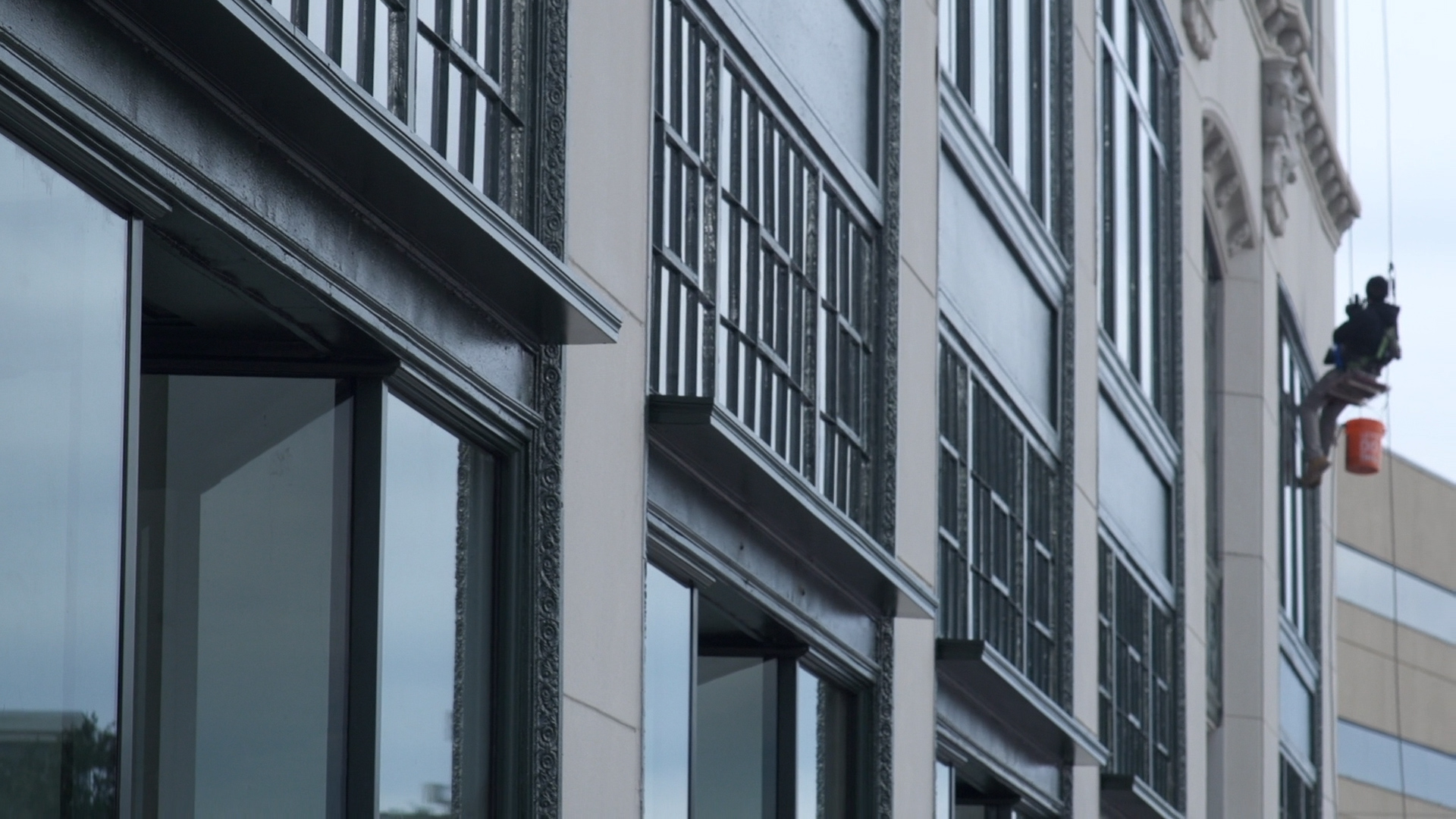
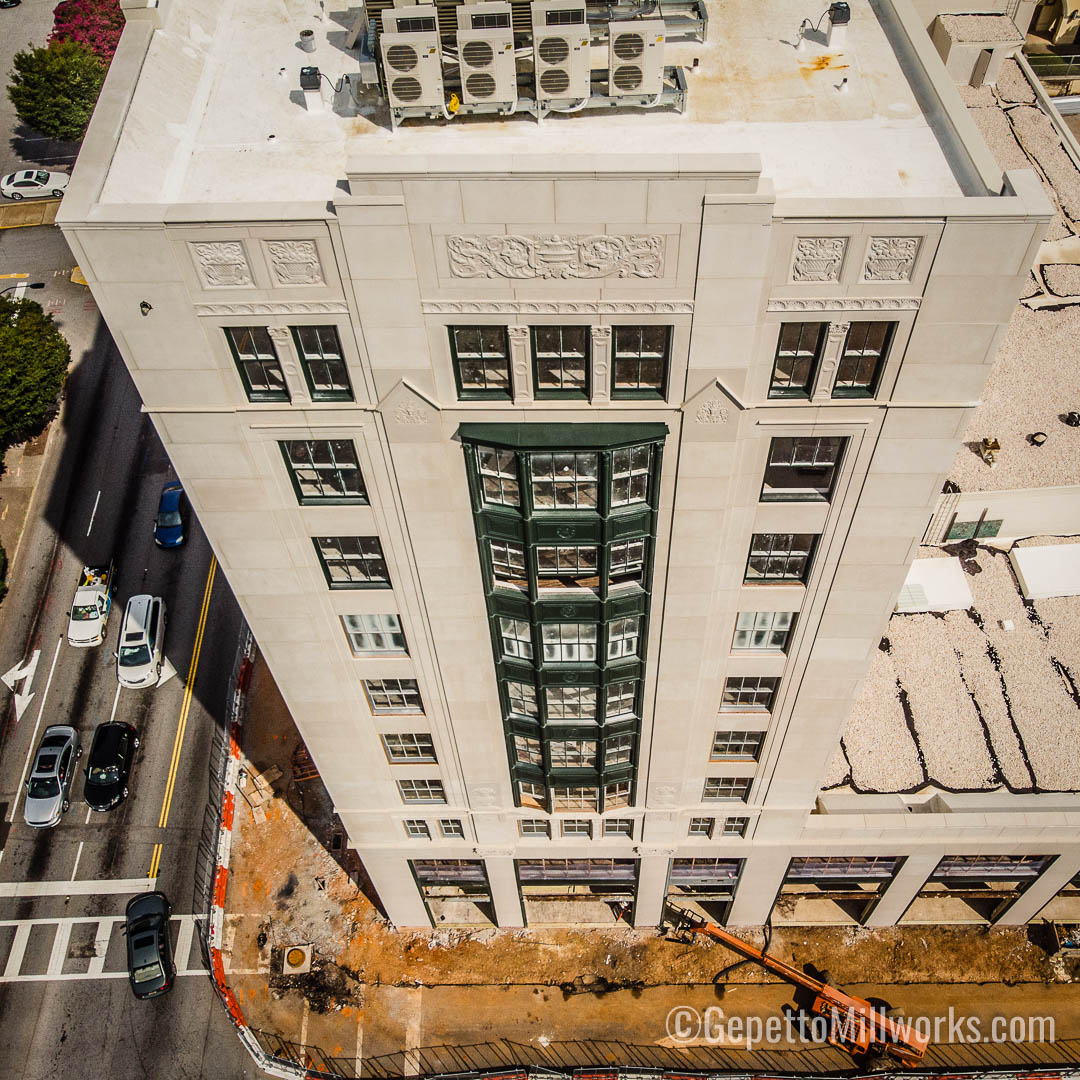
In 1924 the Montgomery family, a very prominent family in Spartanburg’s textile manufacturing industry, commissioned Lockwood Greene to design and build the building. Completed in 1925, the 10-story Montgomery Building is one of the first Chicago-style construction projects ever built outside of Chicago.

In 2016, local developer BF Spartanburg came forward with a plan that city officials praised as a “next-level” catalyst for downtown Spartanburg. After engaging McMillan Pazdan Smith on a feasibility study, the development team created plans to restore the 92-year-old, iconic high-rise into a mixed-use retail, commercial, and residential project in the heart of the city’s central business district.

Our design team worked carefully with the National Park Service to meet their criteria for preserving and updating the building appropriately. The building façade’s pre-cast concrete panels were very innovative for their time, making it possibly the only remaining historic pre-cast Chicago-style building in the region. McMillan Pazdan Smith was able to source new concrete panels that replicate the old panels closely enough to receive approval in accordance with the building’s protected status on the National Historic Register of Places. Many of the building’s original Renaissance Revival style architectural details on the interior were also be preserved, including the decorative plaster ceilings and marble floors and walls. The renovated and restored Montgomery Building features 9,000 SF of select boutique retail stores and intimate restaurants on the ground floor. The second floor is dedicated office space, and the eight floors above are residential units, with approximately 92 one- and two-bedroom apartments ranging in size from 422 – 1,374 SF. The CM-At-Risk project was completed in 2019.

^From : McMillan Pazdan Smith Architectdure

Custom by Architects

WholeSale to Builders

MADE IN VA

Sustainable & Reparable

“Work was underway on the Montgomery Building in Spartanburg, South Carolina, when a consultant with the South Carolina State Historic Preservation Office noticed a slight discrepancy between the original column capitals and a new capitol mold awaiting approval.”  ~Restoration of the Montgomery Building – Traditional Building Magazine

Montgomery Building historic millwork supplier

Montgomery Building reconstruction to be honored by governor

For two decades, the 127,000-square-foot Montgomery Building, located along downtown Spartanburg’s North Church Street, remained vacant.

After years of neglect, the 10-story building’s precast concrete façade had deteriorated to the point that it was necessary to erect scaffolding along the buildings’ perimeter to protect pedestrians on the street from falling debris.

With the restorative hand of Harper General Contractors and design of McMillan Pazdan Smith, however, the Montgomery Building has reached new heights since its 2018 reconstruction.

On July 23, the team will be recognized by Gov. Henry McMaster in a ceremony at the Statehouse with Preservation South Carolina’s 2021 Honor Award.

“This is one of the most extraordinary projects that has ever been submitted,” Mike Bedenbaugh, president and CEO of Preservation South Carolina, said in a news release. “The challenges that had to be overcome with this building, most of the time, would have led to the demolition of other buildings. That’s why it deserves this award.”

Preservation South Carolina, the S.C. Department of Archives and History, and the governor’s office have recognized accomplishments in the preservation, rehabilitation and interpretation of the state’s architectural and cultural heritage with a series of awards since 1995.

In order to be considered, projects must have been completed, including all phases, within the last three years, made a positive impact on the community and the state, and achieve a degree of project difficulty while serving as an example of outstanding commitment to historic preservation and exemplary preservation techniques, according to the release.

Projects like this are why people like me become architects,” McMillan Pazdan Smith’s K.J. Jacobs, principal in charge and lead architect on the project, said in the release.

Historic Renovation | Replica Wooden Windows

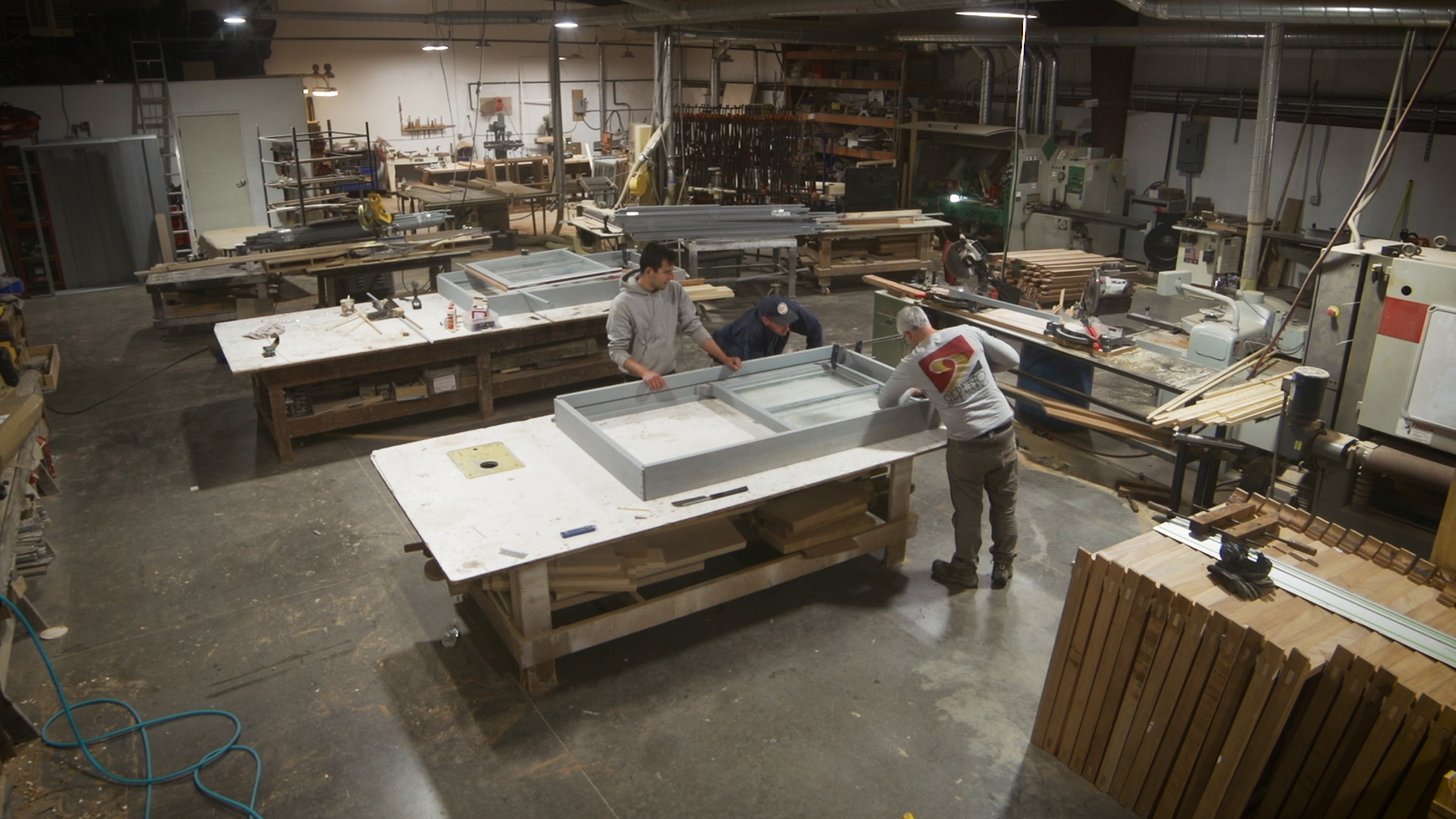
Replica Wooden Windows being built on our shop assembly line.

We have finished one of our single largest historic renovation contracts creating 860 historic replica windows. Built by hand from African mahogany they passed all physical wear and environmental challenge tests before we began building. The Montgomery Building in Spartansburg SC renovated by Harper Construction. Our team has put in overtime, thought through materials problems and worked diligently through some long hours to make sure we met the project deadlines. Thank you all for your skills and dedication!

Built on a Modern Timeline

Gepetto craftsmen specialize in matching and remaking historic pieces for accurate and lasting renovations qualifying for historic tax credits.  While the woodworking may not have changed, people’s expectations as to how long something should take sure have!
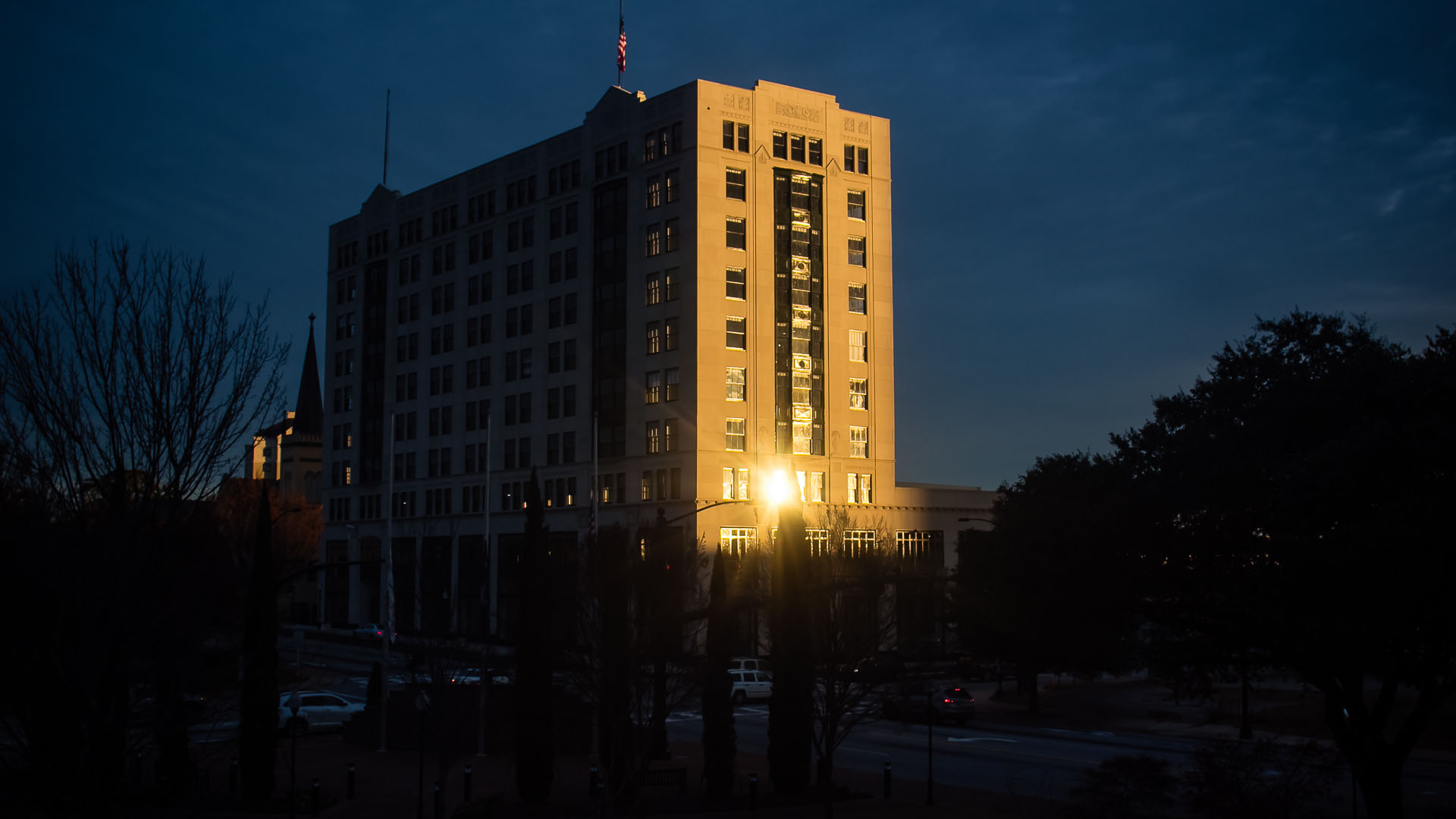
The solid mahogany window frames are to the millimeter replicas of the originals, however our bid and the general contractor’s timeline called for a 100 day turnaround on 860 windows.  We had to devise a workflow that built 5 windows a day to meet that timeline!
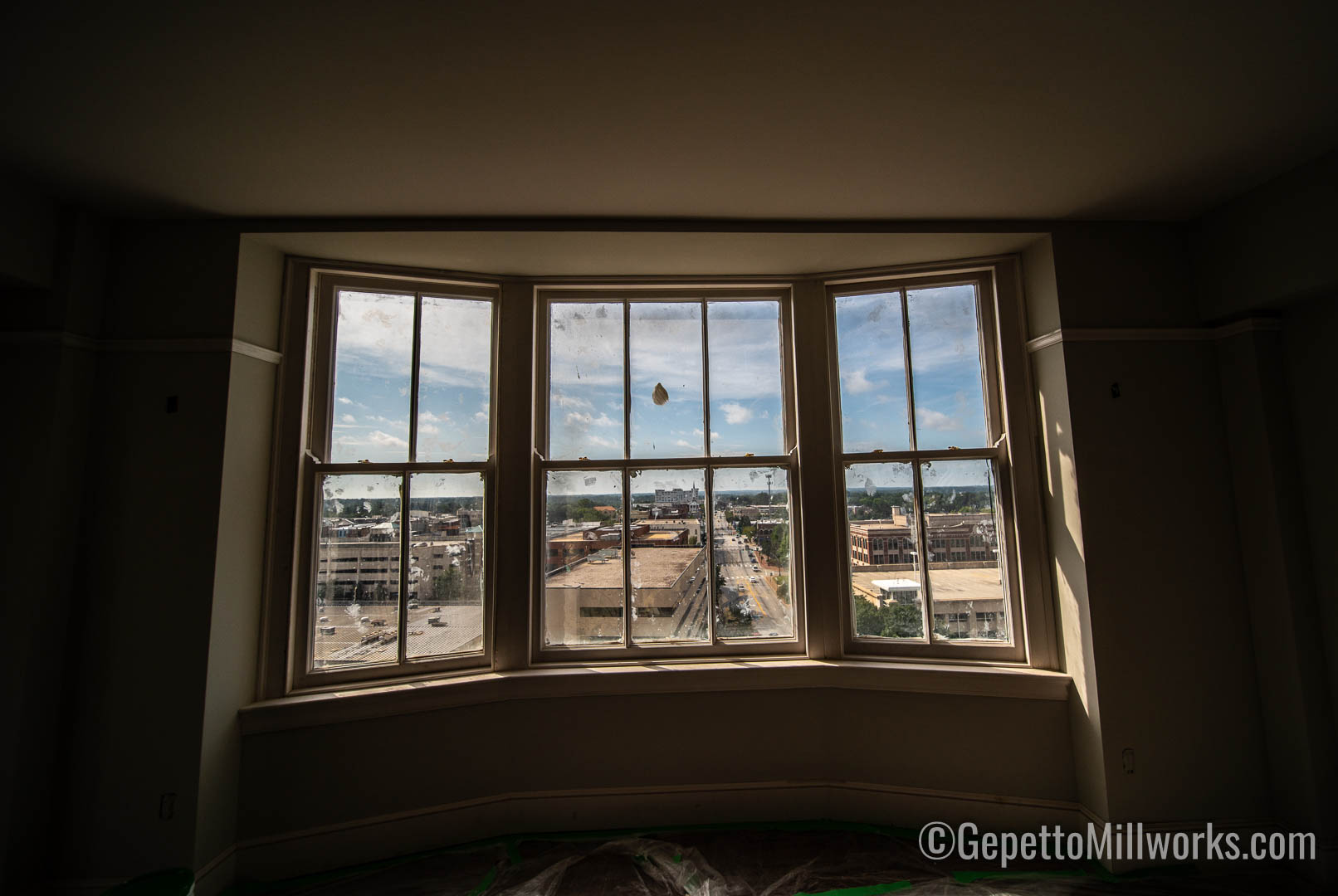

Wooden windows over 70 inches tall

When the tallest guy on your team can walk through a window frame without ducking, it’s a big job.  The window frames are of pine, and so sourcing stable quality pine planks 8×2″ over 6ft long is also a trick of the trade that you’ll have to hire us to take advantage of fully.  Part of our ability to meet detailed project requirements are our network that sources the raw wood materials right for your construction.  The window frame boxes must be accurately joined to square and plumb and so in the video you see us filling the window frame boxes with the window sashes.  We have a few more trade secret tips for weather sealing and glazing that helped us pass the stress and efficiency tests that were required by the contractor before they signed off on the whole project.  Historically accurate, but meeting modern energy efficiency and weather resistance standards are a modern manufacturing success.

Master Craftsmanship Passed On

Matthew (with the logo t-shirt in the foreground) intently solving the positioning and fit puzzle that manufacturing wood projects presents on a daily basis.  He teaches the craftsmen who are observing the process as well as the sensibility for checking the work. Unlike metals, cement or fiberglass – wood can only be shaped once.  Forming a miter joint must be done with exacting precision or it’s too loose and fails.  The solid wood construction of these windows include over 20 joints that must be tended to individually.  The decision making process of the craftsman guides the fitting and because we have such a large manufacturing scale – the craftsman makes better choices.  If piece A is too tight, he can choose from the source stack of forty or fifty pieces to find a better fit without creating wasted pieces or time.

Project Management

20 years of experience in the field of mill-work has brought Matthew to the level of managing million dollar contracts for large scale production.  Nothing in the wood construction field is quite as organized as you might assume, in the above picture Matthew is measuring and calculating the quantity of raw beams needed to be transported from the warehouse to the shop.  Materials management, time management and building a skilled workforce that can solve problems as they develop in manufacture all contribute to meeting your project demands.

Big Projects Lost in Small Details

Raw lumber comes from raw nature – she’s not perfectly uniform.  These planks are from 8ft to 12ft long and any width from 4 inches to 34 inches!  We have to mill the mahogany from it’s beam size to a 3.8 ” wide window sill.  The plank mahogany will be sorted and ripped before the decorative edge is milled into the side to replicate the historic windows from the 1920’s era building.

Replica Wooden Windows

Wooden Window Assembly Line

Timelapse video of Replica Wooden Windows being built on our woodshop assembly line in Richmond VA. Built for a historic renovation in Spartansburg SC our craftsmen forge raw mahogany planks into finely tuned handmade windows. We complete jobs in Virginia, North Carolina, South Carolina, Texas, Georgia, and New York. Even contractors in Illinois and Missouri rely on us to supply historically accurate wooden windows. 

Richmond VA Window Rehabilitation

Manufacturing scale at your service

Contact us to bid your historic renovation and you might be surprised at the price.  We have managed many large construction orders for clients across the Eastern United States.  The windows in the video are shipped to South Carolina where the coastal towns of Charleston and Savannah Georgia have beautiful sections of historic homes.  We supply warehouse and industrial space reconstruction projects in Maryland, Delaware and as far north a Connecticut as the move to re-purpose industrial spaces trends throughout the building and architectural trades.

Custom by Architects

WholeSale to Builders

MADE IN VA

Sustainable & Reparable

Request Historic Window Restoration

Timeline

Historically accurate wooden window supplier South Carolina

Gepetto Millworks makes to order any type of historic replica of existing windows.  For historically accurate renovation or commercial re-purposing projects that wish to keep the historic charm and effectiveness of mahogony built windows.