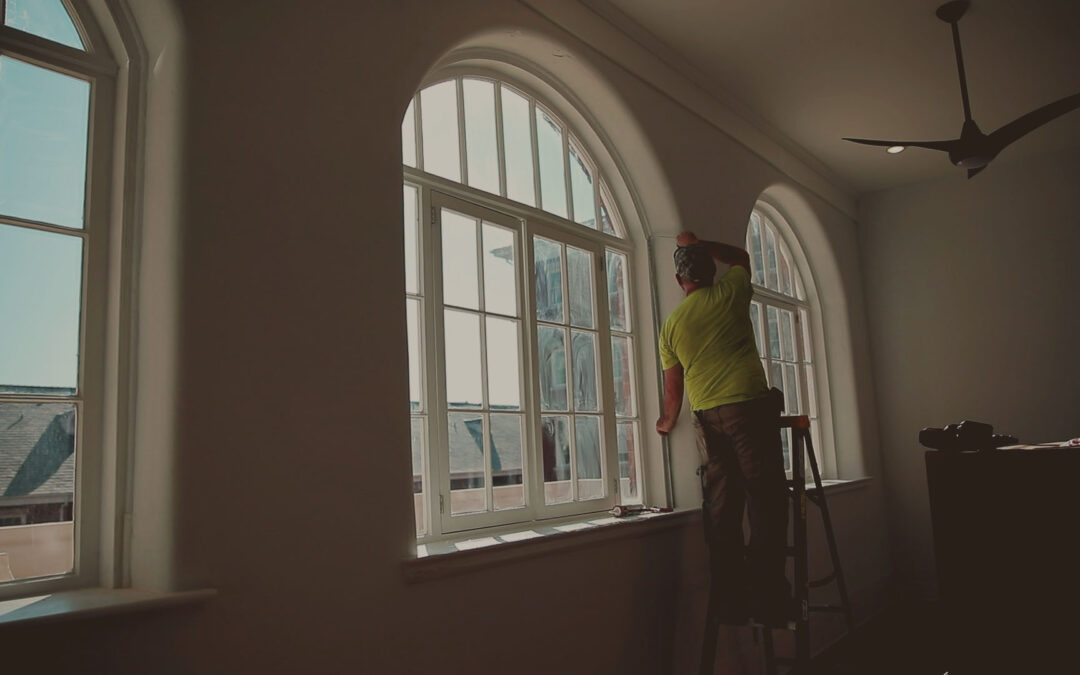
Virginia sawmill operators

The Need for Custom Milled Lumber in Producing Historic Replica Wood Products for Homes, Hotels, and Mixed-Use Properties

Historic buildings tell stories of craftsmanship, architectural vision, and regional heritage. From stately homes with hand-carved moldings to grand hotels adorned with ornamental wood details, each structure carries unique character. When these buildings undergo restoration, expansion, or adaptive reuse, architects, preservationists, and property owners often face a challenge: sourcing authentic wood components that match the originals custom milled lumber becomes essential.

Standard, off-the-shelf wood products rarely replicate the intricate details, species variety, and precise dimensions required for historic replica wood products. Whether the project involves restoring a Georgian-era doorway, recreating Victorian gingerbread trim, or producing millwork for a mixed-use redevelopment of a historic warehouse, custom milled lumber ensures that authenticity, durability, and architectural integrity are maintained.

In this article, we’ll explore why custom milled lumber is indispensable for historic projects, the process behind its creation, and how it benefits property owners, architects, and developers working with historic restoration millwork.


Why Historic Replica Wood Products Require Custom Milled Lumber

1. Standard Lumber Dimensions Don’t Match Historic Profiles
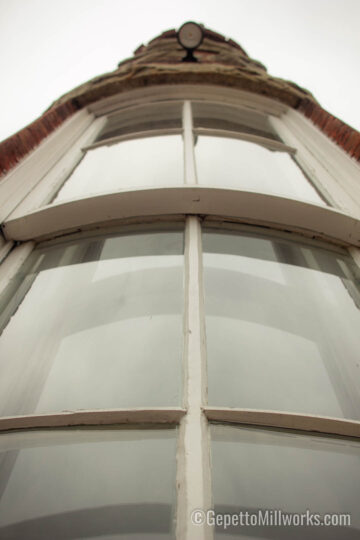
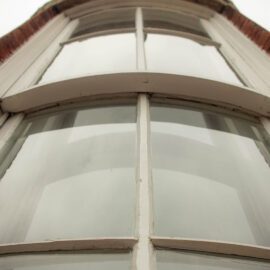
bowed window producer Virginia

Modern lumberyards typically stock dimensional lumber in standard sizes—2x4s, 1x6s, or 4×8 sheets of plywood. Historic builders, however, worked with different milling practices and often used full-dimension lumber with hand-planed finishes. Window sashes, stair treads, or door stiles from the 18th or 19th century are often slightly thicker, wider, or cut with unique joinery that doesn’t align with contemporary production.

Only custom milled lumber can be matched to the original specifications. A mill shop can replicate exact widths, depths, and profiles, ensuring a replacement piece doesn’t look out of place or compromise the building’s historical authenticity.

2. Historic Properties Demand Architectural Accuracy

Preservation guidelines—especially in districts protected by local or national landmark commissions—often require that repairs and replacements remain faithful to original designs. Using mass-produced trim, stock crown molding, or factory windows can jeopardize approvals and reduce the value of the restoration.

By working with a craftsman experienced in historic replica wood products, property owners can be confident that every detail, from mortise-and-tenon joinery to decorative fluting, matches the original craftsmanship.

3. Many Historic Species Are No Longer Commercially Available

Centuries-old buildings often relied on wood species like heart pine, chestnut, or old-growth oak—species that aren’t commonly sold at today’s lumberyards. Custom milling allows artisans to work with reclaimed lumber or responsibly sourced alternatives that mimic the density, grain pattern, and durability of the originals.  Accoya Acetelated wood is the only modern product bending the curve into better wood, as it is chemically altered to not absorb water!

For example:

  • Reclaimed heart pine beams can be remilled into flooring that matches Civil War–era homes.

  • Sapele or mahogany may be substituted for rot-resistant exterior trim when the original tropical hardwood is no longer available.

  • White oak can be quartersawn to mimic the shimmering ray fleck common in Arts & Crafts–era millwork.


The Process of Creating Custom Milled Lumber for Historic Replica Wood Products

Restoring or replicating historic woodwork is a precise and labor-intensive process. Unlike modern production lines that prioritize speed and uniformity, custom milling focuses on detail, flexibility, and one-of-a-kind accuracy.

Step 1: Site Assessment and Documentation

Architects and millworkers begin by surveying the property. Every molding, door stile, or window sash is measured, photographed, and cataloged. Shop drawings may be produced using AutoCAD or hand-drafted sketches. The goal is to capture the exact dimensions, joinery, and ornamental details.

Step 2: Lumber Selection

Choosing the right wood is critical. Preservationists balance authenticity with modern performance requirements. For exterior applications, rot resistance and stability may take precedence, while interior elements prioritize appearance and authenticity.

Step 3: Knife Grinding and Profile Matching

One of the hallmarks of custom milled lumber is profile replication. Specialized steel knives are ground to match the original profile of a molding or trim piece. This allows modern machinery to cut exact replicas that are indistinguishable from 150-year-old originals.

Step 4: Milling and Fabrication

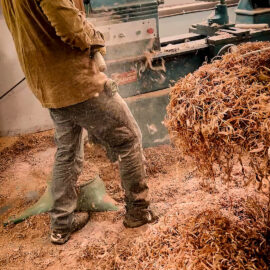
Using planers, shapers, and moulders, raw lumber is transformed into historically accurate components. In some cases, hand tools are used to add the final detail or patina to match existing woodwork.

Step 5: Assembly and Joinery

For larger elements like historic replica windows and doors, traditional joinery methods—such as mortise-and-tenon or pegged joints—are reproduced. These not only provide structural strength but also honor the original methods of construction.

Step 6: Finishing

The final step includes sanding, staining, or painting. Some projects even call for custom finishing techniques to replicate the aged appearance of adjacent woodwork so that the replacement seamlessly integrates.


Applications of Custom Milled Lumber in Historic Replica Wood Products

1. Homes and Residential Properties

Private homeowners restoring historic residences often require custom millwork for:

  • Crown moldings and baseboards to match original interior detailing.

  • Custom windows and shutters designed with historically accurate joinery.

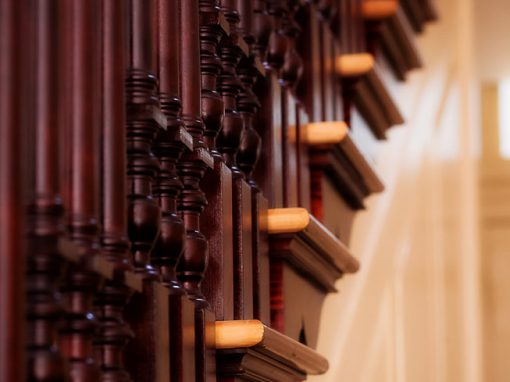
  • Staircases and banisters requiring hand-turned balusters or curved rails.

  • Doors and casings built with raised panels or specific architectural motifs.

2. Hotels and Hospitality Spaces

Grand hotels built during the Gilded Age or early 20th century often feature elaborate wood paneling, ballroom wainscoting, and carved ceiling beams. When these properties undergo restoration or adaptive reuse, custom milled lumber ensures that every lobby, guest room, and banquet hall reflects the elegance of its original era.

For boutique hotels in historic districts, the use of historic replica wood products also creates a sense of authenticity that appeals to guests seeking an immersive experience.

3. Mixed-Use Properties and Commercial Redevelopment

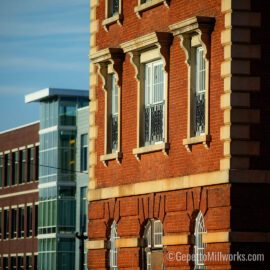
Across the country, developers are transforming warehouses, factories, and historic storefronts into mixed-use properties combining retail, office, and residential units. These adaptive reuse projects rely heavily on custom milled lumber to retain character while meeting modern code requirements.

Examples include:

  • Replicating storefront cornices for historic main streets.

  • Creating interior millwork that complements exposed brick and steel.

  • Designing historically accurate wood windows that meet energy efficiency standards.


Benefits of Using Custom Milled Lumber in Historic Replica Projects

Authenticity

Perhaps the greatest advantage is authenticity. Property owners avoid the “cookie-cutter” look of modern stock components, ensuring the finished project remains true to its origins.

Durability

Custom lumber can be milled from higher-quality, longer-lasting species, ensuring that restored woodwork stands the test of time.

Compliance with Preservation Standards

Local landmark commissions and preservation boards often demand accuracy. Using custom milled lumber demonstrates a commitment to historic integrity, increasing the likelihood of approval for renovation plans.

Increased Property Value

A historically accurate restoration not only preserves cultural heritage but also enhances market appeal. Buyers, investors, and tenants appreciate authentic craftsmanship that sets a property apart.

Sustainability

Reclaimed and responsibly sourced lumber used in custom milling reduces environmental impact while reusing materials that might otherwise go to waste.


Challenges in Producing Custom Milled Lumber

While the advantages are clear, producing custom milled lumber for historic replica wood products also involves unique challenges:

  • Cost: Custom milling requires specialized labor and tooling, which can be more expensive than off-the-shelf options.

  • Lead Times: Knife grinding, material sourcing, and fabrication extend project timelines.

  • Material Availability: Historic species may need substitutes that balance authenticity with availability.

However, most property owners find that the long-term benefits—authenticity, durability, and property value—far outweigh the initial investment.


Case Study Examples

Historic Hotel Renovation

A century-old hotel undergoing renovation required replication of 12-inch crown moldings and intricate ballroom paneling. Off-the-shelf products could not match the profiles. A mill shop used custom milled lumber with ground knives to create exact replicas, preserving the hotel’s grandeur.

Residential Restoration

A homeowner restoring an 1850s farmhouse needed historically accurate windows with true divided lights and hand-forged joinery. Custom milling provided sash frames that matched the originals while integrating energy-efficient glass.

Mixed-Use Development

Developers converting a tobacco warehouse into offices and apartments wanted to preserve the historic storefront façade. Custom milled lumber allowed replication of the original trim, pilasters, and transom frames, giving new life to the streetscape.


The Future of Custom Milled Lumber in Historic Replica Projects

As interest in historic preservation and adaptive reuse grows, the demand for custom milled lumber will continue to rise. Modern technology—such as CNC routers and 3D scanning—enhances accuracy, but traditional craftsmanship remains at the heart of the process.

Sustainability will also play a role. More projects are turning to reclaimed lumber, combining historical integrity with environmentally conscious practices.

For homes, hotels, and mixed-use properties alike, custom milled lumber remains the key to bridging the past and the present.


Conclusion

When it comes to preserving architectural heritage, there is no substitute for custom milled lumber. Whether the goal is restoring a historic home, renovating a grand hotel, or redeveloping a mixed-use property, authenticity and craftsmanship matter. Stock components cannot replicate the details, durability, or artistry of historic replica wood products.

By investing in custom milling, property owners ensure their projects meet preservation standards, stand the test of time, and honor the legacy of the structures they inhabit. From carved moldings to hand-crafted windows, custom milled lumber keeps history alive—one project at a time.
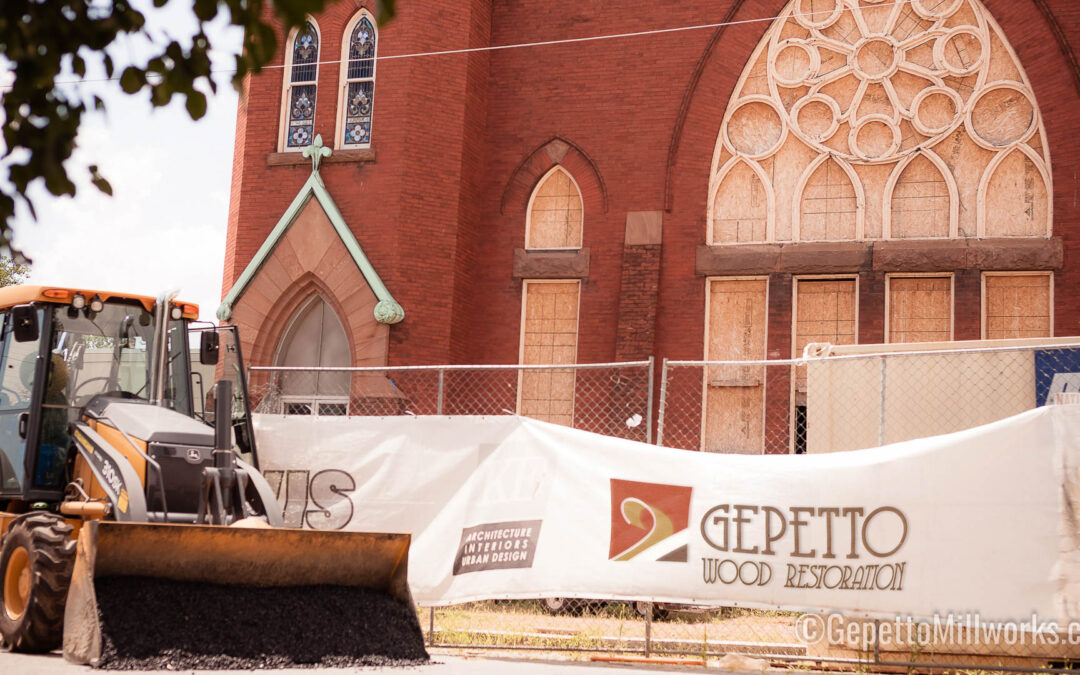
Church Hill Richmond Virginia Historic Millwork and Restoration Wood Supplier

Church Hill Richmond Virginia Historic Millwork and Restoration Wood Supplier

Church Hill in Richmond, Virginia, Richmond’s first neighborhood, is a historic district boasting antebellum homes and architectural styles like Greek Revival, Federal, Queen Anne, and Italianate, known for its cobblestone streets and gas streetlamp

The Church Hill neighborhood stands on the south hilltop looking back toward ‘downtown’ across the shockhoe valley. If you long to reside in a historic home, there are few older or more historic places in the united states. The area is the oldest neighborhood in Richmond and legend suggests its name originated when William Byrd ll stood in the area now known as Libby Hill park and saw how the view below resembled the view of Richmond on Thames in London, England. Most of the homes in this area are pre Civil-War and architecture consists of Colonial, Greek Revival, Italianate and Queen Anne. The city has restored more than 200 historic properties in the Church Hill area since 1983. Live here and you will enjoy evening strolls down charming tree lined streets illuminated by the area’s distinctive gaslights. As you stroll you will pass charming row housing and townhouses adorned with wrought iron, ornate wood porches, lavish scrollwork and facades of stone and brick.  The overlooks to the James river are mostly parklands allowing for a beautiful neighborhood experience with playgrounds and open spaces nearby.

VCU SCOTT HOUSE Window Restoration

VCU SCOTT HOUSE Window Restoration

SCOTT House on VCU Campus


Beaux Arts style Window Restoration


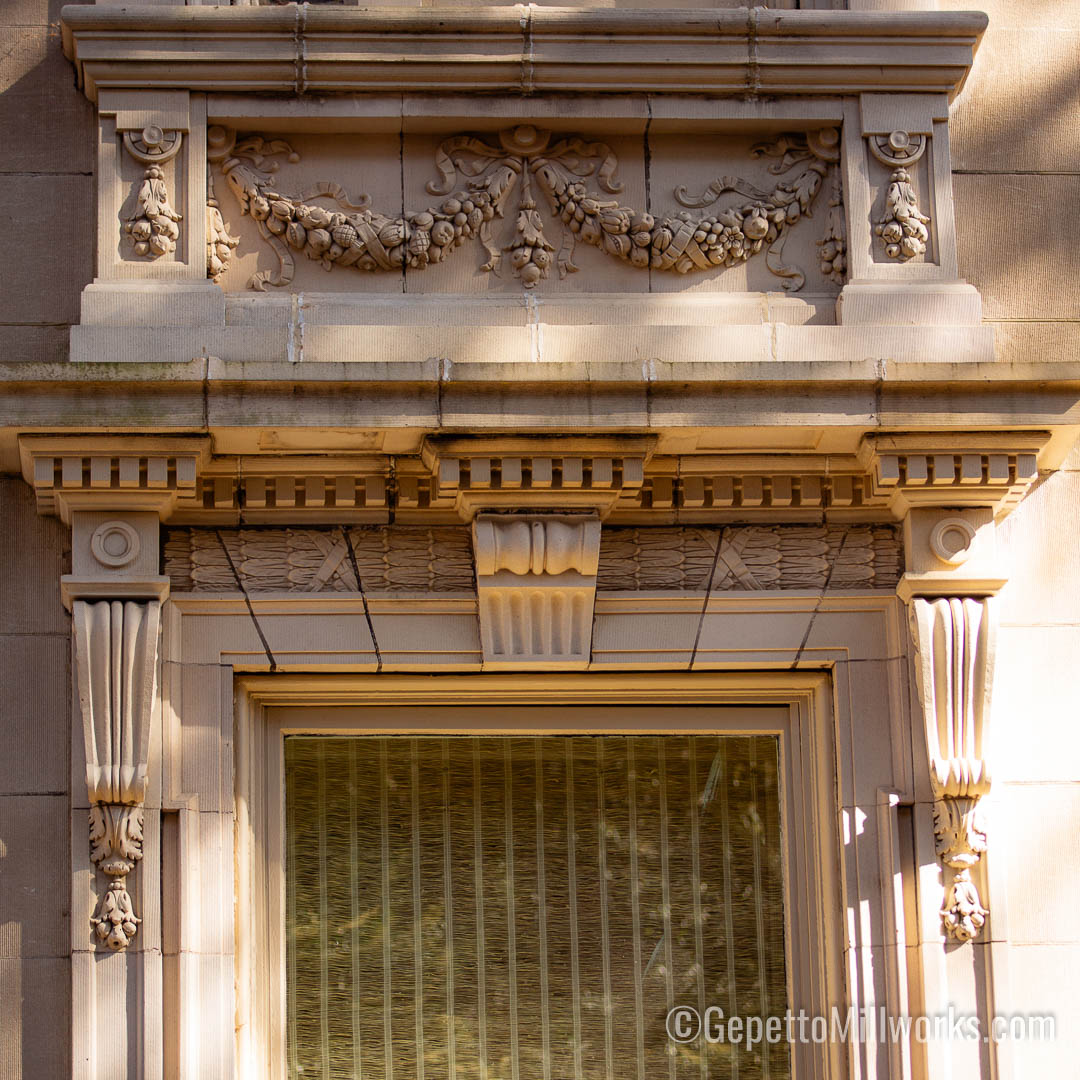
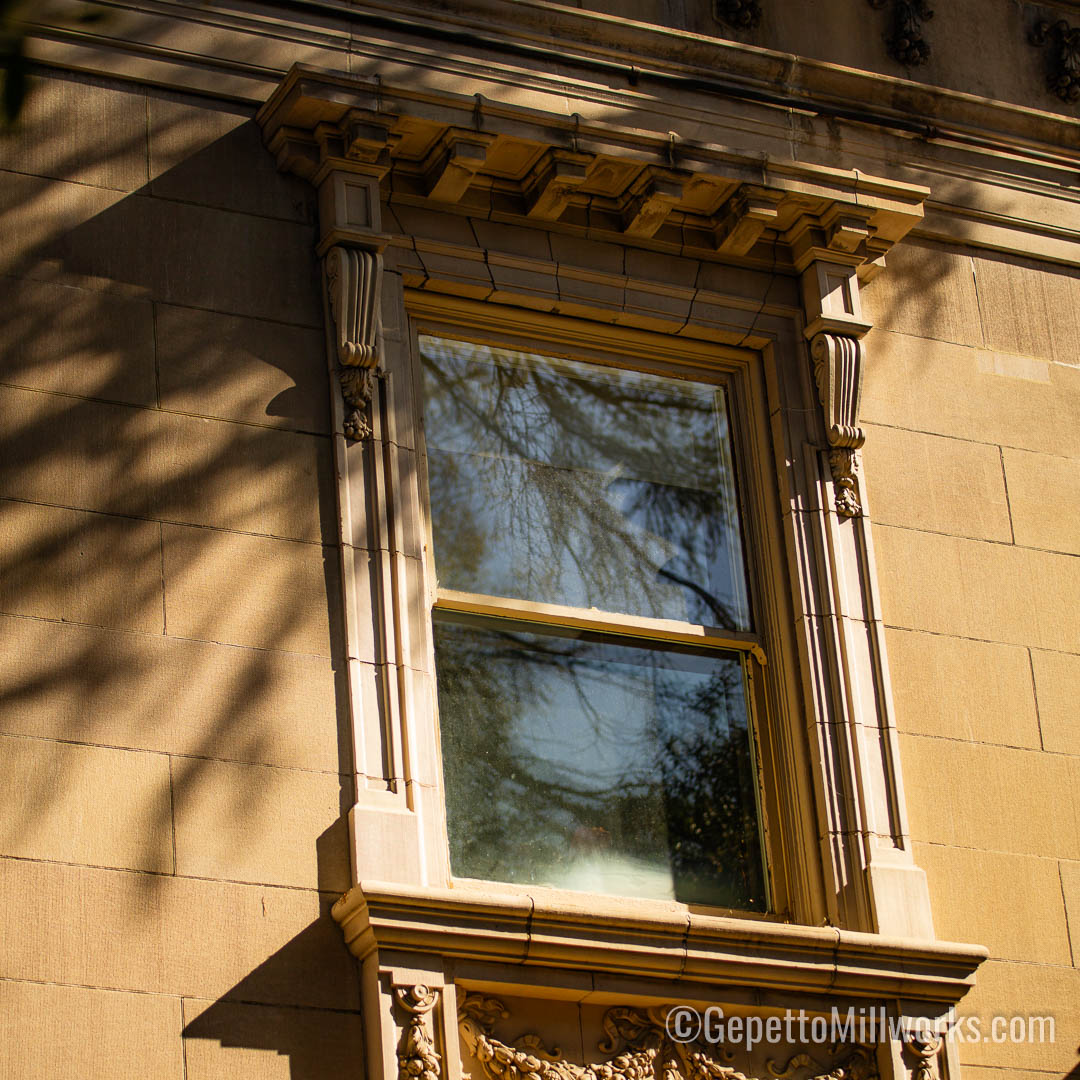
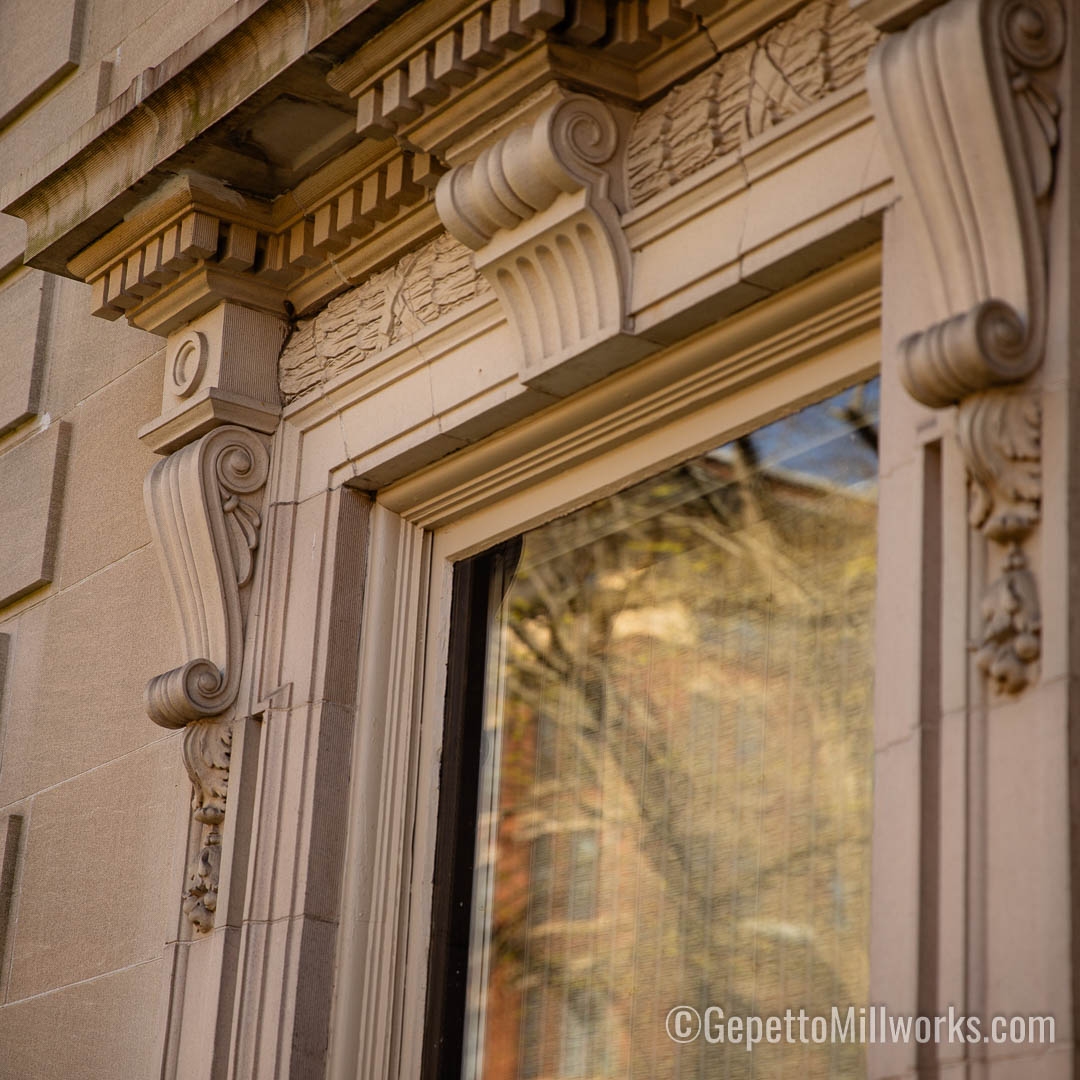
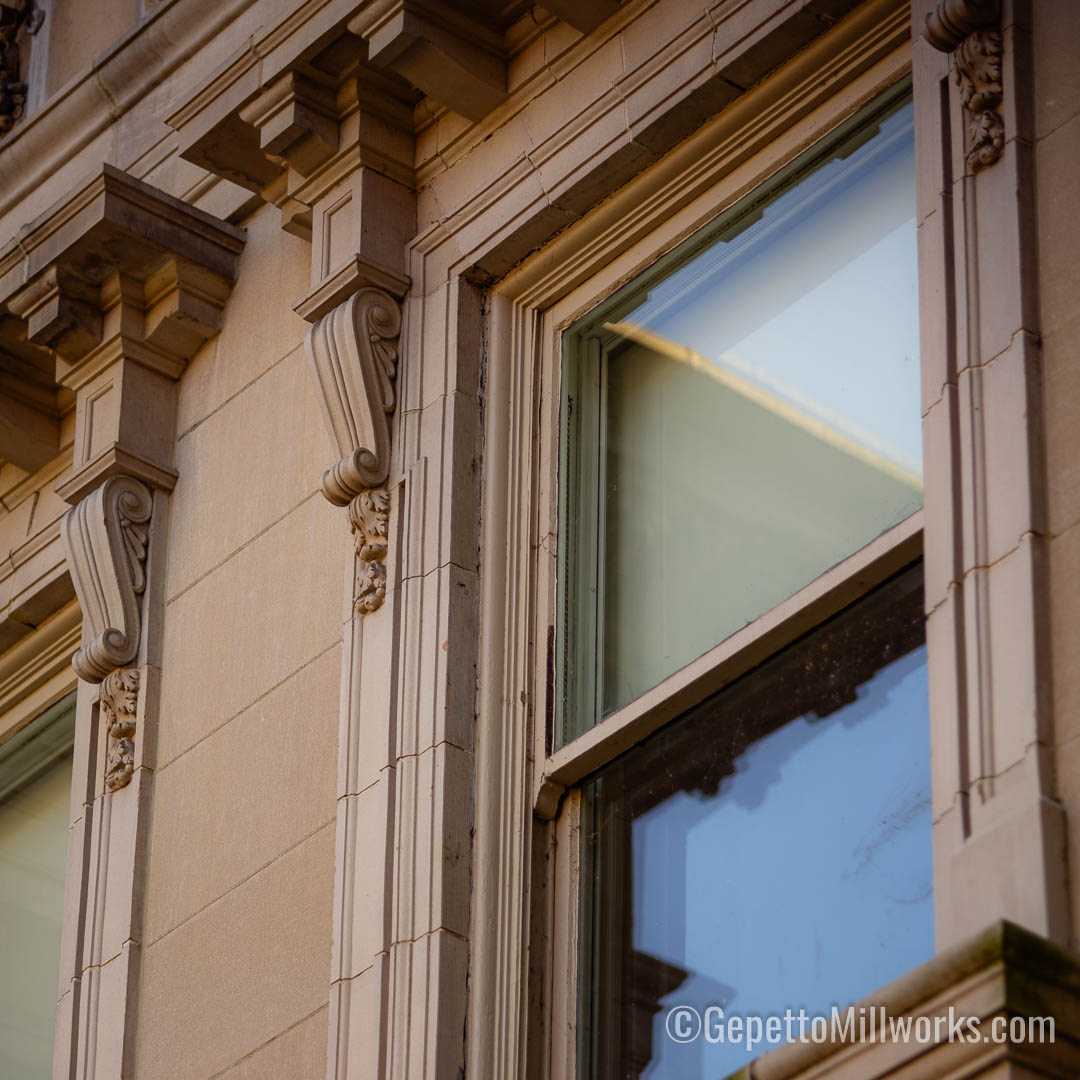
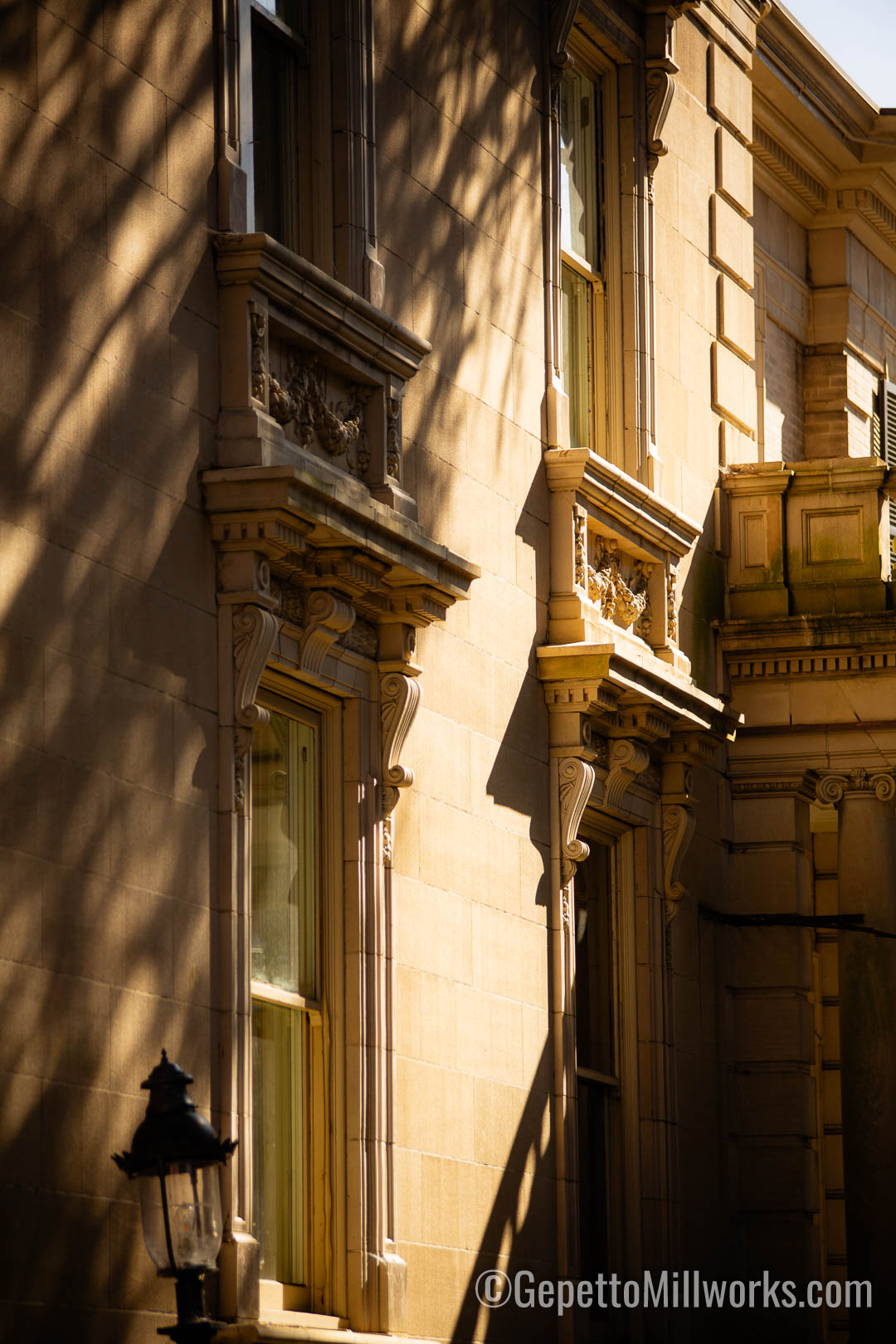
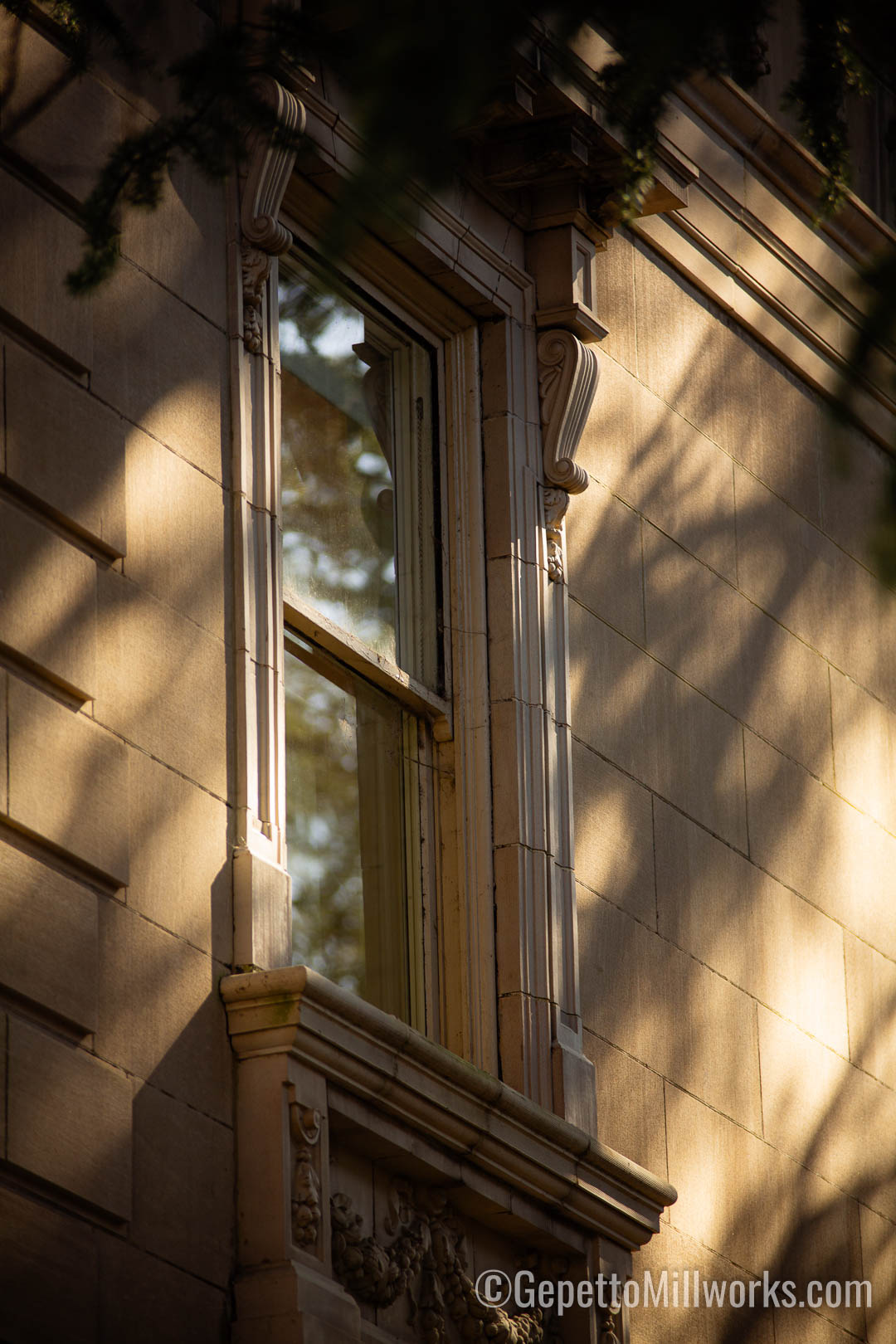
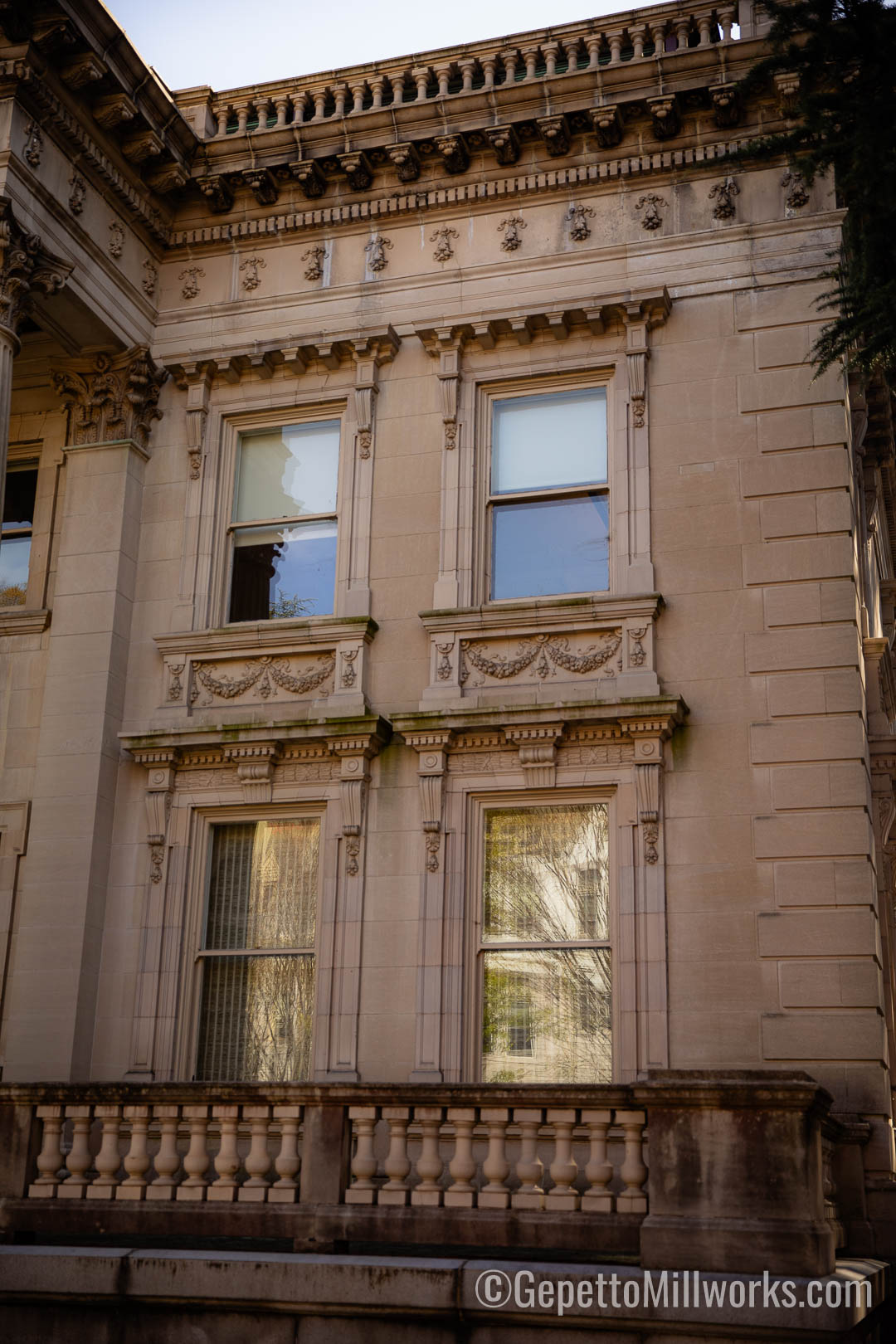
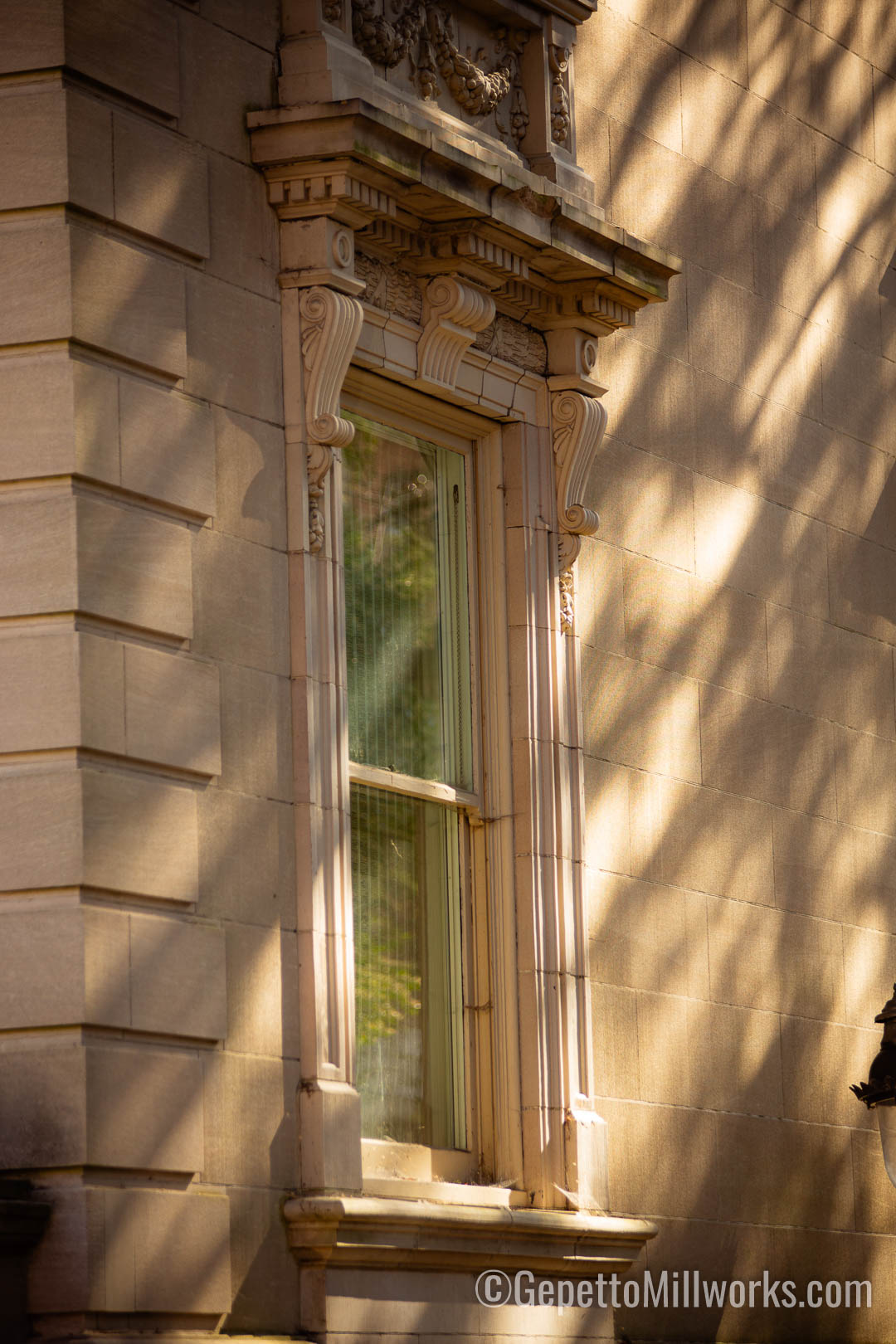
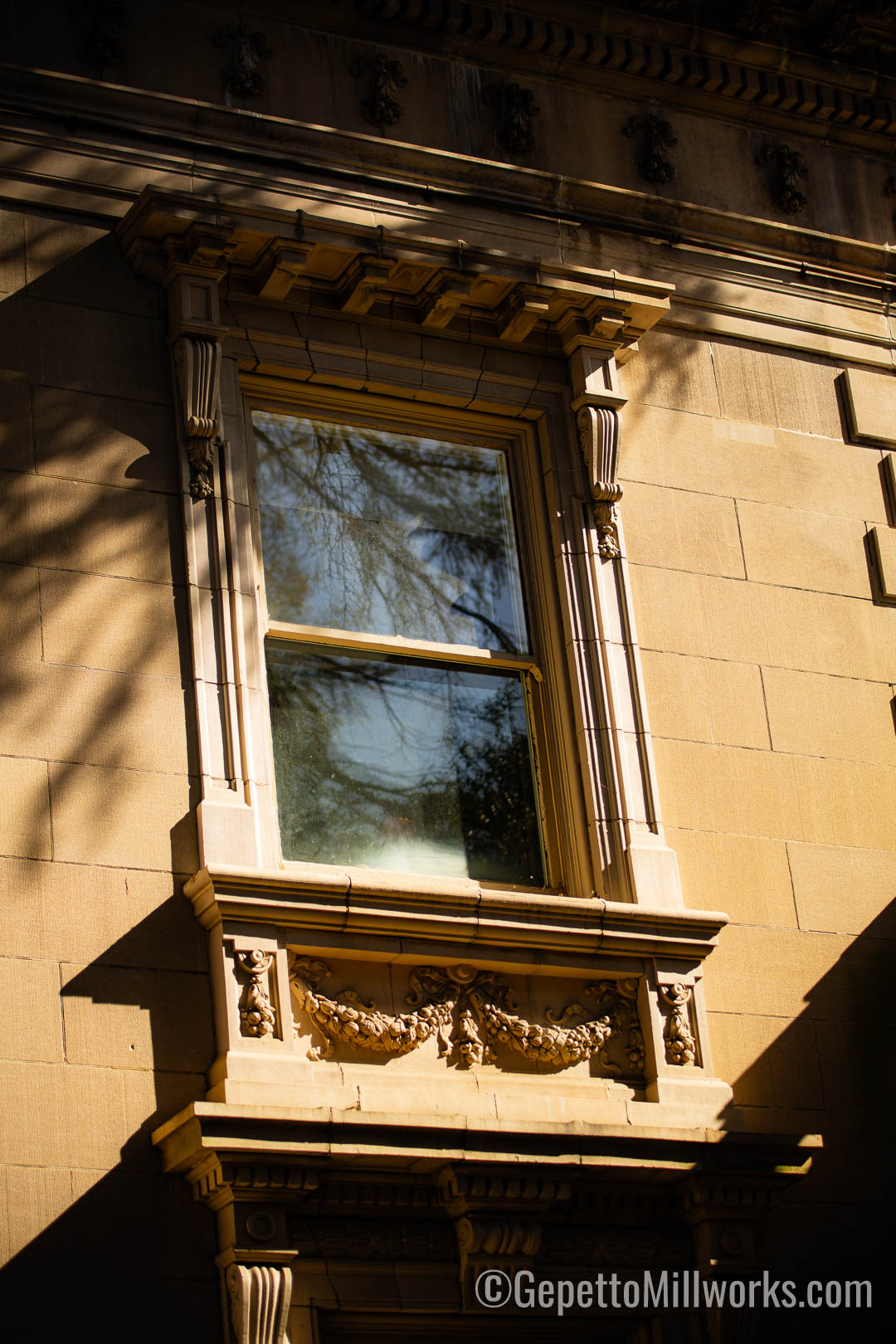
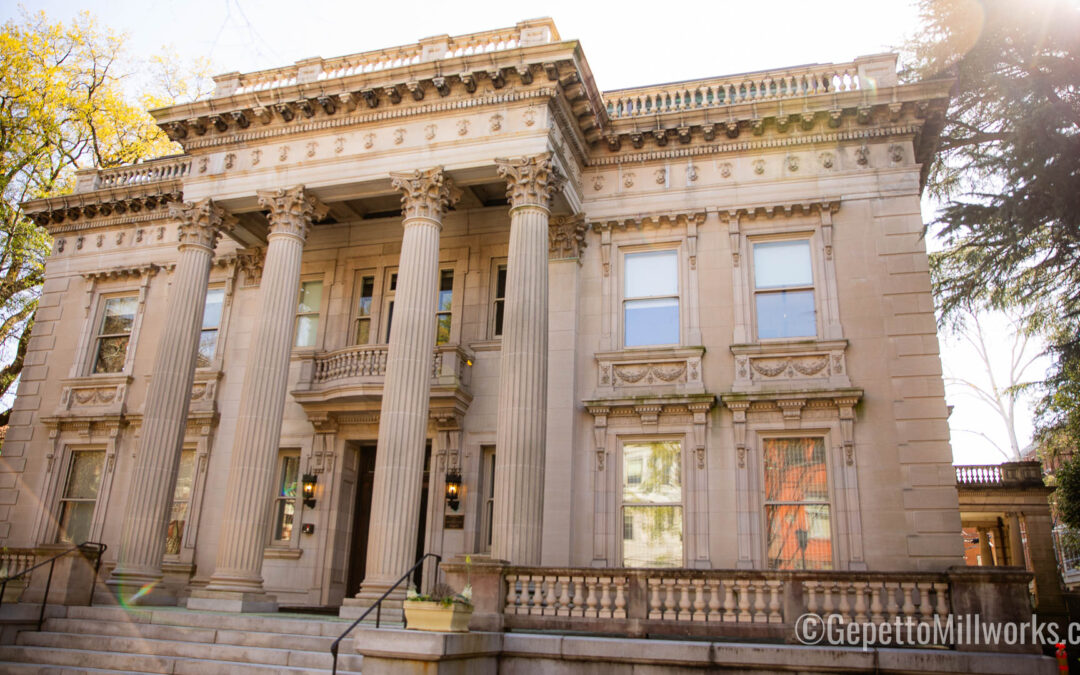
THE SCOTT HOUSE is one of Richmond’s most significant examples of American Renaissance architecture and is listed on the National Register of Historic Places. It was completed in 1911 and acquired by Virginia Commonwealth University (VCU) in 2001. The 18,000 sf mansion was built for Frederic William Scott and his wife Elizabeth Strother Scott. It was modeled after the Marble House in Newport, Rhode Island, which referenced the Petit Trianon at Versailles. Interior plasterwork is attributed to prominent sculptor and plaster contractor, Ferruccio Legnaioli.

VCU commissioned Glavé & Holmes Architecture (G&H) to provide a feasibility study to assess existing conditions, programming, and conceptual design. Subsequently, G&H was selected to provide a historically-sensitive rehabilitation to allow the building to serve as meeting and event space for visiting and University groups.

Goals for rehabilitation the Scott House included restoration of the exterior masonry and windows supplied by Gepetto Millworks Mechanical, electrical and plumbing systems were upgraded to modern standards. New restrooms, and conversions to office space and meeting rooms became part of the plans to serve the University Campus. While the rehabilitation will serve a variety of modern programmatic functions, the building’s historic fabric was restored in accordance with the Secretary of the Interior’s Standards for Rehabilitation and the University’s preservation philosophy for historic buildings.

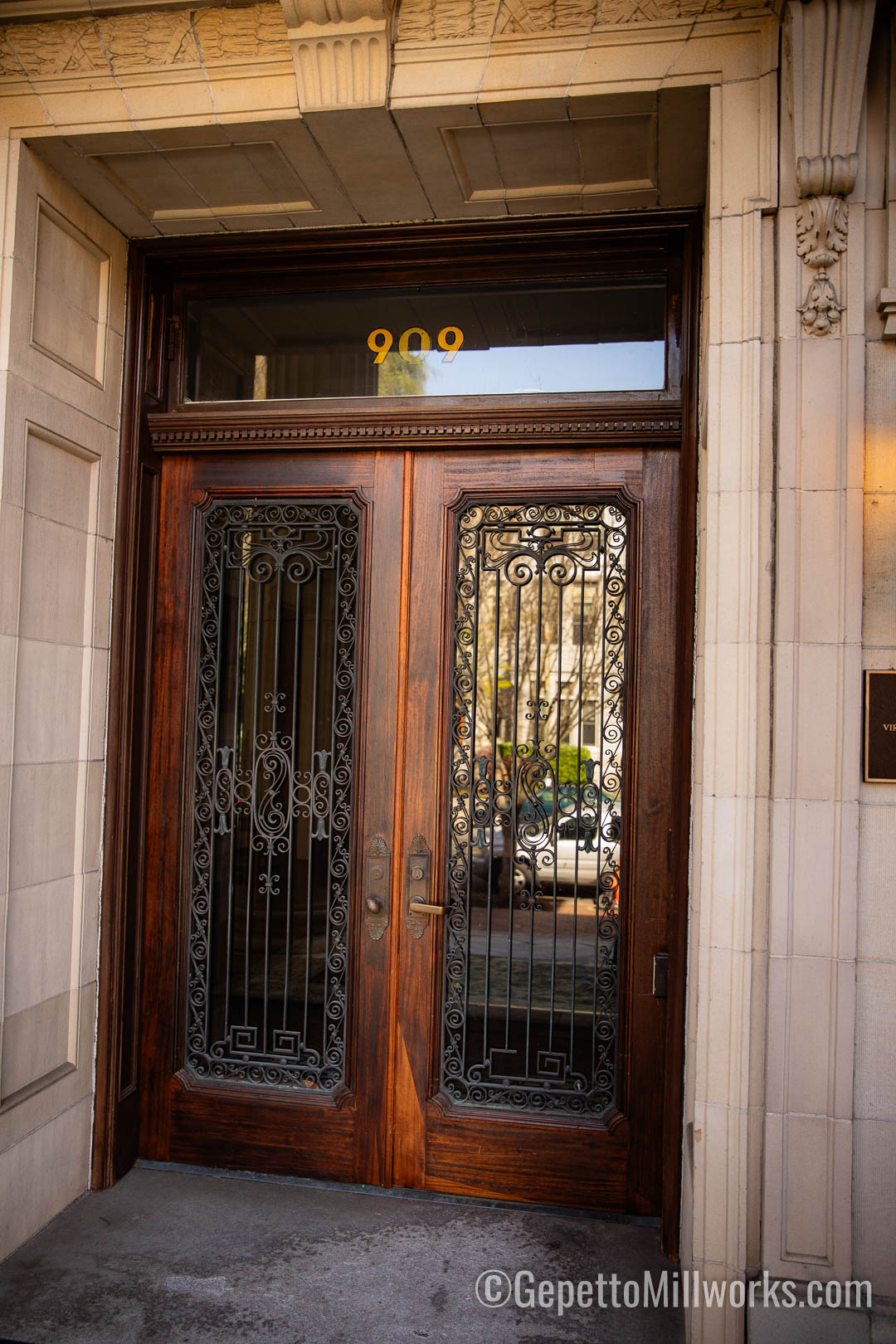
Beaux Arts window and door restoration
Scotts House VCU Historic Restoration

Historic preservation seeks to find effective and artful ways of maintaining and reusing significant buildings, landscapes, and communities. Central to the discipline is the attempt to preserve cultural identity in the face of the threats of urban sprawl and loss of social diversity.


Maintain, protect, and repair authentic character defining features, materials, and finishes. If features are deteriorated beyond repair, replace them in-kind. Retain authentic historic building fabric to the maximum extent possible.

Historic building restoration respects the evolution of historic changes, fashion, taste, and use – do not try to “improve” the design of authentic building features.

Avoid installation of conjectural “historic” features.

Do not use maintenance methods or materials that damage significant building and landscape fabric.

Authentic Window Restoration Richmond


Scotts House VCU Historic Restoration
Richmond VA Authentic Historic Window Restoration
Scotts House VCU Historic Restoration
Richmond VA Authentic Historic Window Restoration
Scotts House VCU Historic Restoration

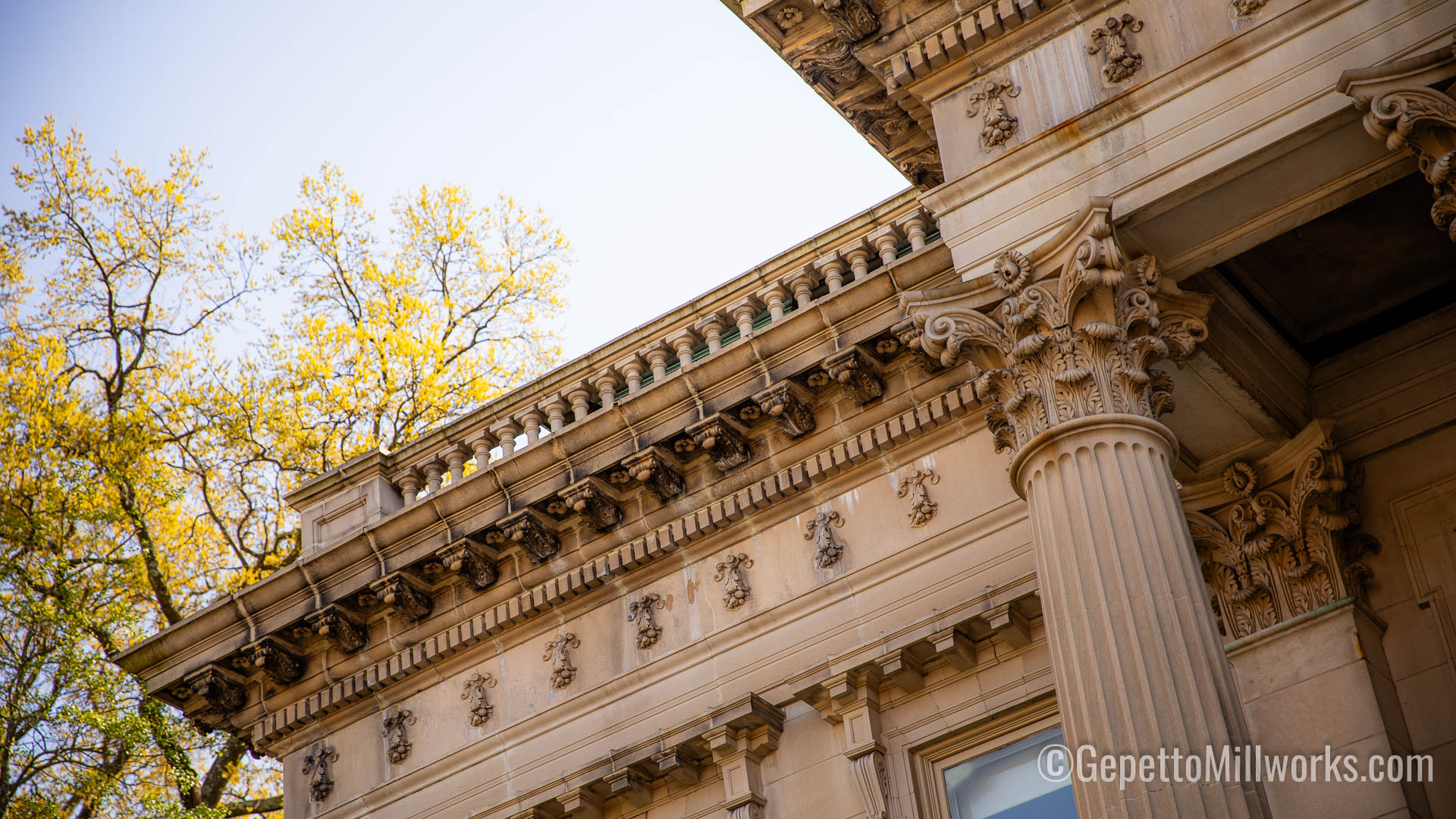
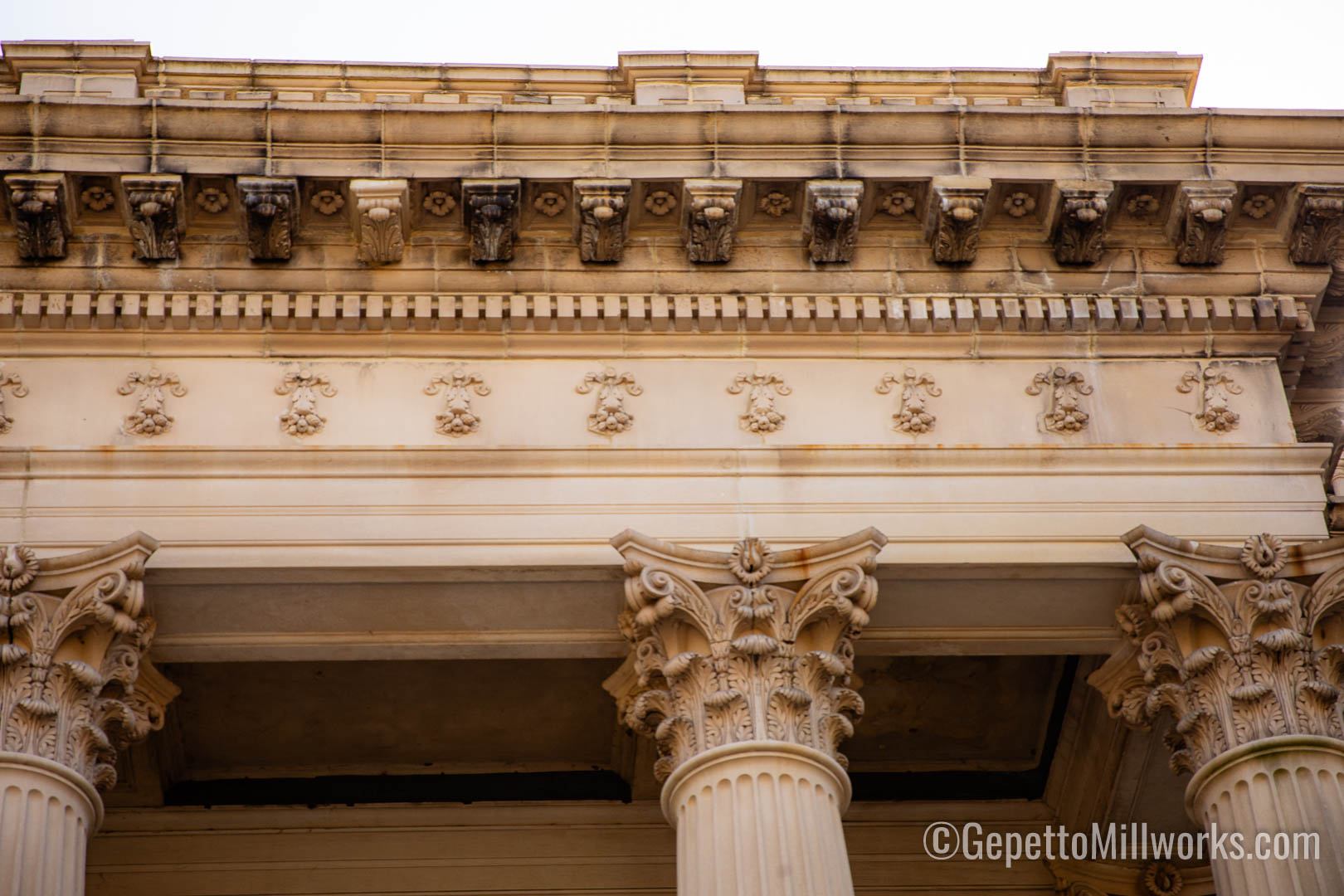
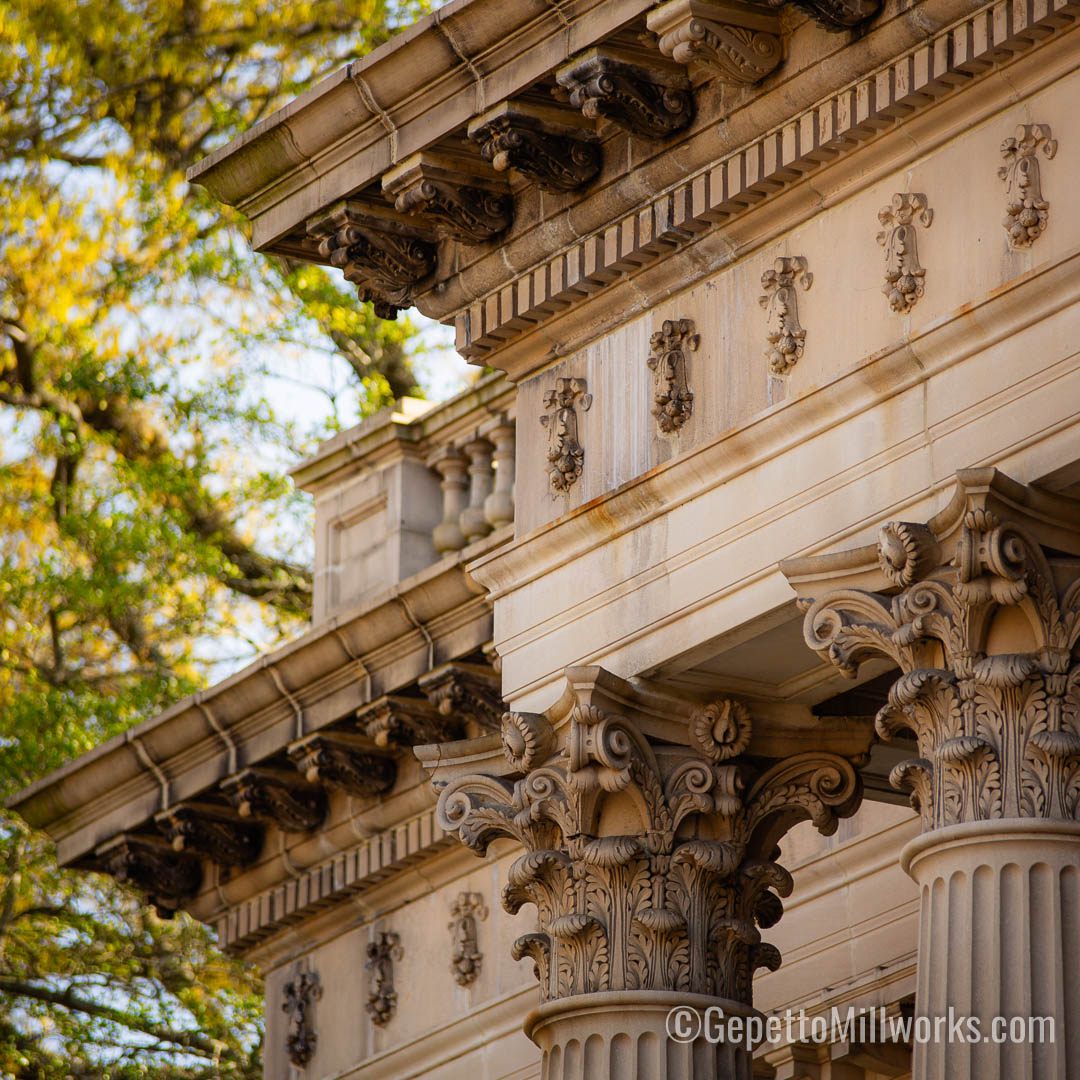
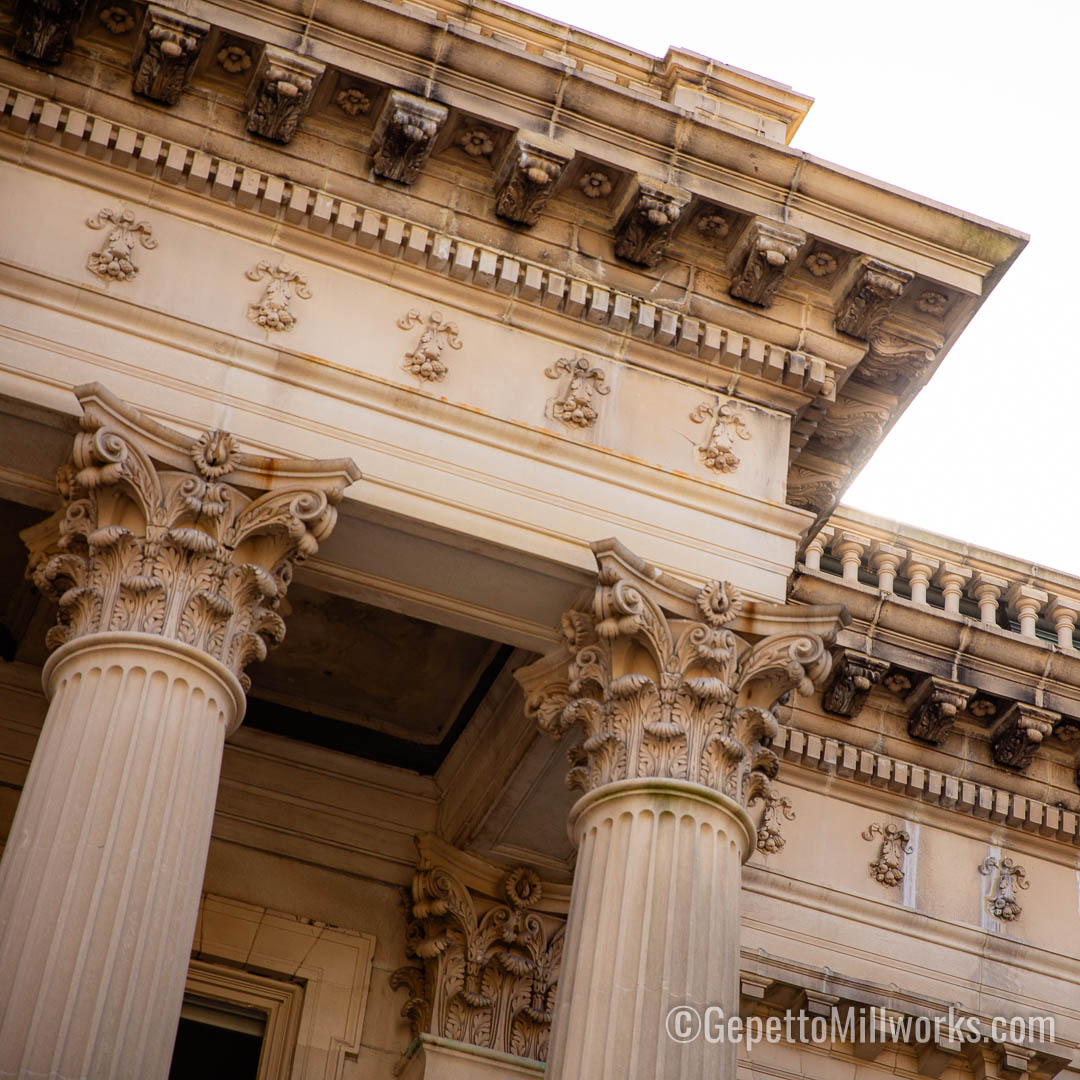
Scott House was built in 1907, and is a three-story, 40,950 square foot, Beaux Arts style mansion. The house is seven bays wide and is faced with a pale Indiana limestone. It features a central portico of four, giant Corinthian order columns and two Corinthian pilasters that dominate the highly formal, symmetrical entrance façade. Elizabeth and Frederic Scott bought the property from Lewis Ginter in 1903, Elisabeth Scott Bocock, moved into the house in the mid 20th century. While there, she founded the Historic Richmond Foundation, the 2300 Club, and the Hand Workshop (now known as the Visual Arts Center of Richmond). In the 1960s, the house was subdivided and used as dorms for VCU students, which continued into the 90s. A renovation in 2004 led to the Scott House opening its doors to the public, and the designation of the building as a Virginia Historic Landmark.

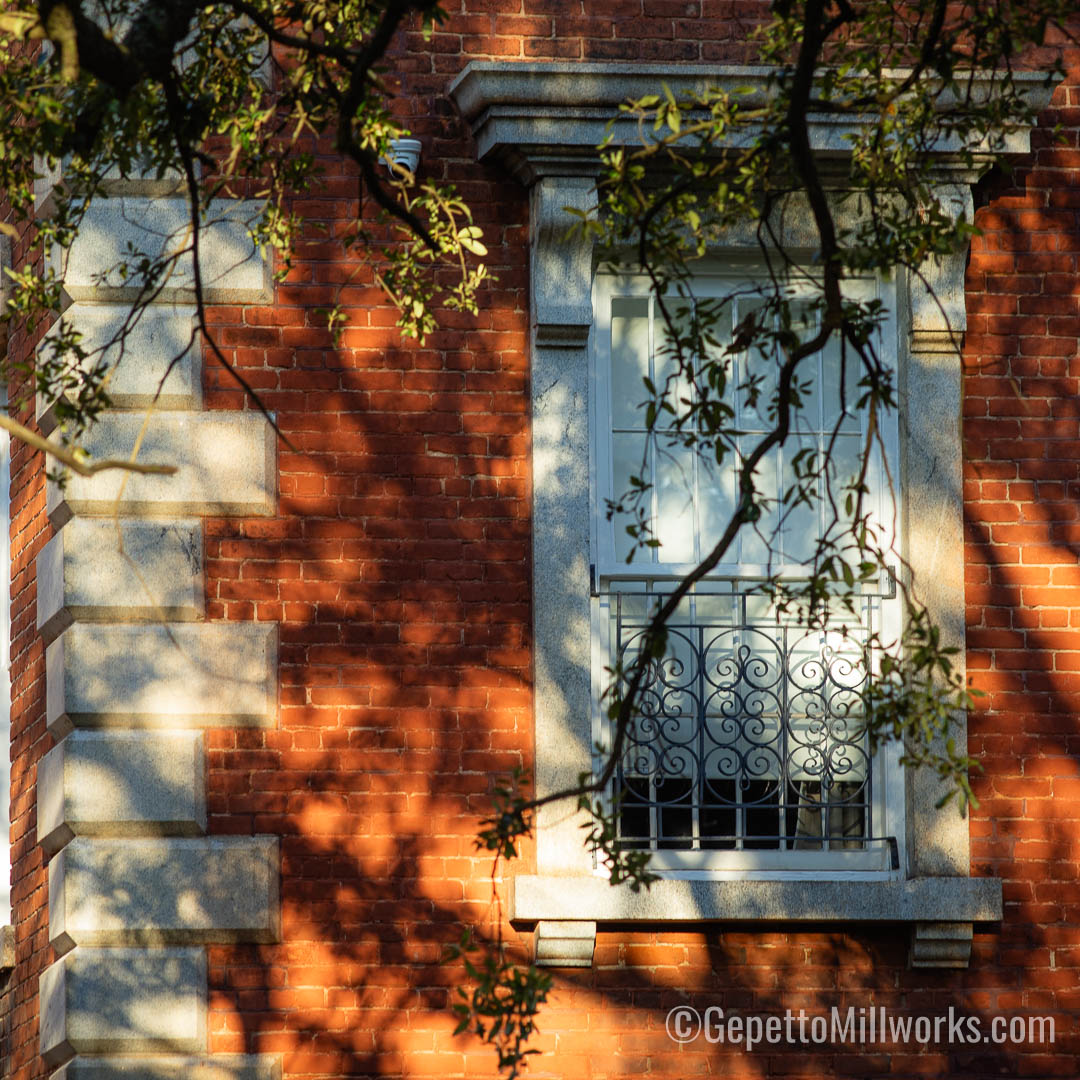
The historic Marble House in Newport, Rhode Island was chosen as inspiration for the Richmond structure, which was itself modeled after the Petit Trianon in Versailles. It stands proudly removed from West Franklin, an exception to the block’s density. The stately house, a handsome combination of limestone and terra cotta, is grounded by green-tiled wrapping terraces and a porte-cochére, shaded by trees in the house’s garden. Oxidized copper and careful cast iron work beautifully balance the gravity of the building’s exterior. Oversized fluted columns with Corinthian capitals give the mansion a sense of monumentality. The interior is a classic example of the American Renaissance style, originating in the 18th century. The occupant moves through the symmetrically divided rooms with no hallways on the first floor, structured around a main entrance stair which lies under a magnificent stained glass dome. Servants’ quarters are to the rear of the building, and a large English style carriage house is hidden behind the mansion. The Anderson Gallery, constructed in 1888 from the former Ginter House stables, also stands behind the Scott-Bocock House. The splendor of the structure is a reminder of Richmond’s insurance and banking glory days in the early 20th century, when it was an indulgent capital of the South.
Scotts House VCU Historic Restoration
Authentic Historic Window Restoration Virginia
Scotts House VCU Historic Restoration
Authentic Historic Window Restoration Virginia

Project Portfolio

Project Portfolio

Project Portfolio

Historic Preservation

Celebrating 17 years in 2026!

2026 the year of the arc door

Private Residence ~ HOUSTON TX

16 Month Custom Round Top Window Build

2025 Historic Virginia

Wren & GATES HALL

William & Mary College

Apomattox Courthouse

Courthouse Restoration

2024 HIGHLIGHTS

Residence

0000 Monumant Avenue – Richmond VA

Window Preservation Services

JV Martin School – Dillon SC

Supplying Old Window Restoration Services

Omni Homestead Hotel  ~ 2023

Beginning in 2022 a $150 million investment began and ran on schedule with the detailed assistance of Gepetto Craftsmen coming to completion in fall 2023.  Specifically providing services that could not be found from any other contractor in the Shenandoa region!


Babcock Building 2020-2023

The Babcock Building is the cornerstone of the Bull Street historic district renovation.  Gepetto Provided historic replica windows, and the rebuilt cupola.

The projectd was developed by Clachan Properties who have a long history of renovating historic buildings across the southeast.  Foss and Company provided historic tax credit verification.

Located right in the middle of the largest development project in Columbia history, the building was built in 1885 and will be transformed into 208 luxury apartments with amenities.

babcock building columbia SC window restoration

Hampstead
New KEnt ~ 2023

Hampstead was built in 1825 one of the Commonwealth’s most ambitious Greek Revival residences.  The grand dwelling features many elements adapted from Asher Benjamin’s American Builder’s Companion (1806), an important book containing meticulous etchings of Greek Revival architectural details used by architects and builders throughout the new nation. Hampstead was listed in the Virginia Landmarks Register and the National Register of Historic Places in 1970 and began renovation by the Tidewater Big Bend Foundation in 2021

VCU SCOTT HOUSE ~ 2019

Built in 1911 and acquired by Virginia Commonwealth University (VCU) in 2001 the 18,000-square-foot mansion rehabilitation was orchestrated by long time specifiers of Gepetto Millworks – Glavé & Holmes Architecture.  The modernization design was to provide a historically-sensitive rehabilitation to allow the building to serve as meeting and event space.  The building’s historic fabric was restored in accordance with the Secretaty of the Interior’s Standards for Rehabilitation and the University’s preservation philosophy for historic buildings.  Kjellstrom and Lee handled general contracting in concert with VCU maintenance and operations staff

Caldwell Hall ~ 2019

Built in 1889 and 130 years later in 2019 another restoration began calling on Gepetto to custom fabricate new doors to match the historic profile. In addition to the time tested original joinery, we designed in our shop drawings a ‘stave core’ door that intelligently balanced the weather beating functions of three elements:

Romanesque Architectural Door and Window Builder

Sauers Historic Offices ~ 2019

In 2018 + 2019 Sauers Spices made the development to move back into their historic offices at 2000 West Broad St capstoning the redevelopment of the Braod St Corridore.  Not shown are the historically trimmed offices restored to their early 1900’s glory of mahogany framed glass privacy offices.

Detailed Trimwork

728 E. Main St.
Richmond ~ 2019

Virginia’s Central Business District, the Stumpf Flats on Main is currently undergoing a $5 million redevelopment, having previously served as the century old Stumpf Hotel. Renovation of the seven-story structure converted it into 24 one-bedroom apartments.  Drucker + Falk the Washington, D.C.-based developer, is one of the most dominant and successful real estate developers in the Mid-Atlantic, controlling over 9 million square feet in the Washington Metro market with an additional downtown Richmond office and presence.

Lynchburg VA historic window services
arlington va historic window builder restoration

Montgomery Building  ~ 2018

Lorem ipsum dolor sit amet, consectetur adipiscing elit, sed do eiusmod tempor incididunt ut labore et dolore magna aliqua. Consectetur adipiscing elit pellentesque habitant. Pulvinar mattis nunc sed blandit libero volutpat sed. Tincidunt arcu non sodales neque sodales ut. In iaculis nunc sed augue lacus viverra vitae congue eu. Facilisis magna etiam tempor orci. Gravida arcu ac tortor dignissim convallis aenean et tortor. Nibh mauris cursus mattis molestie a. Euismod elementum nisi quis eleifend quam adipiscing vitae proin sagittis. Vitae elementum curabitur vitae nunc sed velit. Imperdiet massa tincidunt nunc pulvinar sapien et ligula ullamcorper.

Additinoal ProjectS:

  • Centenary Methodist Chruch Richmond
  • Baker School Richmond
  • Catholic University Caldwell Hall Washington DC
  • Meadow Farm Museum Henrico
  • Carter’s Grove Williamsburg
  • Elizabeth City North Carolina  Water Station
  • Printworks North Carolina
  • Mount Airy Tapahannock
  • Virginia Science Museum Traincars
  • Black History Museum Washington DC
  • Ben Dover Estate Goochland
  • George Washington Carver’s House
  • Grove Plantation HOuse
  • Robert E Lee Highschool
  • Womens prison – historic Lorton condos
  • Cumberland – new kent
  • Manchester Train Station – hull st
  • Goshen Foundry
  • Carriage doors Arlington Cemetary
  • Maymont Carriage Houses Windows, Doors, and Gates
  • Old Church – hampstead
  • Robinson Theater Church Hill

Black History Museum
Richmond ~2016

Receiving a state grant in 2011, the Black History Museum and Cultural Center of Virginia announced plans to repurpose the Leigh Street Armory as their new home. The armory had suffered severe damage from fire, neglect, exposure to the elements, and vandalism. Under a grant from the U.S. Department of the Interior Save America’s Treasures Program. SGH Architecdts developed a building enclosure rehabilitation and structural stabilization program in conformity with the Secretary of the Interior’s Standards for the Treatment of Historic Properties.

rounded casement wood windows

Hewicks plantation

Hewick is a historic home located near Urbanna, Middlesex County, Virginia. It was constructed in 1678 by Christopher Robinson, whose progeny held considerable power in the colony before the American Revolution, during which some members became loyalists. It was listed on the United States National Register of Historic Places in 1978.


Lady Byrd Hat Factory 2008

Originally built to house the Virginia Paper Company, the building became the home of the Lady Byrd Hat Factory in 1965. The building is located near the Turning Basin of Richmond’s newly constructed Canal Walk and is the only historic building on the Canal. McPherson Design Group assisted with the design for the conversion of this building to a mixed-use facility, including residential units, offices, restaurants, retail spaces and entertainment venues. Many of the historic structural elements were recycled and featured in the new building.

South Carolina Wooden Window Supplier

South Carolina Wooden Window Supplier

In the realm of architectural preservation and restoration, historic buildings hold a special place, preserving the essence of South Carolina’s rich heritage. When undertaking historic building projects, architects and construction managers can greatly benefit from the historic tax credit certification program. In this article, we will explore the significance of historic wooden windows in these projects, highlight the expertise of Gepetto Millworks as a supplier, and shed light on the advantages of leveraging the historic tax credit certification from a professional perspective.

Historic Wooden Windows and the Importance of Preservation

Architectural Integrity: Historic wooden windows are an essential component of a building’s architectural integrity. These windows showcase the craftsmanship, detailing, and design principles of a specific era, adding to the overall character and historical significance of a structure. Preserving and restoring these windows is crucial to maintaining the authenticity and charm of historic buildings.

Preservation Guidelines: When working on historic building projects, adherence to preservation guidelines is of utmost importance. These guidelines often dictate the retention or replication of original features, including windows. Gepetto Millworks specializes in producing historically accurate wooden windows that comply with preservation standards and bring the building back to its former glory.

Energy Efficiency and Sustainable Solutions: Contrary to misconceptions, historic wooden windows can be energy-efficient when properly restored and upgraded. Gepetto Millworks utilizes modern weatherstripping techniques and energy-efficient glass options to enhance the performance of historic windows while preserving their original aesthetics. This approach aligns with sustainable design practices and promotes energy conservation in historic building projects.

Expertise in Historic Wooden Windows

Craftsmanship and Attention to Detail: Gepetto Millworks has a well-established reputation for its commitment to exceptional craftsmanship and attention to detail. Their team of skilled artisans combines traditional woodworking techniques with modern innovations, ensuring the production of historically accurate and superior-quality wooden windows. Each window is meticulously crafted to meet the highest standards of excellence.

Customization and Replication: Gepetto Millworks understands the importance of customization and replication when it comes to historic building projects. They possess in-depth knowledge of various architectural styles prevalent in South Carolina, enabling them to replicate windows with utmost precision, even in cases of unique or intricate designs. Their ability to provide customization options allows architects and construction managers to tailor the windows to the specific requirements of the project.

Material Selection and Durability: Gepetto Millworks takes pride in sourcing only the finest materials for their historic wooden windows. Premium-grade hardwoods are carefully selected to match the original species used in historic structures. This meticulous attention to material selection ensures that the windows not only maintain an authentic appearance but also exhibit exceptional durability and longevity, supporting the long-term preservation goals of the building project.

Benefits of Historic Tax Credit Certification

Financial Incentives: The historic tax credit certification program offers significant financial incentives for owners and developers of historic buildings. By adhering to specific preservation standards, projects can become eligible for tax credits that can offset a portion of the rehabilitation costs. These credits can be used to reduce tax liabilities, attract investors, and lower overall project costs, making historic building projects more economically viable.

Preservation Advocacy: The historic tax credit certification program promotes the preservation and restoration of historic structures. By participating in the program, architects and construction managers contribute to the preservation of South Carolina’s architectural heritage. This involvement not only enhances the cultural value of the community but also positions them as stewards of historic preservation.

Marketing and Recognition: Buildings with historic tax credit certification gain recognition and prestige within the industry. They become eligible for various marketing