Solid Wood – Historic Replica windows
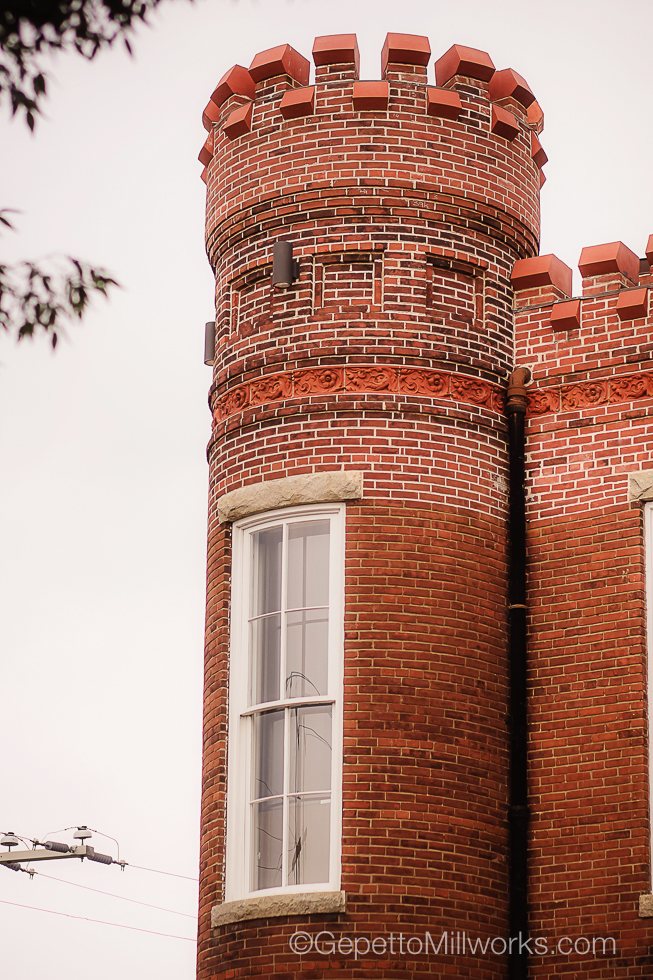
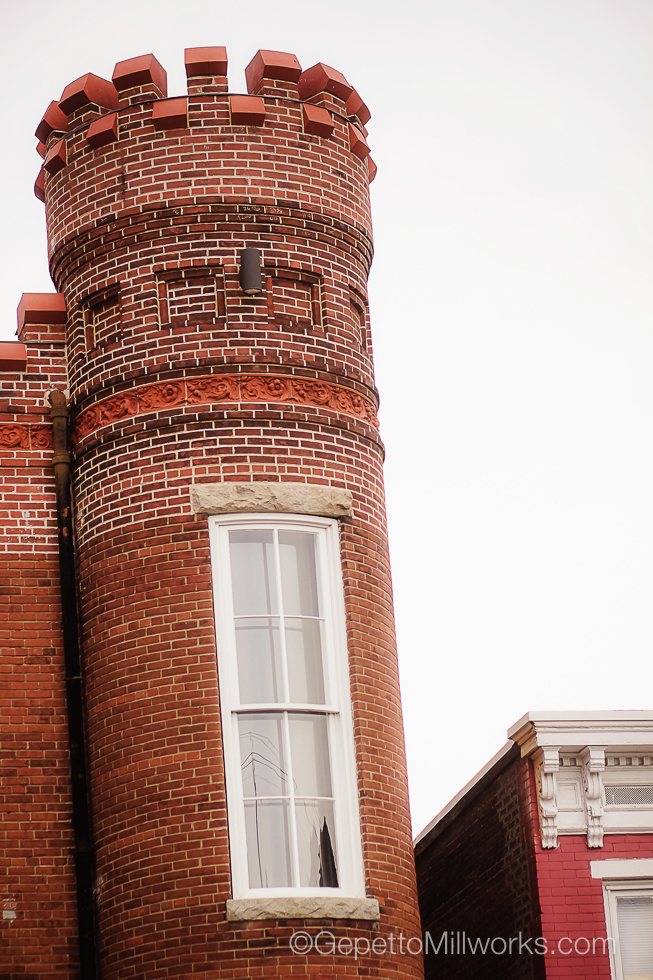
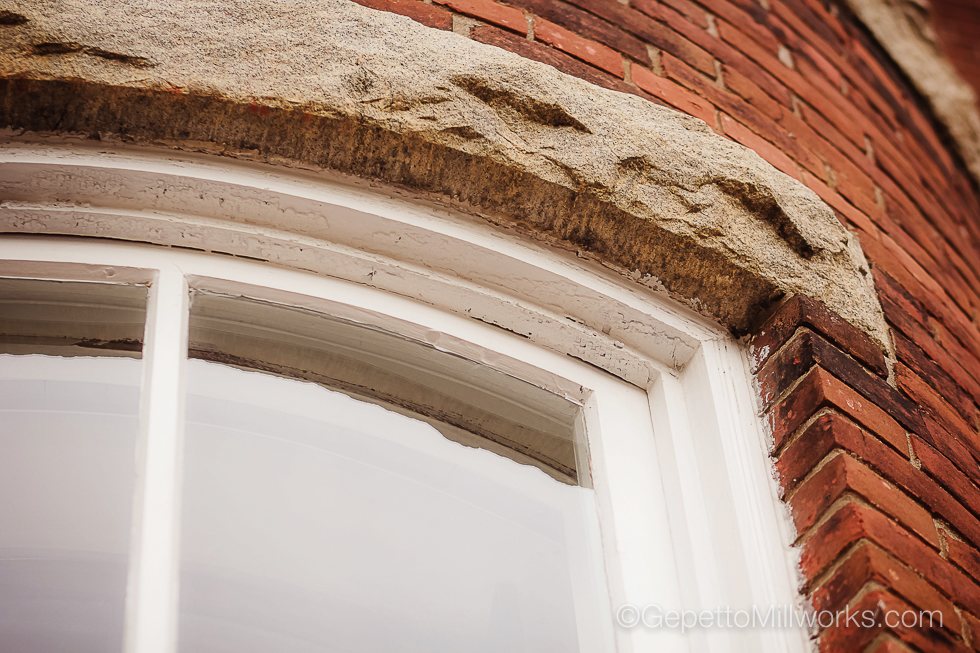
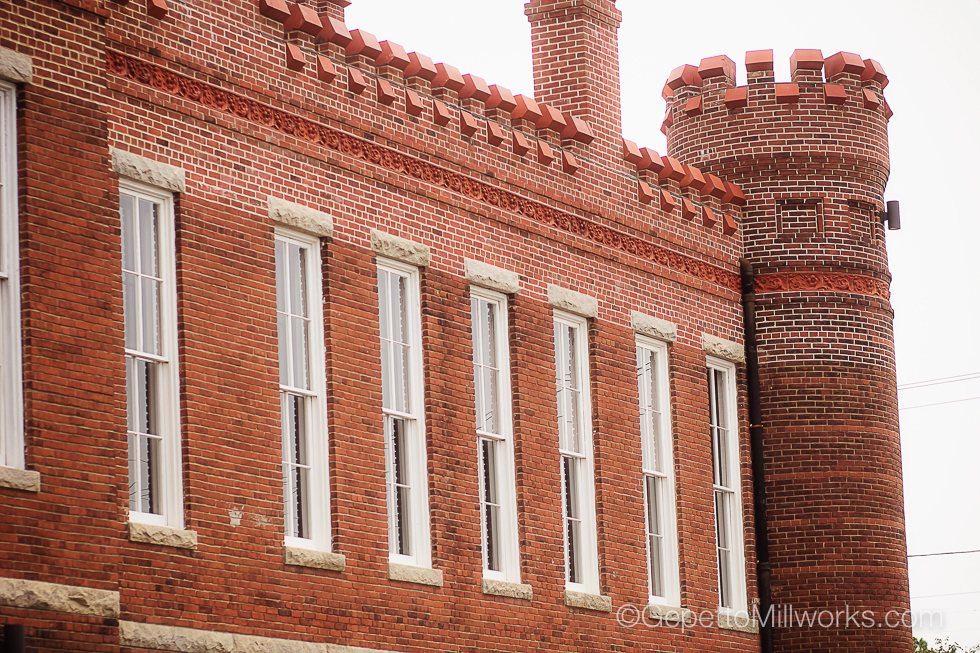
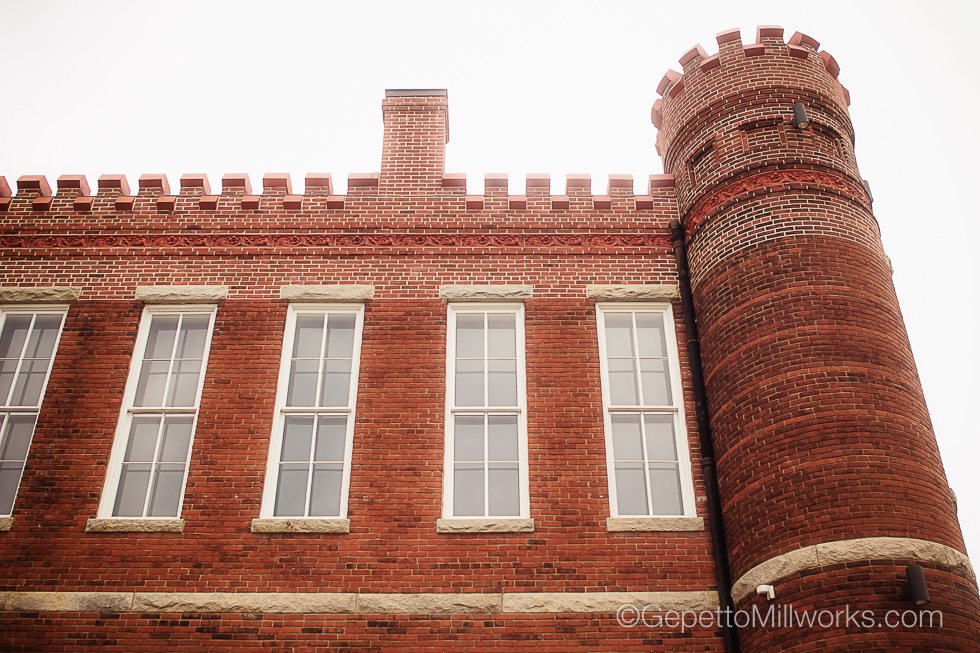
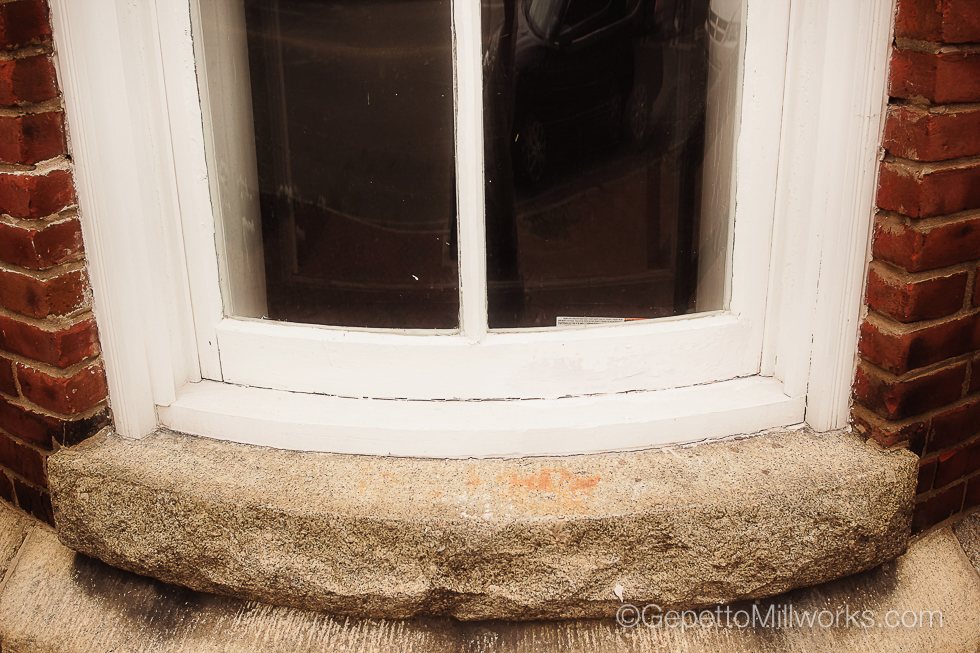
Rounded Wooden Window Construction

Rounded Wooden Window Construction
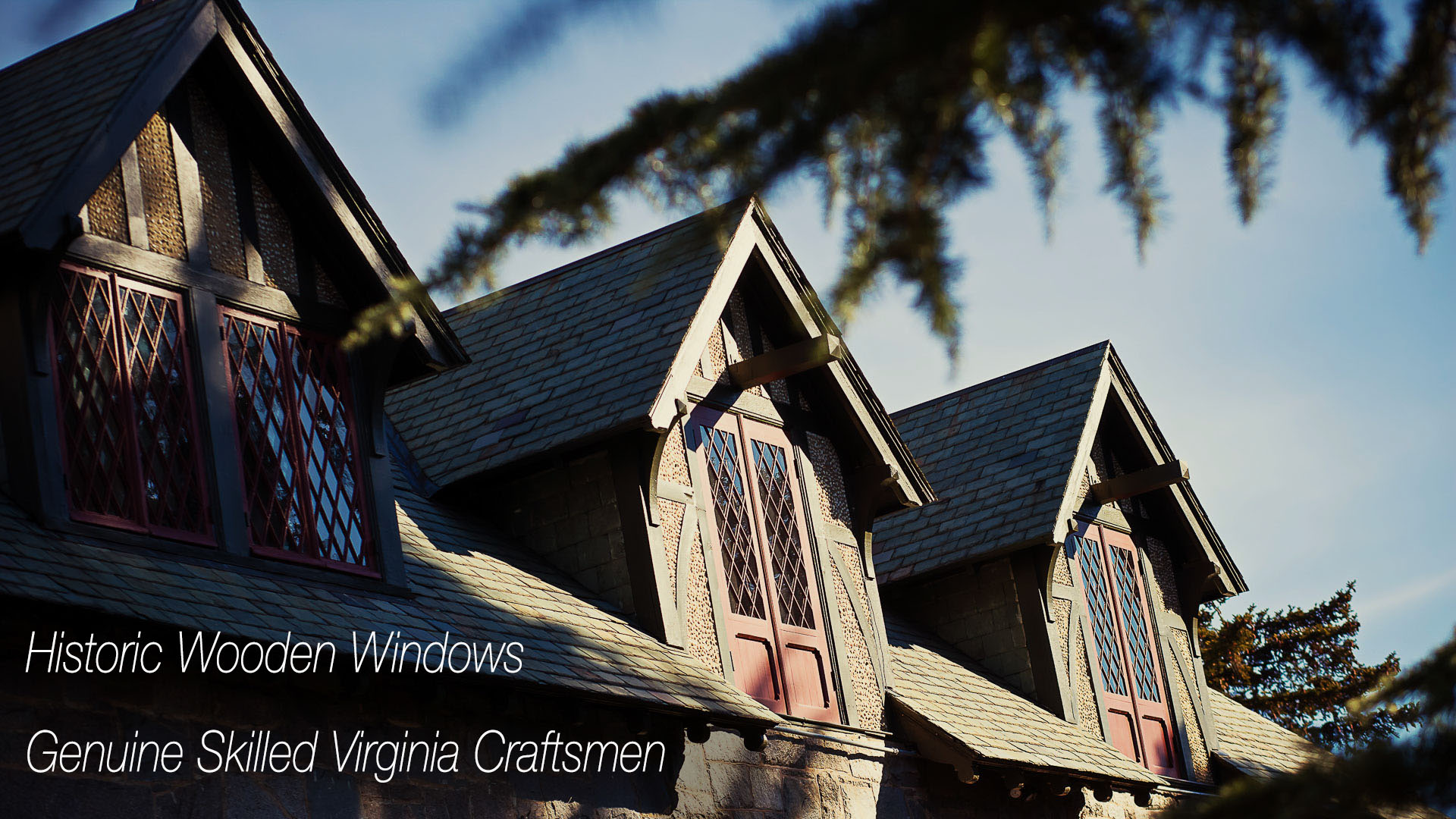
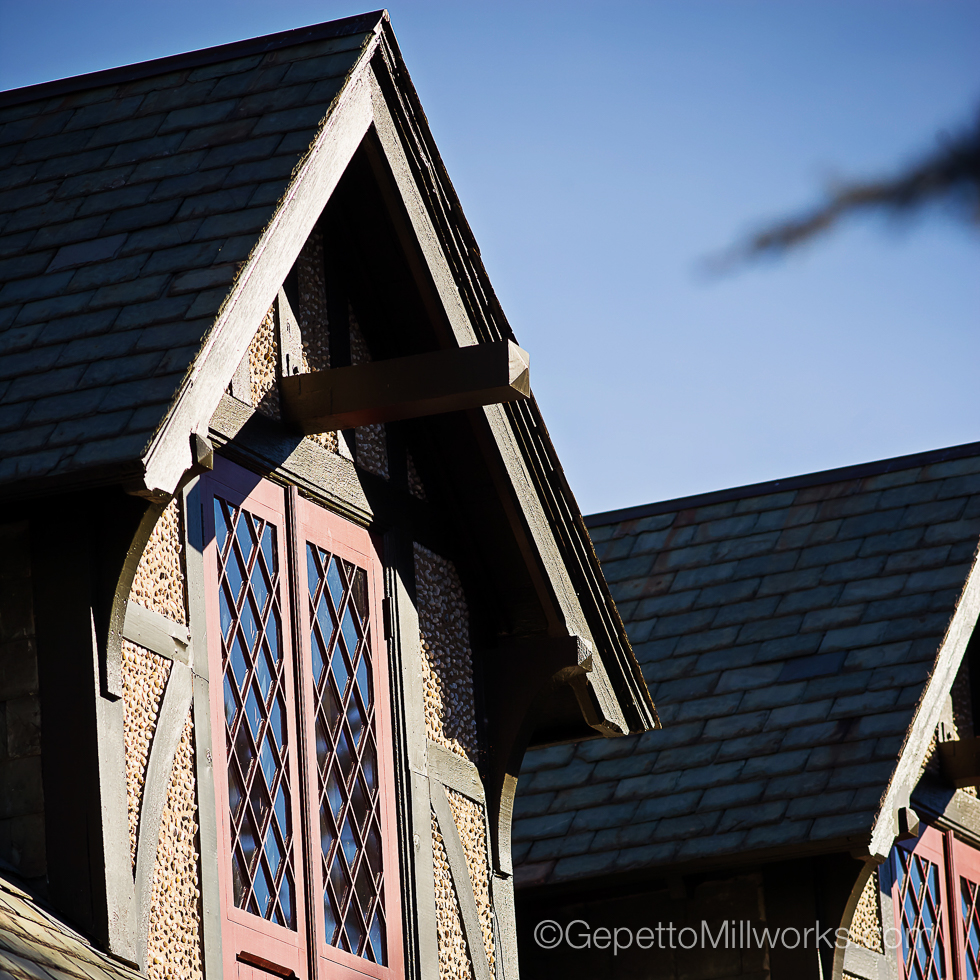
Keeping your old windows and restoring them is the green thing to do. Why throw the old windows into a landfill when they could be restored and given a new life? It’s much more environmentally friendly to keep the old windows.
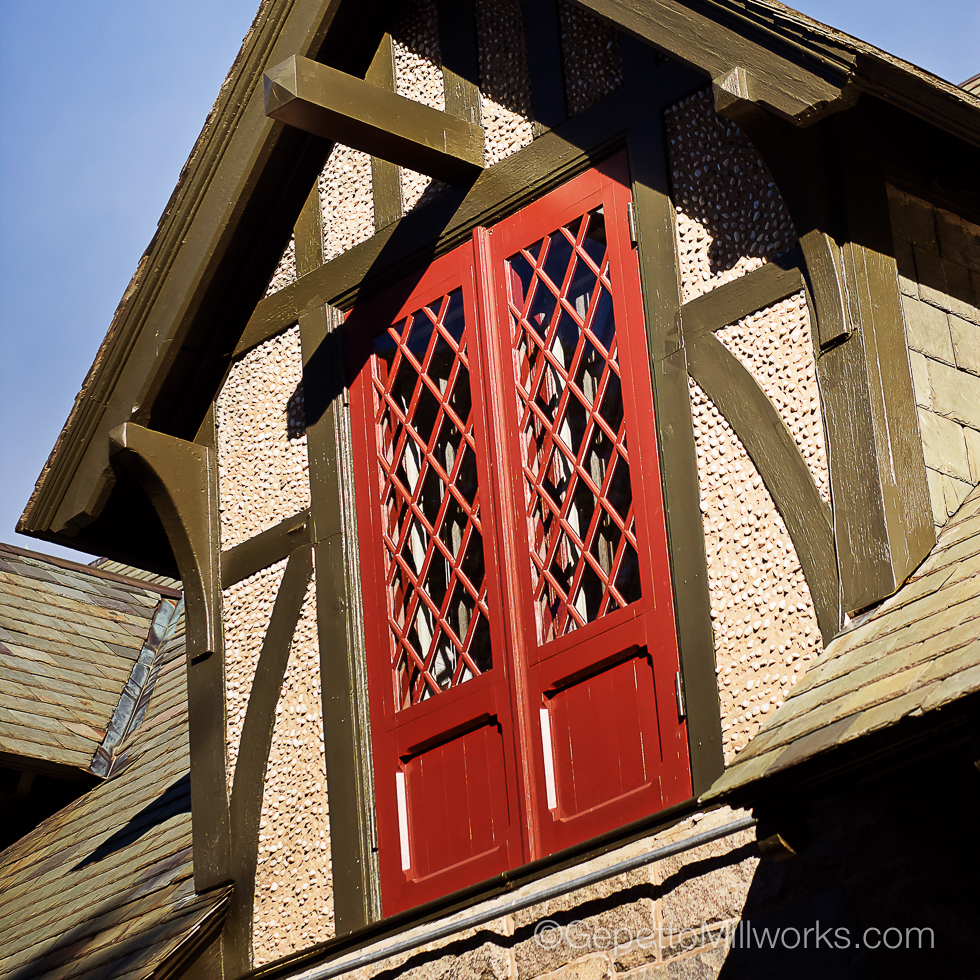
The energy efficiency of restored and weather-stripped windows- when combined with a decent storm window- is usually pretty close to that of a typical replacement window. Gepetto Craftsmen carefully and skillfully glaze the windows for modern energy efficiency.
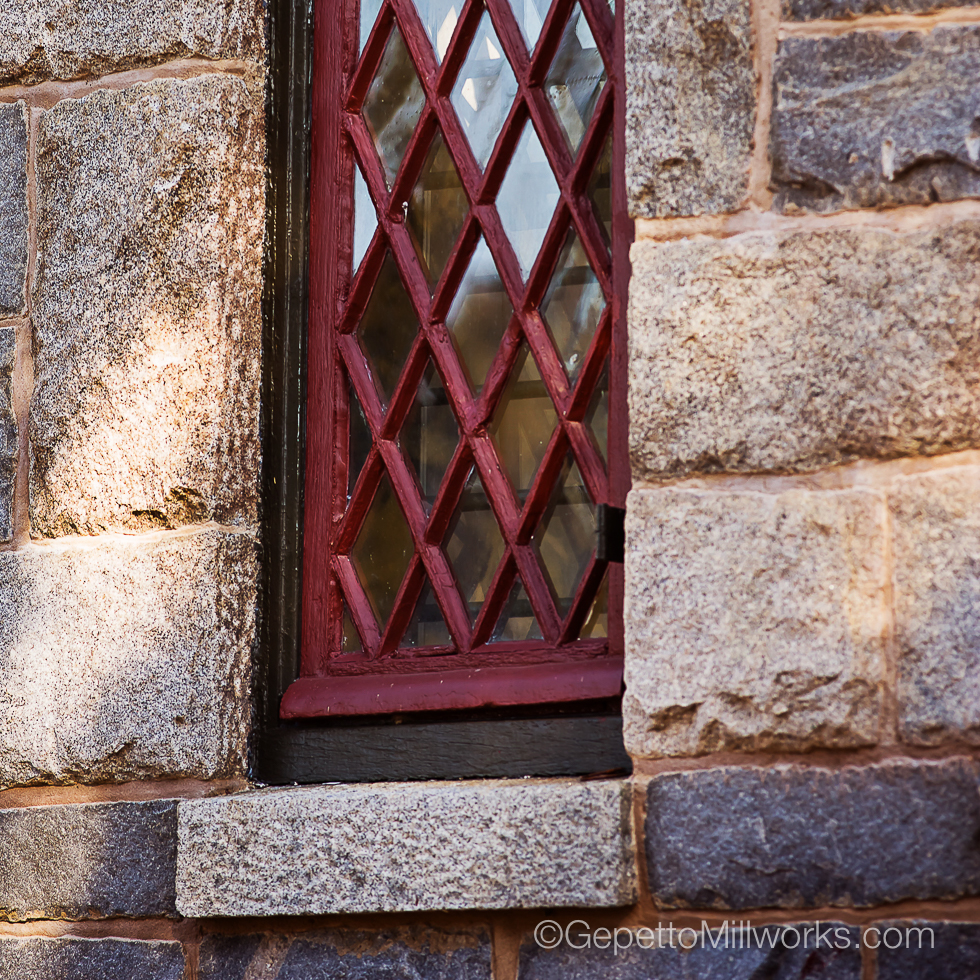
The payback period for new replacement windows- the number of years it will take to recoup the expense of the windows through the energy savings- can be as long as 40-60 years becuase the energy savings per window is so small. It usually doesn’t make sense economically to replace old windows.
After 120 years, any product will look worn. What you don’t see in your wooden windows is what they look like refurbished: wood repaired where soft, stripped and repainted, clean putty applied, new glass where broken, weatherstripped and replaned to close tight as a drum. When its weights are balanced, a repaired window glides up and down in its frame with two fingers and stays open at any height you like. The top sash slides up and down, too, for those summer days you want to let the hot air out from upstairs.
When combined with an exterior storm window, refurbished windows perform as well as standard replacement windows for energy savings. (Most window replacement companies don’t compare their products to refurbished windows, they compare them to loose, drafty windows before repair). The best part is, your refurbished wooden window will last another century before it needs to go into the shop with a little bit of care, such as spot painting and replacing the puddy every 30 years. Most stardard replacement windows are expected to last 5 to 20 years before they warp, crack or de-gas — and they can’t be repaired. Failed replacement windows must be torn out, thrown out, and replaced each time they fail. When you restore your wooden windows, not only do you preserve the ancient slow-growth wood they’re made out of, but nothing goes into the landfill. If you pay to have your windows repaired, your money stays in the local economy.
[ninja_form id=1]
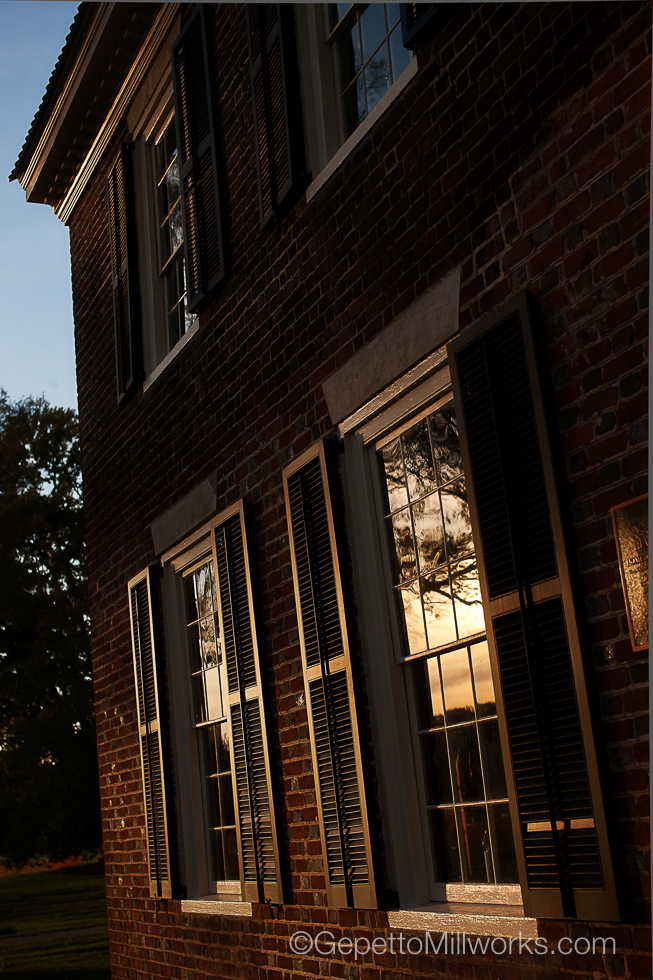
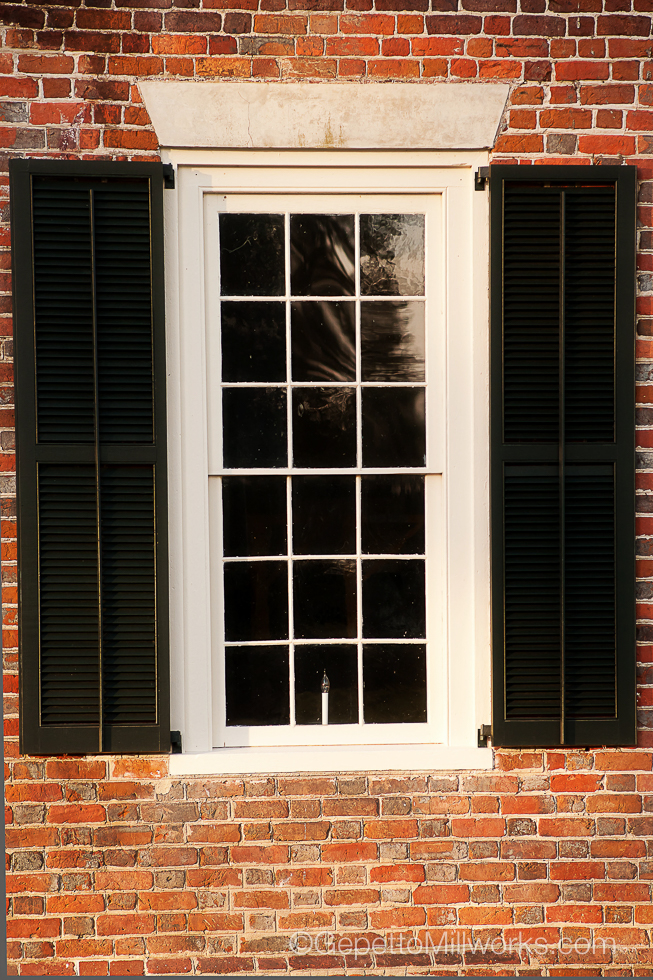
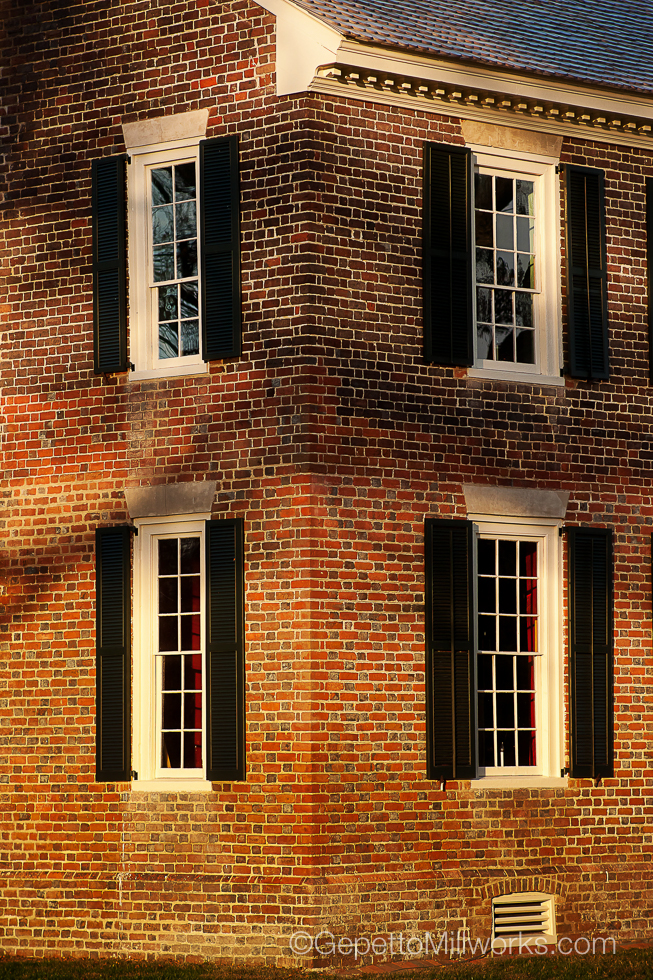
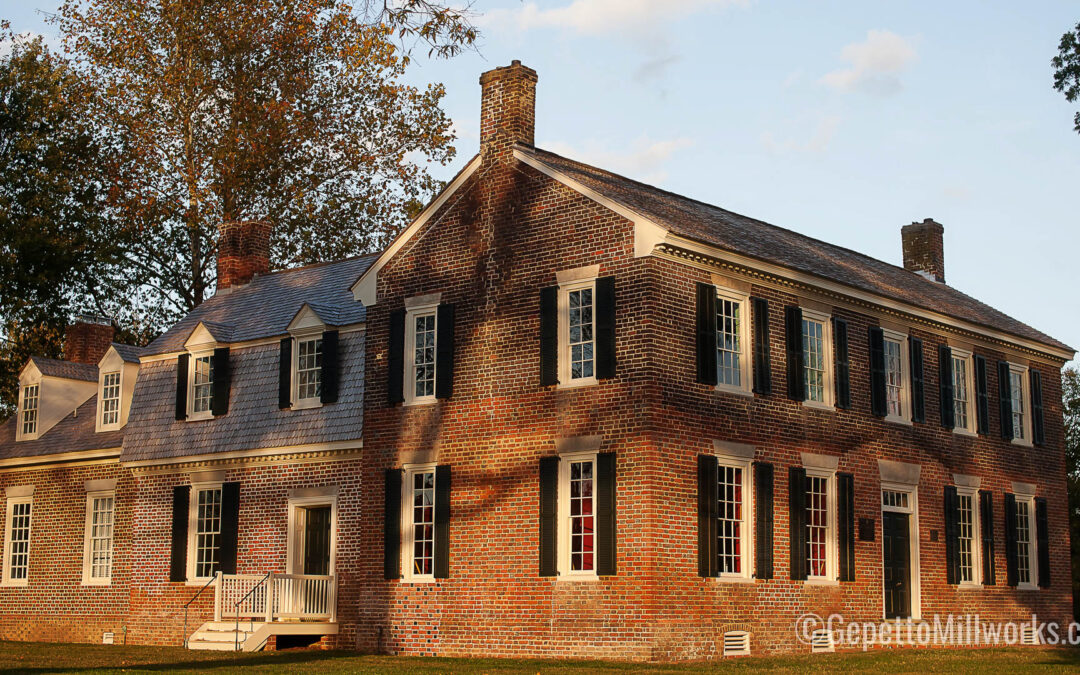
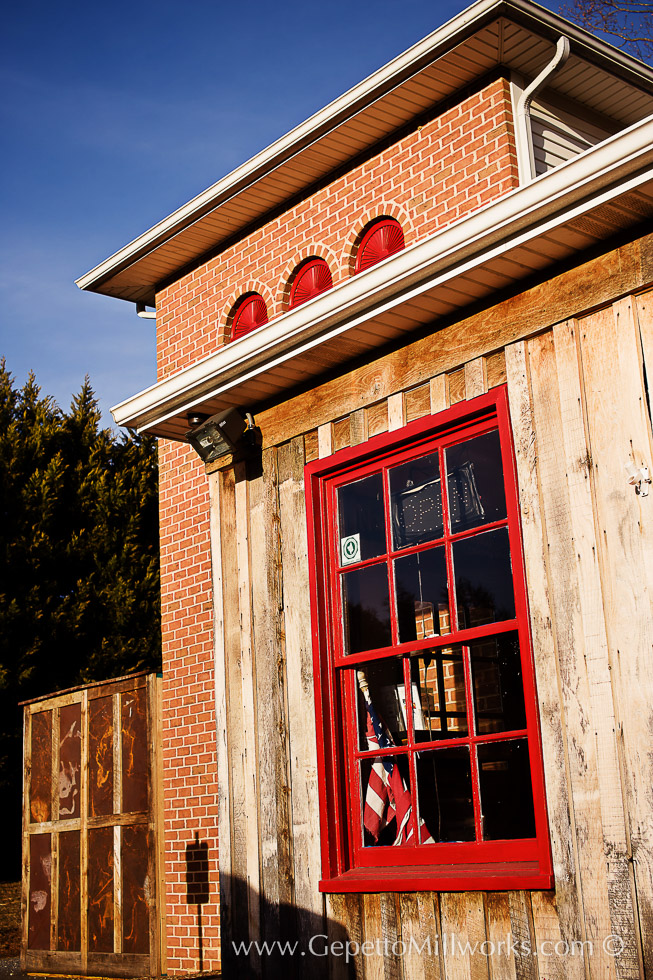
Handmade wooden windows in historic barnwood facing
Window replacement contractors have stated on home improvement forums that 80% of their current window business is replacing replacement windows.
All those homeowners that fell for the “window scheme” and removed their original 50, 100, 150 year old wood windows for these new replacement windows, now have the expense of doing it again and again. It just goes to show you how easy a homeowner can fall for a sales pitch!
Tough luck for those homeowners. It’s not that there was no information available about preserving old windows. It’s not that they were unaware that wood needs to be maintained. If the condition of their old window was beyond repair – that is demolition by neglect! If you neglect something then you have a bigger expense and that goes for anything.

New Construction Wooden Windows in a Barn-wood Faced custom wall with archtecurally featured backlight.

Historic Wooden Windows Built on Arc
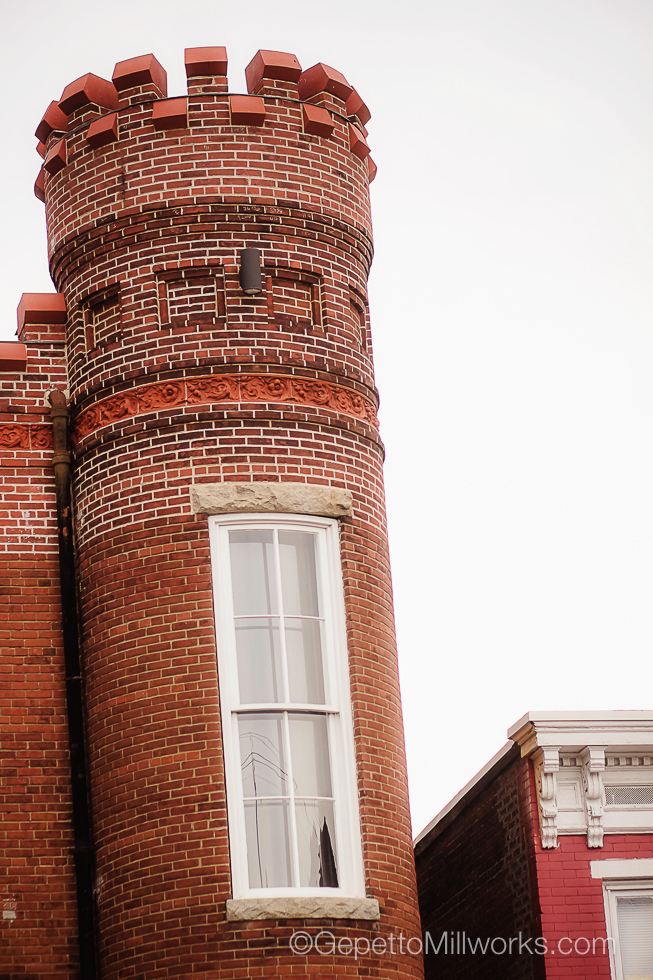
Historic Wooden Windows Built on Arc
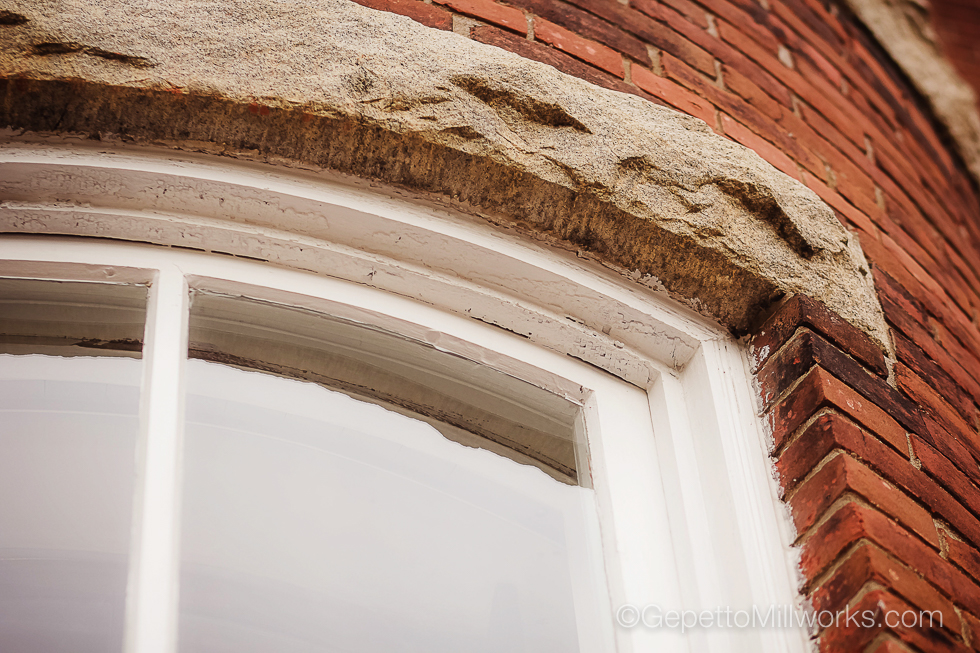
Historic Wooden Windows Built on Arc
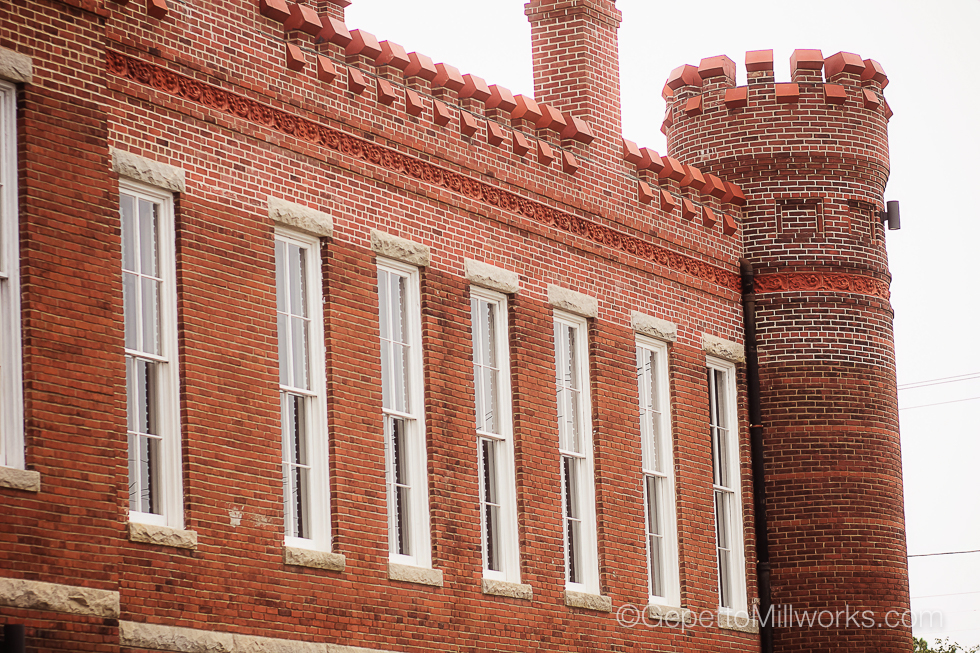
Complex Historical Window Restoration Virginia
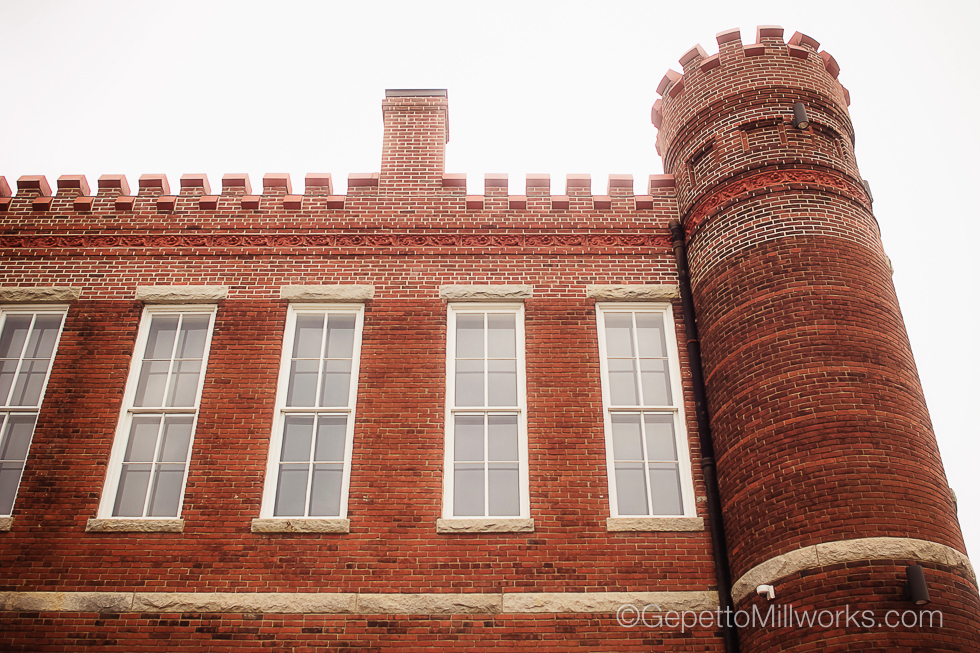
Complex Historical Window Restoration Virginia
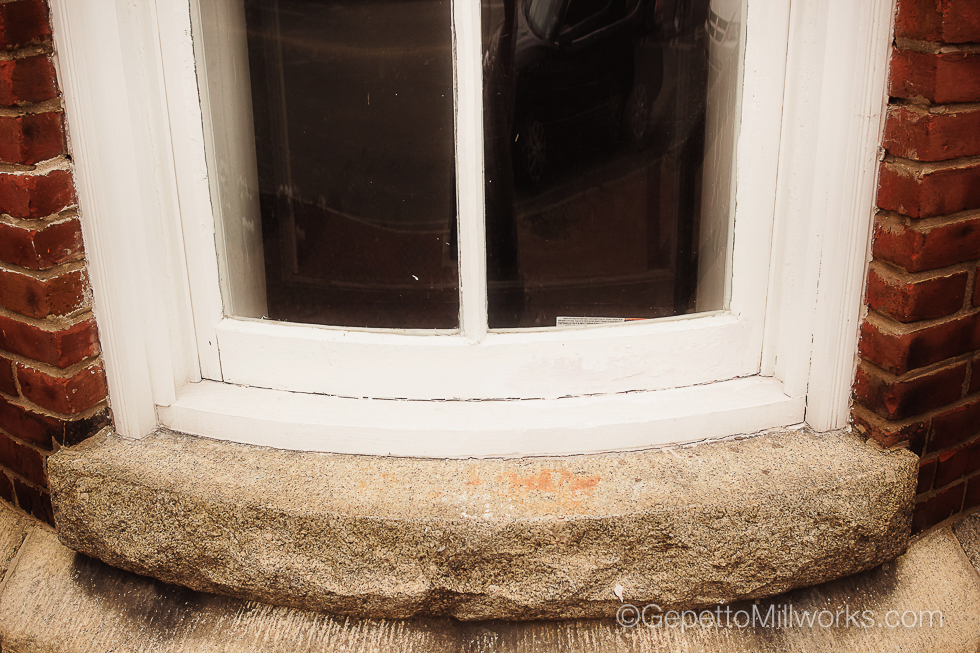
Curved Window Sashes | Historic Restoration Windows
It’s not unusual in neighborhoods
throughout the city to see older wood
windows stacked at the curb. Rather than
restore the windows, property owners usually
replace them, often with vinyl windows.
Rochester is now among cities and towns
across the country reviewing its ordinance
regarding vinyl replacement windows. It’s
a hot topic among preservationists that is
attracting broader public attention.
The city’s Preservation Board is
considering developing a set of windowrelated
guidelines to its ordinance regarding
the approval of certificates of appropriateness.
Owners of city-designated landmarks or
properties located in a city preservation
district are required to obtain a CofA before
almost any exterior change is made. There is a
$100 application fee for the CofA.
The ordinance would continue to apply
only to city-designated landmarks and
preservation district properties, but the
new guidelines would deter the use of vinyl
replacement windows. And board members
would offer alternatives to vinyl.
The change would be significant. While it
would impact a relatively small and distinct
group of properties, Rochester’s approach
is being closely watched by communities
around the state. And the Preservation Board
is considering a series of additional guidelines
to apply to things such as landscapes.
But at a meeting last week, Preservation
Board members seemed far from reaching
a consensus on what the new windows
guidelines should say. Some members said
they were worried about approving a set
of guidelines that are too rigid because
the controversy over vinyl windows is
complicated and multifaceted.
But Peter Siegrist, the city’s preservation
planner, says the guidelines should be as
explicit as possible. Something with a lot of
exceptions, he says, will just bog down the
approval process and create confusion.
“There’s going to be a tremendous
public outcry if that happens,” he says.
“We’ve got to be clear.”
Siegrist will prepare in the next few
weeks a draft of the guidelines for board
members to review.
Many of the city’s buildings — residential
and commercial — are older and have
windows that need attention. Vinyl
replacement windows are popular because
they are relatively cheap and easy to install.
Educating consumers about the value of
restoring older wood windows is important,
says Cynthia Howk, architectural research
coordinator for the Landmark Society of
Western New York. While the city’s CofA
ordinance doesn’t apply to all property owners,
she says, everyone should know their options.
“Windows are a major and significant
feature of any building,” Howk says.
“There’s no question that replacing older
wood windows with vinyl windows greatly
diminishes the character of an older property.”
Restoring older windows can also
increase property values, she says.
The Landmark Society has been guiding
the Preservation Board on a window policy.
The Society strongly opposes the use of
vinyl replacement windows.
But many property owners are
intimidated by the necessary repairs and
upkeep of older windows. The work can be
difficult, time-intensive, and require the help
of an experienced window repair person, said
John Schick, architect and Preservation Board
member, at last week’s meeting.
And finding a knowledgeable craftsperson
to do the work can be problematic, he said.
Highly qualified restoration people do
exist in the Rochester area, Howk says, but
they aren’t well-known. And their work takes
time, she says, and may seem costly compared
to installing a vinyl window.
Getting consumers to think about the
long-term investment they’re making might
ease some of their worries, Howk says.
“We’re talking about the difference between
a wood sash — the part of the window that
holds the glass — which has provided decades
of service, compared to vinyl windows that
may not even last a decade,” she says.
But many property owners see heavily
painted windows that won’t open or close,
Howk says, and they incorrectly assume that
the windows can’t be restored.
Vinyl replacement windows can seem like
a low-cost solution, she says, but durability
isn’t assured. Many vinyl window products are
designed to last about 20 years, Howk says, but
often begin to deteriorate sooner. And unlike
wood windows which are made with replaceable
parts, when a vinyl window breaks, the whole
window usually needs to be replaced.
Even newer wood replacement windows
are often constructed with softer, less durable
lumber, Howk says, while the wood used
in historic windows is much harder. That
wood is usually from old growth forests, she
says, and with proper care, Howk says, the
windows can last indefinitely.
But discouraging the use of vinyl replacement
windows is not just a matter of protecting
the aesthetics of older properties. There
are serious environmental and economic
considerations, too.
Fossil fuels are a key component in vinyl
windows. And the old wood windows are
typically sent to landfills if they aren’t reused.
Energy-saving claims are a major
selling point for vinyl window retailers and
contractors, but a local expert says those
claims are often skewed.
“Yeah, typically a new window will
perform better than an old leaky window,”
says Steve Jordan, a local historic preservation
consultant. “But you can take an old window,
weather strip it, clean it up, and put a storm
window on it, and it will perform just as well
and sometimes better than a new window.”
Jordan says he doesn’t want to indict the
whole window industry, because “a lot of
companies make a good quality replacement
window, but frequently they’re not ones
people usually buy.”
Lead-contaminated paint is another
concern for property owners, says Caitlin
Meives, preservation planner with the
Landmark Society. Vinyl windows are often
promoted as a quick solution, she says,
but it’s a bit of a false reassurance. Much of
the contaminated paint remains after the
replacement window is installed, she says. And
the wood window with lead paint is usually
dumped and contaminates another site.
“We’re asking people to take a step back and
take a deep breath, because there are proper
abatement options available,” Meives says.
But consumer confusion about vinyl
replacement windows compared to
restoration of historic wood windows is
understandable. State and federal incentives
through tax credits, grants, and low-interest
loans seem to send property owners different
messages. Tax credits and other incentives are
offered to property owners who replace old
windows with energy-saving vinyl windows.
There are similar incentives that can be
used to restore old wood windows, but it takes
a little research to find them. If people fail to
take advantage of the incentives, Siegrist says,
the government will discontinue the programs,
which is why consumer education is important.
Owners of large commercial properties
may pose the biggest challenge for the
Preservation Board.
An older single-family home, depending
on its size, may have 30 to 50 windows.
But a large apartment building in one
of the city’s preservation districts may have
500 or more wood windows, and restoration
would require a formidable investment.
“I would tell them that they usually have to
paint and clean carpets when a tenant moves
out,” says consultant Jordan. “That’s a good
time to repair the windows in that unit. And it
makes the costs much more manageable.”
Still, some Preservation Board members are
concerned about creating restrictive guidelines,
especially during a difficult economy. What
difference would it make, one board member
asked, if a vinyl window is used in the back of
a building facing a parking lot?
But Howk says taking shortcuts is not
the answer.
“Once those wood windows have been
removed, they’re probably lost forever,” she says.
Washington DC Historic Window Craftsmen Gepetto Millworks
Begin your renovation by familiarizing yourself with your local’s architectural style and how your home fits in. The period in which it was built does matter although Gepetto Craftsmen can match any construction style from 1600 and onward. Learn about the types of windows, doors and details that were used in the original construction – you may be surprised that the original construction methods were more sturdy, stable or energy efficient than today’s homebuilding techniques.
Northern VA Historic Window Craftsmen
A historic building consultant can save you time and energy in the early stages and give you confidence in your choices as you start out. Keep in mind that previous remodels over the years may have hidden the original details. Visit your local historical society to see if there are records available to help you learn about your home and community. You may uncover hidden gems as you restore your house to its original design or the gem may be created in your hearts and minds as you fall in love with your own home. Wooden details and accents bring organic warmth and a centering style to any interior modern or historic.
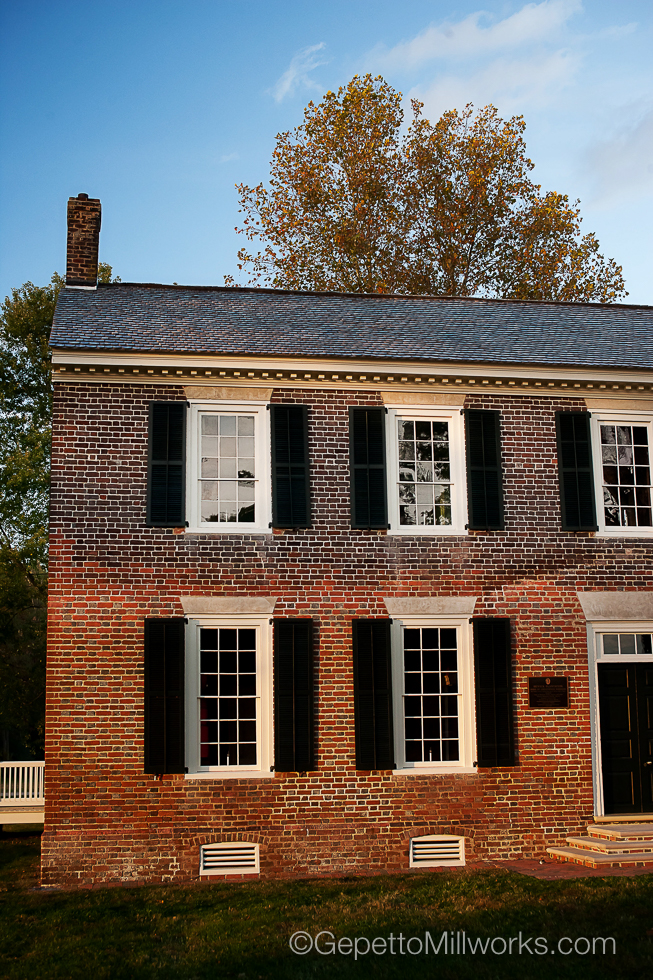
Antique Wooden Window Restoration Services Virginia
Removing your home’s original windows inevitably destroys the character of a historic house. New windows were designed for new houses. And while there are companies that make windows that look like historic ones they are still quite quite right. Lacking this major architectural element almost guarantees a lower resale price for a historic home. Don’t fall into the trap of thinking newer is better. On an old home this is rarely the case.
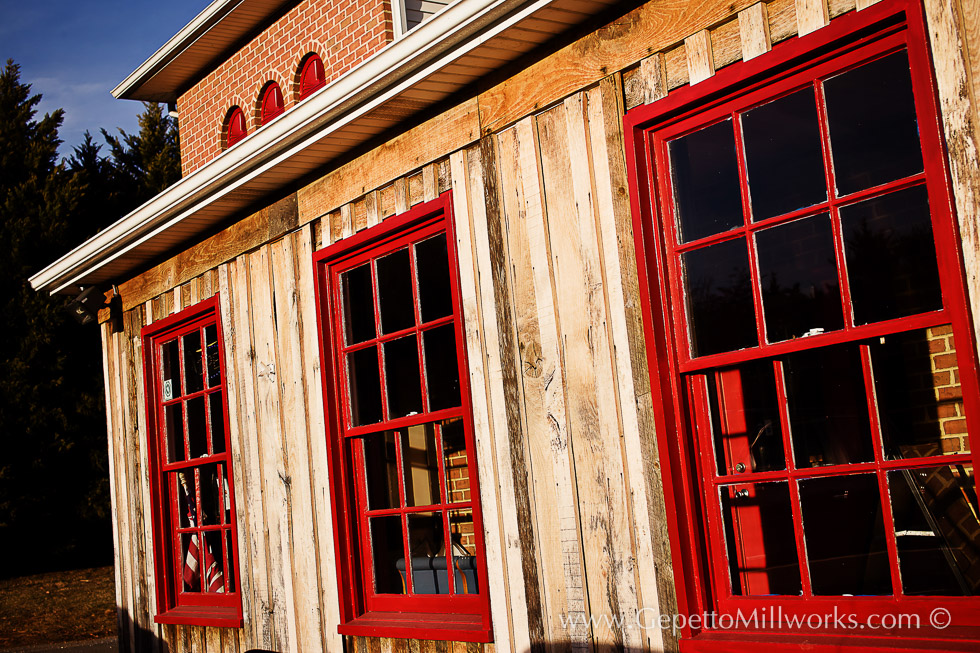
Historic Wooden Windows Barnwood Facing
Historic windows only require a couple construction details to perform as good or better than new windows. Firstly quality weatherstrip will produce the largest thermal gains. Secondly, they must be properly maintained with paint to prevent rot and other naturally occurring maintenance concerns. And lastly, you should consider adding historical storm windows to provide the multiplier for energy efficiency and an airtight seal. You can add a second ‘storm’ pane on the inside to preserve your home’s appearance from the street and minimize any recurrent drafts that may be seeping in around the windows. Quality restoration contractors will focus on the internal walls to provide airtight sills and winterizing especially in the temperate Virginia climate.
If you choose solid wood, historically accurate windows from Gepetto you will have windows that last centuries, retain your home’s value and meet even the toughest energy-efficiency standards in the market today.
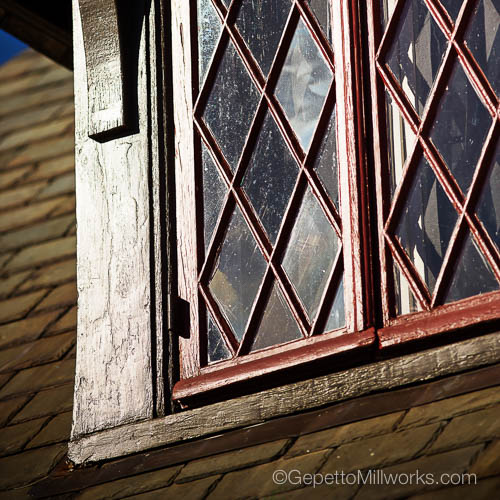
Historic Wooden Window Builder Richmond VA
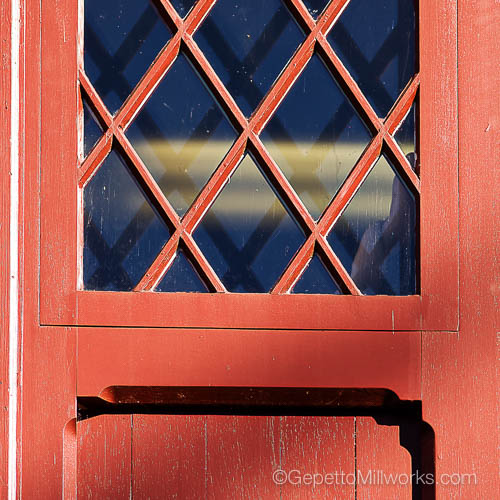
Historic Wooden Window Builder Richmond VA
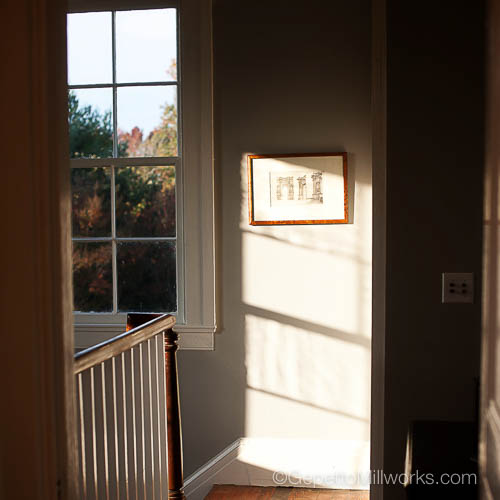
Historic Wooden Window Builder Richmond VA
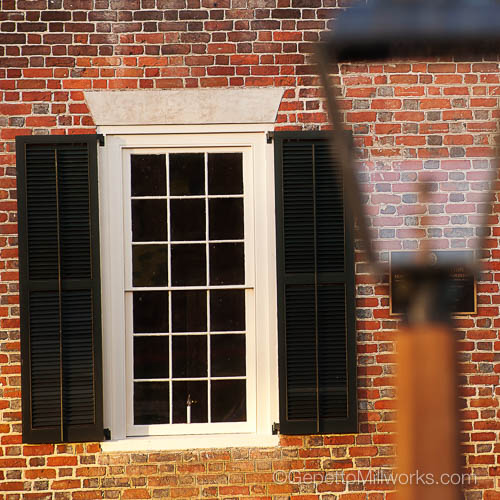
Historic Wooden Window Builder Richmond VA
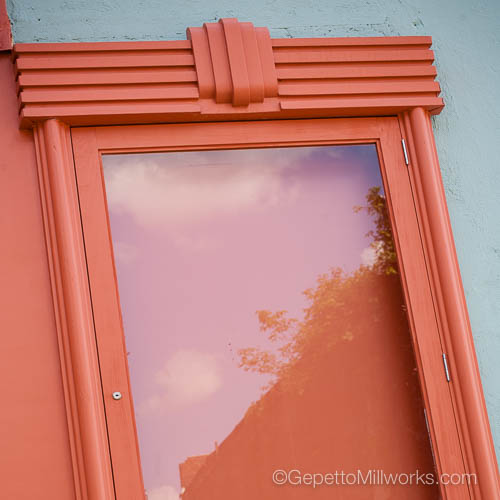
Historic Wooden Window Builder Richmond VA
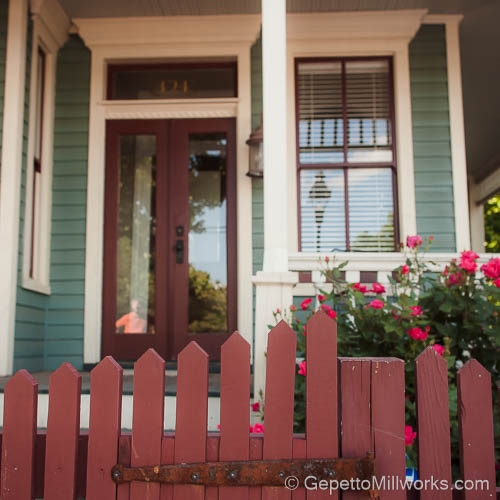
Historic Wooden Window Builder Richmond VA
Gepetto Millworks based in Virginia supplies historically accurate wooden windows for large scale renovation of historic buildings across the south east. We have supplied the Spartansburg SC area’s Montgomery Building in downtown, the Bull Street District in Columbia South Carolina, and Richmond VA’s tobacco row, Mainstreet, Shokoe Bottom, The Fan, and Museum District with custom made all wood joinery windows. Our window builds have been extensively tested and while historically accurate include weather stripping made of modern materials that meet and exceed all environmental and durability tests they have been subjected to. Single pane, hand glazed windows have worked in the south for over 200 years, and there’s nothing better than the test of time.
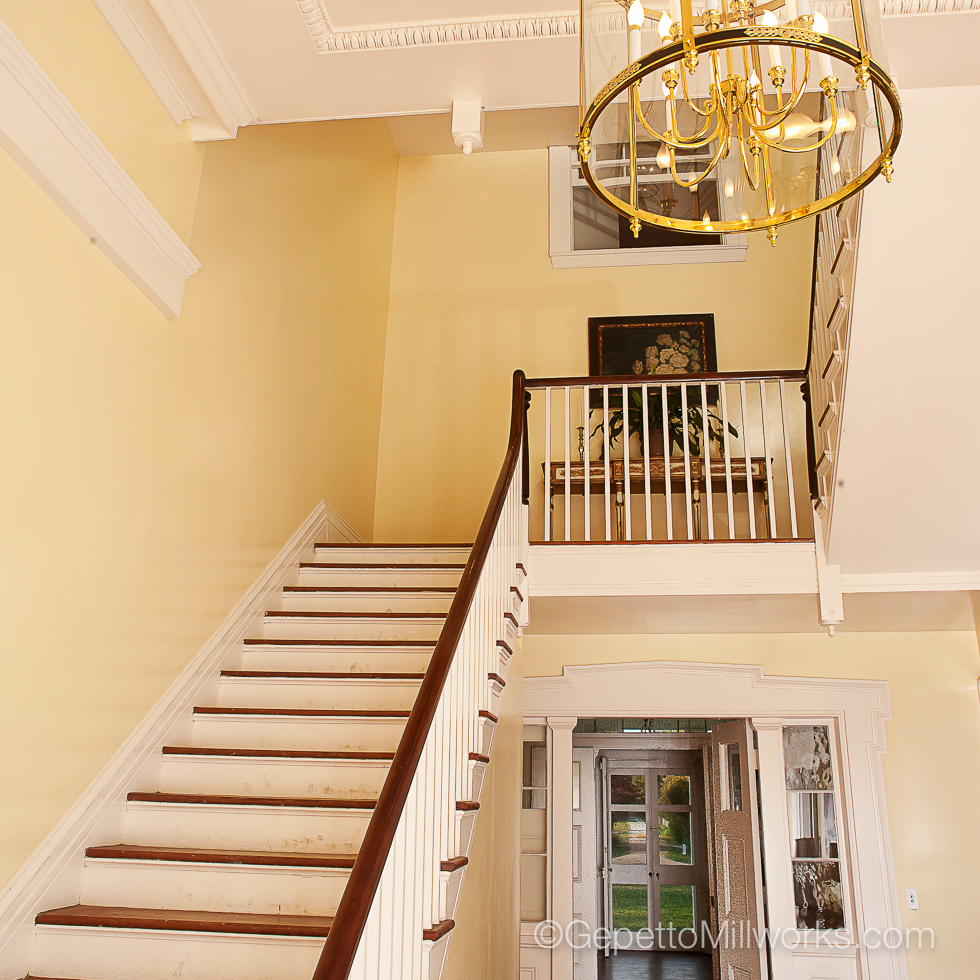
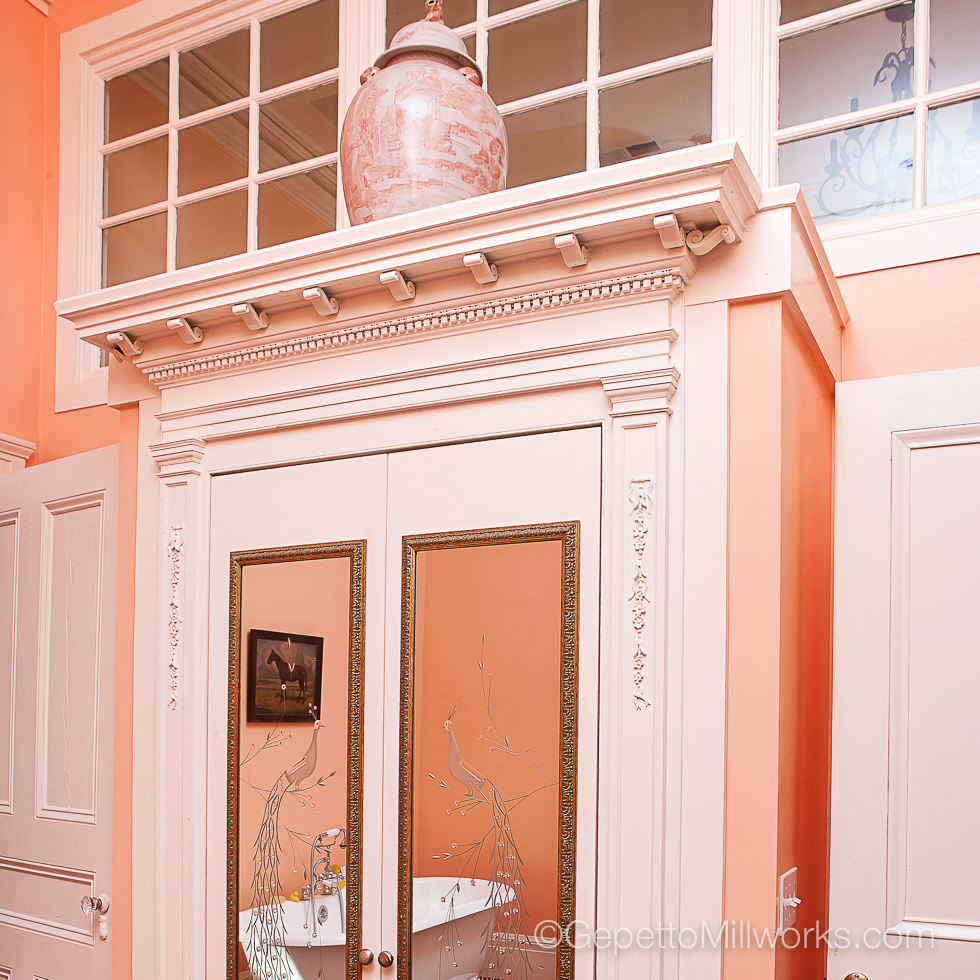
1. Identify the factors that will shape your decision. Deciding whether to restore or rehabilitate your house, and to what extent, involves understanding its history; its architecture; and the present condition of its materials, finishes, and systems. You should also consider your household’s lifestyle and what personal needs the finished house must accommodate. More broadly, local historic district designations, local building codes, property insurance, and other regulatory or financial considerations will impact the path you take.
2. Review the house’s history. Who lived in the house and when? Did important events occur there? Did either (or both) scenarios have historical significance? If so, you could consider restoring the house to that period to help interpret its history.
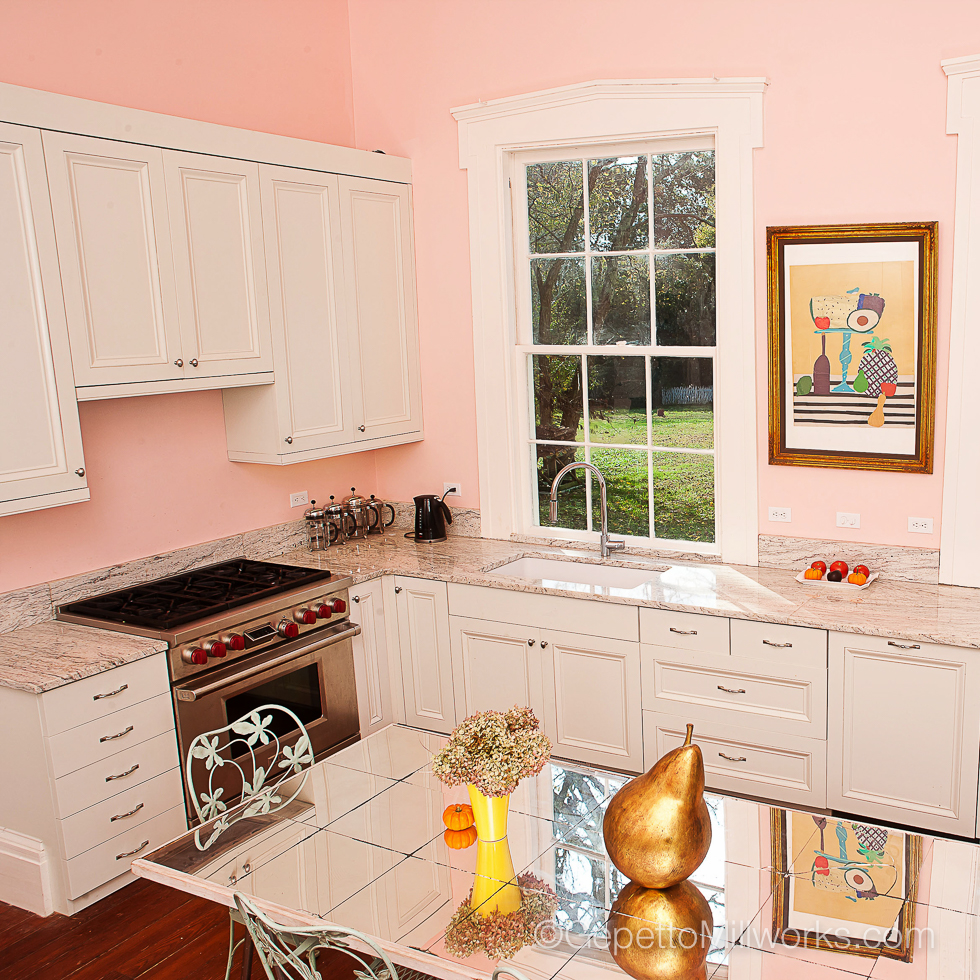
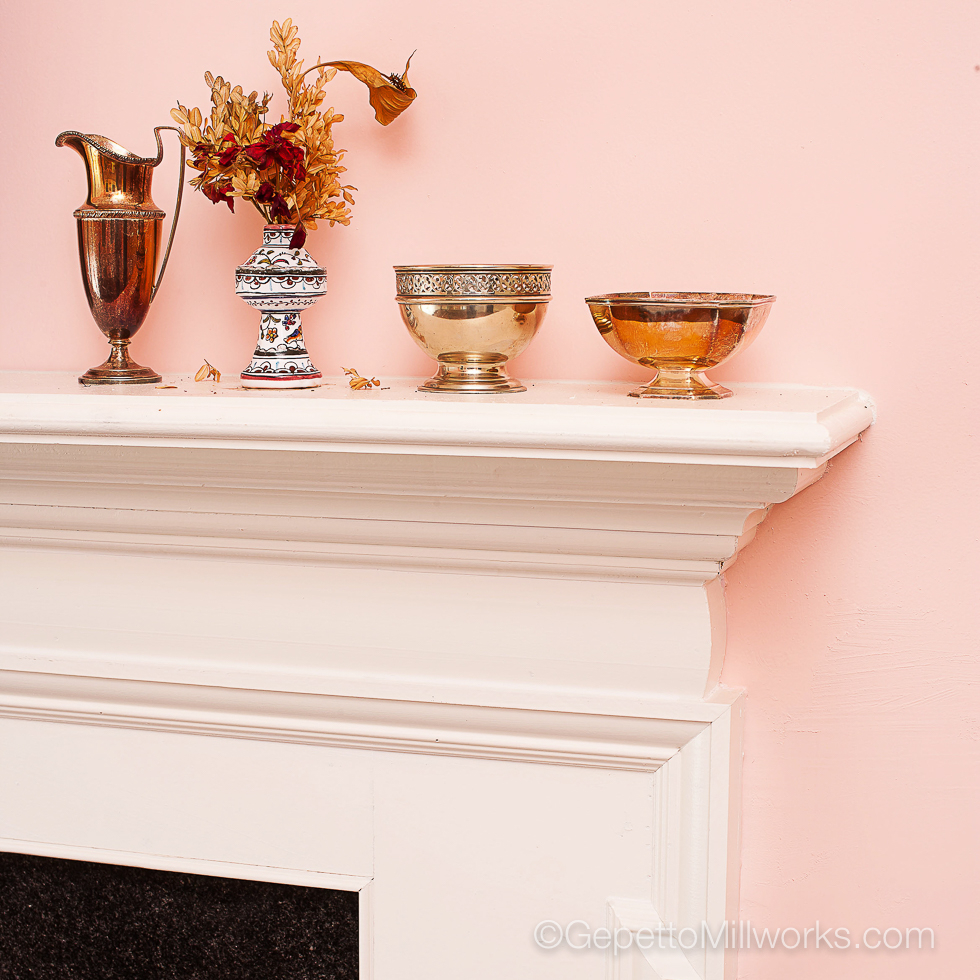
4. Know what “rehabilitate” means. To rehabilitate a house means to make it useful and functional for contemporary living while preserving important historic and architectural features. For example, a rehabilitated old house would always include modern electrical, mechanical, and plumbing systems, a modern kitchen, and other attributes typical of present-day homes.
6. Evaluate existing alterations. Consider the quality, design, materials, and craftsmanship of the original house as well as the changes that have occurred over time. Compatible interior and exterior changes of the same or better quality than the original house, even if done in different styles or materials, should probably be kept and restored. Conversely, you should probably remove any poorly designed or executed changes.
9. Take care not to falsify the history of the house. This might seem counter-intuitive, but you actually do want to be able to tell additions apart from the original. That way, the house’s history is visible and transparent. Also be careful not to design additions that make the house appear to date from an earlier or later period, or alter the house’s details to an extent that suggest a different architectural period.
10. Look to the experts. For a more detailed list of recommendations, check out the Secretary of Interior’s Standards for the Treatment of Historic Properties. This jam-packed resource from the National Park Service includes guidelines on preserving, rehabilitating, restoring, and reconstructing historic buildings.
There’s no right or wrong answer when it comes to determining whether you should restore or rehabilitate your historic home. Let your property, capabilities, and needs help guide your decision, and chances are you’ll arrive at an accurate, appropriate solution.
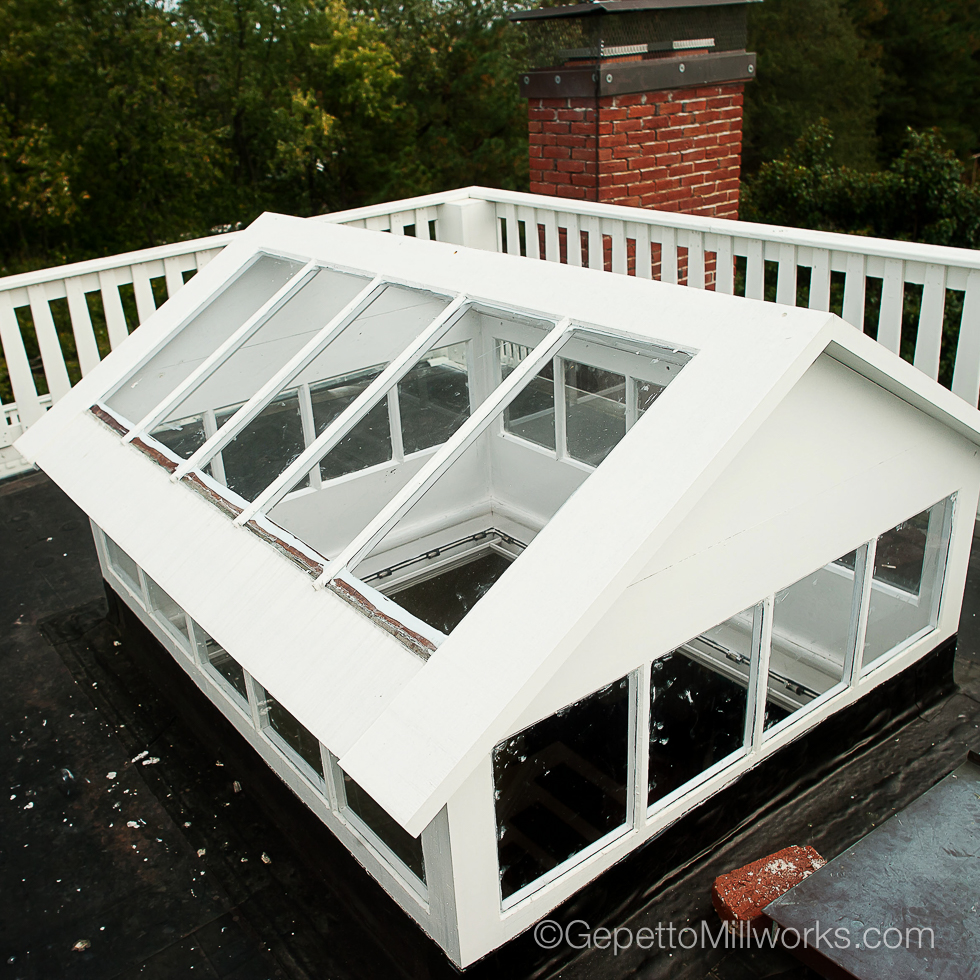
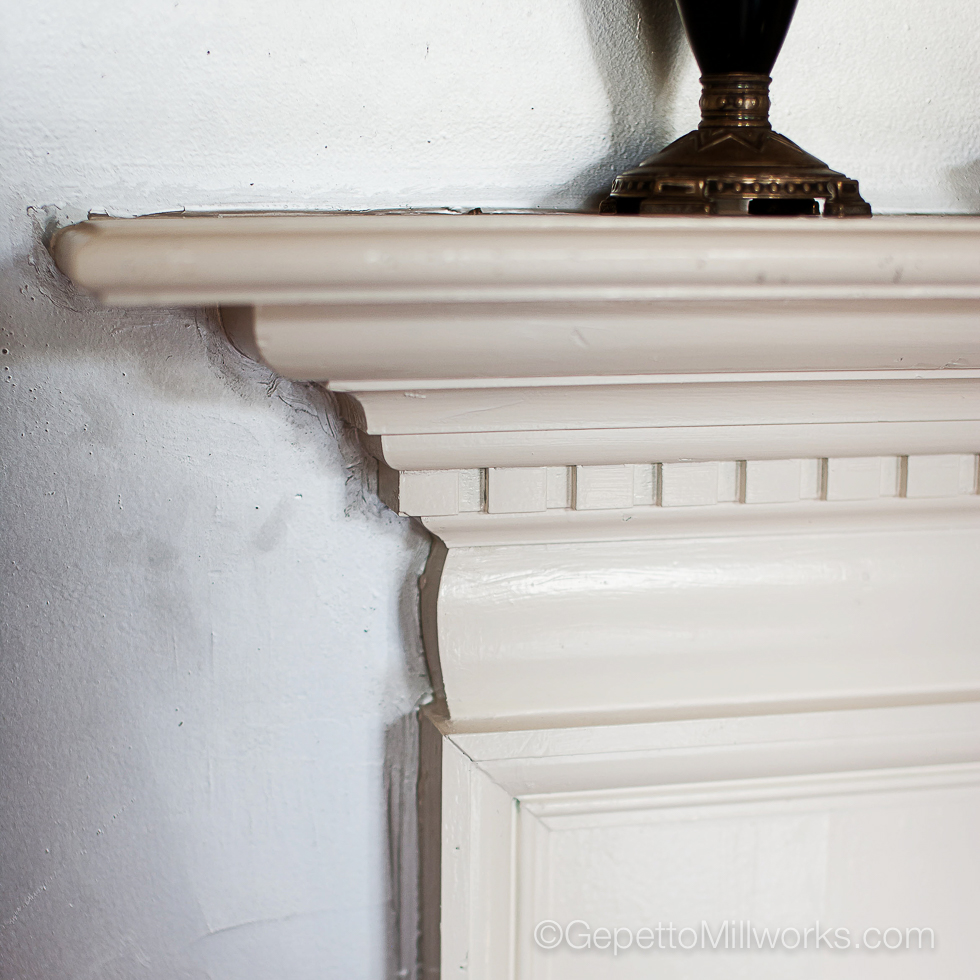
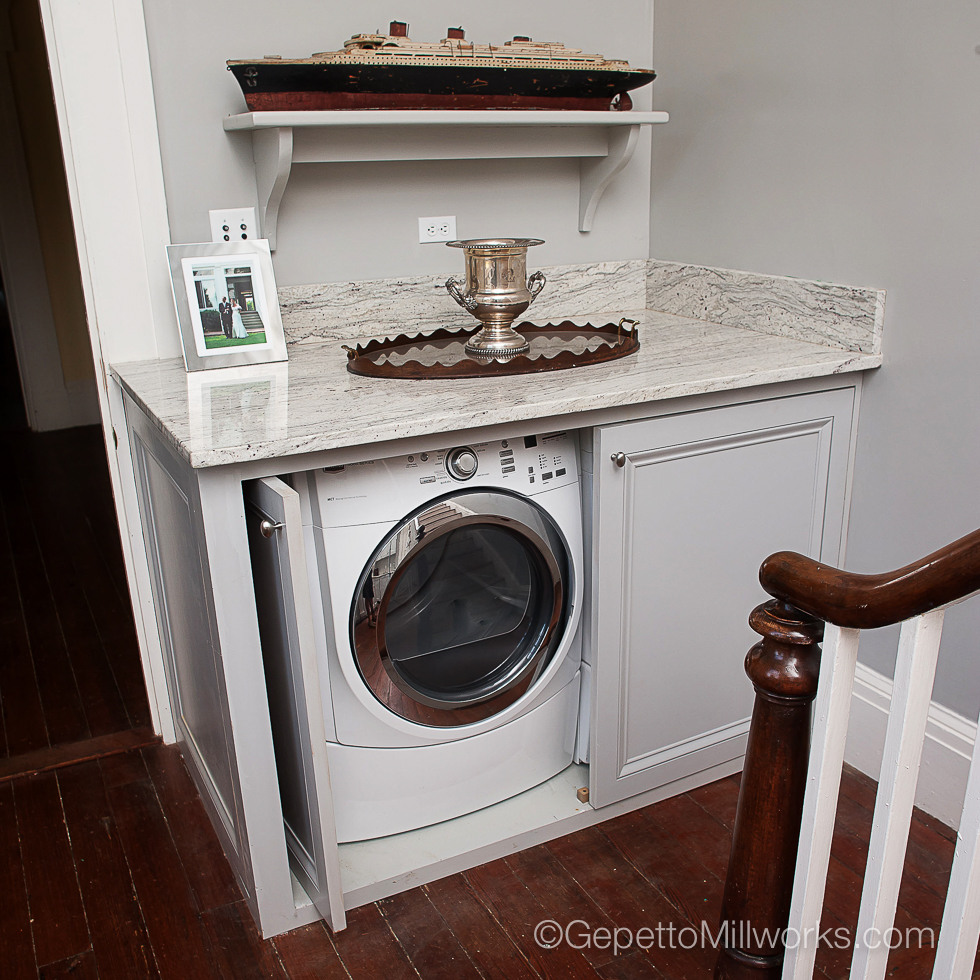
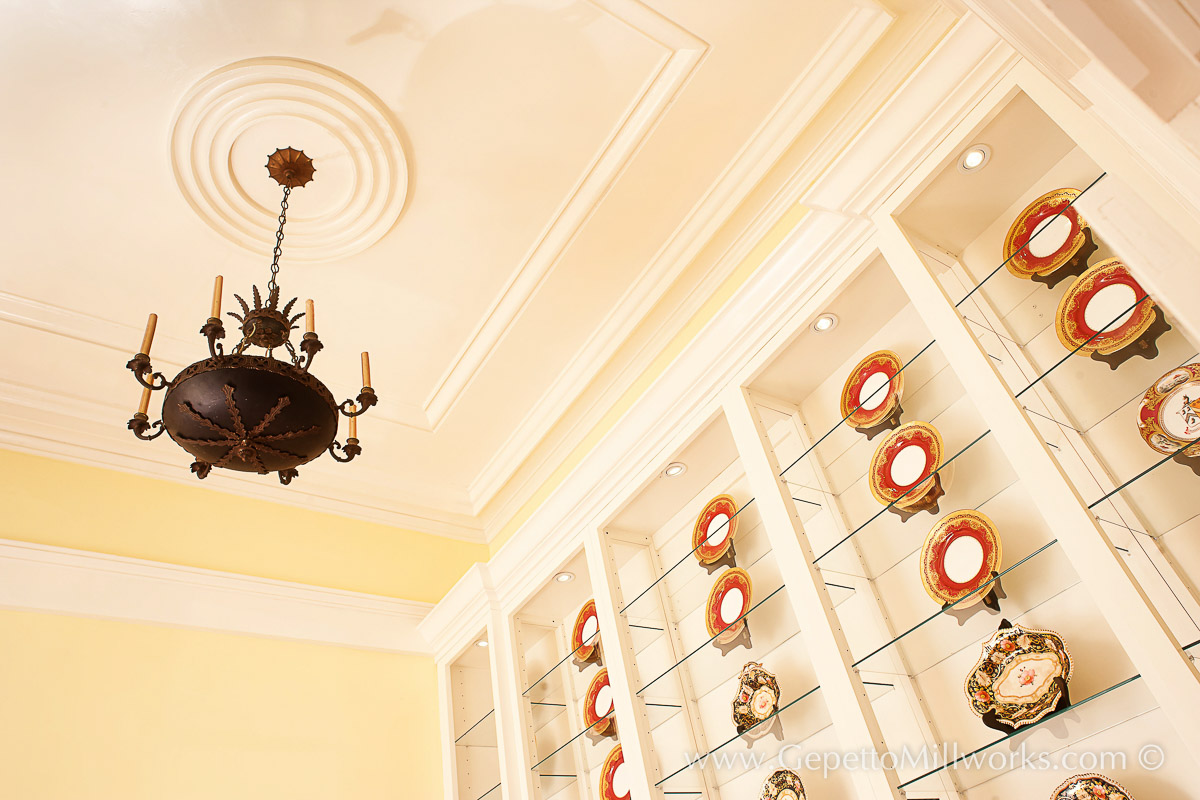
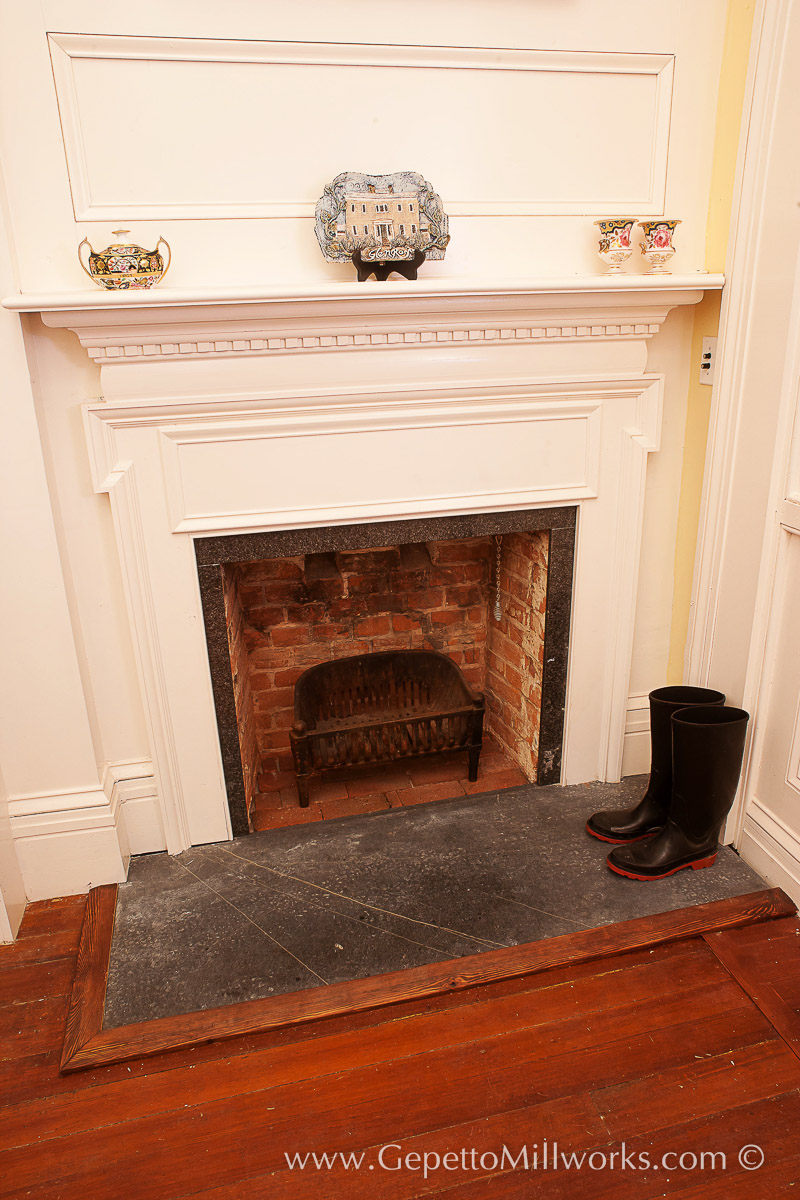
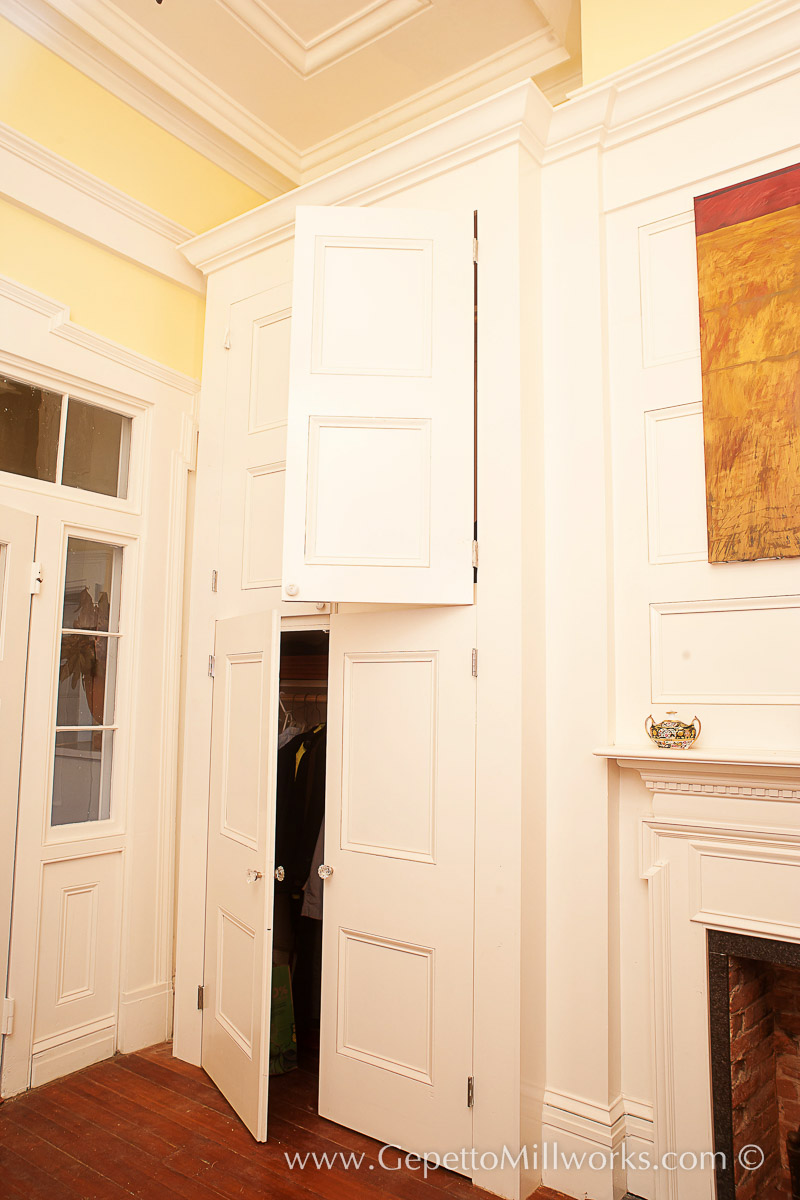
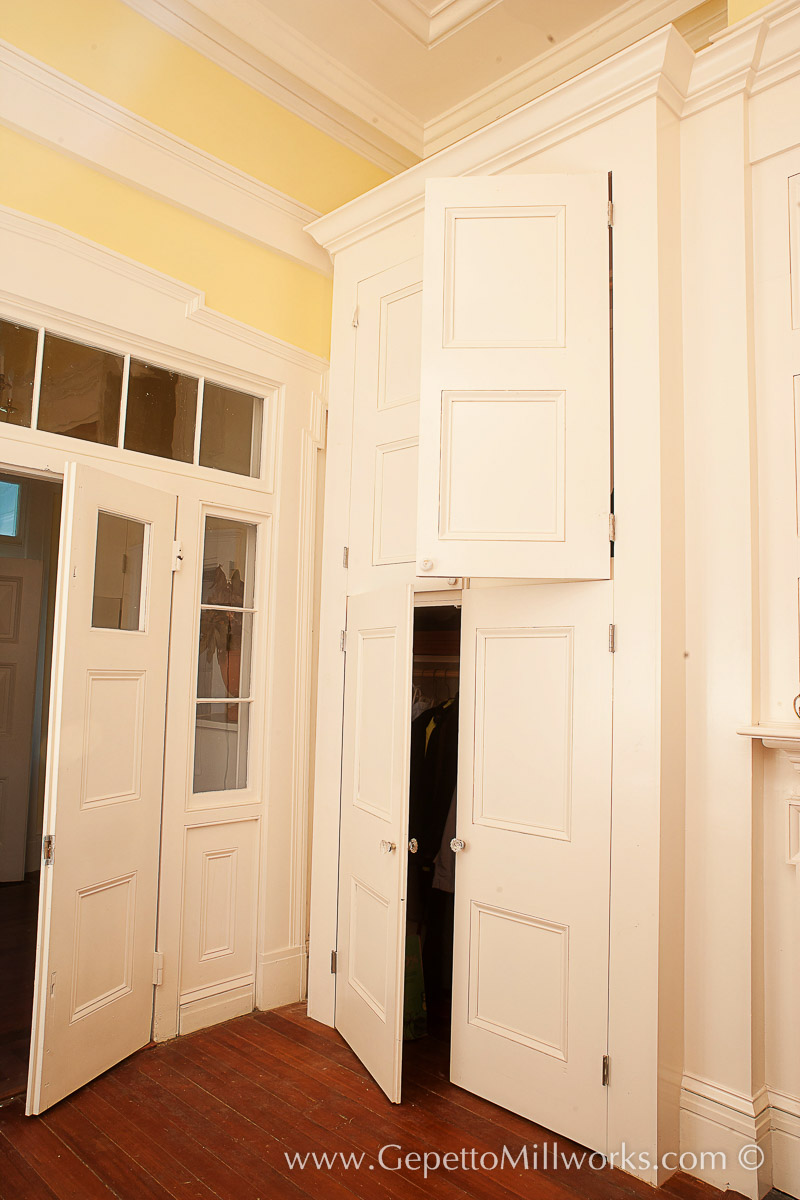
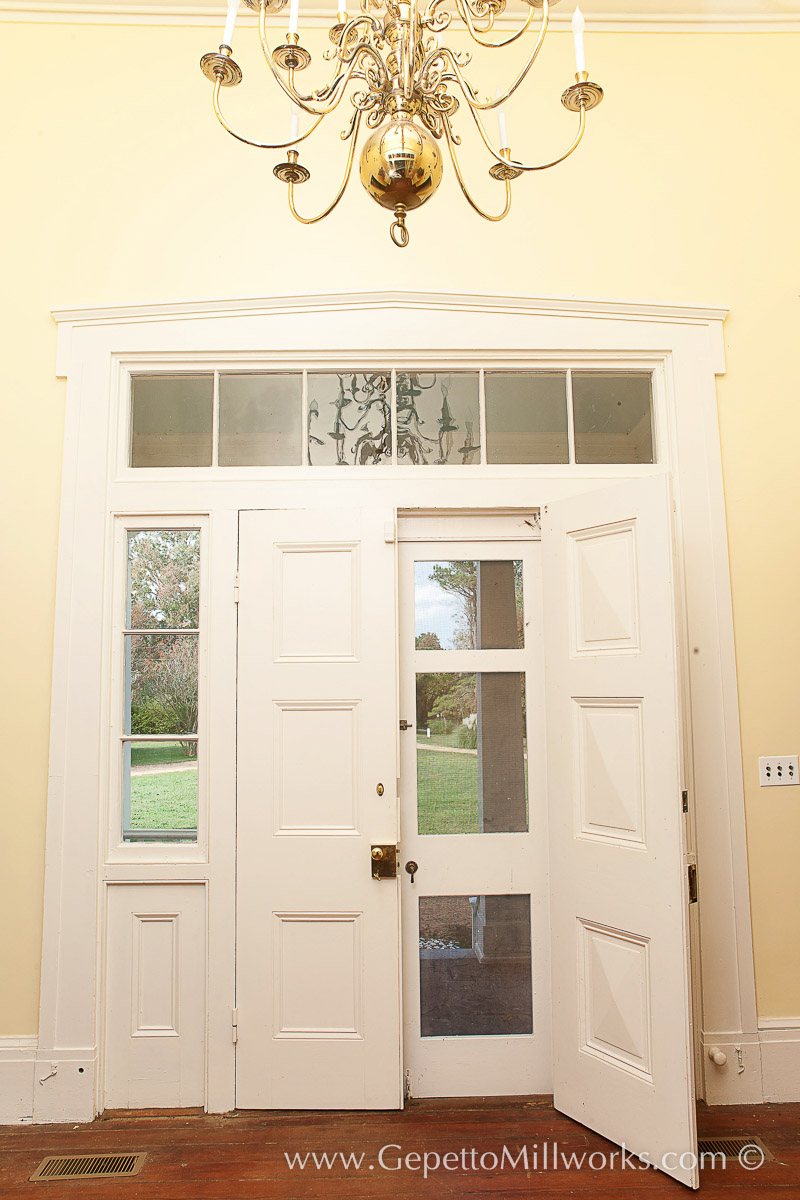
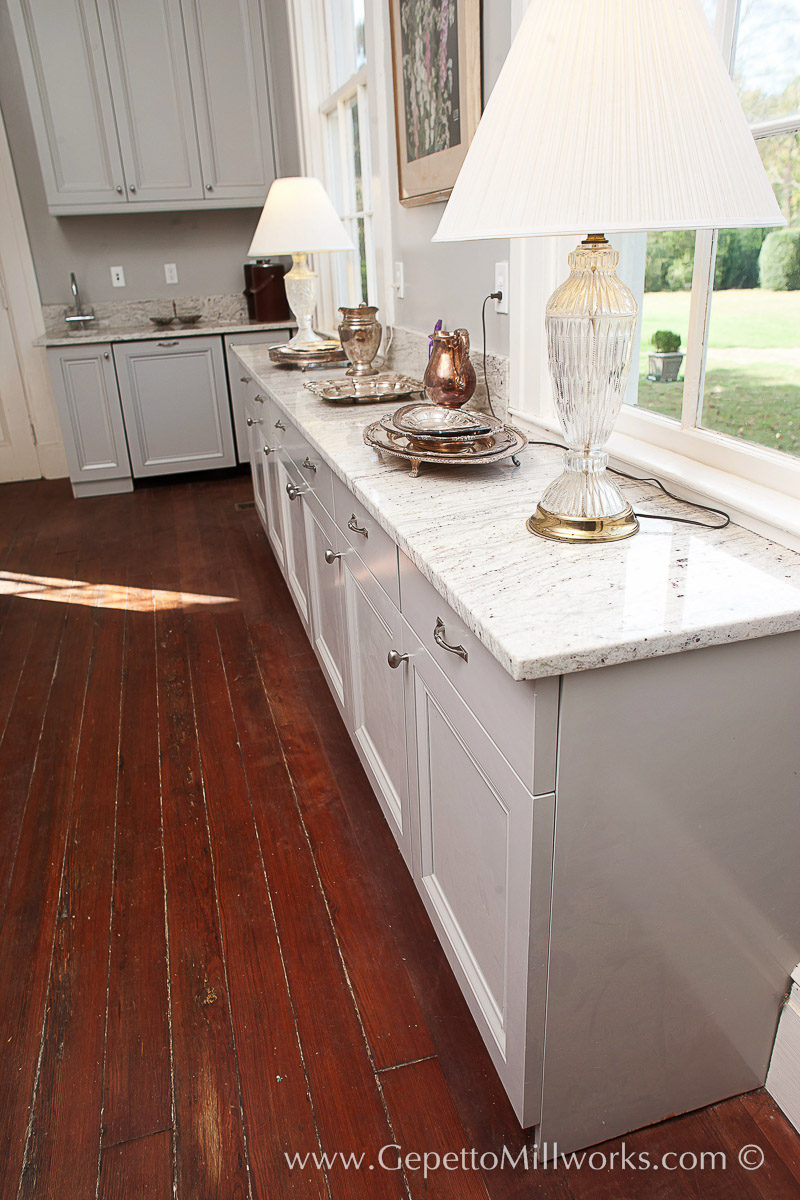
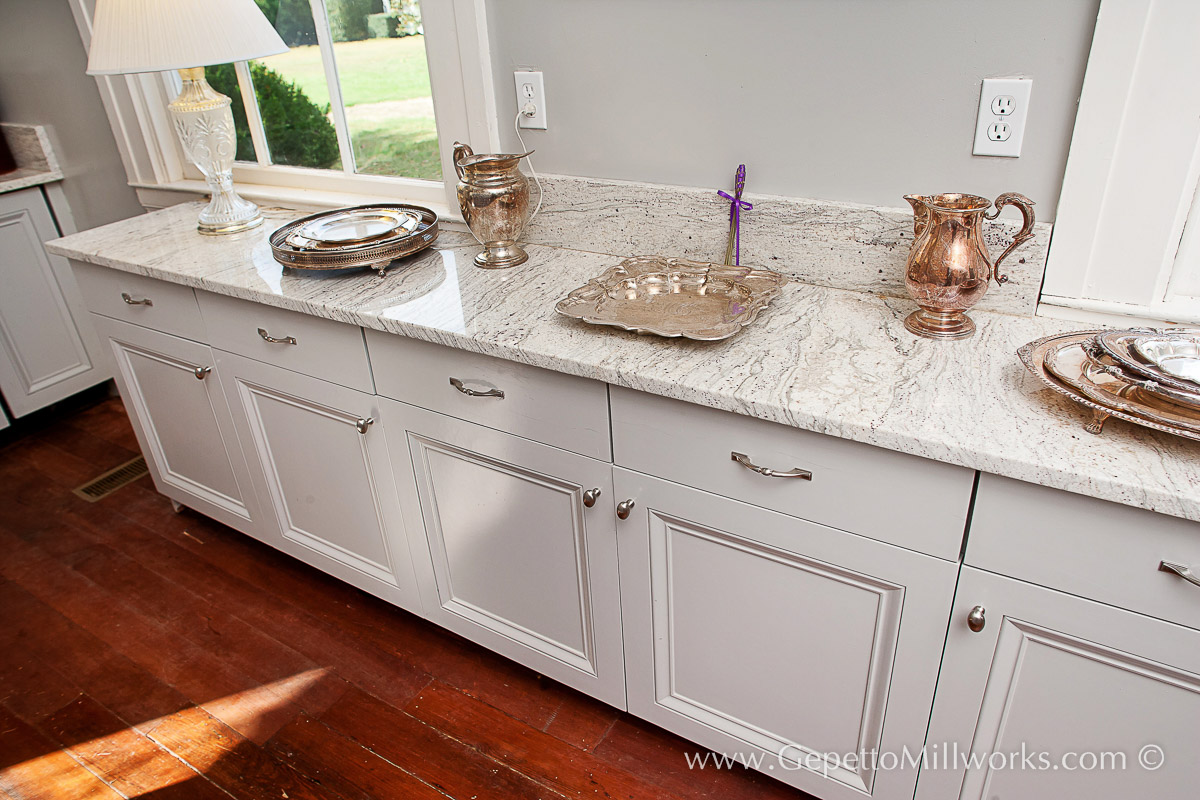
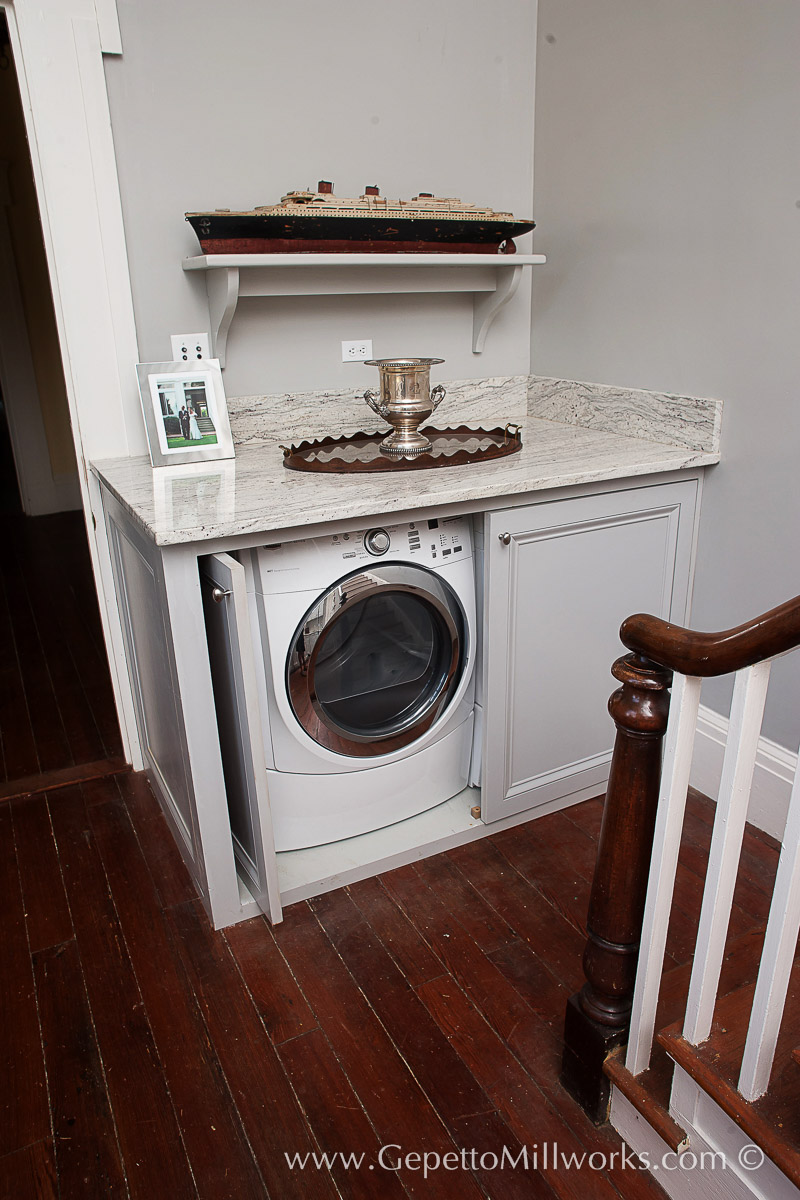
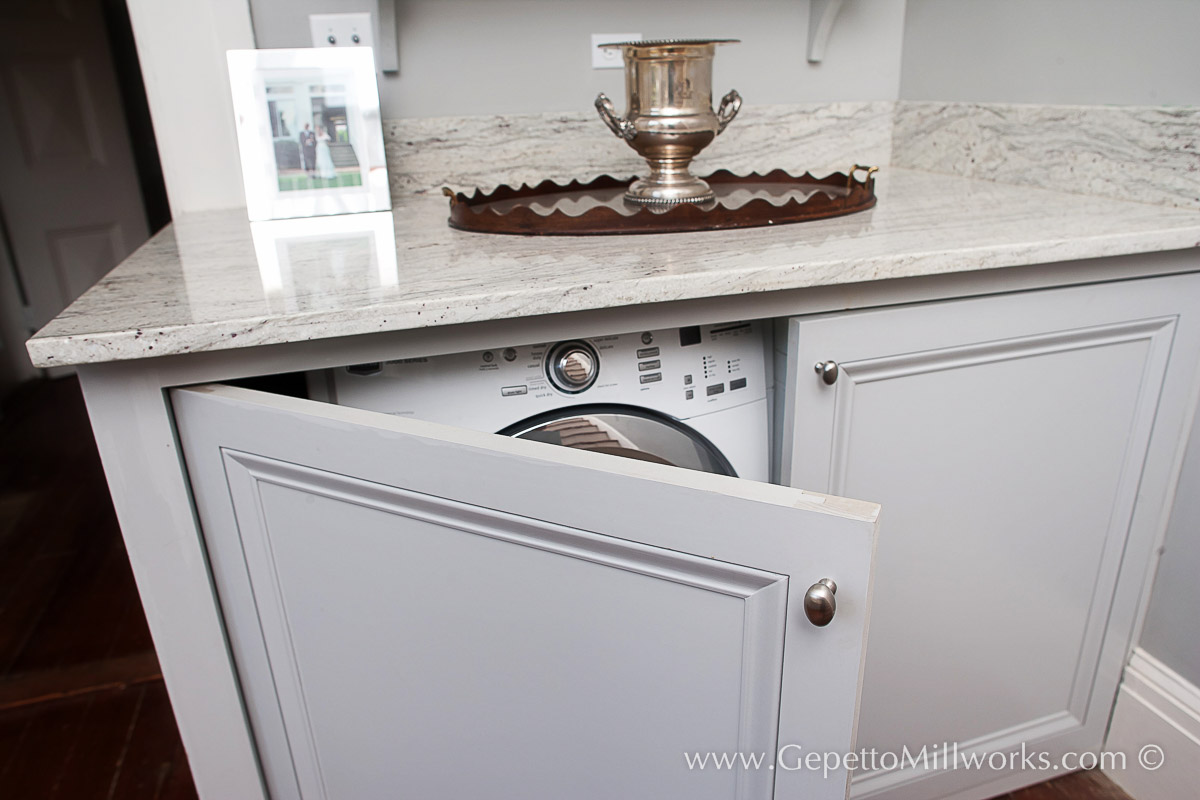
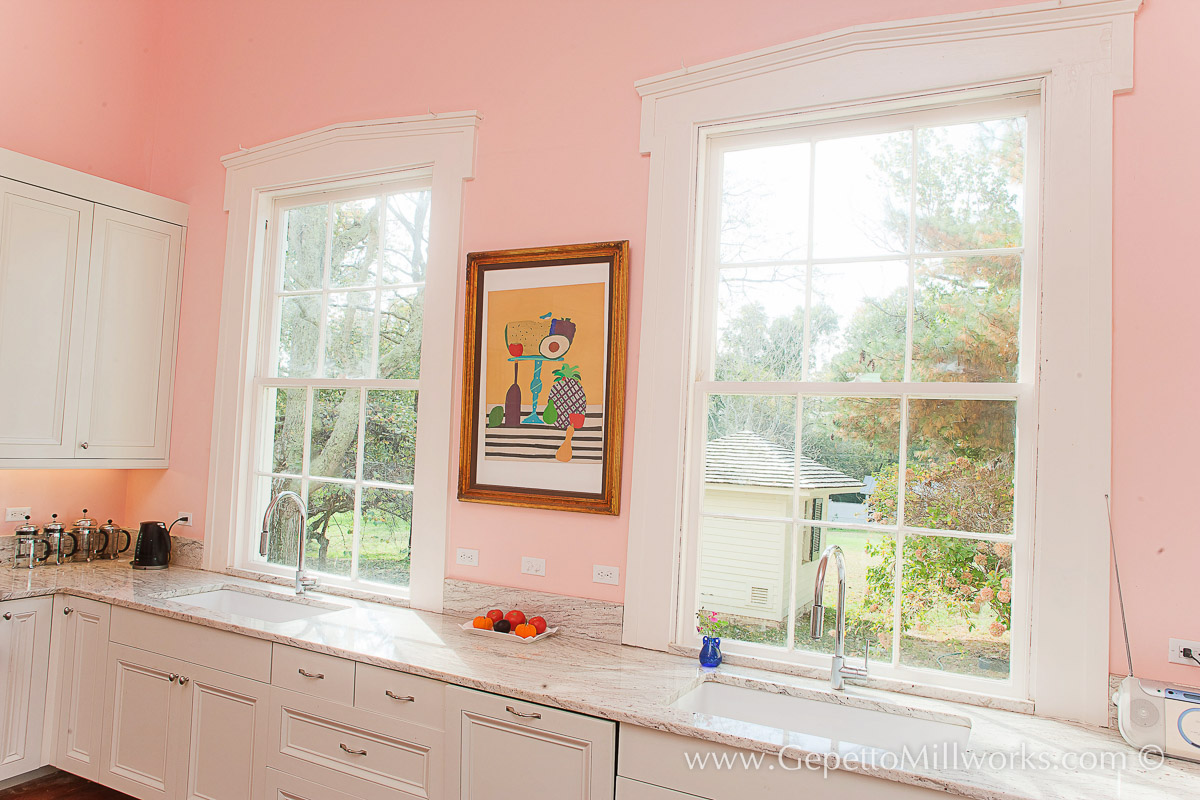
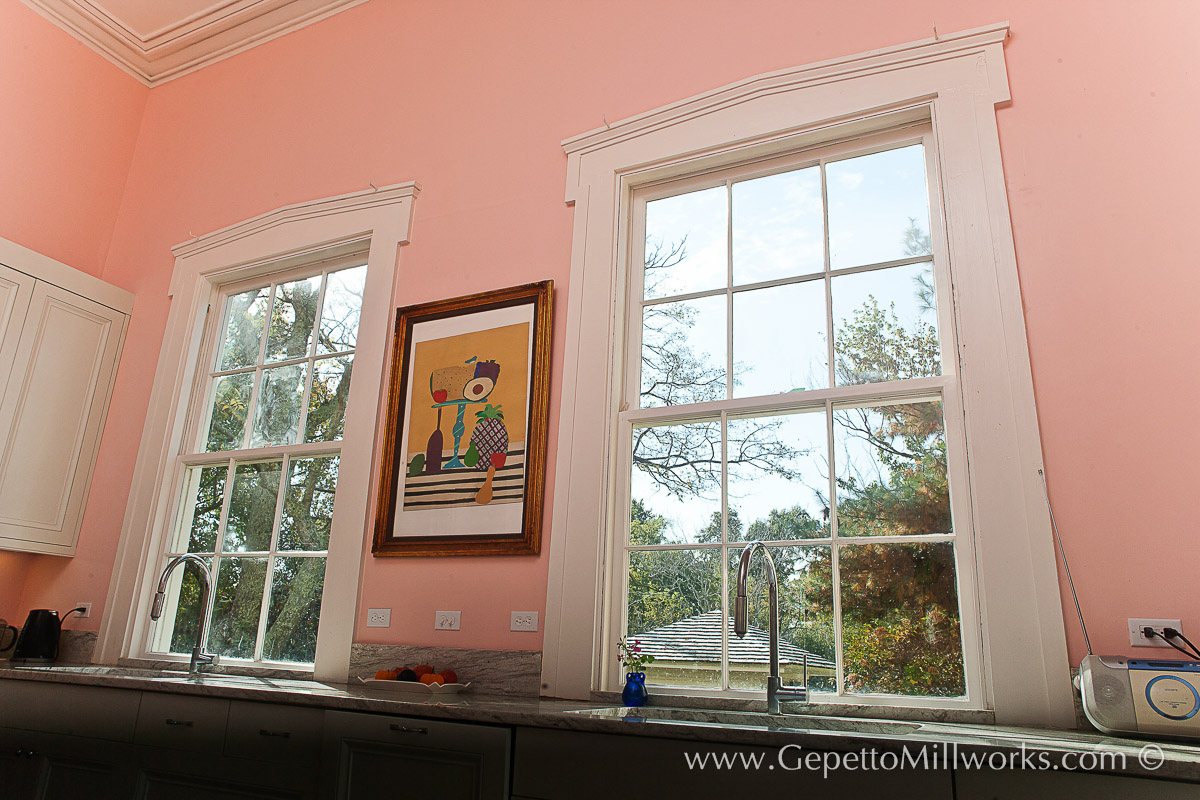
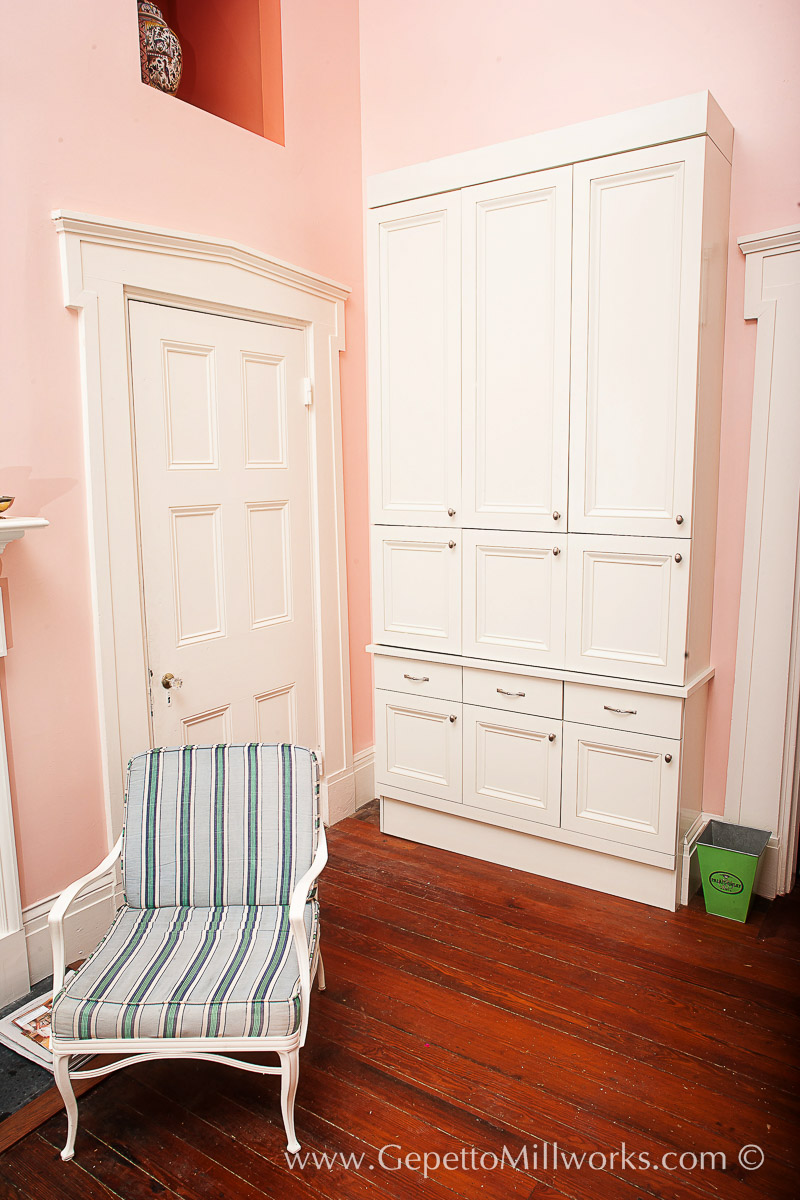
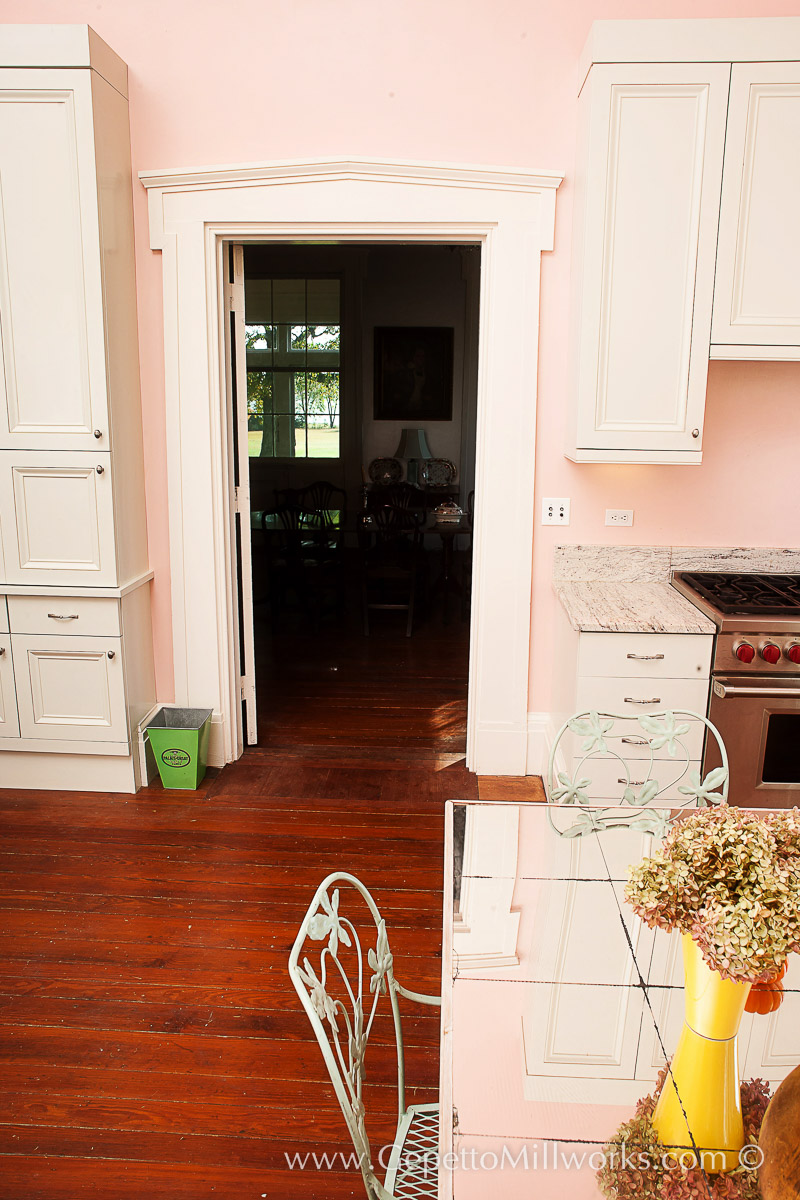
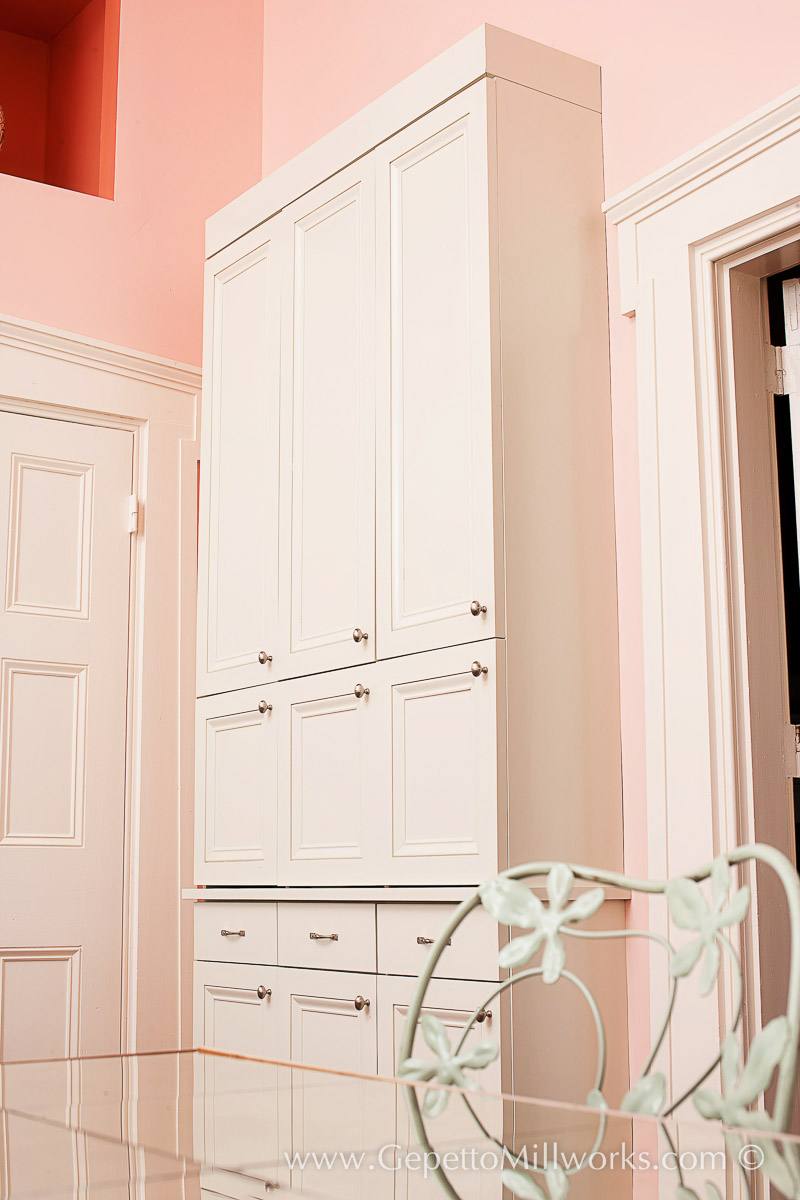
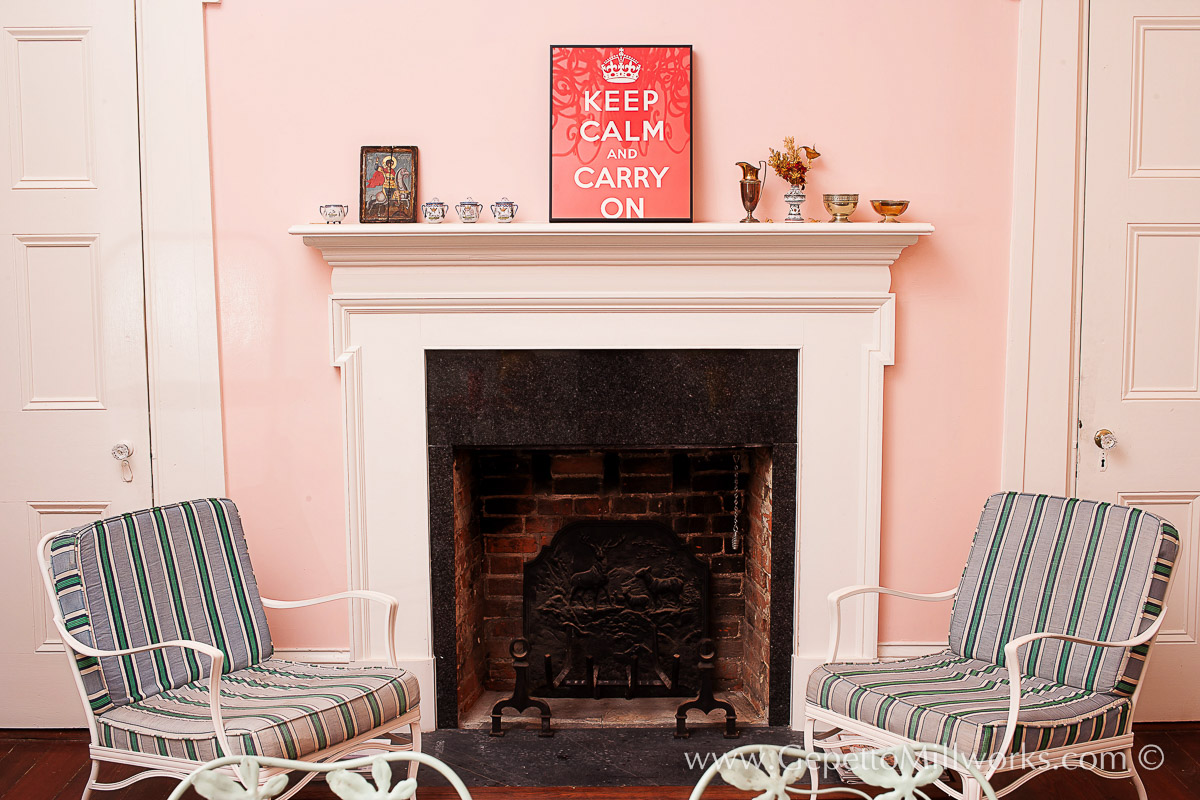
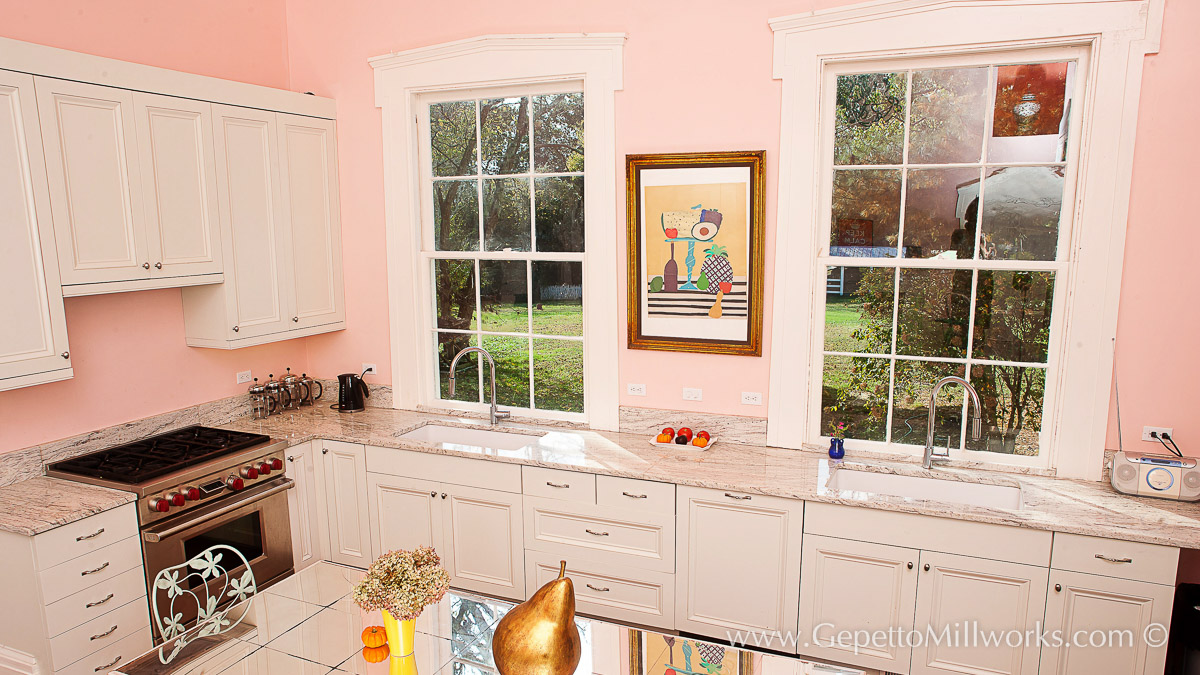
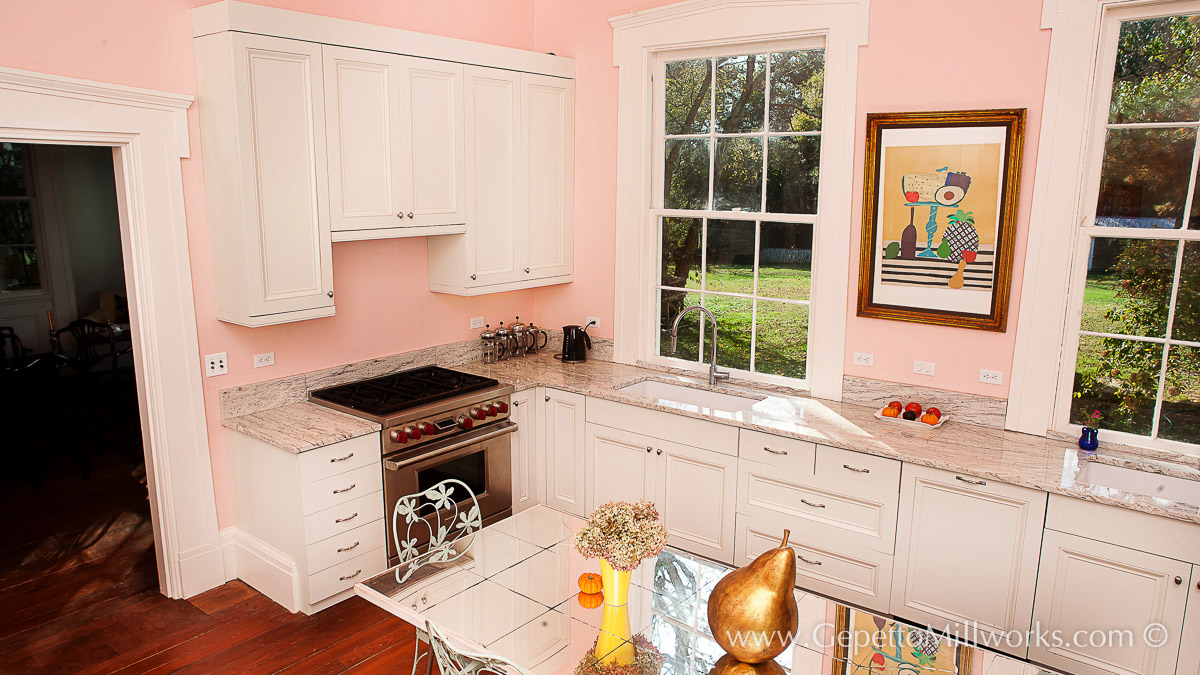
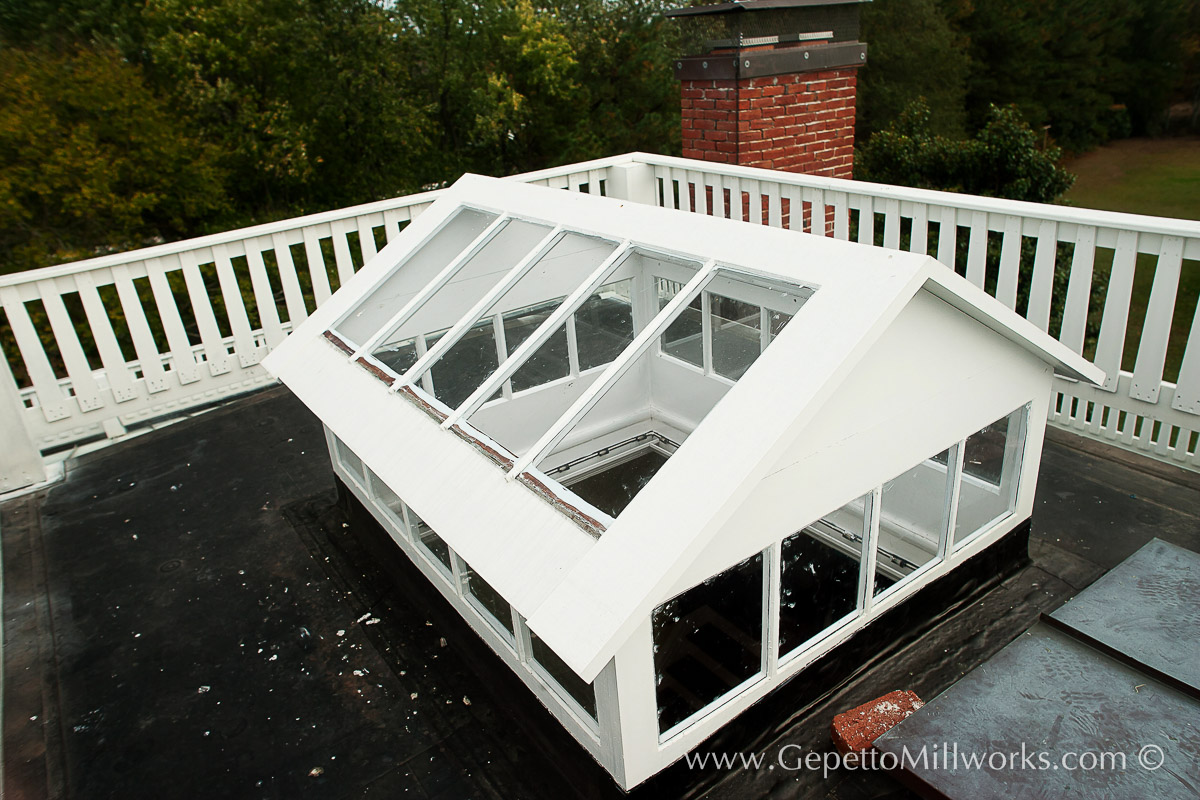
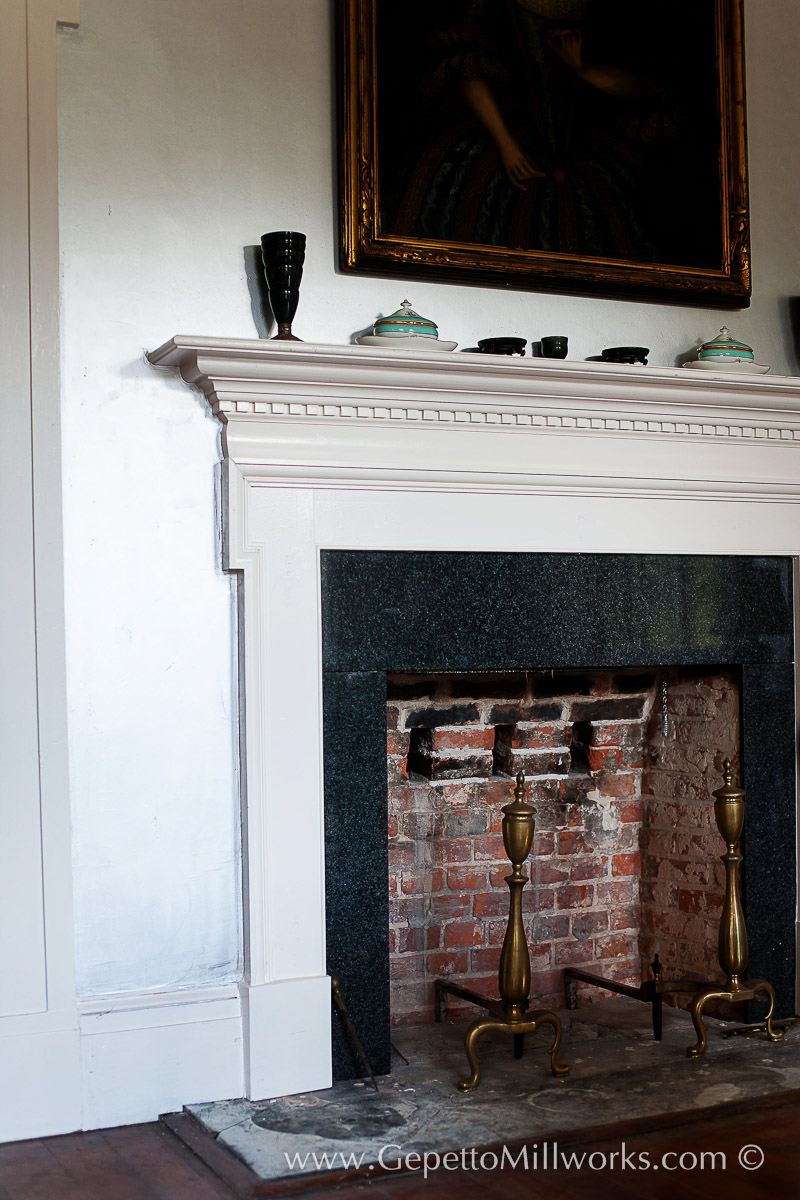
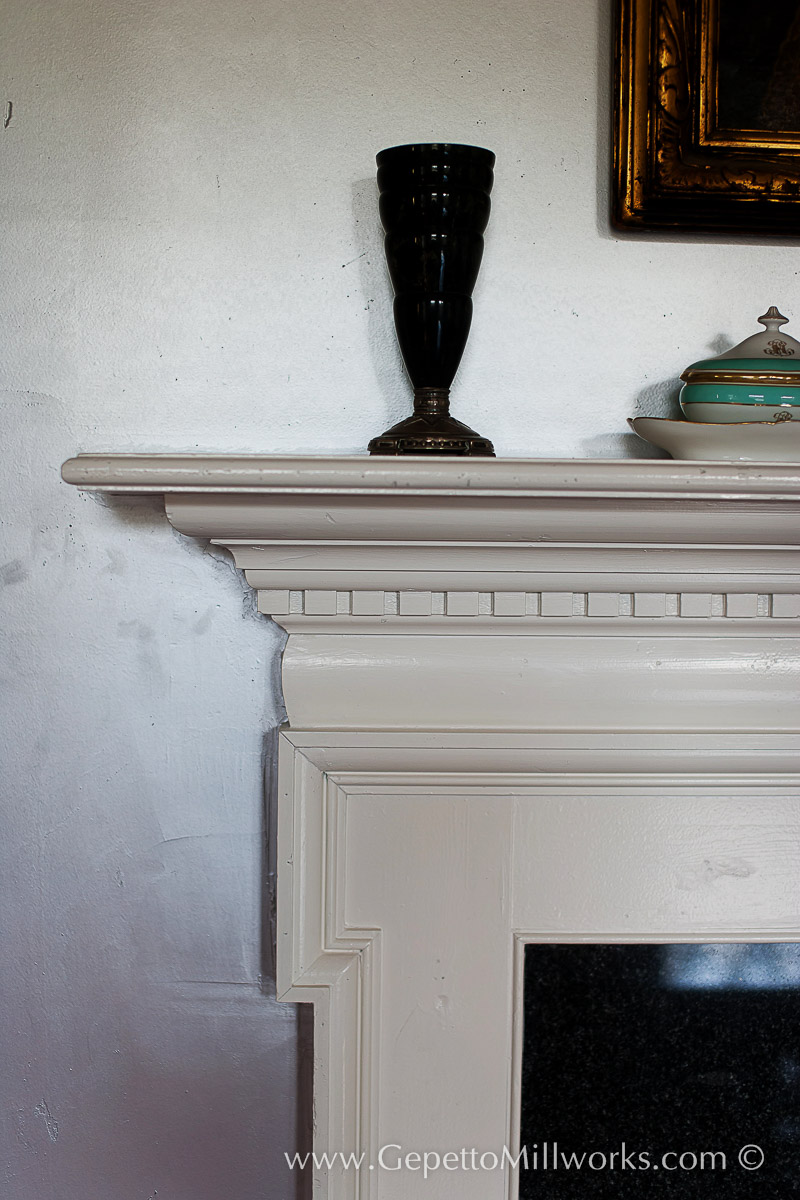
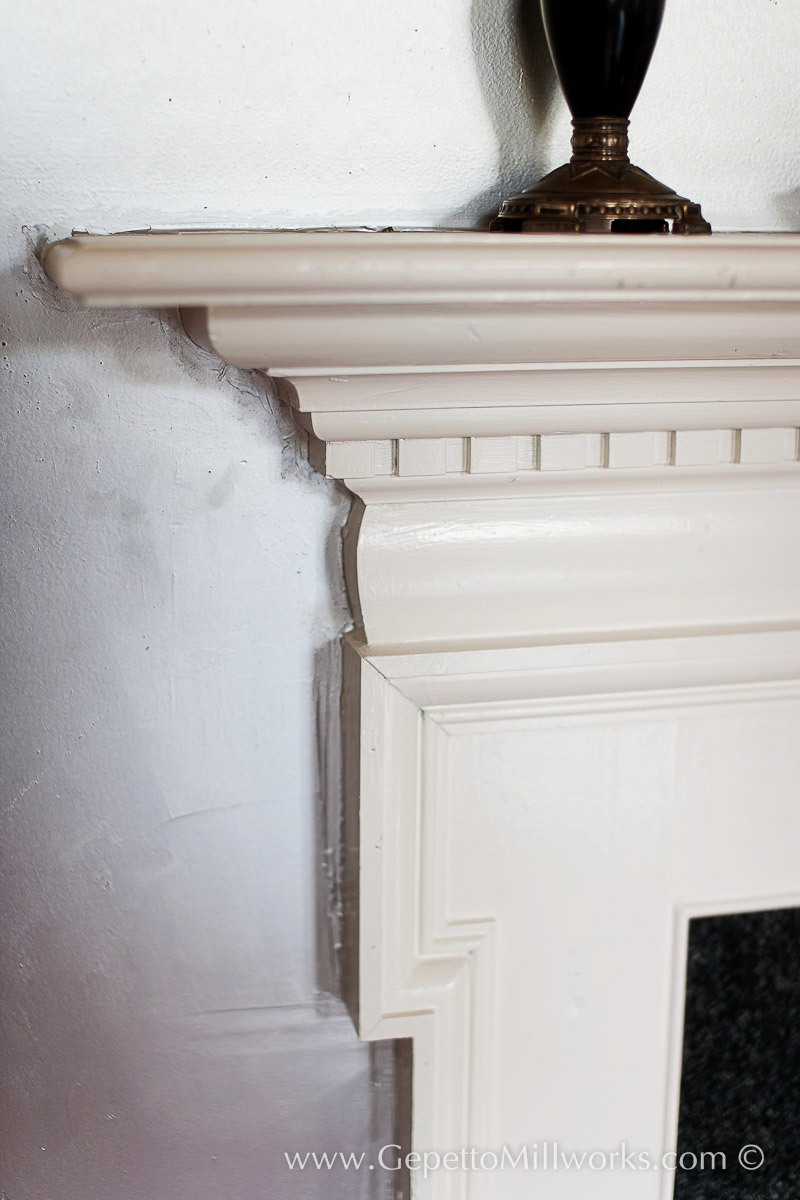
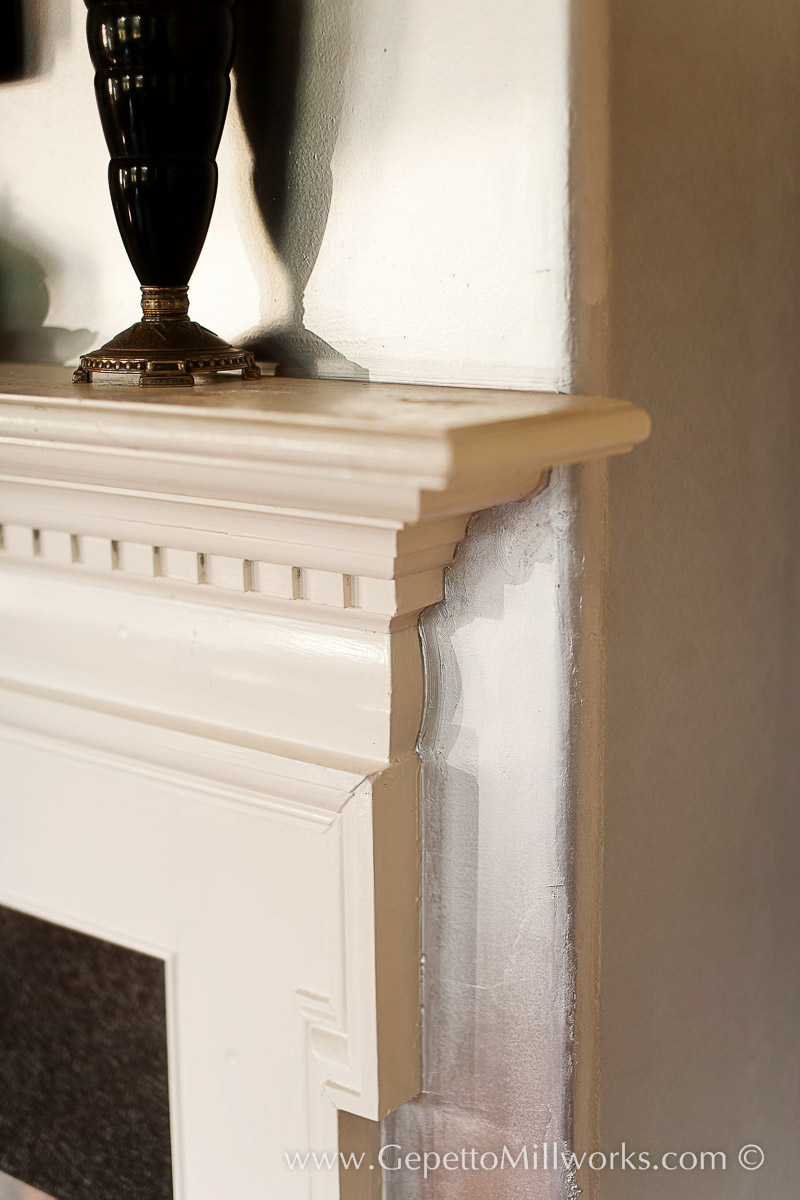
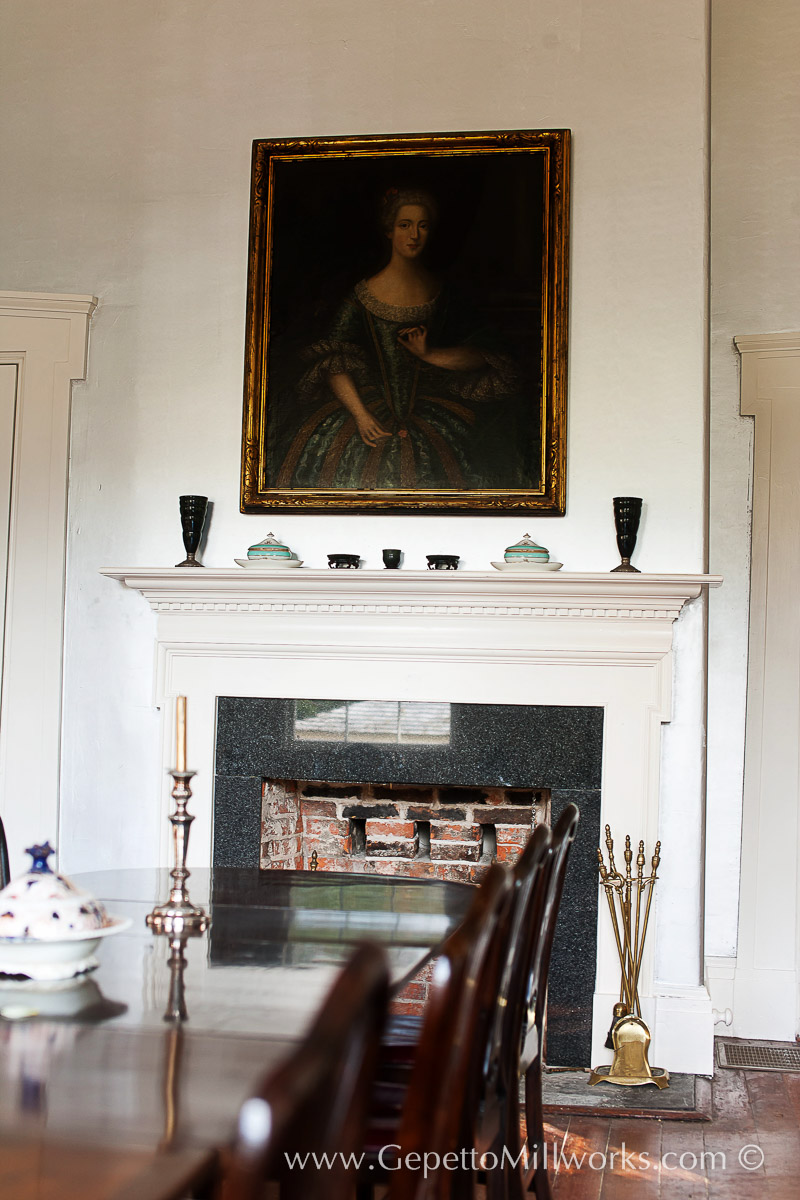
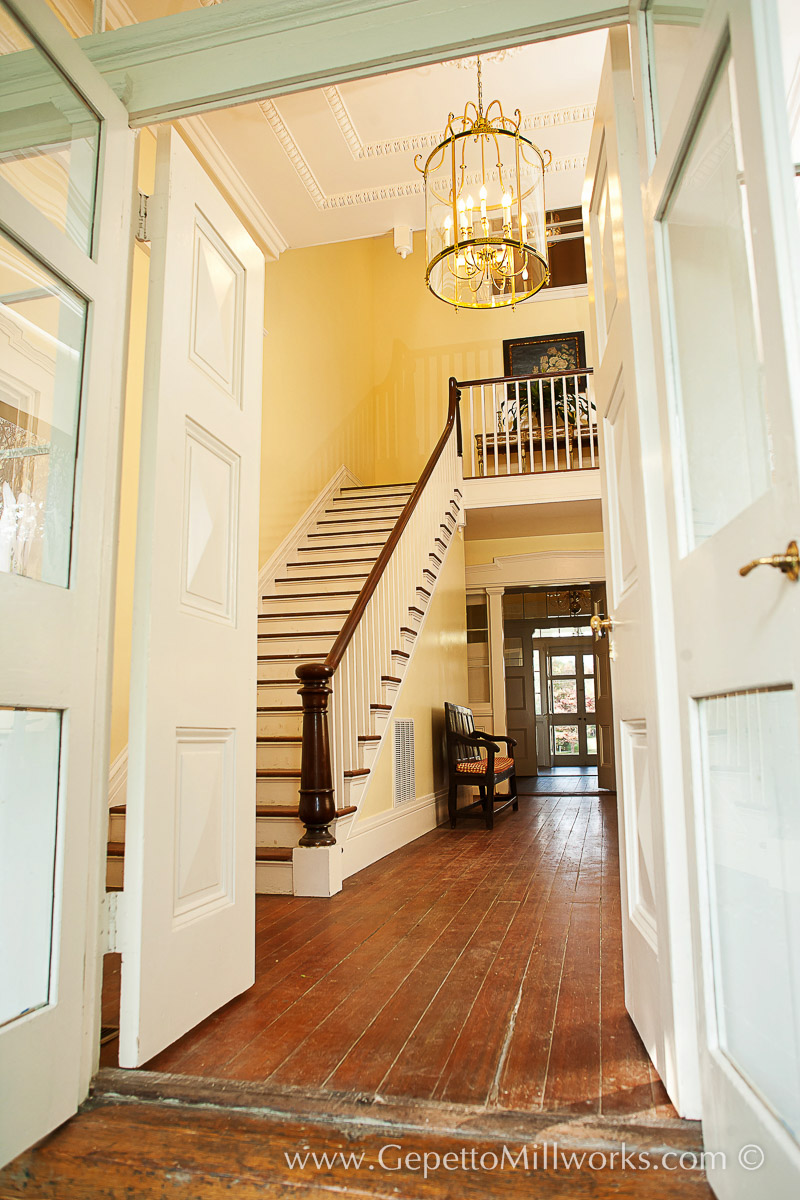
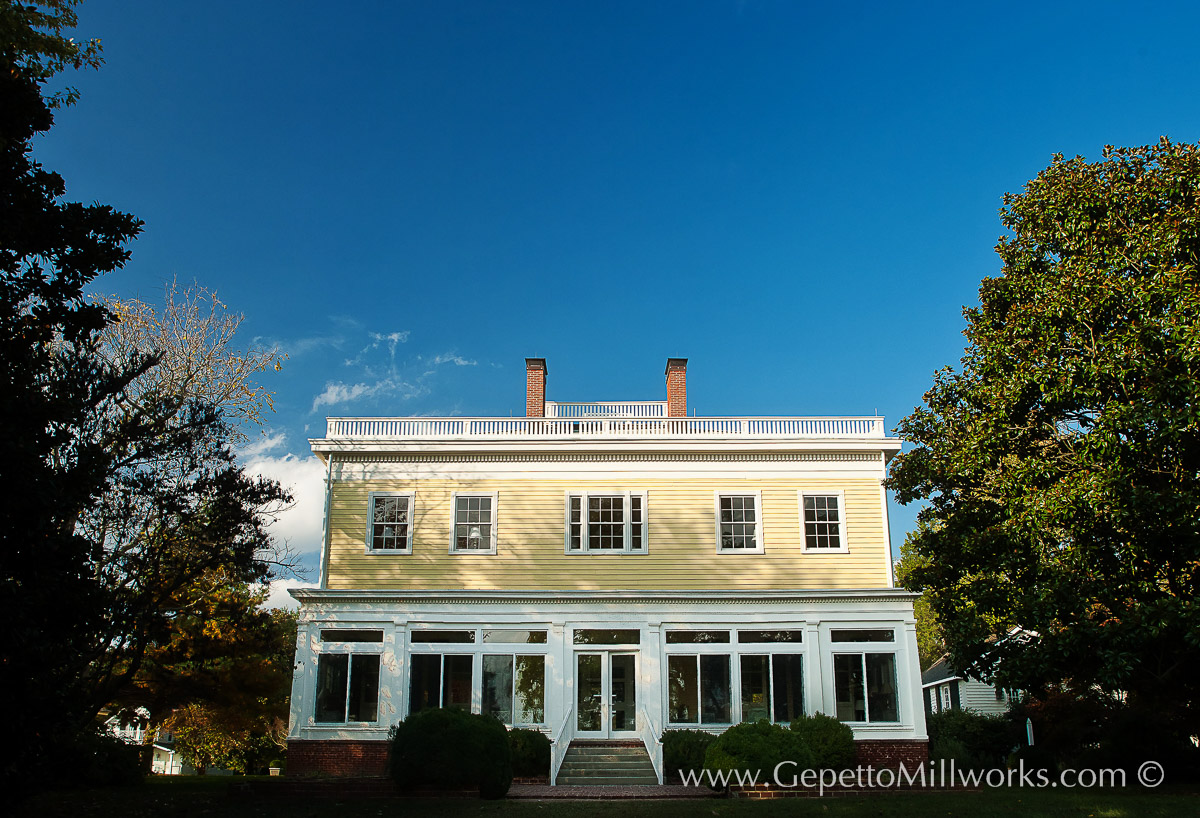
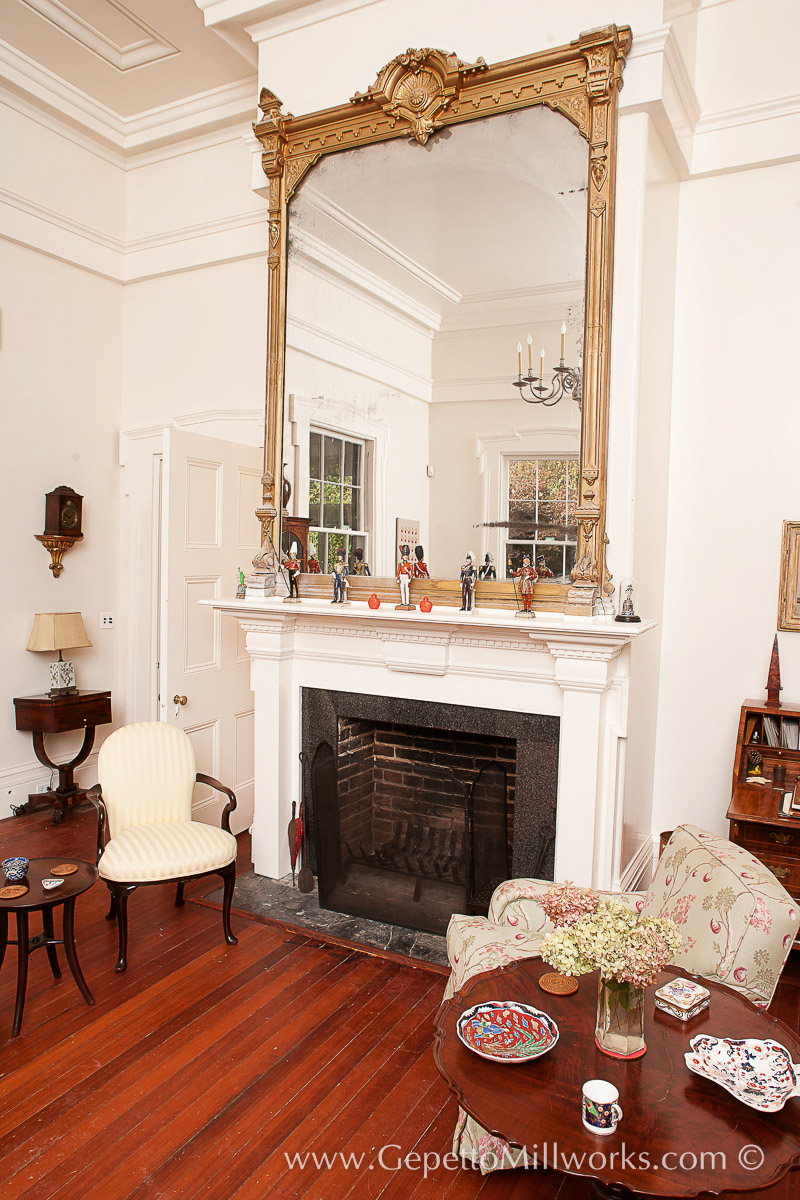
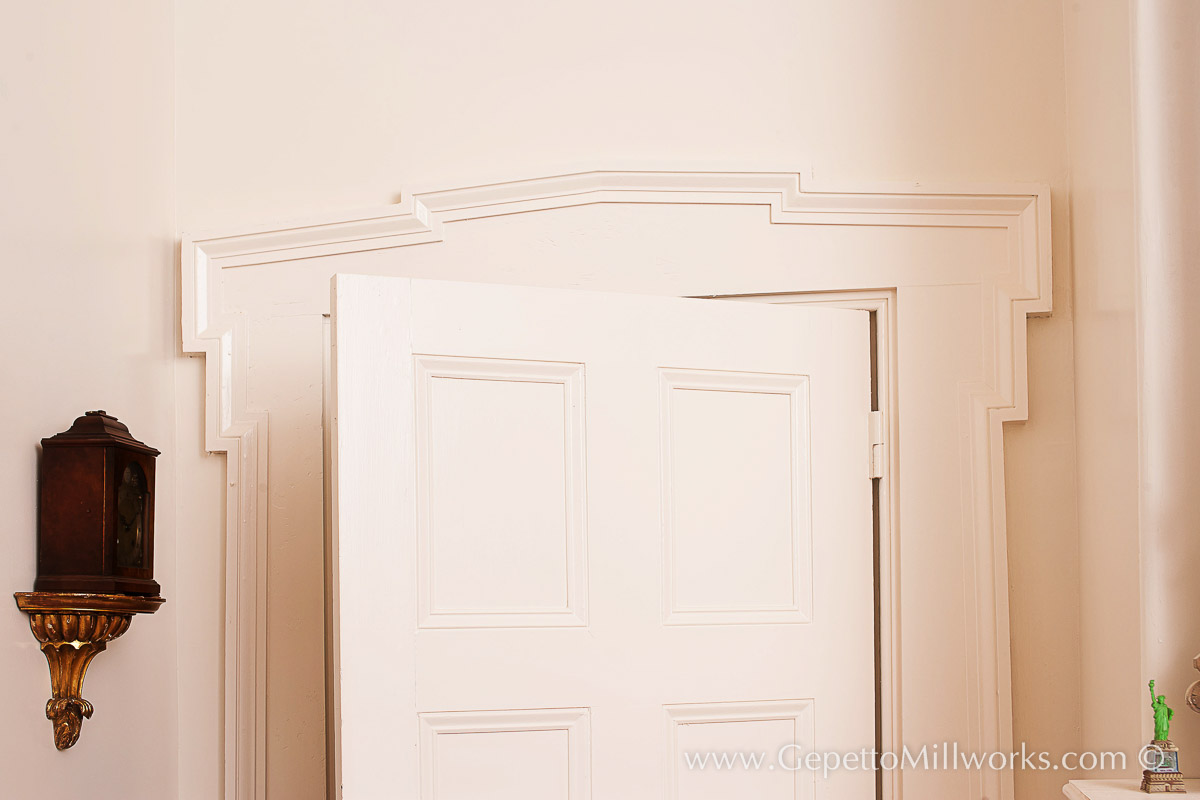
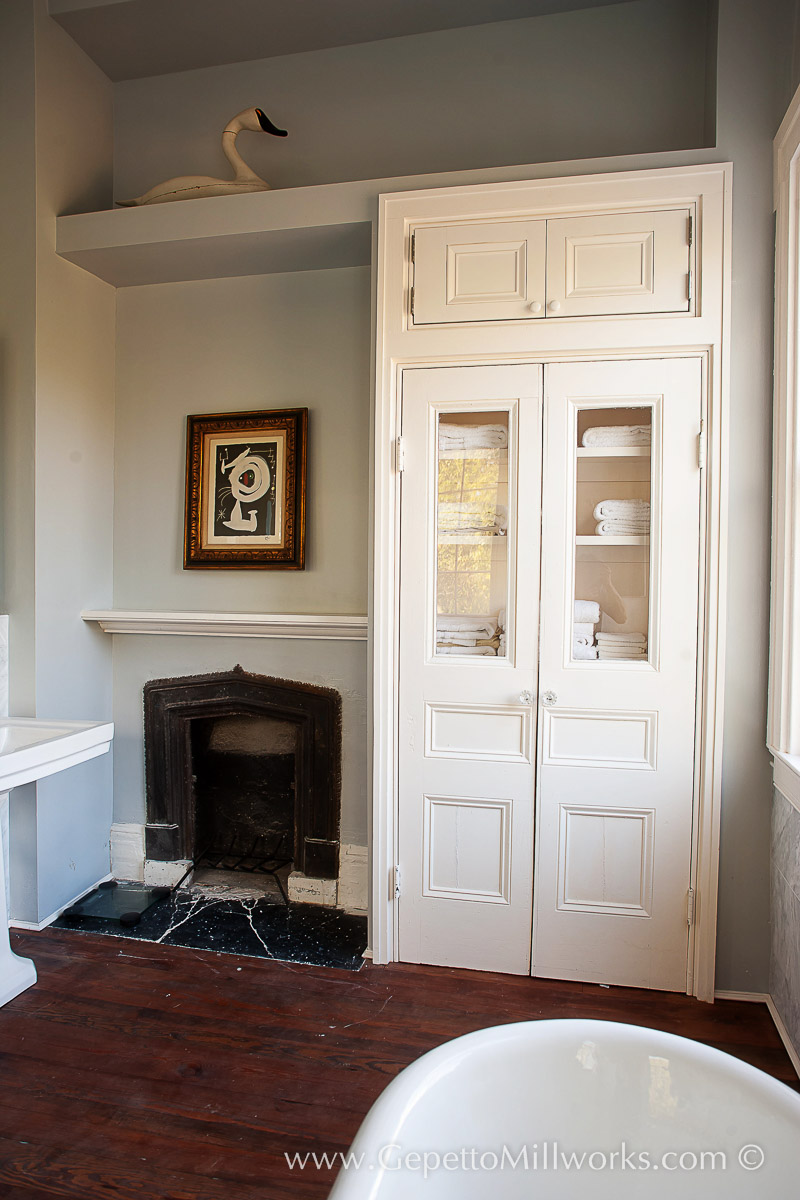
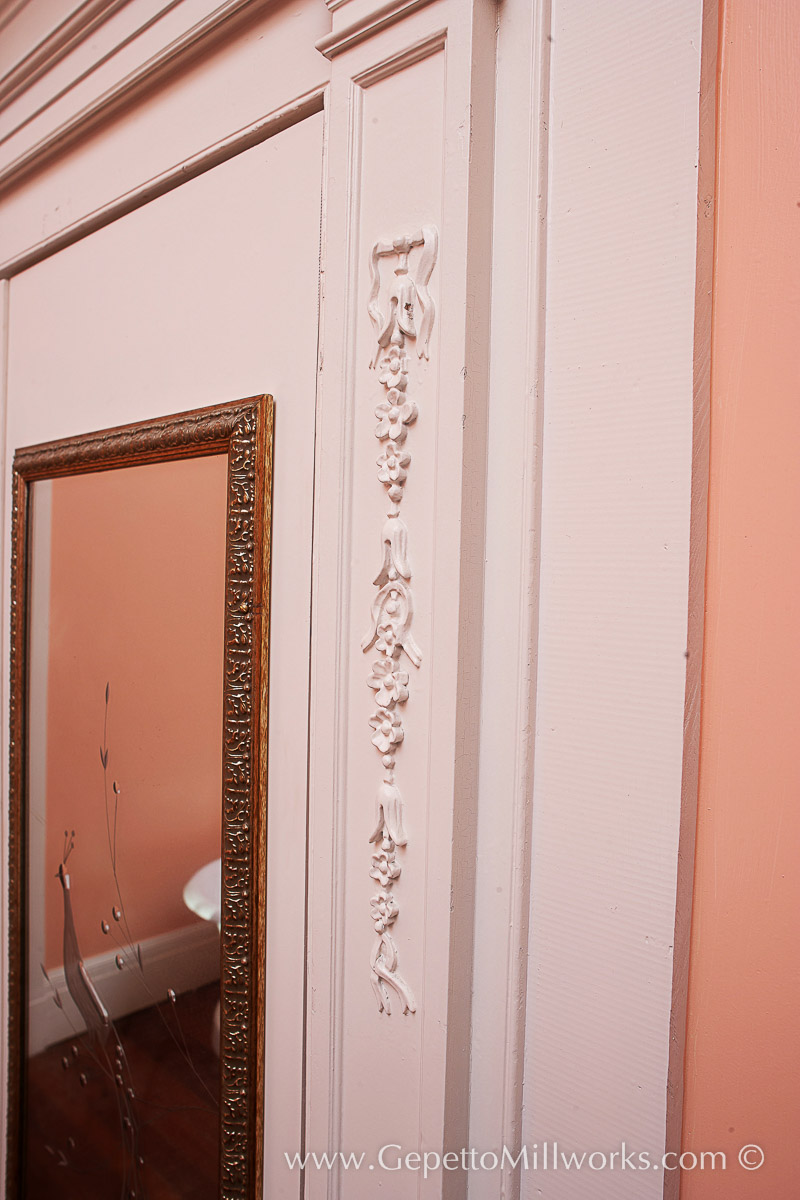
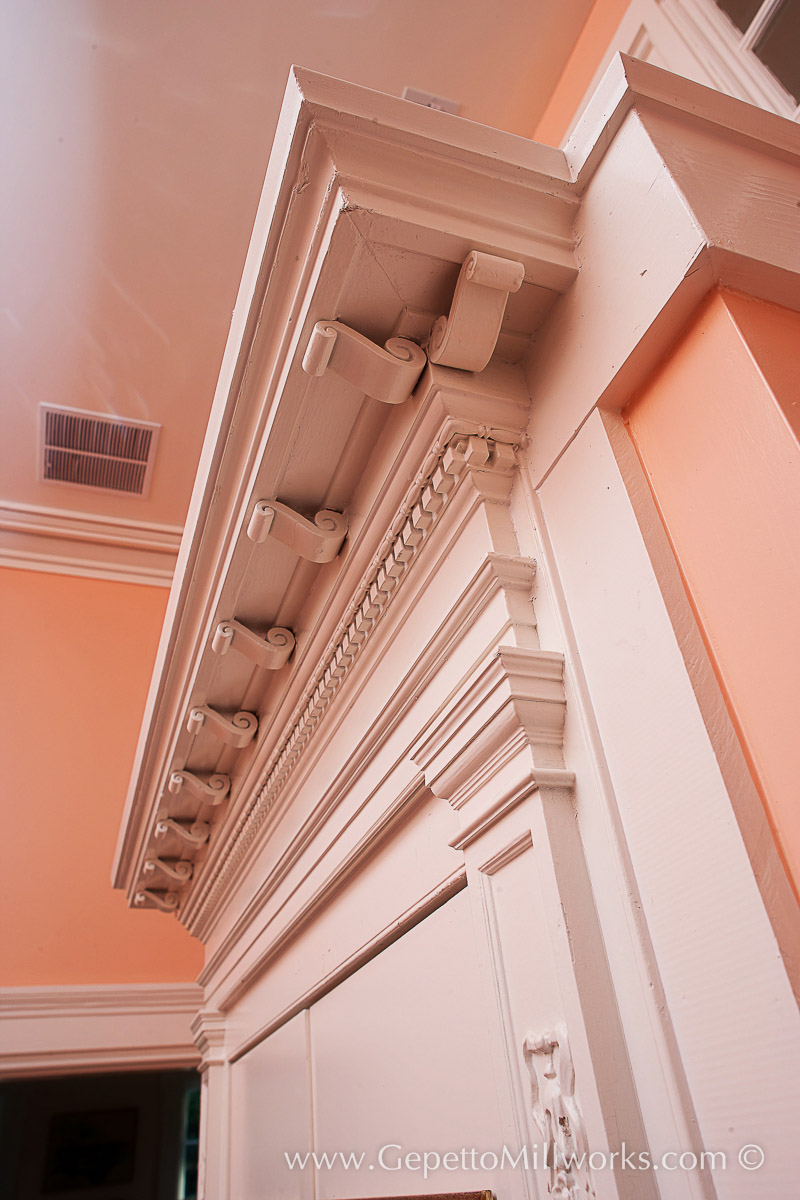
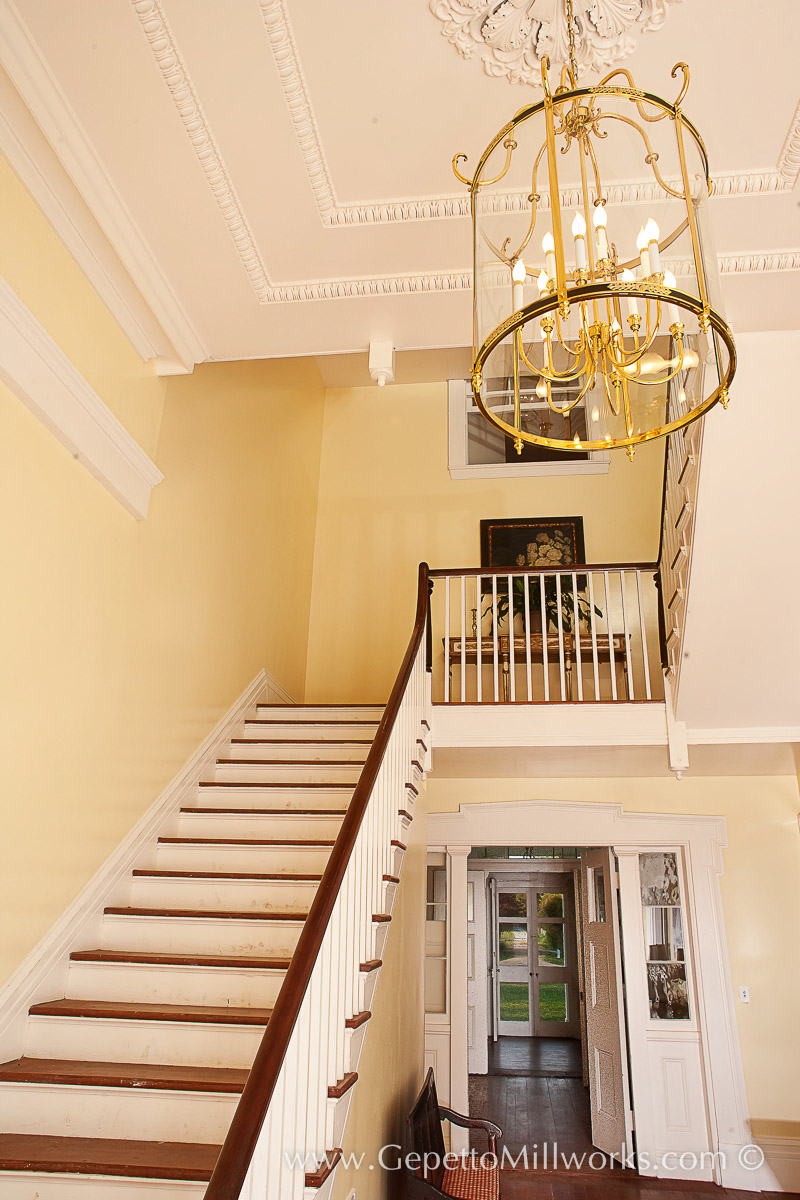
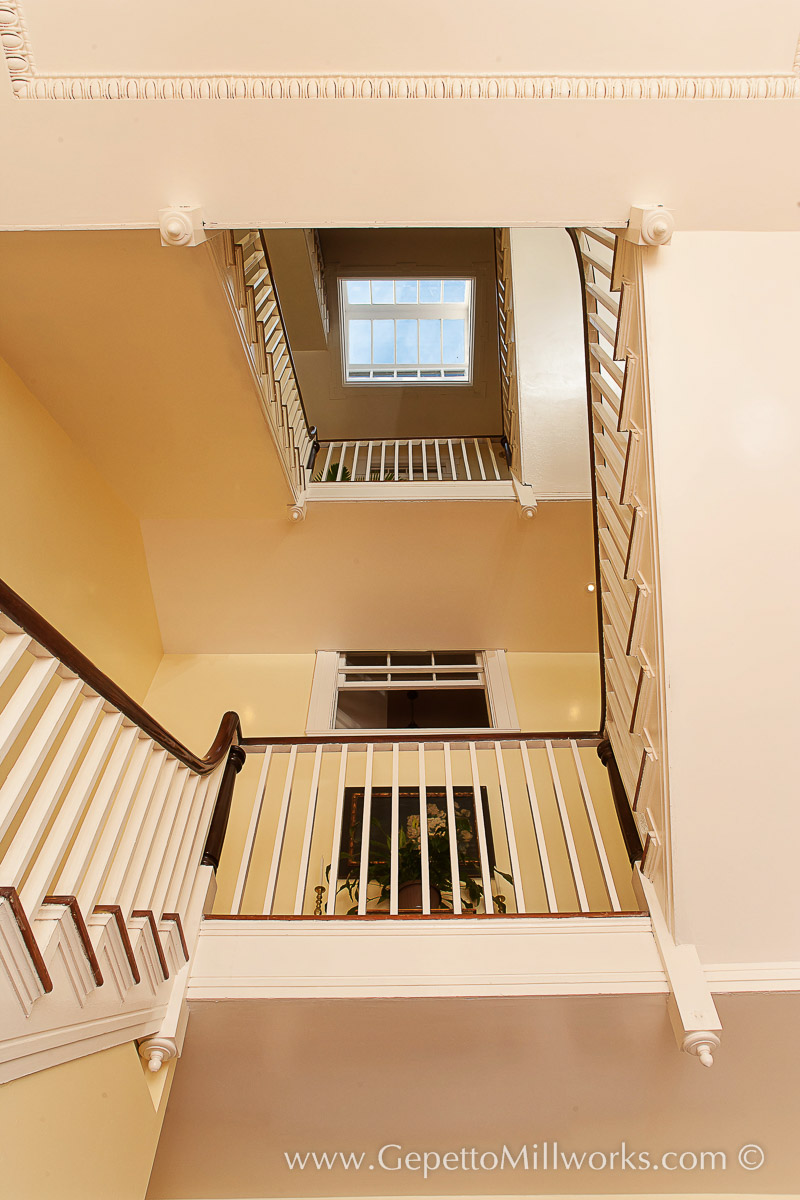
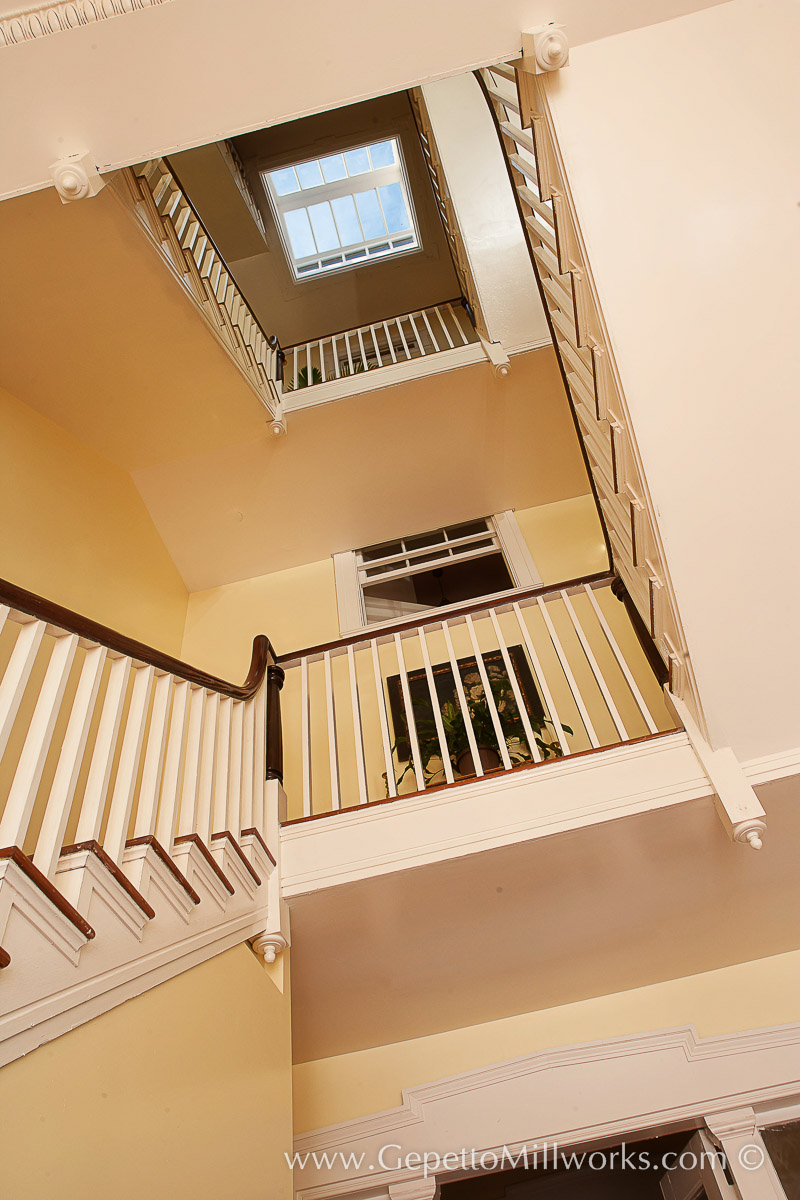
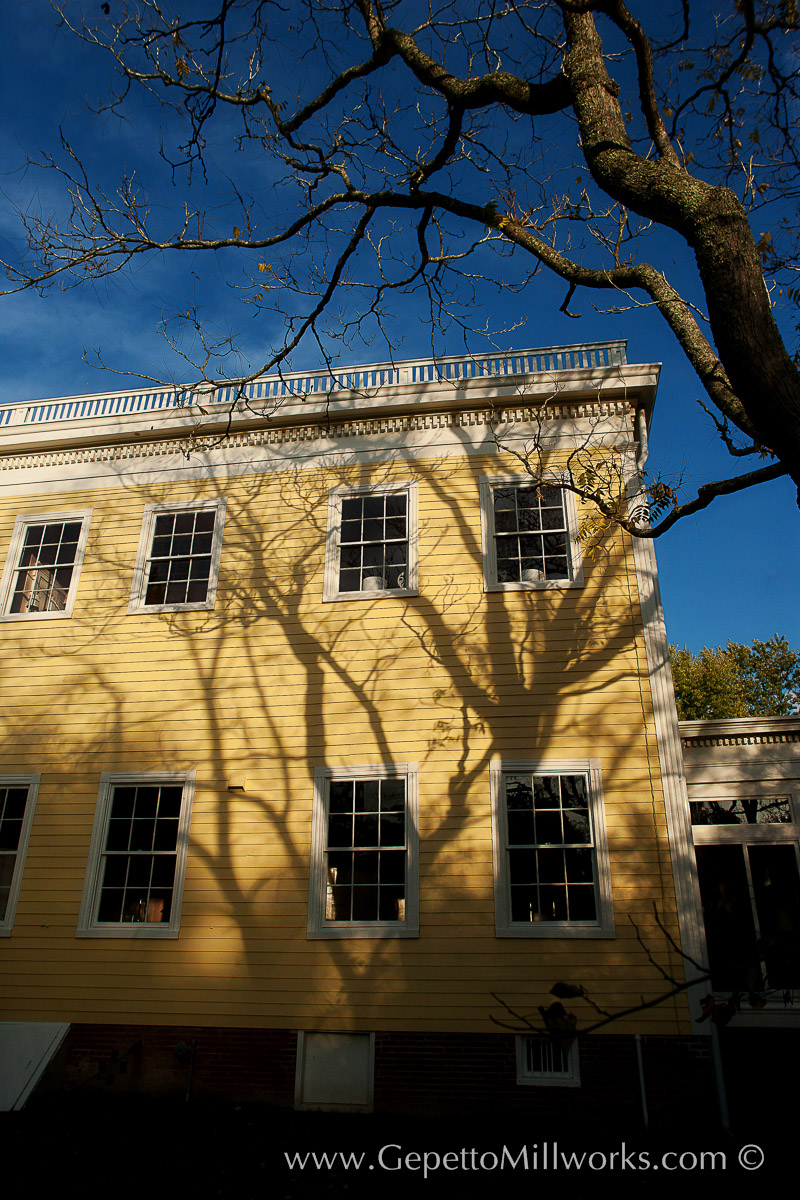
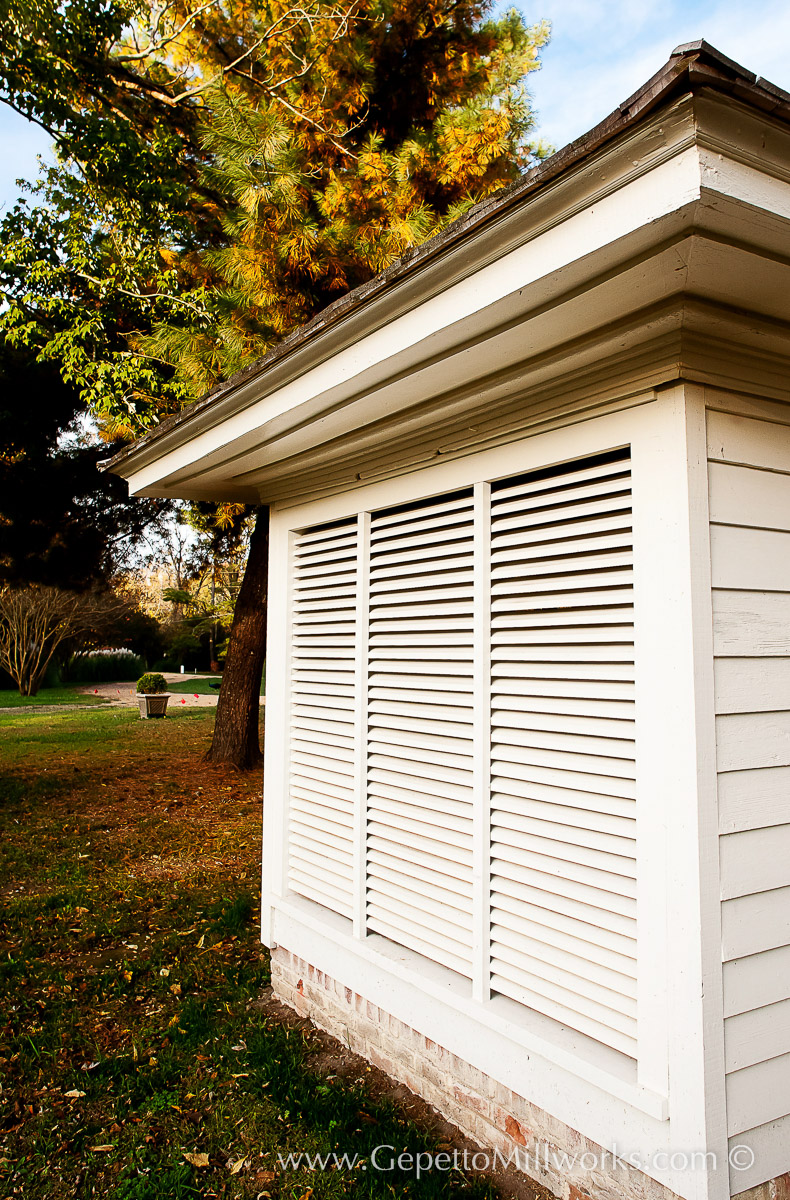
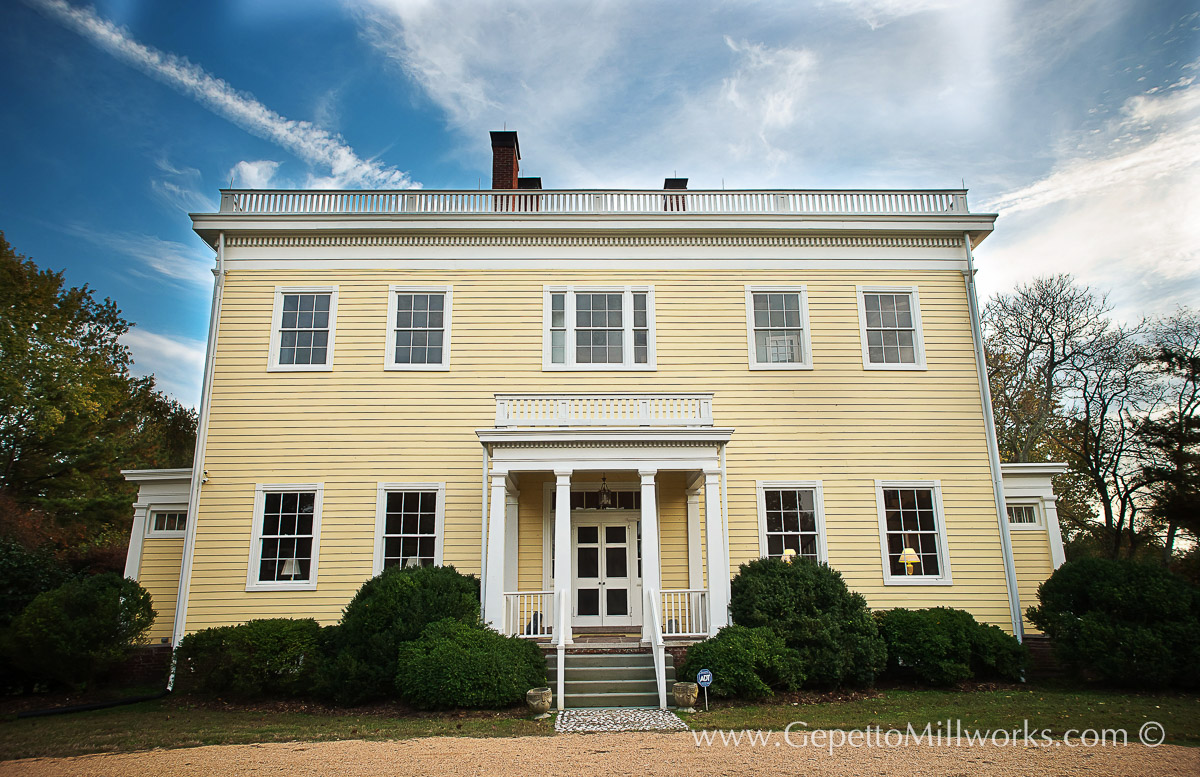
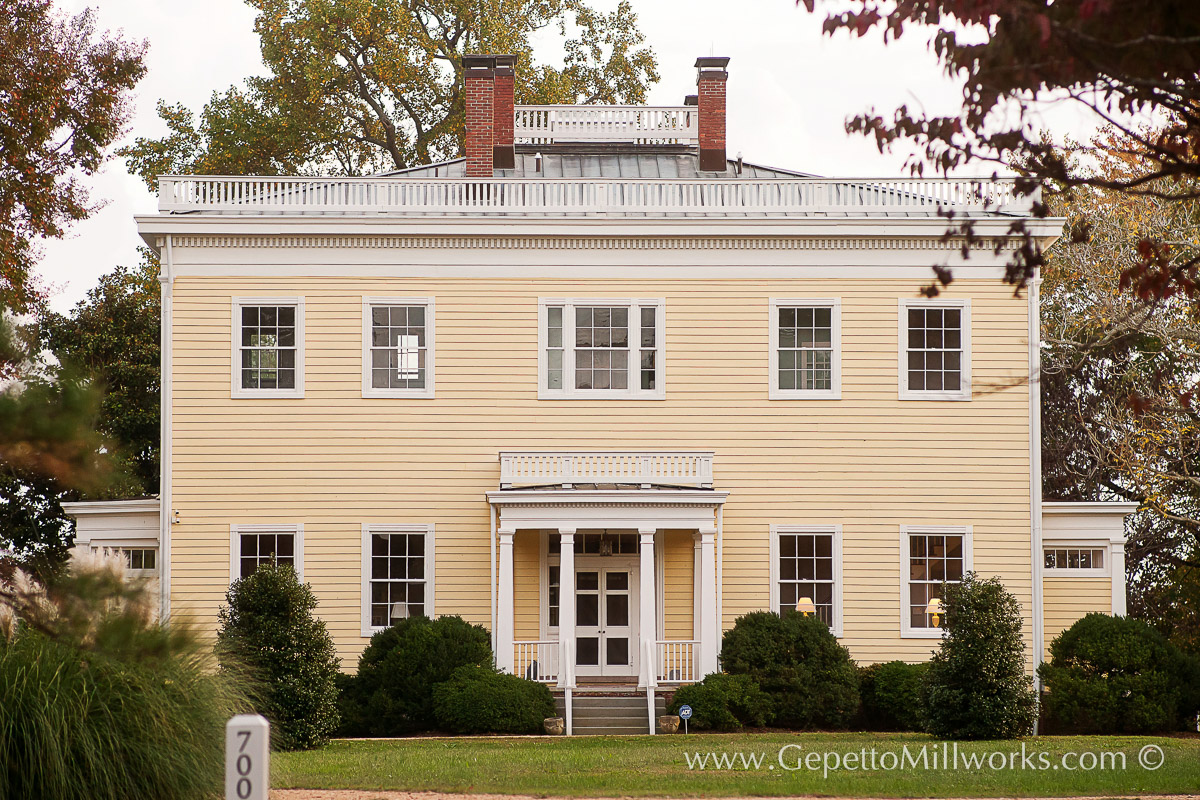
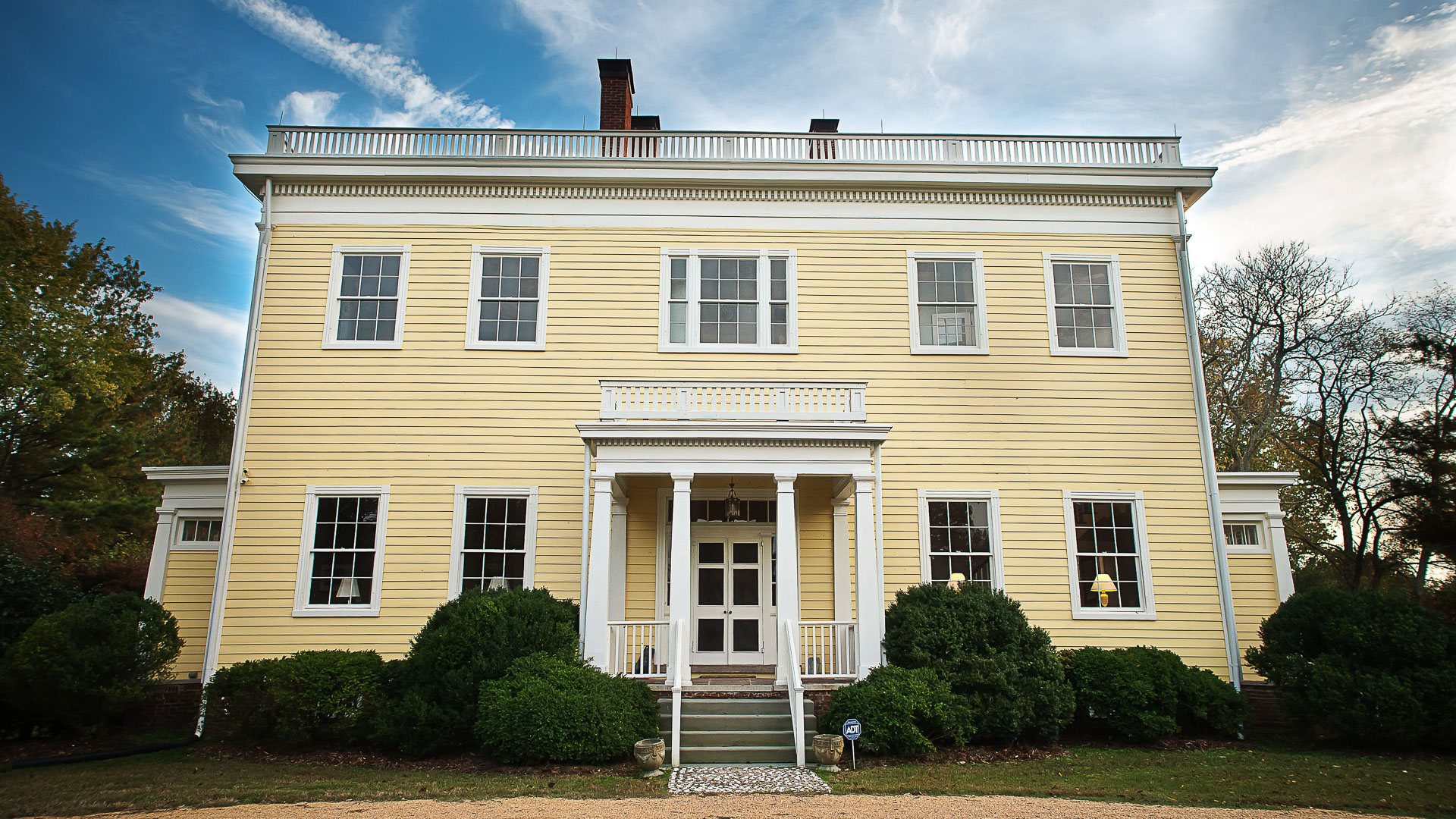
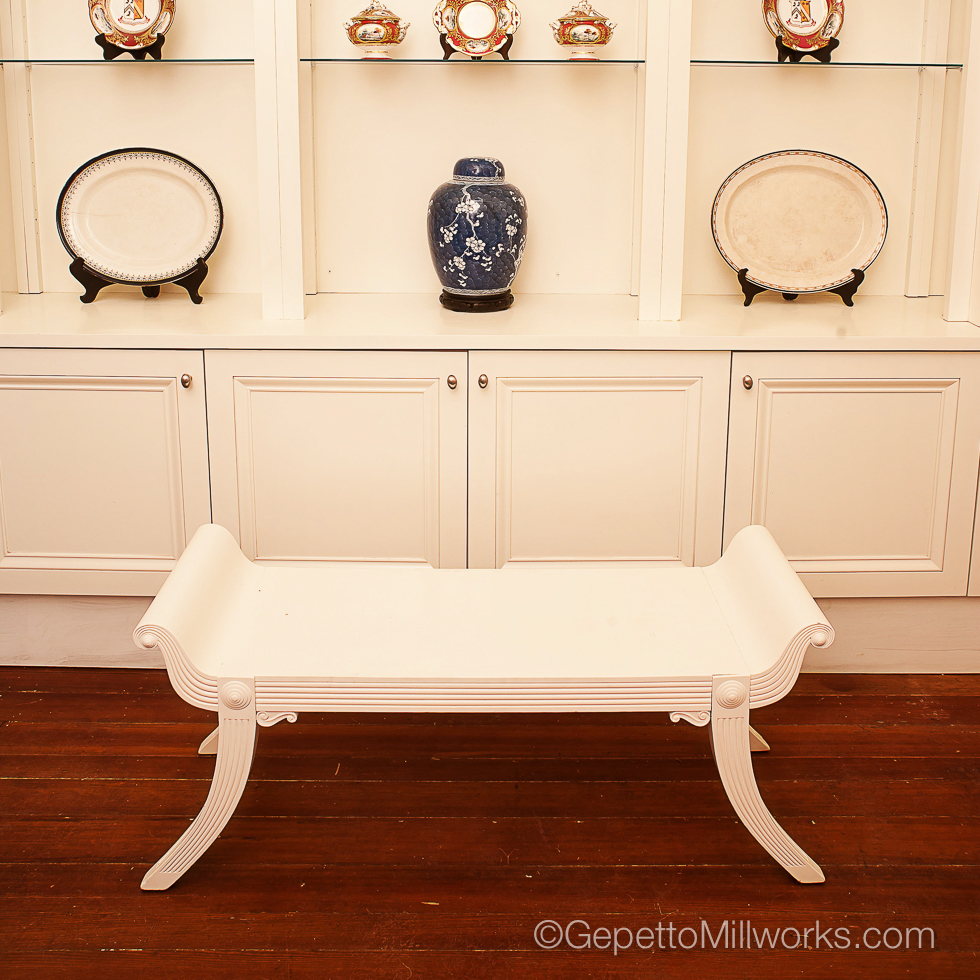
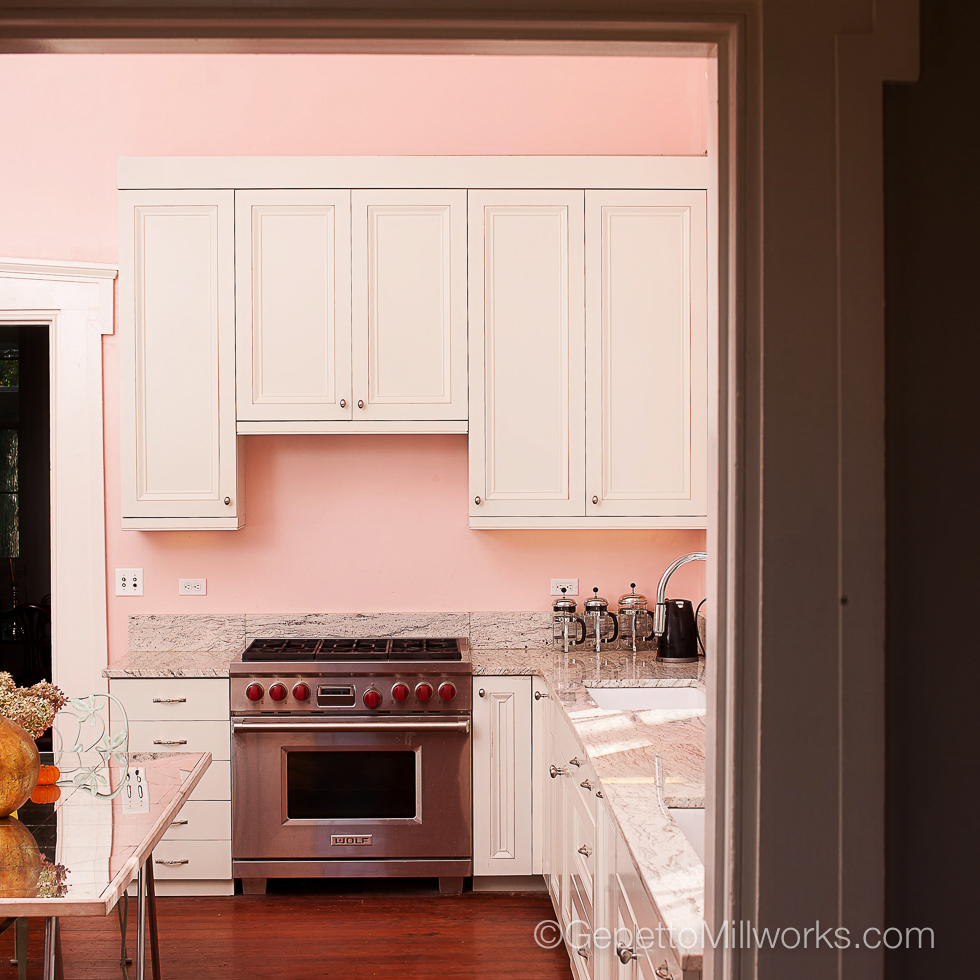
The Glen Roy Estate was renovated and restored with the fine wood fabricated pieces by Gepetto Millworks.
We built most of the wooden construction, which was restored from a gutted historical property including:
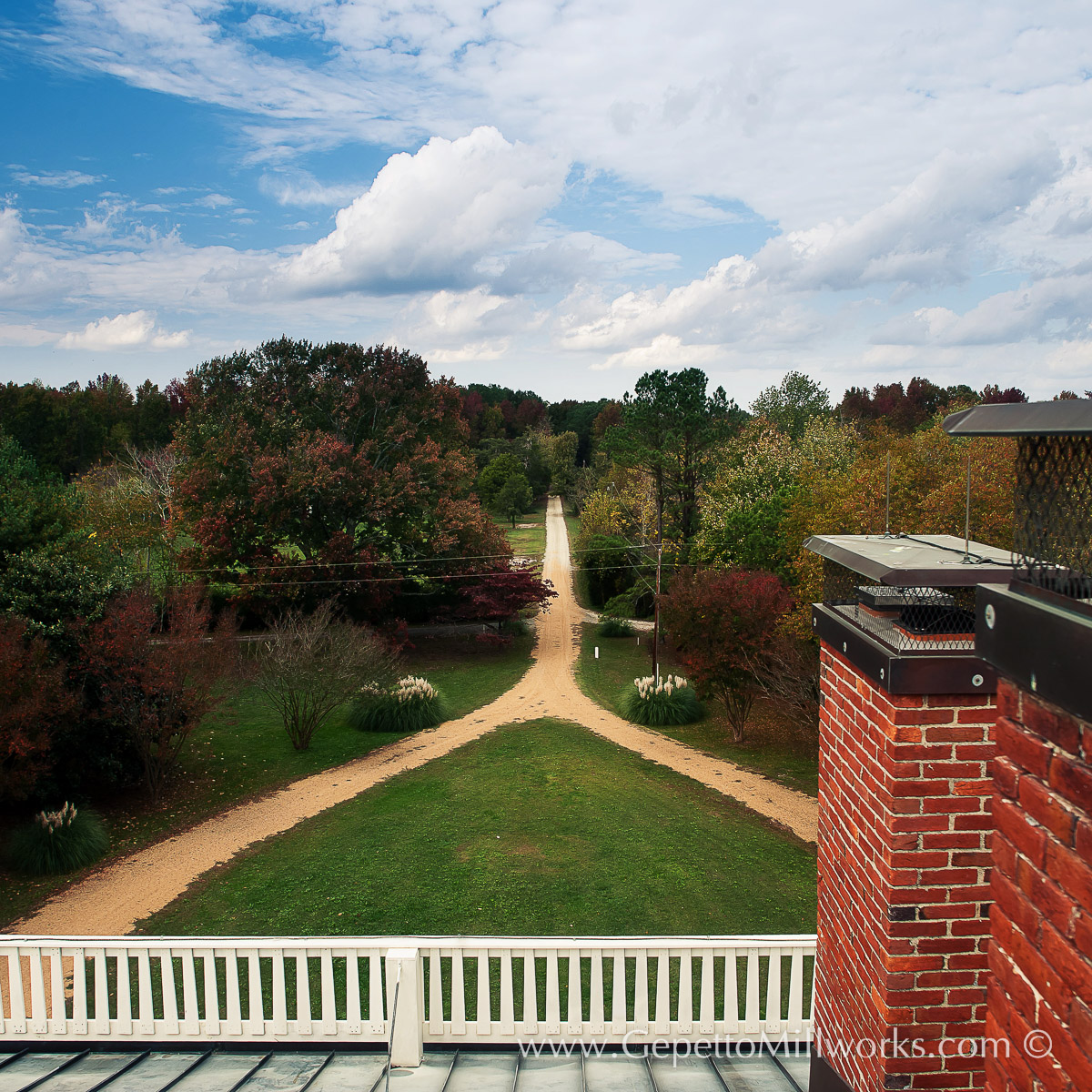
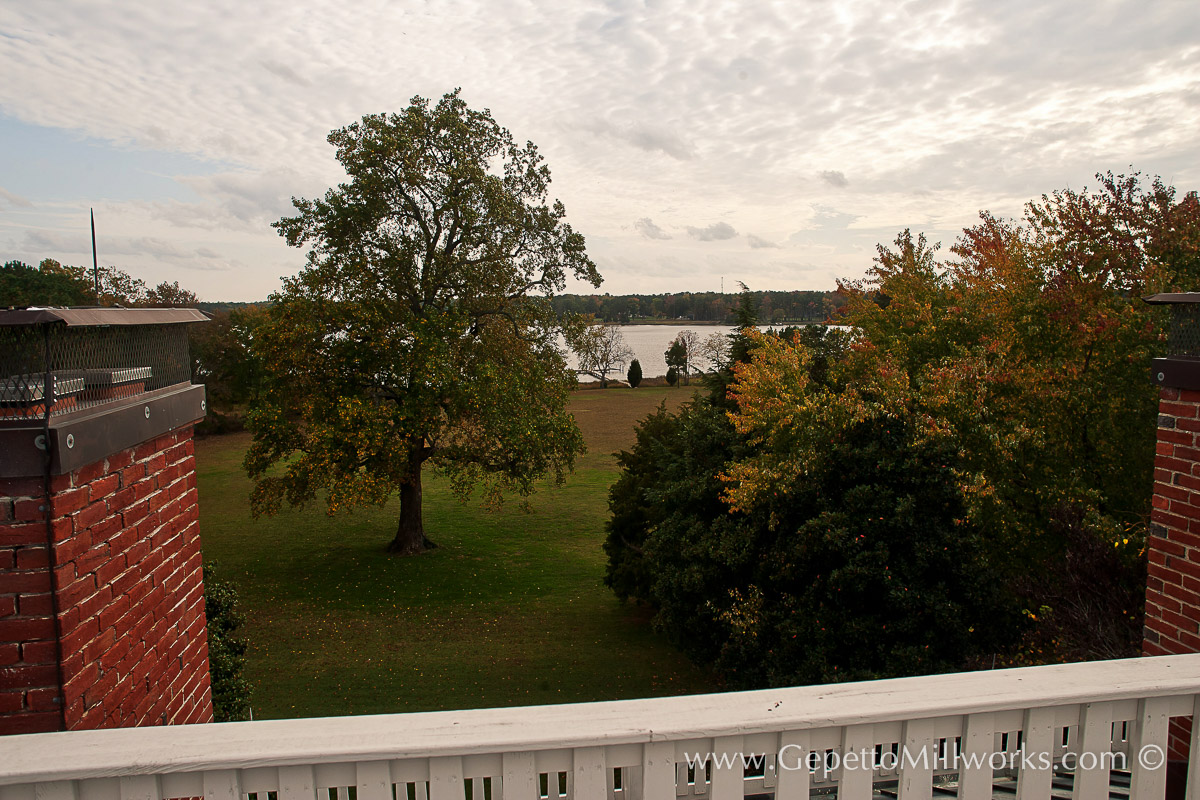
Glen Roy Plantation is a pristine 3-story, Georgian Revival home, which was completed in 1852. The intact interior features Greek Revival detailing and includes twelve fireplaces, forty windows, fifteen foot ceilings and a widows walk. The house sits on sixty acres with 500 feet of waterfront along the Ware River. There are also extensive lawns and gardens and numerous outbuildings including an 18th century library and a late 19th century carriage house. The property also features a stable, garage, swimming pool and dock.