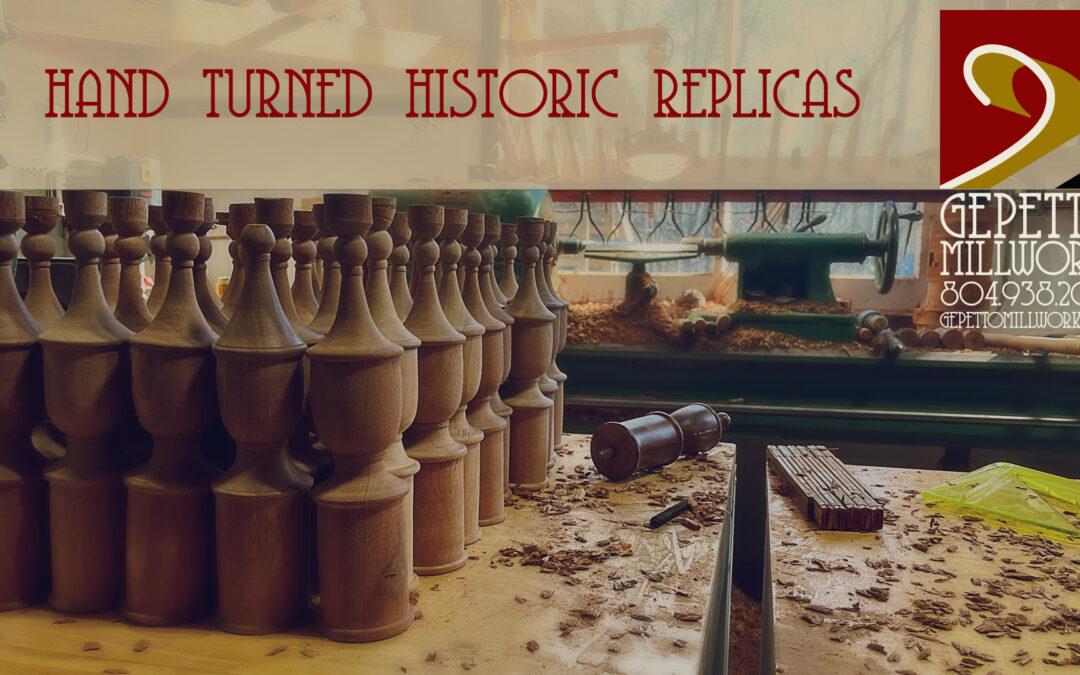
Historic Replica Wood TUrning

Historic Replica Wood TUrning

Solid Wood - Hand Turned

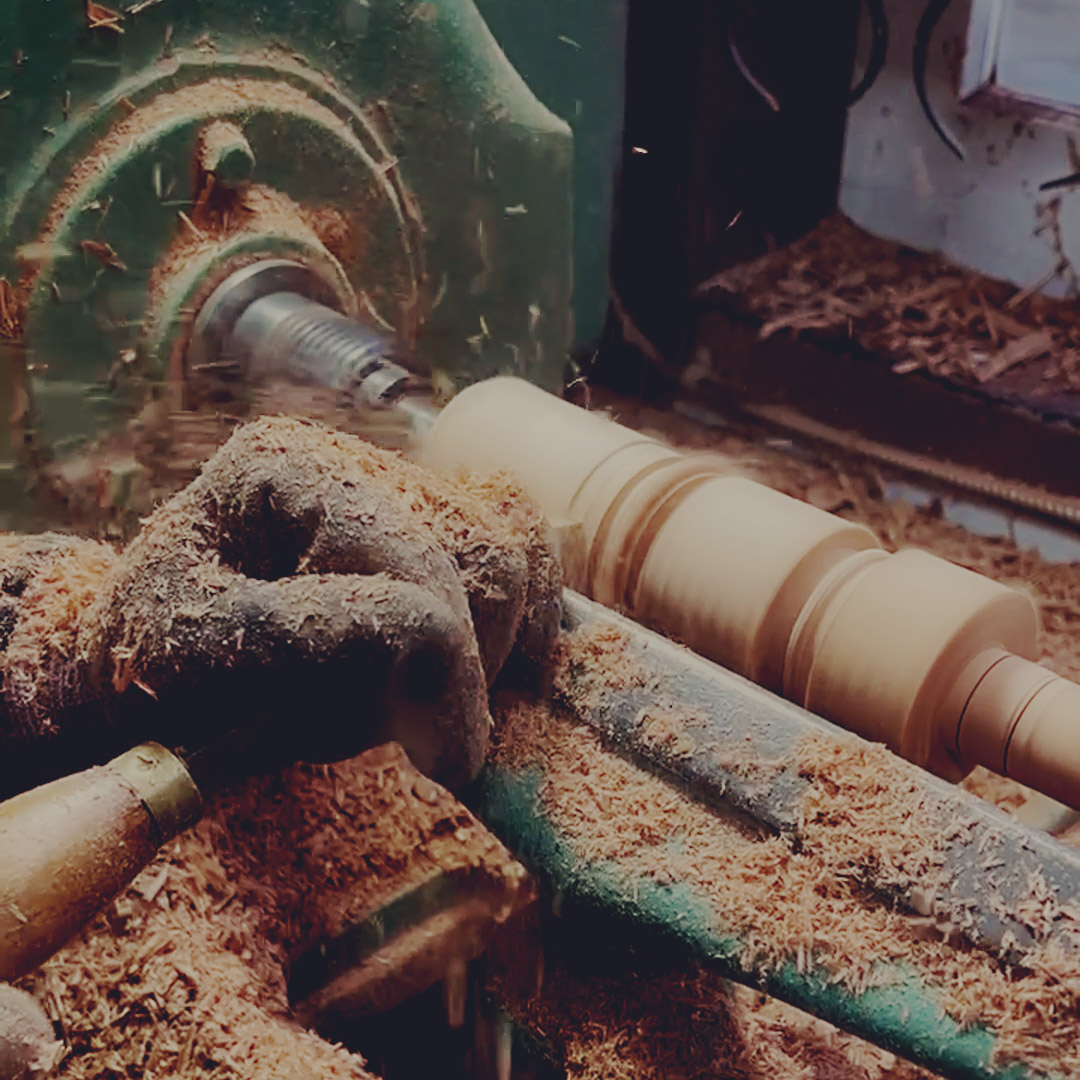
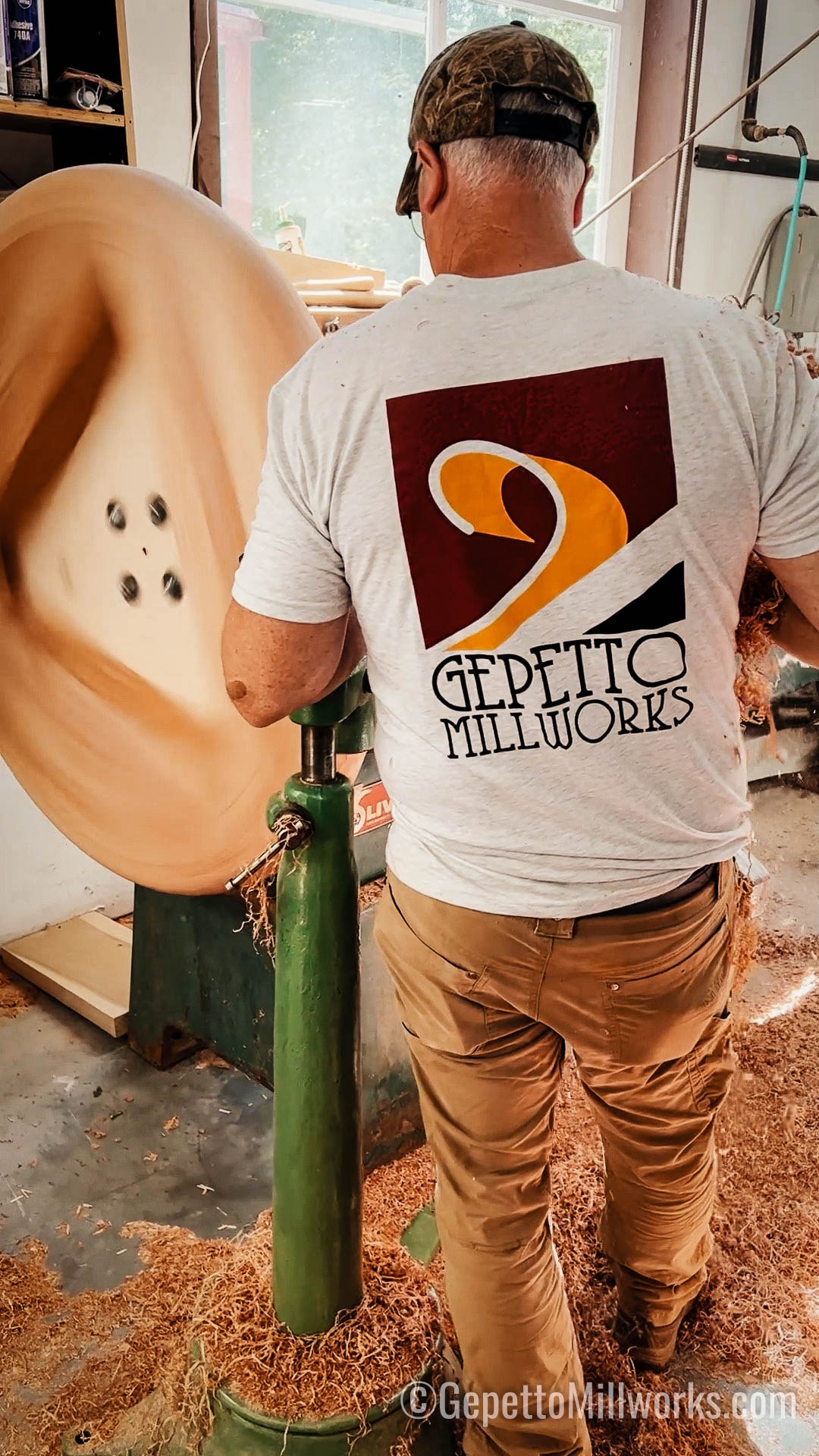
As the lathe begins to spin, the world outside fades away. There’s only the wood and me, connected in a dance as old as time. The whirring sound of the lathe blends with the distant calls of birds, creating a symphony that guides my movements. My hands, guided by years of experience, move with a precision that feels almost instinctual, shaping the wood, releasing its hidden beauty.

Historic Replica Wood Turnings

As I step into my workshop, nestled in the shadows of the Blue Ridge Mountains just outside Charlottesville, the familiar scents of the fresh growing woods outside and dried wood shavings inside fills my senses. I am instantly grounded to the present moment and my carpenter ancestors. The lathe, my tool for this artistic journey, stands ready, a invitation to spin up the music of the day’s meditation.

Selecting a piece of wood is a ritual in itself. Each piece, unique in its grain and texture, speaks of the history of the mountains, of rains and suns it has witnessed. Today, I choose a piece of african mahogany, its rich, reddened warm tones resonating with the early morning light filtering through the windows.  A sip of coffee while watching the turkey’s dry the dew from their feathers feels so right to my Virginia Hillbilly roots

Made To Order from Virginia

As the lathe begins to spin, the world outside fades away. Only the wood speaks to me, connected to the immediate danger of a tool that will take my finger in an instant. The whirring sound of the lathe blends with my breath creating a focused symphony of precision movements. My hands, guided by years of experience, move that precision up and down feeling almost instinctual, shaping the wood to the exact pattern.

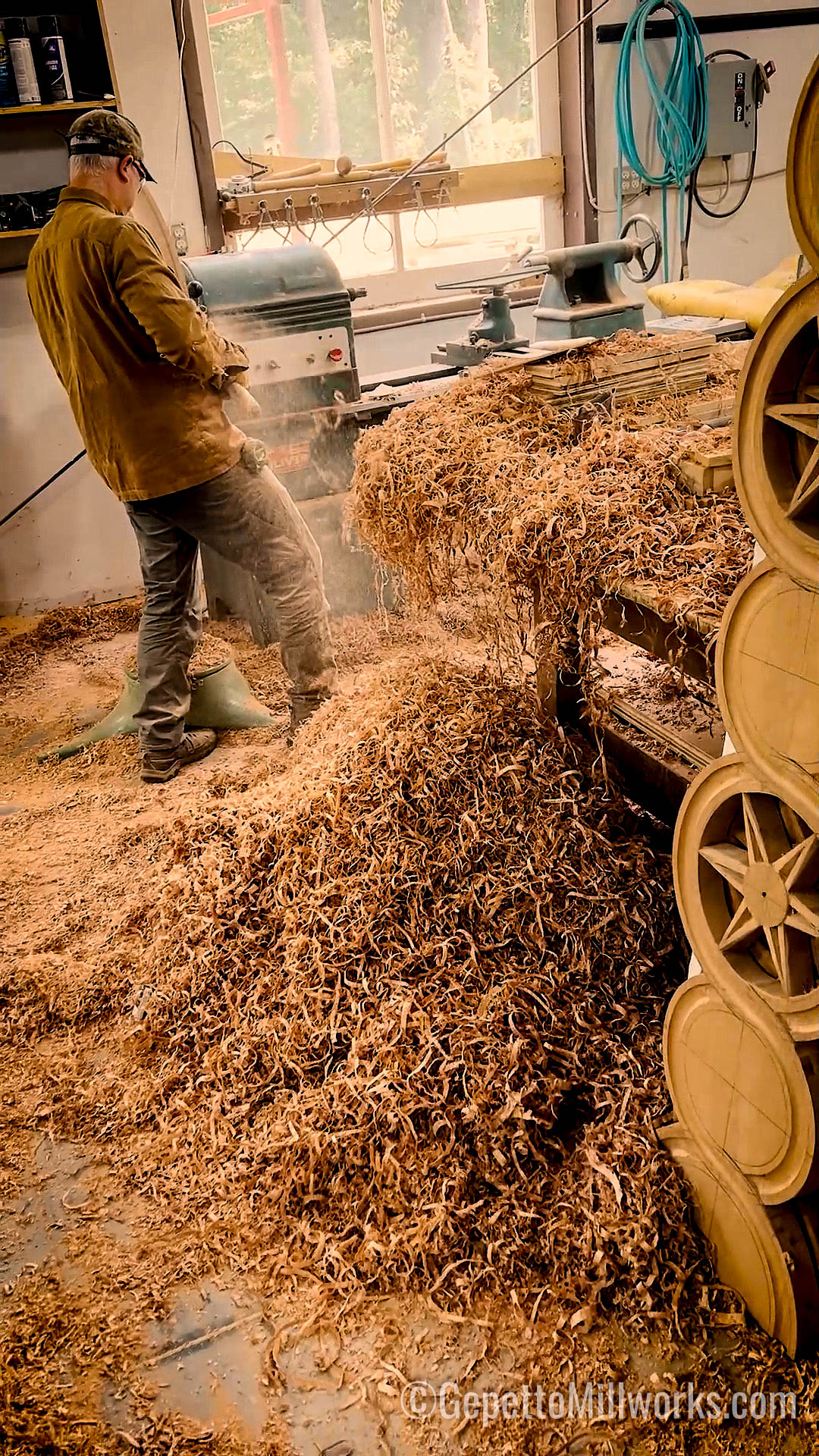
Turning wood on a lathe is more than a craft; it’s a form of meditation that if you rush will ruin many a piece of stock. Each curl of wood that spirals away is a reminder of the impermanence of life, of the constant cycle of creation and transformation. The wood’s resistance and surrender under the tools mirror the ebb and flow of thoughts in my mind, allowing me to reach a state of Zen-like focus.

Virginia Historic Replica Turnings

The mountains, visible through my workshop’s open door, stand as silent witnesses supporting this meditative practice. I am tuned in to the enduring nature of our existence and my grandfather’s who raised the barns and decorated the homes of Virginia for the last few hundred years. The quality of the materials I work with, each piece a fragment of a former project being reused imbues my creations with a soul, a story. The intricate connection we grow from the world around us.

There’s a rhythm in turning wood, a harmony that aligns with the natural rhythms of the earth. The mountains, with their changing colors and moods, are a constant source of inspiration and backdrop to our shop. They remind me that just like the wood that takes new shapes under my hands, we too are capable of transformation and growth.

Turned Wood Made to Order

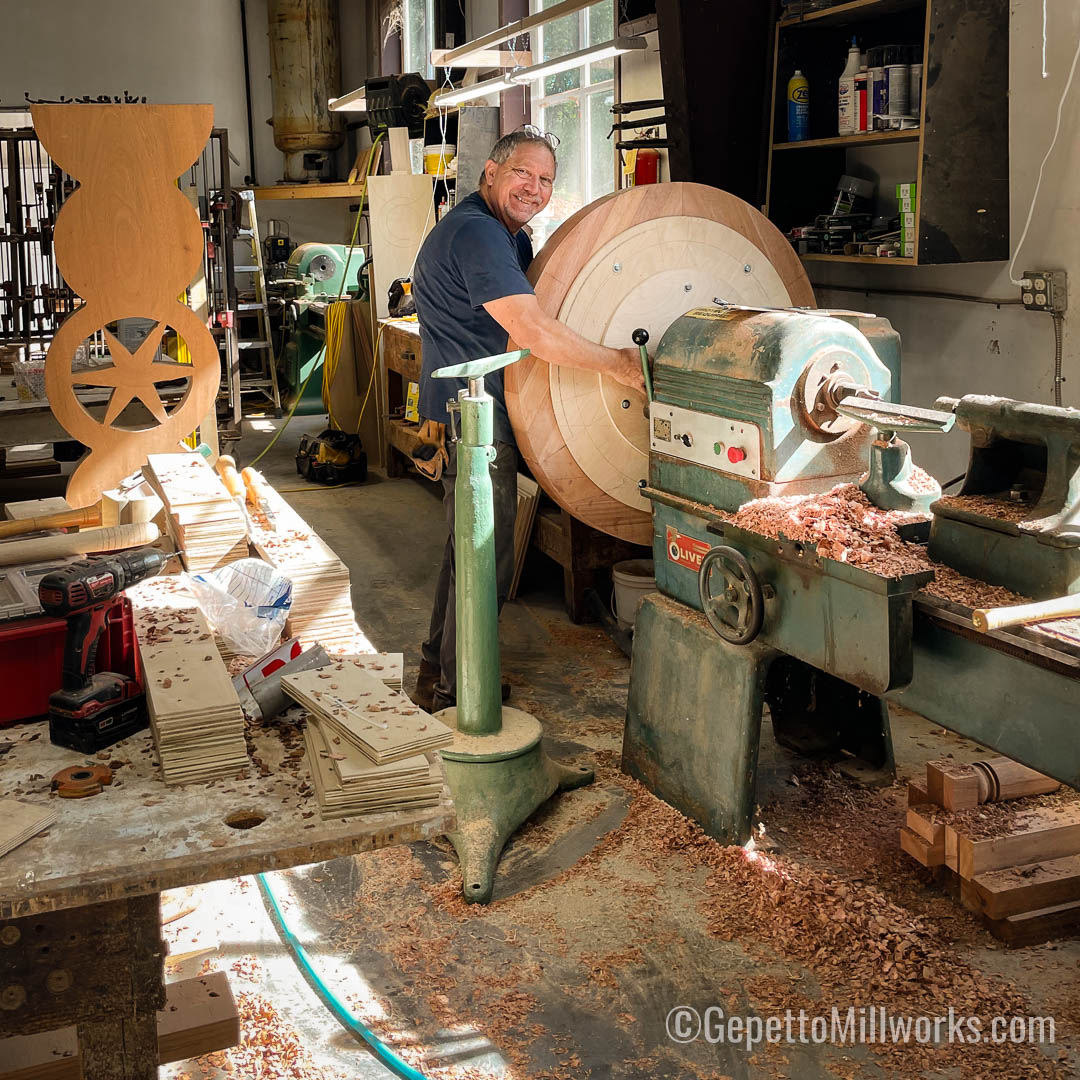
Hours pass without notice, as the stack of finished pieces grow behind me. The piece on the lathe slowly takes form, evolving from a rough block into a fitted form. The satisfaction of creating something beautiful, functional, and lasting is profound. It’s a connection not just to the material, but to the tradition of craftsmanship, to the history embedded in the wood, and to the serene beauty of the mountains that encompass my workshop.

As the day comes to an end, and the lathe falls silent, I step back to admire the finished pieces. In its curves and smoothness, I see not just my work, but the journey of the wood, from the heart of the mountains to the heart of someone’s home. This connection, this cycle of life and art, is the essence of my daily meditation, a reminder of the beauty and interconnectedness of all things.
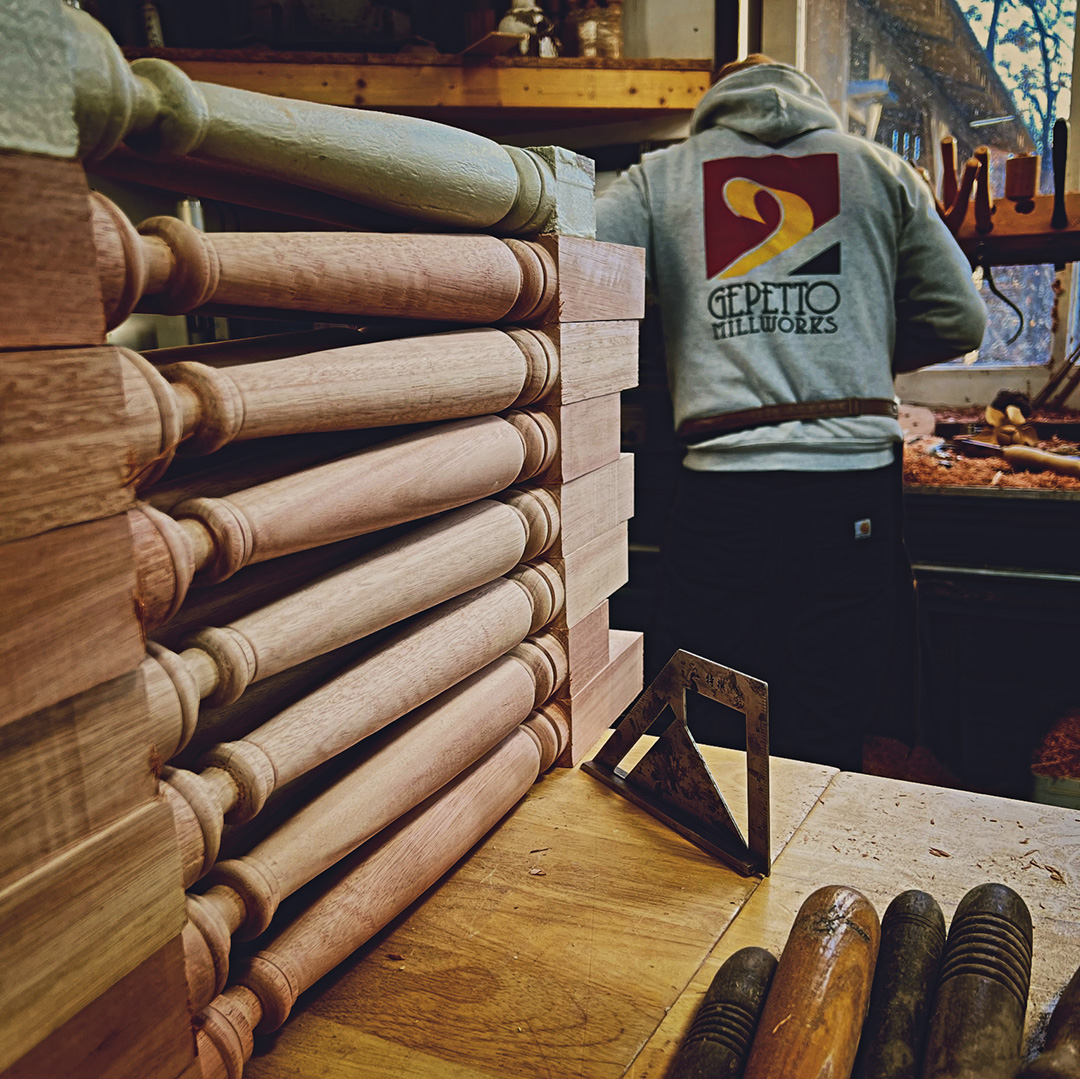
bulk order turned wood pieces for historic matching
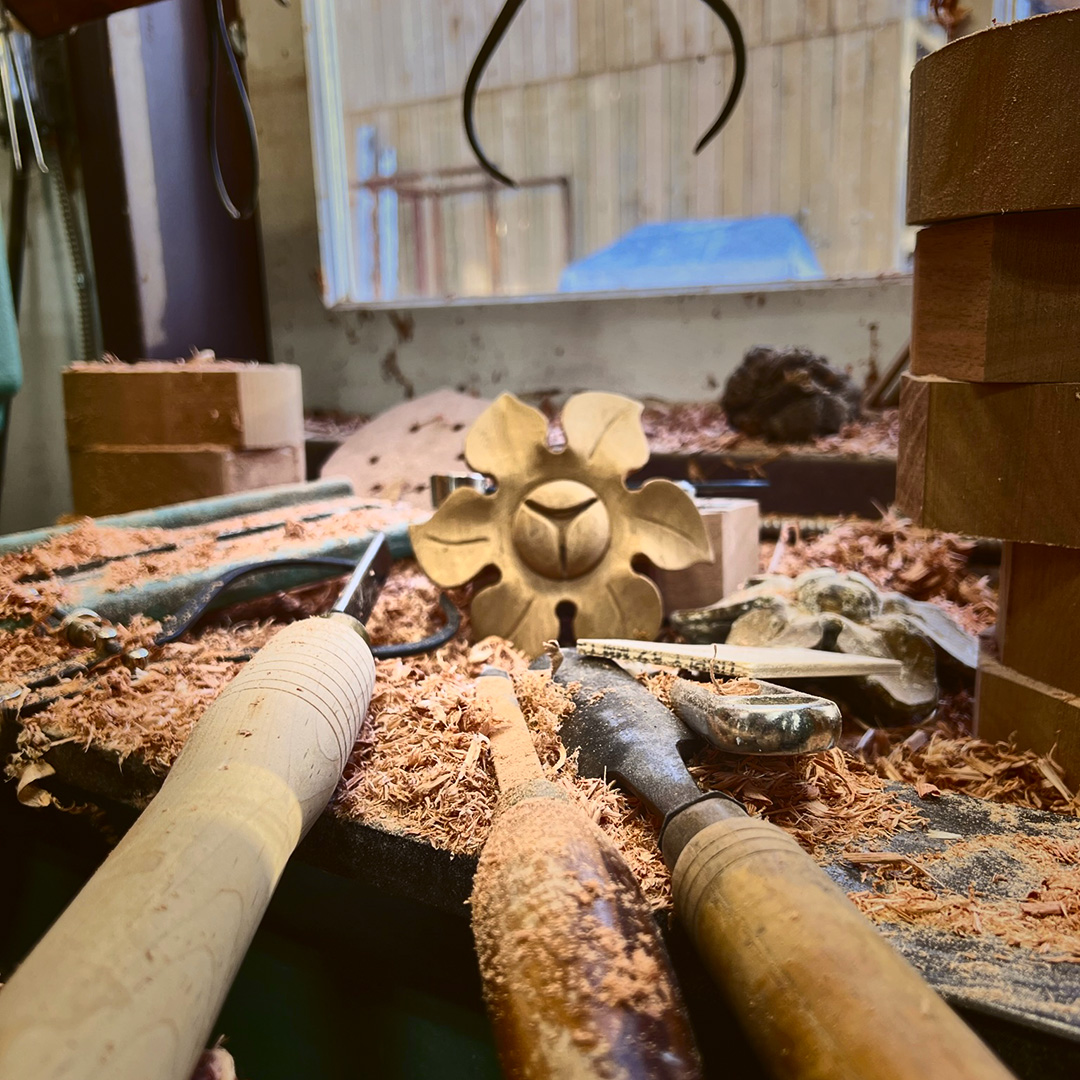
historically accurate architectural details made to order

bulk order turned wood pieces for historic matching

circular architectural wood elements turned on a lathe

bulk order turned wood pieces for historic matching

@gepetto.millworks The original bed finials at the Omni Homestead resort were misplaced during the extensive renovation process. As months went by, these finials became the final missing component, causing a delay in completing the project. Today, we are delighted to announce the successful delivery of 60 handcrafted and stained finials, which required only one week of shop time. This accomplishment marks the end of a four-month search! If you are in need of wooden historic replacement parts, your first step should be reaching out to Gepetto. You can contact Matt at ‪(804) 938-2094 to tap into 30 years of construction knowledge and expertise. Matt can provide you with an accurate project timeline that Gepetto will commit to delivering on time as agreed upon. #historicreplica #woodturning ♬ original sound - Gepettomillworks
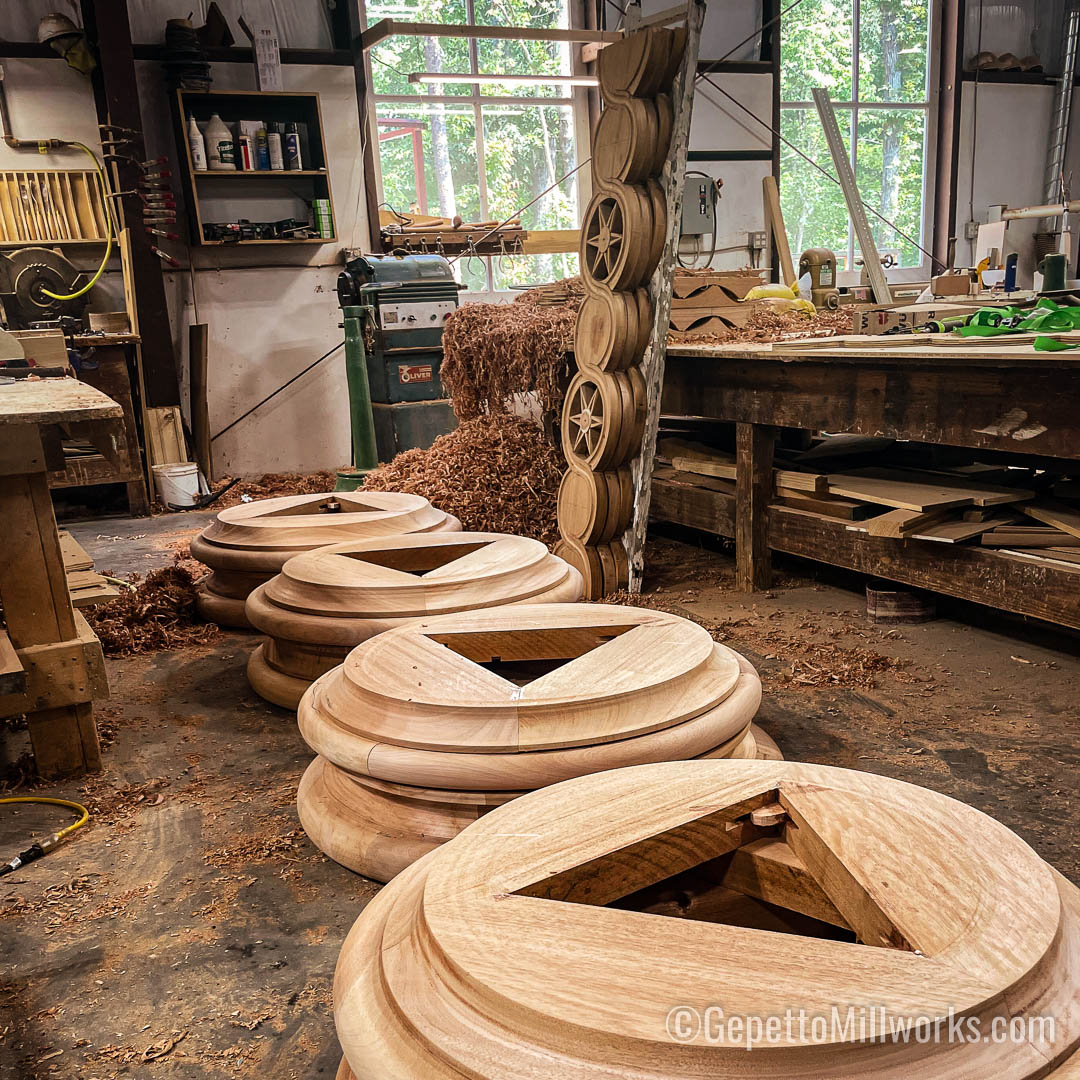
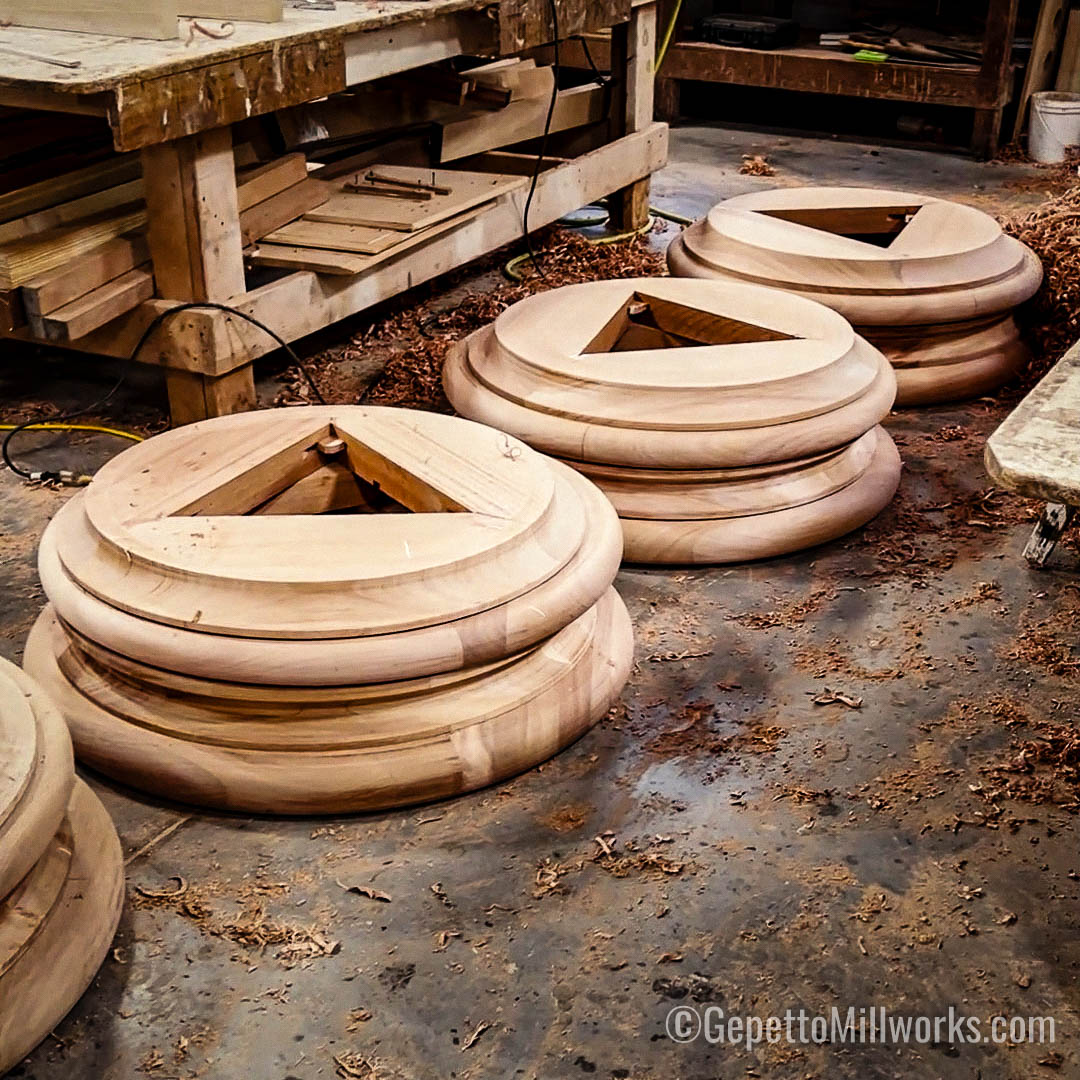
@gepetto.millworks Matt is making #handturned column bases from solid mahogany today in the shop - if you don’t think that you can find the parts and pieces for your #historicrenovation ♬ original sound - Gepettomillworks

Enjoy some music with us while you browse our site!

Decorative architectural elements that are round and typically require turning on a wood lathe include:

  1. Balusters: Vertical members in a railing system, often found in staircases and balconies.
  2. Newel Posts: Larger, more decorative posts at the bottom or top of staircases.
  3. Finials: Decorative, often pointed elements that cap posts, furniture, or architectural features.
  4. Columns and Pilasters: Round, often tapered, structural elements supporting roofs or arches.
  5. Rosettes: Circular, ornate decorative pieces, often used around doorknobs or in ceiling decor.
  6. Spindles: Smaller turned pieces used in furniture or as decorative accents.
  7. Handrails: Part of a staircase or balcony railing, turned for decorative effect.
  8. Table Legs: Often turned for aesthetic appeal in various styles.
  9. Chair Legs and Backs: Round elements in chairs are commonly created using a lathe.
  10. Cabinet Knobs and Pulls: Round or oval knobs and handles for drawers and cabinets.
  11. Dowels: Used in various applications, from curtain rods to structural supports.
  12. Corbels: Ornate, curved supports for shelves, mantels, or other overhangs.
  13. Bun Feet: Rounded feet often used for furniture like sofas, armchairs, or cabinets.
  14. Crown Molding Corners: Curved pieces where crown molding meets in corners.
  15. Decorative Appliques: Various round, carved pieces added for embellishment.

Beautiful Turned Wood Promotional Items

If you are not having us turn architectural decorative elements for historic restoration building projects – you might have us make custom promotional items like:

  1. Tool handles
  2. Lidded boxes
  3. Jewelry boxes
  4. Round jewelry holders
  5. Wooden cups/mugs
  6. Wooden cell phone holders
  7. Luxury desk sets
  8. Wooden wheels
  9. Wooden gears
  10. Wooden game pieces

Contact Matthew For Custom Wood Turning

Contact Gepetto for Bid Information
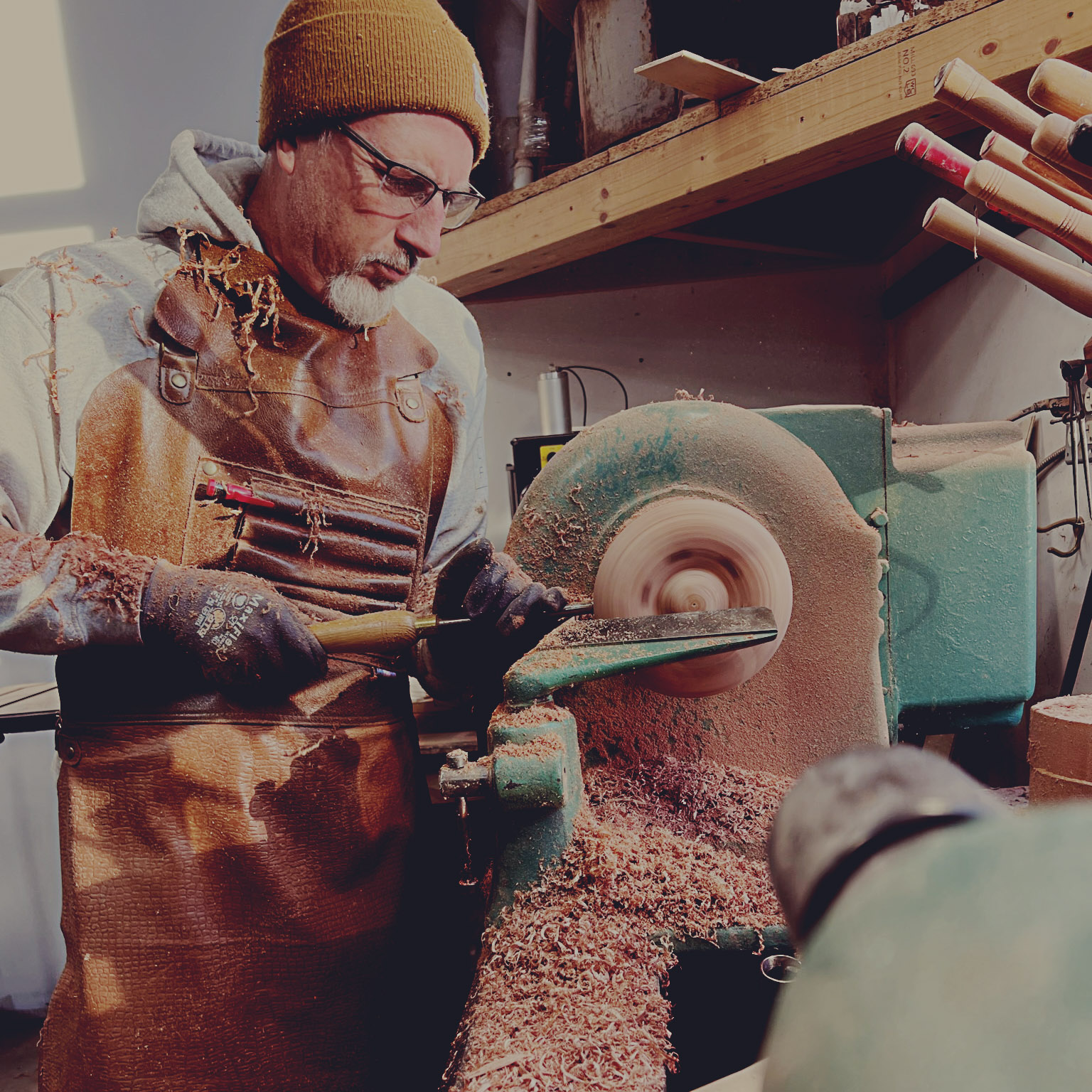
Timeline

Matthew Wiley wood turning supplier

Matthew Wiley wood turning supplier

circular architectural wood elements turned on a lathe
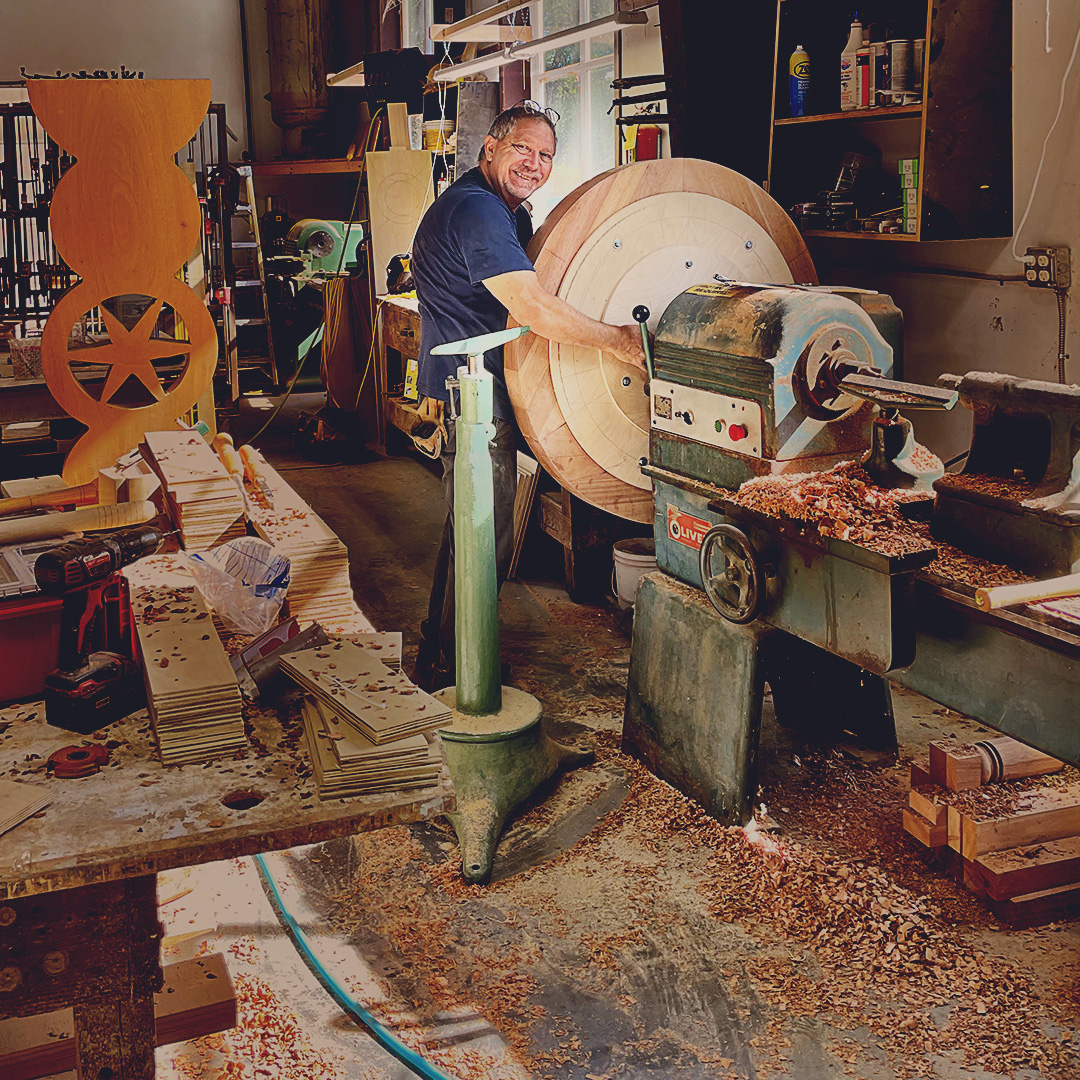
circular architectural wood elements turned on a lathe

made to order custom round wooden turned millwork
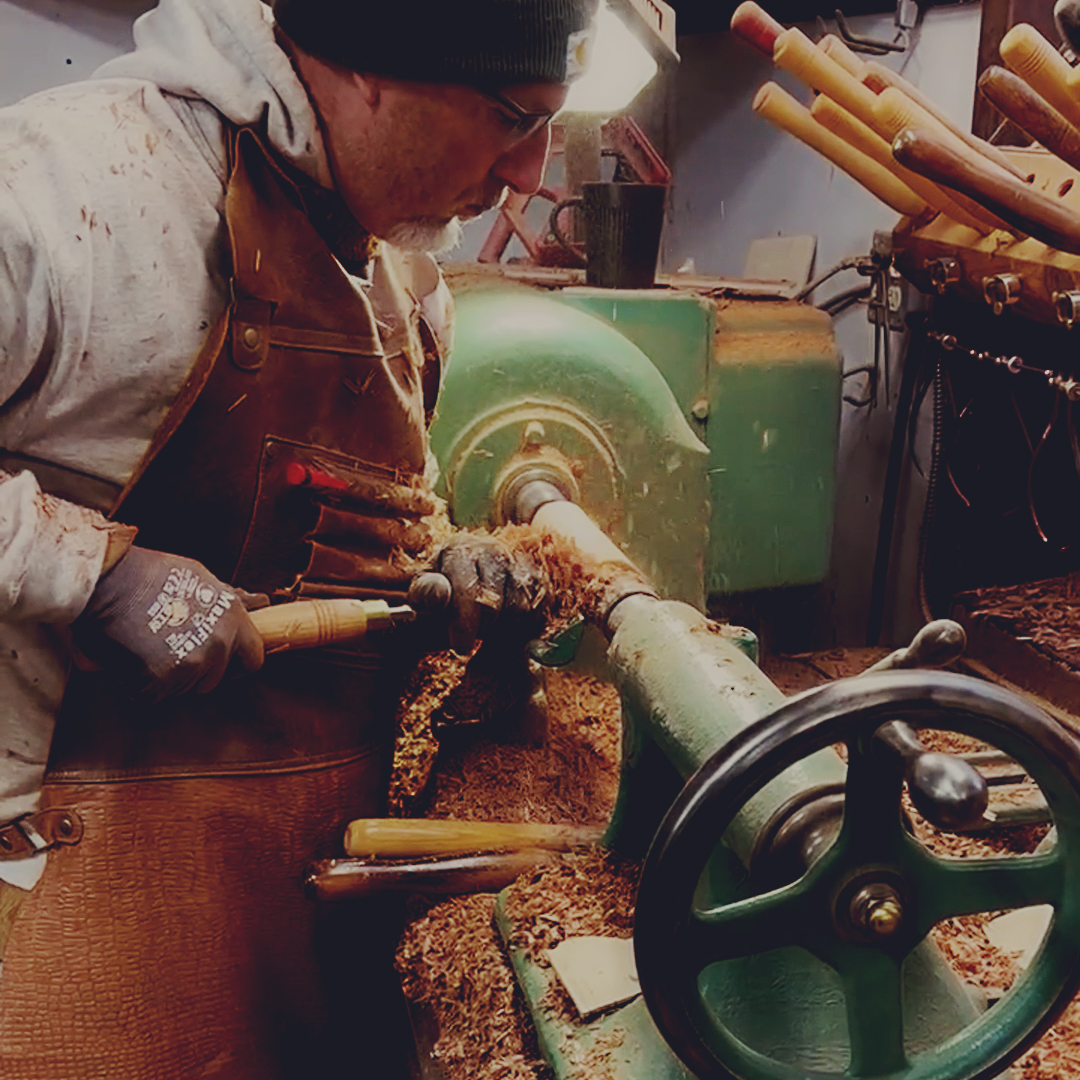
made to order custom round wooden turned millwork

turning wood craftsman making multiple newells to order
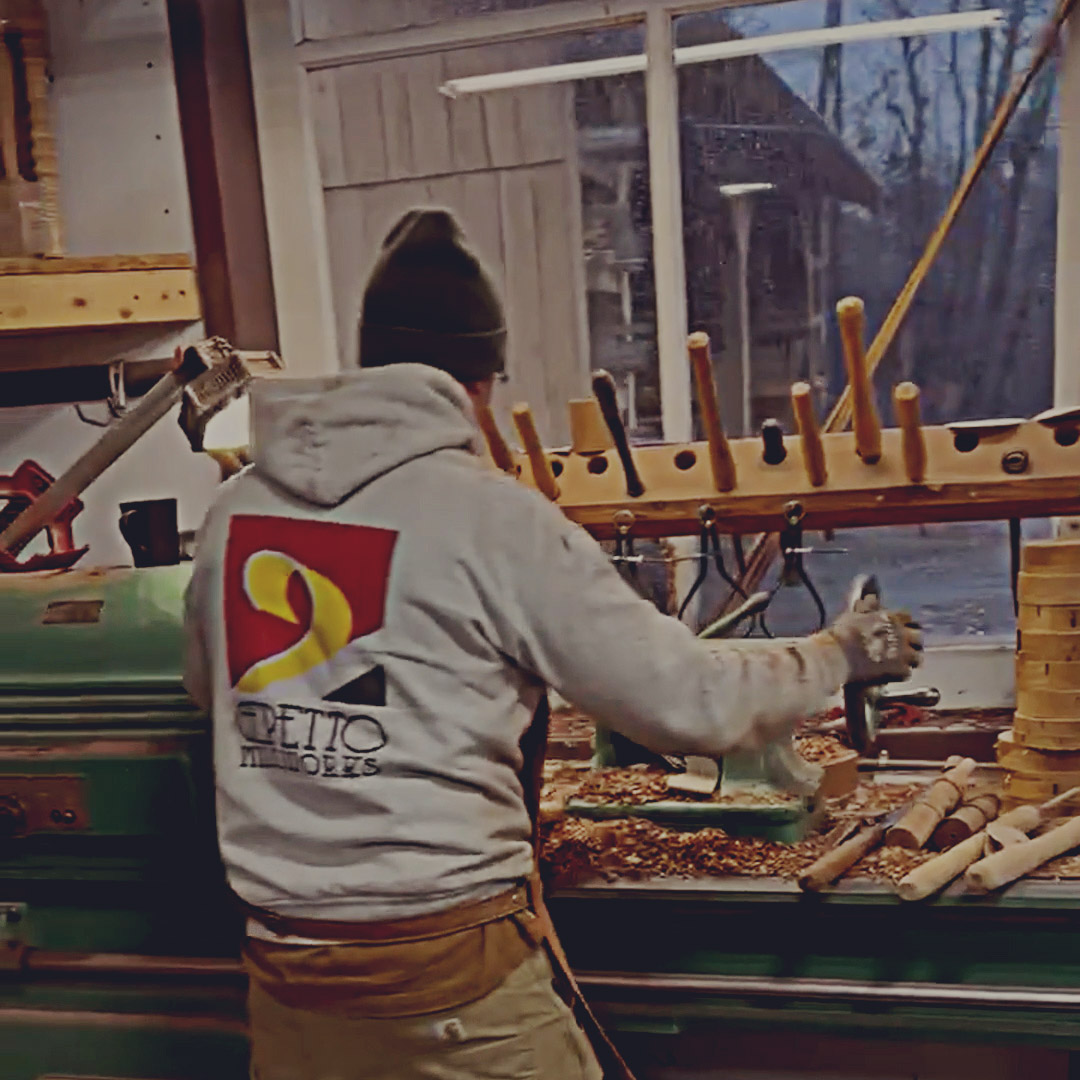
turning wood craftsman making multiple newells to order

circular architectural wood elements turned on a lathe
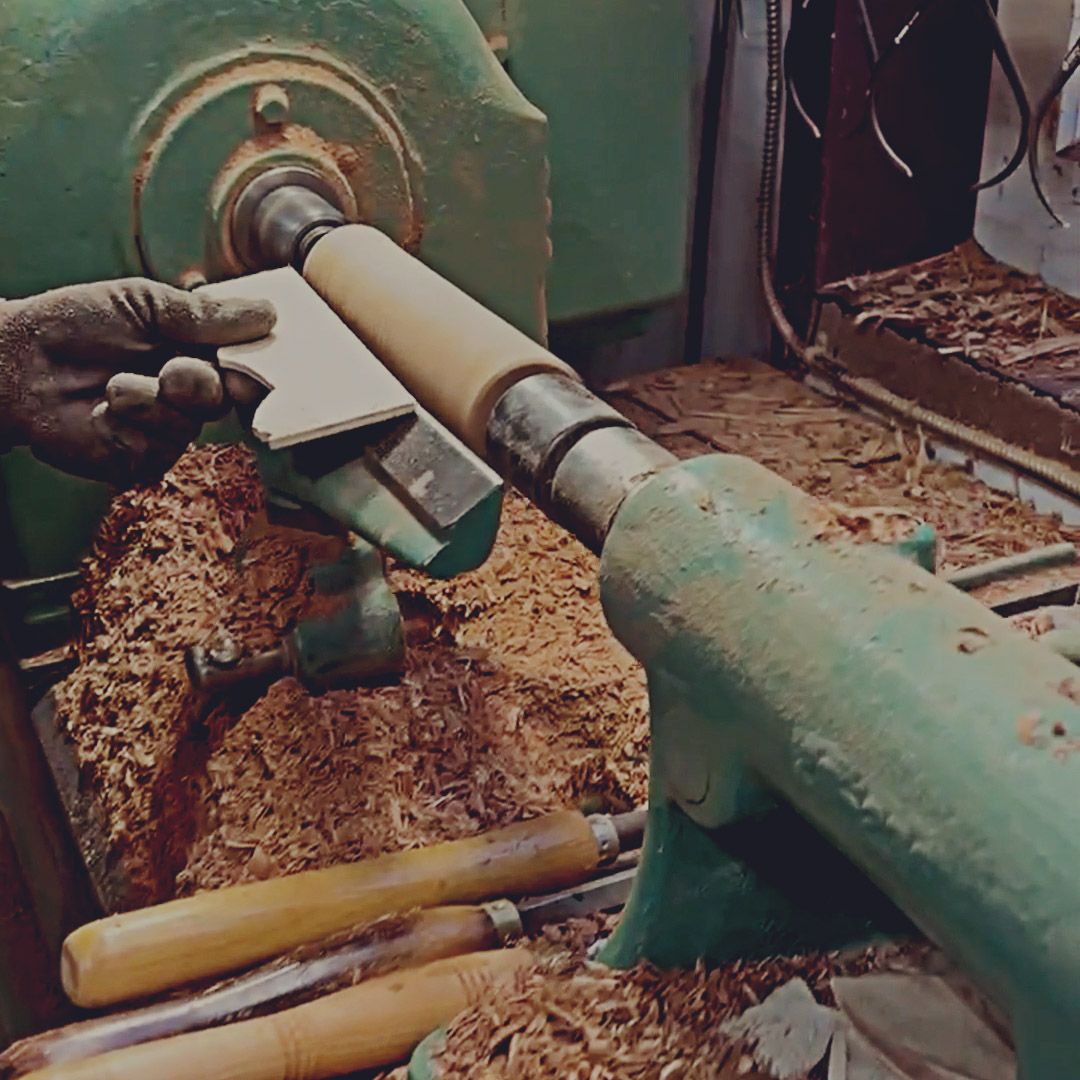
circular architectural wood elements turned on a lathe
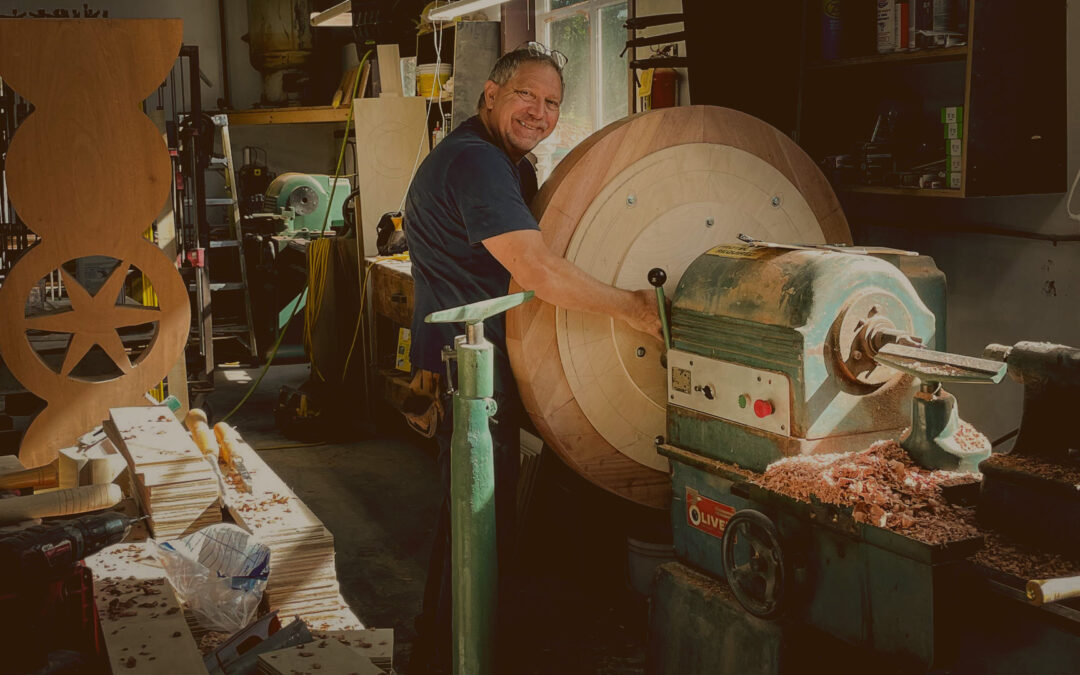
wood turning shop virginia custom order supplier

historic replica unique one off wood decorative element building materials

Custom Wood Turning for Historic Restoration

Custom Wood Turning for Historic Restoration

Handmade Turned wood rounds

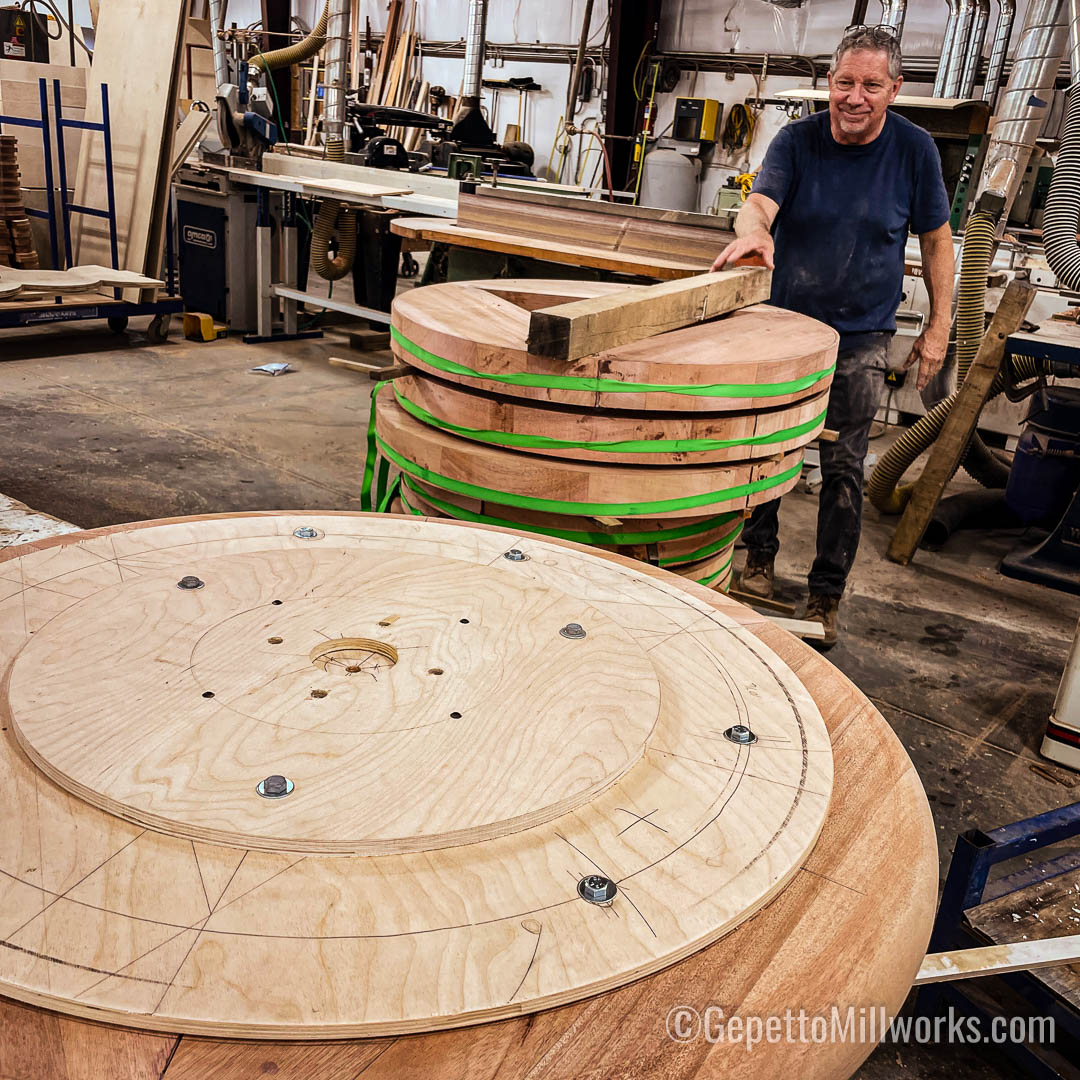
We hand turn solid wood round pieces for historic restoration projects.  That means that we pickup the damaged or worn parts to recreate them in our Charlottesville VA shop.

k

CUSTOM

REPAIR

HAND
MADE

CALL MATT

If you are searching for unique pieces for historic restoration building – call Matthew to discuss your needs!  We can build whatever you need, from whatever time period you are restoring.  These hand carved or turned pieces are being delivered to New Kent Virginia 


804.938.2094

solid wood round historic hand turning services

Handmade wood turnings made to order by Virginia craftsmen.  Whatever your project calls for we will make it to your specifications.  First step will be getting ‘shop drawings’ done, completely accurate architectural drawings.  From there we just need time!

Watch Them Turn Solid Wood

@gepetto.millworks Matt is making #handturned column bases from solid mahogany today in the shop - if you don’t think that you can find the parts and pieces for your #historicrenovation ♬ original sound - Gepettomillworks

GEPETTO CRAFTSMEN MAKE

Shop Magic

Hand Turned Solid Wood Column Base for Historic Restoration

A Legacy in Woodworking

At the heart of the historic restoration narrative lies Gepetto Millworks, a revered name in the woodworking realm, known for its unrivaled dedication to traditional craftsmanship. Situated in the woodlands of Virginia, Gepetto Millworks boasts a legacy spanning three generations, breathing life into the art of woodturning and historic restoration. Starting with Robert Wiley, now retired, Matt Wiley was trained by the demands of rural western Virginia farm life. Pragmatic attention to planning and time management crucial for farm life made Matt ready to manage a Millwork Shop. Robert’s 40 years of carpentry experience passed on to Matt a wide understanding of the building trades, common problems and historic solutions not readily available on Google or Youtube. Starting in 2022 now the 3rd generation began their apprenticeship under Matt with the understanding that fine wine takes time to mature! Gepetto now operates the shop facility from a nearly hidden hollow of 100 acres of farmland in the historic hills around Charlottesville VA.

The Art of Turning Solid Wood Pieces

The process of turning solid wood pieces is a harmonious blend of skill, precision, and patience. This age-old technique involves placing a wood blank on a lathe and shaping it using various cutting tools while it spins. For historic restoration, this technique offers the ability to recreate ornate profiles and subtle curves that were the hallmarks of architectural decoration in a bygone era where time & labor were less costly. Gepetto runs a very small staff of highly experienced craftsmen, so that projects are completed in a timely manner – and the trade skills and secrets are maintained. If you are seeking a unique piece – don’t worry, we’ve heard of it – and can recreate it accurately!
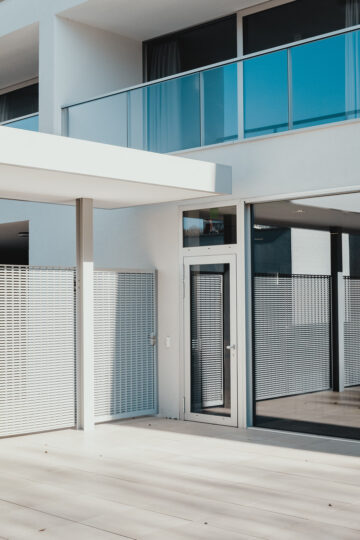

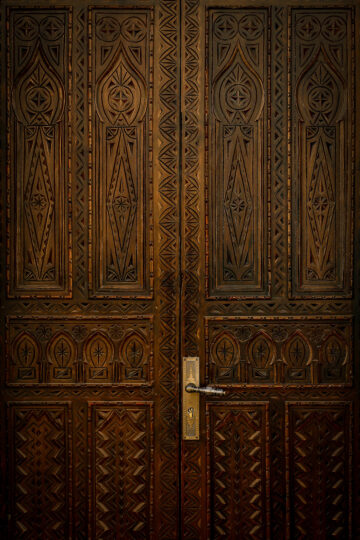

Column Bases: Echoes of Elegance

Column bases are architectural features that have graced structures for centuries, each reflecting the design trends of their time. In historic restoration, crafting column bases involves not just replicating their appearance but also understanding the construction techniques and materials that were prevalent during the structure’s era. Gepetto Millworks’ mastery shines in meticulously recreating column bases, capturing the very essence of the original design while ensuring structural integrity. We can craft a base from a single piece of solid mahogany so that environmental stressors are less likely to damage the piece. Historic building methods often have pragmatic reasons for their implementation. While we are capable of making a plywood style layered composite, the effective durability of a solid slab of weather durable mahogany is higher than a manufactured material. Architectural millwork encompasses a vast array of components, from intricate cornices to elaborate friezes. In historic restoration, these elements are the pièce de résistance, embodying the grandeur and attention to detail that defined the architecture of yesteryears. The artisans at Gepetto Millworks approach architectural millwork with a profound respect for tradition, using age-old techniques to replicate every fine detail, ensuring an authentic restoration that stands the test of time.
Hand Turned Solid Wood Column Base for Historic Restoration

Turned Solid Wood Pieces

Historic restoration is a noble endeavor that bridges the gap between the past and the present, preserving the essence of bygone eras for generations to come. One of the essential elements in such restoration projects is the art of turning solid wood pieces. Gepetto craftsmen are some of the only professional supply options for general contractors, architects and restoration specialists looking to recreate solid wood pieces. Delve into the intricate world of historic restoration construction with us! That world where turned wood components like column bases, balustrades, and newels, meticulously handcrafted on the wood lathes of Gepetto Millworks in Virginia continue to be exemplary producers of timeless craftsmanship that lasts centuries.

The Essence of Historic Restoration

Historic restoration construction involves a delicate balance between honoring the architectural legacy of a structure and ensuring its continued viability for modern use. In this context, turned solid wood pieces play a pivotal role because so many general contractors are not aware of services like Gepetto provides. The general contractor of today does not have an army of skilled woodworkers supplying their job sites any longer as in the historic time periods we are task to restore. You can return to the essence of an era, preserving the stylistic intricacies that defined the architectural preferences of that past time period. These pieces when installed properly continue the irreplaceable charm of the historic building.

Column Bases: Echoes of Elegance

Column bases are architectural features that have graced structures for centuries, each reflecting the design trends of their time. In historic restoration, crafting column bases involves not just replicating their appearance but also understanding the construction techniques and materials that were prevalent during the structure’s era. Gepetto Millworks’ mastery shines in meticulously recreating column bases, capturing the very essence of the original design while ensuring structural integrity. We can craft a base from a single piece of solid mahogany so that environmental stressors are less likely to damage the piece. Historic building methods often have pragmatic reasons for their implementation. While we are capable of making a plywood style layered composite, the effective durability of a solid slab of weather durable mahogany is higher than a manufactured material. Architectural millwork encompasses a vast array of components, from intricate cornices to elaborate friezes. In historic restoration, these elements are the pièce de résistance, embodying the grandeur and attention to detail that defined the architecture of yesteryears. The artisans at Gepetto Millworks approach architectural millwork with a profound respect for tradition, using age-old techniques to replicate every fine detail, ensuring an authentic restoration that stands the test of time.

Balustrades and Newels: Stairways to History

Balustrades and newels are often the visual centerpiece of historic buildings centered around the staircase. Adorning staircases with intricate designs that were once the high style elegance in that era. In the meticulous restoration of these components, Gepetto Millworks’ woodturning expertise comes to the fore. Every spindle, rail, and newel is handcrafted with the utmost care, ensuring that the soul of the original design is captured and the handmade nuances remain. What sets Gepetto Millworks apart is not just its remarkable craftsmanship, but its commitment to historical accuracy. The artisans delve deep into architectural records, scrutinizing historical documents and photographs to unravel the design elements of anything lost to the past. This dedication extends to sourcing the right wood species, using traditional joinery methods, and applying authentic finishes, ensuring that each turned wood piece is a faithful representation of its era.

Preservation Through Education

The legacy of historic restoration lives on through education. Gepetto Millworks recognizes the importance of passing on the torch of craftsmanship to the next generation. The woodworking workshops and apprenticeships offered by the millworks provide budding artisans with the opportunity to learn the nuances of turning solid wood pieces, perpetuating a tradition that might otherwise fade away. In the realm of historic restoration construction, turned solid wood pieces embody the essence of eras long past. Gepetto Millworks, nestled in the heart of Virginia, breathes life into this legacy, crafting column bases, architectural millwork, balustrades, and newels that stand as testaments to the artistry of yore. As we gaze upon these masterpieces, we are reminded that the past is not merely history; it is a living, breathing entity that continues to enrich our present and inspire our future.

Contact Gepetto for Bid Information

Timeline

Choosing the Right General Contractor for a Historic Renovation or Fix-and-Flip in Richmond, Virginia

Richmond, Virginia, is a city steeped in history, with neighborhoods that showcase architectural styles from the late 18th century through the early 20th century. For homeowners, real estate investors, and architects, this makes Richmond a prime location for historic...

arched and elliptical window builder Virginia

arched and elliptical window builder Virginia

Bowed Windows Made in Virginia

https://woodmadeillinois.com/wooden-windows/Round, Arc, Gothic Arch, and Bowed Windows Handcrafted in Virginia: When it comes to bespoke architectural woodwork, Gepetto Millworks stands at the pinnacle of craftsmanship in Virginia. Specializing in historically...

Church Hill Richmond Virginia Historic Millwork and Restoration Wood Supplier

Church Hill in Richmond, Virginia, Richmond's first neighborhood, is a historic district boasting antebellum homes and architectural styles like Greek Revival, Federal, Queen Anne, and Italianate, known for its cobblestone streets and gas streetlampThe Church Hill...

Clerestory Restoration Virginia

Airflow and Comfort in Pre-Air-Conditioning Time Periods

A Focus on Virginia

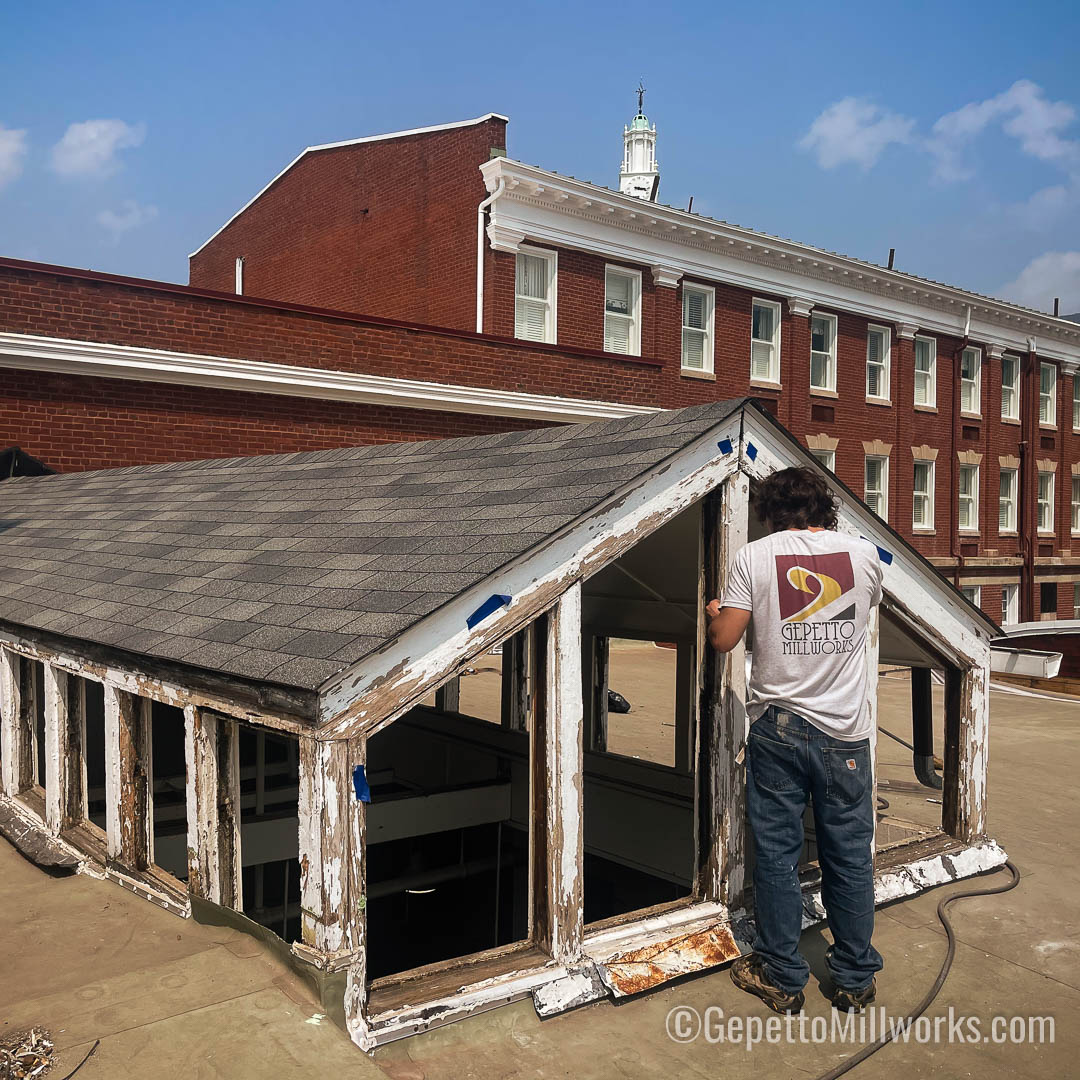
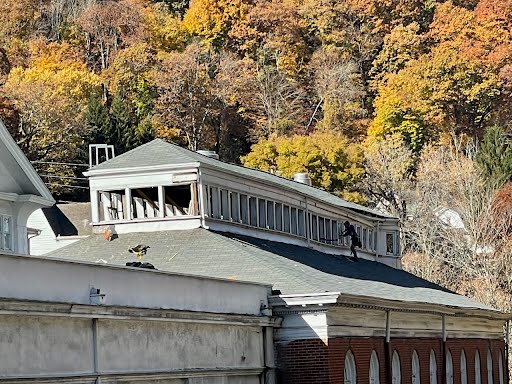
Clerestory windows have played a significant role in architectural design throughout history. These windows are characterized by their placement high on the walls of a structure, allowing natural light to flood the interior while facilitating airflow and ventilation. In pre-air-conditioning eras, such as in the state of Virginia, clerestory windows were particularly valued for their ability to improve indoor comfort. This article explores the restoration of clerestory windows for airflow and comfort in pre-air-conditioning time periods, with a specific focus on the work conducted by Gepetto Millworks. 

Historical Significance of Clerestory Windows

Clerestory windows have a rich history dating back to ancient times. The concept of the clerestory developed as a solution to challenges faced by architects and builders in creating well-lit and ventilated spaces. The utilization of vertical slabs of stone and narrow windows allowed for the admission of light and air, while maintaining the structural integrity of the building. This architectural innovation eventually found its way into churches, cathedrals, and other religious structures, where it became an essential element in creating awe-inspiring spaces.

The Role of Clerestory Windows in Pre-Air-Conditioning Times

Prior to the advent of air conditioning, buildings in Virginia and across the United States relied on passive cooling techniques to maintain comfortable indoor temperatures. Clerestory windows played a crucial role in this regard. By strategically placing these windows high on the walls, architects capitalized on the stack effect, a natural ventilation phenomenon that occurs when hot air rises and escapes through upper-level openings, drawing in cooler air from lower levels. The clerestory windows acted as exhaust vents, expelling warm air while simultaneously allowing fresh, cool air to enter the space. This process facilitated airflow, reducing stuffiness and improving overall comfort.

Preservation and Restoration of Clerestory Windows

With the passage of time and changing architectural trends, many historic buildings with clerestory windows fell into disrepair. However, there has been a recent resurgence of interest in restoring these windows to their former glory. Gepetto Millworks, a prominent restoration company, has been at the forefront of this movement in Virginia.

The restoration process begins with a thorough examination of the existing clerestory windows. Gepetto Millworks’ team of experts carefully assesses the condition of the windows, including the frames, glass panes, and any decorative elements. Preservation and restoration efforts aim to retain as much of the original material as possible, ensuring historical accuracy.

Gepetto Millworks utilizes traditional craftsmanship techniques to repair and replace damaged components. For instance, if the wooden frames show signs of decay, they are meticulously restored using age-appropriate joinery methods and durable wood species, such as mahogany or oak. Similarly, damaged glass panes are replaced with historically accurate replicas, matching the original design and ensuring optimal transparency.

Maximizing Airflow and Comfort

In the restoration process, Gepetto Millworks pays particular attention to optimizing the airflow and comfort provided by clerestory windows. Historical accuracy is maintained while integrating modern advancements in energy efficiency and comfort.

To ensure effective ventilation, Gepetto Millworks carefully adjusts the size and positioning of the windows, considering factors such as prevailing wind directions, sun exposure, and the building’s orientation. By tailoring these aspects to specific locations in Virginia, the company optimizes natural airflow patterns, promoting a comfortable and healthy indoor environment.

Gepetto Millworks also employs advanced weather sealing techniques to reduce air leakage. This not only enhances the energy efficiency of the restored windows but also prevents unwanted drafts and moisture infiltration, preserving the building’s structural integrity.

Benefits of Clerestory Window Restoration

The restoration of clerestory windows brings numerous benefits to both historic buildings and their occupants.

Preservation of Cultural Heritage: By restoring clerestory windows, Gepetto Millworks helps preserve the architectural heritage of Virginia. These windows are significant cultural artifacts that contribute to the historical fabric of the state and reflect the craftsmanship of a bygone era.

Improved Natural Lighting: Clerestory windows allow abundant natural light to enter the interior, reducing the need for artificial lighting during daylight hours. This enhances visual comfort, minimizes energy consumption, and creates a more aesthetically pleasing environment.

Enhanced Ventilation: Restored clerestory windows facilitate efficient airflow, promoting natural ventilation and reducing the reliance on mechanical cooling systems. This not only improves indoor air quality but also decreases energy consumption and the associated carbon footprint.

Increased Comfort: Properly restored clerestory windows contribute to a more comfortable indoor environment by reducing humidity, balancing temperatures, and minimizing the occurrence of stagnant air. Occupants can enjoy a fresh and pleasant atmosphere, reminiscent of the pre-air-conditioning era.

The restoration of clerestory windows in Virginia is a testament to the dedication and expertise of companies like Gepetto Millworks. By breathing new life into these architectural elements, they revive the timeless benefits of natural lighting and ventilation. As buildings adapt to modern energy-efficiency standards, the restoration of clerestory windows becomes an invaluable endeavor to bridge the gap between historical preservation and contemporary comfort.

@gepetto.millworks

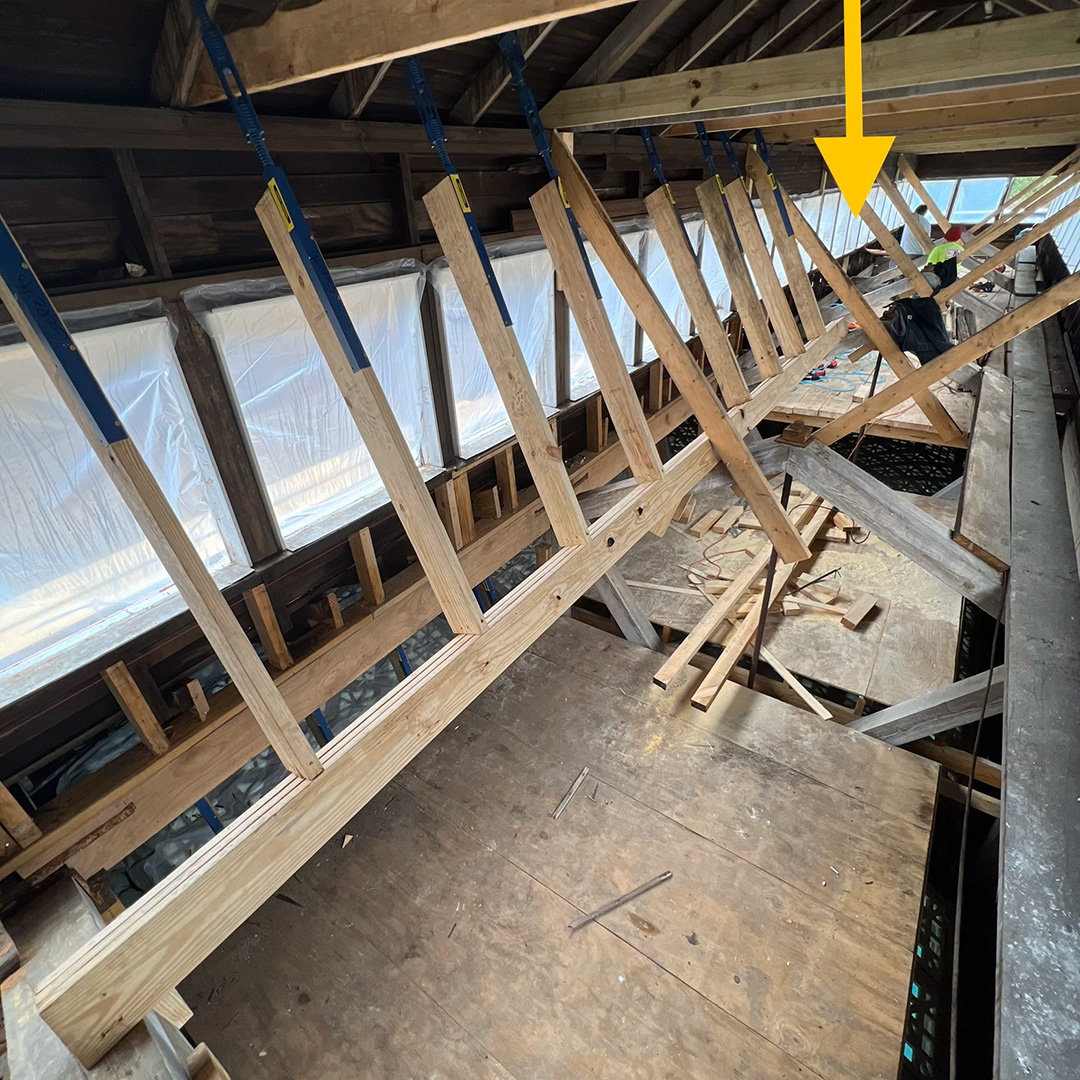
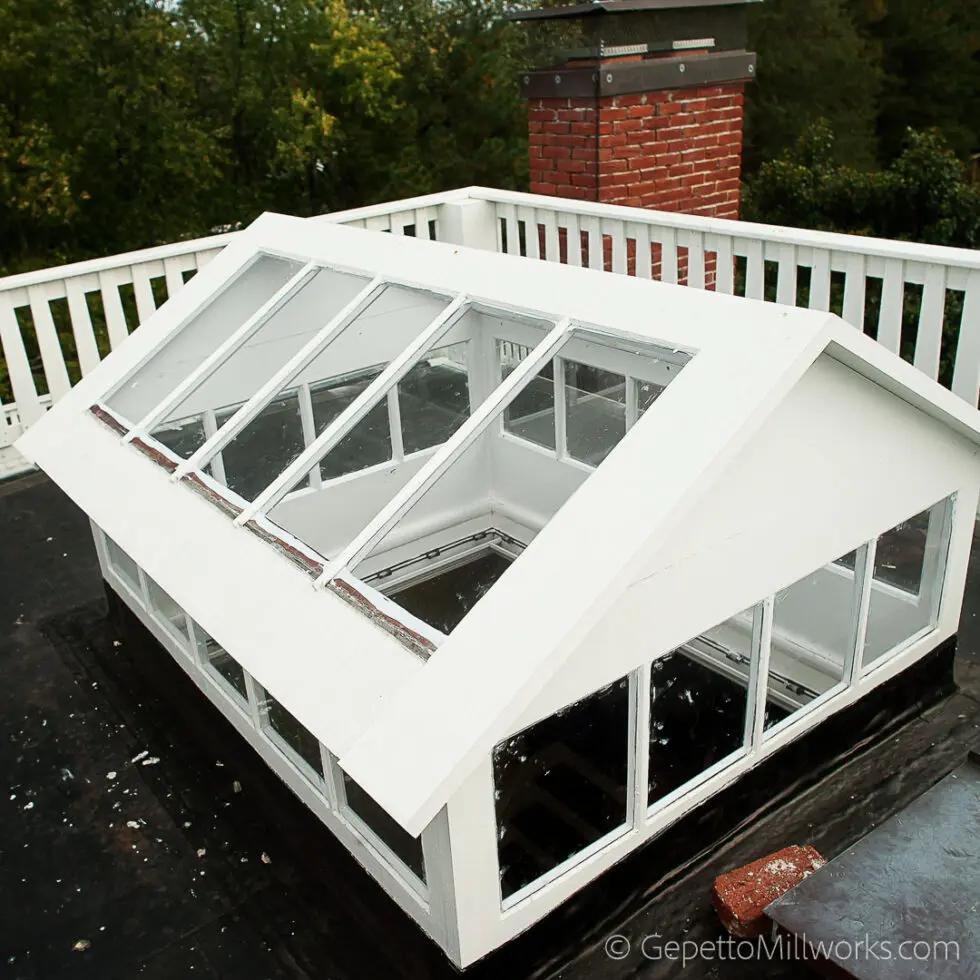
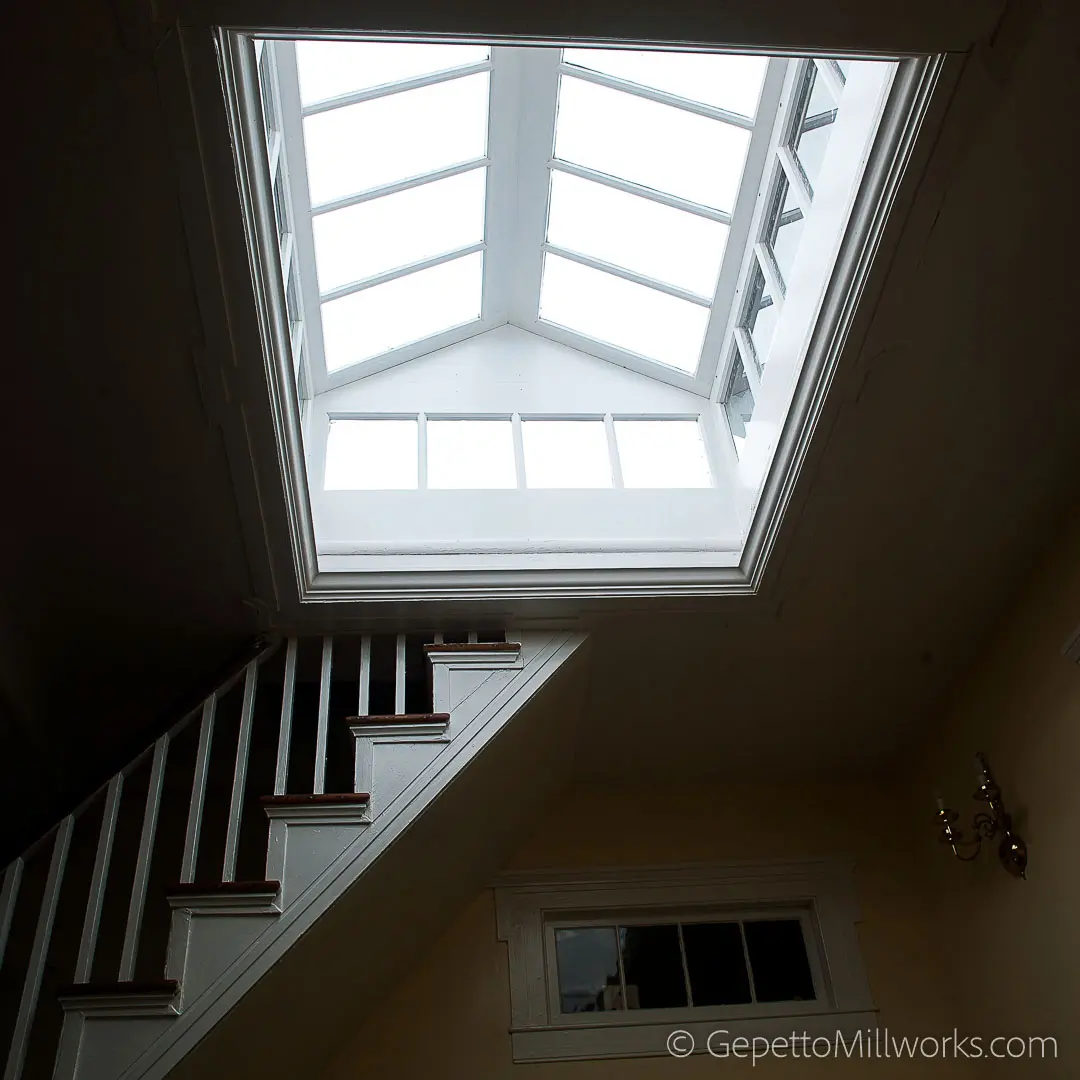
One of the interesting #architectural elements Gepetto Millworks often receives calls to replace, or rebuild are #skylight and #Clerestory from the era where light was just as precious as space. The light bulb was only invented in 1879, and the grid to support it would be years to follow! Today we are one of the few shops producing #handjoinery and we have replaced and repaired rooftop light systems from South Carolina to Maryland. Give me a call at 804-938-2094 to discuss replacing or restoring one in your project.

♬ original sound - Gepettomillworks
@gepetto.millworks

Custom made #historic #replica #historicrestoration serving general contractors and builders across #virginia #northcarolina #southcarolina #maryland

♬ original sound - Gepettomillworks
virginia clerestory service and restoration
virginia clerestory builder restoration
virginia clerestory restoration supplier

In architecture, a clerestory (/ˈklɪərstɔːri/ KLEER-stor-ee; lit. ’clear storey’, also clearstory, clearstorey, or overstorey) is a high section of wall that contains windows above eye level. Its purpose is to admit light, fresh air, or both.

Historically, clerestory denoted an upper level of a Roman basilica or of the nave of a Romanesque or Gothic church, the walls of which rise above the rooflines of the lower aisles and are pierced with windows.

Daylighting is the practice of placing windows, skylights, other openings, and reflective surfaces so that sunlight (direct or indirect) can provide effective internal lighting. Particular attention is given to daylighting while designing a building when the aim is to maximize visual comfort or to reduce energy use. Energy savings can be achieved from the reduced use of artificial (electric) lighting or from passive solar heating. Artificial lighting energy use can be reduced by simply installing fewer electric lights where daylight is present or by automatically dimming/switching off electric lights in response to the presence of daylight – a process known as daylight harvesting.

The amount of daylight received in an internal space can be analyzed by measuring illuminance on a grid or undertaking a daylight factor calculation. Computer programs such as Radiance allow an architect or engineer to quickly calculate benefits of a particular design. The human eye’s response to light is non-linear, so a more even distribution of the same amount of light makes a room appear brighter.

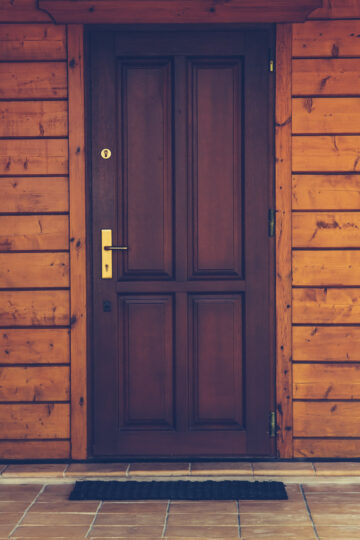
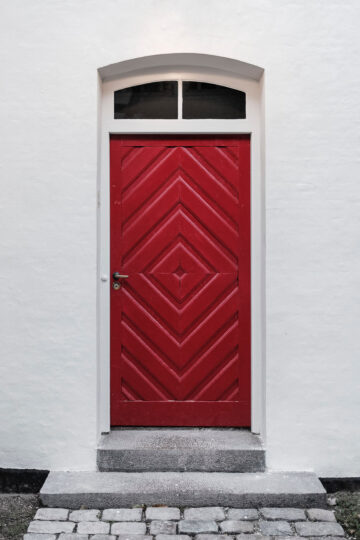
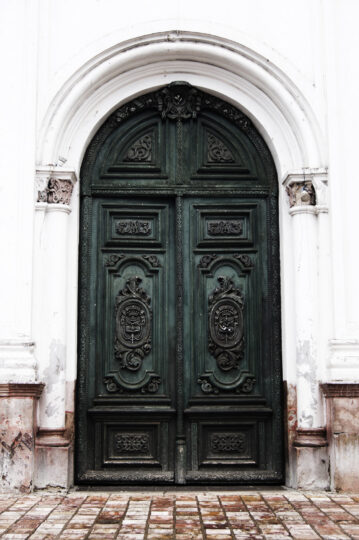
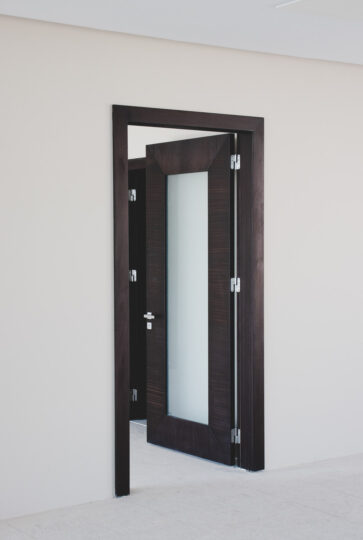
Made To Order Wooden Door Washington DC Capitol Region

Made To Order Wooden Door Washington DC Capitol Region

Made To Order Wooden Door Washington DC Capitol Region

Made To Order Wooden Door Washington DC Capitol Region

Made To Order Wooden Door Washington DC Capitol Region

Made To Order Wooden Door Washington DC Capitol Region

Made To Order Wooden Door Washington DC Capitol Region

Made To Order Wooden Door Washington DC Capitol Region

Made To Order Wooden Door Washington DC Capitol Region

Made To Order Wooden Door Washington DC Capitol Region

Made To Order Wooden Door Washington DC Capitol Region

Made To Order Wooden Door Washington DC Capitol Region

Made To Order Wooden Door Washington DC Capitol Region

Made To Order Wooden Door Washington DC Capitol Region

Made To Order Wooden Door Washington DC Capitol Region

Made To Order Wooden Door Washington DC Capitol Region

Made To Order Wooden Door Washington DC Capitol Region

Made To Order Wooden Door Washington DC Capitol Region

Made To Order Wooden Door Washington DC Capitol Region

Made To Order Wooden Door Washington DC Capitol Region

Made To Order Wooden Door Washington DC Capitol Region

Made To Order Wooden Door Washington DC Capitol Region

Made To Order Wooden Door Washington DC Capitol Region

Made To Order Wooden Door Washington DC Capitol Region

Made To Order Wooden Door Washington DC Capitol Region

Made To Order Wooden Door Washington DC Capitol Region

Made To Order Wooden Door Washington DC Capitol Region

Handmade Woodworking by local Virginia craftsmen

Handmade Woodworking by local Virginia craftsmen

Church Hill Richmond Virginia Historic Millwork and Restoration Wood Supplier

Church Hill in Richmond, Virginia, Richmond's first neighborhood, is a historic district boasting antebellum homes and architectural styles like Greek Revival, Federal, Queen Anne, and Italianate, known for its cobblestone streets and gas streetlampThe Church Hill...

Stave Core Historic Door Builders Virginia

Solid Wood Door vs. Stave Core Door: Comparison of two solid wood building methods made in the Geppetto Millworks shop When choosing between a solid wood door and a stave core door, it is important to understand the distinctions between the two. Both types of doors...

Historic Building Tax Credits

Maximizing Historic Building Tax Credits with Gepetto Millworks’ Authentic Wood Architectural Elements Restoring historic buildings is both a labor of love and a commitment to preserving cultural heritage. While the process is rewarding, it can also be financially...

Virginia Wood Turning EXPERT

Hello, I’m Matt Wiley, proprietor of Gepetto Millworks, and I've spent decades learning the nearly lost craft of wood turning by hand. It’s on the art side of craft that allows me to deliver accurate architectural restoration millwork to the historic buildings of the...

arts & Crafts Style Millwork Supplier

“Arts & Crafts” is not so much a style as an umbrella term for an approach to design and living. It encompasses such style genres as Mission Revival, Stickley-related Craftsman, Midwestern Prairie School, California Bungalow, and English design from William Morris...

Accoya Approved Manufacturer VA

We have been using Accoya Acetylated wood for exterior applications since it's introduction into the United States market in 2012. Acetylated wood stands truer and weather's better - read the acdemic articles below to start your education for specifiying the...

Wood has been an integral part of architectural construction throughout history, particularly in the construction of historic homes in Virginia. From the elegant symmetry of Georgian architecture to the refined simplicity of Federal design and the artisanal charm of Craftsman homes, the use of wooden building materials has played a significant role. In this exploration, we delve into the wooden building materials that define these architectural styles, highlighting their significance and the relevant architectural millwork terms associated with them.

Georgian Architecture (1760-1820)

Georgian architecture, prominent in Virginia from the mid-18th century, is characterized by its symmetry, proportion, and classical details. The wooden building materials used in Georgian homes reflect the grandeur and sophistication of the style.

Clapboard Siding: One of the most common exterior siding materials in Georgian homes, clapboard siding consists of long, narrow wooden boards overlapping horizontally. This siding provides durability and weather resistance while contributing to the architectural symmetry.

Sash Windows: Featuring multiple panes of glass divided by wooden muntins, sash windows are typical in Georgian architecture. These windows often incorporate architectural millwork terms such as sills, sashes, and glazing bars, enhancing both functionality and aesthetic appeal.

Crown Molding: Crown molding, also known as cornice molding, adorns the junction between walls and ceilings, adding elegance and visual interest to Georgian interiors. Its intricate profiles, including dentil molding and egg-and-dart motifs, demonstrate the craftsmanship of the period.

Federal Architecture (1780-1820)

Federal architecture emerged during the late 18th and early 19th centuries, characterized by its refined simplicity and emphasis on symmetry and proportion. Wooden building materials in Federal homes exhibit a blend of neoclassical elements and delicate detailing.

Pilasters: Wooden pilasters, often flanking doorways and windows, are key features of Federal architecture. These vertical columns, with their flat, rectangular profiles and subtle ornamentation, impart a sense of classical elegance to facades.

Fanlights: Above entry doors, fanlights featuring intricate wooden tracery became popular in Federal homes. These semi-circular or elliptical windows, adorned with delicate wooden mullions and glazing bars, illuminate interiors while adding decorative flair.

Wainscoting: Interior wainscoting, comprising wooden panels applied to the lower portion of walls, is a characteristic feature of Federal design. Raised or recessed paneling, often accompanied by chair rails and baseboards, contributes to the architectural refinement of rooms.

Craftsman Architecture (1905-1930)

Craftsman architecture, a reaction against the ornate styles of the late 19th century, emerged in the early 20th century with an emphasis on craftsmanship, natural materials, and simplicity. Wooden building materials in Craftsman homes reflect a commitment to artisanal quality and organic beauty.

Shingle Siding: Craftsman homes frequently feature exterior walls clad in shingle siding, showcasing the natural texture and warmth of wood. These handcrafted wooden shingles, often left unpainted to weather gracefully, contribute to the rustic charm of Craftsman architecture.

Exposed Beams: Interior spaces in Craftsman homes often boast exposed wooden beams, highlighting the structural integrity and craftsmanship of the building. These beams, typically crafted from sturdy hardwoods such as oak or maple, add character and visual interest to ceilings.

Built-in Cabinetry: Craftsman interiors often incorporate built-in wooden cabinetry, reflecting the movement’s emphasis on functionality and simplicity. These custom cabinets, featuring clean lines, solid construction, and handcrafted details, provide both storage solutions and architectural focal points.

In the evolution of architectural styles in Virginia from the Georgian period through the Federal era to the Craftsman movement, wooden building materials have remained central to the construction and character of historic homes. From clapboard siding and sash windows in Georgian architecture to pilasters and fanlights in Federal design, and from shingle siding and exposed beams in Craftsman homes, these materials embody the craftsmanship, elegance, and enduring beauty of Virginia’s architectural heritage. Understanding the architectural millwork terms associated with these wooden elements enhances appreciation for the rich history and craftsmanship preserved within these historic homes.

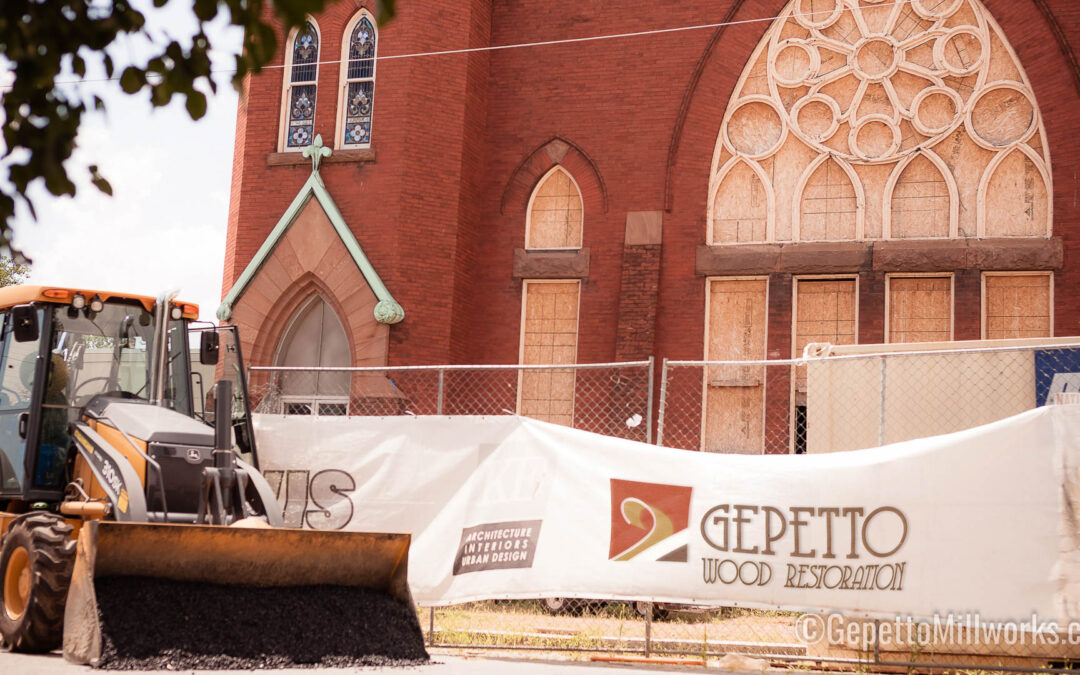
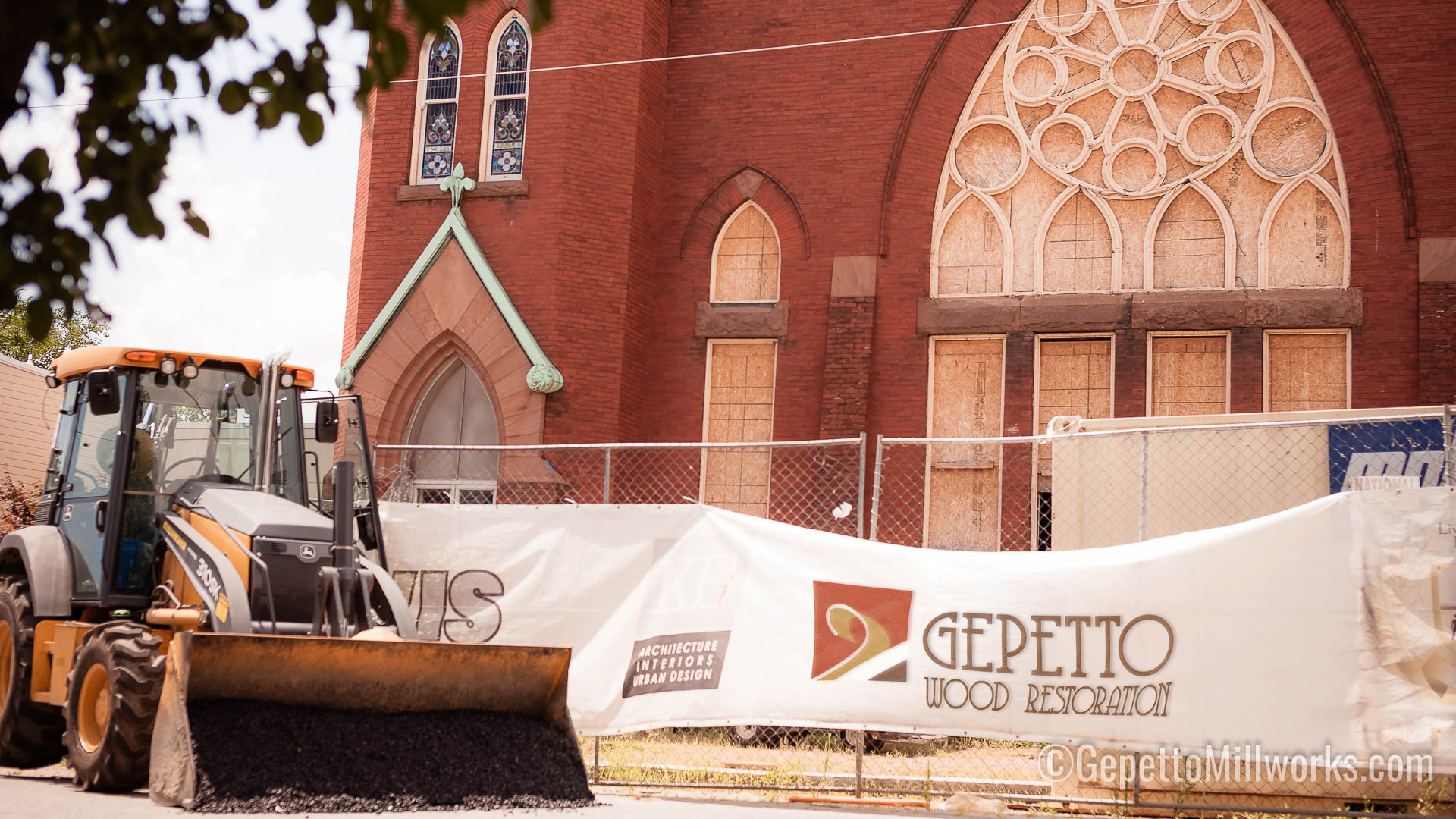
Church Window Restoration

Church Window Restoration

Church Window Restoration Virginia
quatrefoil cut in plate tracery
church window restoration virginia

Throughout Virginia’s history spanning from the early 18th century to the mid-20th century, churches have played a central role in the architectural landscape defining our cities and townships. The religious gathering place reflects the timeperiod and evolving tastes, beliefs, and influences of Virginia from the Henricus Settlement to the present day. Various architectural styles leave their mark on the churches scattered across the state from the Western Shenandoah to the Eastern Seaboard. The colonial period starts us out and we see wood being phased out in construction in the dawn of modernism so we’re no longer useful.  

Colonial Church Restoration Services (1700-1776):

The colonial period in Virginia was marked by the influence of European architectural styles, primarily English and sometimes Dutch or German. Anglican churches dominated the Virginia landscape during this time, reflecting the religious and cultural preferences of the predominantly English settlements. These churches were typically built in the Georgian architectural style, characterized by symmetrical facades, classical proportions, and red-brick construction. Examples include Bruton Parish Church in Williamsburg and Christ Church in Alexandria.

Federal Period Window Restoration (1780-1830):

Following the American Revolution, Virginia experienced a shift towards more neoclassical architectural styles influenced by the ideals of the new republic. Federal-style churches emerged, incorporating elements such as Palladian windows, porticos, and decorative motifs inspired by ancient Greece and Rome. St. Paul’s Episcopal Church in Richmond exemplifies this style with its elegant portico and classical detailing.

Greek Revival (1820-1860):

The Greek Revival style gained popularity in Virginia during the early to mid-19th century, reflecting a fascination with the democracy of ancient Greece. Churches built in this style often featured columns, pediments, and simple geometric forms reminiscent of Greek temples. The Old Presbyterian Meeting House in Alexandria is a notable example, with its Doric columns and pedimented portico.

Gothic Revival Window Builder (1840-1880):

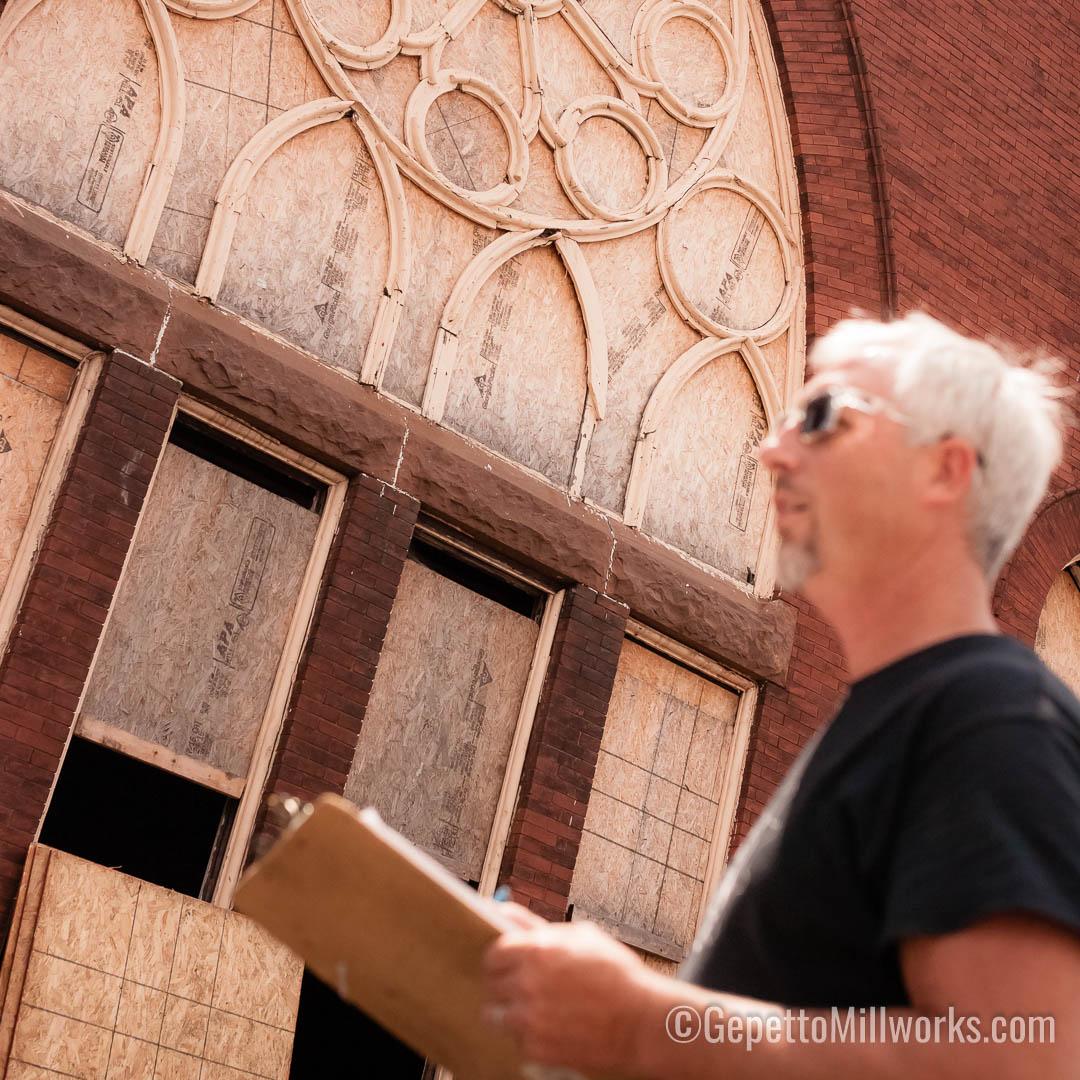
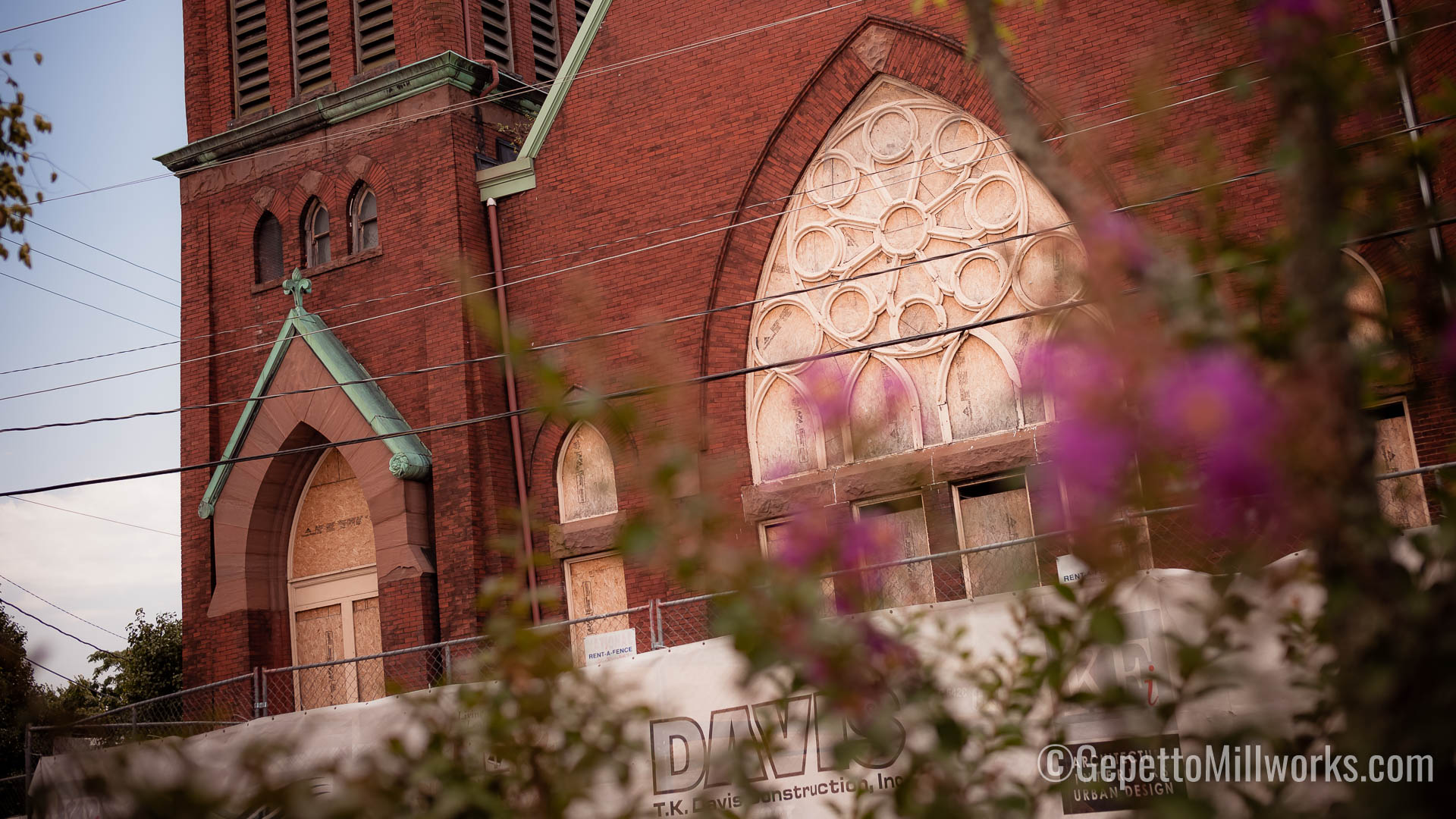
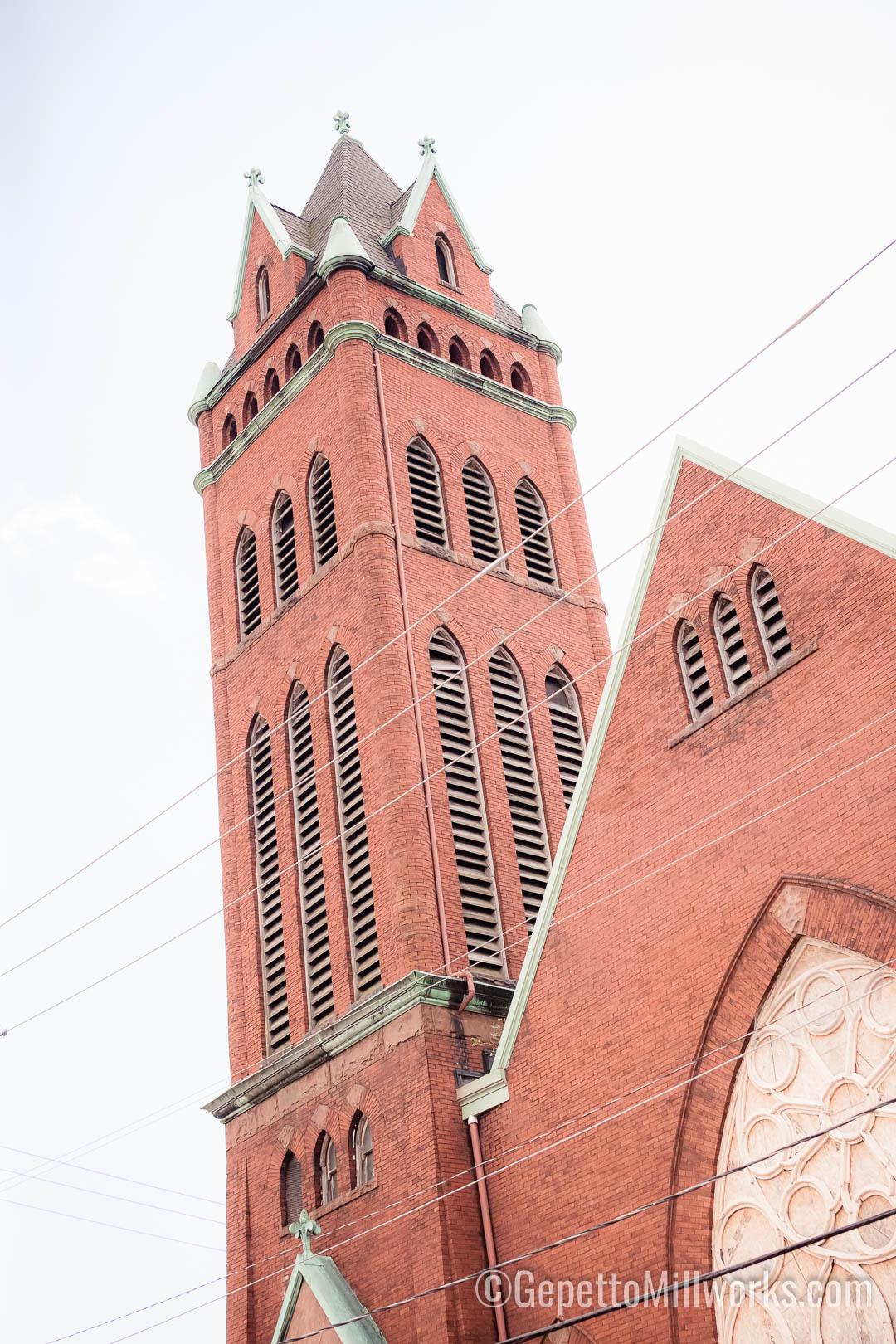
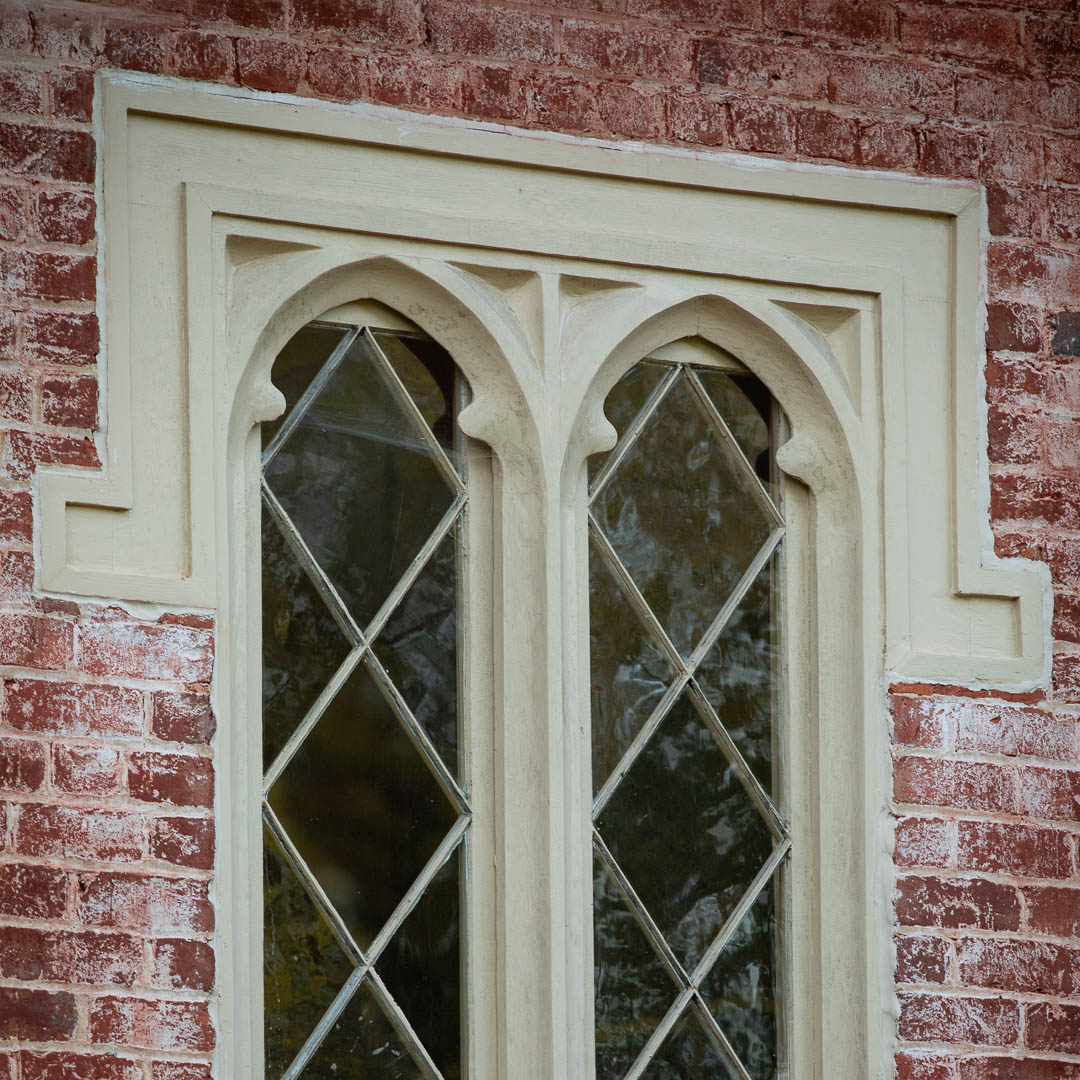
In the mid-19th century, the Gothic Revival style began to emerge as a reaction against the perceived excesses of neoclassicism. Gothic Revival churches in Virginia featured pointed arches, steeply pitched roofs, and elaborate decorative elements inspired by medieval cathedrals. These churches often incorporated lancet windows with quatrefoil cut in plate tracery, adding a sense of verticality and lightness to the interior spaces. St. John’s Episcopal Church in Richmond, designed by architect Samuel Sloan, is a prime example of this style, with its soaring spire and intricate tracery work.

Victorian Window & Door Replication (1837-1901):

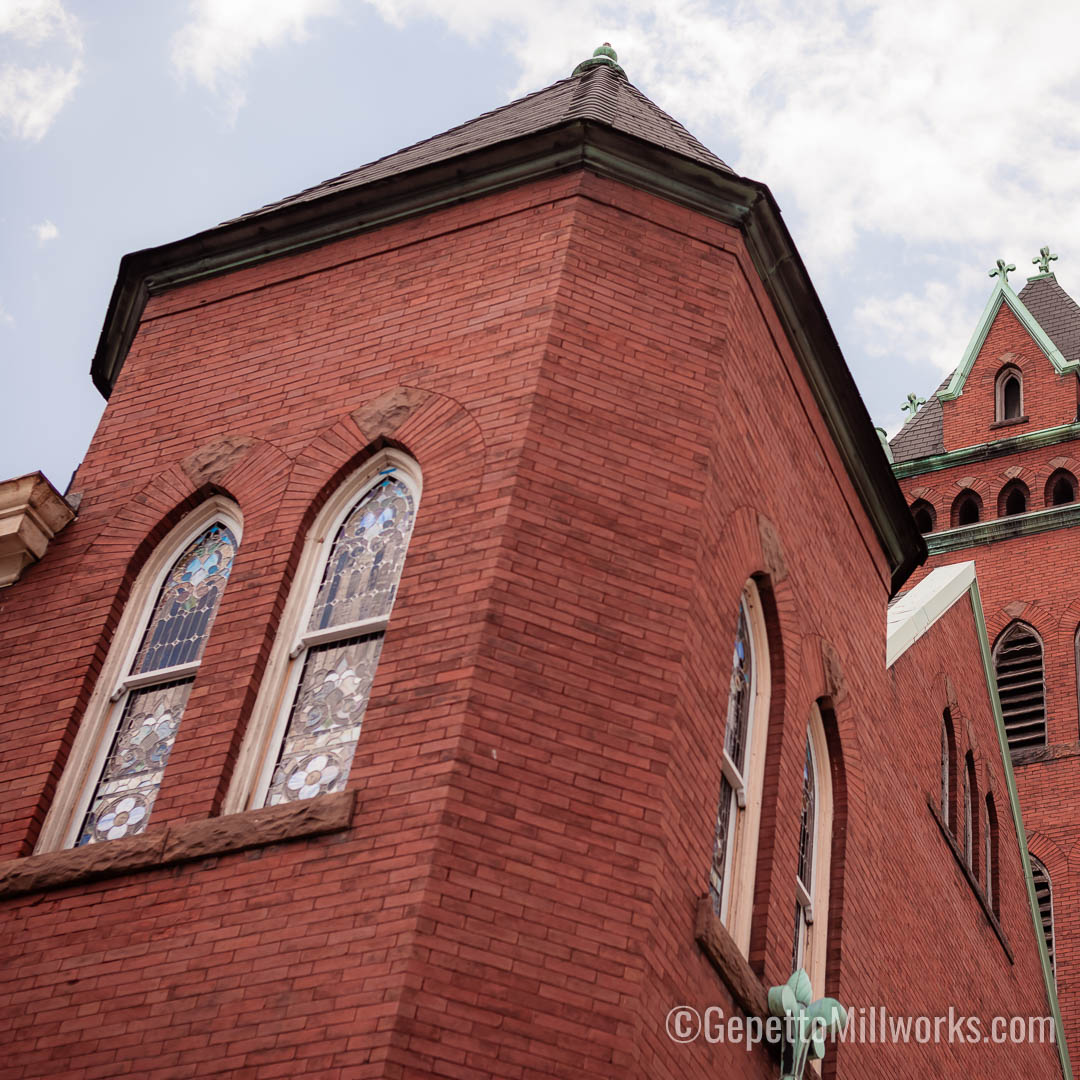
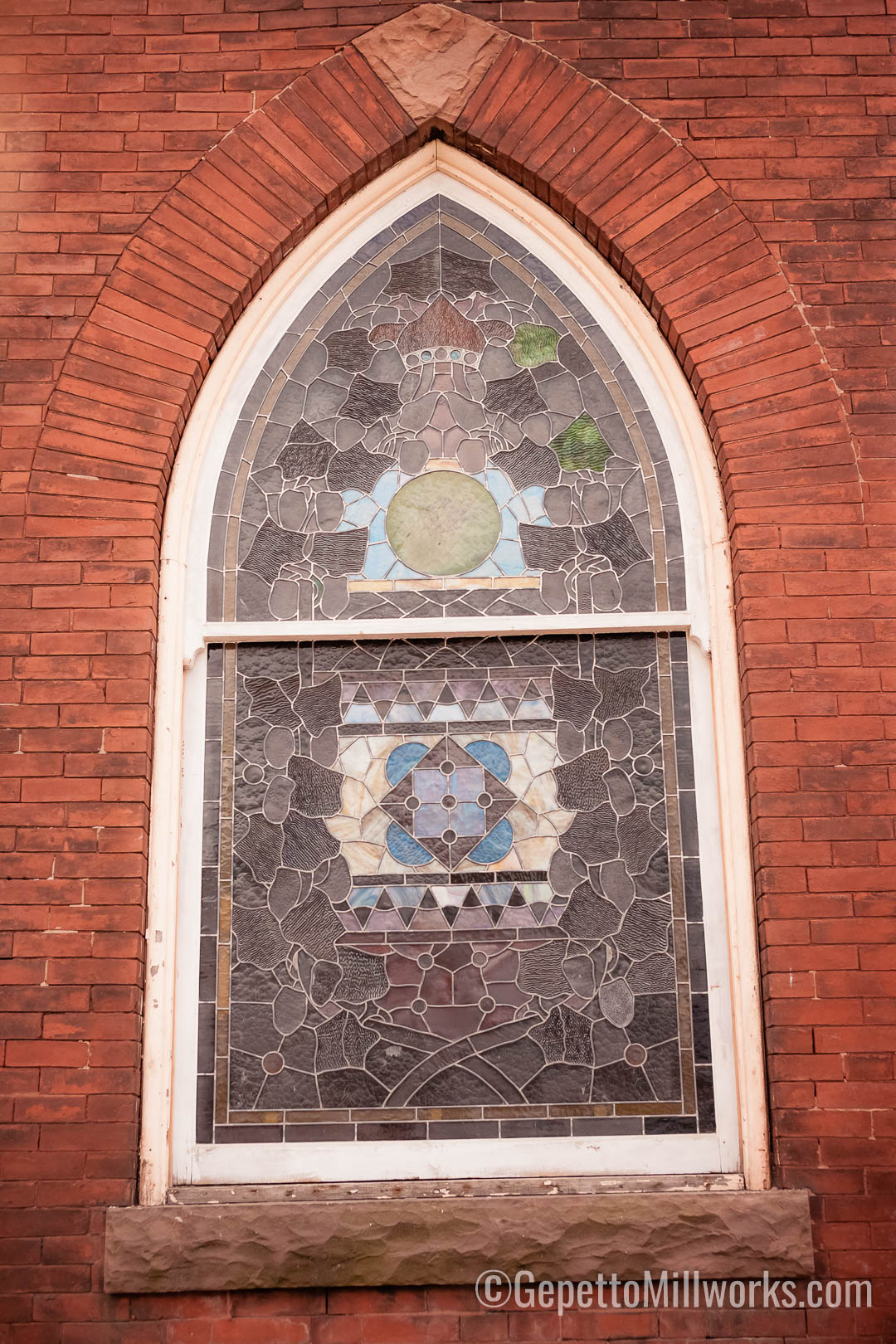
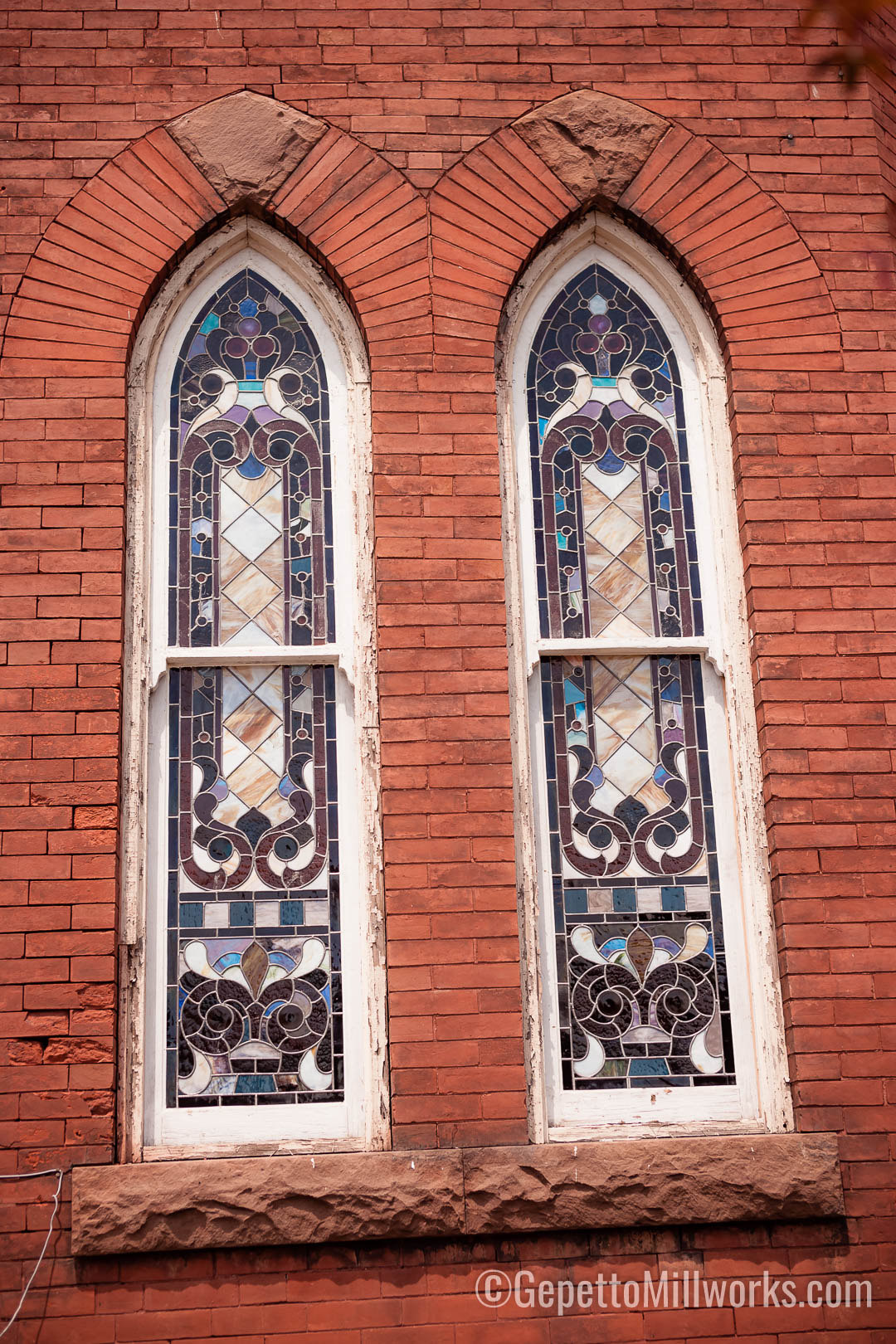
During the Victorian era, eclectic architectural styles flourished, reflecting the diverse tastes and influences of the period. Churches built during this time often combined elements of Gothic, Romanesque, and Queen Anne styles, resulting in a richly ornamented and visually eclectic aesthetic. St. Mark’s Episcopal Church in Charlottesville is a notable example of Victorian-era architecture, featuring a blend of Romanesque arches, decorative brickwork, and intricate stained glass windows.

Arts and Crafts Movement (late 19th to early 20th century):

In the late 19th and early 20th centuries, the Arts and Crafts Movement emerged as a reaction against industrialization, emphasizing craftsmanship, simplicity, and a connection to nature. Churches influenced by this movement often featured rustic materials, exposed timber framing, and a focus on handmade details. While less common in Virginia’s church architecture compared to residential buildings, some examples can be found, such as the Memorial Baptist Church in Staunton, which incorporates Arts and Crafts elements into its design.

Neoclassical Revival (late 19th to early 20th century):

As the United States entered the 20th century, there was a renewed interest in classical architecture, leading to a revival of neoclassical styles. Churches built during this time often featured monumental facades, grand entrances, and elaborate detailing inspired by ancient Greek and Roman temples. The First Baptist Church in Richmond, designed by architect Merrill Lee, exemplifies this style with its imposing columns, pedimented portico, and classical ornamentation.

Art Deco (1920s-1930s):

In the 1920s and 1930s, the Art Deco style became popular, characterized by geometric forms, sleek lines, and decorative motifs influenced by modern technology and the machine age. While less common in church architecture compared to other building types, some churches in Virginia embraced Art Deco elements, such as streamlined facades, decorative friezes, and stylized ornamentation. The Tabernacle Baptist Church in Norfolk, designed by architect Clarence W. Silcox, features Art Deco detailing in its tower and entranceway, reflecting the architectural trends of the period.

Modernism (late 19th century to mid-20th century):

In the mid-20th century, modernist architecture emerged as a departure from traditional styles, emphasizing simplicity, functionality, and innovation. Modernist churches in Virginia embraced open floor plans, clean lines, and minimalist aesthetics, often incorporating features such as large expanses of glass, flat roofs, and exposed structural elements. St. Elizabeth Catholic Church in Richmond, designed by architect Francis Keally, is a notable example of modernist church architecture, with its geometric forms and use of concrete and glass.

The churches built in Virginia between 1700 and 1950 reflect a diverse array of architectural styles and influences, ranging from colonial Georgian and neoclassical to Gothic Revival, Victorian, Arts and Crafts, Art Deco, and modernist. Through their distinctive features and craftsmanship, these churches serve as tangible reminders of Virginia’s cultural and religious history that our craftsment are trained and ready to restore or build to match any era of wooden millwork, doors, windows, eaves, shutters and trim.

Wooden Window Restoration for Historic Churches