Bowed Windows Made in Virginia

Bowed Windows Made in Virginia

https://woodmadeillinois.com/wooden-windows/Round, Arc, Gothic Arch, and Bowed Windows Handcrafted in Virginia:

When it comes to bespoke architectural woodwork, Gepetto Millworks stands at the pinnacle of craftsmanship in Virginia. Specializing in historically accurate, handcrafted windows, our artisans are trusted by preservationists, architects, and homeowners alike. Among our most requested products are our round, arc, Gothic arch, and bowed windows—each style offering a unique aesthetic and functional value. Whether it’s the timeless elegance of a fully round window, the graceful curvature of an arc or bowed window, or the soaring lines of a Gothic arch, Gepetto Millworks captures the essence of historic Virginia architecture.

Round Windows: Architectural Focal Points Throughout the Centuries

Round windows have served as distinctive focal points in architecture throughout Virginia’s history. At Gepetto Millworks, our craftsmen meticulously re-create round windows to match the historic build style and quality ranging from small porthole-style accents to large oculi that dominate gable ends and facades in many prominant buildings. Fully round windows were especially popular during the Georgian and Federal periods as symbols of harmony and balance. The round, arc and elipsis windows appear above entryways or in pediments as focal features. In Victorian homes, especially in Queen Anne and Romanesque Revival styles, round windows added a touch of whimsy and light to stairwells, turrets, and attics.

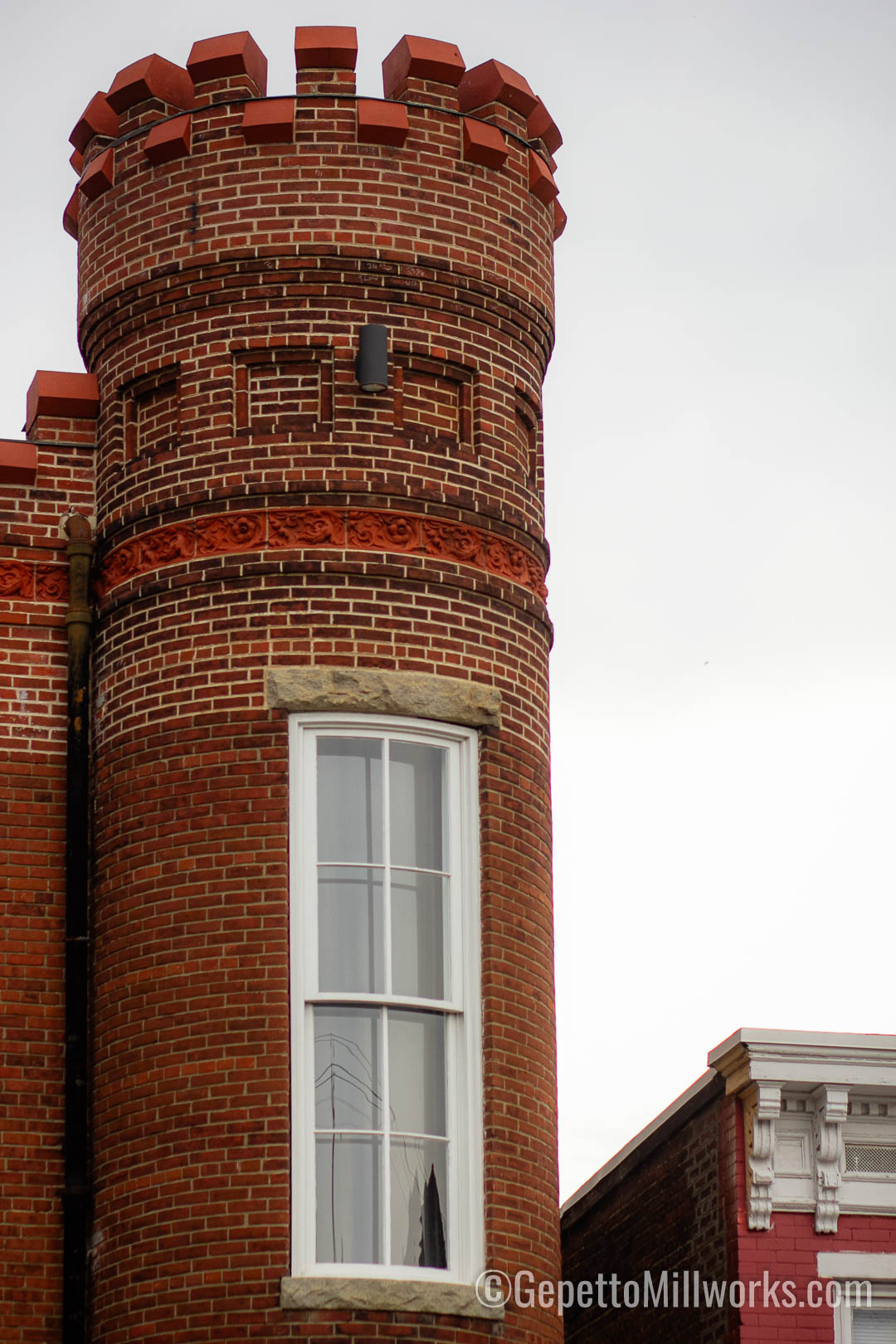
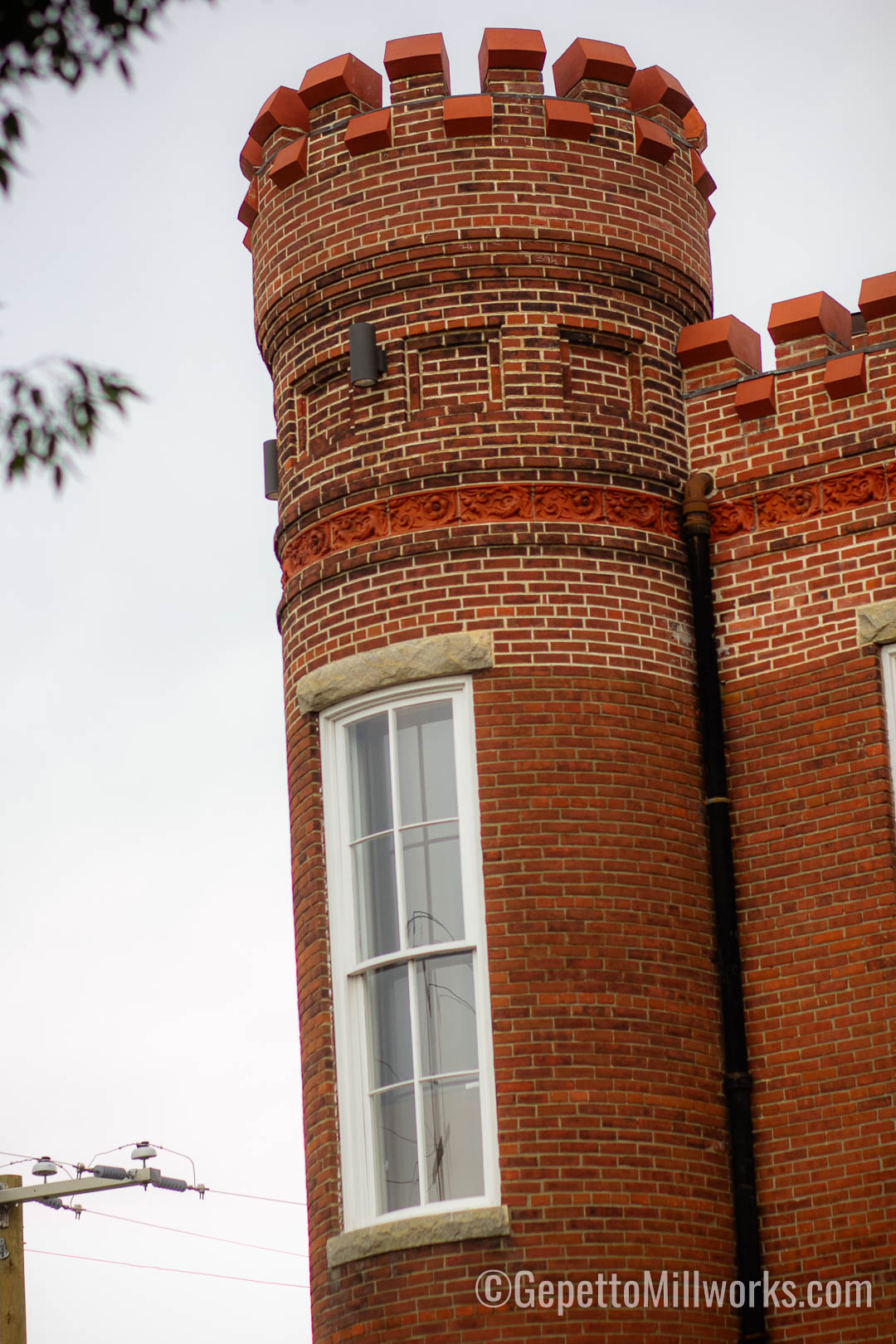
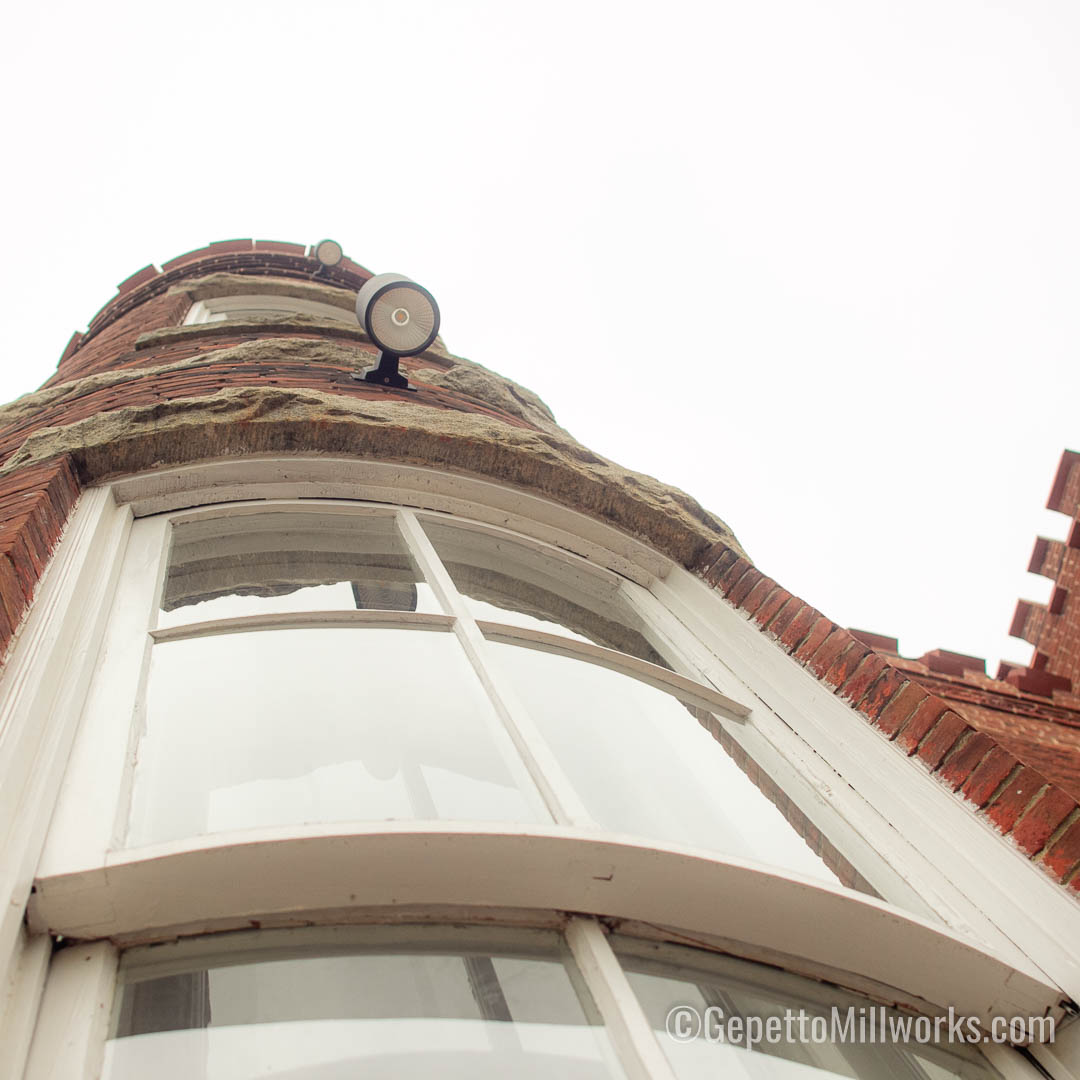
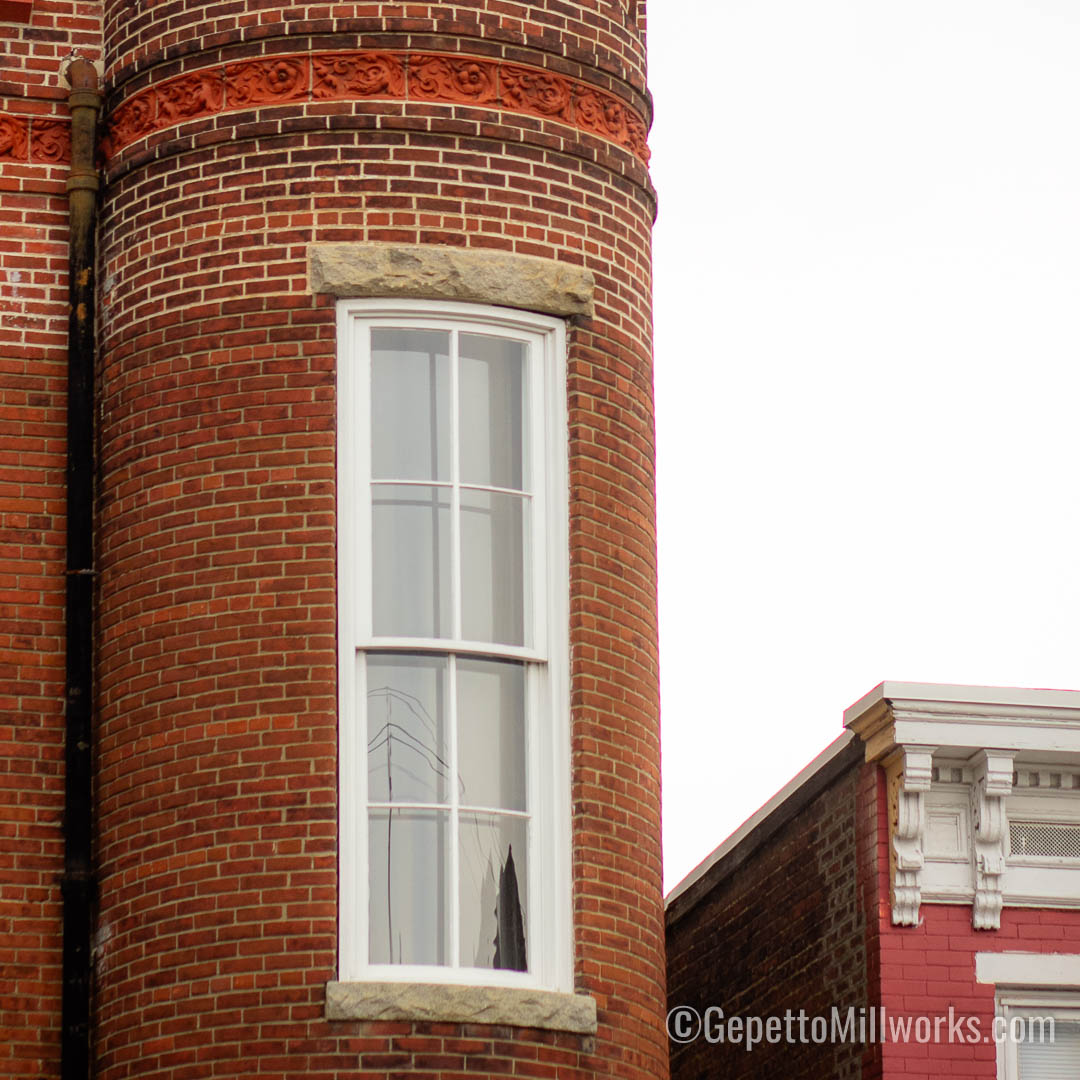
If your historic Victorian home has a turret, the windows were likely crafted to fit, the exact outward arc to match the circumfrense of the turret.  Gepetto’s craftsmen are specifically trained to reproduce the quality construction that has lasted a hundred years by using the highest quality sapele utilizing traditional mortise-and-tenon joinery true to the period.  If you’re not familiar with Sapele it’s a similar wood to mahogony which comes from Africa, instead of South America.  Sapele lumber is a hardwood sourced from the Entandrophragma cylindricum tree, native to Africa. It’s often used as a substitute for mahogany, especially South American mahogany, due to its similar appearance and properties. Sapele is known for its rich reddish-brown color, which can darken with age, and its natural luster. The grain can be interlocked, creating beautiful figures like ribbon, quilted, and pommele.  Most important for windows, Sapele and Mahogany are used as they machine very straight, and have a high resistance to rot from absorbed water.  The new choice for stabilized and rot resistant wood stock is called Accoya – read about the treatment of Acetylation for wood.

Arc Windows: Graceful Curves for Historic Spaces

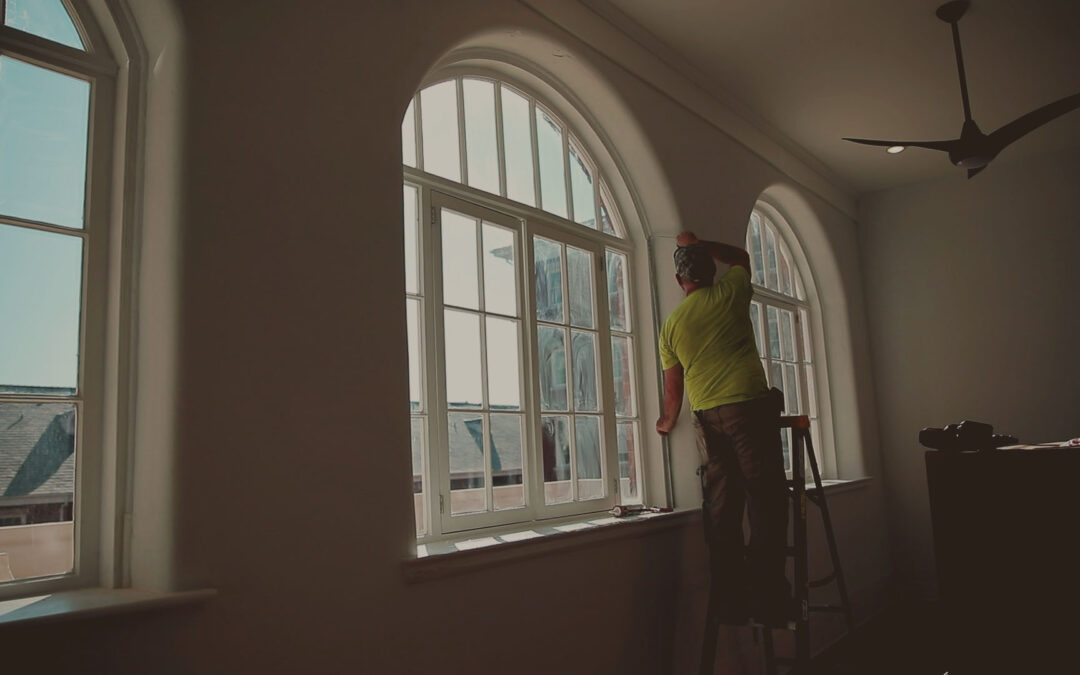
Arc windows feature a curved top with straight sides. Often featured in church buildings, estate homes, and public structures across Virginia, arc windows bring an understated elegance like a flower at the top of a stem. In historic Virginia architecture, arc windows made their appearance during the late Federal and early Victorian periods as craftsmen were called on to fabricate the more elaborate designs of architects. Especially prevalent in Southern plantation homes, often installed above doors, you’re subtly familiar with their placement but as you start to google for a contractor to repair or replace them, you’ll find that it’s nearly a lost art!  Not to worry, Gepetto’s staff are trained and experienced in the mathematical proportions, and the tooling needed to producing these complex shapes to exactly match your historic window. At Gepetto Millworks, our arc windows are handcrafted to match. We replicate traditional molding profiles, sash styles, and muntin patterns while integrating modern glazing technology.

Gothic Arch Windows: A Testament to Virginia’s Ecclesiastical and Romantic Heritage

Gothic arch windows are instantly recognizable by their pointed arches and narrow vertical proportions. Found in churches, academic buildings, and large estates, these windows are emblematic of the Gothic Revival movement.  The Gothic Revival architectural movement in the United States swept into Virginia, occurred in the building furvor from approximately 1840 to 1880.  Crafting a Gothic arch window requires immense skill and precision. Gepetto Millworks artisans sculpt each piece from premium hardwood, ensuring the pointed apex is structurally sound and visually perfect. These windows often feature intricate tracery and divided lights, requiring a high degree of technical craftsmanship that the shop at Gepetto keeps alive.  Our Gothic arch windows grace both restorations of Virginia’s historic churches and modern homes that seek to incorporate classical drama. Whether you are restoring a cathedral in Richmond or adding a Gothic-inspired touch to a custom estate in Charlottesville, Gepetto’s windows are your go-to source.

Bowed Windows: The Victorian Love Affair with Curves

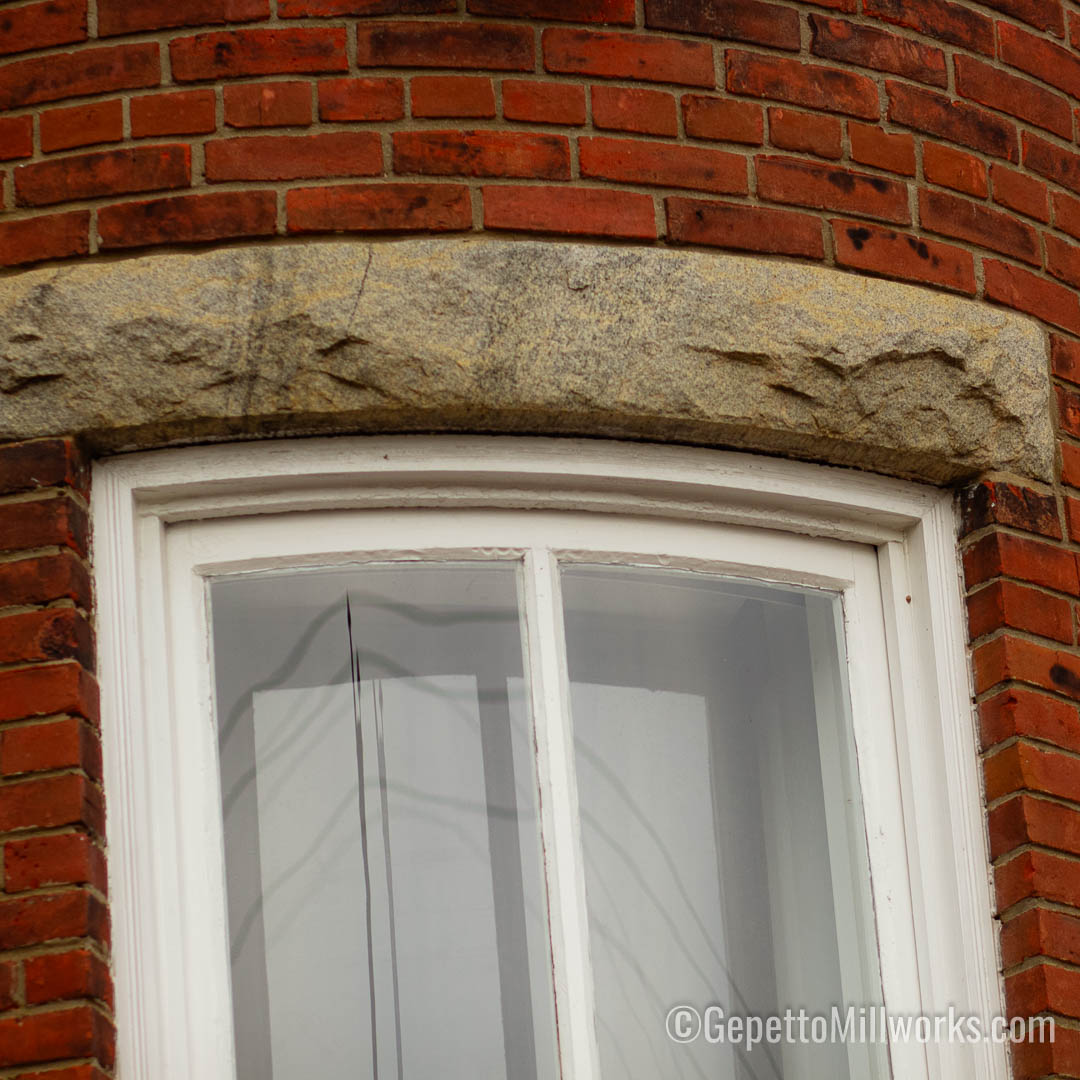
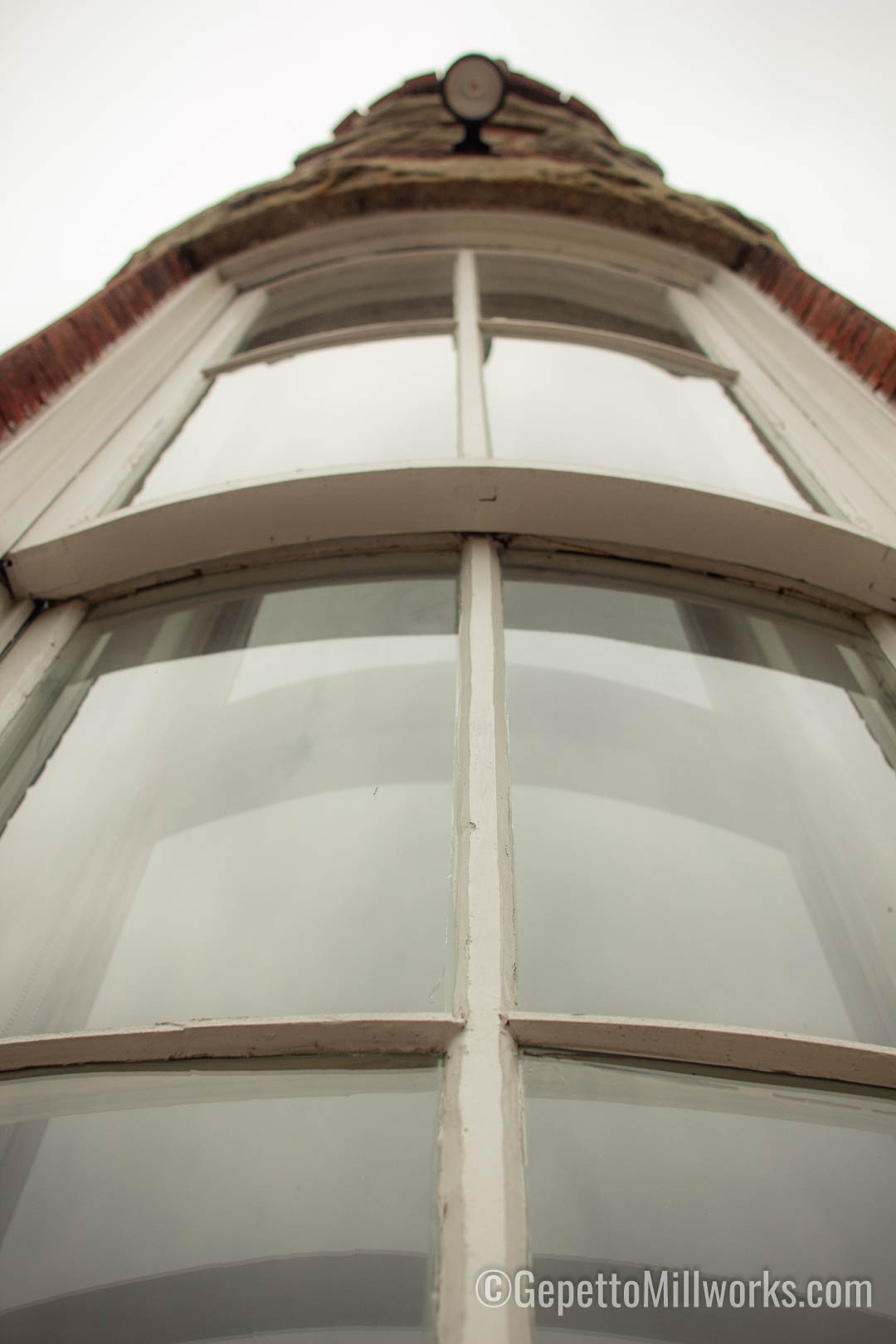
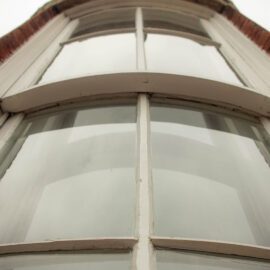
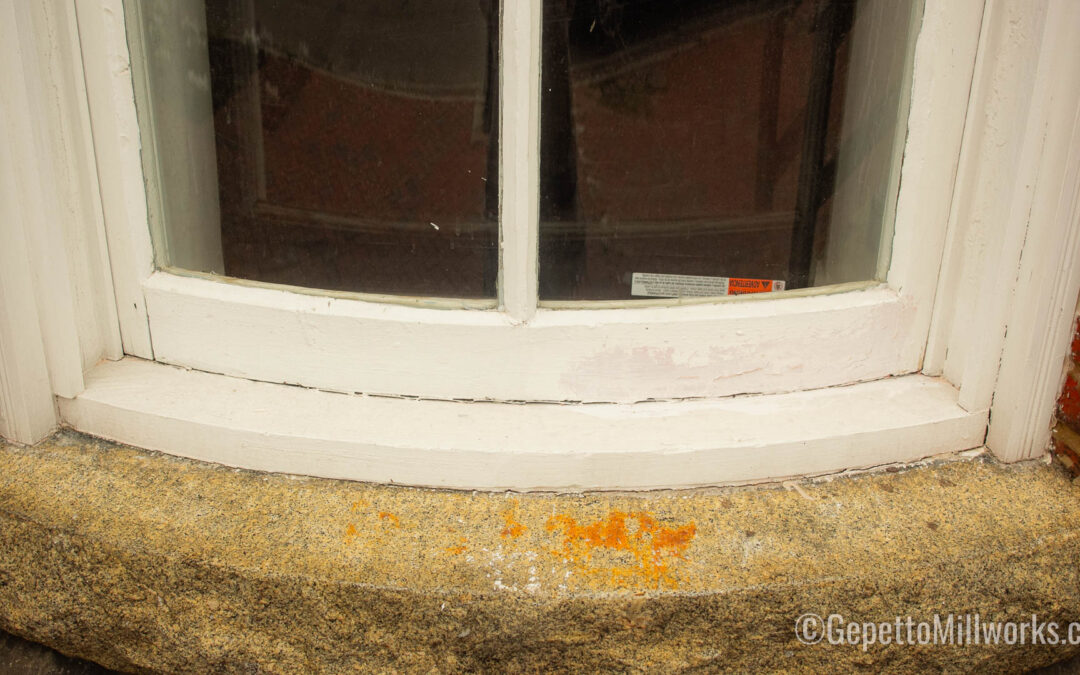
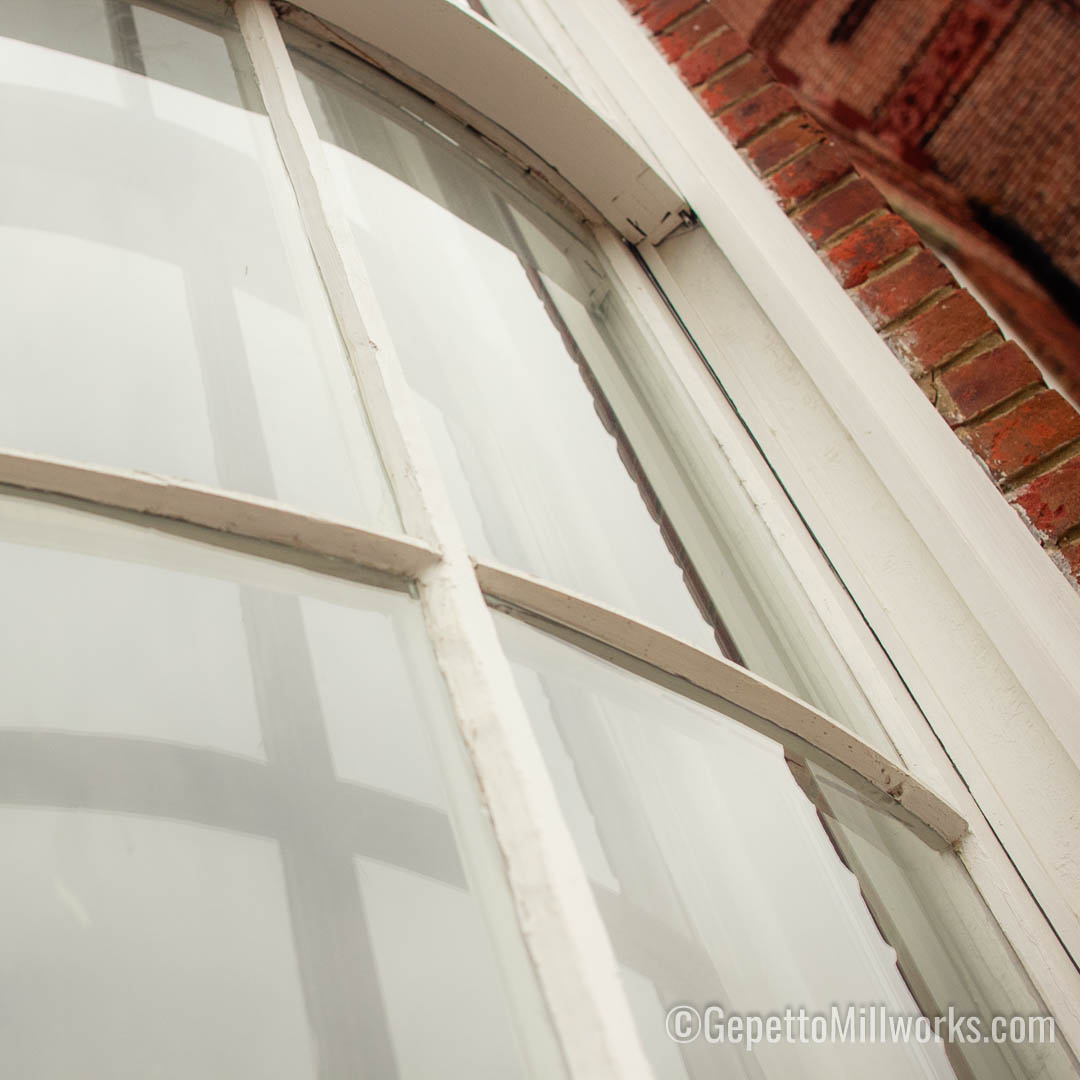
Bowed windows curve outward from a building’s facade, often found in Victorian homes, especially those with turrets and bay extensions. In Virginia, these outwardly bowed windows became especially fashionable during the mid to late 1800s as urban and rural homeowners sought to display their wealth and architectural savvy through the new homes they were building with the most intricate or ornate results.  Bowed windows require a mastery of compound curves and precision framing. Gepetto Millworks brings over three decades of experience crafting bowed windows that seamlessly fit into historic turret structures in wood or stone. Our team works closely with architects and homeowners to ensure the curvature and mullion spacing complements the building’s scale and period for an exact match.

Each bowed window is assembled by hand using traditional joinery methods and features high-performance glazing for durability and energy efficiency. Our craftsmen have recreated bowed windows for homes in Alexandria, Norfolk, and Staunton—preserving the distinctive Victorian charm of their turrets and facades.

Federal Period Elipsis Overlights: A Distinctive Accent of Historic Virginia

Elliptical overlights—also known as fanlights—were a hallmark of the Federal period, providing natural light and architectural refinement above entry doors. In Virginia, these elipsis-shaped windows were often adorned with intricate muntin patterns and flanked by sidelights.  Gepetto Millworks specializes in accurately recreating these elliptical overlights using historical blueprints, archival photos, or surviving fragments. Our reproductions have graced the doorways of plantation homes in Williamsburg, townhouses in Fredericksburg, and government buildings in Richmond. Using custom bending forms and precision-cut jigs, our artisans handcraft each elliptical frame, fitting it with period-correct glazing and mullion patterns. We also offer restoration services for damaged or incomplete overlights, ensuring these iconic features endure for future generations.
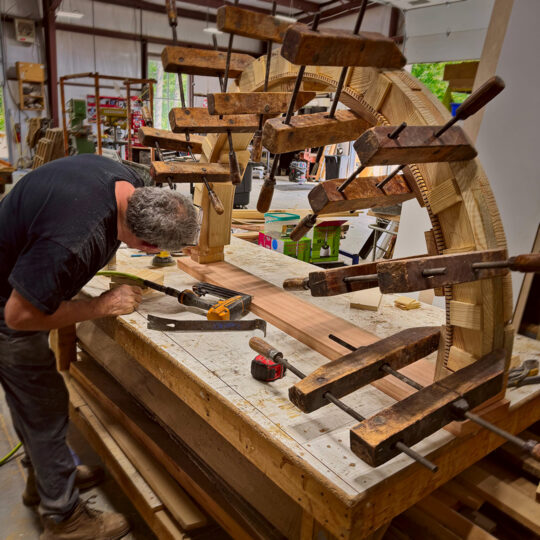
round wooden windows being made in the virginia shop 

What sets Gepetto Millworks apart in Virginia’s landscape of historic window craftsmen is our relentless attention to detail and commitment to authenticity. Every round, arc, Gothic arch, and bowed window is a testament to our passion for historical accuracy and our dedication to artisanal woodworking.  We collaborate with historical societies, preservation commissions, and homeowners who want their architectural features to reflect the period styles of Virginia’s diverse architectural heritage. From the coastal Georgian mansions of the Tidewater region to the highland estates of the Shenandoah Valley, Gepetto Millworks is proud to be the trusted name for period-specific window design and fabrication.

Our craftsmen utilize time-honored techniques:

  • Mortise-and-tenon joinery
  • Hand-carved moldings
  • Custom-milled sash profiles
  • Historically accurate glass lites and muntins
  • Fine finishing using natural oils and historically accurate paint
  • Each window is more than a product; it is a legacy piece that honors the architectural lineage of Virginia.

Monticello Region: In Charlottesville, a late-Federal style estate required a full set of elliptical overlights and arc windows. Gepetto Millworks used historic blueprints and archival photos to reconstruct each window, earning praise from the local historical society.

Downtown Richmond: A restored Gothic Revival church needed over a dozen custom Gothic arch windows, including tracery patterns unique to the building. Our craftsmen worked on-site to ensure a seamless fit and aesthetic harmony.

Norfolk Victorian Mansion: This turreted Victorian home received a full bowed window rebuild, fabricated in our workshop and installed with precision to preserve its dramatic street-facing curve.

Fredericksburg Federal Home: Damaged elliptical overlights were restored to their former glory, complete with fan muntins and clear restoration glass.

Architectural Continuity and Innovation

While our windows reflect historic aesthetics, they also meet modern performance standards. All Gepetto Millworks products are available with insulated glazing units, low-E glass, and weather-sealing. We believe that preserving Virginia’s architectural history should not come at the cost of energy efficiency.  Our design team works in AutoCAD and Revit for precision planning, and we offer full shop drawings for complete sizing, fit, and approval for client visualization. Blending of old-world craft and modern technology makes Gepetto Millworks a leader in both restoration and new construction projects. From conceptual design through installation, Gepetto Millworks offers a collaborative and professional approach. Our window specialists consult on site-specific challenges, whether it’s ensuring a bowed window maintains the correct radius or replicating a Gothic arch to meet preservation board standards.  Contractors restoring windows as far and wide as Illinois and Texas reach out to Gepetto for custom fabrication of unique casement windows.

We welcome:

Craftsmanship Rooted in Virginia History

Round, arc, Gothic arch, and bowed windows have each played a defining role in Virginia’s architectural evolution. At Gepetto Millworks, we honor that legacy with handcrafted windows built to exacting standards. Whether you’re restoring a Federal period home with elliptical overlights, adding a bowed window to a turreted Victorian, or installing a fully round window as a dramatic focal point, our team are Virginia natives that live in and pass by the history that has made us each day.  Call Matt direct at 804.938.2097 to schedule your project into the pipeline. Reach out today to bring historical accuracy and artisanal detail to your project.
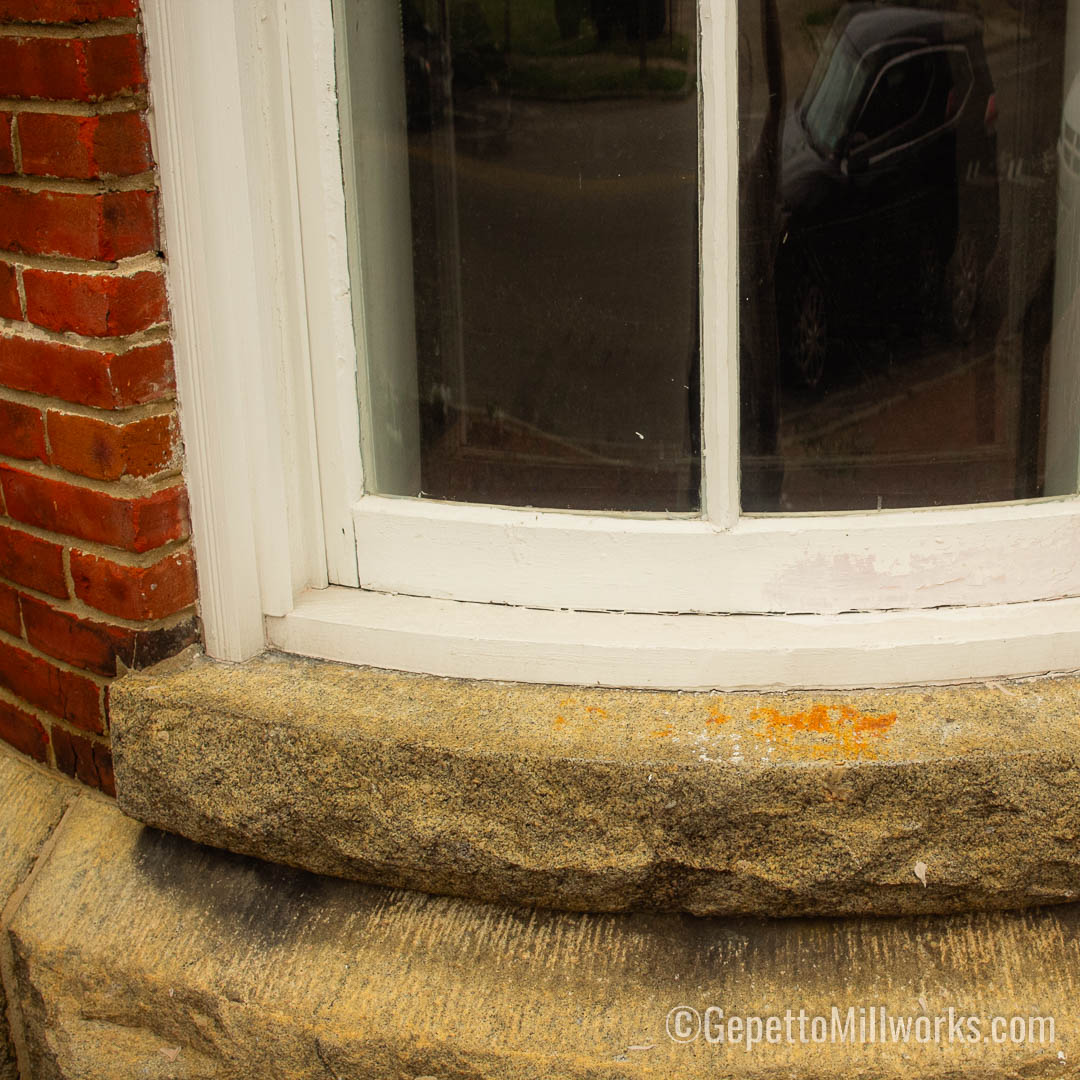
bowed victorian turret historic window supplier VA
custom made to fit bowed turret windows VA
exterior bowed window builder virginia
bowed turret window maker virginia
bowed turret window builder and restoration services
bowed turret window builder virginia
bowed turret window maker virginia
Romanesque Architectural Door and Window Builder

Historic Building Tax Credits

Historic Building Tax Credits

Maximizing Historic Building Tax Credits with Gepetto Millworks’ Authentic Wood Architectural Elements

Restoring historic buildings is both a labor of love and a commitment to preserving cultural heritage. While the process is rewarding, it can also be financially daunting. One significant financial incentive available to property owners and developers is historic building tax credits. These credits can offset the costs of preservation and restoration, especially when using historically accurate materials and techniques.

Gepetto Millworks, a premier manufacturer of authentic wood architectural elements based in Virginia, provides an invaluable resource for those seeking to maximize these tax credits. This article outlines key considerations for qualifying for historic building tax credits and highlights how Gepetto Millworks’ custom-crafted products can be instrumental in achieving compliance with historic preservation standards.

Gepetto Project History of Tax Credit Projects


Understanding Historic Building Tax Credits

Historic building tax credits are financial incentives offered at both federal and state levels to encourage the preservation and rehabilitation of historic structures. These credits reduce the tax liability of property owners who undertake qualified restoration projects.

Federal Historic Preservation Tax Incentives Program

The Federal Historic Preservation Tax Incentives program, administered by the National Park Service (NPS) in partnership with the Internal Revenue Service (IRS) and State Historic Preservation Offices (SHPOs), offers a 20% tax credit for the rehabilitation of income-producing historic buildings. Eligible structures must be listed in the National Register of Historic Places or located in a registered historic district. Arlington VA Historic Window Builder credits are an example of a historic district.

State-Level Tax Credits

Many states, including Virginia, offer additional tax credits for historic preservation. These credits can often be combined with the federal program, providing substantial financial benefits for property owners. In Virginia, for instance, the state’s Historic Rehabilitation Tax Credit program offers a 25% credit for qualifying expenses.


Key Considerations for Filing Historic Building Tax Credits

To qualify for historic building tax credits, property owners must meet specific criteria and follow a structured application process that is often hindered by supplying historic restoration millwork! Here are the critical steps and considerations:

1. Determining Eligibility

  • Historic Designation: The building must either be listed in the National Register of Historic Places, contribute to a historic district, or meet specific criteria outlined by the SHPO.
  • Income-Producing Property: For federal tax credits, the property must generate income, such as through commercial use or rental housing.

2. Meeting the Secretary of the Interior’s Standards for Rehabilitation

The NPS evaluates projects based on the Secretary of the Interior’s Standards for Rehabilitation, which emphasize retaining and preserving historic character. Key principles include:

  • Repairing rather than replacing historic materials.
  • Ensuring new additions are compatible with the building’s historic character.
  • Avoiding alterations that destroy significant historical features.

3. Qualified Rehabilitation Expenses (QREs)

Only certain costs are eligible for tax credits, including:

  • Exterior and interior structural repairs.
  • Restoration of historic architectural elements.
  • Mechanical, electrical, and plumbing systems integral to the building’s structure.
  • Architectural and engineering fees related to the project.

Non-eligible expenses typically include landscaping, new additions, and furnishings.

4. Application Process

The application involves three parts:

  • Part 1: Certify the property’s historic status.
  • Part 2: Obtain approval for the proposed rehabilitation work.
  • Part 3: Certify that the completed work meets approved plans and the Secretary’s Standards.

The Role of Gepetto Millworks in Historic Building Restoration

Gepetto Millworks specializes in manufacturing authentic wood architectural elements that are essential for restoring historic buildings to their original grandeur. Their expertise and dedication to craftsmanship make them a trusted partner for projects seeking historic building tax credits.

1. Authenticity and Craftsmanship

Gepetto Millworks employs traditional techniques and materials to create wood elements that match the original features of historic buildings. From intricately carved moldings to custom windows and doors, their products are designed to seamlessly integrate into existing structures while meeting the Secretary’s Standards.

2. Custom Solutions for Unique Projects

Every historic building is unique, requiring tailored solutions to address specific restoration challenges. Gepetto Millworks offers custom fabrication services to replicate original designs, ensuring accuracy and compliance with preservation guidelines.

3. Sustainable Practices

Sustainability is a core value at Gepetto Millworks. They source premium, responsibly harvested wood and prioritize eco-friendly manufacturing processes, aligning with modern sustainability goals without compromising historical authenticity.


Key Products by Gepetto Millworks for Historic Restorations

Gepetto Millworks’ product offerings encompass a wide range of architectural elements critical to historic restorations. Each product is crafted with attention to detail and adherence to historical accuracy.

Custom Windows

  • Historical Accuracy: Gepetto Millworks replicates historic window designs, including sash, casing, and muntin profiles.
  • Energy Efficiency: Modern performance standards are integrated into historically accurate designs, ensuring energy efficiency without sacrificing authenticity.

Architectural Moldings

  • Period-Specific Designs: Gepetto’s catalog includes moldings that reflect the styles of different historical periods.
  • Custom Fabrication: Unique designs can be reproduced to match existing elements precisely.

Doors and Entryways

  • Handcrafted Quality: Gepetto’s custom doors capture the elegance and craftsmanship of historic entryways.
  • Variety of Styles: Options range from Georgian and Victorian designs to mid-20th-century modern aesthetics.

Staircases and Railings

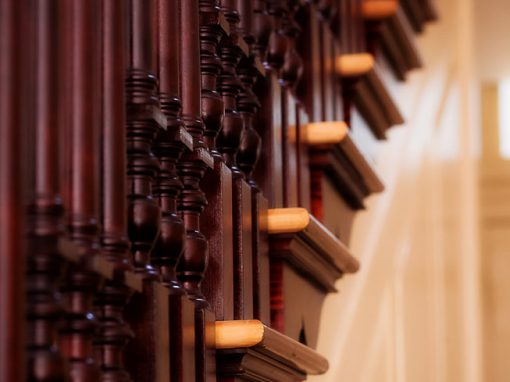
  • Traditional Joinery: Gepetto employs traditional woodworking techniques to craft staircases and railings that embody historical authenticity.
  • Custom Components: Balusters, handrails, and newel posts are tailored to the building’s era and style.

Compliance with Preservation Standards

Using Gepetto Millworks’ products in your restoration project can simplify compliance with preservation standards, enhancing your chances of approval for tax credits. Places like Cape Charles, VA 23310 have Historic Building Materials local ordenances that keep the character of the whole town that you would know about as you purchased the property.

Adherence to the Secretary’s Standards

  • Repair Over Replacement: Gepetto’s focus on repairing and replicating original features aligns with the Standards’ emphasis on preservation. Our shop built wood products are built with the same solid wood mortise and tenon construction that was used 200 years ago. Most other products you will find on the open market do not use historically accurate building techniques, they shortcut the quality for speed of production in the factory.
  • Compatible Materials: Their use of authentic wood ensures compatibility with historic structures.

Documentation Support

Gepetto Millworks provides detailed documentation of their products’ historical accuracy and manufacturing process, which can be included in your tax credit application to demonstrate compliance.


Case Studies: Gepetto Millworks in Action

1. Restoring a 19th-Century Townhouse in Richmond, Virginia

  • Challenge: Replacing deteriorated windows while maintaining historical integrity.
  • Solution: Gepetto crafted custom wood windows replicating the original sash profiles and integrated energy-efficient glazing.
  • Outcome: The project received both federal and state tax credits.

2. Renovating a Historic Church in Alexandria, Virginia

  • Challenge: Restoring ornate moldings and woodwork damaged by decades of wear.
  • Solution: Gepetto’s team recreated intricate carvings using traditional techniques.
  • Outcome: The restoration earned praise from the SHPO and qualified for tax credits.

Steps to Get Started with Gepetto Millworks

  1. Consultation: Schedule a consultation with Gepetto Millworks to discuss your project needs and goals.
  2. Design and Fabrication: Work with their expert team to develop custom solutions that align with your building’s historical character.
  3. Installation Support: Gepetto provides guidance to ensure proper installation and compliance with preservation standards.
  4. Documentation: Receive detailed documentation to support your historic building tax credit application.

Conclusion

Securing historic building tax credits requires meticulous planning, adherence to preservation standards, and a commitment to quality restoration. Gepetto Millworks’ authentic wood architectural elements are a crucial asset for achieving these goals. By combining traditional craftsmanship with modern sustainability practices, Gepetto Millworks ensures that every project not only preserves history but also meets the highest standards of excellence.

Partner with Gepetto Millworks for your next historic restoration project and unlock the full potential of historic building tax credits. Contact their Virginia fabrication facility today to learn how they can bring your vision to life while honoring the past.
Custom by Architects

WholeSale to Builders

MADE IN VA

Sustainable & Reparable

Choosing the Right General Contractor for a Historic Renovation or Fix-and-Flip in Richmond, Virginia

Richmond, Virginia, is a city steeped in history, with neighborhoods that showcase architectural styles from the late 18th century through the early 20th century. For homeowners, real estate investors, and architects, this makes Richmond a prime location for historic...

arched and elliptical window builder Virginia

arched and elliptical window builder Virginia

Bowed Windows Made in Virginia

https://woodmadeillinois.com/wooden-windows/Round, Arc, Gothic Arch, and Bowed Windows Handcrafted in Virginia: When it comes to bespoke architectural woodwork, Gepetto Millworks stands at the pinnacle of craftsmanship in Virginia. Specializing in historically...

Church Hill Richmond Virginia Historic Millwork and Restoration Wood Supplier

Church Hill in Richmond, Virginia, Richmond's first neighborhood, is a historic district boasting antebellum homes and architectural styles like Greek Revival, Federal, Queen Anne, and Italianate, known for its cobblestone streets and gas streetlampThe Church Hill...

Historic Building Tax Credits

Maximizing Historic Building Tax Credits with Gepetto Millworks’ Authentic Wood Architectural Elements Restoring historic buildings is both a labor of love and a commitment to preserving cultural heritage. While the process is rewarding, it can also be financially...

Carter’s Grove Gates

                                                                        ...
VCU SCOTT HOUSE Window Restoration

VCU SCOTT HOUSE Window Restoration

SCOTT House on VCU Campus


Beaux Arts style Window Restoration


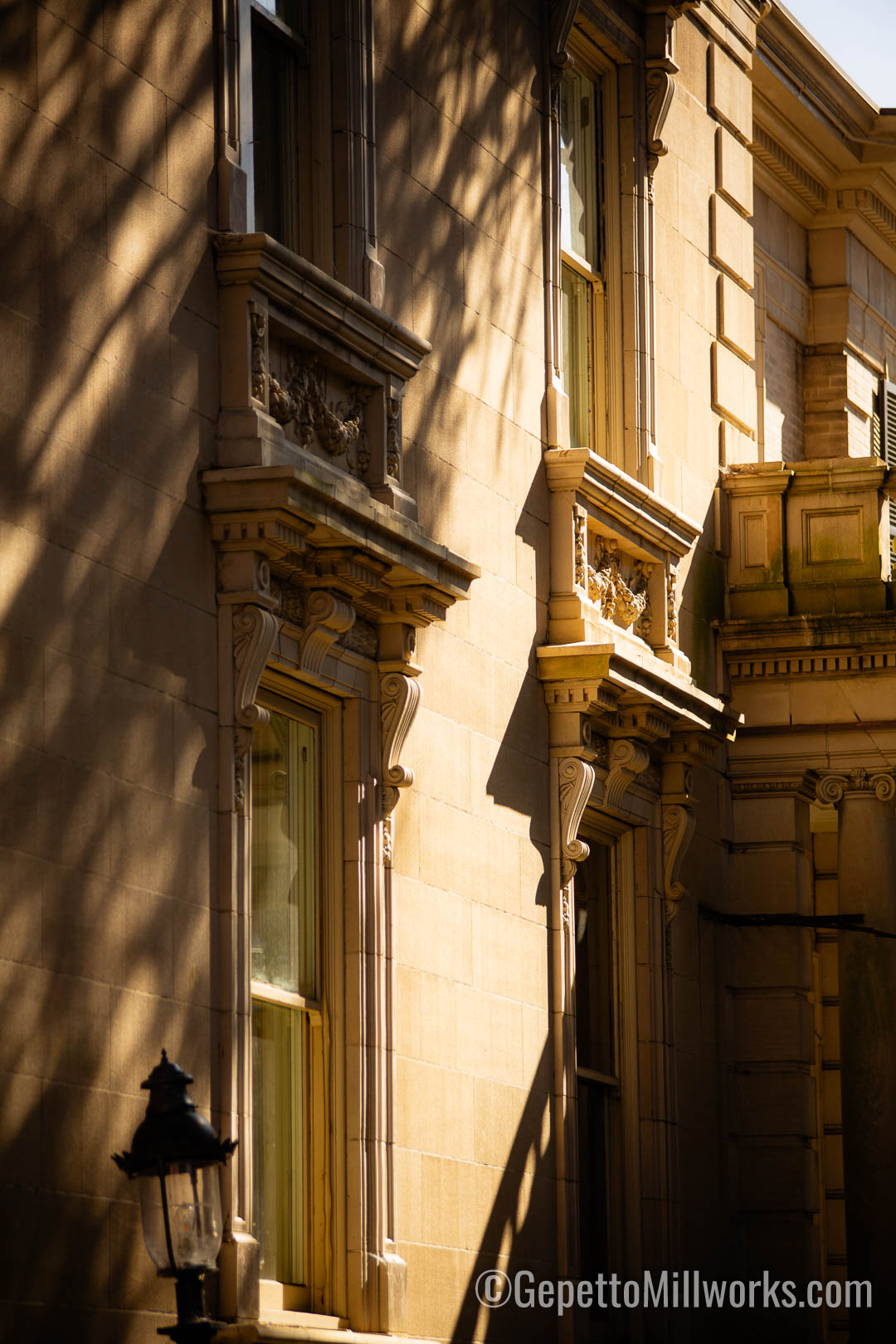
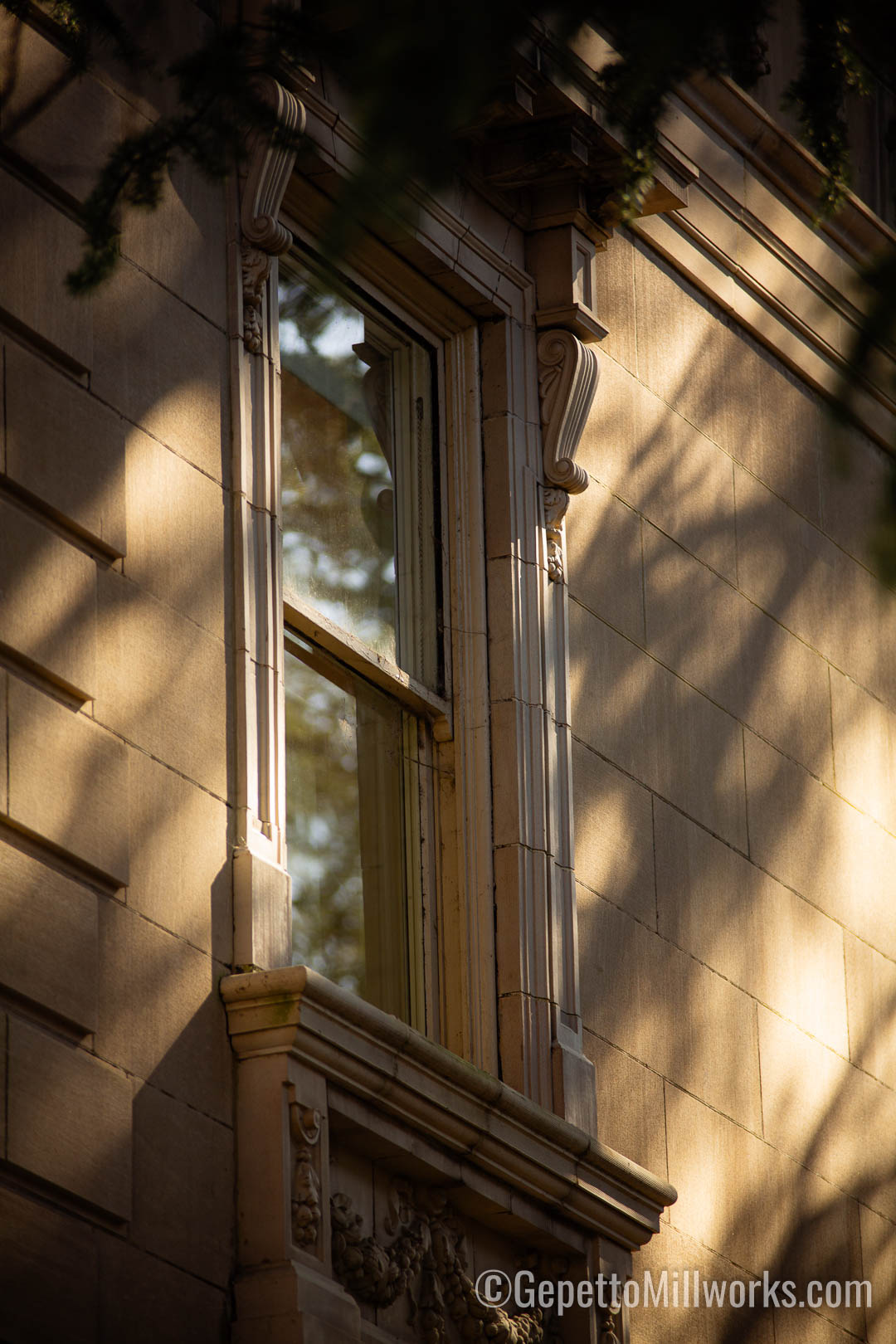
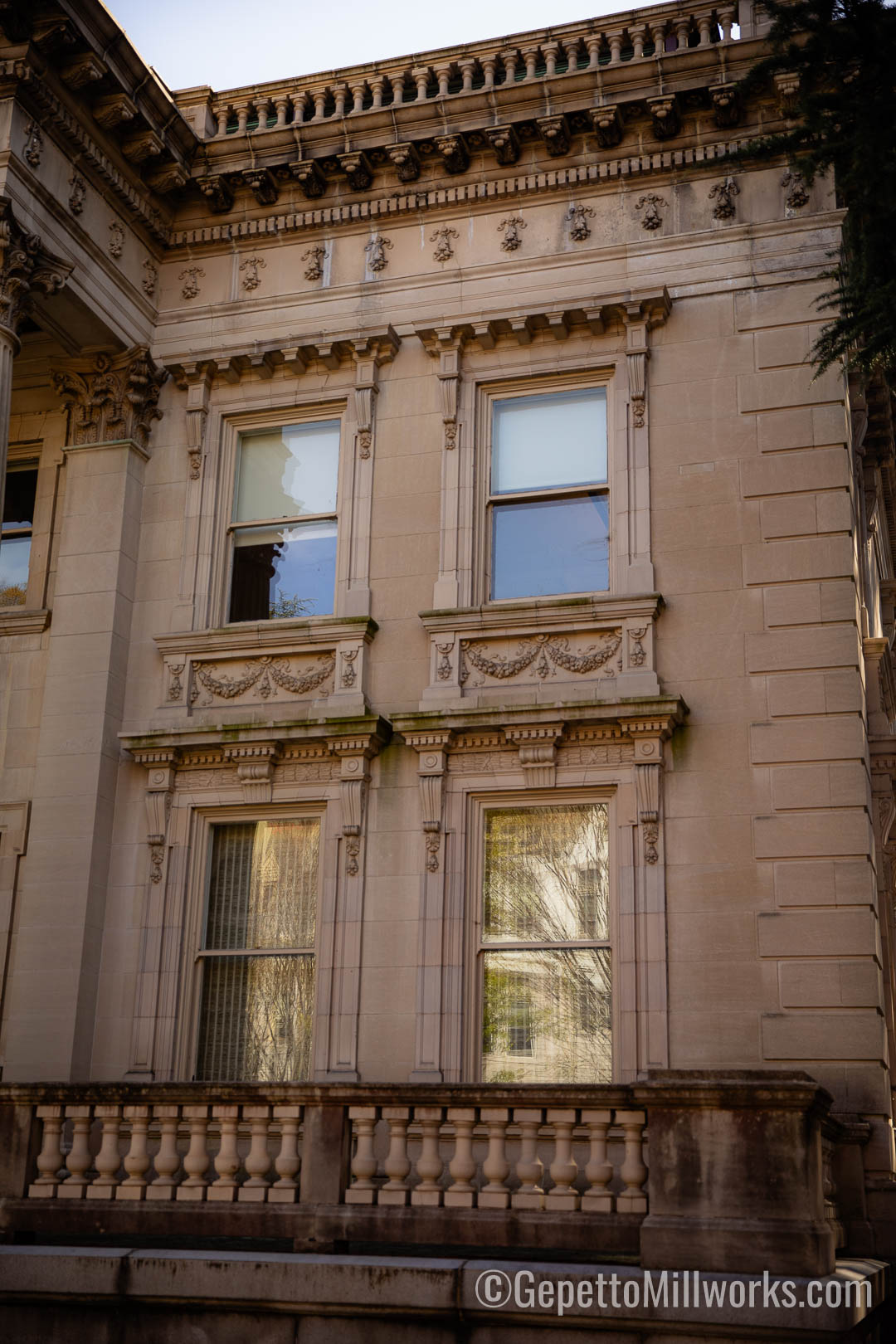
THE SCOTT HOUSE is one of Richmond’s most significant examples of American Renaissance architecture and is listed on the National Register of Historic Places. It was completed in 1911 and acquired by Virginia Commonwealth University (VCU) in 2001. The 18,000 sf mansion was built for Frederic William Scott and his wife Elizabeth Strother Scott. It was modeled after the Marble House in Newport, Rhode Island, which referenced the Petit Trianon at Versailles. Interior plasterwork is attributed to prominent sculptor and plaster contractor, Ferruccio Legnaioli.

VCU commissioned Glavé & Holmes Architecture (G&H) to provide a feasibility study to assess existing conditions, programming, and conceptual design. Subsequently, G&H was selected to provide a historically-sensitive rehabilitation to allow the building to serve as meeting and event space for visiting and University groups.

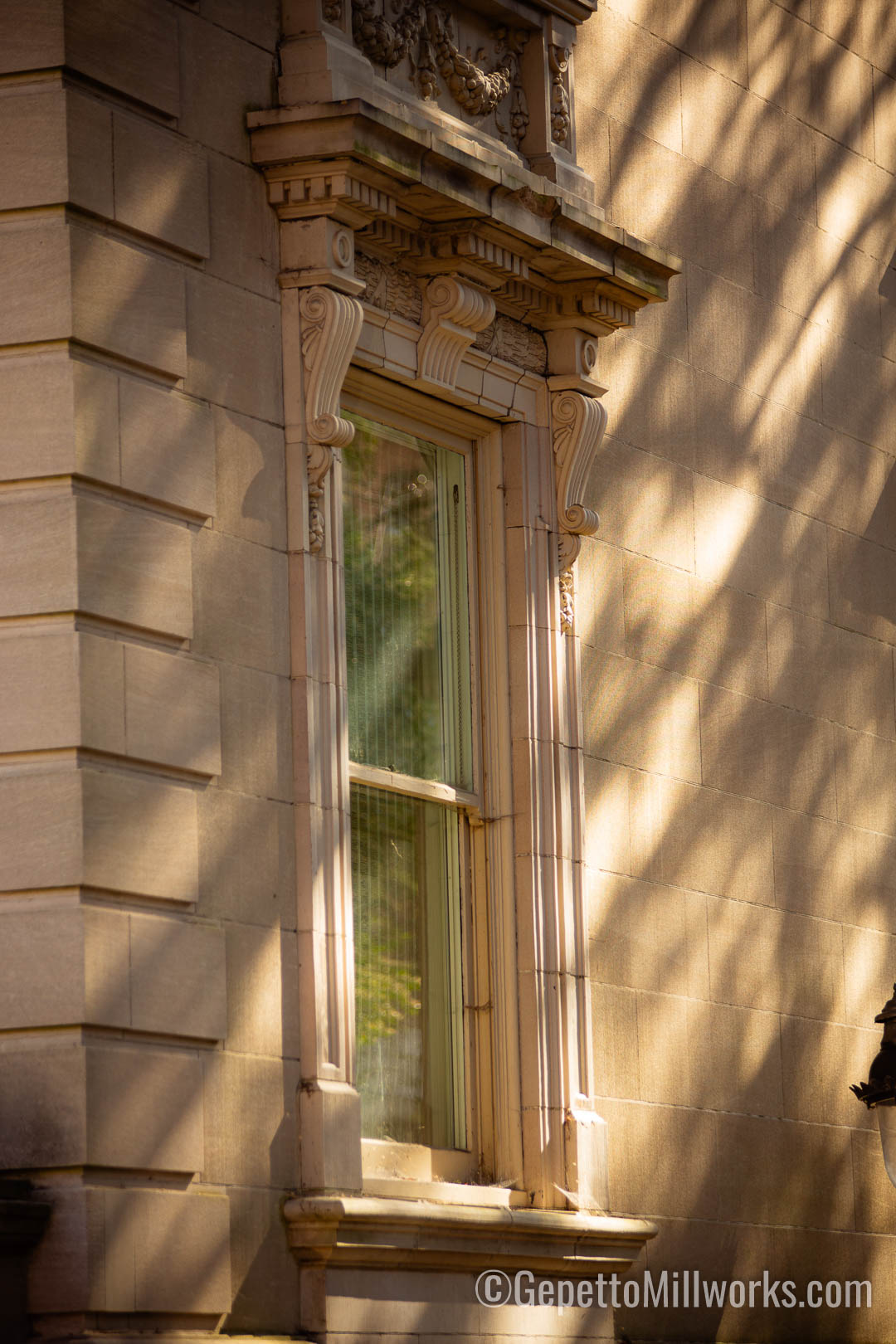
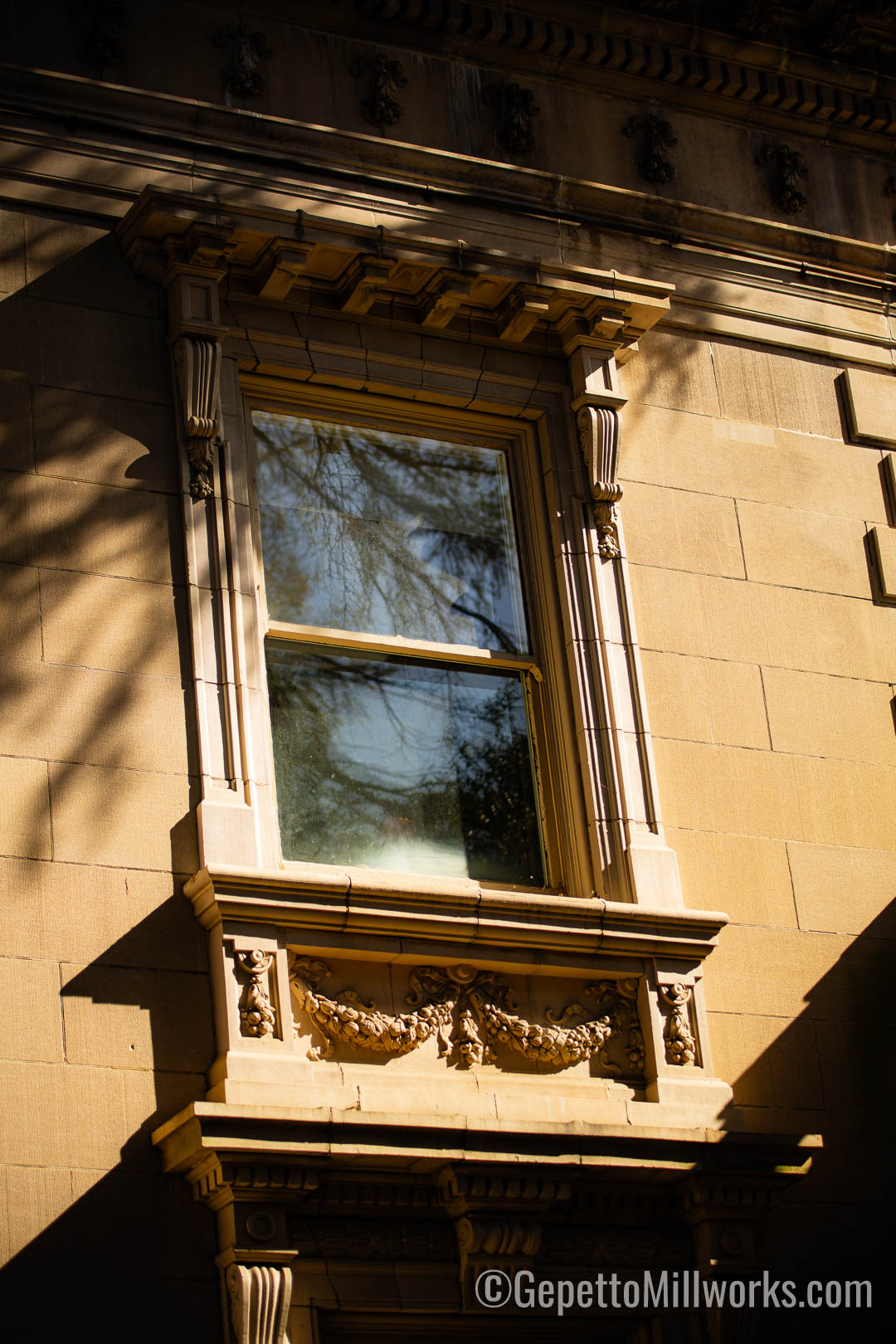
Goals for rehabilitation the Scott House included restoration of the exterior masonry and windows supplied by Gepetto Millworks Mechanical, electrical and plumbing systems were upgraded to modern standards. New restrooms, and conversions to office space and meeting rooms became part of the plans to serve the University Campus. While the rehabilitation will serve a variety of modern programmatic functions, the building’s historic fabric was restored in accordance with the Secretary of the Interior’s Standards for Rehabilitation and the University’s preservation philosophy for historic buildings.

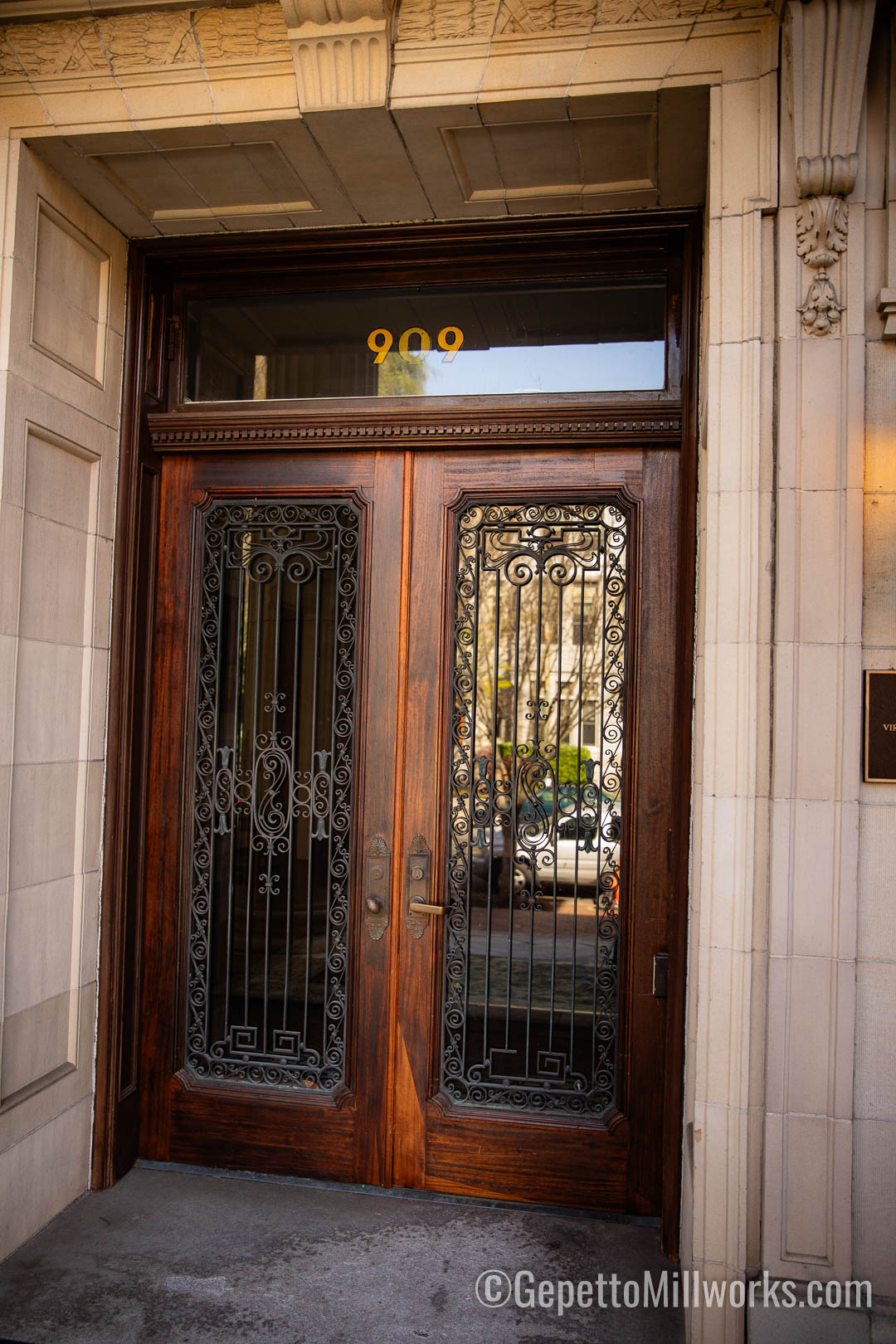
Beaux Arts window and door restoration
Scotts House VCU Historic Restoration

Historic preservation seeks to find effective and artful ways of maintaining and reusing significant buildings, landscapes, and communities. Central to the discipline is the attempt to preserve cultural identity in the face of the threats of urban sprawl and loss of social diversity.


Maintain, protect, and repair authentic character defining features, materials, and finishes. If features are deteriorated beyond repair, replace them in-kind. Retain authentic historic building fabric to the maximum extent possible.

Historic building restoration respects the evolution of historic changes, fashion, taste, and use – do not try to “improve” the design of authentic building features.

Avoid installation of conjectural “historic” features.

Do not use maintenance methods or materials that damage significant building and landscape fabric.

Authentic Window Restoration Richmond


Scotts House VCU Historic Restoration
Richmond VA Authentic Historic Window Restoration
Scotts House VCU Historic Restoration
Richmond VA Authentic Historic Window Restoration
Scotts House VCU Historic Restoration

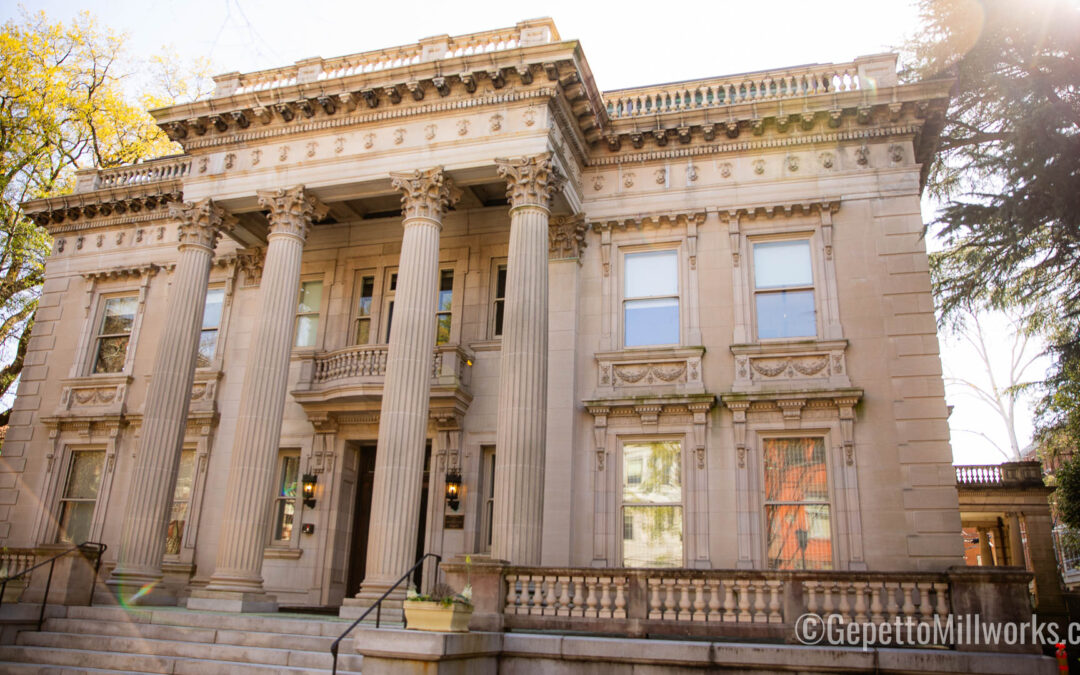
Scott House was built in 1907, and is a three-story, 40,950 square foot, Beaux Arts style mansion. The house is seven bays wide and is faced with a pale Indiana limestone. It features a central portico of four, giant Corinthian order columns and two Corinthian pilasters that dominate the highly formal, symmetrical entrance façade. Elizabeth and Frederic Scott bought the property from Lewis Ginter in 1903, Elisabeth Scott Bocock, moved into the house in the mid 20th century. While there, she founded the Historic Richmond Foundation, the 2300 Club, and the Hand Workshop (now known as the Visual Arts Center of Richmond). In the 1960s, the house was subdivided and used as dorms for VCU students, which continued into the 90s. A renovation in 2004 led to the Scott House opening its doors to the public, and the designation of the building as a Virginia Historic Landmark.

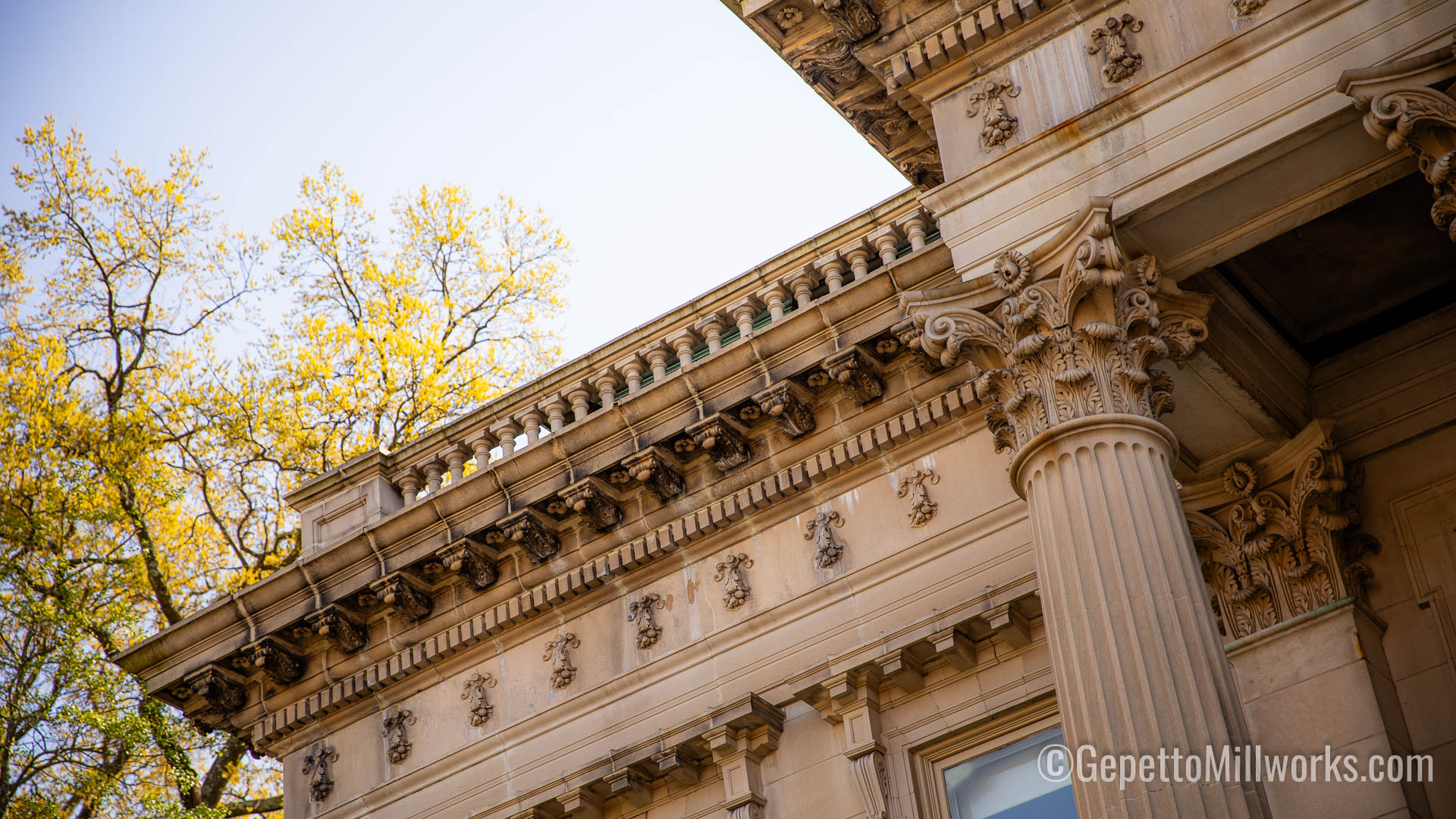
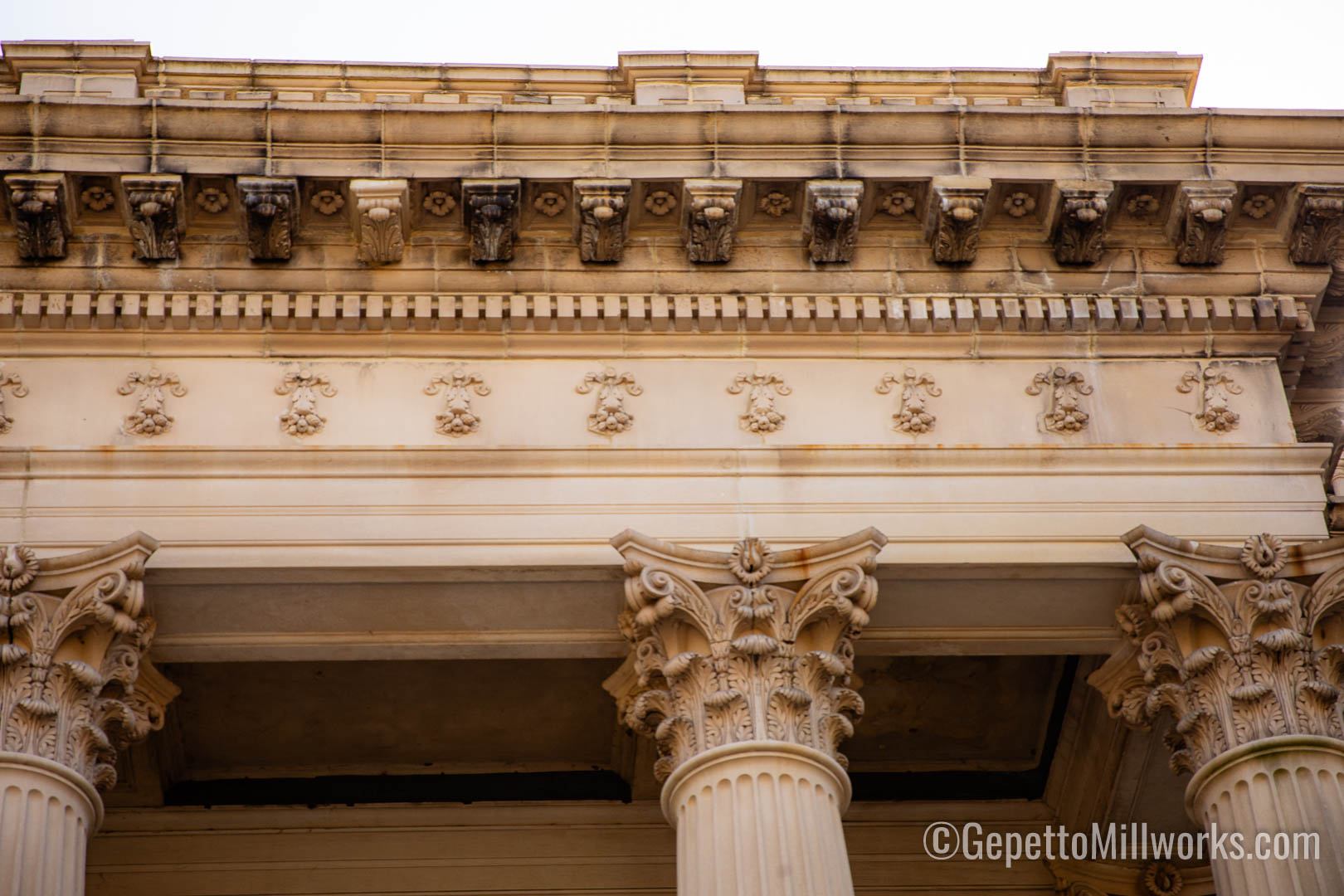
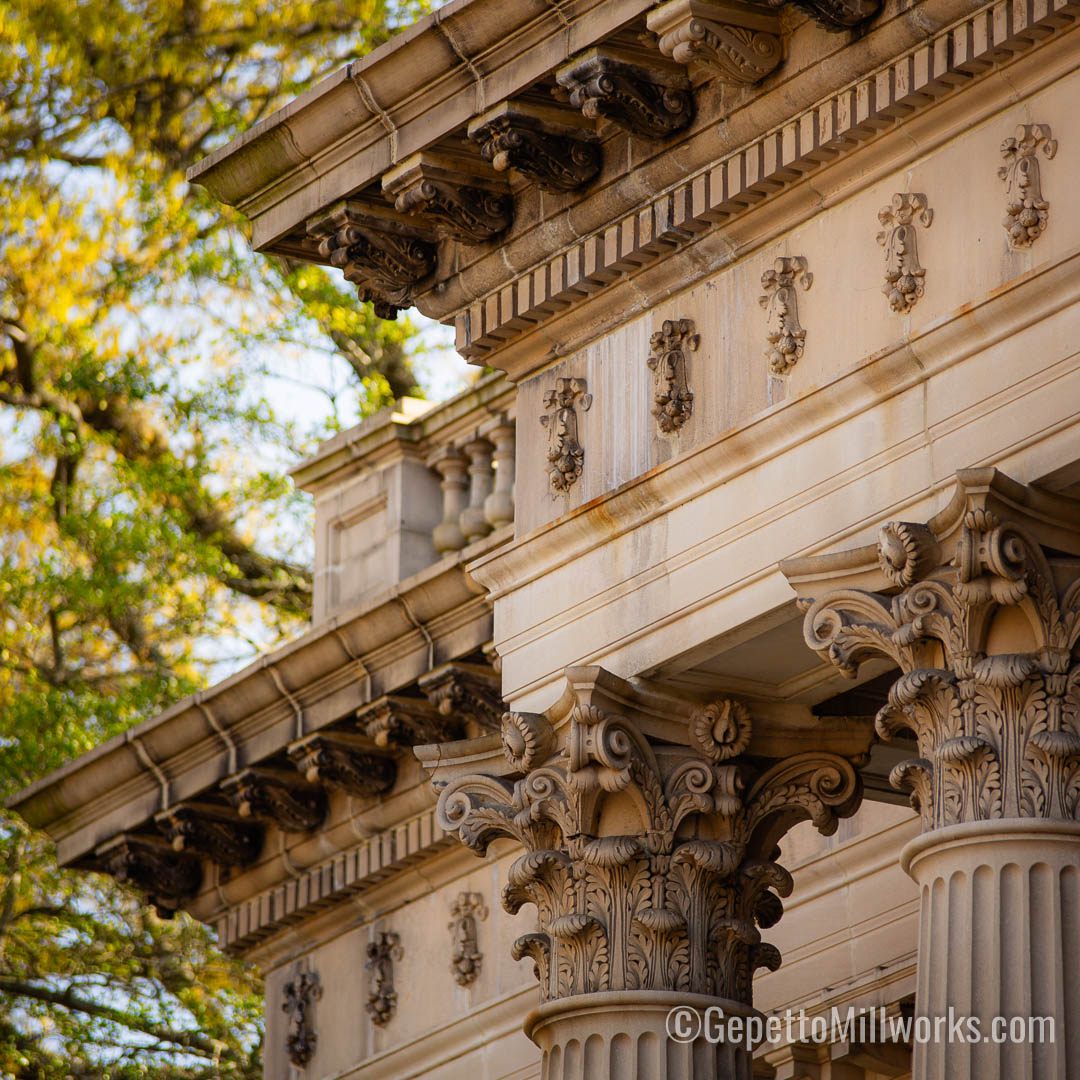
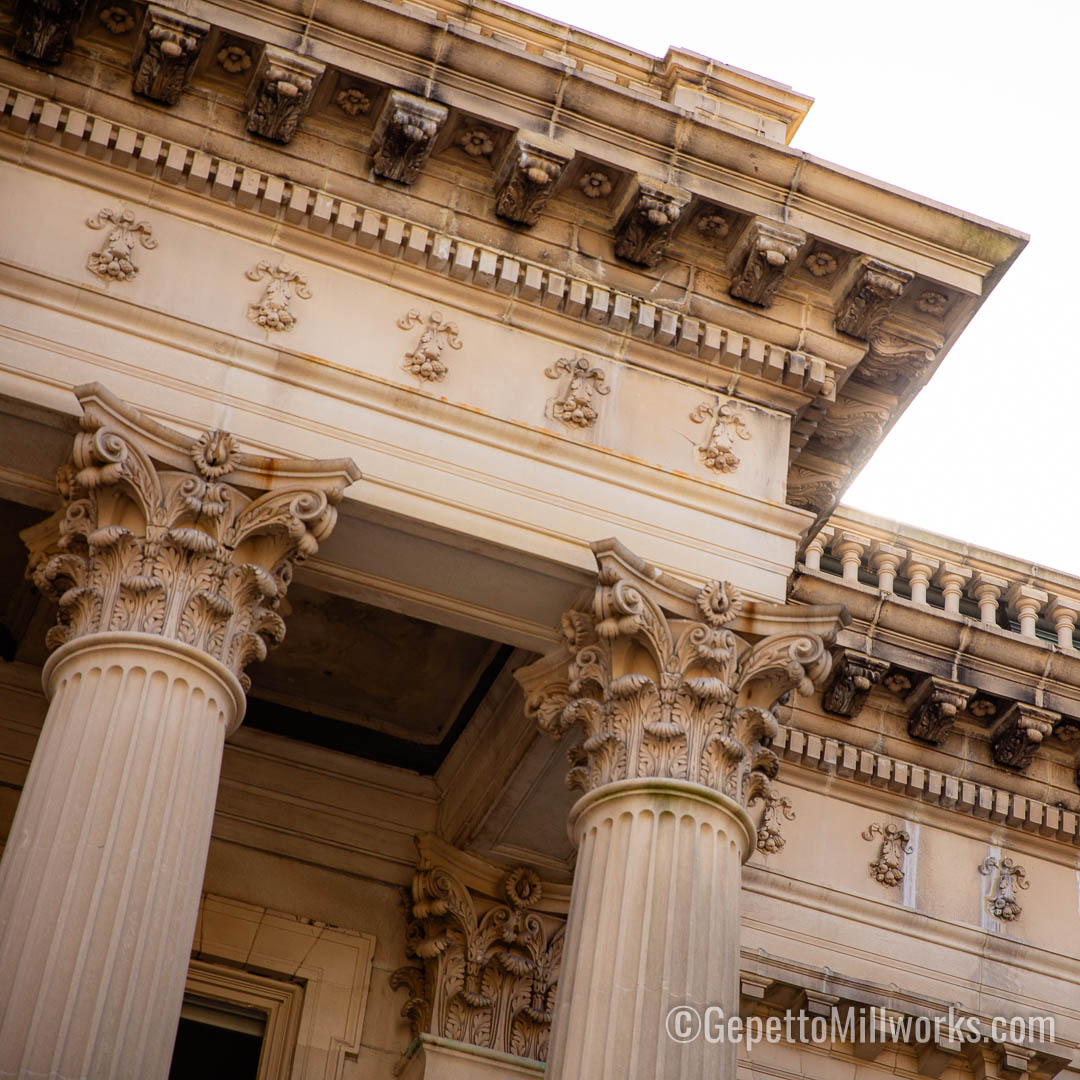
The historic Marble House in Newport, Rhode Island was chosen as inspiration for the Richmond structure, which was itself modeled after the Petit Trianon in Versailles. It stands proudly removed from West Franklin, an exception to the block’s density. The stately house, a handsome combination of limestone and terra cotta, is grounded by green-tiled wrapping terraces and a porte-cochére, shaded by trees in the house’s garden. Oxidized copper and careful cast iron work beautifully balance the gravity of the building’s exterior. Oversized fluted columns with Corinthian capitals give the mansion a sense of monumentality. The interior is a classic example of the American Renaissance style, originating in the 18th century. The occupant moves through the symmetrically divided rooms with no hallways on the first floor, structured around a main entrance stair which lies under a magnificent stained glass dome. Servants’ quarters are to the rear of the building, and a large English style carriage house is hidden behind the mansion. The Anderson Gallery, constructed in 1888 from the former Ginter House stables, also stands behind the Scott-Bocock House. The splendor of the structure is a reminder of Richmond’s insurance and banking glory days in the early 20th century, when it was an indulgent capital of the South.

Scotts House VCU Historic Restoration
Authentic Historic Window Restoration Virginia
Scotts House VCU Historic Restoration
Authentic Historic Window Restoration Virginia

Project Portfolio

Project Portfolio

Project Portfolio

Historic Preservation

Celebrating 17 years in 2026!

2026 the year of the arc door

Private Residence ~ HOUSTON TX

16 Month Custom Round Top Window Build

2025 Historic Virginia

Wren & GATES HALL

William & Mary College

Apomattox Courthouse

Courthouse Restoration

2024 HIGHLIGHTS

Residence

0000 Monumant Avenue – Richmond VA

Window Preservation Services

JV Martin School – Dillon SC

Supplying Old Window Restoration Services

Omni Homestead Hotel  ~ 2023

Beginning in 2022 a $150 million investment began and ran on schedule with the detailed assistance of Gepetto Craftsmen coming to completion in fall 2023.  Specifically providing services that could not be found from any other contractor in the Shenandoa region!


Babcock Building 2020-2023

The Babcock Building is the cornerstone of the Bull Street historic district renovation.  Gepetto Provided historic replica windows, and the rebuilt cupola.

The projectd was developed by Clachan Properties who have a long history of renovating historic buildings across the southeast.  Foss and Company provided historic tax credit verification.

Located right in the middle of the largest development project in Columbia history, the building was built in 1885 and will be transformed into 208 luxury apartments with amenities.

babcock building columbia SC window restoration

Hampstead
New KEnt ~ 2023

Hampstead was built in 1825 one of the Commonwealth’s most ambitious Greek Revival residences.  The grand dwelling features many elements adapted from Asher Benjamin’s American Builder’s Companion (1806), an important book containing meticulous etchings of Greek Revival architectural details used by architects and builders throughout the new nation. Hampstead was listed in the Virginia Landmarks Register and the National Register of Historic Places in 1970 and began renovation by the Tidewater Big Bend Foundation in 2021

VCU SCOTT HOUSE ~ 2019

Built in 1911 and acquired by Virginia Commonwealth University (VCU) in 2001 the 18,000-square-foot mansion rehabilitation was orchestrated by long time specifiers of Gepetto Millworks – Glavé & Holmes Architecture.  The modernization design was to provide a historically-sensitive rehabilitation to allow the building to serve as meeting and event space.  The building’s historic fabric was restored in accordance with the Secretaty of the Interior’s Standards for Rehabilitation and the University’s preservation philosophy for historic buildings.  Kjellstrom and Lee handled general contracting in concert with VCU maintenance and operations staff

Caldwell Hall ~ 2019

Built in 1889 and 130 years later in 2019 another restoration began calling on Gepetto to custom fabricate new doors to match the historic profile. In addition to the time tested original joinery, we designed in our shop drawings a ‘stave core’ door that intelligently balanced the weather beating functions of three elements:

Romanesque Architectural Door and Window Builder

Sauers Historic Offices ~ 2019

In 2018 + 2019 Sauers Spices made the development to move back into their historic offices at 2000 West Broad St capstoning the redevelopment of the Braod St Corridore.  Not shown are the historically trimmed offices restored to their early 1900’s glory of mahogany framed glass privacy offices.

Detailed Trimwork

728 E. Main St.
Richmond ~ 2019

Virginia’s Central Business District, the Stumpf Flats on Main is currently undergoing a $5 million redevelopment, having previously served as the century old Stumpf Hotel. Renovation of the seven-story structure converted it into 24 one-bedroom apartments.  Drucker + Falk the Washington, D.C.-based developer, is one of the most dominant and successful real estate developers in the Mid-Atlantic, controlling over 9 million square feet in the Washington Metro market with an additional downtown Richmond office and presence.

Lynchburg VA historic window services
arlington va historic window builder restoration

Montgomery Building  ~ 2018

Lorem ipsum dolor sit amet, consectetur adipiscing elit, sed do eiusmod tempor incididunt ut labore et dolore magna aliqua. Consectetur adipiscing elit pellentesque habitant. Pulvinar mattis nunc sed blandit libero volutpat sed. Tincidunt arcu non sodales neque sodales ut. In iaculis nunc sed augue lacus viverra vitae congue eu. Facilisis magna etiam tempor orci. Gravida arcu ac tortor dignissim convallis aenean et tortor. Nibh mauris cursus mattis molestie a. Euismod elementum nisi quis eleifend quam adipiscing vitae proin sagittis. Vitae elementum curabitur vitae nunc sed velit. Imperdiet massa tincidunt nunc pulvinar sapien et ligula ullamcorper.

Additinoal ProjectS:

  • Centenary Methodist Chruch Richmond
  • Baker School Richmond
  • Catholic University Caldwell Hall Washington DC
  • Meadow Farm Museum Henrico
  • Carter’s Grove Williamsburg
  • Elizabeth City North Carolina  Water Station
  • Printworks North Carolina
  • Mount Airy Tapahannock
  • Virginia Science Museum Traincars
  • Black History Museum Washington DC
  • Ben Dover Estate Goochland
  • George Washington Carver’s House
  • Grove Plantation HOuse
  • Robert E Lee Highschool
  • Womens prison – historic Lorton condos
  • Cumberland – new kent
  • Manchester Train Station – hull st
  • Goshen Foundry
  • Carriage doors Arlington Cemetary
  • Maymont Carriage Houses Windows, Doors, and Gates
  • Old Church – hampstead
  • Robinson Theater Church Hill

Black History Museum
Richmond ~2016

Receiving a state grant in 2011, the Black History Museum and Cultural Center of Virginia announced plans to repurpose the Leigh Street Armory as their new home. The armory had suffered severe damage from fire, neglect, exposure to the elements, and vandalism. Under a grant from the U.S. Department of the Interior Save America’s Treasures Program. SGH Architecdts developed a building enclosure rehabilitation and structural stabilization program in conformity with the Secretary of the Interior’s Standards for the Treatment of Historic Properties.

rounded casement wood windows

Hewicks plantation

Hewick is a historic home located near Urbanna, Middlesex County, Virginia. It was constructed in 1678 by Christopher Robinson, whose progeny held considerable power in the colony before the American Revolution, during which some members became loyalists. It was listed on the United States National Register of Historic Places in 1978.


Lady Byrd Hat Factory 2008

Originally built to house the Virginia Paper Company, the building became the home of the Lady Byrd Hat Factory in 1965. The building is located near the Turning Basin of Richmond’s newly constructed Canal Walk and is the only historic building on the Canal. McPherson Design Group assisted with the design for the conversion of this building to a mixed-use facility, including residential units, offices, restaurants, retail spaces and entertainment venues. Many of the historic structural elements were recycled and featured in the new building.

South Carolina Wooden Window Supplier

South Carolina Wooden Window Supplier

In the realm of architectural preservation and restoration, historic buildings hold a special place, preserving the essence of South Carolina’s rich heritage. When undertaking historic building projects, architects and construction managers can greatly benefit from the historic tax credit certification program. In this article, we will explore the significance of historic wooden windows in these projects, highlight the expertise of Gepetto Millworks as a supplier, and shed light on the advantages of leveraging the historic tax credit certification from a professional perspective.
Historic Wooden Windows and the Importance of Preservation
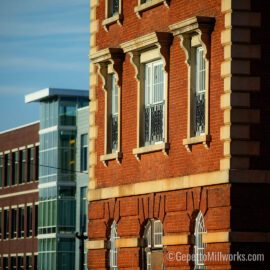
Architectural Integrity: Historic wooden windows are an essential component of a building’s architectural integrity. These windows showcase the craftsmanship, detailing, and design principles of a specific era, adding to the overall character and historical significance of a structure. Preserving and restoring these windows is crucial to maintaining the authenticity and charm of historic buildings.

Preservation Guidelines: When working on historic building projects, adherence to preservation guidelines is of utmost importance. These guidelines often dictate the retention or replication of original features, including windows. Gepetto Millworks specializes in producing historically accurate wooden windows that comply with preservation standards and bring the building back to its former glory.
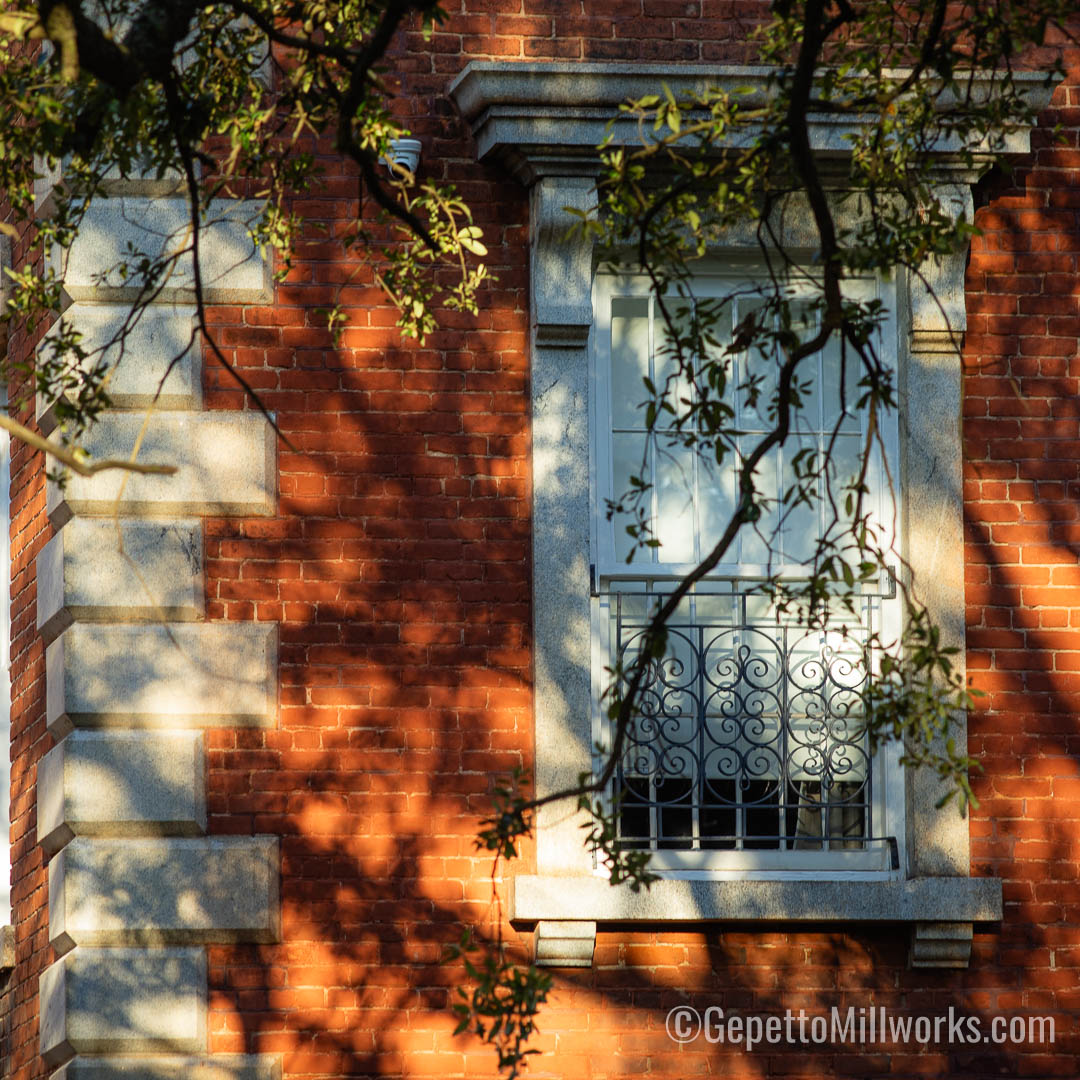
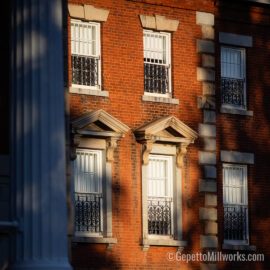
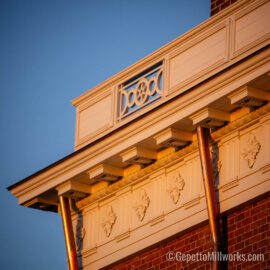
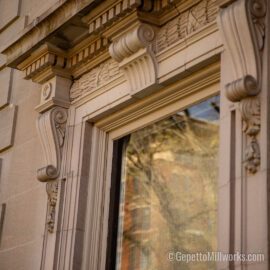
Energy Efficiency and Sustainable Solutions: Contrary to misconceptions, historic wooden windows can be energy-efficient when properly restored and upgraded. Gepetto Millworks utilizes modern weatherstripping techniques and energy-efficient glass options to enhance the performance of historic windows while preserving their original aesthetics. This approach aligns with sustainable design practices and promotes energy conservation in historic building projects.

Expertise in Historic Wooden Windows

Craftsmanship and Attention to Detail: Gepetto Millworks has a well-established reputation for its commitment to exceptional craftsmanship and attention to detail. Their team of skilled artisans combines traditional woodworking techniques with modern innovations, ensuring the production of historically accurate and superior-quality wooden windows. Each window is meticulously crafted to meet the highest standards of excellence.

Customization and Replication: Gepetto Millworks understands the importance of customization and replication when it comes to historic building projects. They possess in-depth knowledge of various architectural styles prevalent in South Carolina, enabling them to replicate windows with utmost precision, even in cases of unique or intricate designs. Their ability to provide customization options allows architects and construction managers to tailor the windows to the specific requirements of the project.

Material Selection and Durability: Gepetto Millworks takes pride in sourcing only the finest materials for their historic wooden windows. Premium-grade hardwoods are carefully selected to match the original species used in historic structures. This meticulous attention to material selection ensures that the windows not only maintain an authentic appearance but also exhibit exceptional durability and longevity, supporting the long-term preservation goals of the building project.

Benefits of Historic Tax Credit Certification

Financial Incentives: The historic tax credit certification program offers significant financial incentives for owners and developers of historic buildings. By adhering to specific preservation standards, projects can become eligible for tax credits that can offset a portion of the rehabilitation costs. These credits can be used to reduce tax liabilities, attract investors, and lower overall project costs, making historic building projects more economically viable.

Preservation Advocacy: The historic tax credit certification program promotes the preservation and restoration of historic structures. By participating in the program, architects and construction managers contribute to the preservation of South Carolina’s architectural heritage. This involvement not only enhances the cultural value of the community but also positions them as stewards of historic preservation.

Marketing and Recognition: Buildings with historic tax credit certification gain recognition and prestige within the industry. They become eligible for various marketing