Bull Street Development:
Transforming Columbia, South Carolina’s Historic Landmark
The Bull Street development in Columbia, South Carolina, stands as a testament to the city’s commitment to preserving its rich history while embracing modern progress. This ambitious project combines historic renovation, urban renewal, and mixed-use development to revitalize the iconic Bull Street Asylum site. By blending the past and present, the Bull Street development has become a thriving center of activity, attracting residents, visitors, and businesses alike.
Historic Renovation: Restoring the Legacy of Bull Street Asylum
The Bull Street Asylum, originally known as the South Carolina Lunatic Asylum, opened its doors in 1828 and served as a beacon of mental healthcare until its closure in 1996. Recognizing its historical significance, the Bull Street Development team embarked on a mission to preserve and restore this iconic landmark.
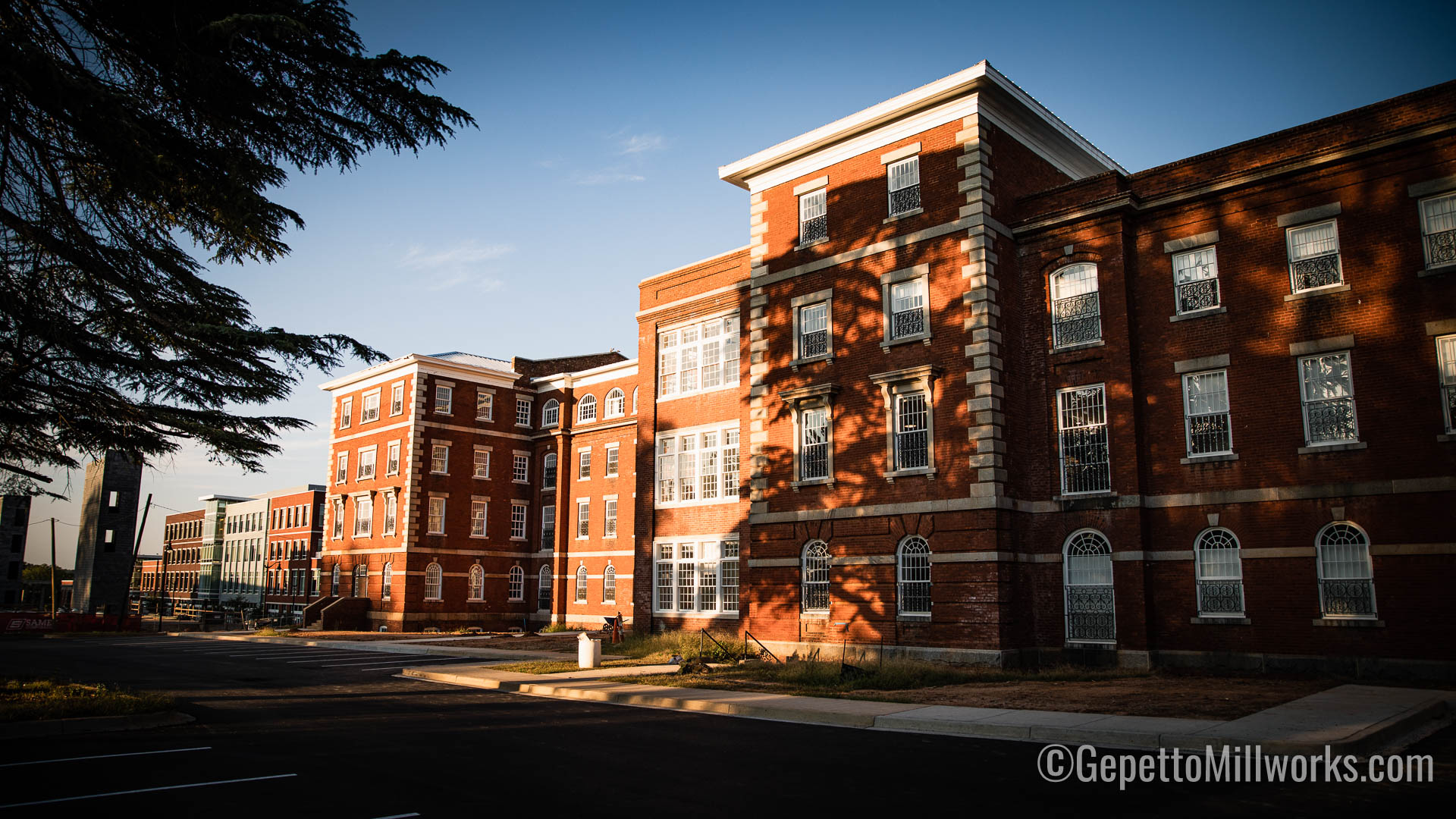
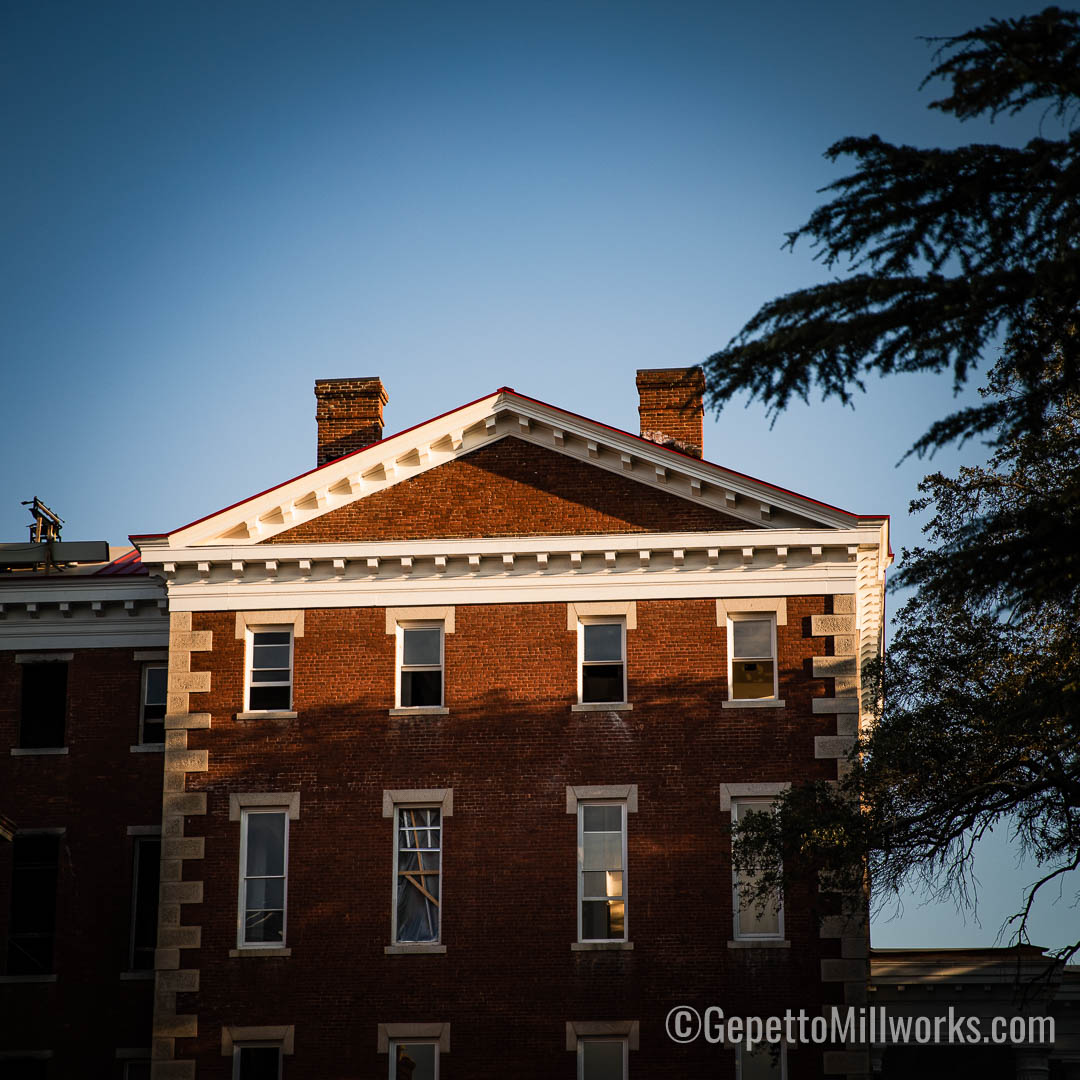
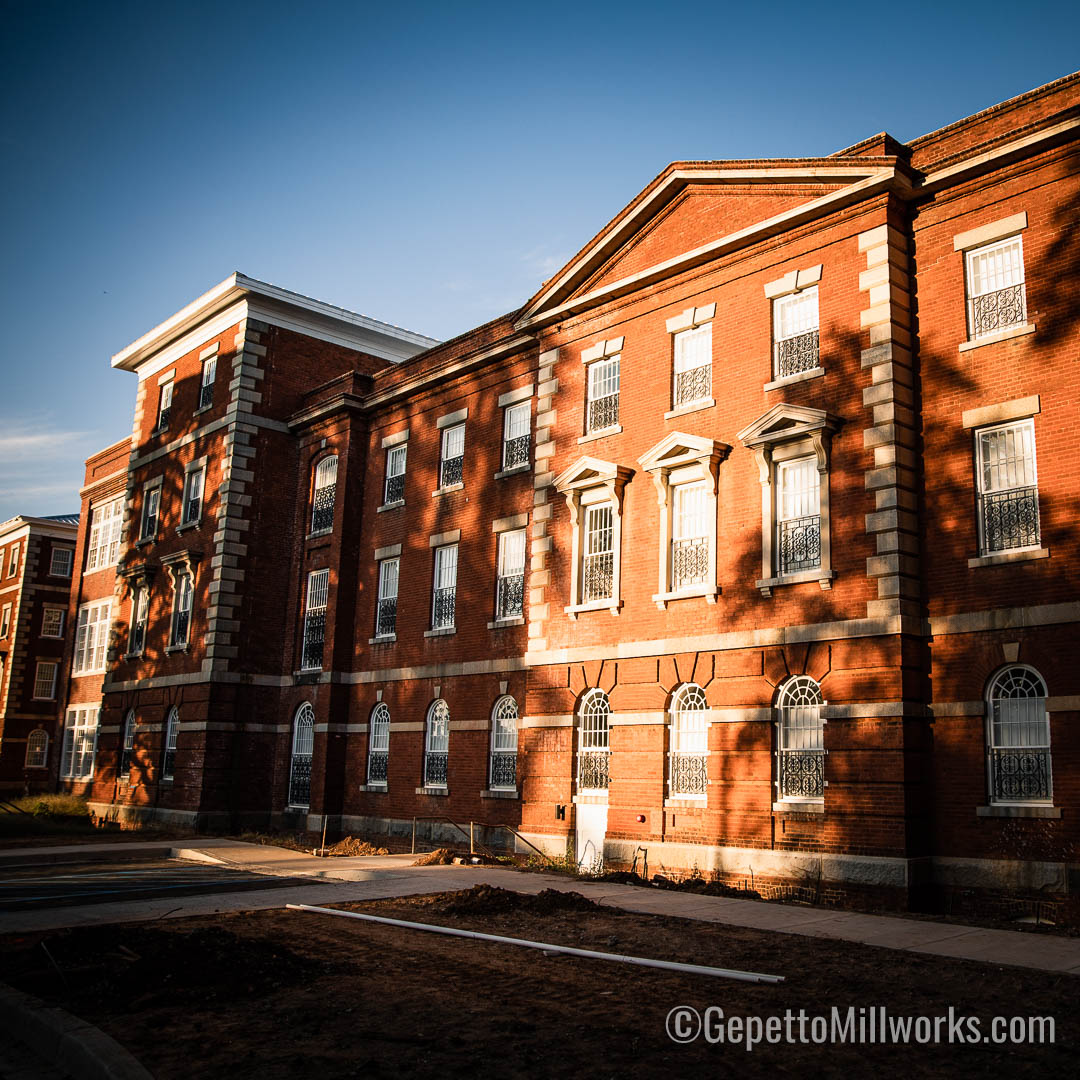
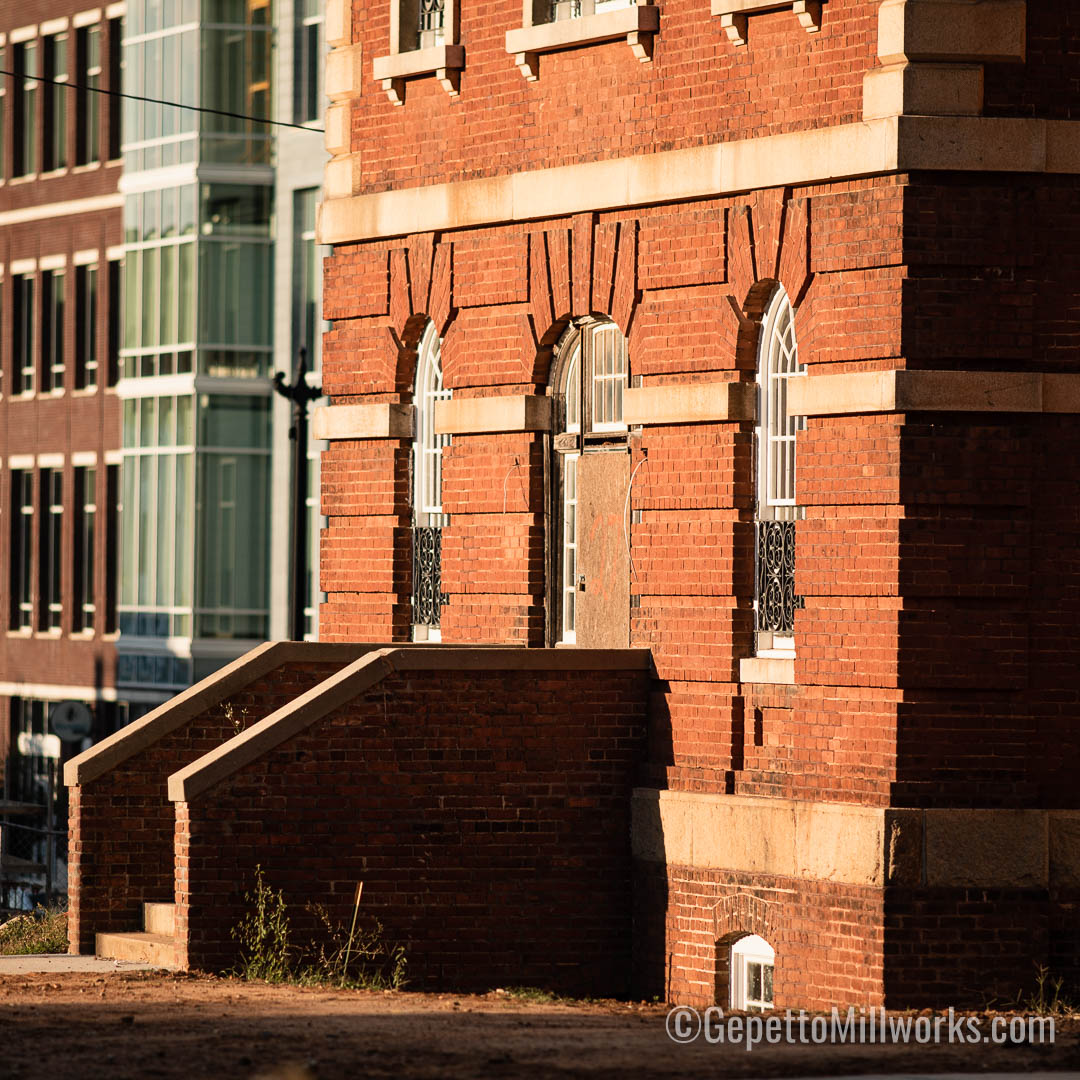
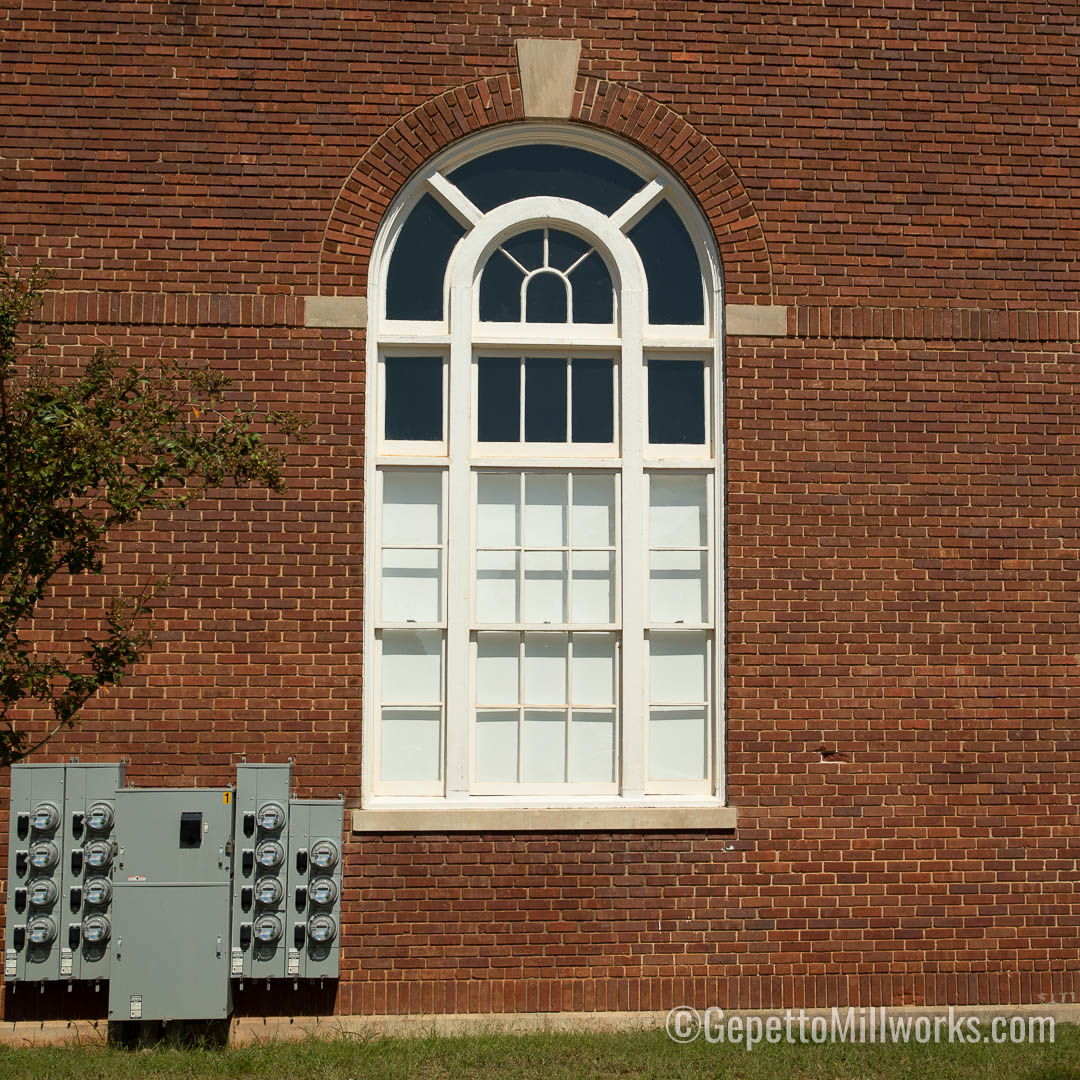
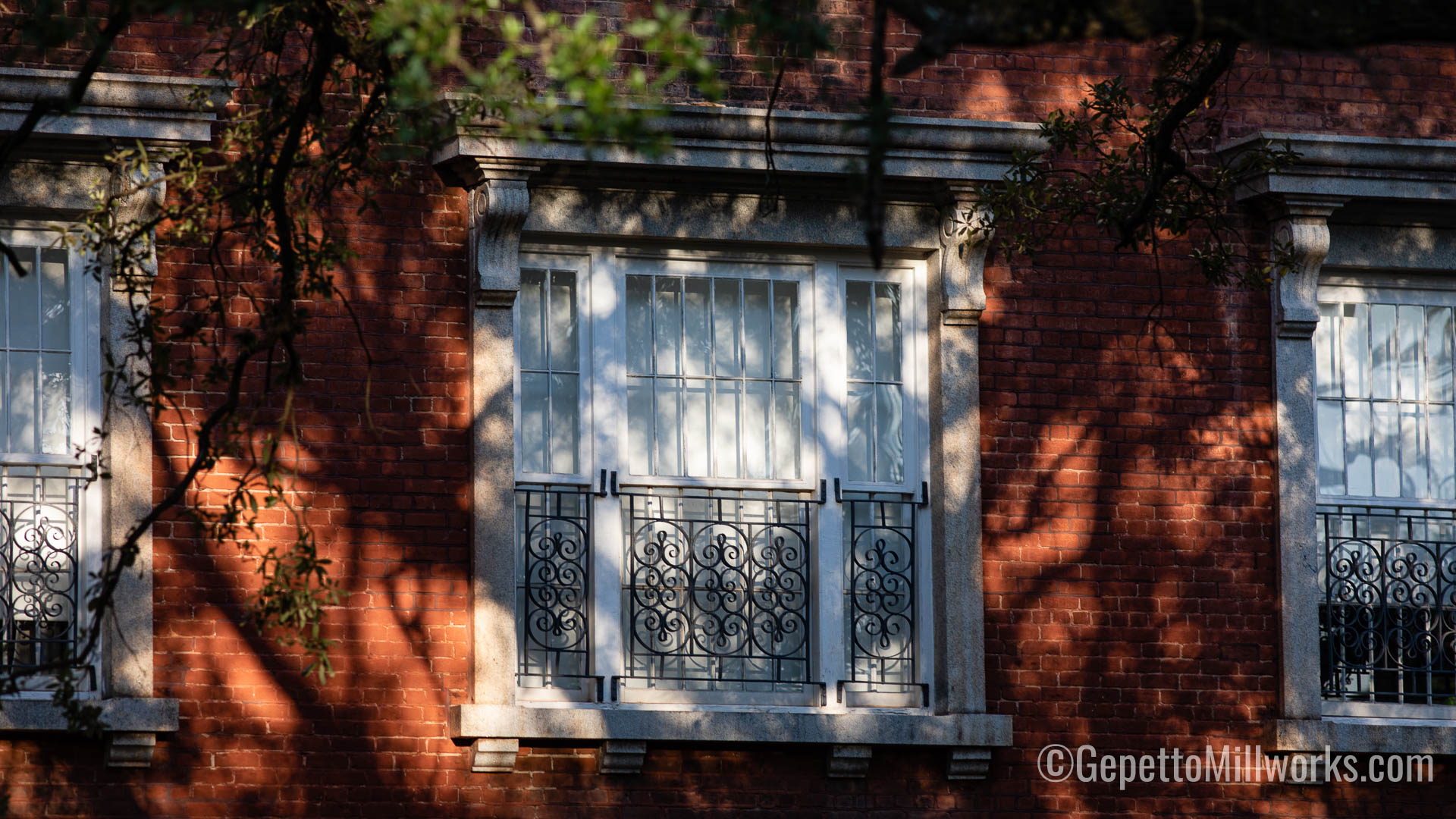
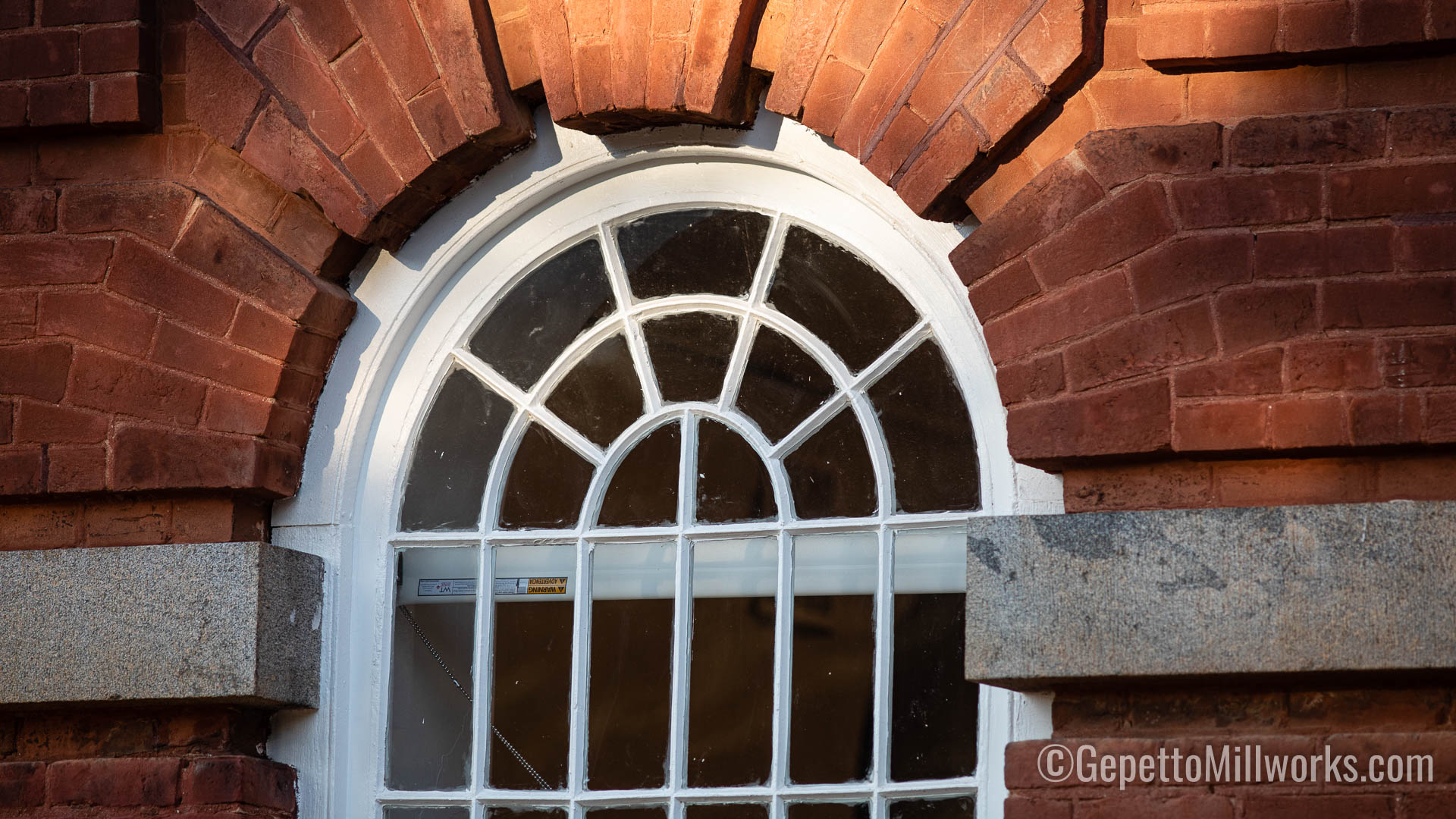
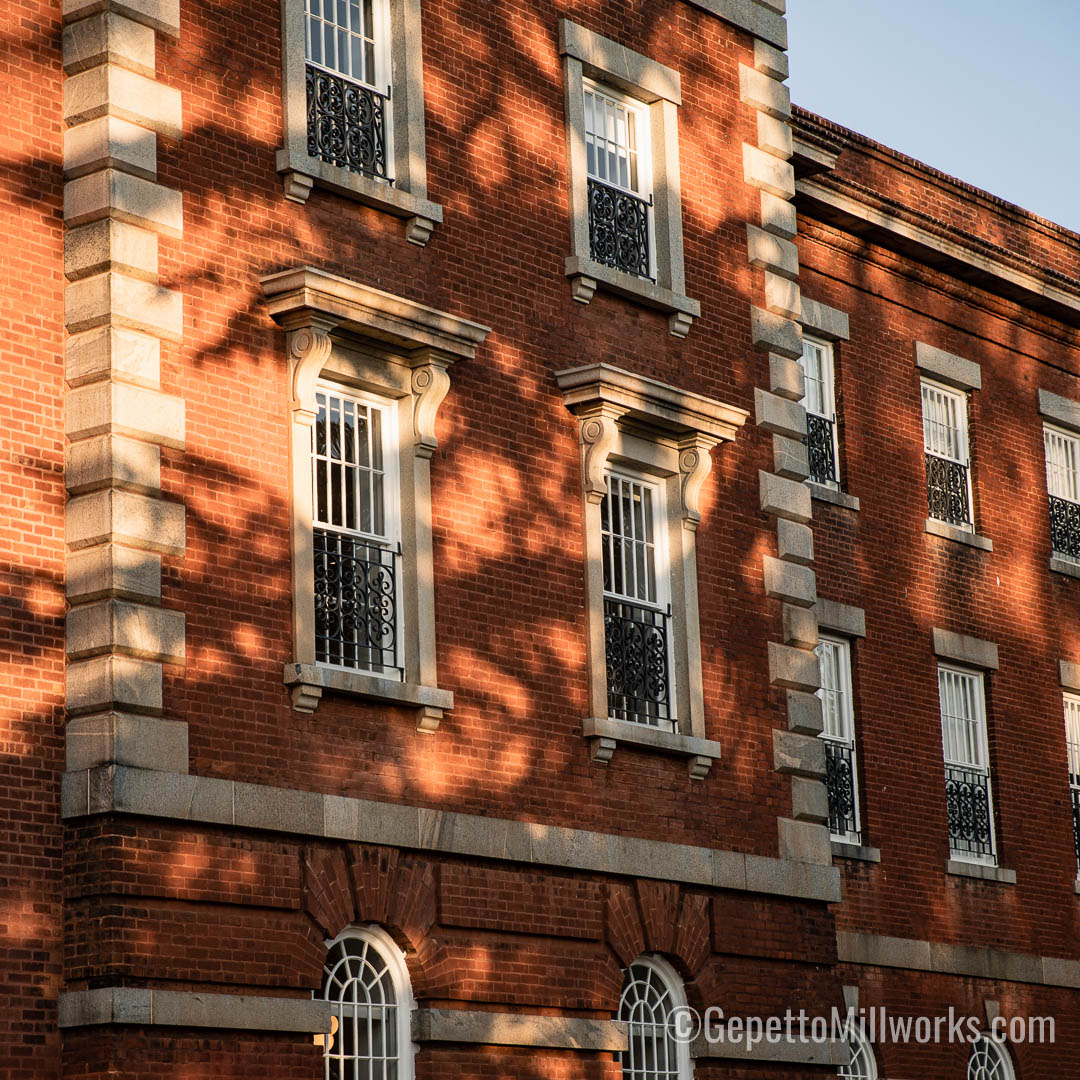
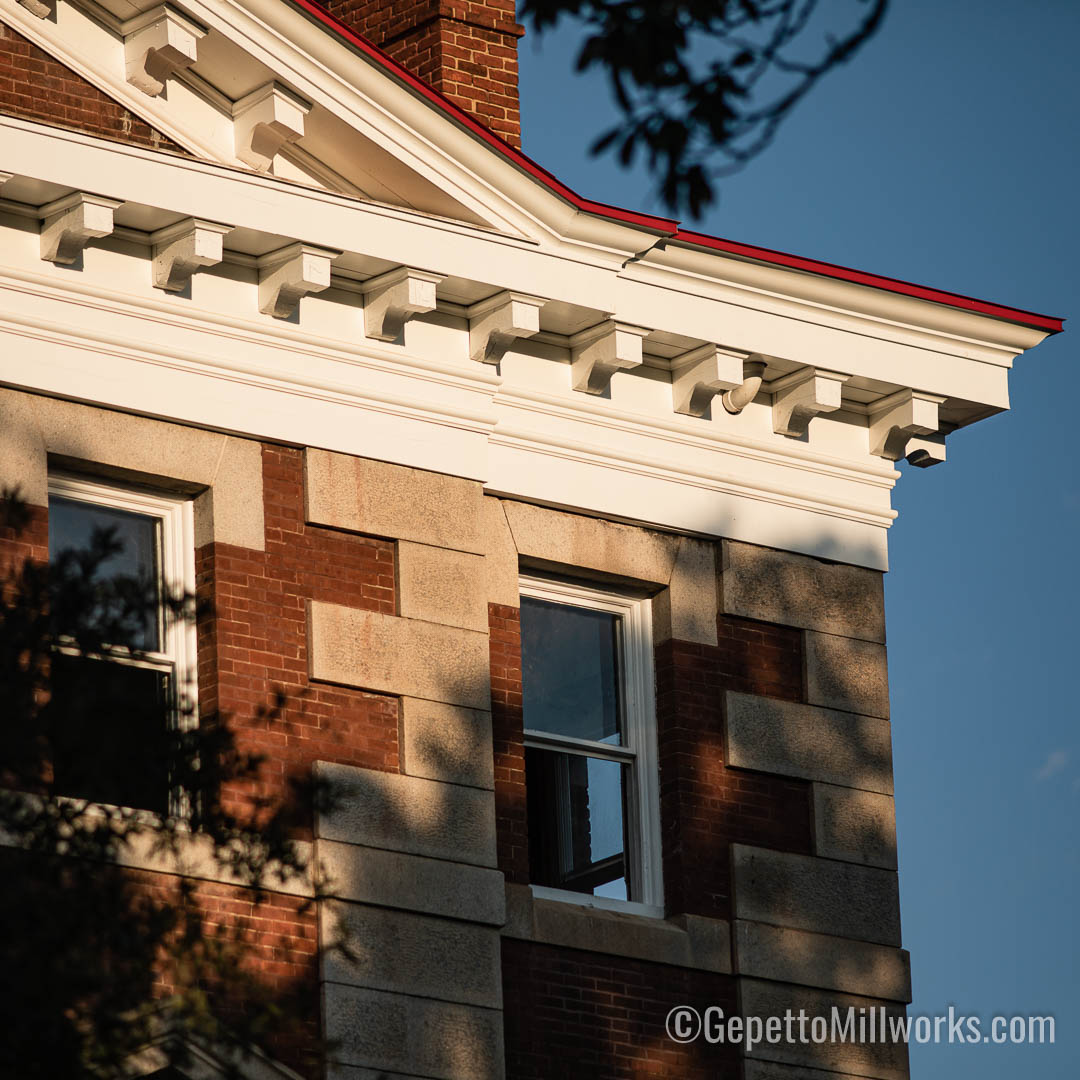
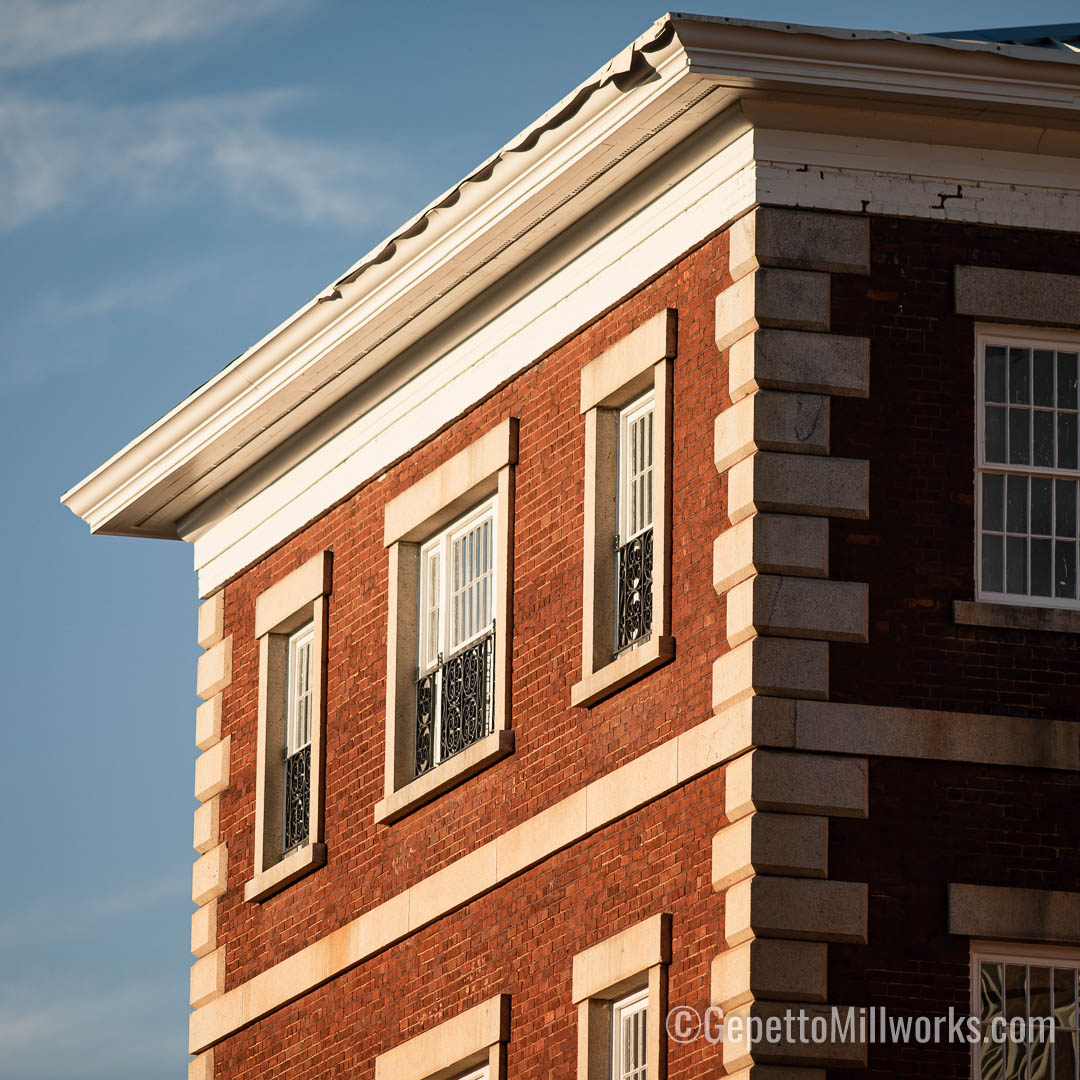
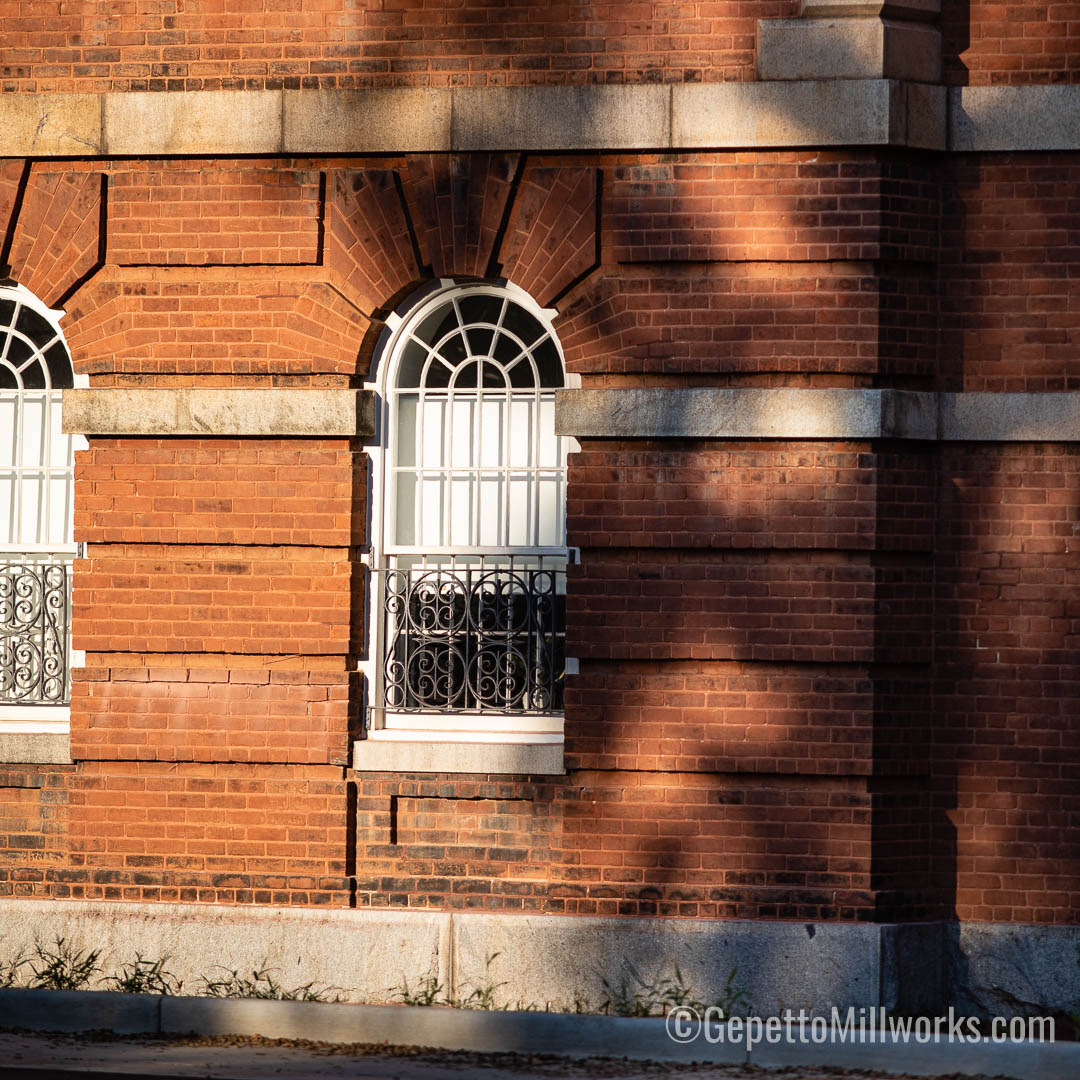
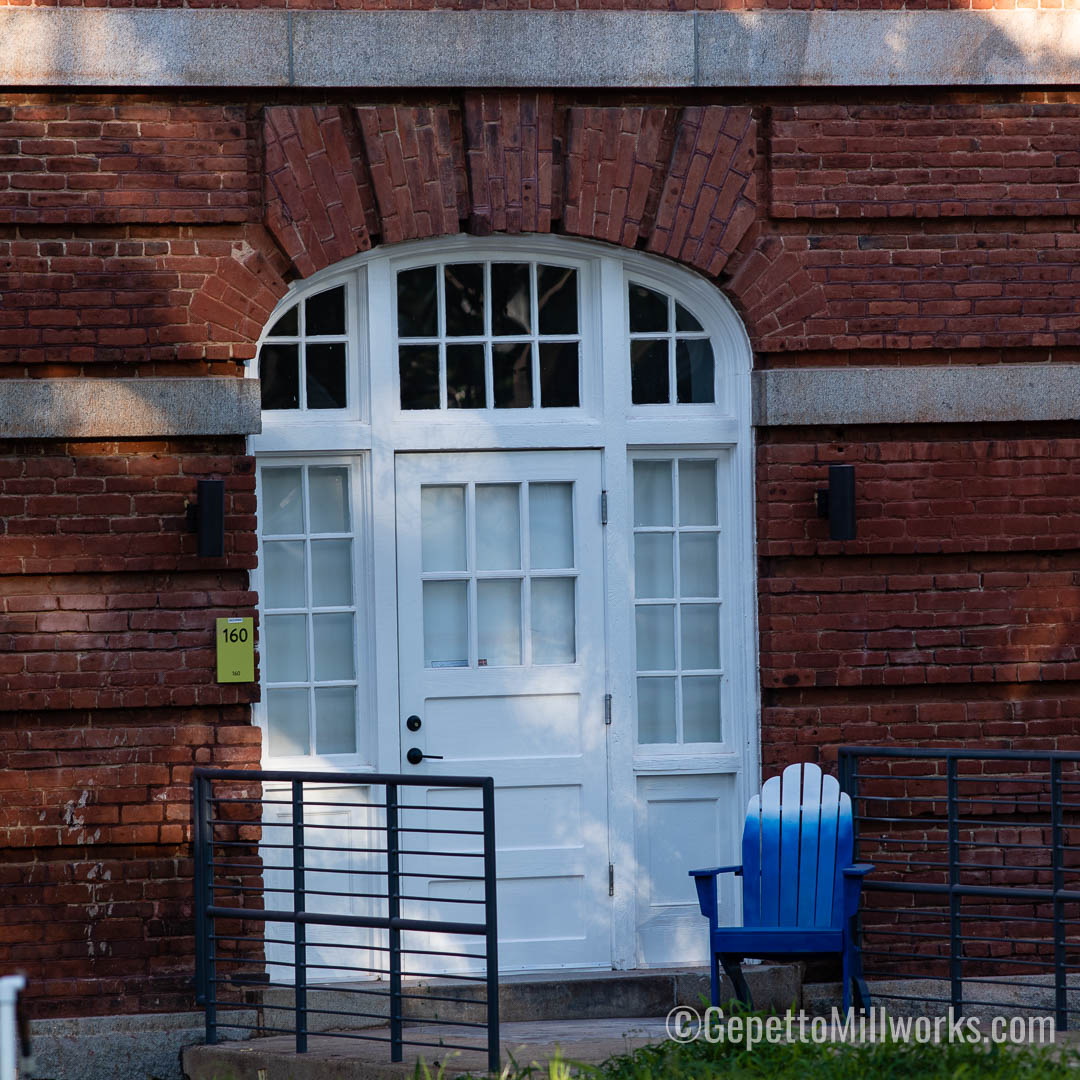
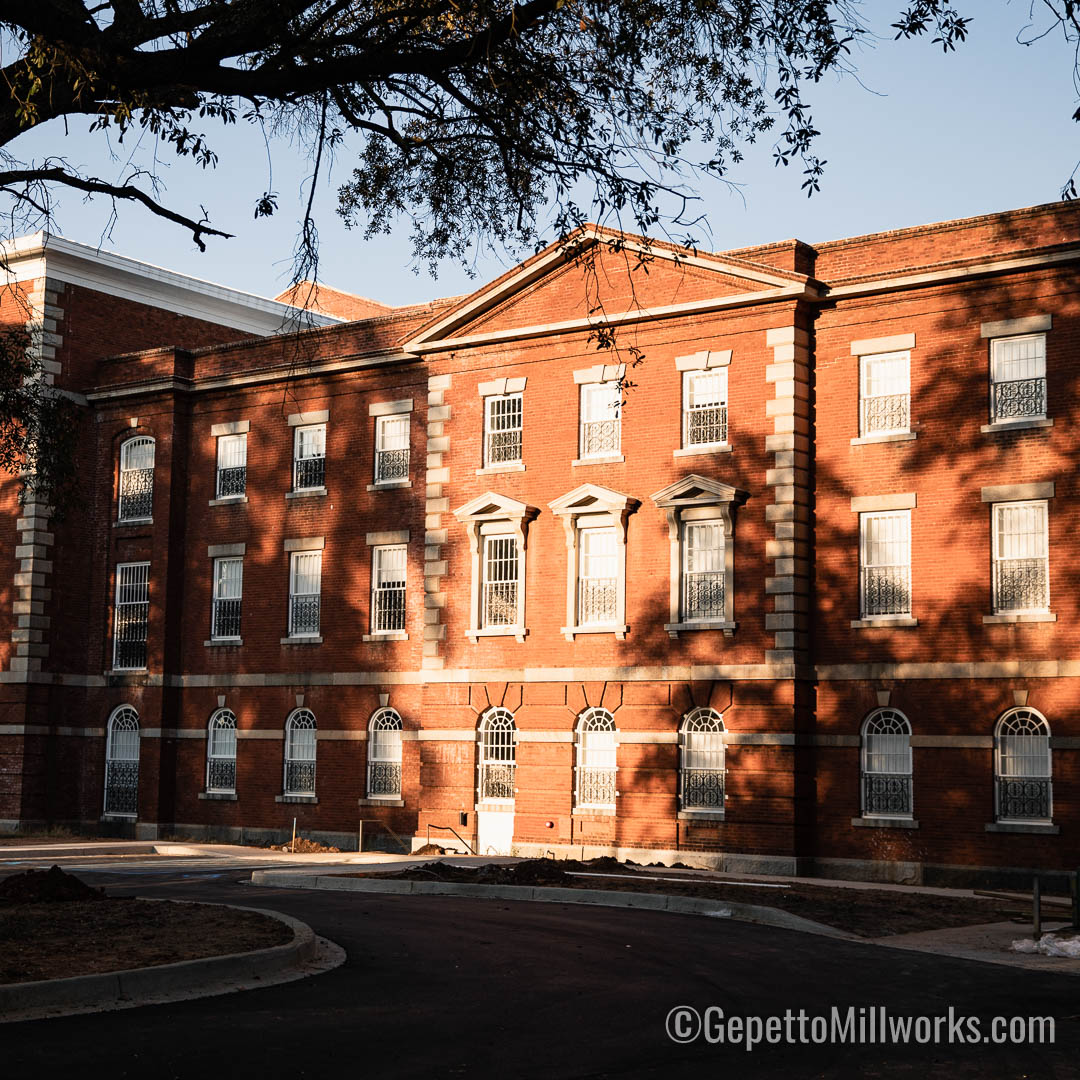
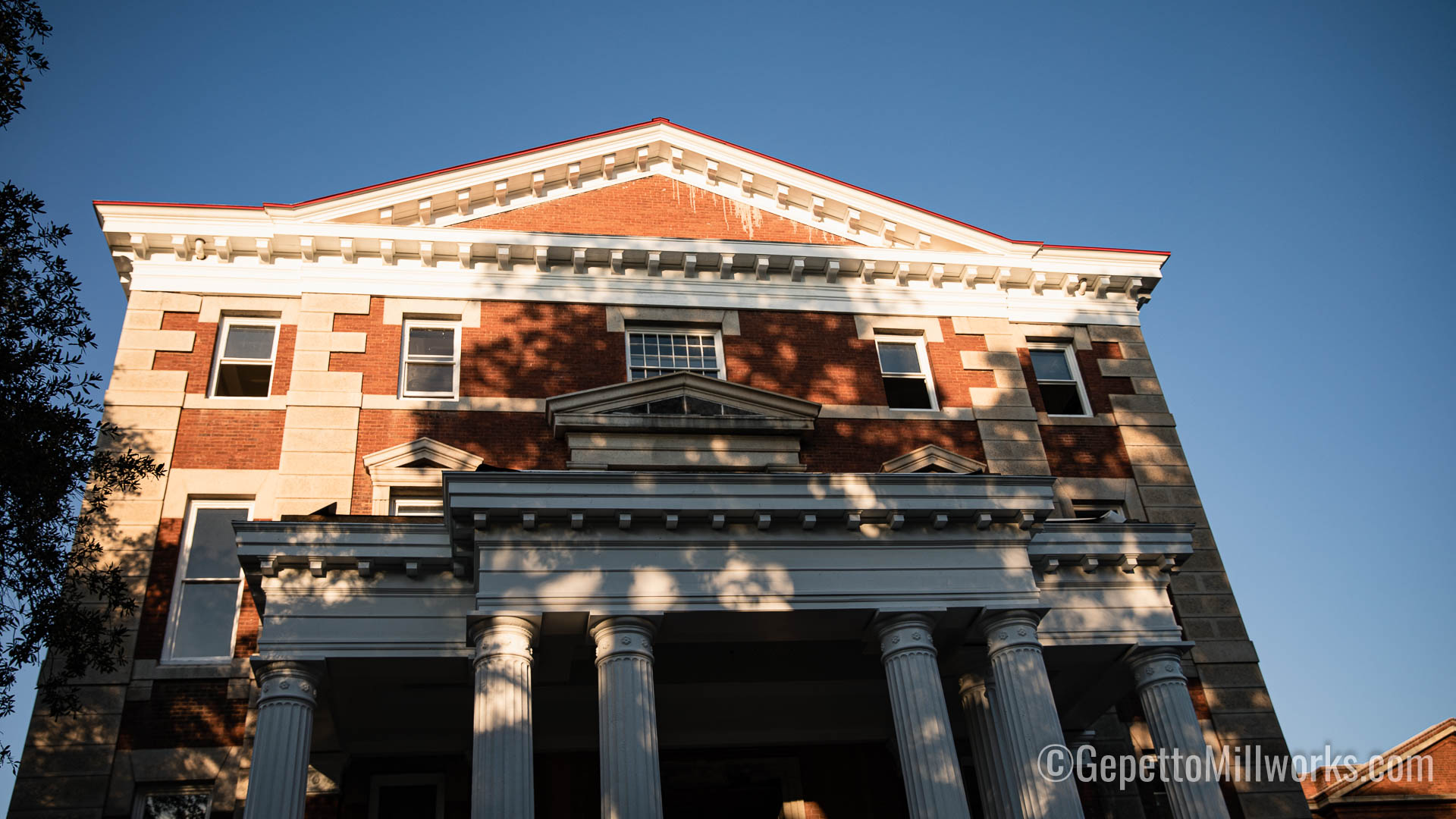
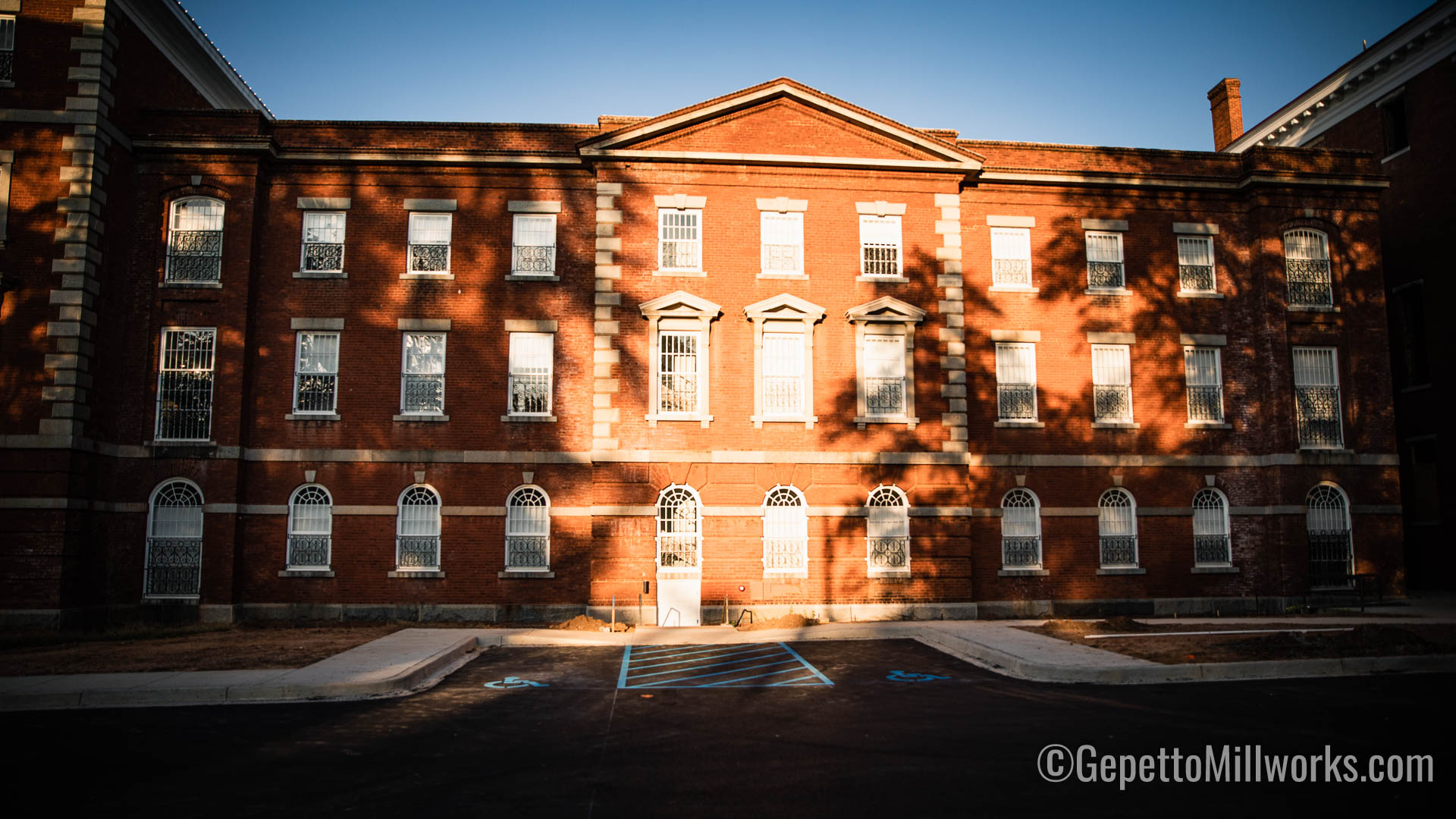
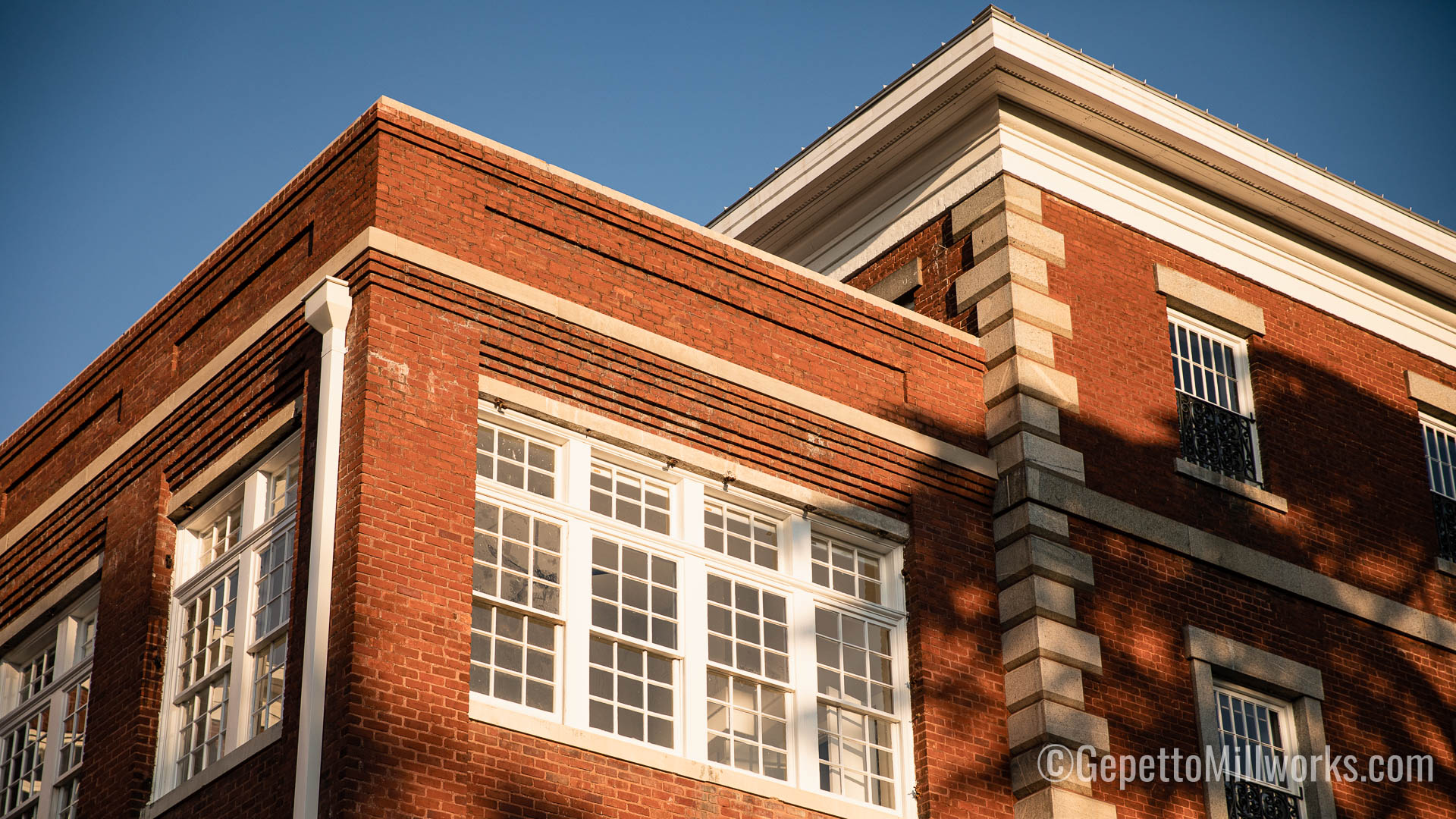
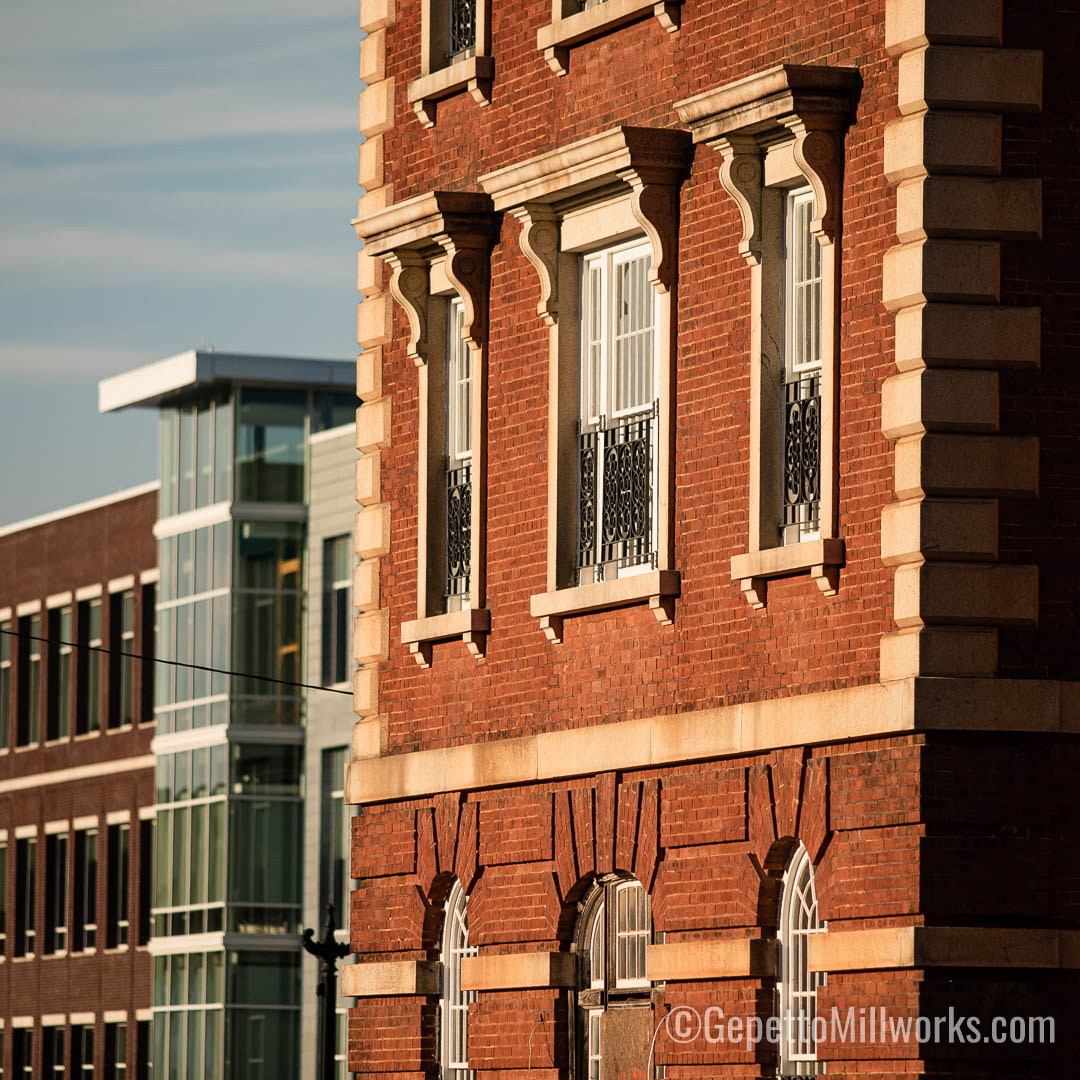
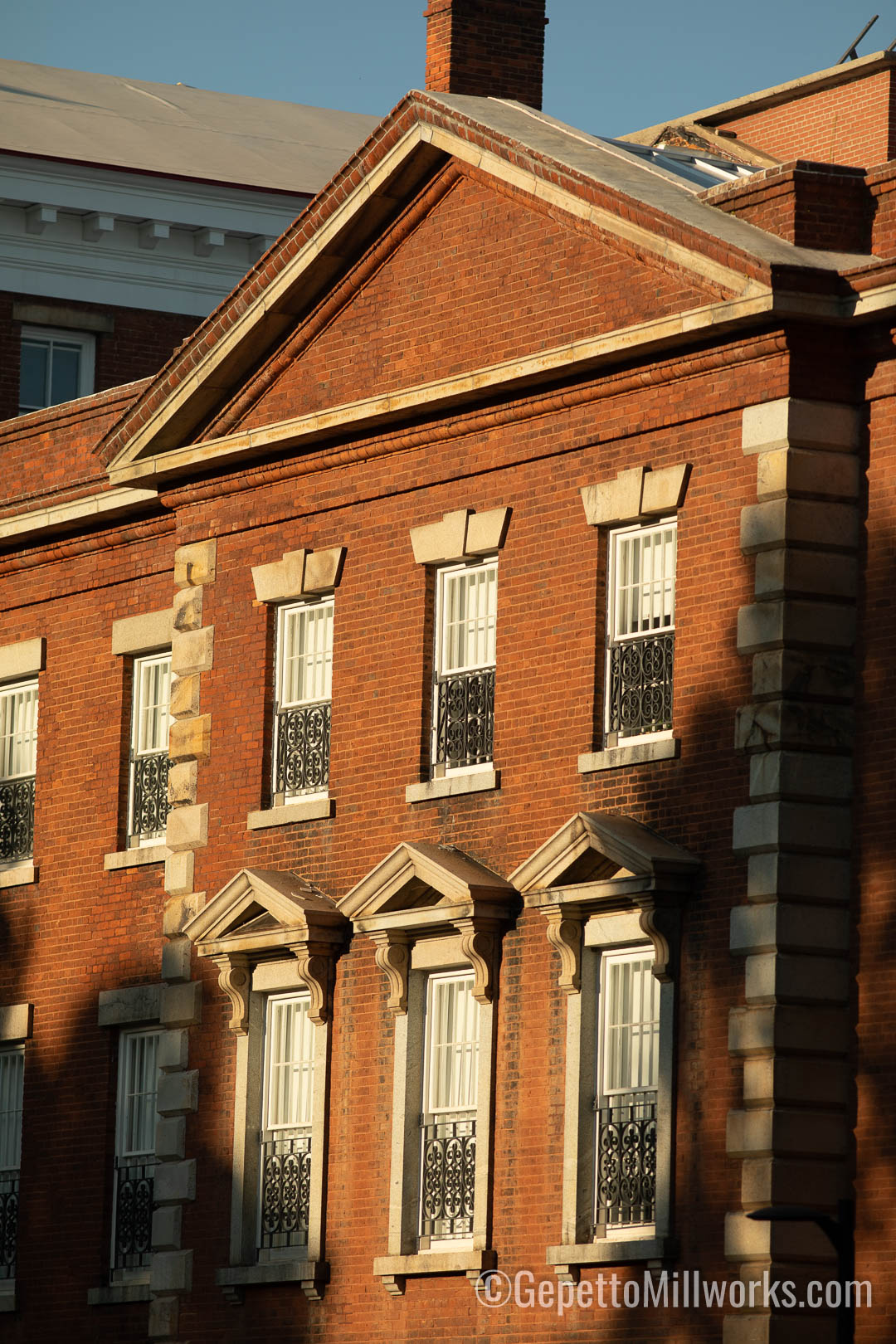
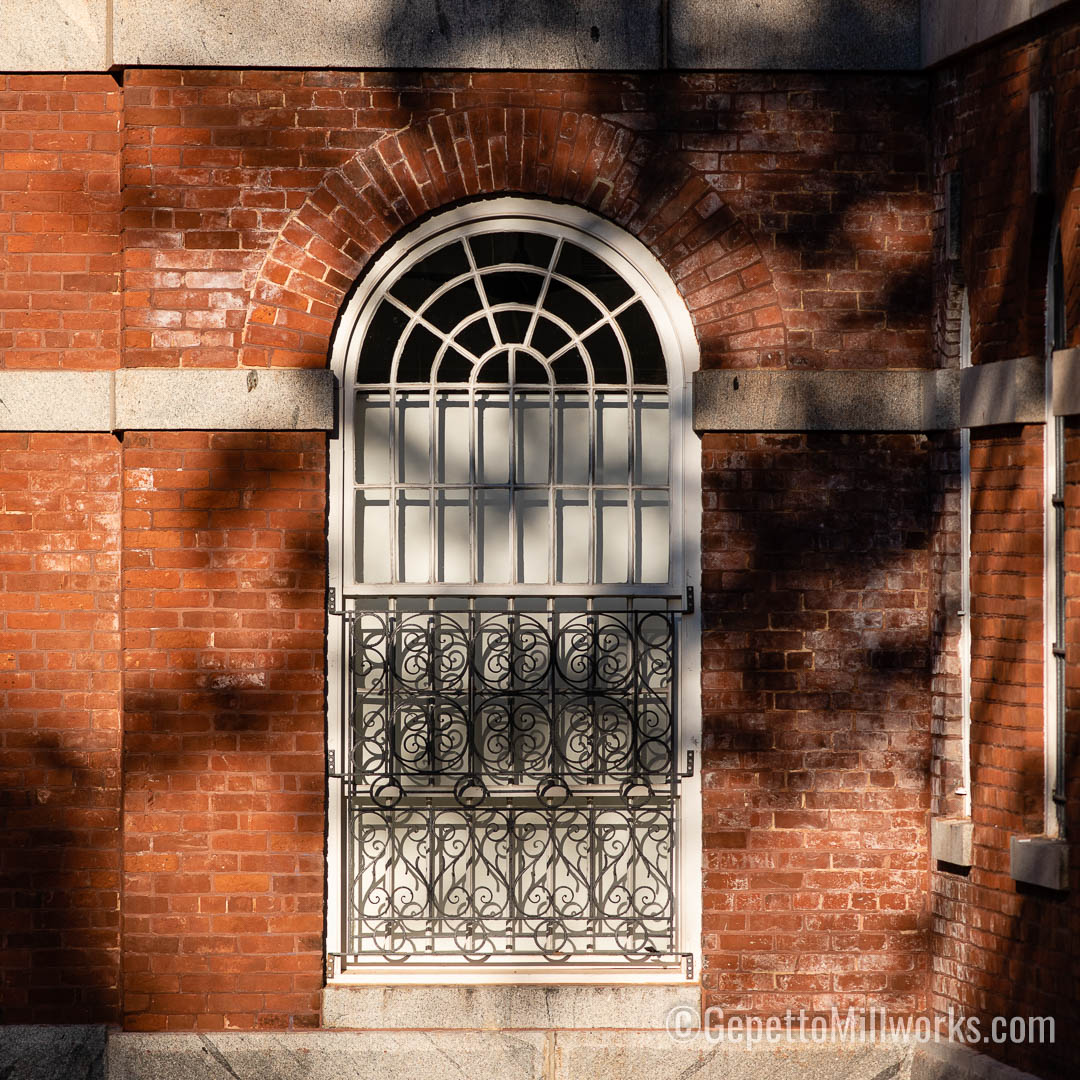
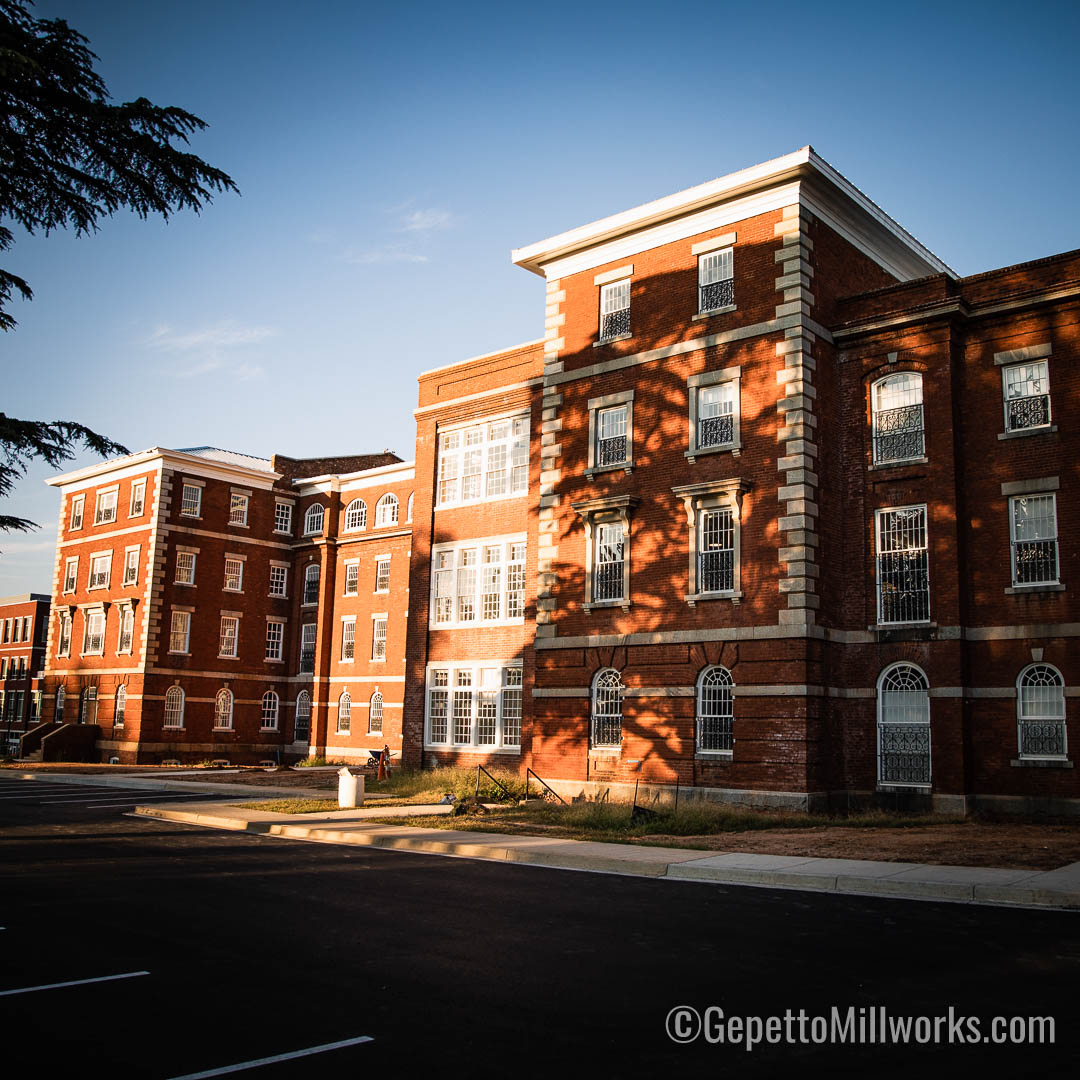
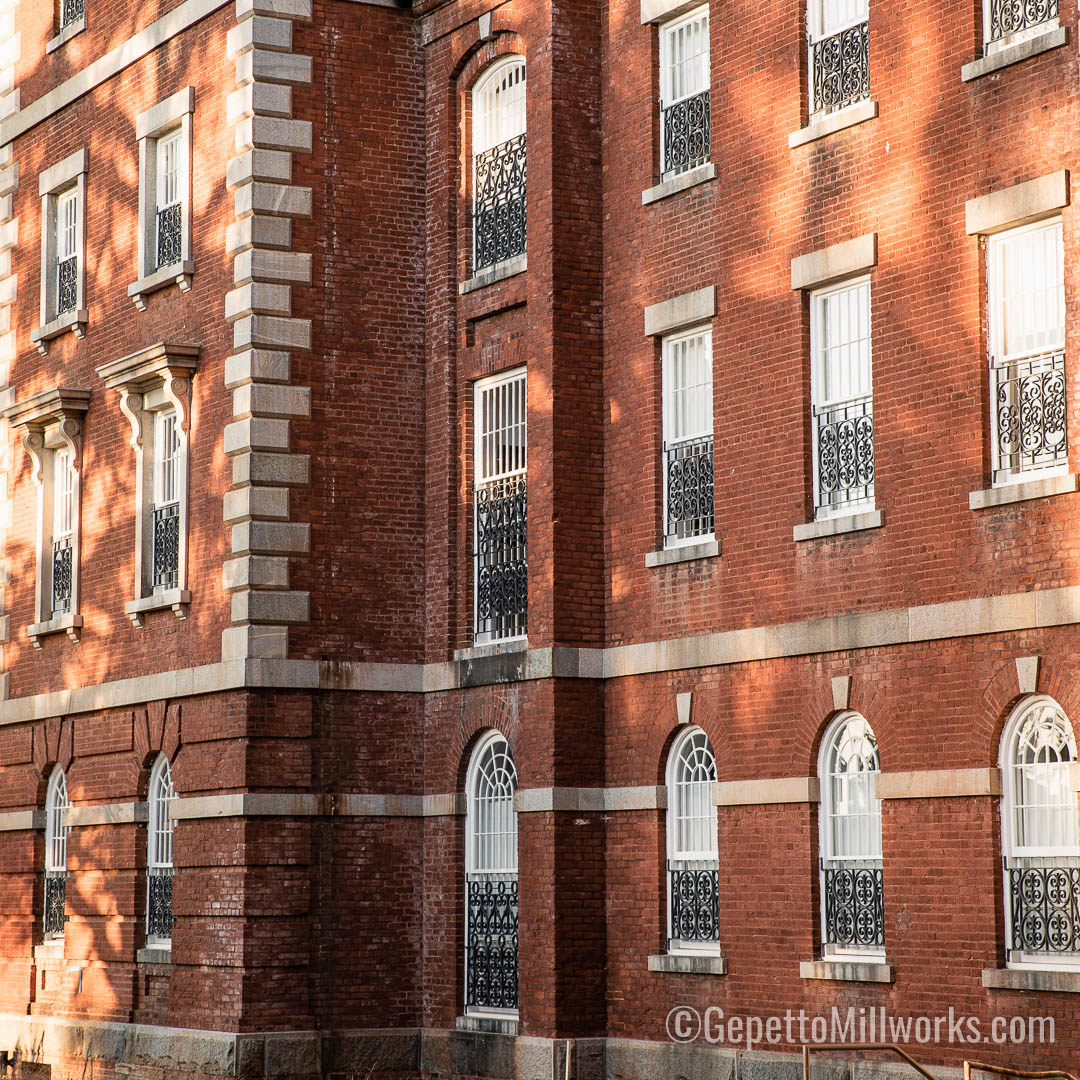
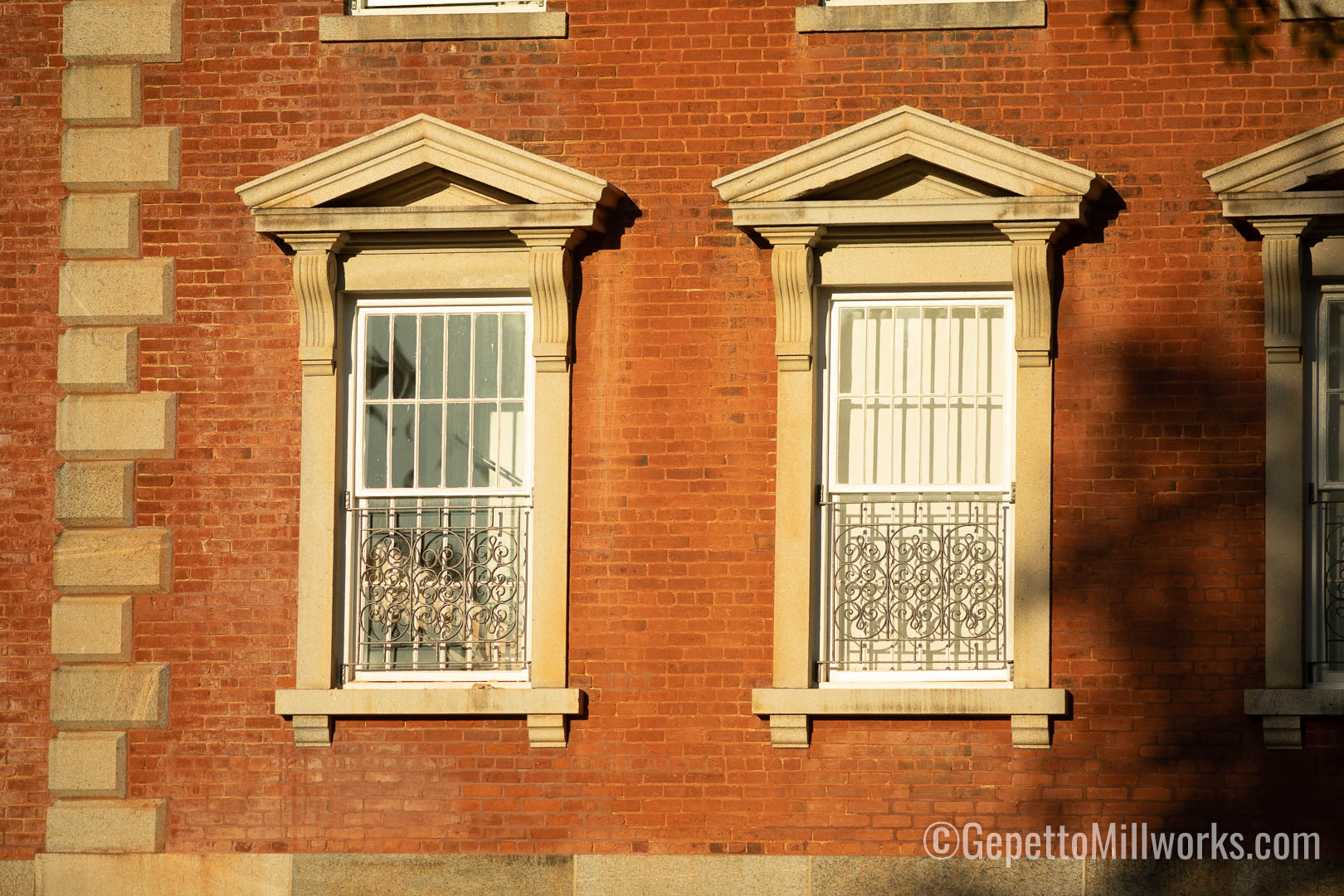
Historic renovation, a process that involves rehabilitating and revitalizing historic structures, played a vital role in transforming the Bull Street Asylum. While retaining the building’s unique architectural features, such as its imposing red-brick façade and intricate stonework, the developers ensured that the structure met modern safety and accessibility standards. This delicate balance between preservation and modernization has breathed new life into the historic site.
Urban Renewal: Goals and Impacts on Columbia’s Landscape
Urban renewal is a critical aspect of the Bull Street development, aiming to revitalize urban areas and improve the overall quality of life for residents. In the case of Columbia, South Carolina, the Bull Street project has become a catalyst for transformation, enhancing the city’s landscape and economy.
The primary goals of urban renewal in the Bull Street development are twofold: to repurpose underutilized spaces and to create a vibrant mixed-use area that fosters community engagement. The project’s master plan includes residential complexes, commercial spaces, recreational facilities, and green spaces. By blending historic preservation with modern amenities, the Bull Street development has successfully attracted residents, businesses, and tourists, contributing to the city’s economic growth.
Blending History and Modernity: Mixed-Use Condo Development
One of the highlights of the Bull Street development is the integration of the Bull Street Asylum’s rich history with a modern condominium development adjacent to the stadium. This unique blend of the past and present has created an enticing living experience for residents and visitors.
The Bull Street Asylum, now known as the BullStreet District, serves as the backdrop for the mixed-use condo development. The renovated historic buildings house a variety of amenities, including restaurants, boutiques, and art galleries, while the new condominiums offer luxurious and contemporary living spaces. This harmonious combination allows residents to immerse themselves in the site’s history while enjoying modern comforts.
The Bull Street development’s mixed-use area also includes a state-of-the-art stadium, serving as a gathering place for sports enthusiasts and hosting various events throughout the year. This vibrant and diverse neighborhood has become a social hub, attracting people from all walks of life.
The Bull Street development in Columbia, South Carolina, demonstrates the successful integration of historic renovation and urban renewal. By embracing the legacy of the Bull Street Asylum while introducing modern amenities and mixed-use spaces, the project has transformed a once-abandoned site into a thriving center of activity. Through its preservation efforts and commitment to community engagement, the Bull Street development stands as a shining example of how cities can honor their past while embracing a bright and prosperous future.
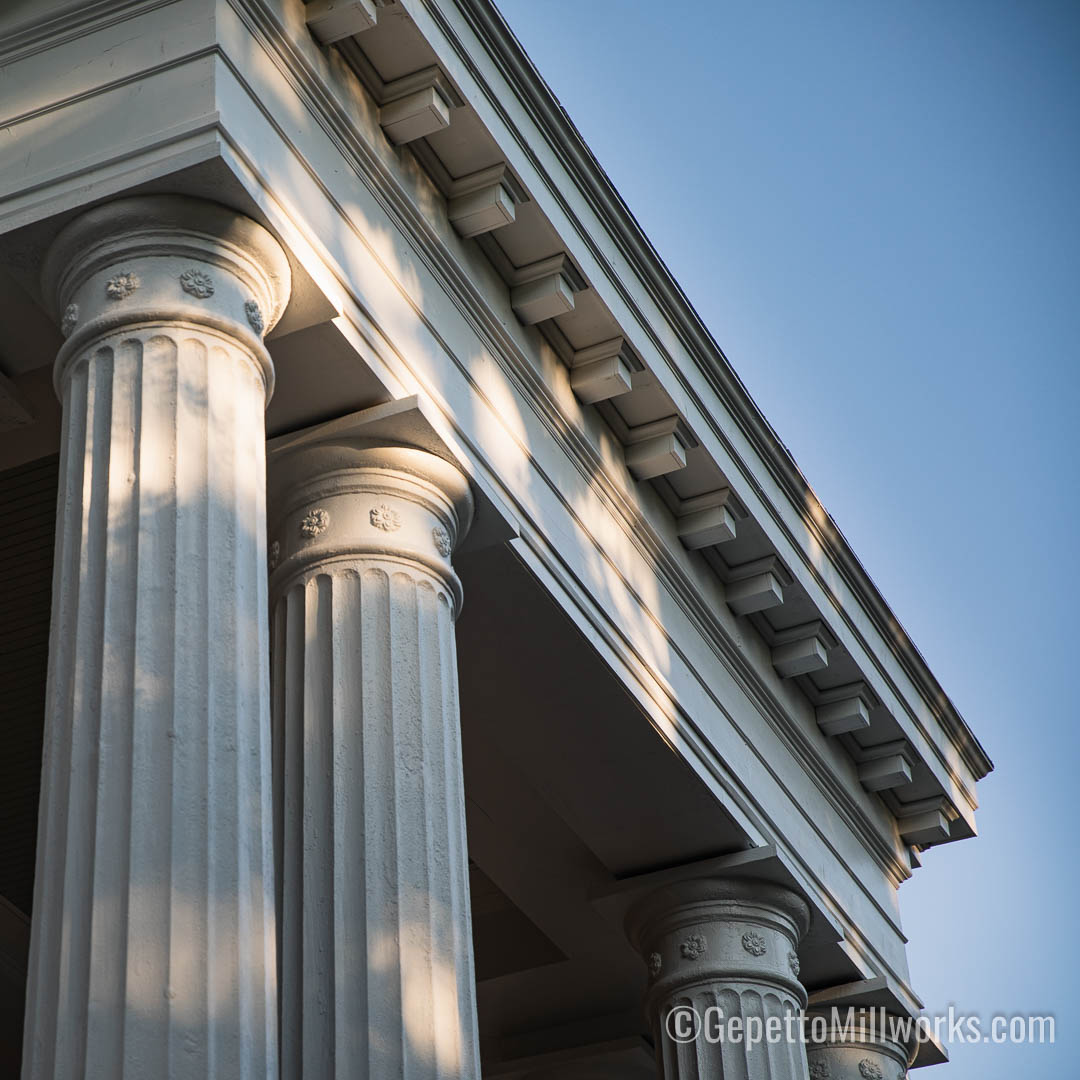
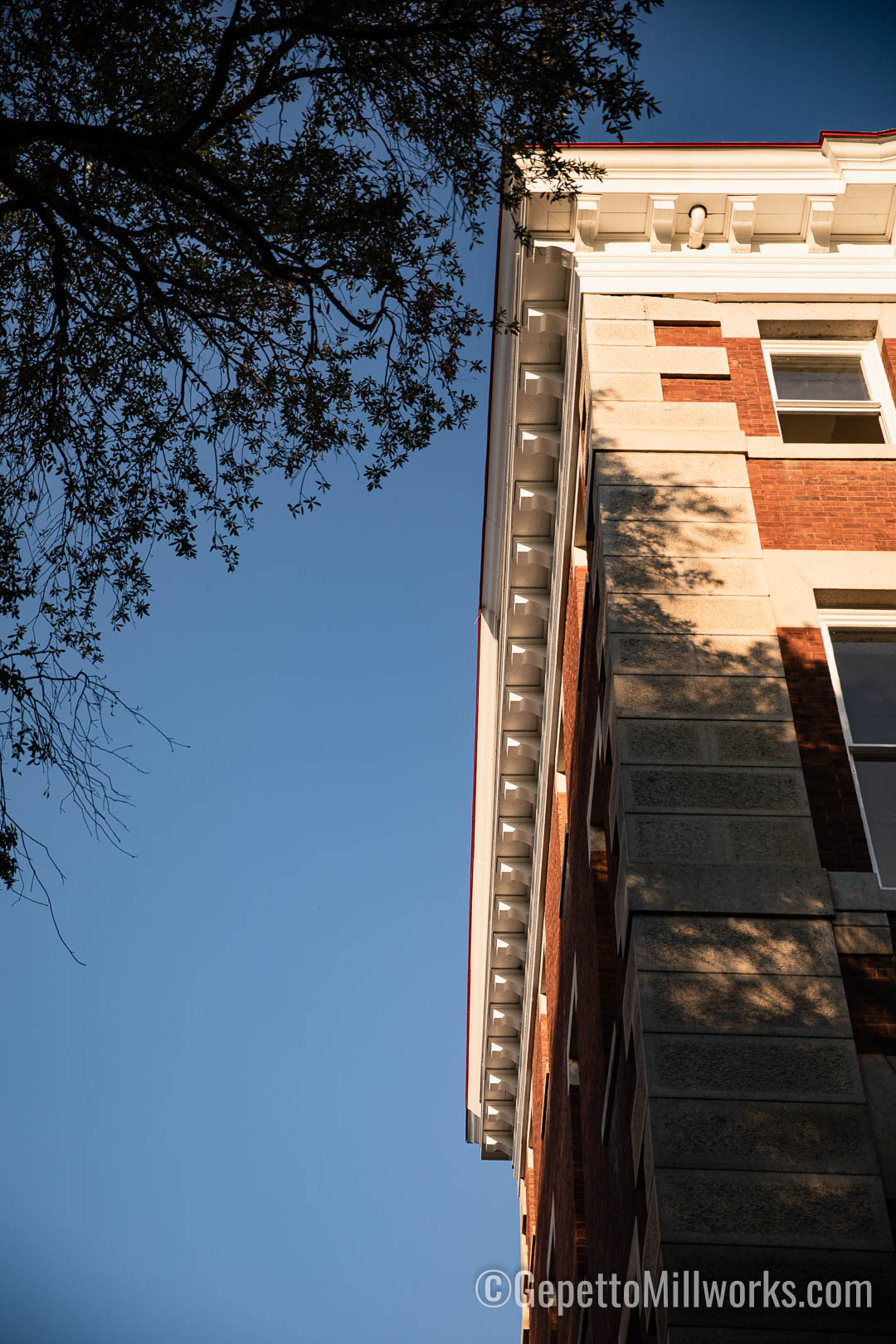
Historically accurate wooden window supplier South Carolina
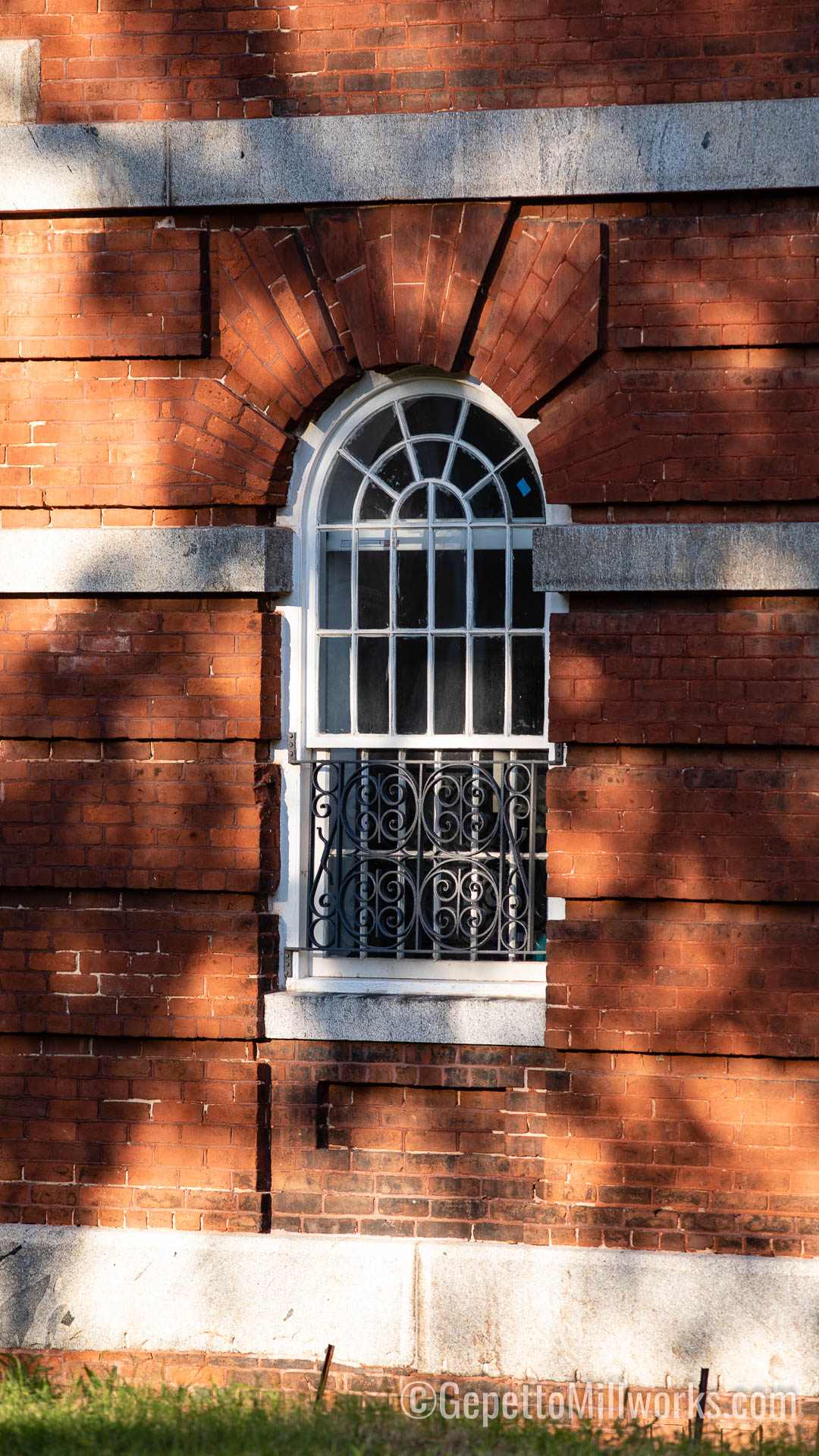
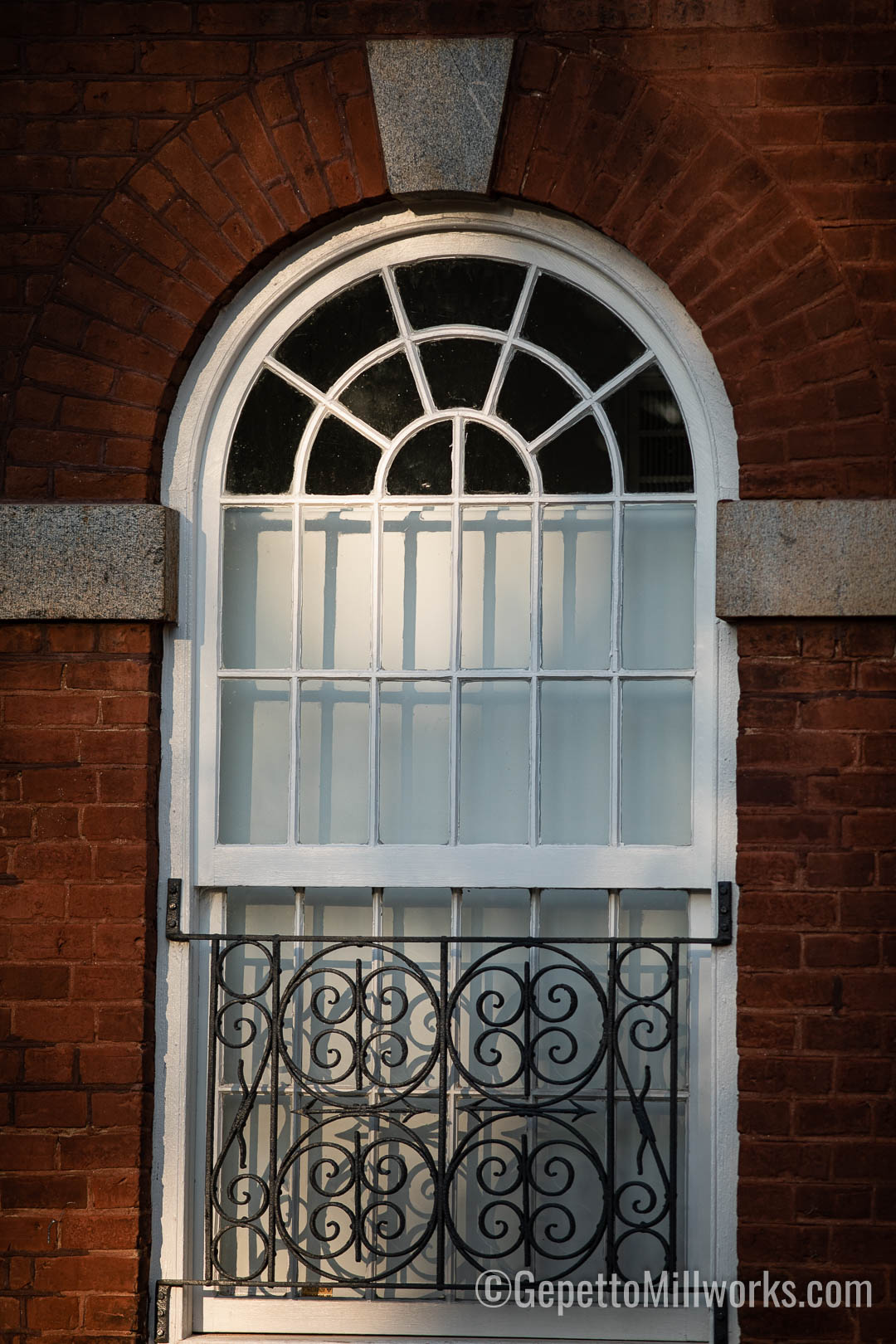
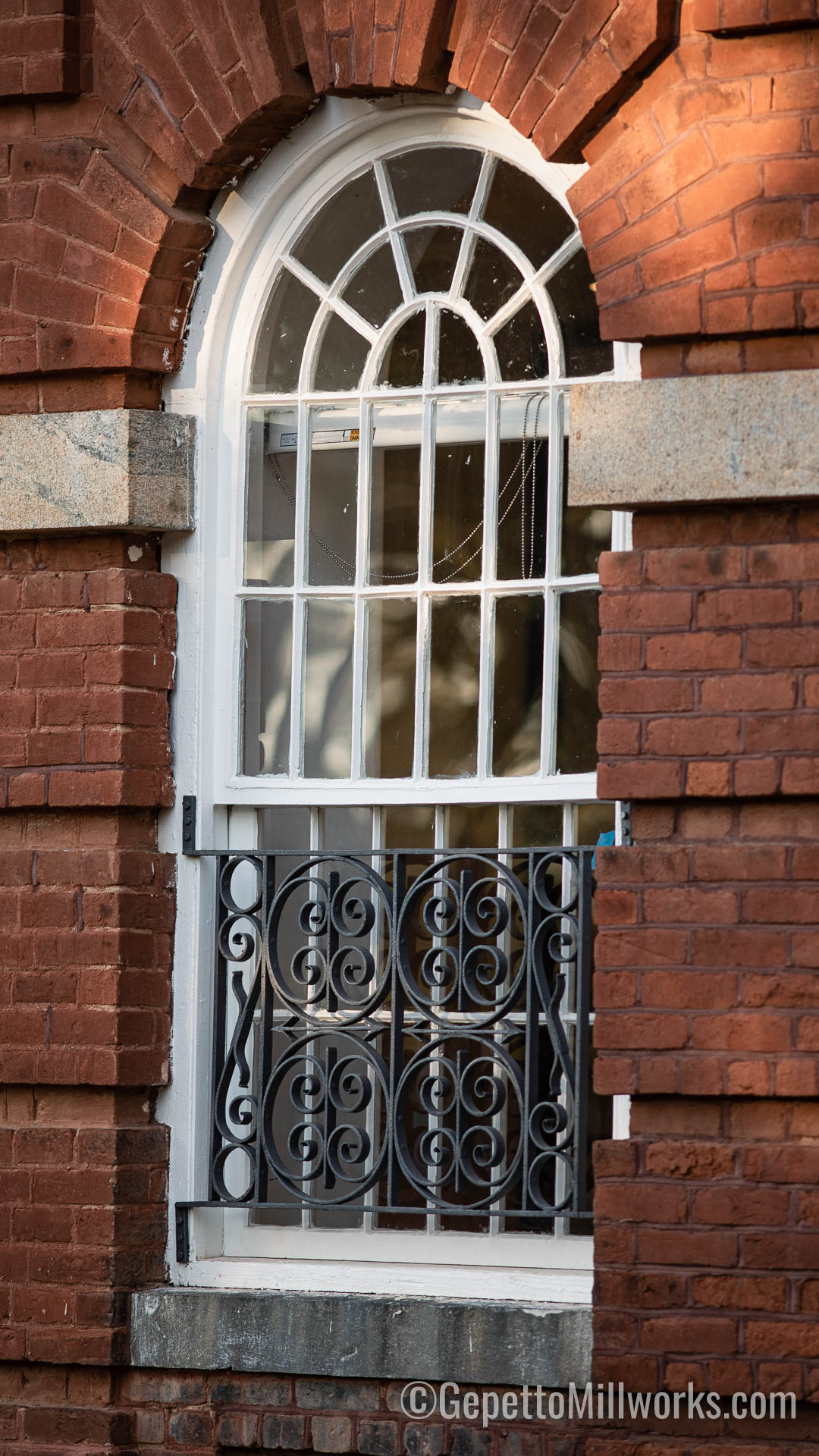
Gepetto Millworks makes to order any type of historic replica of existing windows. For historically accurate renovation or commercial re-purposing projects that wish to keep the historic charm and effectiveness of mahogony built windows.
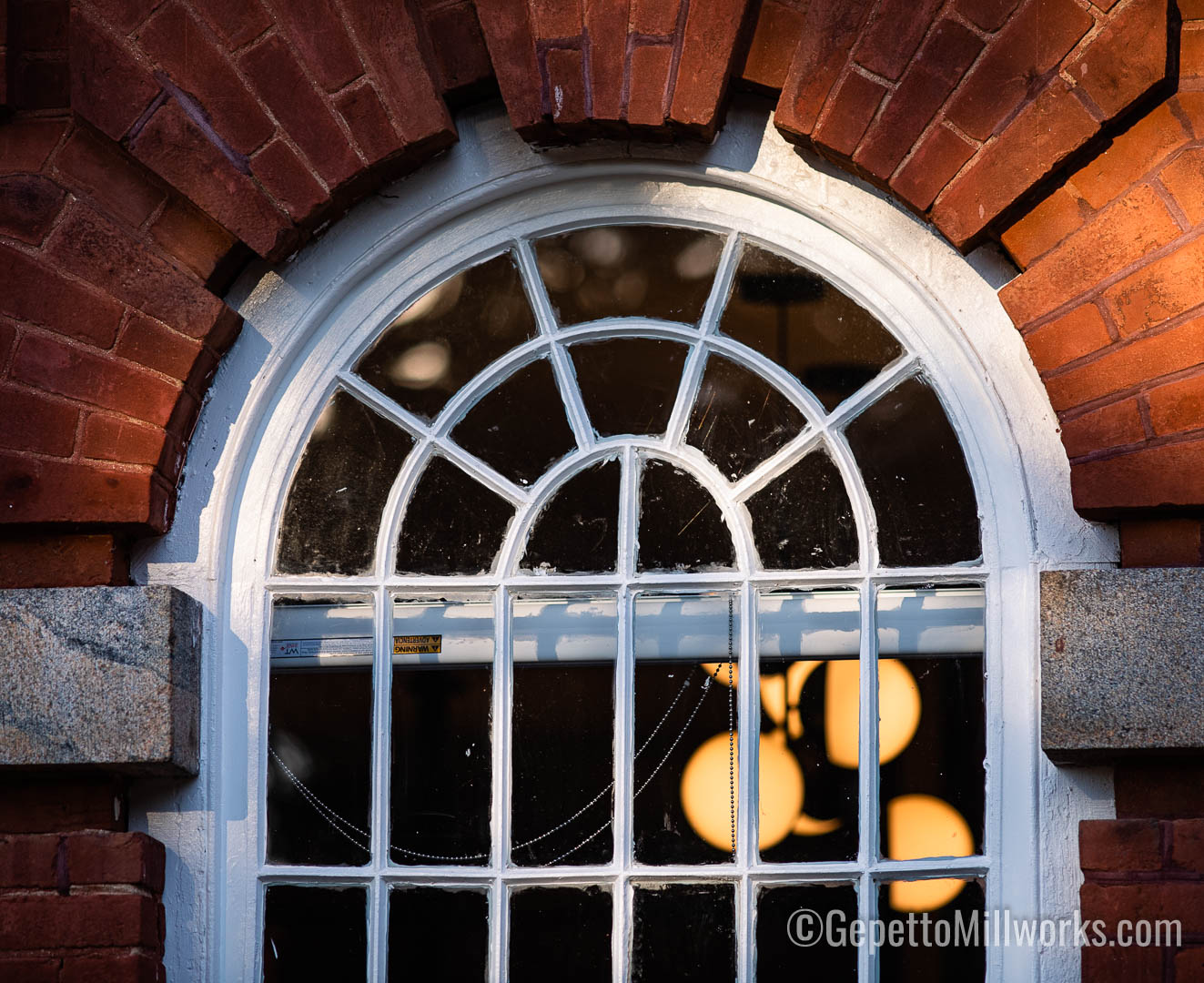
709-south-carolina-wooden-window-supplier
718-south-carolina-wooden-window-supplier
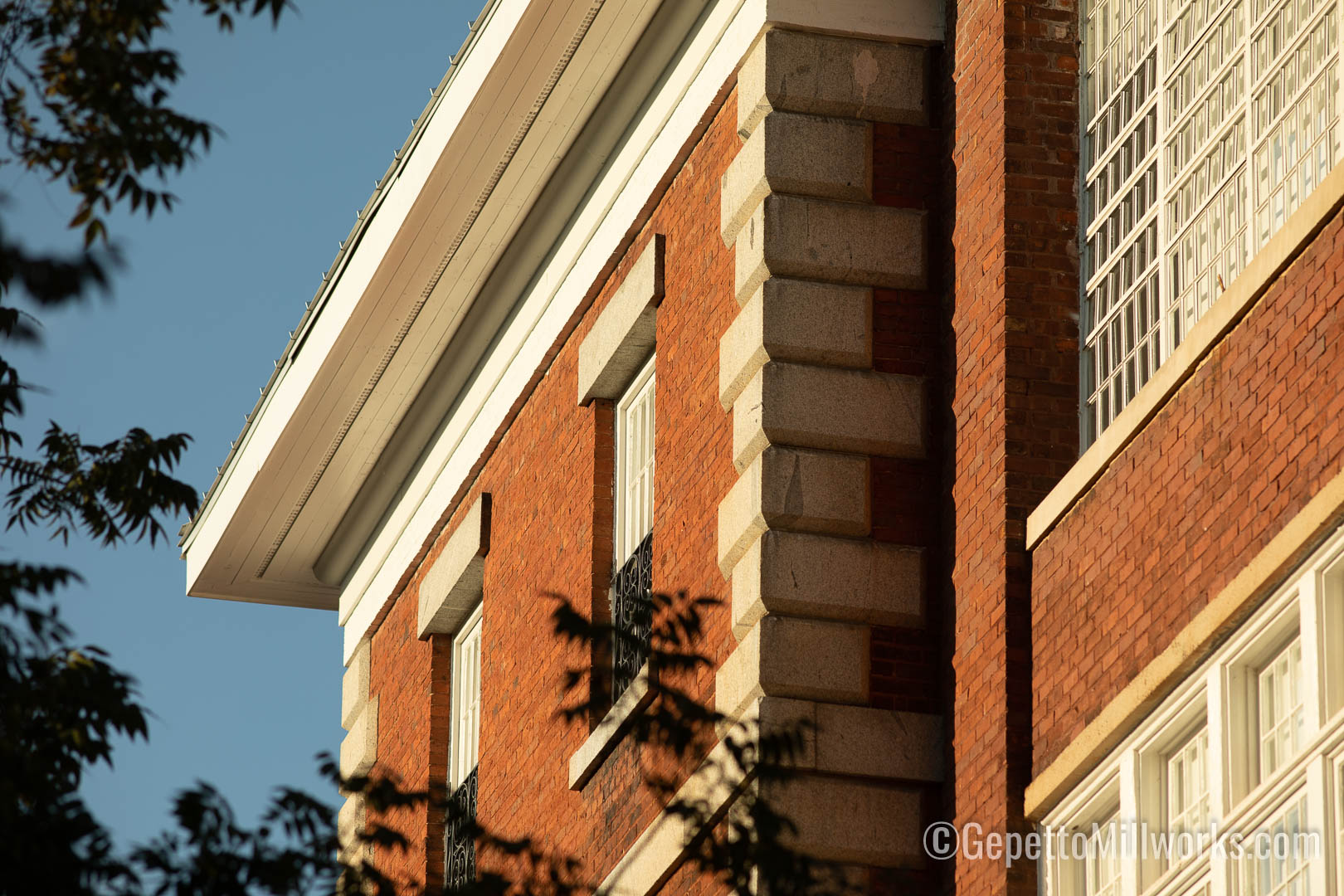
705-south-carolina-wooden-window-supplier
728-south-carolina-wooden-window-supplier
700-south-carolina-wooden-window-supplier
708-south-carolina-wooden-window-supplier
South Carolina Wooden Window Supplier
727-south-carolina-wooden-window-supplier
715-south-carolina-wooden-window-supplier
704-south-carolina-wooden-window-supplier
711-south-carolina-wooden-window-supplier
714-south-carolina-wooden-window-supplier
706-south-carolina-wooden-window-supplier
701-south-carolina-wooden-window-supplier
716-south-carolina-wooden-window-supplier
717-south-carolina-wooden-window-supplier
724-south-carolina-wooden-window-supplier
726-south-carolina-wooden-window-supplier
712-south-carolina-wooden-window-supplier
702-south-carolina-wooden-window-supplier
721-south-carolina-wooden-window-supplier
713-south-carolina-wooden-window-supplier
703-south-carolina-wooden-window-supplier
722-south-carolina-wooden-window-supplier
719-south-carolina-wooden-window-supplier
720-south-carolina-wooden-window-supplier
725-south-carolina-wooden-window-supplier
710-south-carolina-wooden-window-supplier
707-south-carolina-wooden-window-supplier