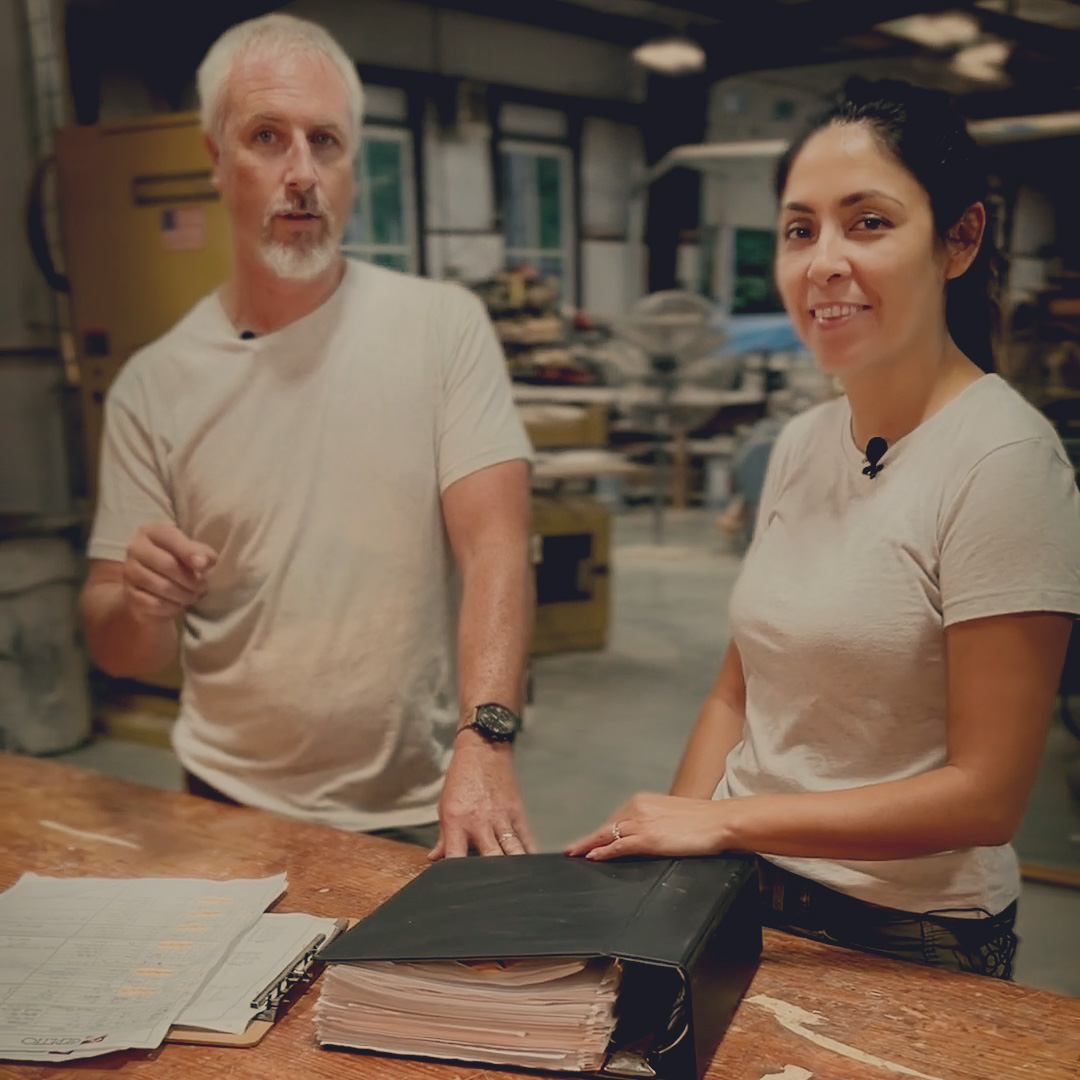
Gepetto Millworks, based in the blue ridge mountains of Virginia has established a strong reputation over the past three decades for custom manufacturing wood projects. Their expertise spans a wide range of woodwork, from building or restoring any wooden item to tackling complex and intricate challenges in the building industry. This versatility is showcased in projects like creating three-story hanging spiral staircases, bar tops, historic stained glass restoration, and modern office interiors.
Key to Gepetto’s success is the leadership of Matthew Wiley, who brings over 30 years of experience in renovating and restoring historic homes, warehouses, and churches in Richmond. His transition from building individual windows and doors to managing a production facility enables Gepetto to handle any project demand, large or small. Wiley’s collaboration with architects, project managers, and developers is particularly noted for gaining tax advantages through the use of historically accurate wooden building materials in large scale commercial projects.
One of Gepetto’s specialties lies in historic renovations. They are adept at crafting new solid wood windows, doors, trim, skylights, railings, and newel posts, even from the most damaged or unsalvageable pieces, to match the original designs. This meticulous attention to detail ensures that buildings maintain their historic essence, making them eligible for building tax credits.
A unique service offered by Gepetto is the hand-turning of solid wood rounds for historic restoration projects. They recreate damaged or worn parts in their Charlottesville, VA shop, emphasizing the custom, handmade nature of their work, which is a critical aspect of their business approach.
Meeting the needs of customers for turned wood products in the round that provide handmade millwork for one-off orders up to thousands of pieces, Gepetto Millworks demonstrates a commitment to quality, customization, and preservation of historical integrity in woodworking. Their capacity to handle diverse and complex projects, combined with their craftsmanship and expertise in historic restoration, positions them uniquely to cater to a wide range of customer needs in the field of custom woodwork.
Hand Turned Historic Replica Supplier
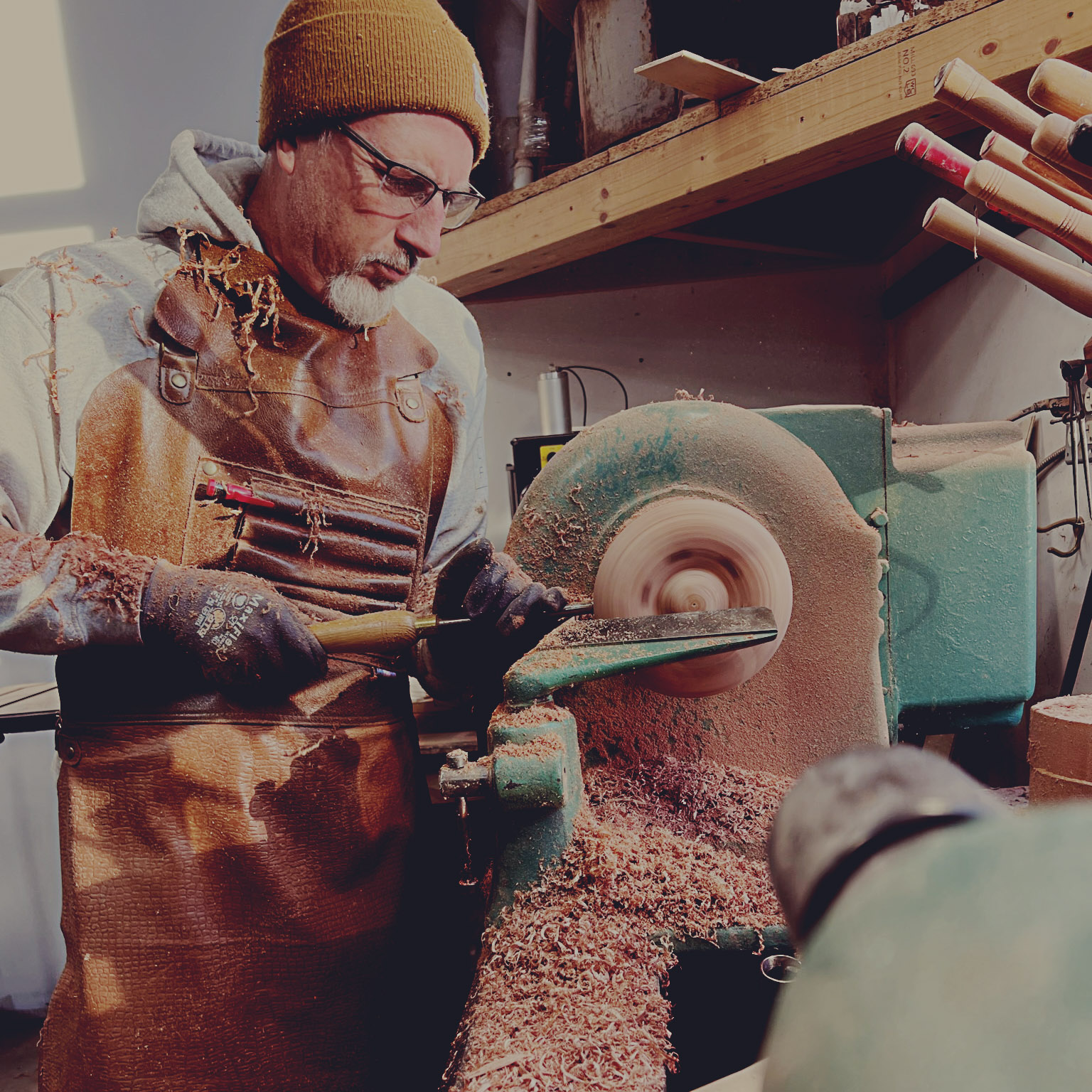
matthew-wiley-wood-turning-supplier
Matthew Wiley wood turning supplier
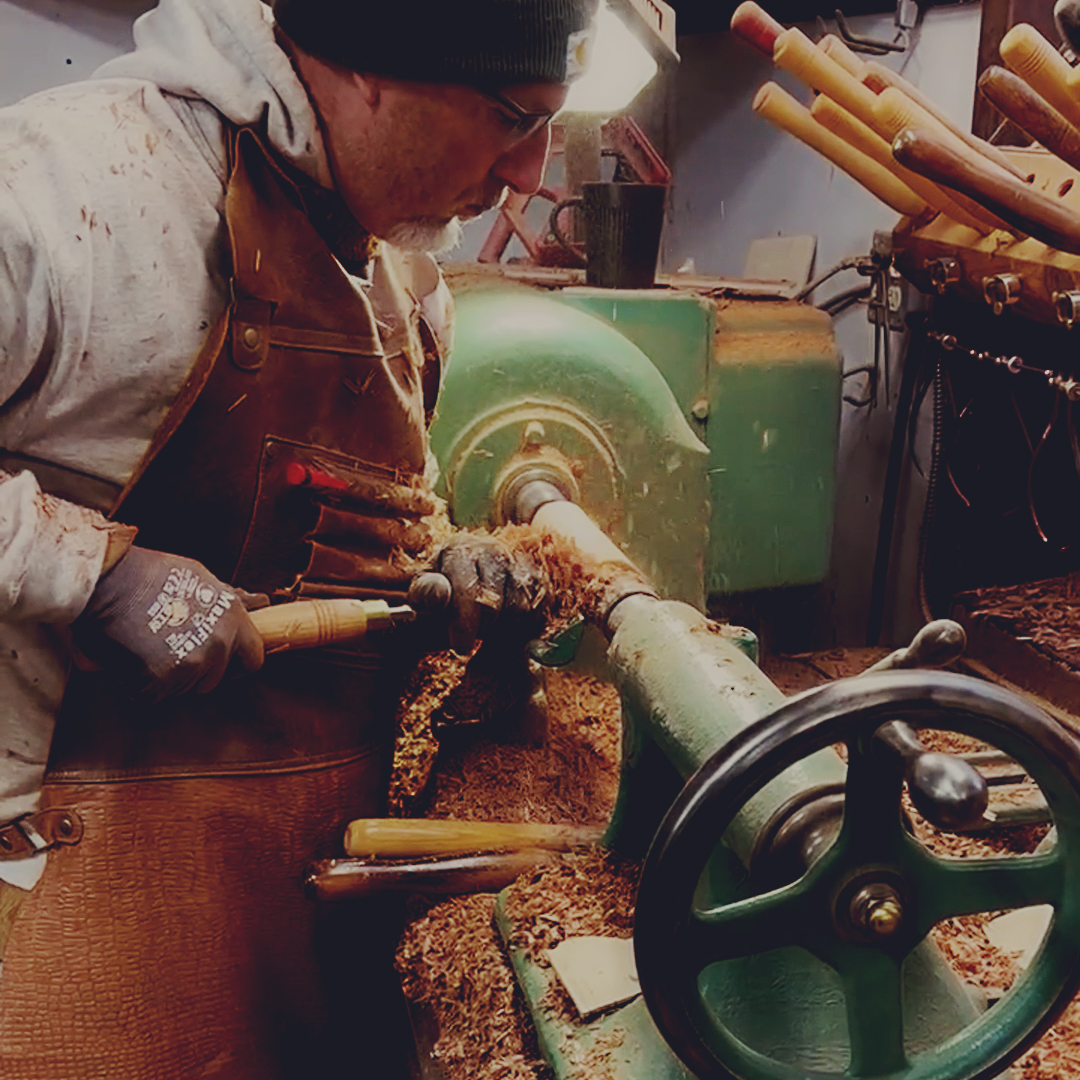
turning-wood-craftsman-making-multiple-newells-to-order
turning wood craftsman making multiple newells to order
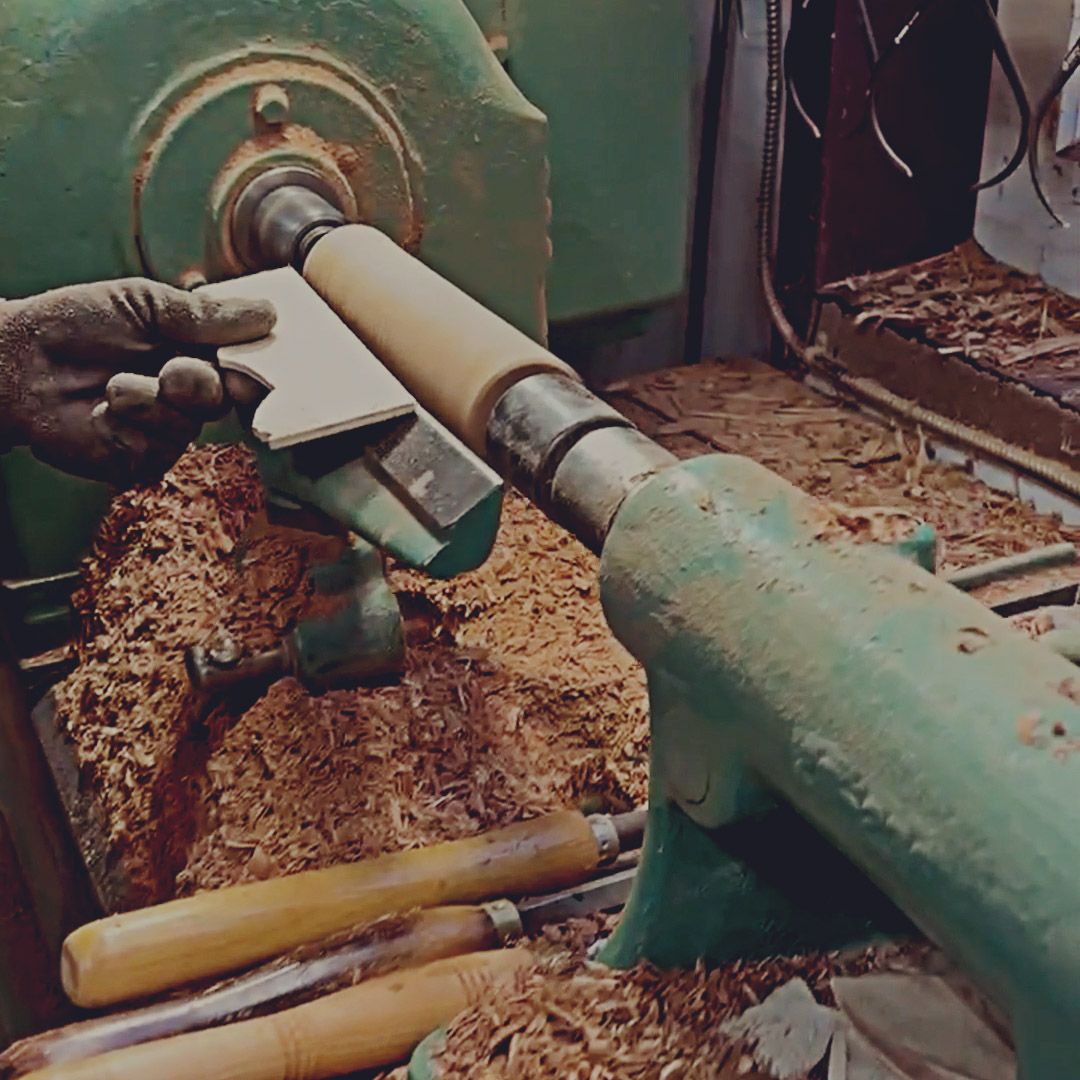
wood-turning-shop-virginia-custom-order-supplier
wood turning shop virginia custom order supplier
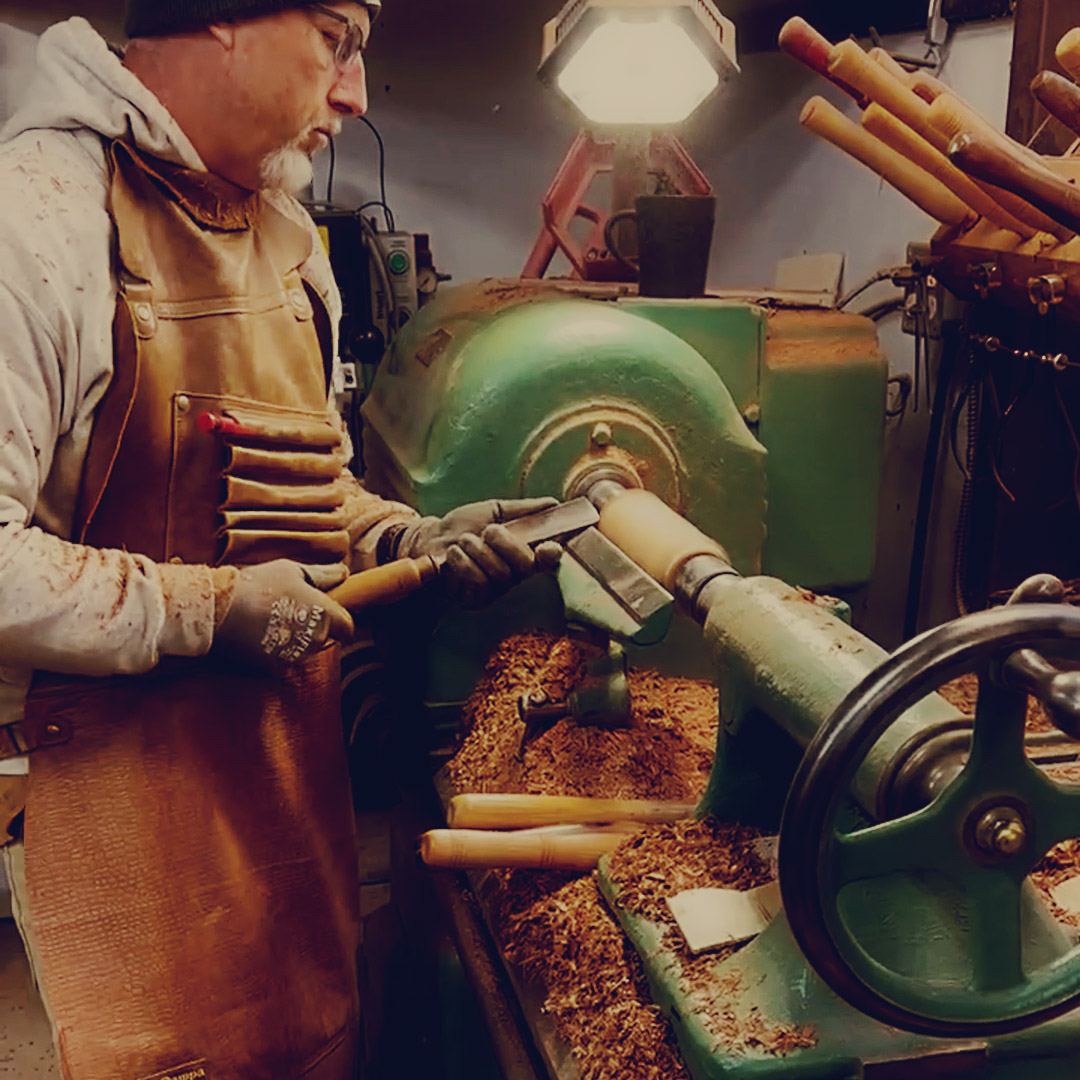
artisinal-wood-turning-produced-to-order

wood-lathe-craftsmanship-delivers-orders-for-custom-newells
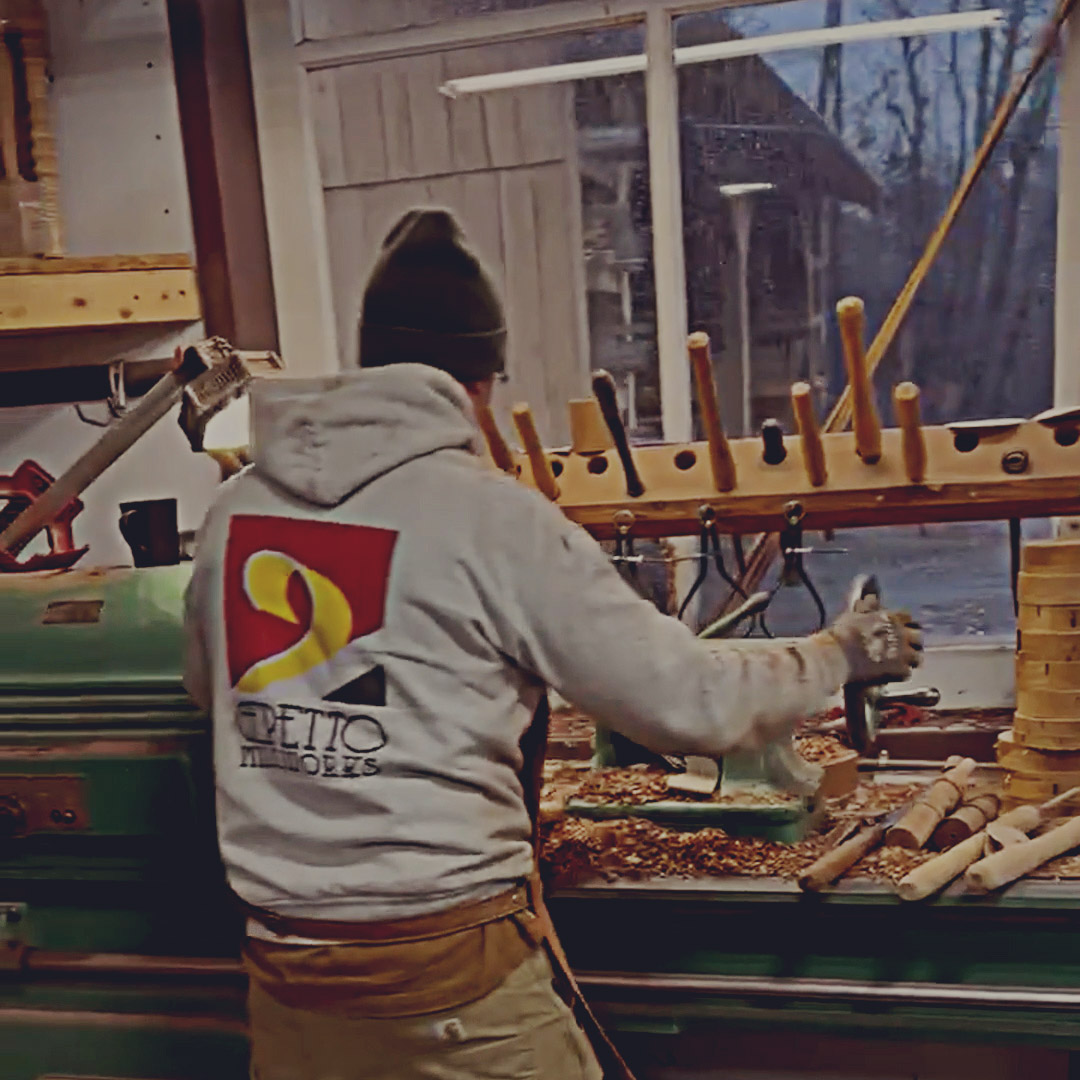
wood-turning-expert-craftsman-delivers-orders-from-lathe

expert-wood-turning-service-for-bulk-orders
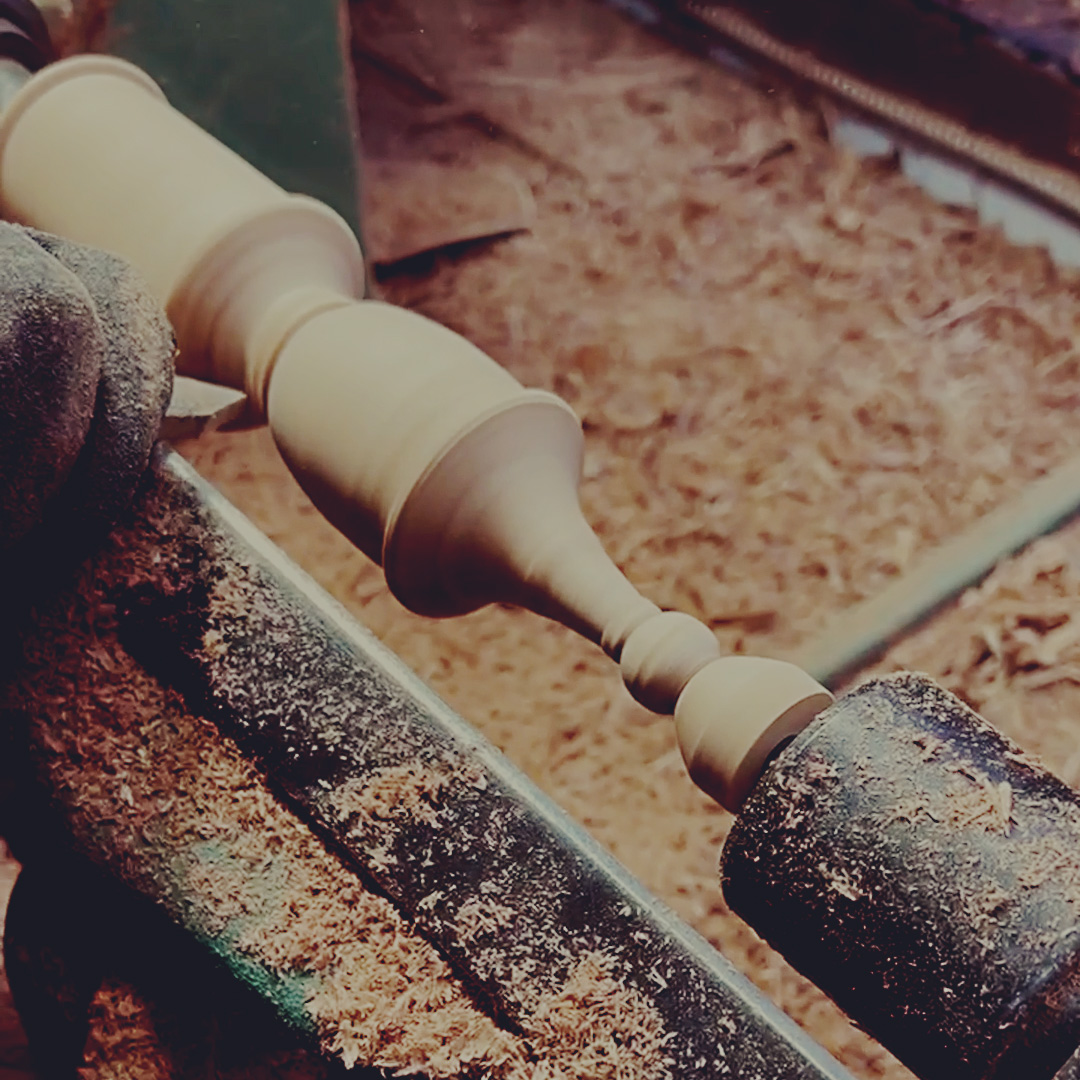
historic-replica-unique-one-off-wood-decorative-element-building-materials
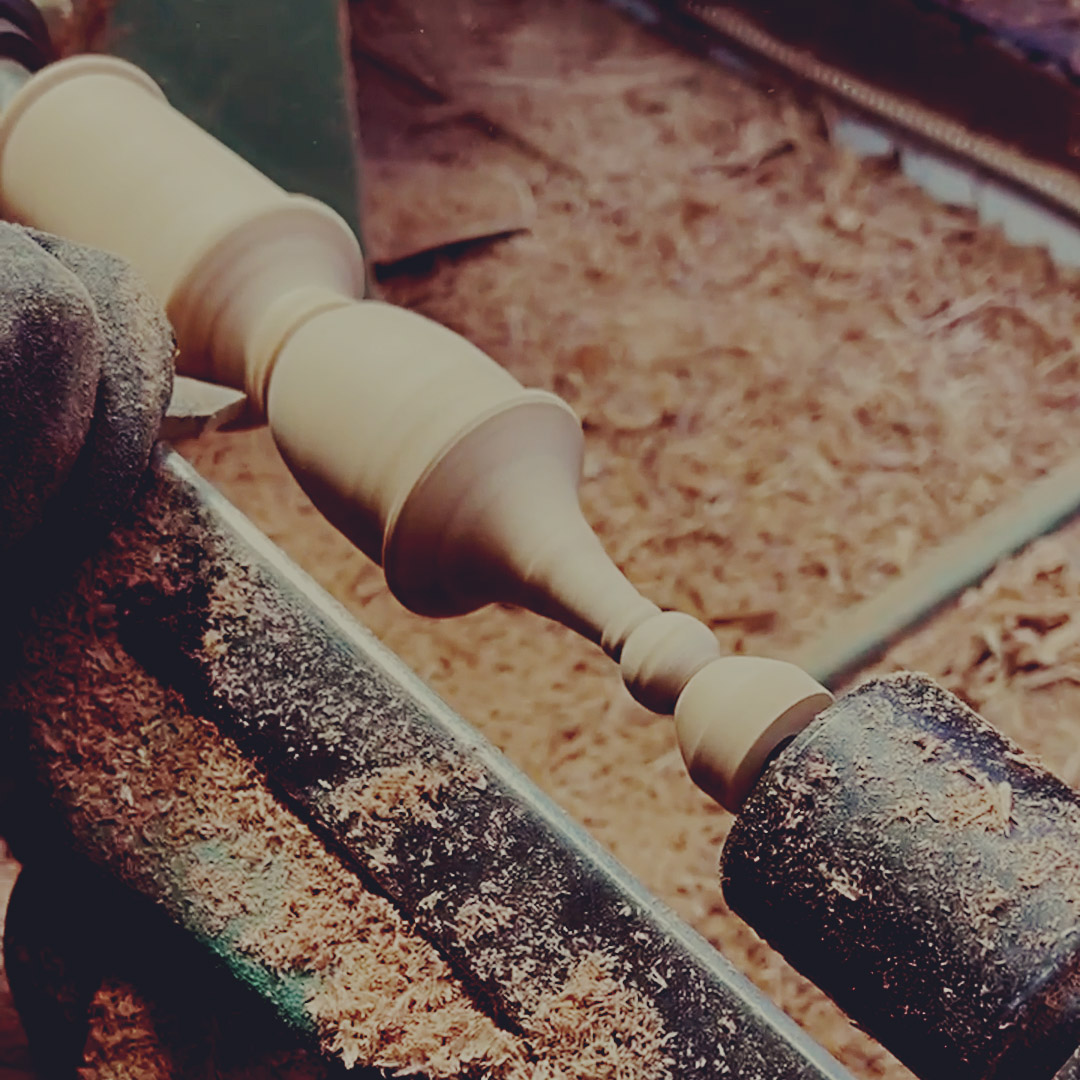
vertical-turning-longform.mp4.00_05_56_28.Still001
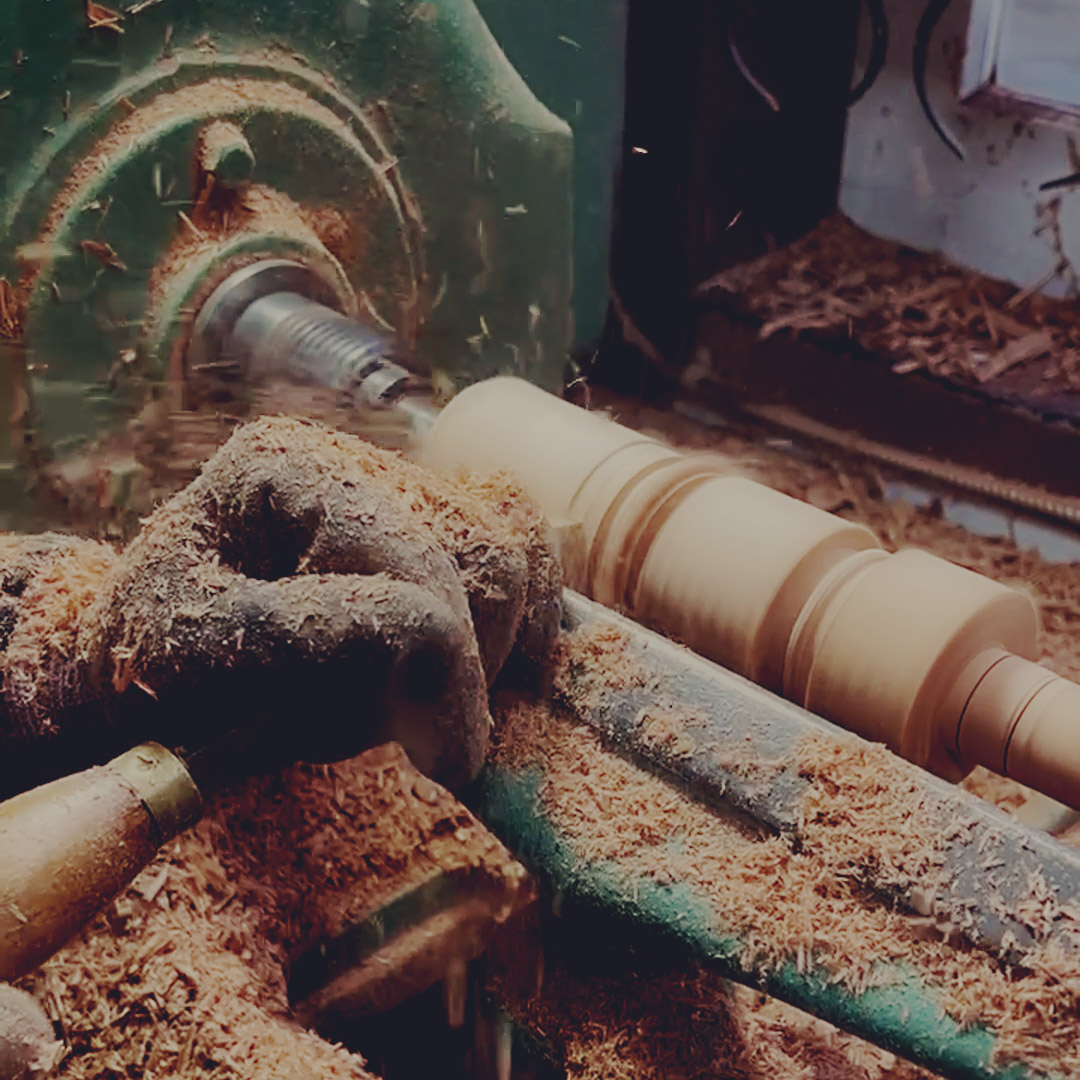
circular-architectural-wood-elements-turned-on-a-lathe-va
circular architectural wood elements turned on a lathe
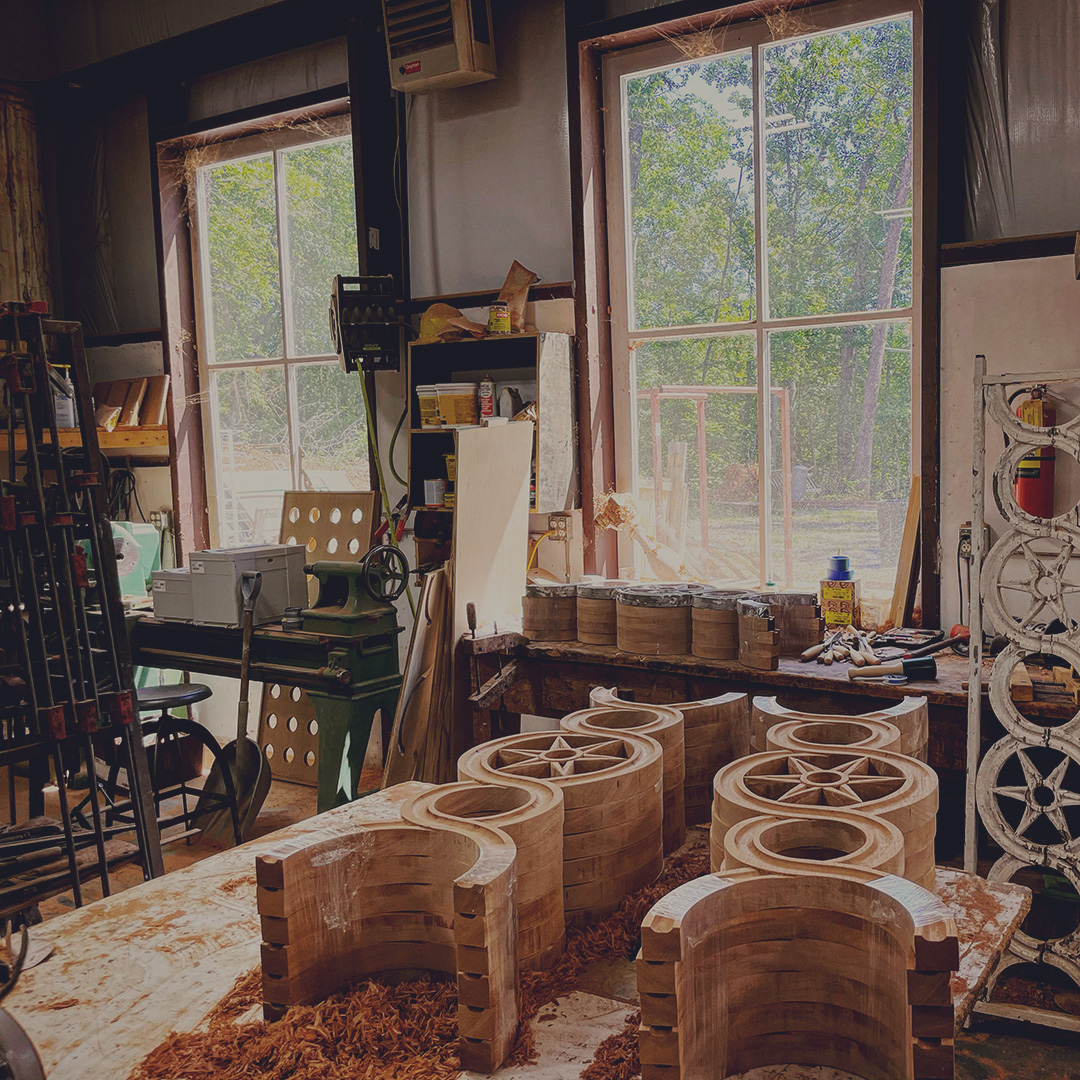
historic-replica-unique-one-off-wood-decorative-element-builder
historic replica unique one off wood decorative element building materials

circular-architectural-wood-elements-turned-on-a-lathe
circular architectural wood elements turned on a lathe

round-architectural-elements-turned-on-a-lathe
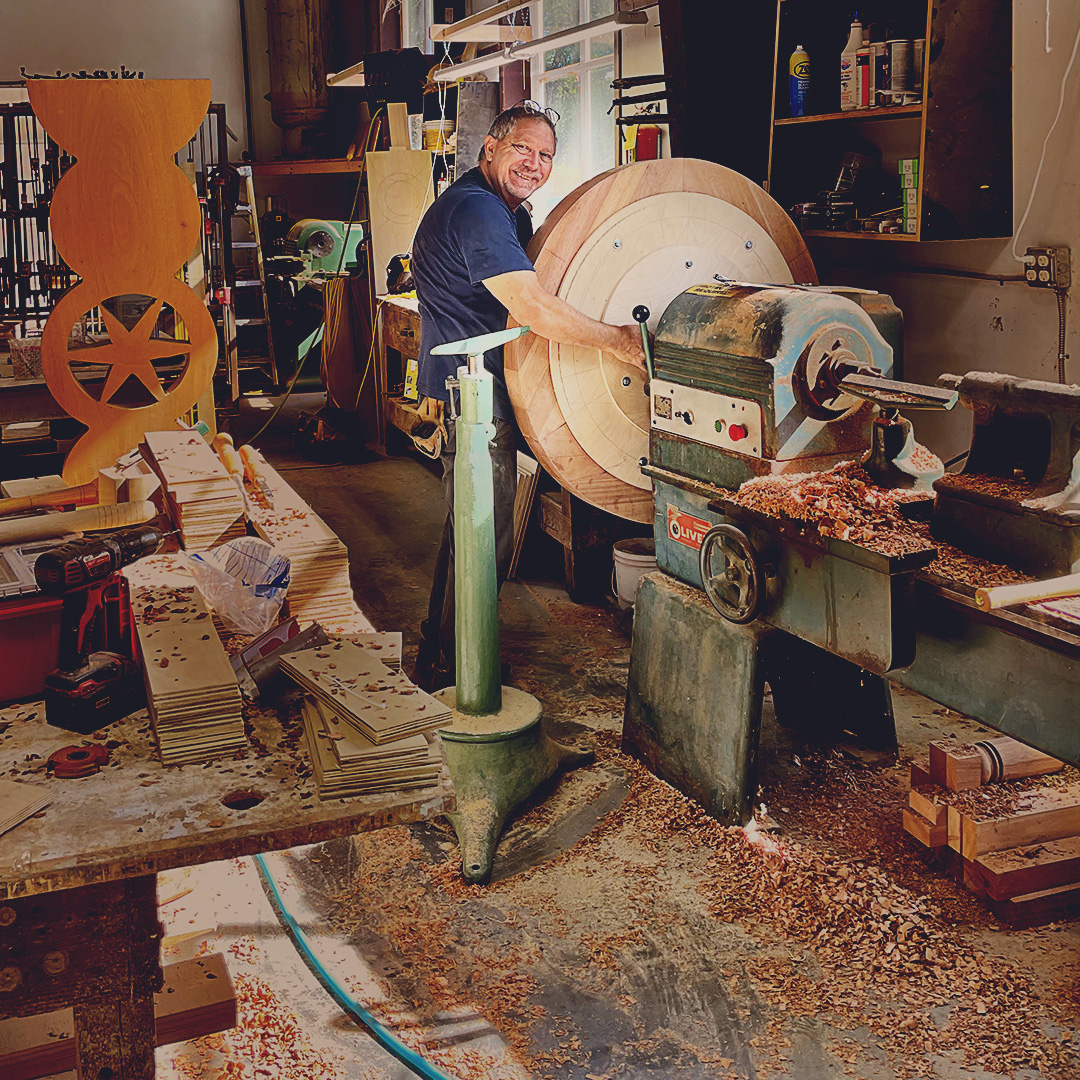
made-to-order-custom-round-wooden-turned-millwork-va
made to order custom round wooden turned millwork
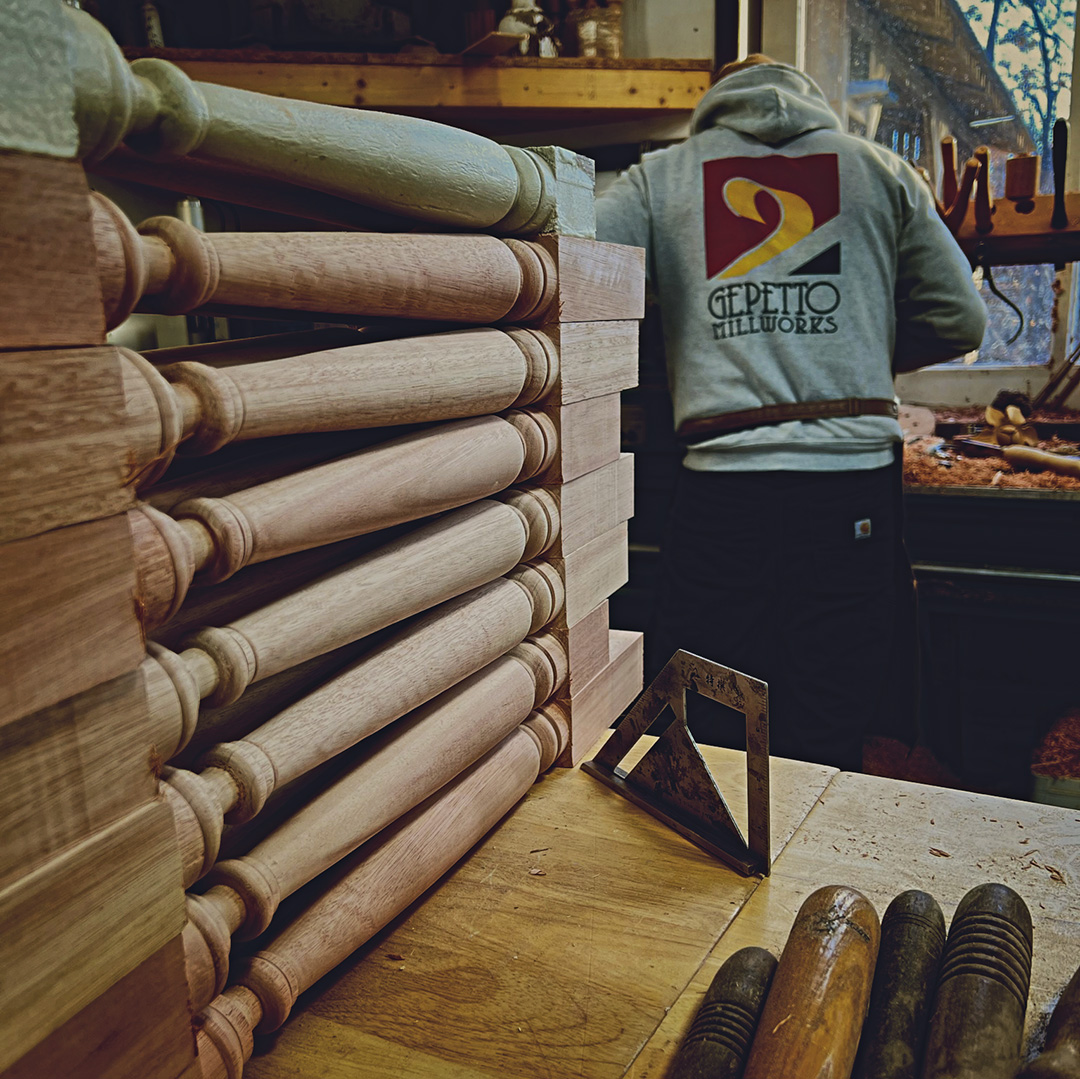
historic-replica-wood-turning-services
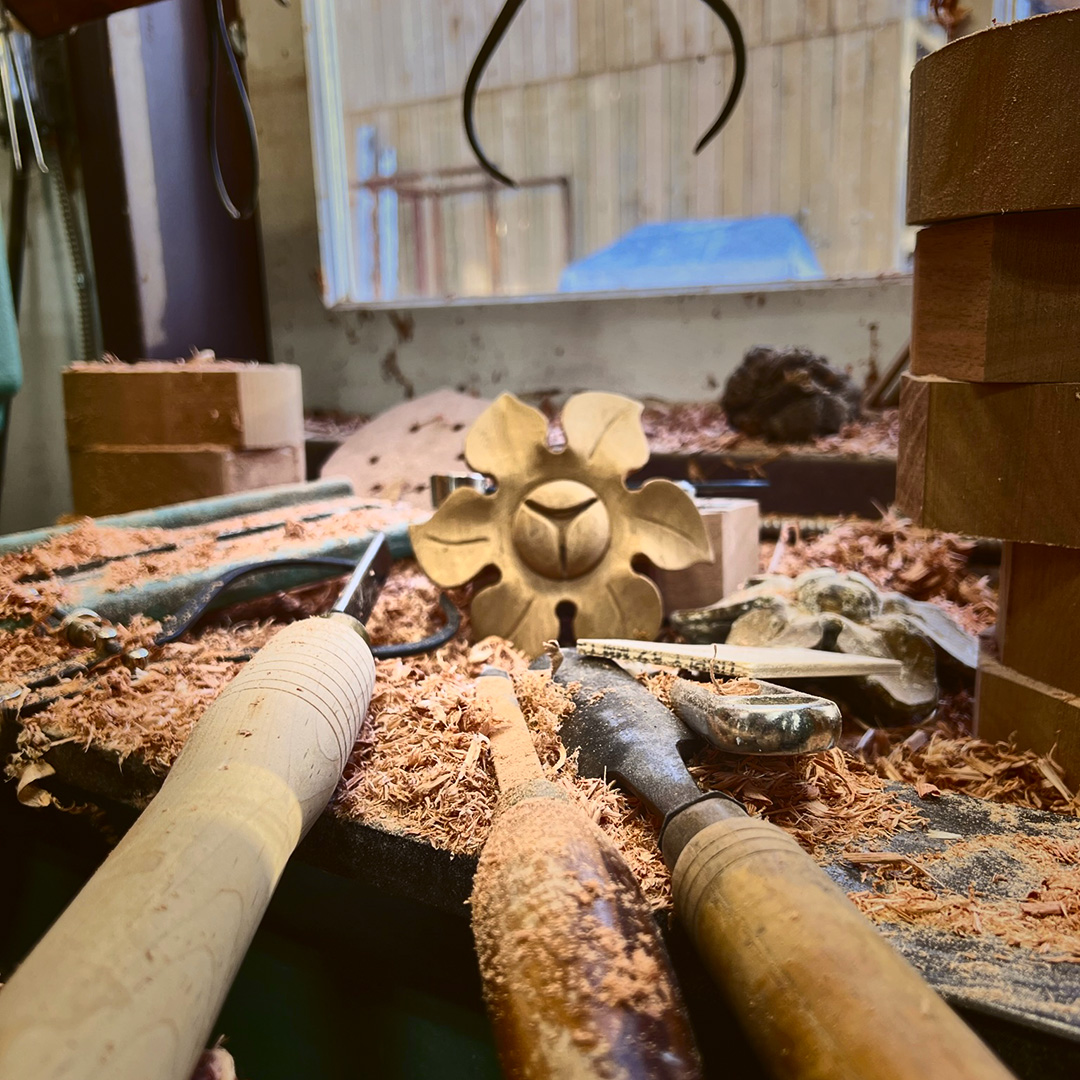
expert-commercial-wood-turning-for-historic-replication