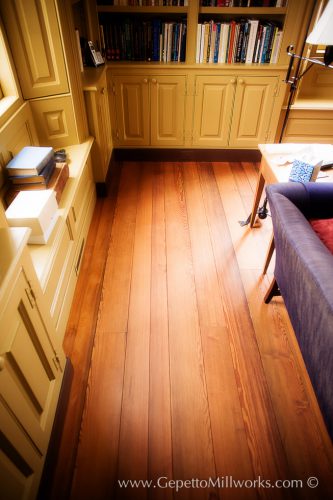
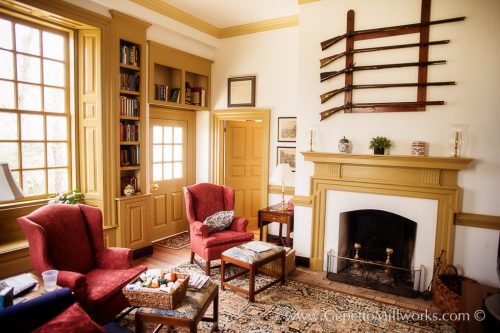
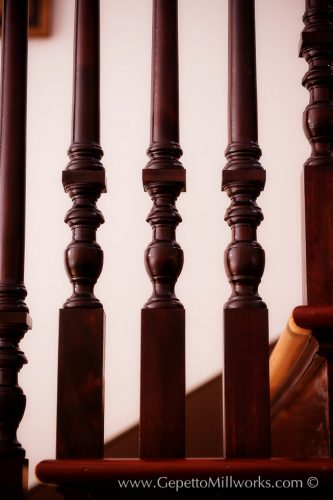
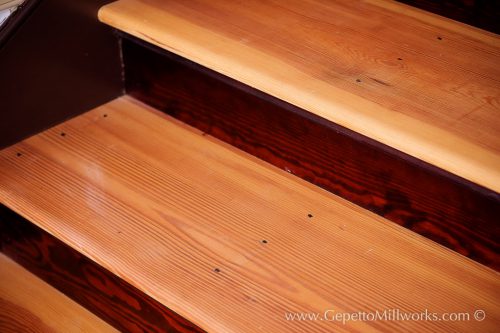
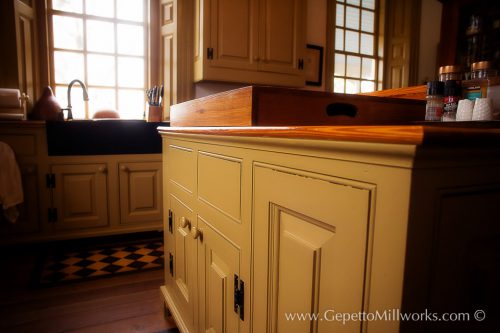
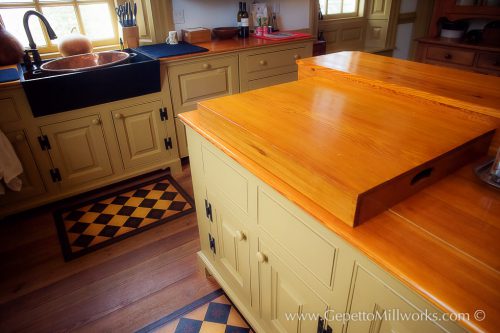
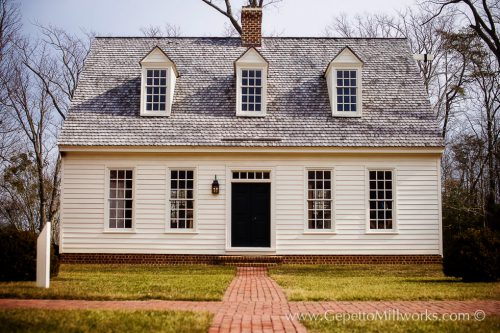
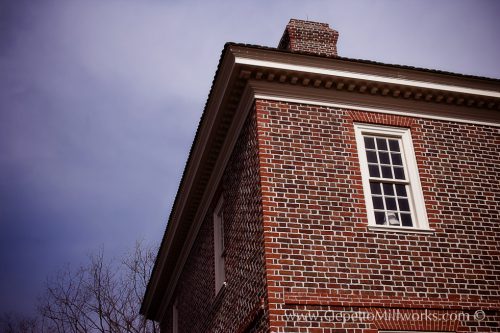
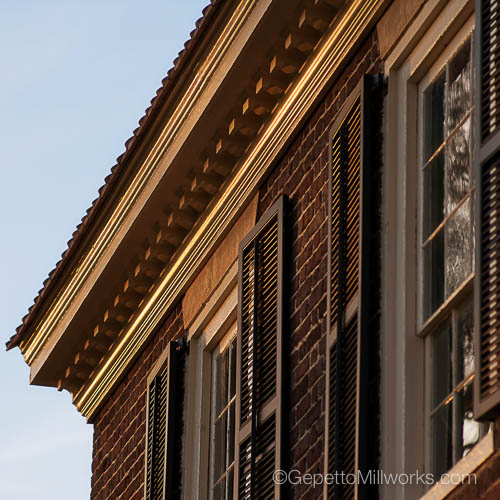
Gepetto has supplied historic preservation in Virginia since 2009
Accurate Materials and Technique
Accurate Materials and Technique restore with integrity to the core.
Historic preservation supplier for millwork, doors, windows and shutters
Made In Virginia
Your choice of Gepetto to supply your projects
Keeps the trade knowledge alive in VA
One Of A Kind
Whether working from rotted out existing
or fabricating to match historic record Gepetto craftsmen match drawings or photographs
with historically accurate technique
Historically woodworkers did not have machine tools available for constructing the decorative and functional pieces for large plantation homes. Gepetto craftsmen try to replicate the all wood construction techniques used historically, with a blend of late 19th century machinery to keep the labor time at a minimum while achieving an authentic all wood construction. Gepetto gives historic preservation projects a single source supplier for all wood features. Gepetto uses the modern advantage of machine tooling to meet your timeline an budget needs for 21st Century Historic Preservation.
Virginia Historic Preservation Supplier
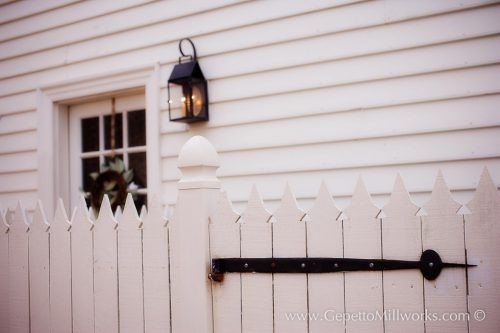
At the Hewicks plantation project, solid wood gates constructed from spanish cedar form an understated entrance to the historically long drive lined with mature willow oak trees. True to 18th century construction methods our shop craftsmen used true through mortise for the pickets. Underlying their elegant beauty lies the arc of the upper support. Cutting and shaping the arc challenges the technique of solid wood mortise construction because of the difficult alignment of the holes through which each slat passes. The Gepetto craftsmen hand built shop tools to speed the intricate manufacture process while meeting the tight production schedule. Can you believe these gates were only allowed five days of shop time? We can meet your scheduling needs for even the most complex orders. The four gate pieces set the stage at the public road and in front of the house at the end of the private drive. The plantation estate is a popular site for weddings in the 21st century with it’s rich character. Now restored, the wooden gates greet the eyes of new generations of visitors to this historic 18th century home.
Please take a look through the gallery of images detailing the construction it’s accent to the grounds of the plantation.
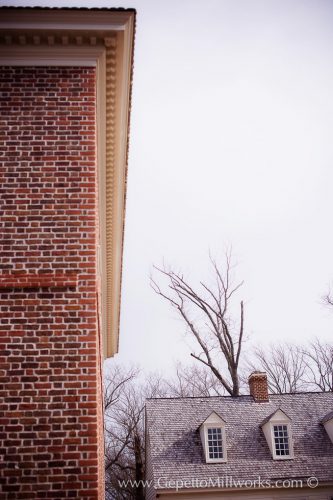
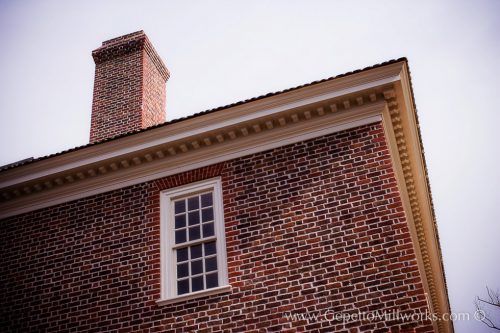
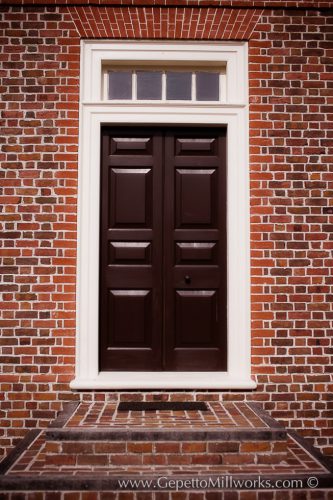
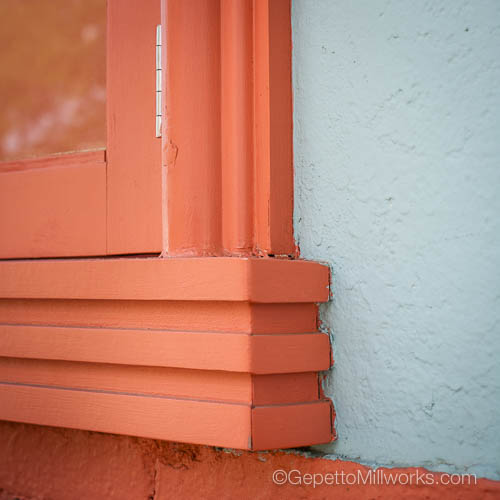
Gepetto also fabricated the exterior trim, historically accurate windows, and refurbished the doors in this project.
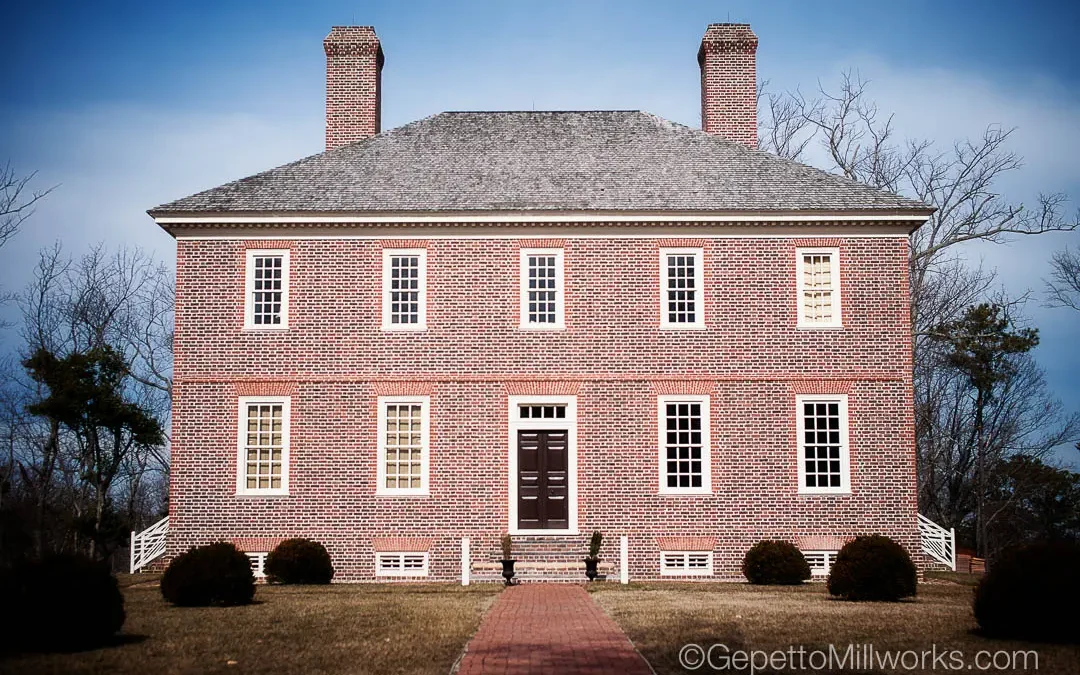
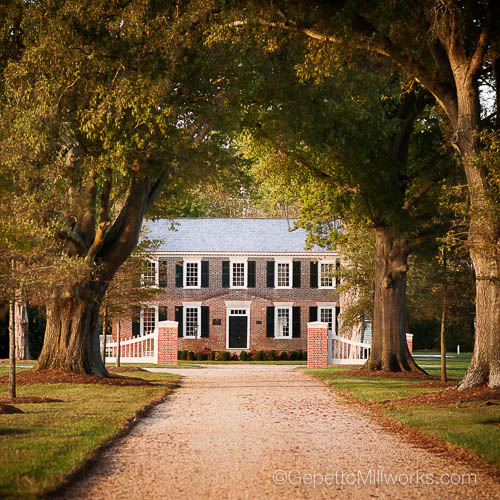
From the moment you arrive down the spectacular tree lined entrance, of Hewick Plantation, the vision will stay in your memory for years to come. The owners and staff work continuously to recreate the elegance of historic southern pageantry and are committed to preserving this heritage. The beautiful property, exquisite landscaping, and open lawn will provide the perfect backdrop for you to craft a truly unique and unforgettable day. Hewick Plantation is a premier destination for a family gatherings, outdoor weddings, or large social galas. The property is listed in both the Virginia Historic Landmarks Register and on the National Register of Historic Places.
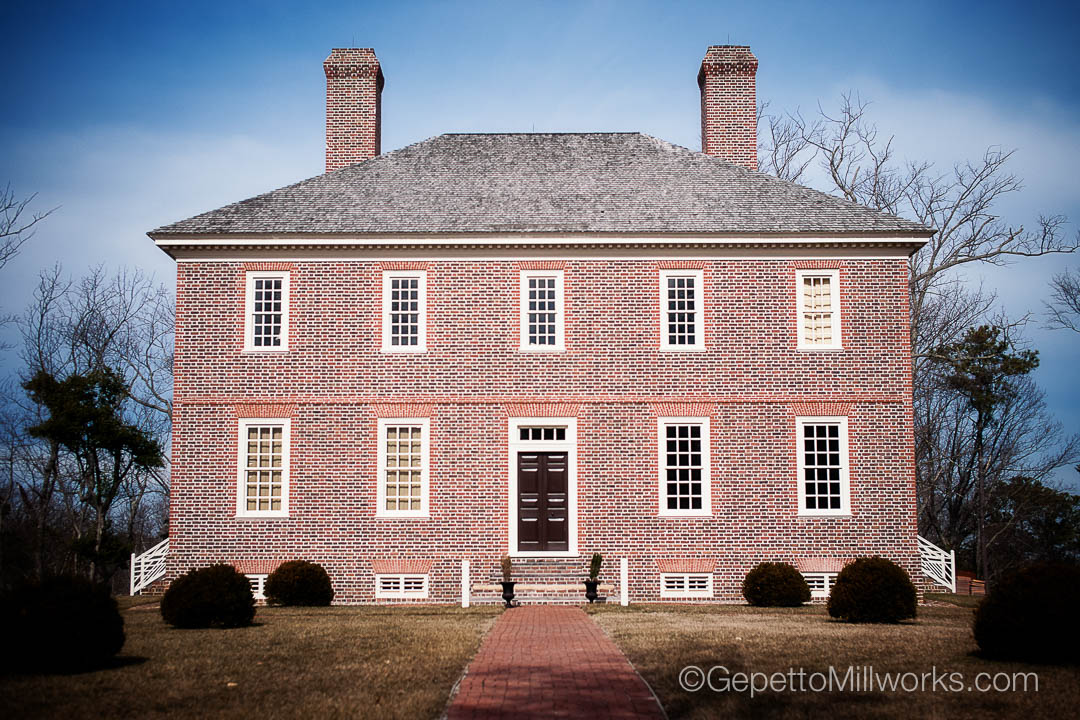
Now a two-story, five-bay, L-shaped brick dwelling, it originally had1+1⁄2stories, but raised to a full two stories in the mid-19th century. The rear ell is popularly believed to have been built in the late 17th century.
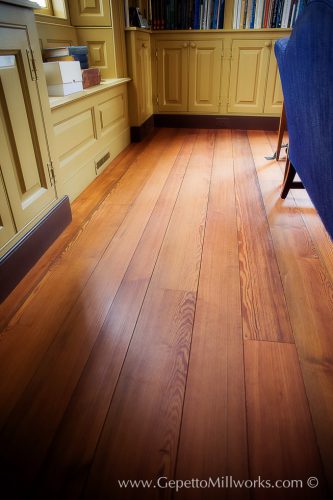
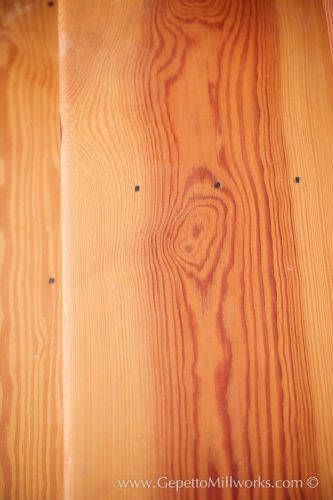
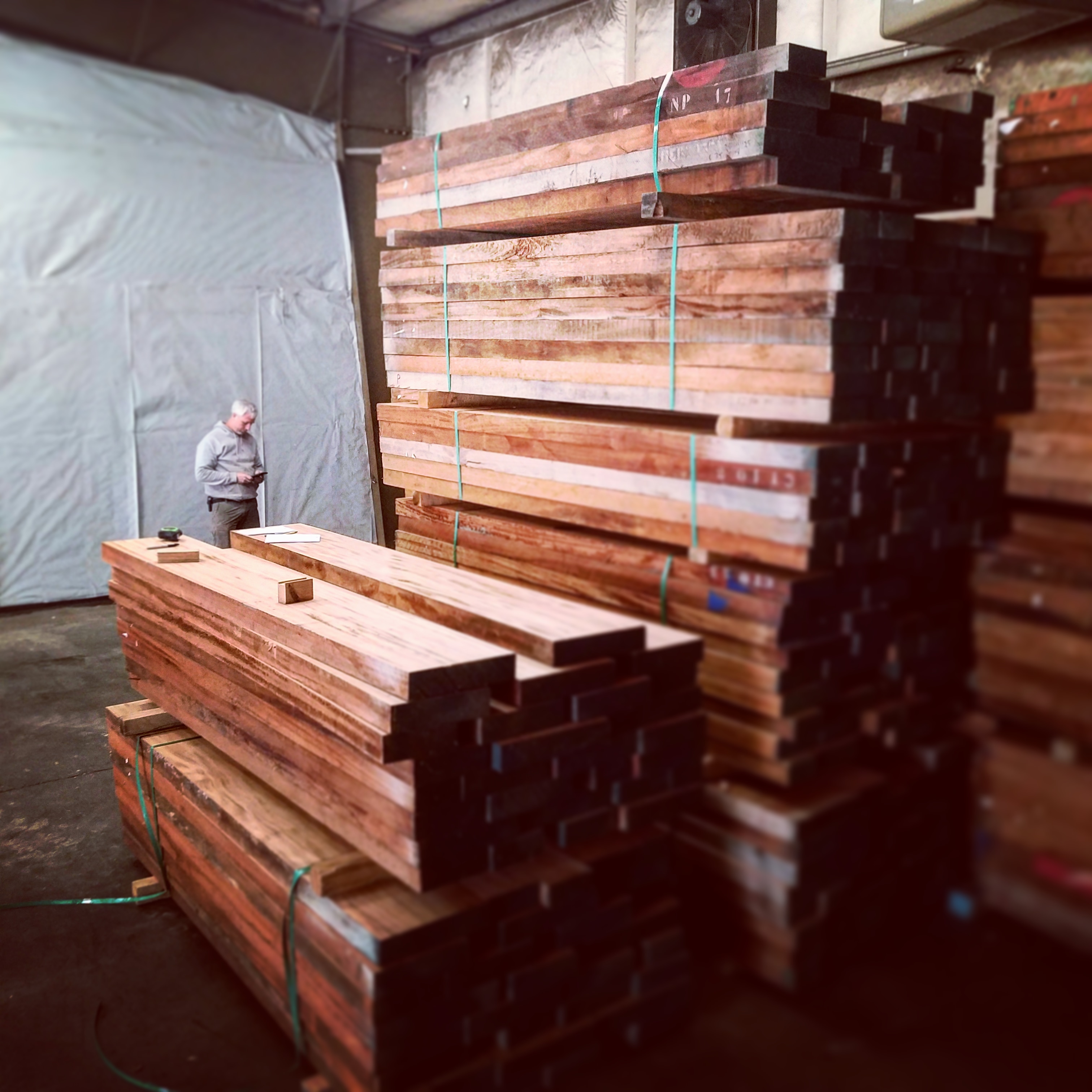
Rift or quarter-grain cuts are best. These cuts are the most stable. Flat grain often expands and contracts seasonally at twice the rate of quartered stock.
With that said, here are 10 things to keep in mind when determining which approach will work best for you:
1. Identify the factors that will shape your decision. Deciding whether to restore or rehabilitate your house, and to what extent, involves understanding its history; its architecture; and the present condition of its materials, finishes, and systems. You should also consider your household’s lifestyle and what personal needs the finished house must accommodate. More broadly, local historic district designations, local building codes, property insurance, and other regulatory or financial considerations will impact the path you take.
2. Review the house’s history. Who lived in the house and when? Did important events occur there? Did either (or both) scenarios have historical significance? If so, you could consider restoring the house to that period to help interpret its history.
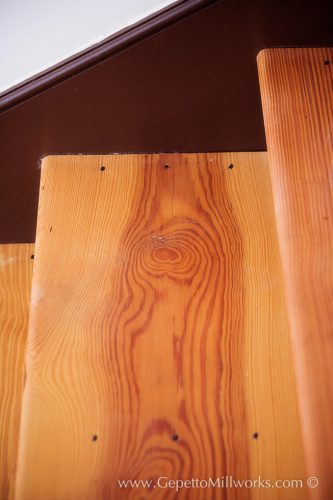
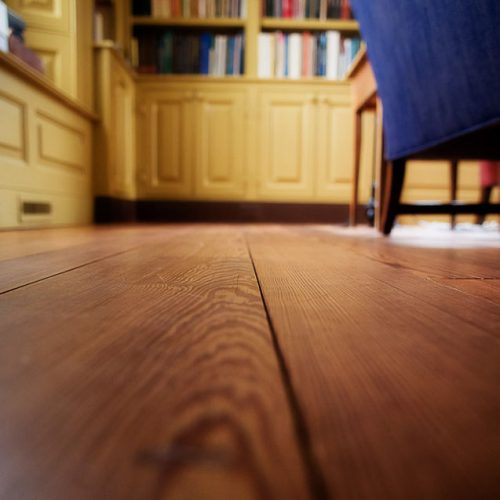
Install plain sawn lumber with the heart side up. Flat lumber will wear better with the heart facing up. If there’s cupping, the edges will stay flat, and only the center will hump slightly.
3. Know what “restore” means. To restore a house means to return its interior and exterior appearance to a particular date or time period. Strict restorations—ones that eliminate everything not present during the period chosen—are rare for homes, with most owners opting to maintain modern systems (plumbing, anyone?) and sympathetically designed changes, such as later additions, that add to the house’s history.
4. Know what “rehabilitate” means. To rehabilitate a house means to make it useful and functional for contemporary living while preserving important historic and architectural features. For example, a rehabilitated old house would always include modern electrical, mechanical, and plumbing systems, a modern kitchen, and other attributes typical of present-day homes.
Use traditional joinery. Component repairs should be made using traditional joinery instead of non-historic methods like a wholesale epoxy casting of a missing part.
5. Choose your approach. The major difference between restoring and rehabilitating is to either exactly duplicate a particular period or concentrate on preserving a sense of the changes that have occurred over time. For example, if an Italianate-style house had lost its wood eave brackets, a restoration project would duplicate them in wood as they originally appeared, while a rehab project would add new brackets of a compatible design in an appropriate substitute material (ex. fiberglass).
6. Evaluate existing alterations. Consider the quality, design, materials, and craftsmanship of the original house as well as the changes that have occurred over time. Compatible interior and exterior changes of the same or better quality than the original house, even if done in different styles or materials, should probably be kept and restored. Conversely, you should probably remove any poorly designed or executed changes.
9. Take care not to falsify the history of the house. This might seem counter-intuitive, but you actually do want to be able to tell additions apart from the original. That way, the house’s history is visible and transparent. Also be careful not to design additions that make the house appear to date from an earlier or later period, or alter the house’s details to an extent that suggest a different architectural period.
10. Look to the experts. For a more detailed list of recommendations, check out the Secretary of Interior’s Standards for the Treatment of Historic Properties. This jam-packed resource from the National Park Service includes guidelines on preserving, rehabilitating, restoring, and reconstructing historic buildings.
There’s no right or wrong answer when it comes to determining whether you should restore or rehabilitate your historic home. Let your property, capabilities, and needs help guide your decision, and chances are you’ll arrive at an accurate, appropriate solution.
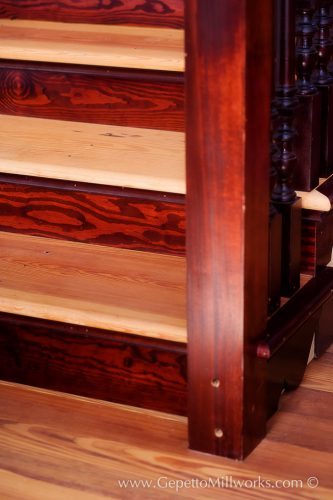
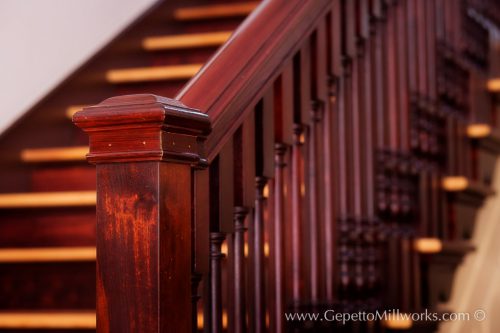
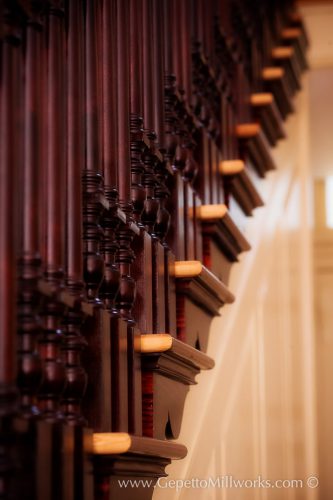
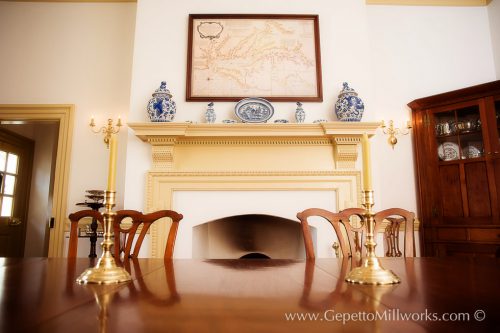
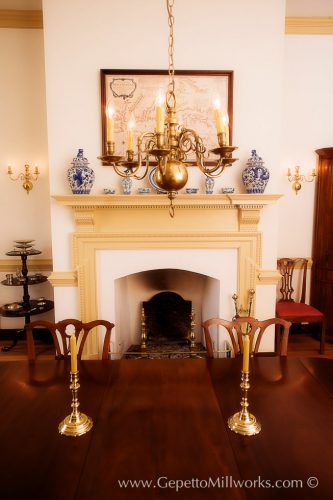
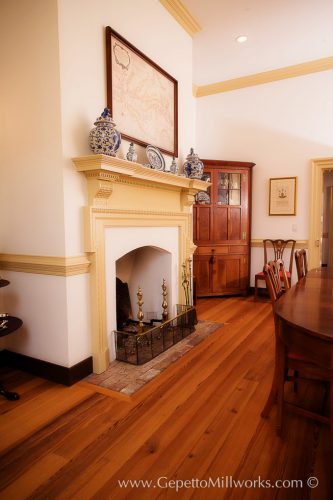
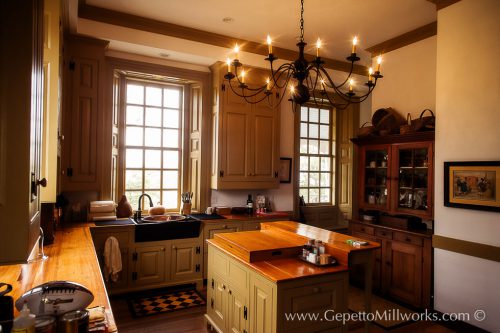
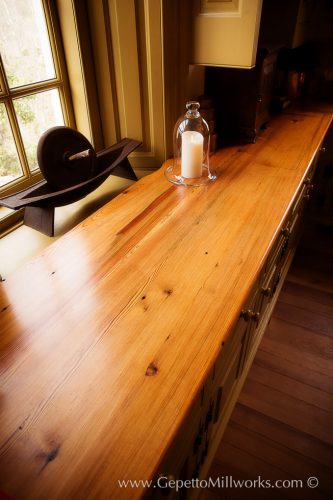
The Glen Roy Estate was renovated and restored with the fine wood fabricated pieces by Gepetto Millworks.
We built most of the wooden construction, which was restored from a gutted historical property including:
cabinetry
kitchen design
wardrobe style kitchen storage
fireplace mantles
bathroom storage
laundry hideaway
china display shelving
custom closet design (NYC theme)
skylight
Glen Roy Plantation is a pristine 3-story, Georgian Revival home, which was completed in 1852. The intact interior features Greek Revival detailing and includes twelve fireplaces, forty windows, fifteen foot ceilings and a widows walk. The house sits on sixty acres with 500 feet of waterfront along the Ware River. There are also extensive lawns and gardens and numerous outbuildings including an 18th century library and a late 19th century carriage house. The property also features a stable, garage, swimming pool and dock.
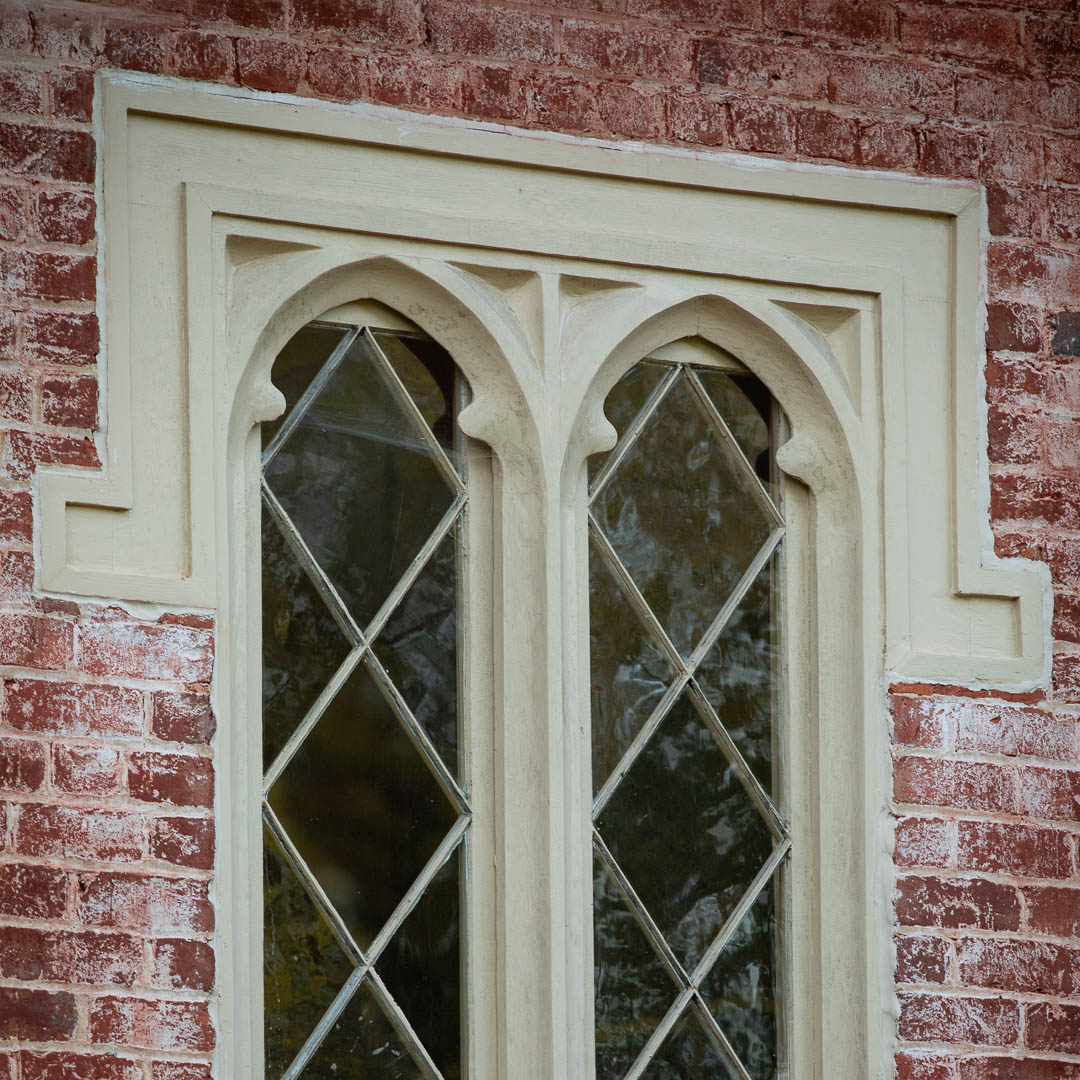
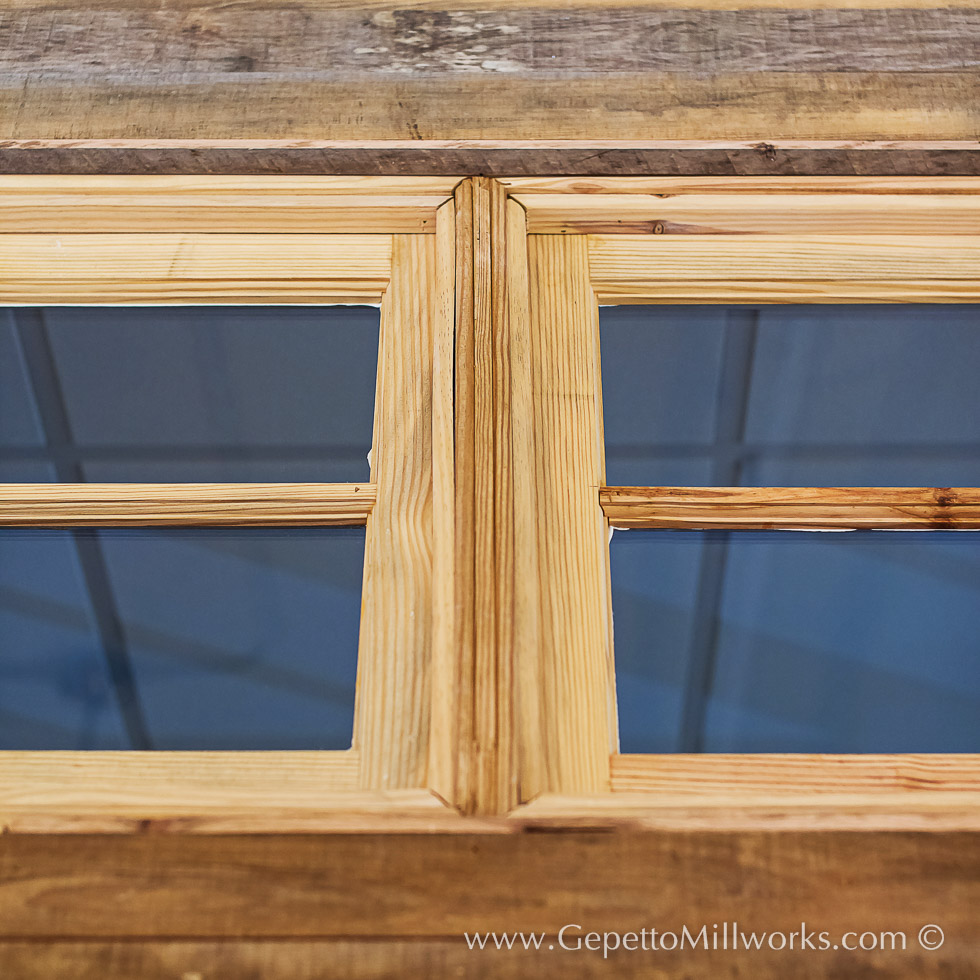
We can’t show you these window frames too close because we don’t want our competitors to copy our intricate and difficult construction process. We are not aware of any other manufacturer offering these type of windows in the historical restoration niche. We have brought the look, feel, and authentic historically accurate materials and construction – while adding the modern energy efficiency of a double pane. To achieve this goal we hand build the window parts using custom machines allowing us to make them in an affordable production schedule. Yes, they will likely fit in your budget for historical restoration and may meet energy efficiency standards, although we have not had them tested.
Give us a call or fill out the form below to chat with us about our unique handmade product.
I was hired for this large home hybrid kitchen design project by a local contractor I have years of experience working with. Trust is a valuable and scarce commodity in the building industry unfortunately. I write these articles in the trust building process with you, as you consider hiring your contractor, because creativity and successful design come out of a trusting working relationship! The theater room hybrid project showcases a design suggestion made by the Gepetto Craftsman after looking at the plans drawn by the architect for elliptical windows topping off the glass doors to the porch. When I got the architectural drawings and took a look at them I felt that the drawings were leaving out a huge opportunity in the woodworking in the room. Let me give you a picture to set the stage:
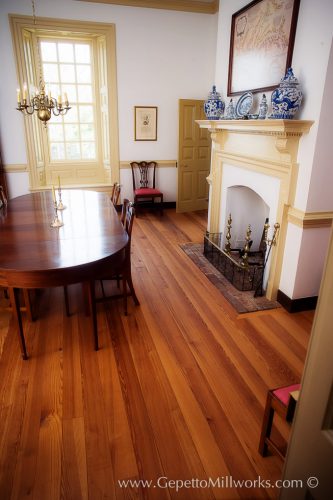
The arches are a repeated architectural theme throughout the home and I felt that the architect didn’t draw this wall with a grasp on the abilities of a skilled modern woodworker. Drawing on the relationship I have with the builder and client, I suggested some changes to the plans to include a solid wood arched raised panel to finish the look of the wall. The builder and client agreed with me that the warmth, classicism, and functional results of my proposed drawings would be a great direction to refurbish this 1920’s home.
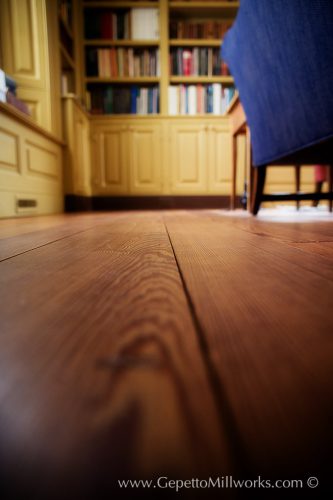
Eliptical raised panel – all solid wood – no veneeering – click to enlarge
A solid wood, arched raised panel is a difficult construction challenge because the solid wood used in construction doesn’t naturally conform to the designed arch. I have to measure precisely and use old world wood bending techniques. The highly technical machinery setups to manufacture the wooden arc of trim would baffle less accomplished craftsmen.
Arched Panel Detail – click to enlarge
While I am very proud of the arched panels – they’re only the beginning of the mixed spaces designed into this home renovation. Take a look at three more detail pictures and then let’s move on into the kitchen.
Creatively the client wanted a little diversity through out this kitchen design. Originally the client had a very dark raised panel Kitchen that they renovated 20 years back so this was the 3rd renovation this customer had done in this house. The conversation about how they had evolved the house through the years was very educational. In this renovation, they wanted a timeless, simple, and open approach to their central living environment as the kitchen adjoins an open sitting room and is the most used space in the house. The open transitions and framework are to facilitate family conversations while doing mixed tasks like homework and food prep.
The first idea on the drawing board was filling the whole room with cabinets, but as we talked with the client about their needs and style we evolved into a super simple result. The original kitchen was full of late 80’s raised panel and dark cherry when we started.
In the design process we opened up the feeling with open-front shelving to achieve a sleeker, clean, zen feeling. The craftsman feel was brought out with an eclectic warm touch and breaking the kitchen into sections. The front area is composed of the wooden front dishwasher, the mosaic tile back-splashes behind the sink and granite counter tops for food preparation next to the stove and between the sink.
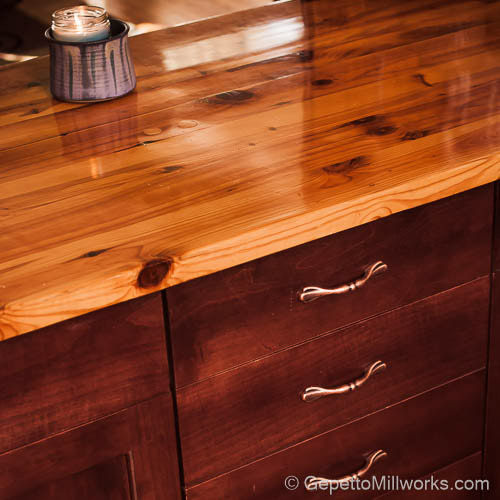
Countryside tourists visiting the blue ridge mountains and countryside enjoy a stop off at the Old Toad Pub. The rustic ideal and design theme were desired in this project to attract the weekender tourists from the Washington DC, Baltimore, and Richmond metro areas as they spend a weekend at a nice countryside bed and breakfast or tour the local wineries near Charlottesville VA. The reclaimed barn wood facing used on the bar was taken from a barn not twelve miles from the restaurant’s location by Gepetto Craftsmen who finished out the bar design to serve both the drinking patrons, but also the speed and accessibility of the staff serving the drinks day in and day out. The L shaped bar with service corner helps separate the bar area from the seated dining area. Our commitment to solid wood as a craft shows through in every polished inch of the bartop surface! A proprietary mix of curing, polishing and chemical finishes builds a deep luster on top of the gorgeous wood grain that you won’t hesitate to serve, spill or clean on top of. Contact us to start your custom bar construction for your home or business.
Rustic Bar Construction | Custom Restaurant Fittings
The concept for the pecky cypress kitchen project came from a lack in the home builder’s kitchen’s ‘spirit’. The floor plan layout make the kitchen viewable from the entry hall, and left much to be desired in it’s style and warmth for this central piece of the home design. The homeowner was not able to get a satisfactory response from the general contractor and so turned to Gepetto. We brought a willingness to listen, and extensive design experience to the table to help the home owner make an organic visual and tactile experience come to life in their central living space.
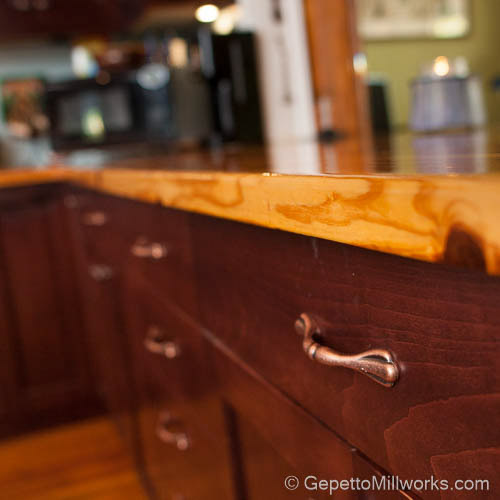
The key component that breaks the design mold, achieving the goals of the homeowner in the process, was to use the exotic and difficult to work with Pecky Cypress wood species. Matthew Wiley’s modern eclectic design sensibility and daring to work with the unique scarred grain pattern in the cypress brings the unique look and functional success to this kitchen and bookshelf project. You may be wondering where the difficulty comes from. Take a look at this closeup picture:
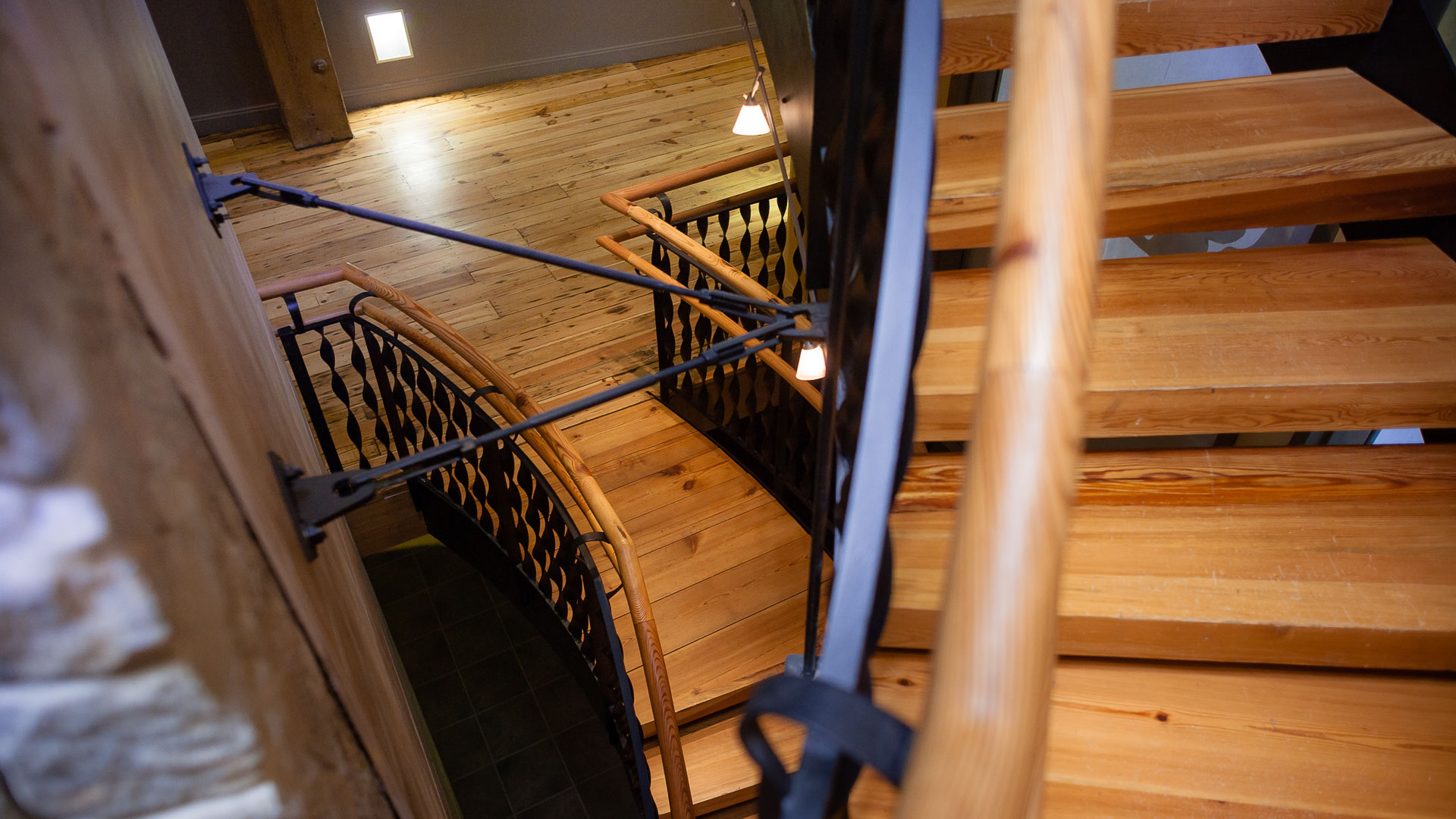
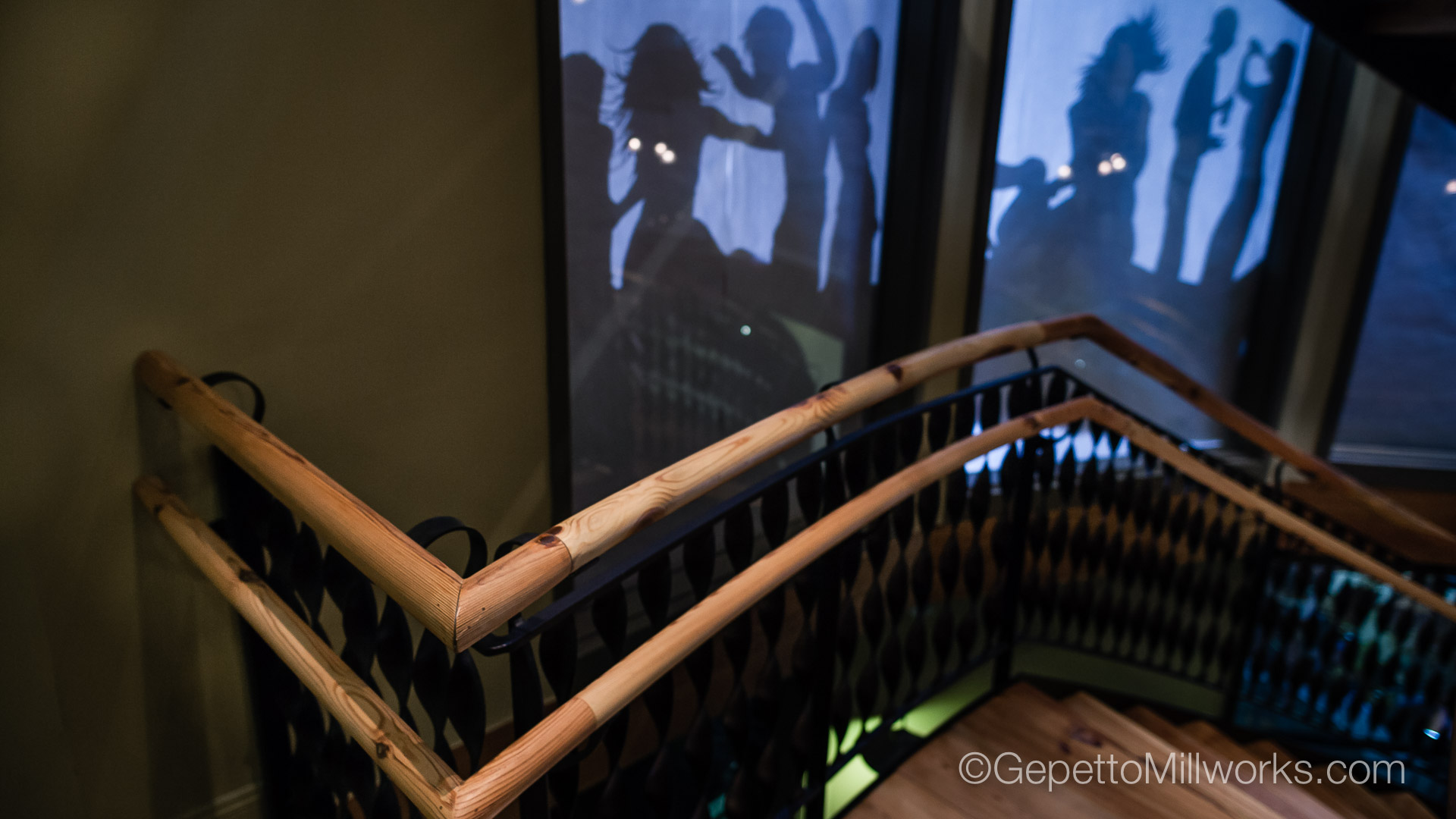
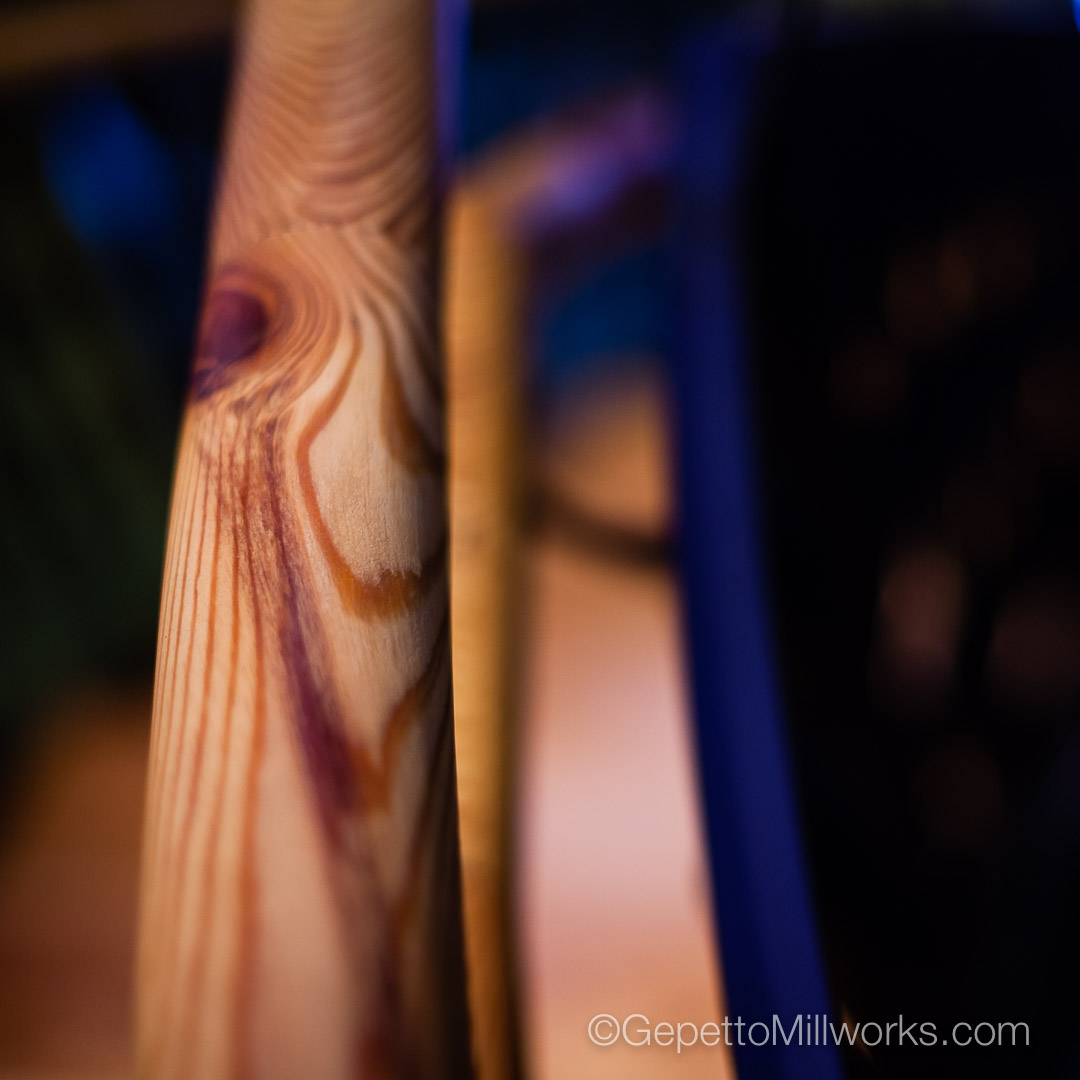
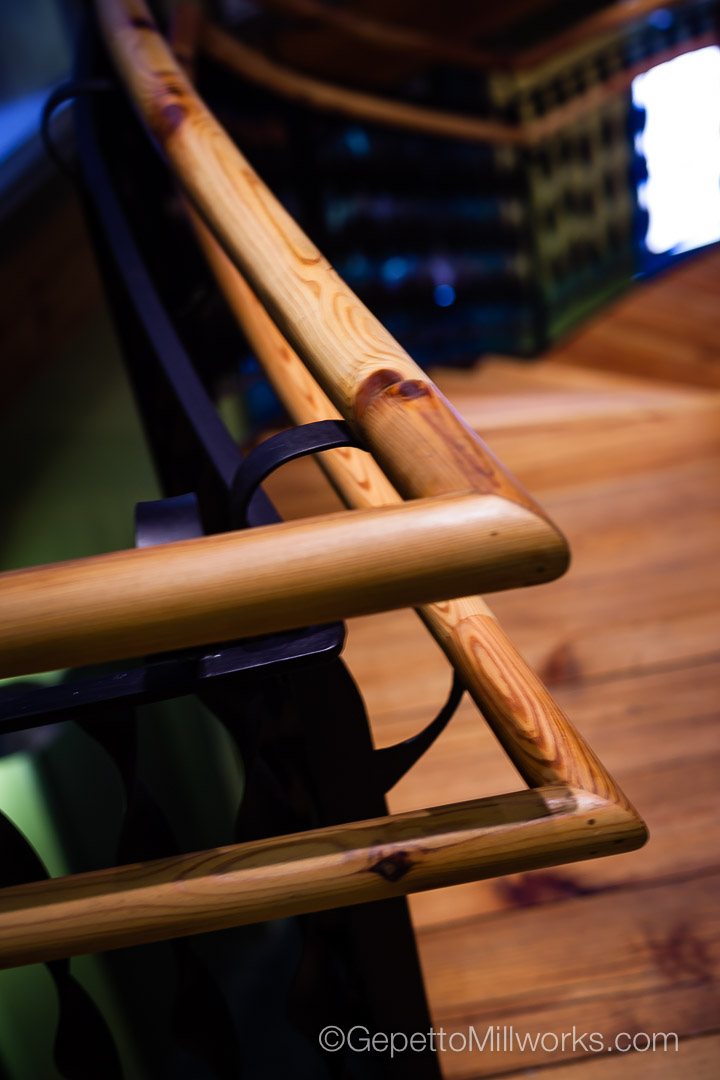
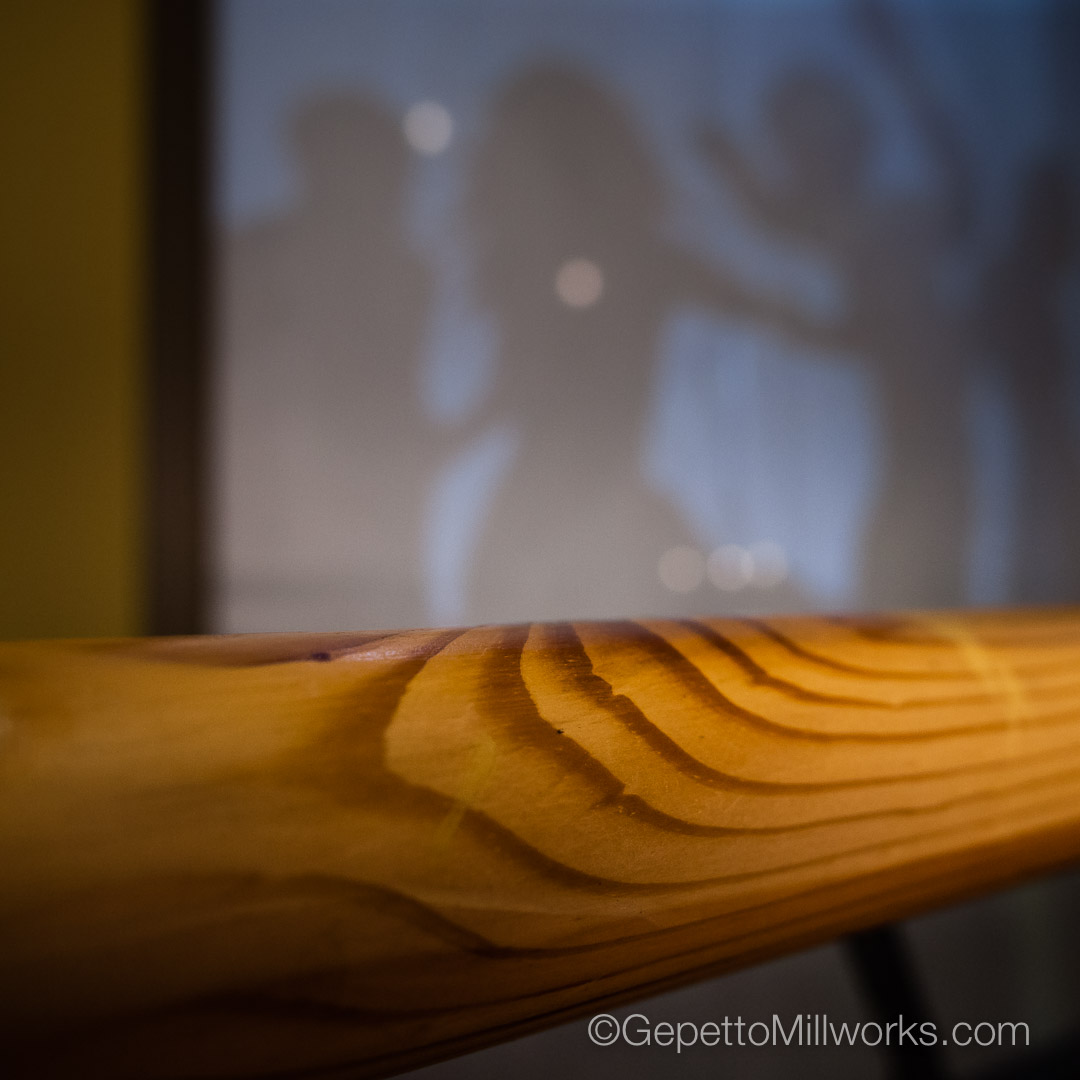
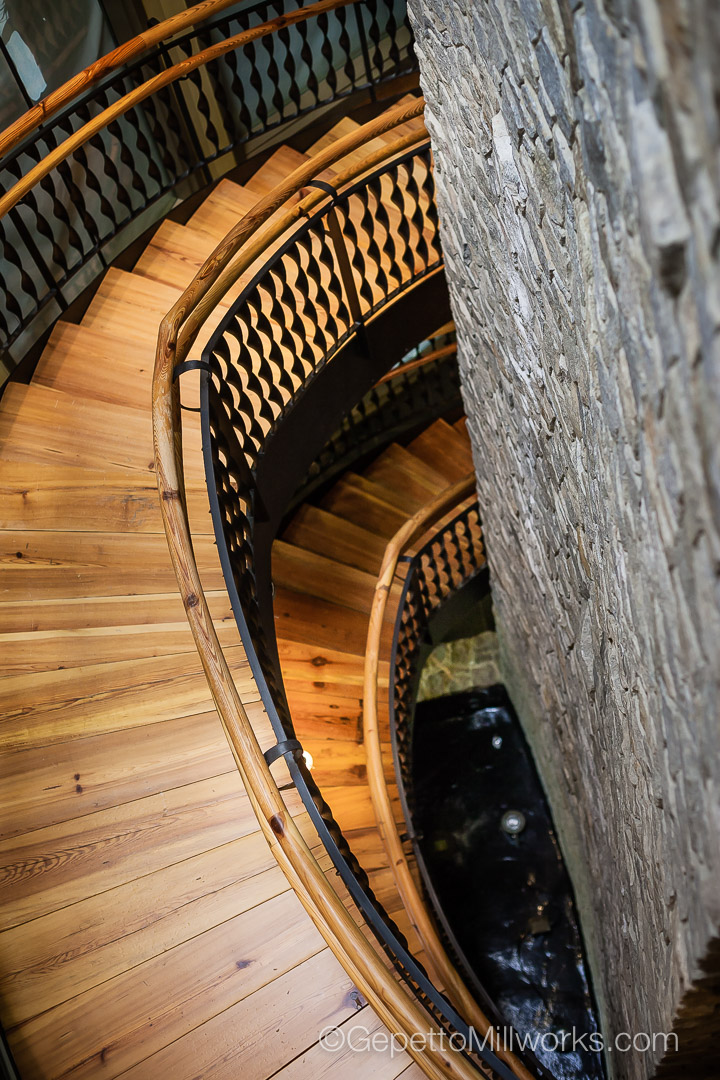
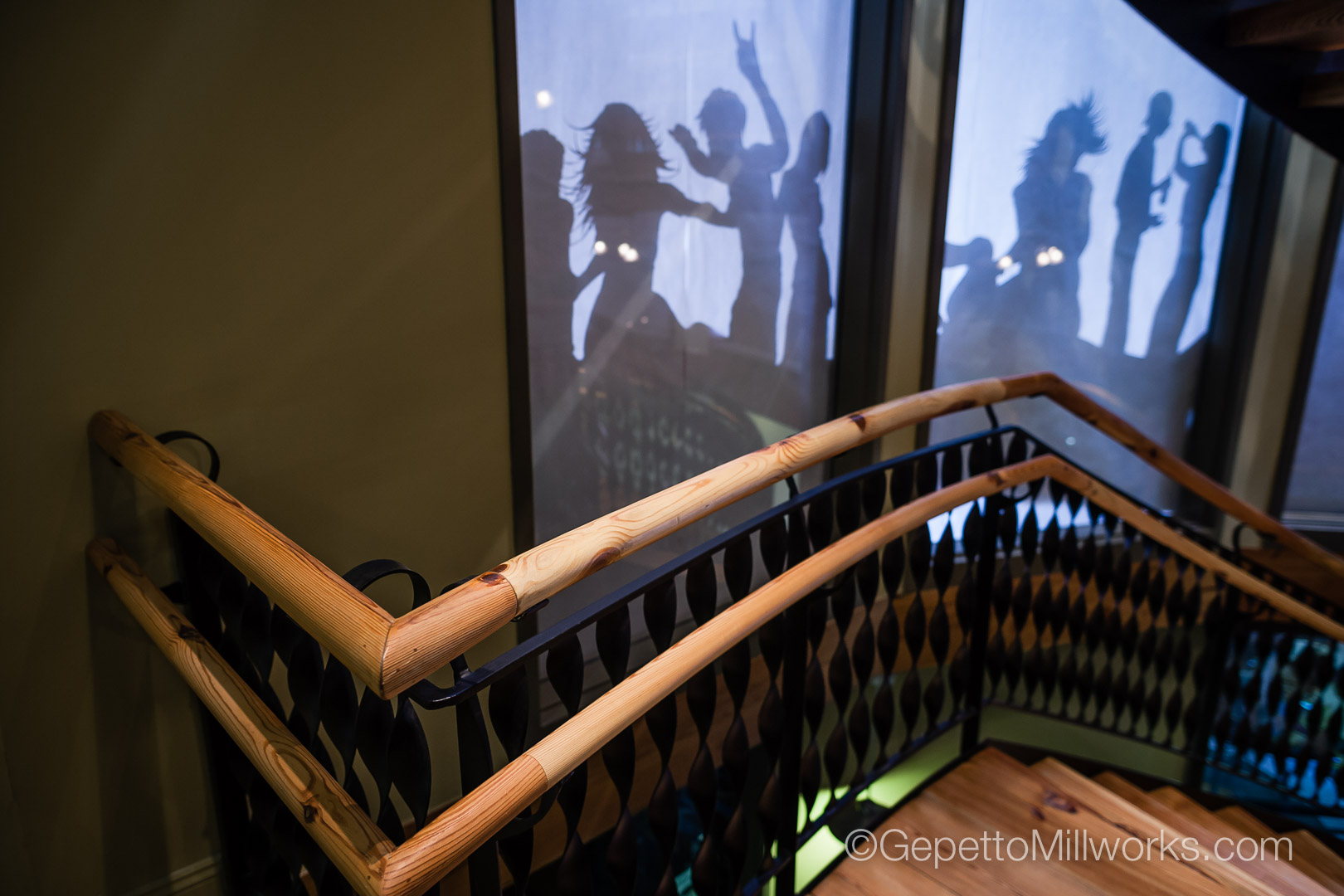
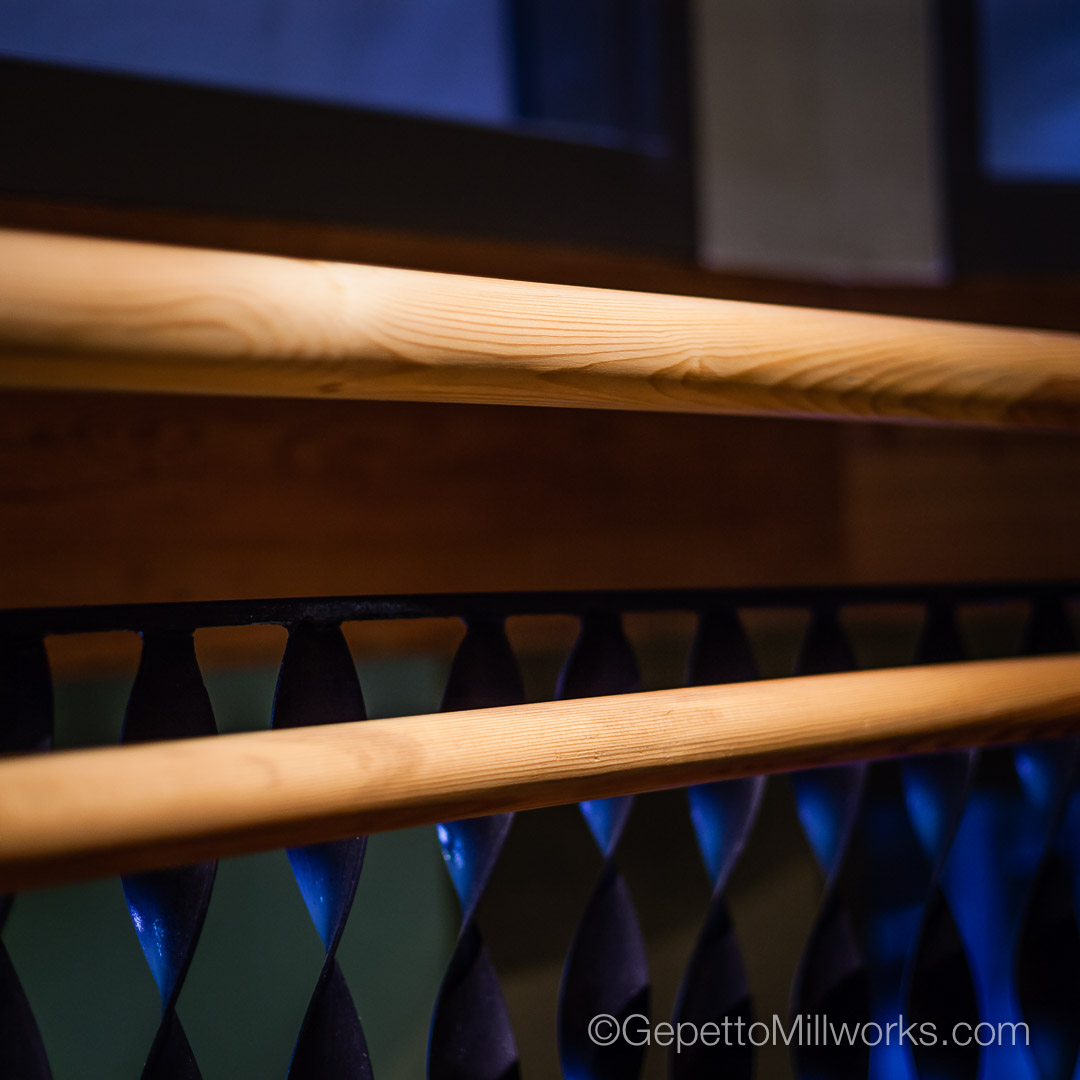
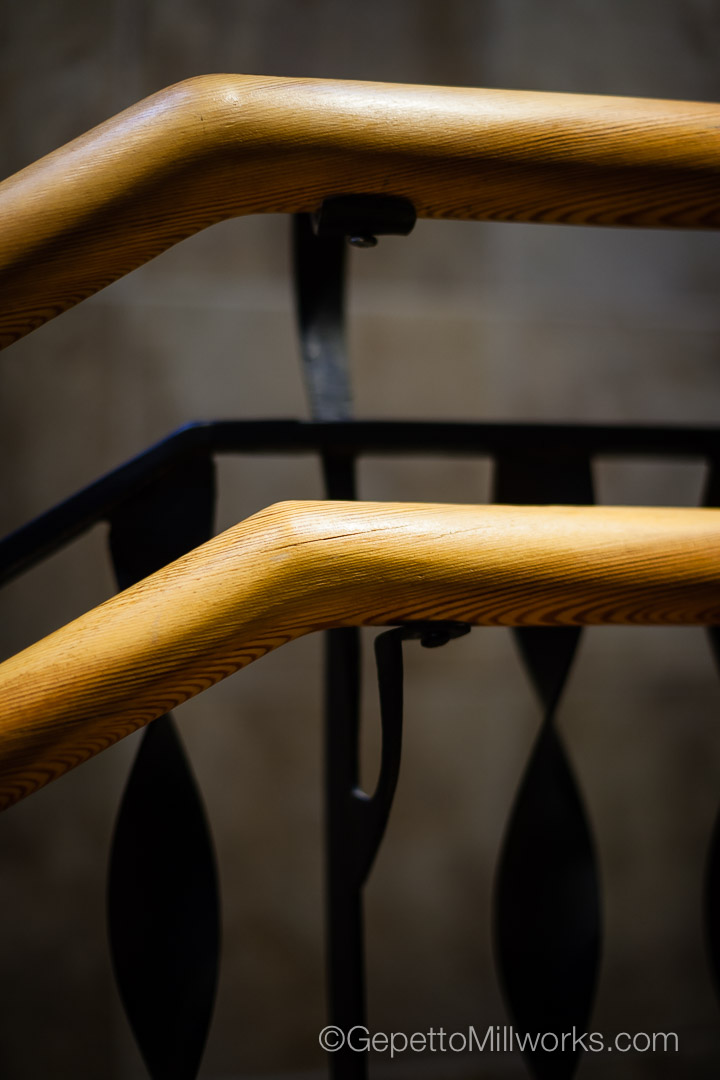
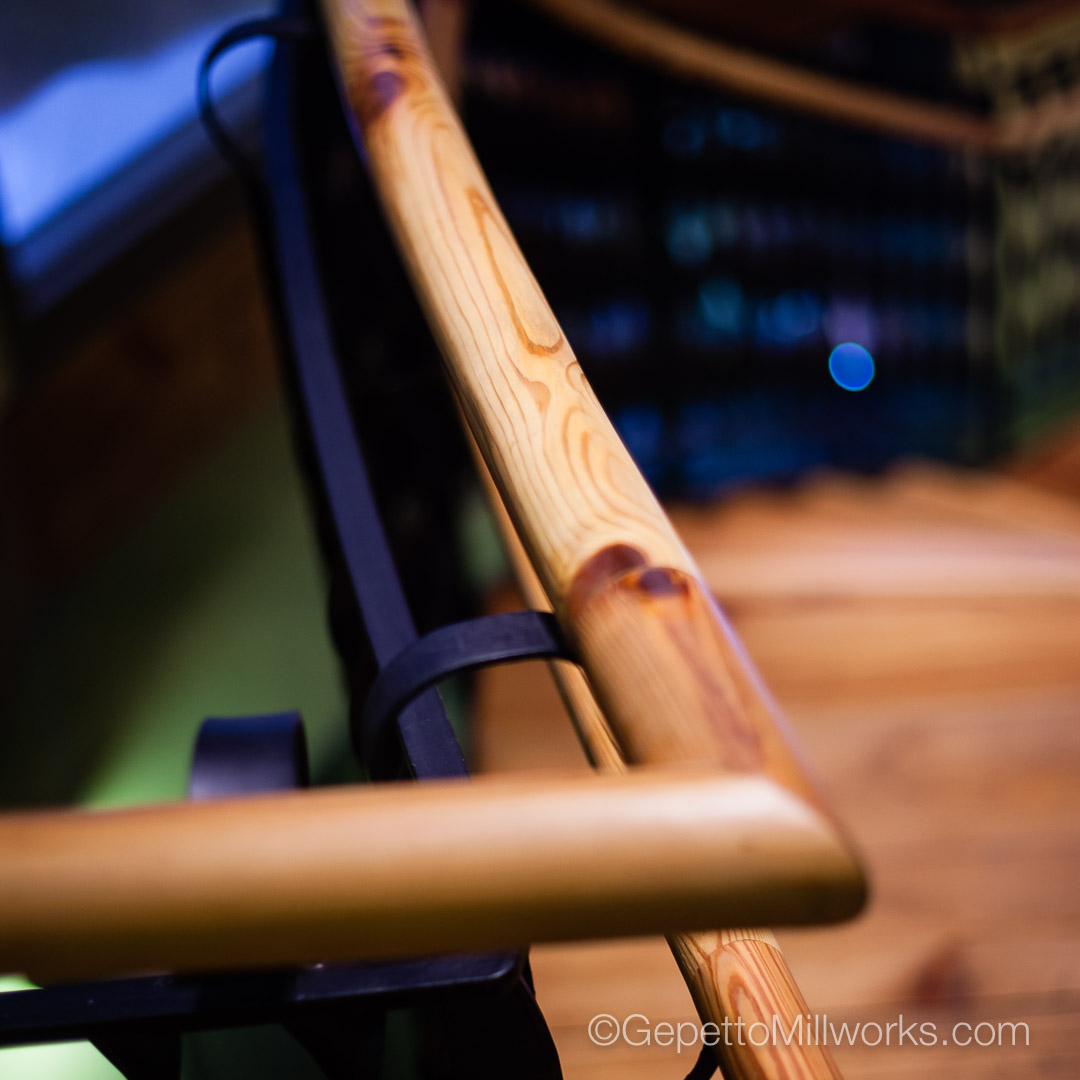
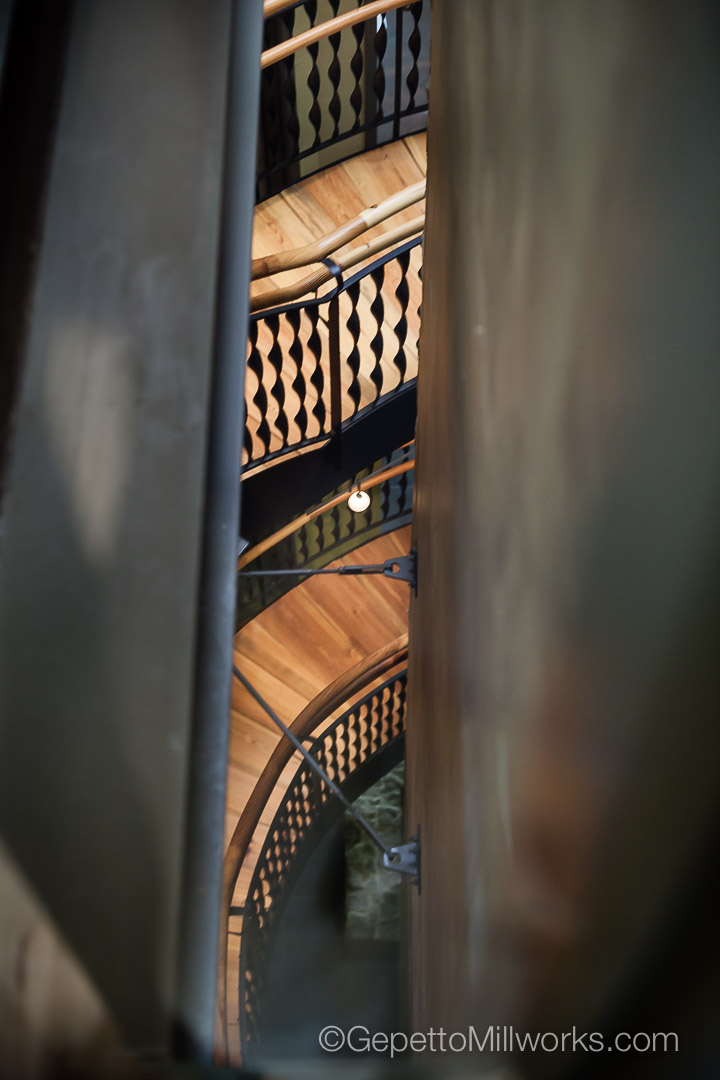
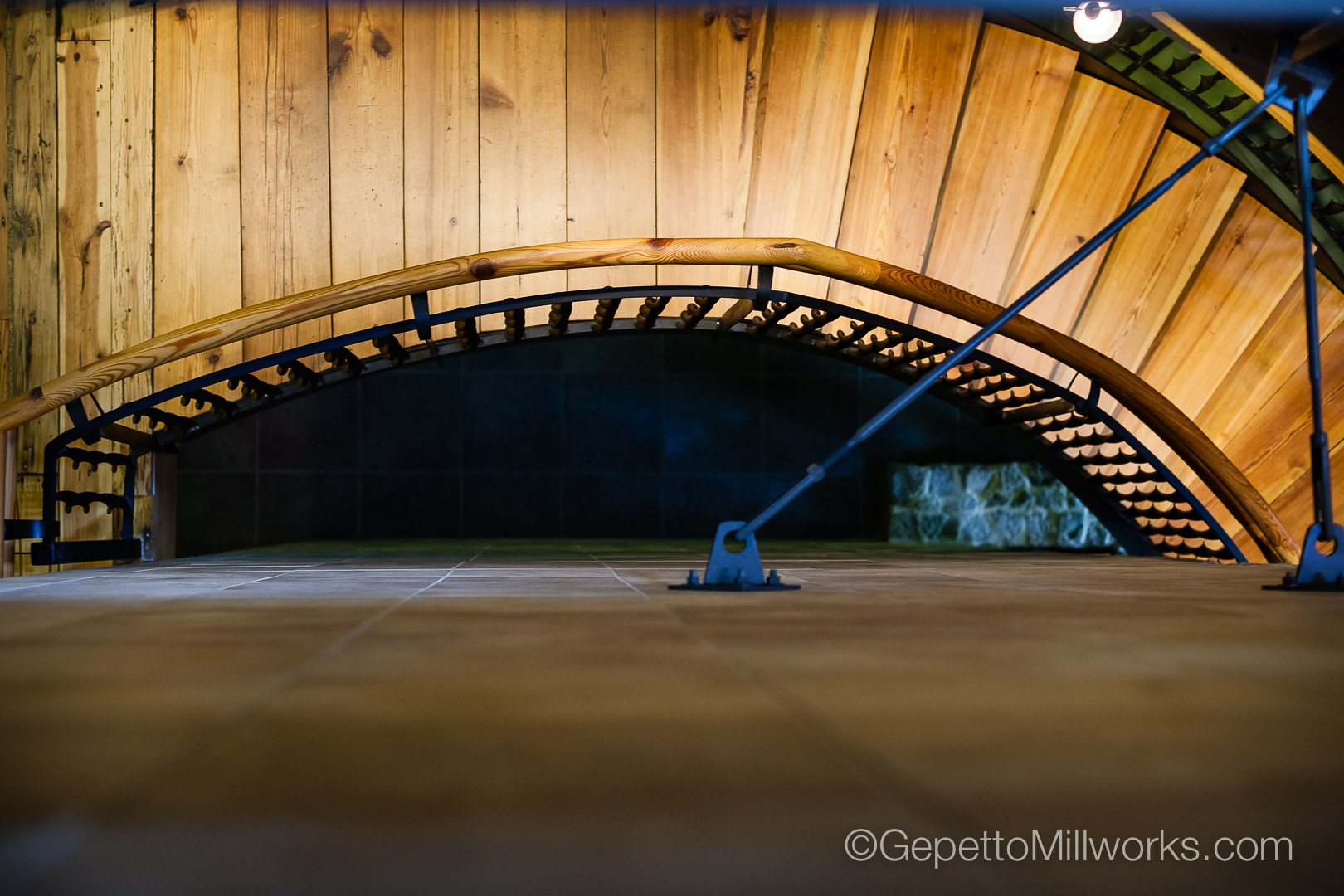
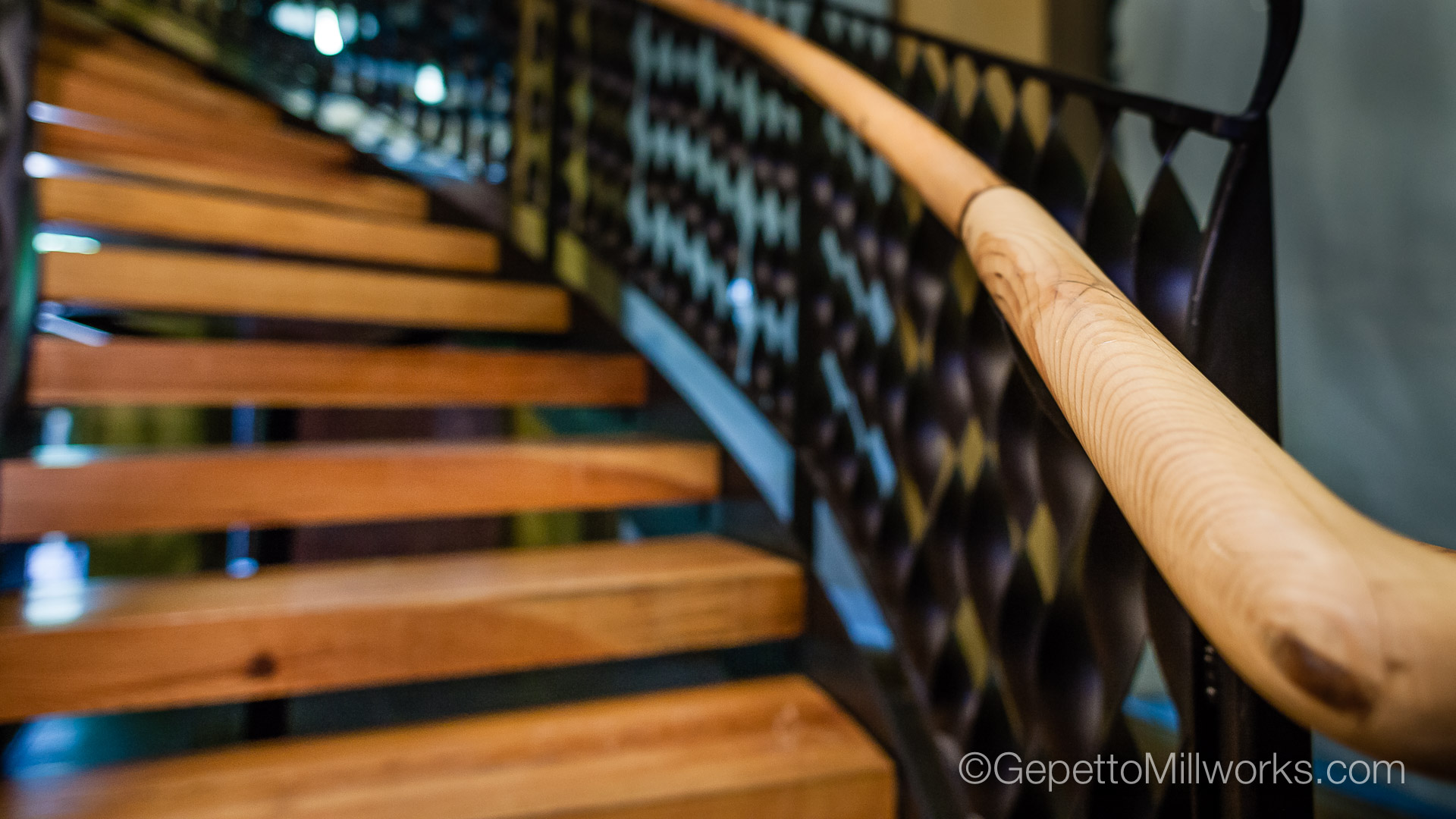
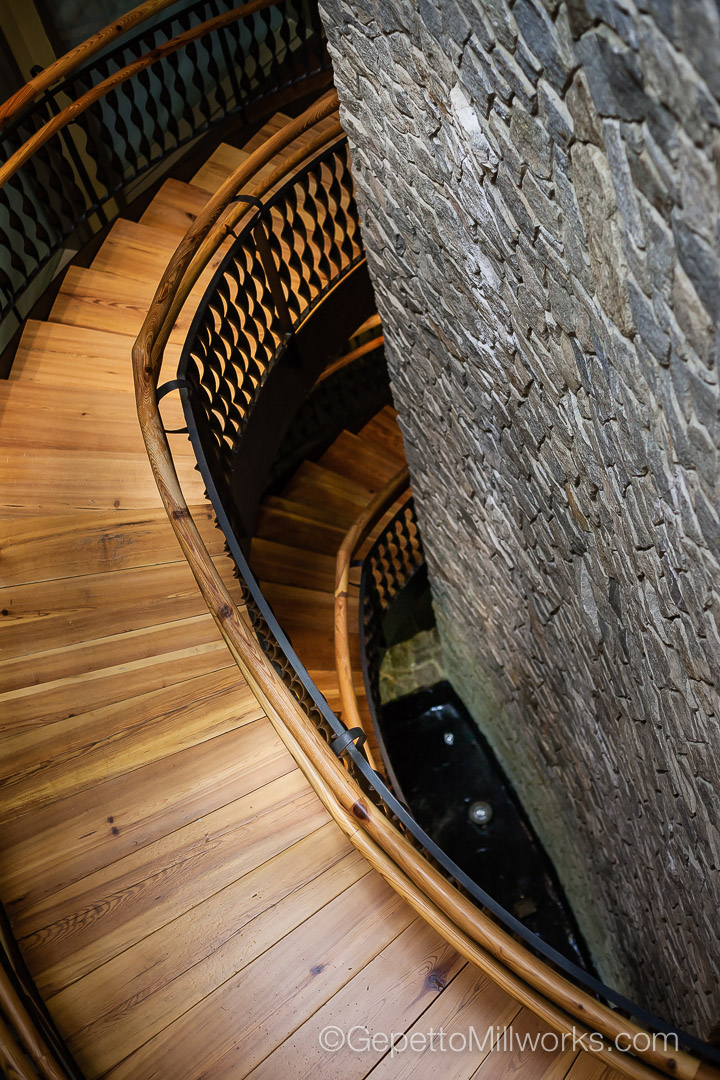
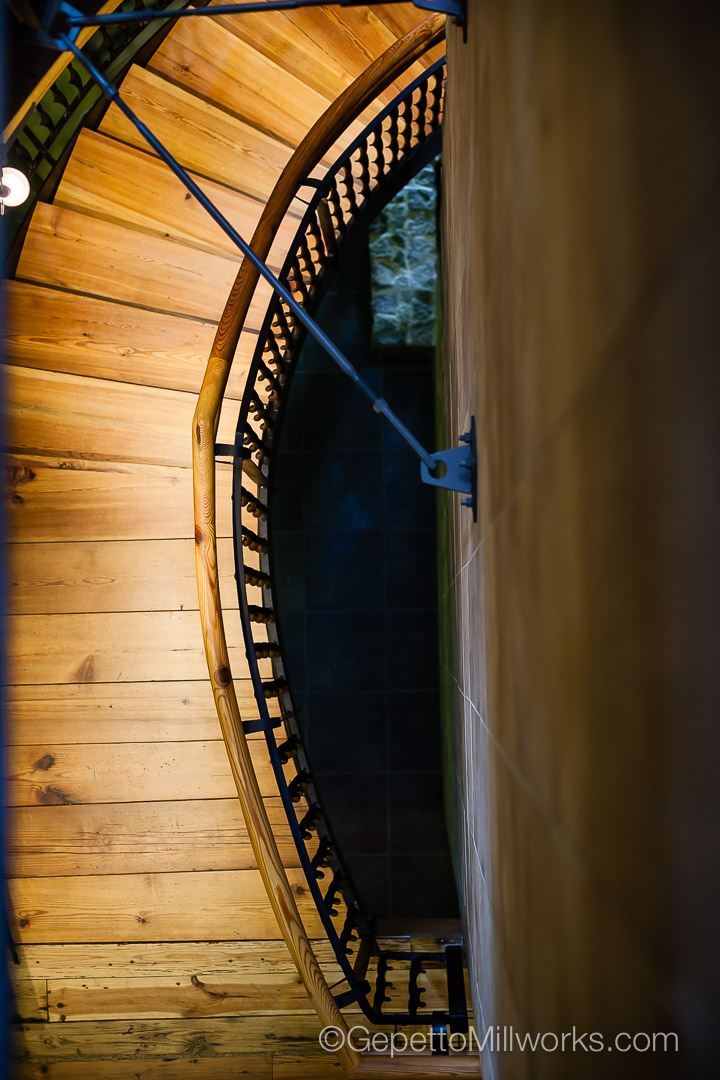
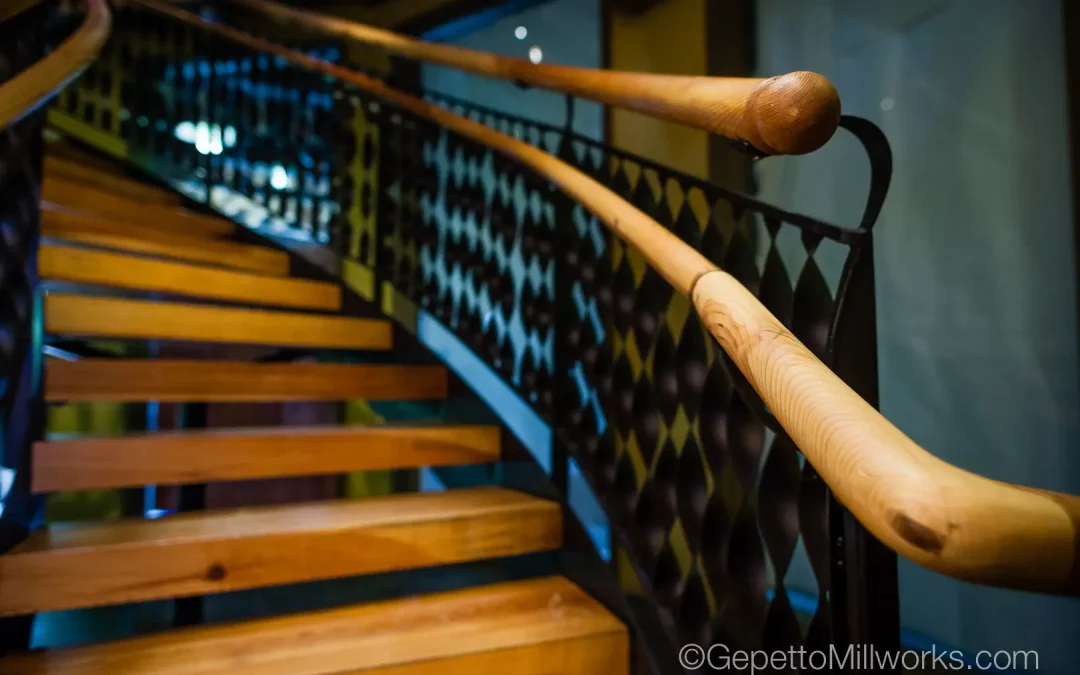
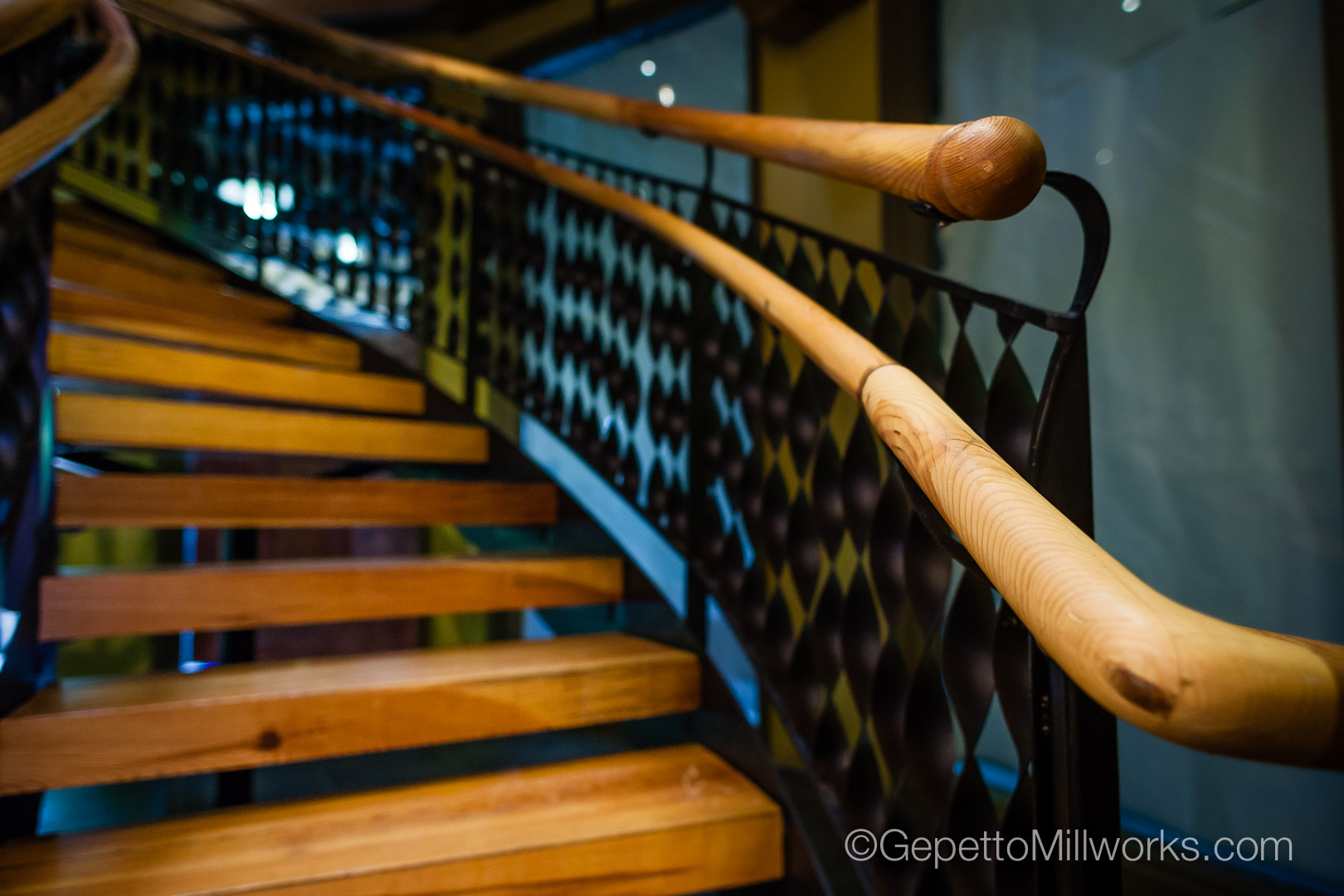
Architectural millwork for spiral staircase construction across Virginia, Maryland, Deleware, Philadelphia and Southern PA. Virginia Custom Spiral Staircase Builders project slideshow is above. Get a quote for your custom staircase manufactured by hand from local VA craftsmen. The most complex designs fit intricate spaces and can be quoted and completed efficiently to meet your project’s deadlines from our Richmond shop. Warehouse renovation from the ground up with reclaimed materials from exposed beams or old flooring can be done on budget and timeilne with a shop as capable as Gepetto. Builders of exquisite wood architectural elements like spiral staircases and curved railings like pictured here in this slideshow take great care with the materials to bend and twist with the wood grain. Along with the complex measurements that are required to accurately build in the three dimensional turns of a spiral, we take great care to meet the structural strength and weight bearing needs of the staircases we build.
We have used solid wood joinery with the center column in several projects, but here we blended the the flexibility and strength of steel to meet the architectural needs of this project. The three levels of the Ladybird Hat Factory renovation were connected with this spiral staircase built around the elevator shaft. The new addition of an elevator to this late 19th century building left us plenty of structural integrity from which to hang the floating staircase. The extra large internal diameter allowed us to use a lower angle between steps as we completed the arc between levels. Walk in sometime to experience how the arc of the staircase moves through the space. Complete the turn on solid wood planks as you rise from level to level and feel the craftsmanship that we intended.
These dark black built in cabinets contrast with the hot pink walls of this children’s room.
Specialty storage systems custom designed to fit your room add’s elegant grace to hide children’s toys and adds permanent value to your historic home built without closets. In this 1890’s home with 12ft ceilings and without modern closets custom built storage systems make a very elegant statement in a room that could easily be overcome by clutter or oddly sized storage solutions. The design team at Gepetto will ensure that clever treats like matching bench seating under your windows provide for both space and function.