Virginia sawmill operators

The Need for Custom Milled Lumber in Producing Historic Replica Wood Products for Homes, Hotels, and Mixed-Use Properties

Historic buildings tell stories of craftsmanship, architectural vision, and regional heritage. From stately homes with hand-carved moldings to grand hotels adorned with ornamental wood details, each structure carries unique character. When these buildings undergo restoration, expansion, or adaptive reuse, architects, preservationists, and property owners often face a challenge: sourcing authentic wood components that match the originals custom milled lumber becomes essential.

Standard, off-the-shelf wood products rarely replicate the intricate details, species variety, and precise dimensions required for historic replica wood products. Whether the project involves restoring a Georgian-era doorway, recreating Victorian gingerbread trim, or producing millwork for a mixed-use redevelopment of a historic warehouse, custom milled lumber ensures that authenticity, durability, and architectural integrity are maintained.

In this article, we’ll explore why custom milled lumber is indispensable for historic projects, the process behind its creation, and how it benefits property owners, architects, and developers working with historic restoration millwork.


Why Historic Replica Wood Products Require Custom Milled Lumber

1. Standard Lumber Dimensions Don’t Match Historic Profiles
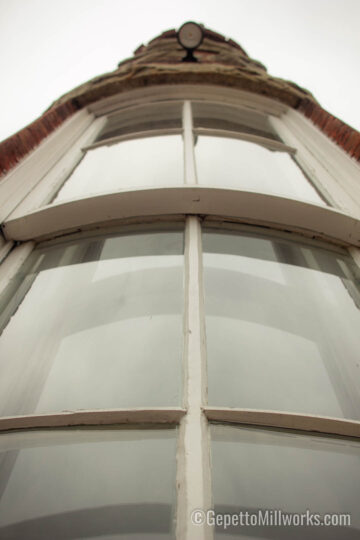
bowed window producer Virginia

Modern lumberyards typically stock dimensional lumber in standard sizes—2x4s, 1x6s, or 4×8 sheets of plywood. Historic builders, however, worked with different milling practices and often used full-dimension lumber with hand-planed finishes. Window sashes, stair treads, or door stiles from the 18th or 19th century are often slightly thicker, wider, or cut with unique joinery that doesn’t align with contemporary production.

Only custom milled lumber can be matched to the original specifications. A mill shop can replicate exact widths, depths, and profiles, ensuring a replacement piece doesn’t look out of place or compromise the building’s historical authenticity.

2. Historic Properties Demand Architectural Accuracy

Preservation guidelines—especially in districts protected by local or national landmark commissions—often require that repairs and replacements remain faithful to original designs. Using mass-produced trim, stock crown molding, or factory windows can jeopardize approvals and reduce the value of the restoration.

By working with a craftsman experienced in historic replica wood products, property owners can be confident that every detail, from mortise-and-tenon joinery to decorative fluting, matches the original craftsmanship.

3. Many Historic Species Are No Longer Commercially Available

Centuries-old buildings often relied on wood species like heart pine, chestnut, or old-growth oak—species that aren’t commonly sold at today’s lumberyards. Custom milling allows artisans to work with reclaimed lumber or responsibly sourced alternatives that mimic the density, grain pattern, and durability of the originals.  Accoya Acetelated wood is the only modern product bending the curve into better wood, as it is chemically altered to not absorb water!

For example:

  • Reclaimed heart pine beams can be remilled into flooring that matches Civil War–era homes.

  • Sapele or mahogany may be substituted for rot-resistant exterior trim when the original tropical hardwood is no longer available.

  • White oak can be quartersawn to mimic the shimmering ray fleck common in Arts & Crafts–era millwork.


The Process of Creating Custom Milled Lumber for Historic Replica Wood Products

Restoring or replicating historic woodwork is a precise and labor-intensive process. Unlike modern production lines that prioritize speed and uniformity, custom milling focuses on detail, flexibility, and one-of-a-kind accuracy.

Step 1: Site Assessment and Documentation

Architects and millworkers begin by surveying the property. Every molding, door stile, or window sash is measured, photographed, and cataloged. Shop drawings may be produced using AutoCAD or hand-drafted sketches. The goal is to capture the exact dimensions, joinery, and ornamental details.

Step 2: Lumber Selection

Choosing the right wood is critical. Preservationists balance authenticity with modern performance requirements. For exterior applications, rot resistance and stability may take precedence, while interior elements prioritize appearance and authenticity.

Step 3: Knife Grinding and Profile Matching

One of the hallmarks of custom milled lumber is profile replication. Specialized steel knives are ground to match the original profile of a molding or trim piece. This allows modern machinery to cut exact replicas that are indistinguishable from 150-year-old originals.

Step 4: Milling and Fabrication

Using planers, shapers, and moulders, raw lumber is transformed into historically accurate components. In some cases, hand tools are used to add the final detail or patina to match existing woodwork.

Step 5: Assembly and Joinery

For larger elements like historic replica windows and doors, traditional joinery methods—such as mortise-and-tenon or pegged joints—are reproduced. These not only provide structural strength but also honor the original methods of construction.

Step 6: Finishing

The final step includes sanding, staining, or painting. Some projects even call for custom finishing techniques to replicate the aged appearance of adjacent woodwork so that the replacement seamlessly integrates.


Applications of Custom Milled Lumber in Historic Replica Wood Products

1. Homes and Residential Properties

Private homeowners restoring historic residences often require custom millwork for:

  • Crown moldings and baseboards to match original interior detailing.

  • Custom windows and shutters designed with historically accurate joinery.

  • Staircases and banisters requiring hand-turned balusters or curved rails.

  • Doors and casings built with raised panels or specific architectural motifs.

2. Hotels and Hospitality Spaces

Grand hotels built during the Gilded Age or early 20th century often feature elaborate wood paneling, ballroom wainscoting, and carved ceiling beams. When these properties undergo restoration or adaptive reuse, custom milled lumber ensures that every lobby, guest room, and banquet hall reflects the elegance of its original era.

For boutique hotels in historic districts, the use of historic replica wood products also creates a sense of authenticity that appeals to guests seeking an immersive experience.

3. Mixed-Use Properties and Commercial Redevelopment

Across the country, developers are transforming warehouses, factories, and historic storefronts into mixed-use properties combining retail, office, and residential units. These adaptive reuse projects rely heavily on custom milled lumber to retain character while meeting modern code requirements.

Examples include:

  • Replicating storefront cornices for historic main streets.

  • Creating interior millwork that complements exposed brick and steel.

  • Designing historically accurate wood windows that meet energy efficiency standards.


Benefits of Using Custom Milled Lumber in Historic Replica Projects

Authenticity

Perhaps the greatest advantage is authenticity. Property owners avoid the “cookie-cutter” look of modern stock components, ensuring the finished project remains true to its origins.

Durability

Custom lumber can be milled from higher-quality, longer-lasting species, ensuring that restored woodwork stands the test of time.

Compliance with Preservation Standards

Local landmark commissions and preservation boards often demand accuracy. Using custom milled lumber demonstrates a commitment to historic integrity, increasing the likelihood of approval for renovation plans.

Increased Property Value

A historically accurate restoration not only preserves cultural heritage but also enhances market appeal. Buyers, investors, and tenants appreciate authentic craftsmanship that sets a property apart.

Sustainability

Reclaimed and responsibly sourced lumber used in custom milling reduces environmental impact while reusing materials that might otherwise go to waste.


Challenges in Producing Custom Milled Lumber

While the advantages are clear, producing custom milled lumber for historic replica wood products also involves unique challenges:

  • Cost: Custom milling requires specialized labor and tooling, which can be more expensive than off-the-shelf options.

  • Lead Times: Knife grinding, material sourcing, and fabrication extend project timelines.

  • Material Availability: Historic species may need substitutes that balance authenticity with availability.

However, most property owners find that the long-term benefits—authenticity, durability, and property value—far outweigh the initial investment.


Case Study Examples

Historic Hotel Renovation

A century-old hotel undergoing renovation required replication of 12-inch crown moldings and intricate ballroom paneling. Off-the-shelf products could not match the profiles. A mill shop used custom milled lumber with ground knives to create exact replicas, preserving the hotel’s grandeur.

Residential Restoration

A homeowner restoring an 1850s farmhouse needed historically accurate windows with true divided lights and hand-forged joinery. Custom milling provided sash frames that matched the originals while integrating energy-efficient glass.

Mixed-Use Development

Developers converting a tobacco warehouse into offices and apartments wanted to preserve the historic storefront façade. Custom milled lumber allowed replication of the original trim, pilasters, and transom frames, giving new life to the streetscape.


The Future of Custom Milled Lumber in Historic Replica Projects

As interest in historic preservation and adaptive reuse grows, the demand for custom milled lumber will continue to rise. Modern technology—such as CNC routers and 3D scanning—enhances accuracy, but traditional craftsmanship remains at the heart of the process.

Sustainability will also play a role. More projects are turning to reclaimed lumber, combining historical integrity with environmentally conscious practices.

For homes, hotels, and mixed-use properties alike, custom milled lumber remains the key to bridging the past and the present.


Conclusion

When it comes to preserving architectural heritage, there is no substitute for custom milled lumber. Whether the goal is restoring a historic home, renovating a grand hotel, or redeveloping a mixed-use property, authenticity and craftsmanship matter. Stock components cannot replicate the details, durability, or artistry of historic replica wood products.

By investing in custom milling, property owners ensure their projects meet preservation standards, stand the test of time, and honor the legacy of the structures they inhabit. From carved moldings to hand-crafted windows, custom milled lumber keeps history alive—one project at a time.
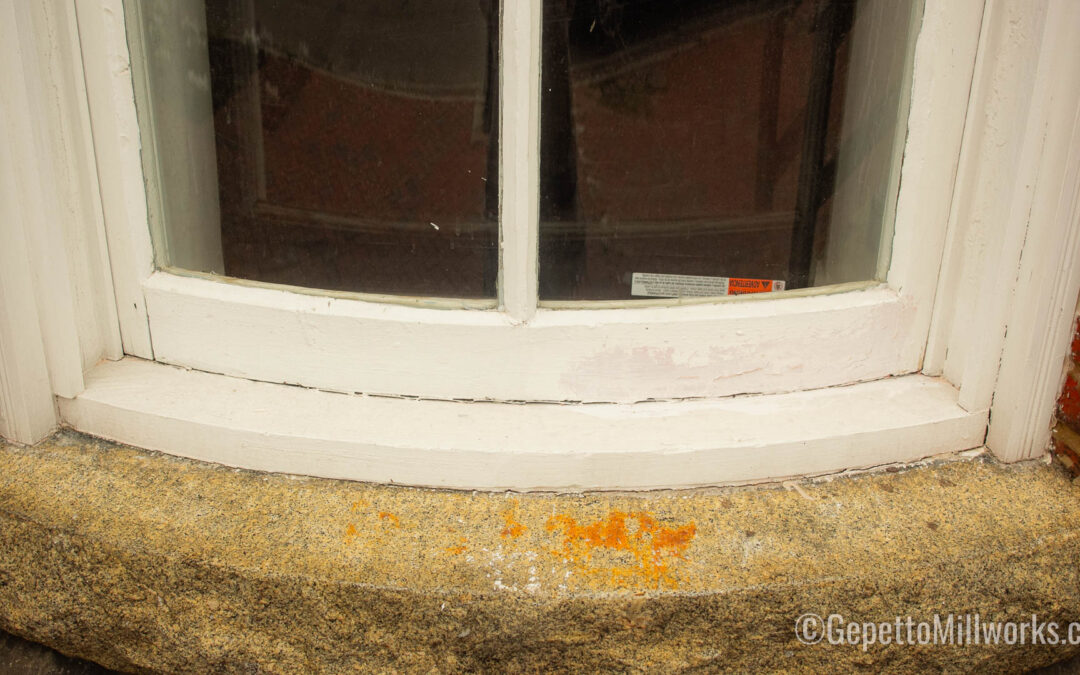
Bowed Windows Made in Virginia

Bowed Windows Made in Virginia

Round, Arc, Gothic Arch, and Bowed Windows Handcrafted in Virginia:

When it comes to bespoke architectural woodwork, Gepetto Millworks stands at the pinnacle of craftsmanship in Virginia. Specializing in historically accurate, handcrafted windows, our artisans are trusted by preservationists, architects, and homeowners alike. Among our most requested products are our round, arc, Gothic arch, and bowed windows—each style offering a unique aesthetic and functional value. Whether it’s the timeless elegance of a fully round window, the graceful curvature of an arc or bowed window, or the soaring lines of a Gothic arch, Gepetto Millworks captures the essence of historic Virginia architecture.

Round Windows: Architectural Focal Points Throughout the Centuries

Round windows have served as distinctive focal points in architecture throughout Virginia’s history. At Gepetto Millworks, our craftsmen meticulously re-create round windows to match the historic build style and quality ranging from small porthole-style accents to large oculi that dominate gable ends and facades in many prominant buildings. Fully round windows were especially popular during the Georgian and Federal periods as symbols of harmony and balance. The round, arc and elipsis windows appear above entryways or in pediments as focal features. In Victorian homes, especially in Queen Anne and Romanesque Revival styles, round windows added a touch of whimsy and light to stairwells, turrets, and attics.

If your historic Victorian home has a turret, the windows were likely crafted to fit, the exact outward arc to match the circumfrense of the turret.  Gepetto’s craftsmen are specifically trained to reproduce the quality construction that has lasted a hundred years by using the highest quality sapele utilizing traditional mortise-and-tenon joinery true to the period.  If you’re not familiar with Sapele it’s a similar wood to mahogony which comes from Africa, instead of South America.  Sapele lumber is a hardwood sourced from the Entandrophragma cylindricum tree, native to Africa. It’s often used as a substitute for mahogany, especially South American mahogany, due to its similar appearance and properties. Sapele is known for its rich reddish-brown color, which can darken with age, and its natural luster. The grain can be interlocked, creating beautiful figures like ribbon, quilted, and pommele.  Most important for windows, Sapele and Mahogany are used as they machine very straight, and have a high resistance to rot from absorbed water.  The new choice for stabilized and rot resistant wood stock is called Accoya – read about the treatment of Acetylation for wood.

Arc Windows: Graceful Curves for Historic Spaces

Arc windows feature a curved top with straight sides. Often featured in church buildings, estate homes, and public structures across Virginia, arc windows bring an understated elegance like a flower at the top of a stem. In historic Virginia architecture, arc windows made their appearance during the late Federal and early Victorian periods as craftsmen were called on to fabricate the more elaborate designs of architects. Especially prevalent in Southern plantation homes, often installed above doors, you’re subtly familiar with their placement but as you start to google for a contractor to repair or replace them, you’ll find that it’s nearly a lost art!  Not to worry, Gepetto’s staff are trained and experienced in the mathematical proportions, and the tooling needed to producing these complex shapes to exactly match your historic window. At Gepetto Millworks, our arc windows are handcrafted to match. We replicate traditional molding profiles, sash styles, and muntin patterns while integrating modern glazing technology.

Gothic Arch Windows: A Testament to Virginia’s Ecclesiastical and Romantic Heritage

Gothic arch windows are instantly recognizable by their pointed arches and narrow vertical proportions. Found in churches, academic buildings, and large estates, these windows are emblematic of the Gothic Revival movement.  The Gothic Revival architectural movement in the United States swept into Virginia, occurred in the building furvor from approximately 1840 to 1880.  Crafting a Gothic arch window requires immense skill and precision. Gepetto Millworks artisans sculpt each piece from premium hardwood, ensuring the pointed apex is structurally sound and visually perfect. These windows often feature intricate tracery and divided lights, requiring a high degree of technical craftsmanship that the shop at Gepetto keeps alive.  Our Gothic arch windows grace both restorations of Virginia’s historic churches and modern homes that seek to incorporate classical drama. Whether you are restoring a cathedral in Richmond or adding a Gothic-inspired touch to a custom estate in Charlottesville, Gepetto’s windows are your go-to source.

Bowed Windows: The Victorian Love Affair with Curves

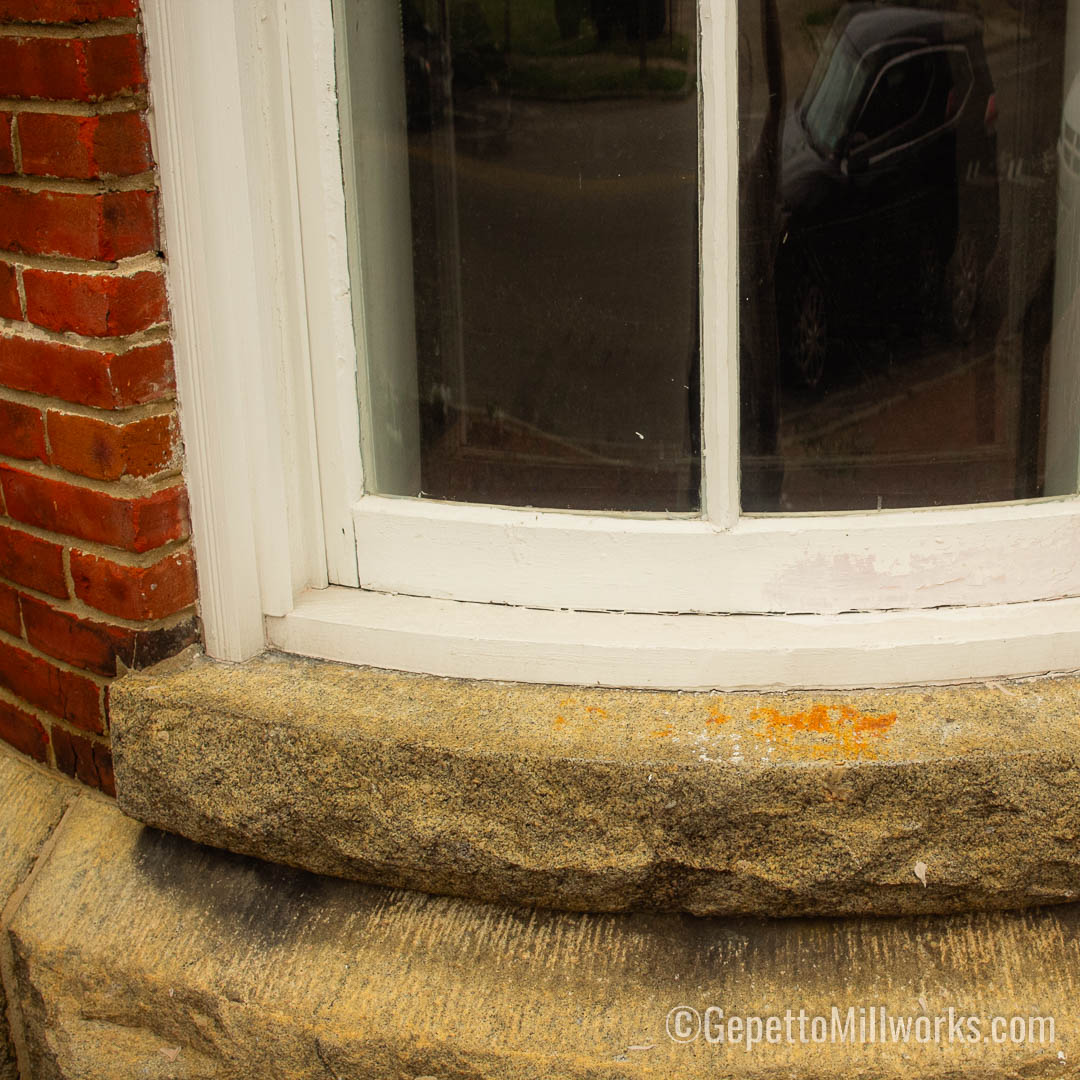
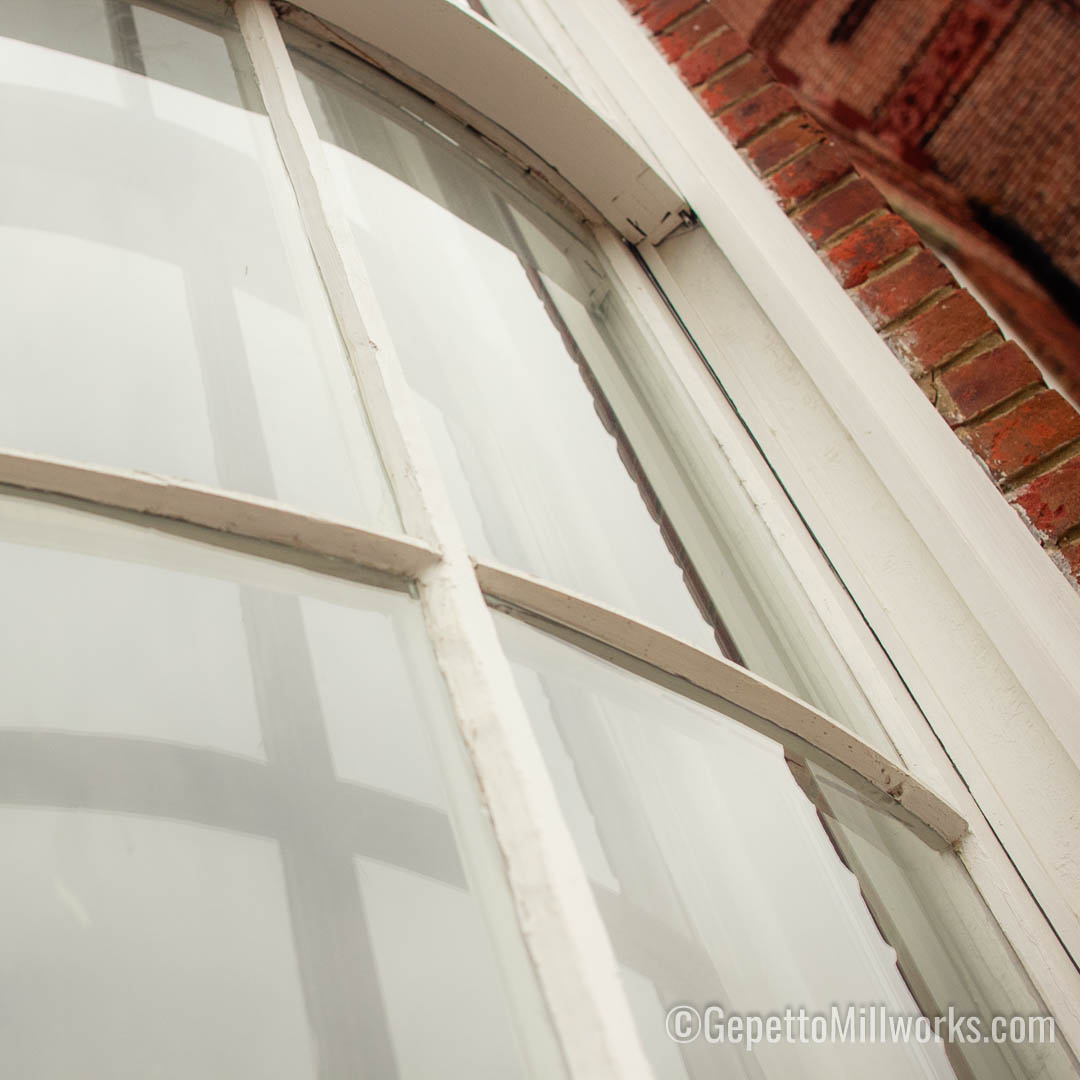
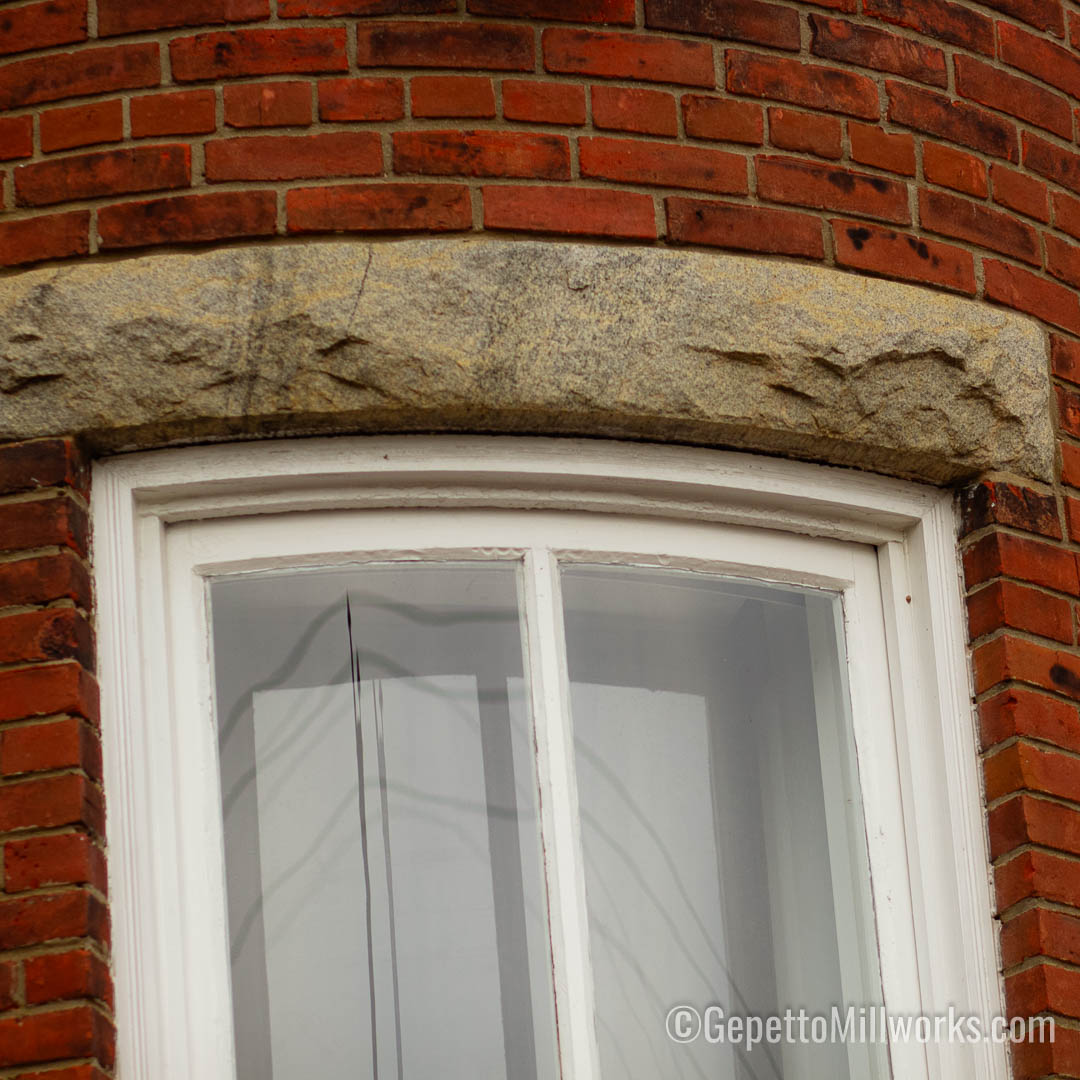
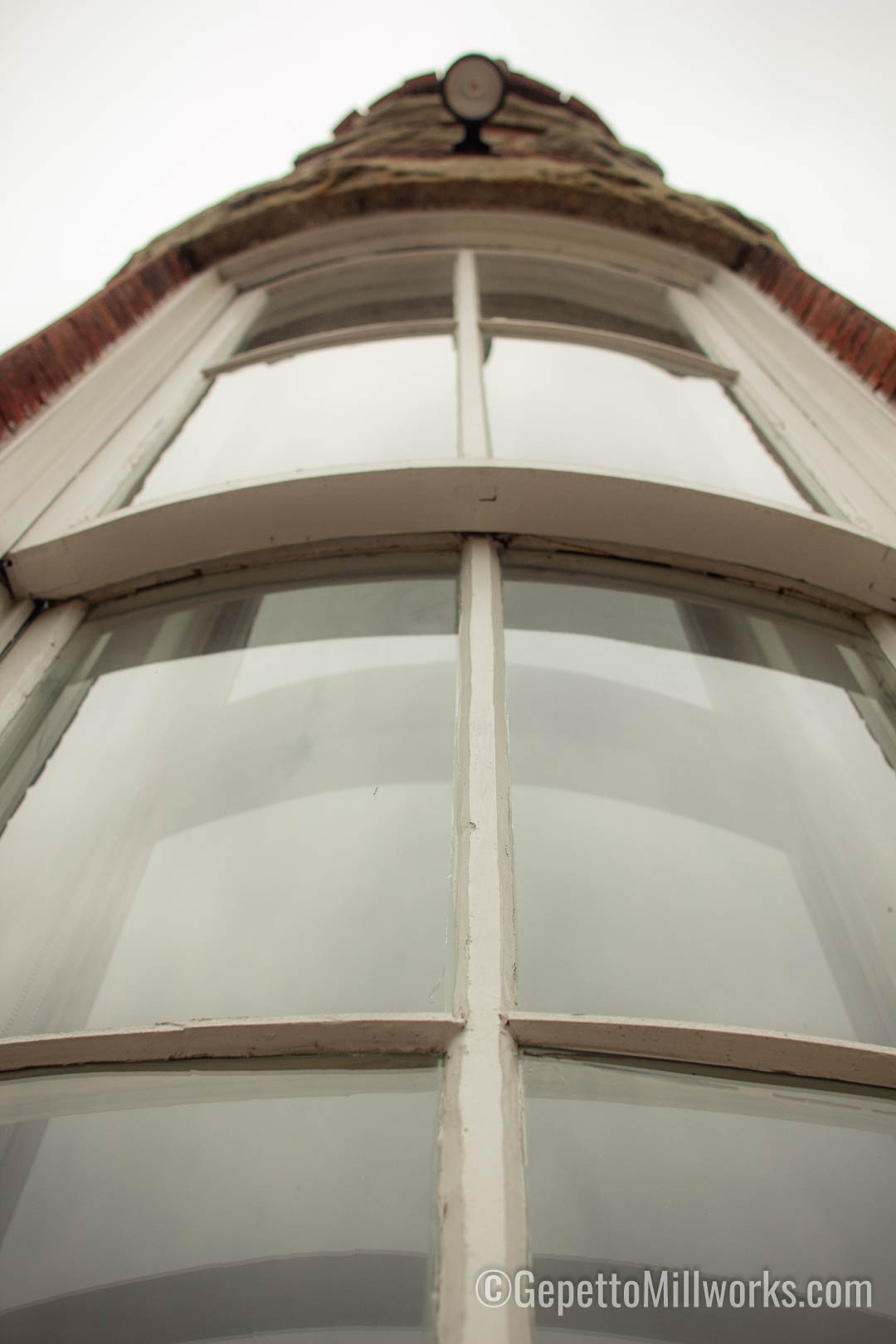
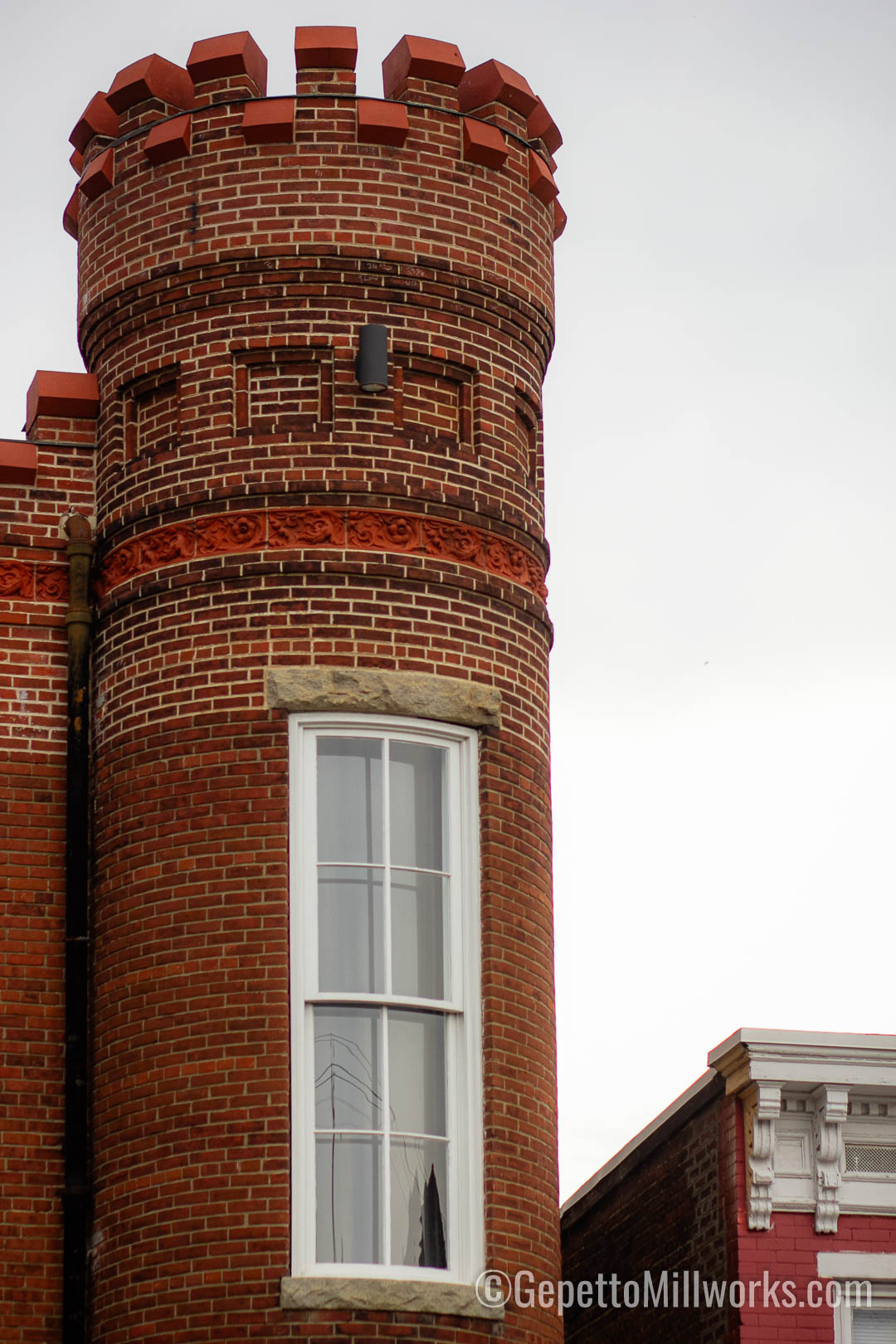
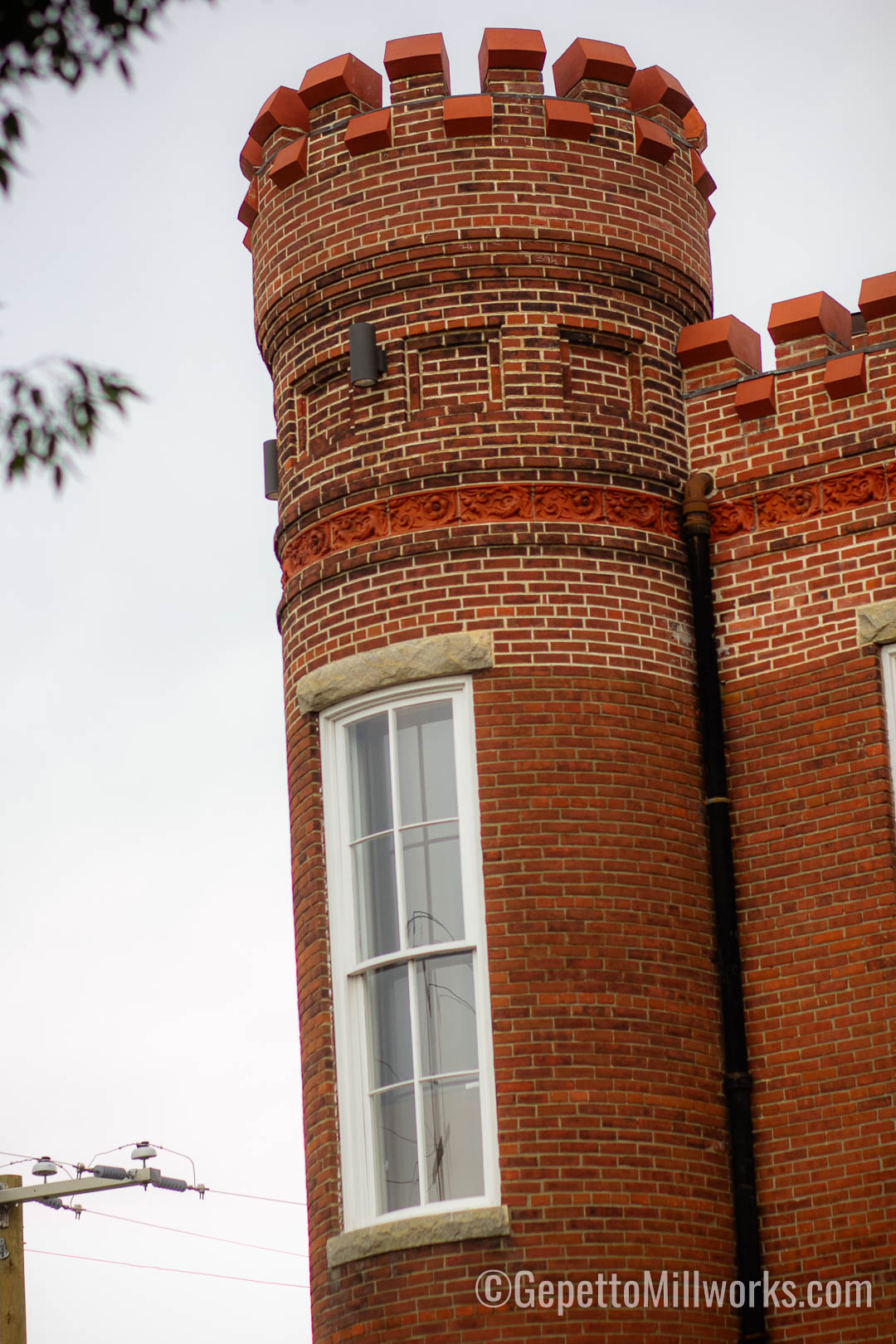
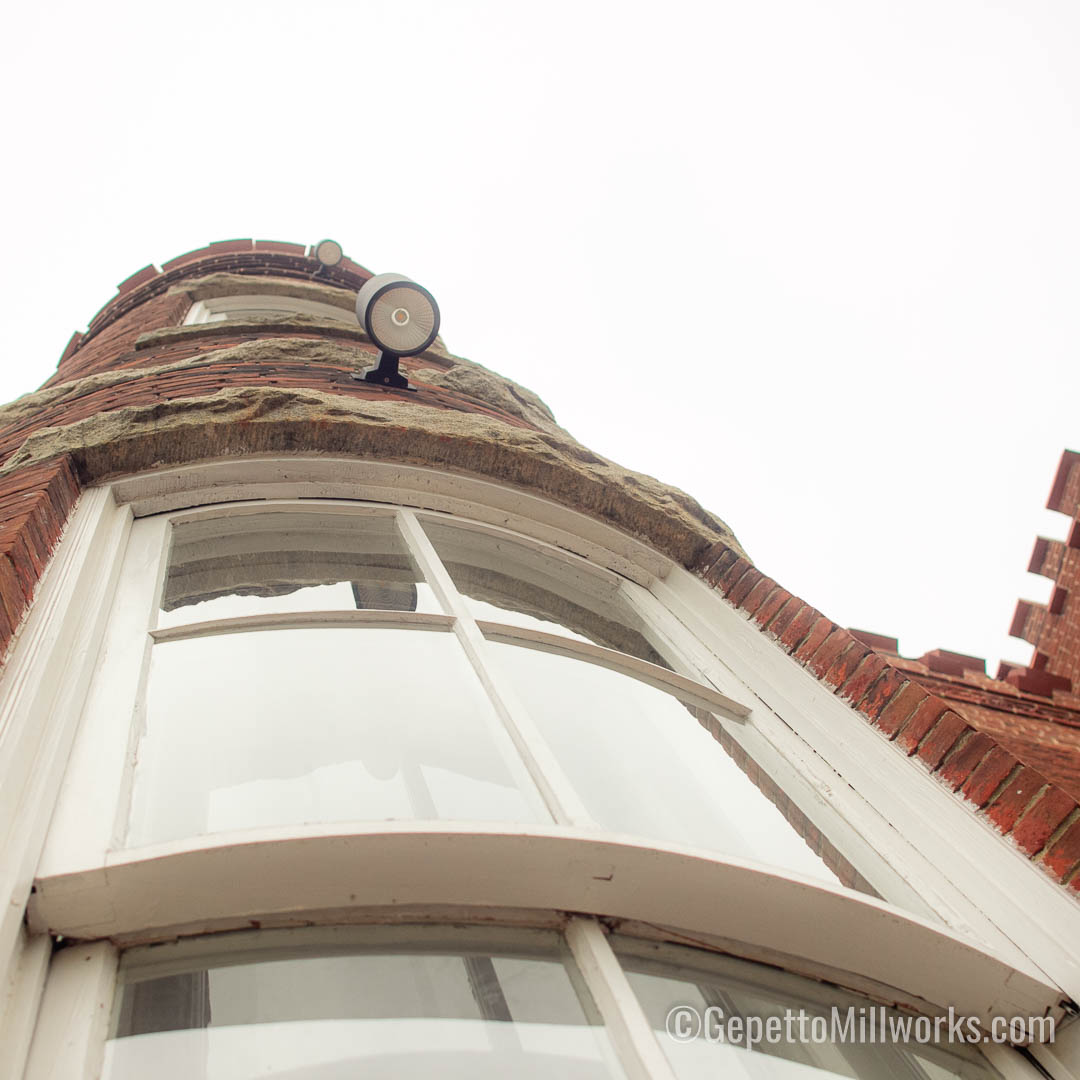
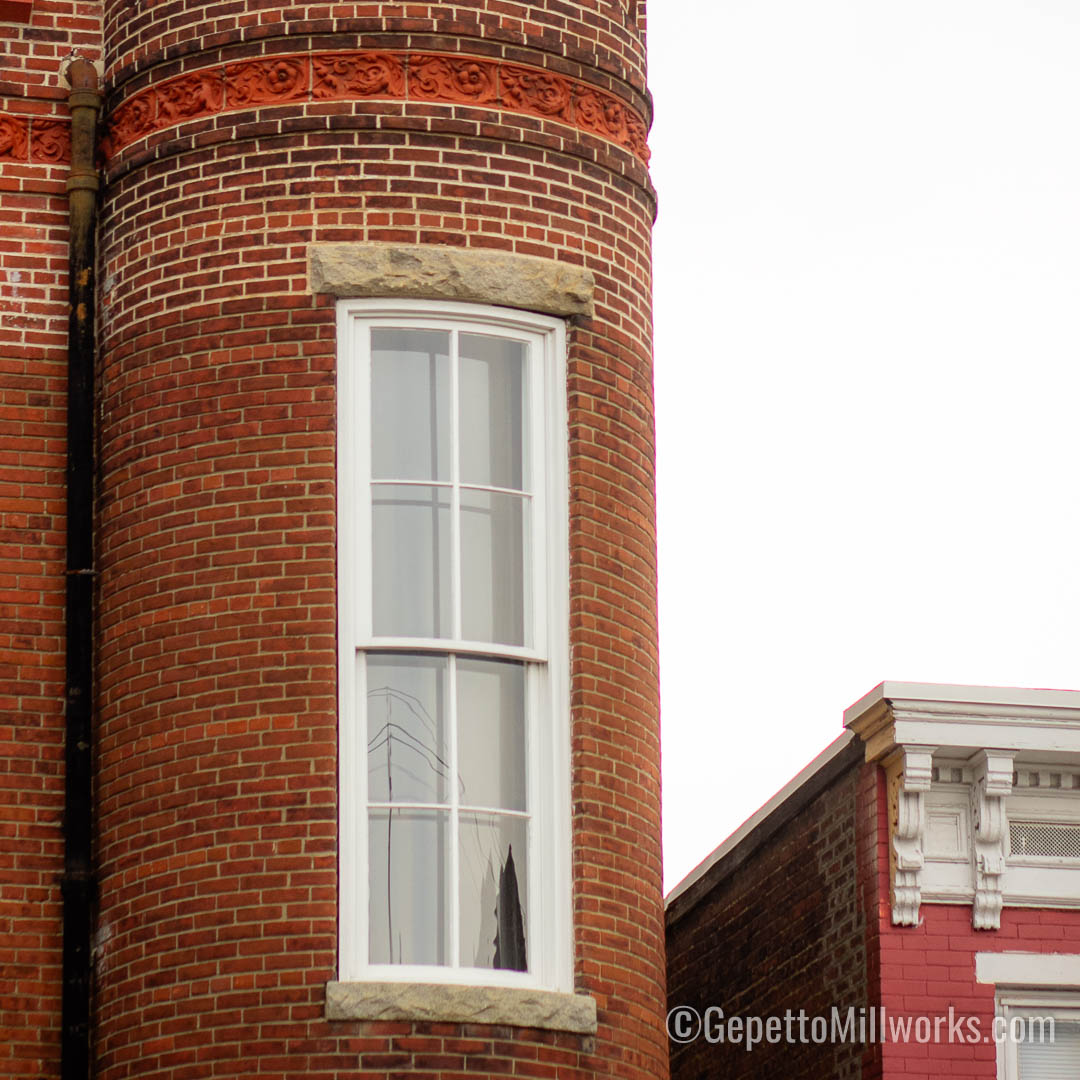
Bowed windows curve outward from a building’s facade, often found in Victorian homes, especially those with turrets and bay extensions. In Virginia, these outwardly bowed windows became especially fashionable during the mid to late 1800s as urban and rural homeowners sought to display their wealth and architectural savvy through the new homes they were building with the most intricate or ornate results.  Bowed windows require a mastery of compound curves and precision framing. Gepetto Millworks brings over three decades of experience crafting bowed windows that seamlessly fit into historic turret structures in wood or stone. Our team works closely with architects and homeowners to ensure the curvature and mullion spacing complements the building’s scale and period for an exact match.

Each bowed window is assembled by hand using traditional joinery methods and features high-performance glazing for durability and energy efficiency. Our craftsmen have recreated bowed windows for homes in Alexandria, Norfolk, and Staunton—preserving the distinctive Victorian charm of their turrets and facades.

Federal Period Elipsis Overlights: A Distinctive Accent of Historic Virginia

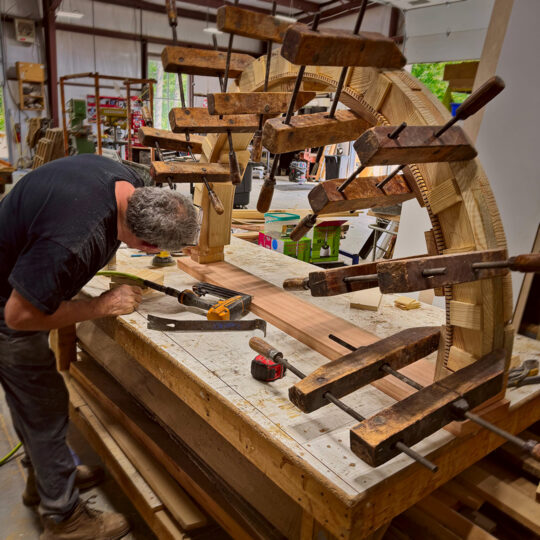
Elliptical overlights—also known as fanlights—were a hallmark of the Federal period, providing natural light and architectural refinement above entry doors. In Virginia, these elipsis-shaped windows were often adorned with intricate muntin patterns and flanked by sidelights.  Gepetto Millworks specializes in accurately recreating these elliptical overlights using historical blueprints, archival photos, or surviving fragments. Our reproductions have graced the doorways of plantation homes in Williamsburg, townhouses in Fredericksburg, and government buildings in Richmond. Using custom bending forms and precision-cut jigs, our artisans handcraft each elliptical frame, fitting it with period-correct glazing and mullion patterns. We also offer restoration services for damaged or incomplete overlights, ensuring these iconic features endure for future generations.

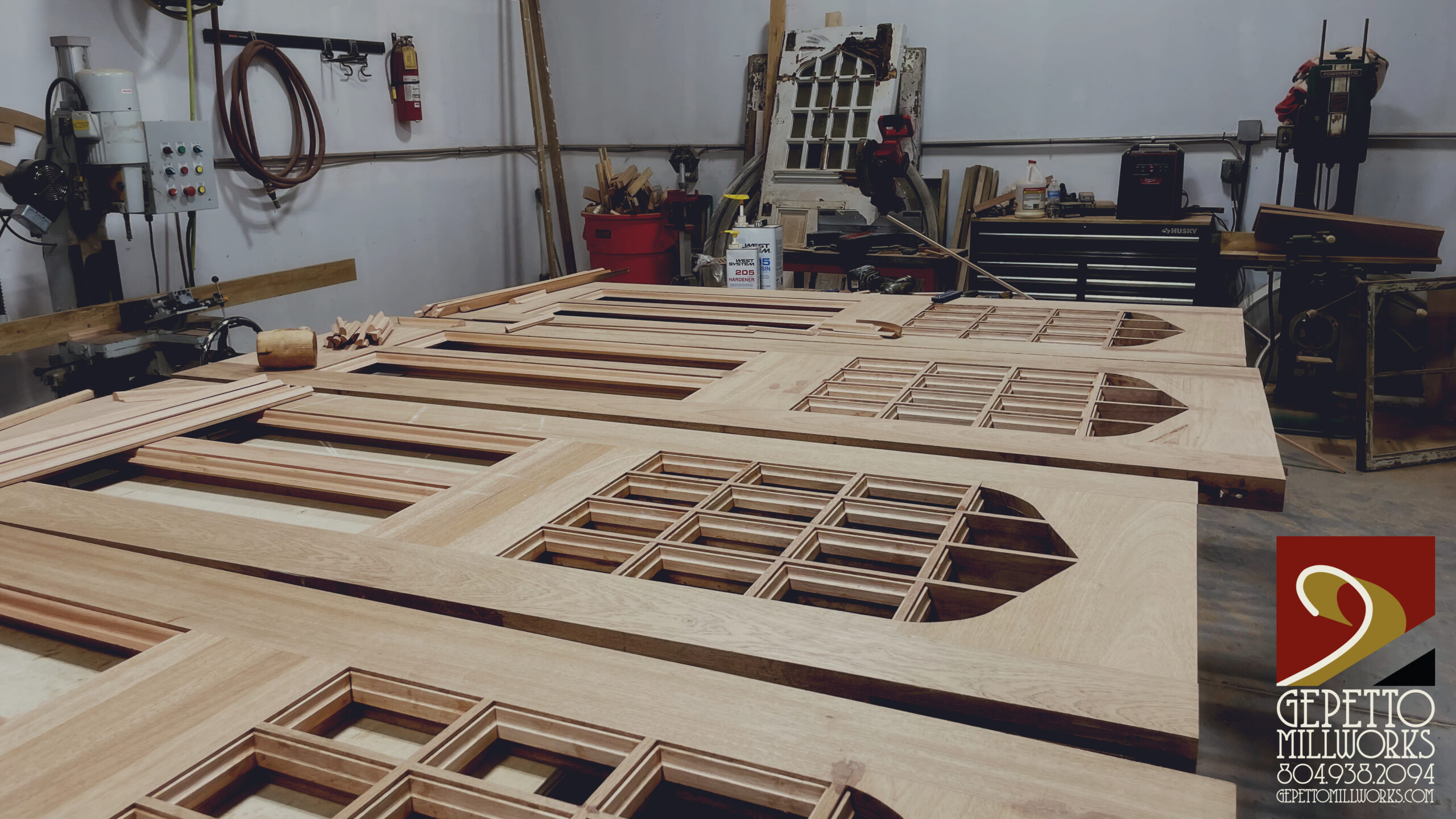
round wooden windows being made in the virginia shop 

What sets Gepetto Millworks apart in Virginia’s landscape of historic window craftsmen is our relentless attention to detail and commitment to authenticity. Every round, arc, Gothic arch, and bowed window is a testament to our passion for historical accuracy and our dedication to artisanal woodworking.  We collaborate with historical societies, preservation commissions, and homeowners who want their architectural features to reflect the period styles of Virginia’s diverse architectural heritage. From the coastal Georgian mansions of the Tidewater region to the highland estates of the Shenandoah Valley, Gepetto Millworks is proud to be the trusted name for period-specific window design and fabrication.

Our craftsmen utilize time-honored techniques:

  • Mortise-and-tenon joinery
  • Hand-carved moldings
  • Custom-milled sash profiles
  • Historically accurate glass lites and muntins
  • Fine finishing using natural oils and historically accurate paint
  • Each window is more than a product; it is a legacy piece that honors the architectural lineage of Virginia.

Monticello Region: In Charlottesville, a late-Federal style estate required a full set of elliptical overlights and arc windows. Gepetto Millworks used historic blueprints and archival photos to reconstruct each window, earning praise from the local historical society.

Downtown Richmond: A restored Gothic Revival church needed over a dozen custom Gothic arch windows, including tracery patterns unique to the building. Our craftsmen worked on-site to ensure a seamless fit and aesthetic harmony.

Norfolk Victorian Mansion: This turreted Victorian home received a full bowed window rebuild, fabricated in our workshop and installed with precision to preserve its dramatic street-facing curve.

Fredericksburg Federal Home: Damaged elliptical overlights were restored to their former glory, complete with fan muntins and clear restoration glass.

Architectural Continuity and Innovation

While our windows reflect historic aesthetics, they also meet modern performance standards. All Gepetto Millworks products are available with insulated glazing units, low-E glass, and weather-sealing. We believe that preserving Virginia’s architectural history should not come at the cost of energy efficiency.  Our design team works in AutoCAD and Revit for precision planning, and we offer full shop drawings for complete sizing, fit, and approval for client visualization. Blending of old-world craft and modern technology makes Gepetto Millworks a leader in both restoration and new construction projects. From conceptual design through installation, Gepetto Millworks offers a collaborative and professional approach. Our window specialists consult on site-specific challenges, whether it’s ensuring a bowed window maintains the correct radius or replicating a Gothic arch to meet preservation board standards.

We welcome:

Craftsmanship Rooted in Virginia History

Round, arc, Gothic arch, and bowed windows have each played a defining role in Virginia’s architectural evolution. At Gepetto Millworks, we honor that legacy with handcrafted windows built to exacting standards. Whether you’re restoring a Federal period home with elliptical overlights, adding a bowed window to a turreted Victorian, or installing a fully round window as a dramatic focal point, our team are Virginia natives that live in and pass by the history that has made us each day.  Call Matt direct at 804.938.2097 to schedule your project into the pipeline. Reach out today to bring historical accuracy and artisanal detail to your project.

bowed victorian turret historic window supplier VA
custom made to fit bowed turret windows VA
exterior bowed window builder virginia
bowed turret window maker virginia
bowed turret window builder and restoration services
bowed turret window builder virginia
bowed turret window maker virginia
Romanesque Architectural Door and Window Builder
VCU SCOTT HOUSE Window Restoration

VCU SCOTT HOUSE Window Restoration

SCOTT House on VCU Campus


Beaux Arts style Window Restoration


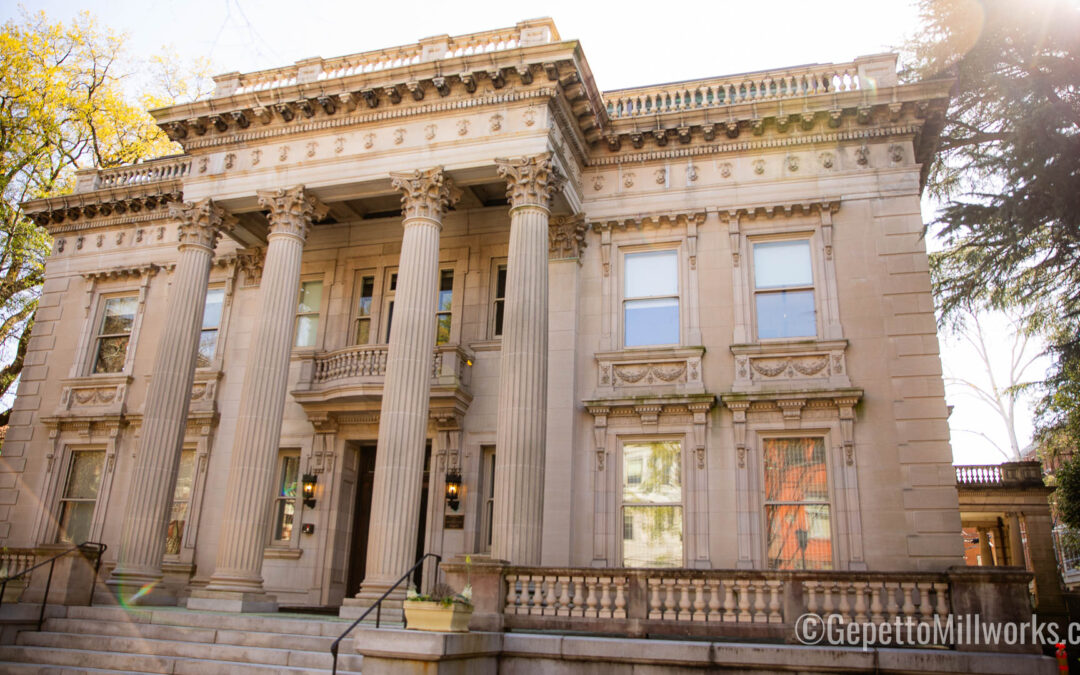
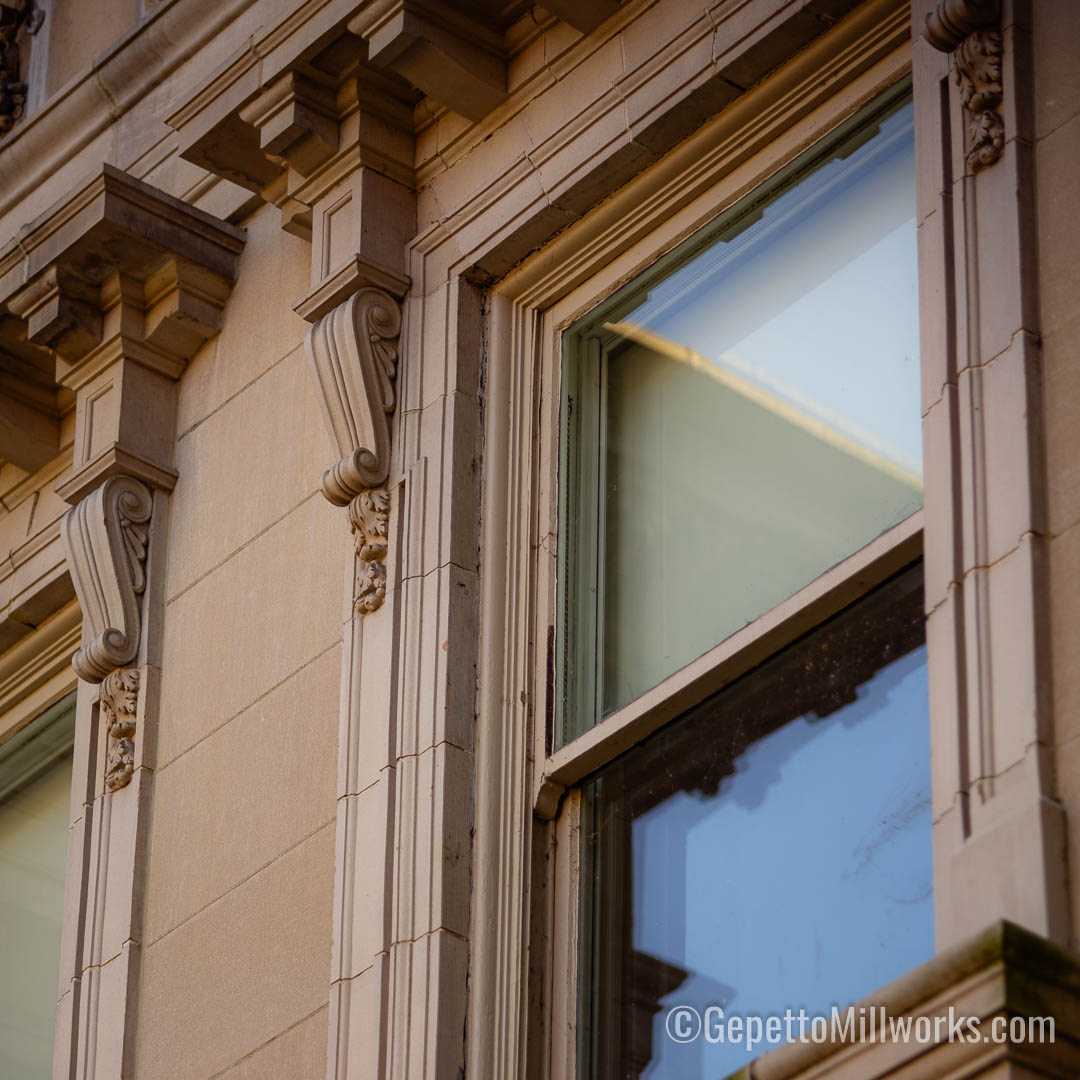
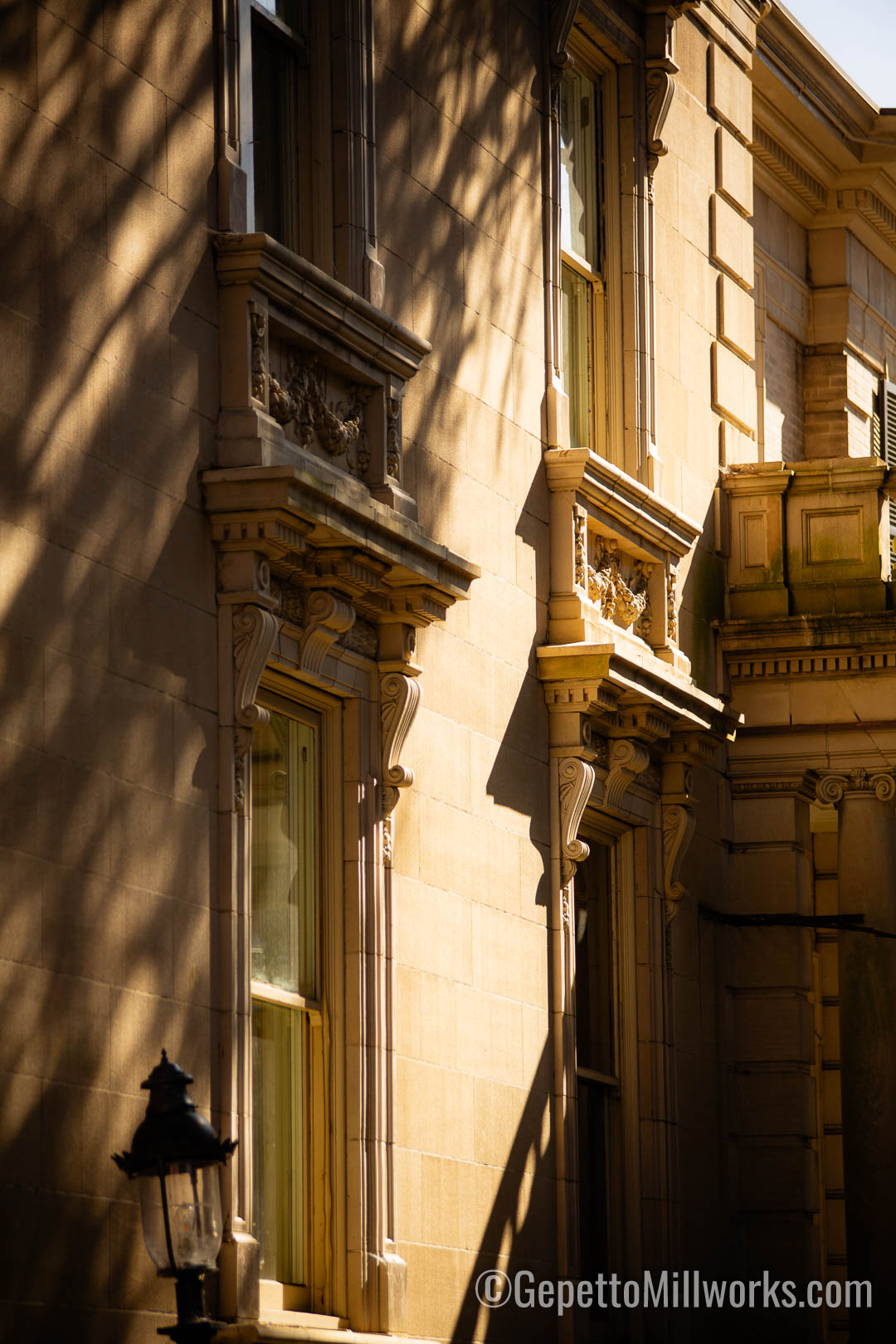
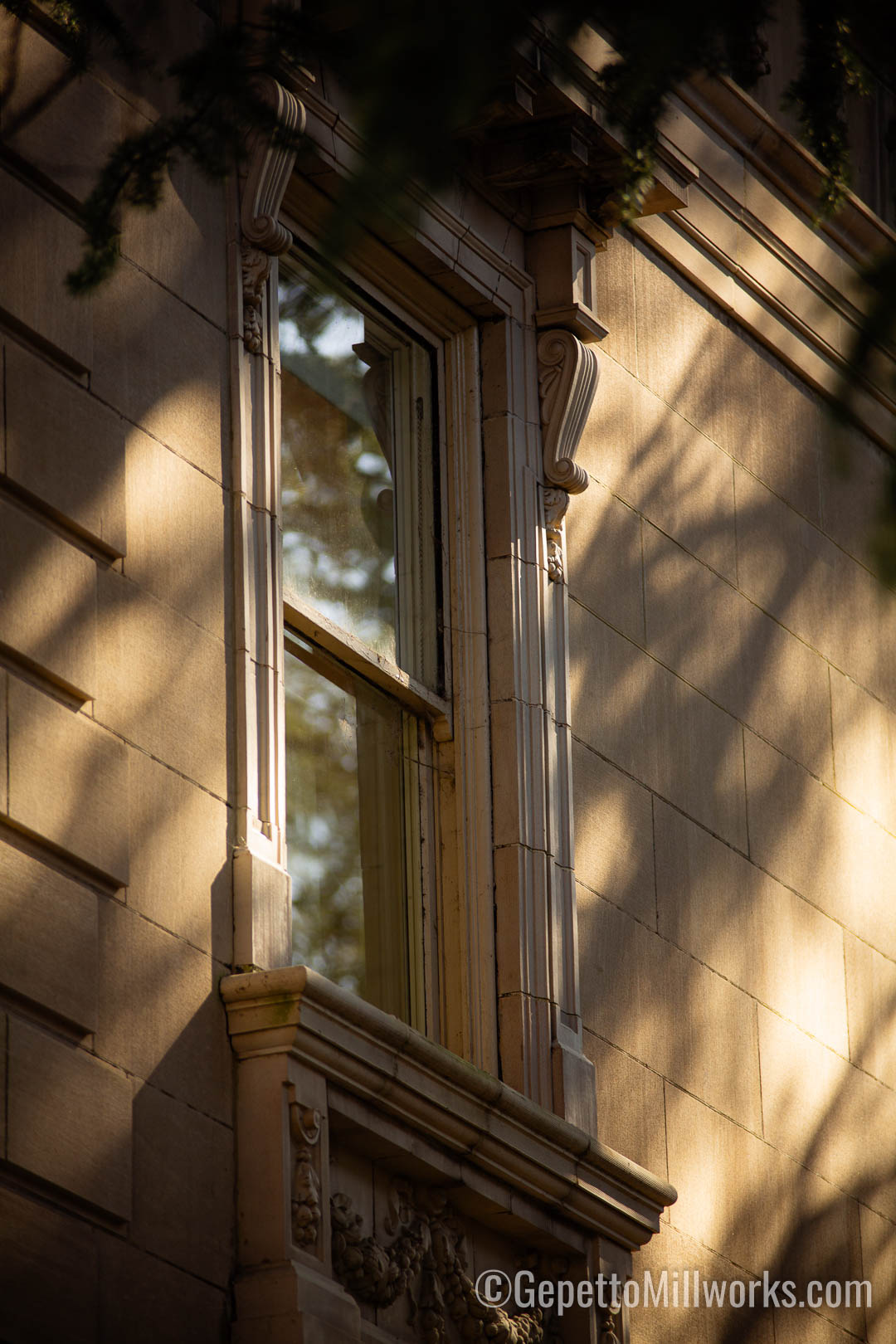
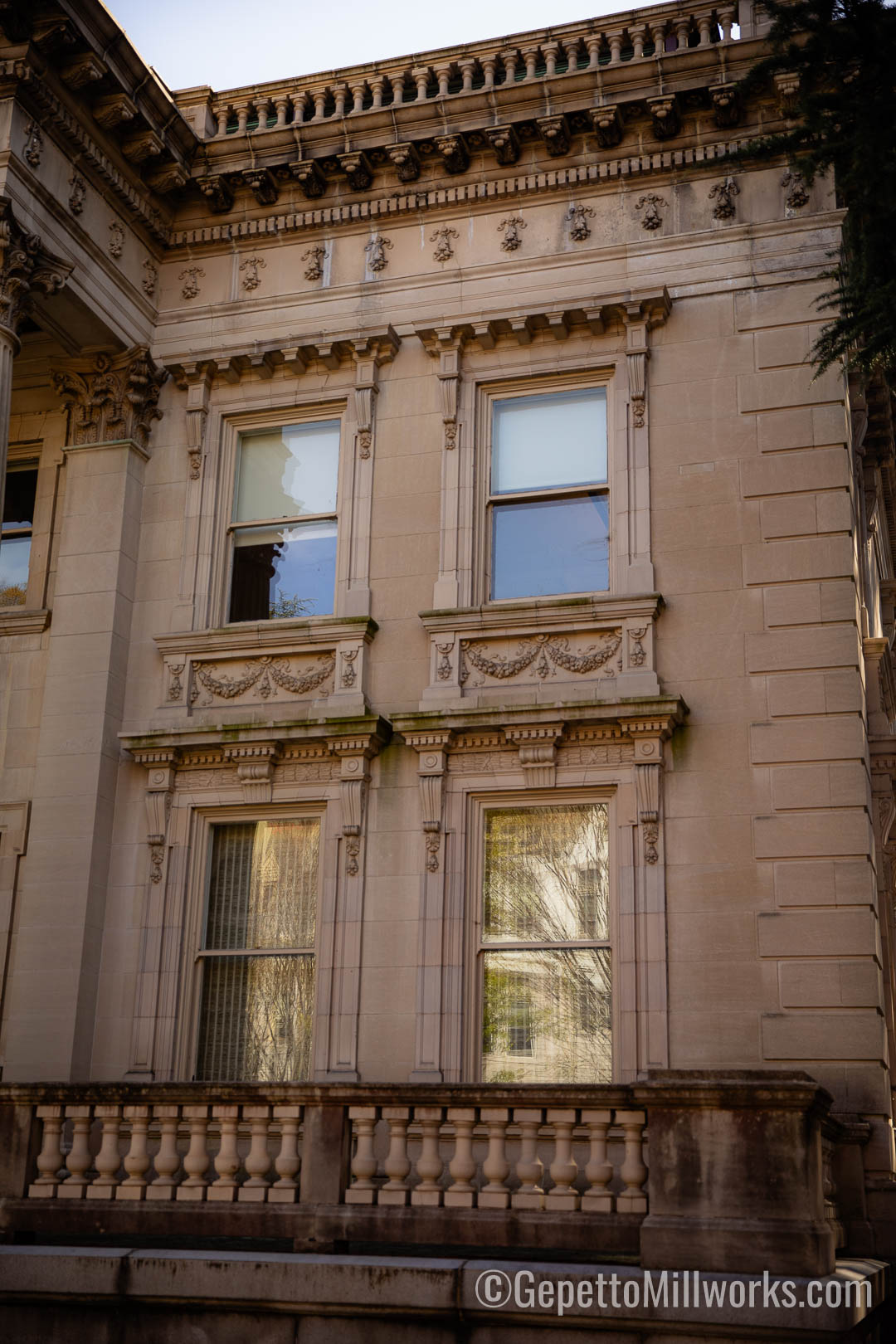
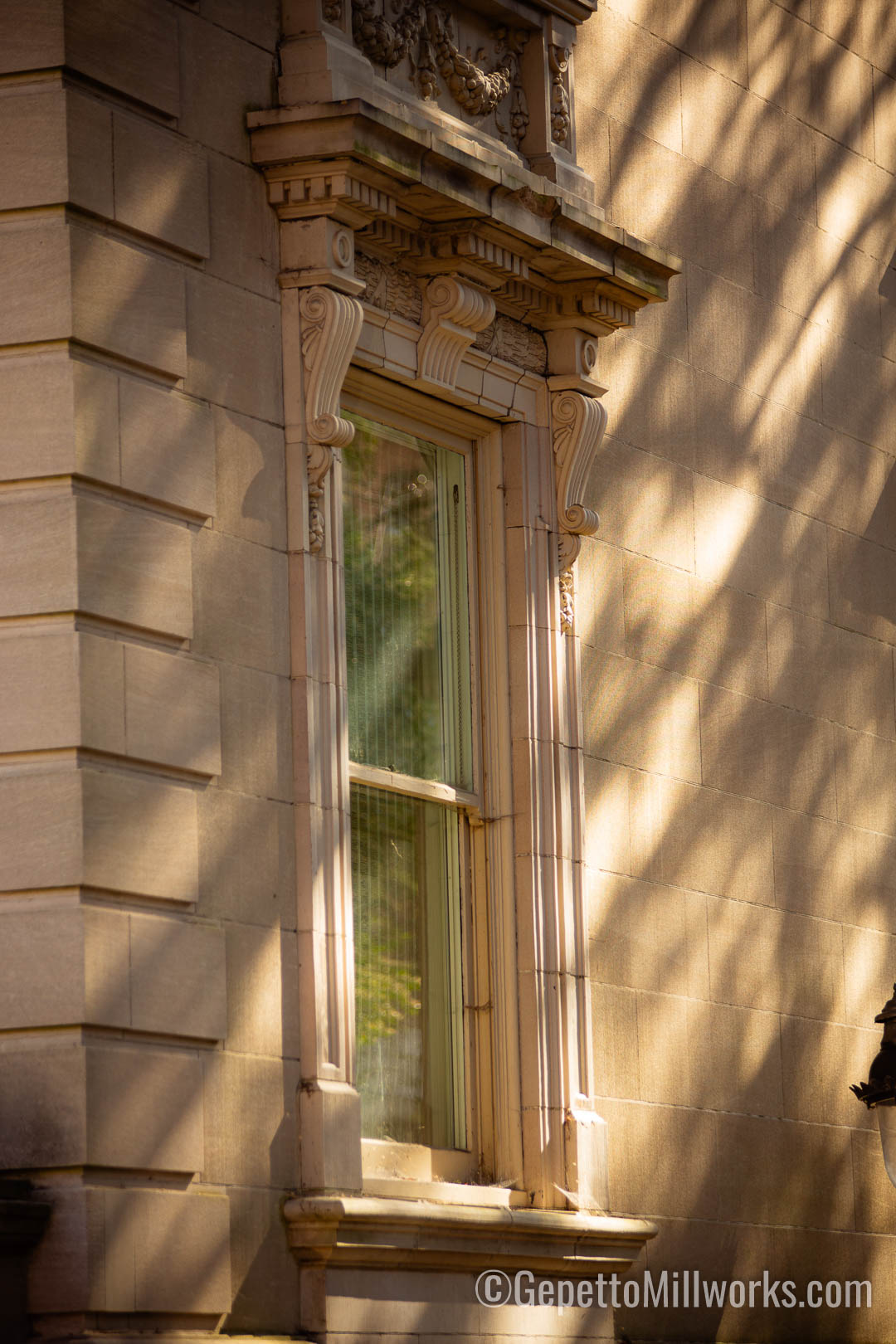
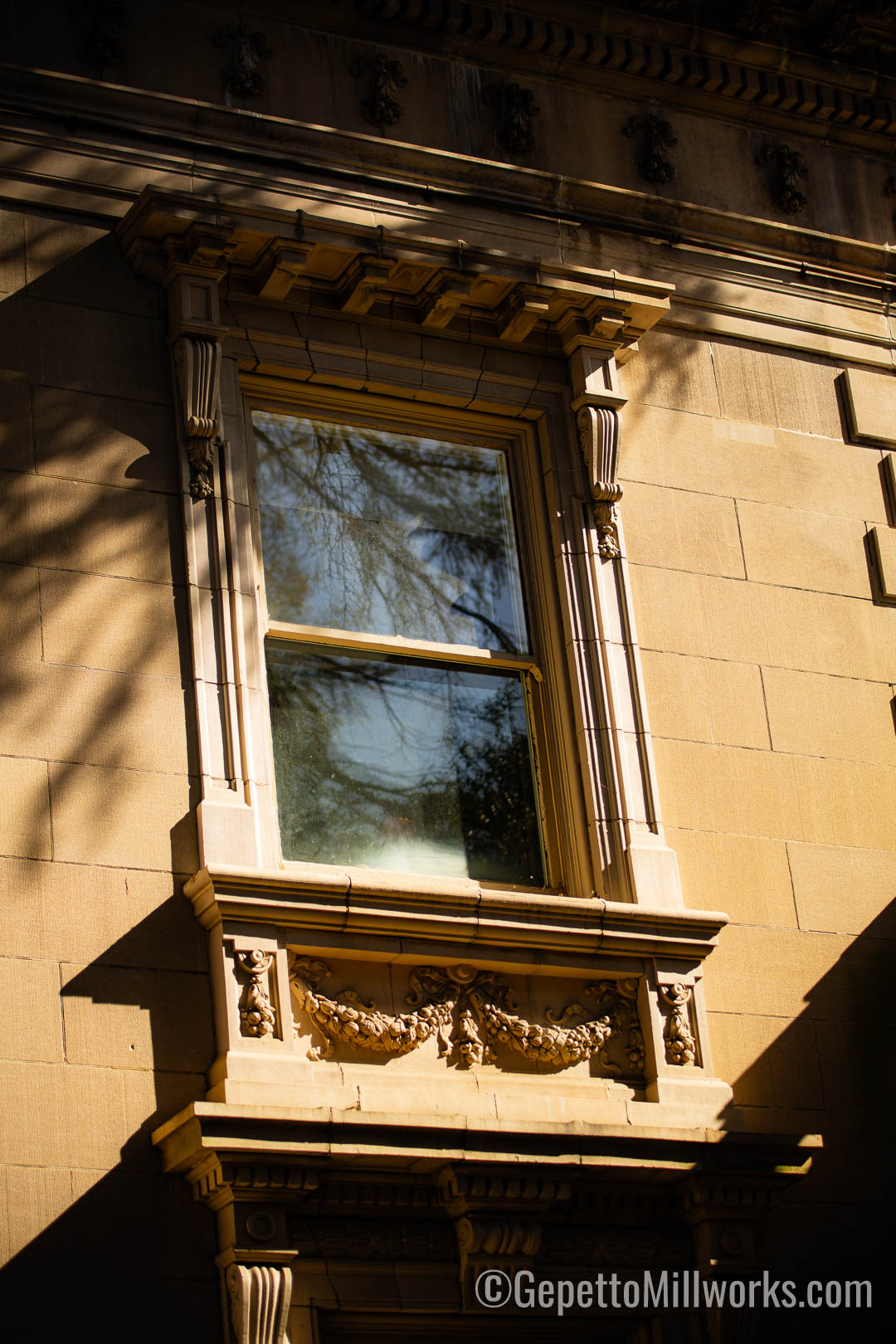
THE SCOTT HOUSE is one of Richmond’s most significant examples of American Renaissance architecture and is listed on the National Register of Historic Places. It was completed in 1911 and acquired by Virginia Commonwealth University (VCU) in 2001. The 18,000 sf mansion was built for Frederic William Scott and his wife Elizabeth Strother Scott. It was modeled after the Marble House in Newport, Rhode Island, which referenced the Petit Trianon at Versailles. Interior plasterwork is attributed to prominent sculptor and plaster contractor, Ferruccio Legnaioli.

VCU commissioned Glavé & Holmes Architecture (G&H) to provide a feasibility study to assess existing conditions, programming, and conceptual design. Subsequently, G&H was selected to provide a historically-sensitive rehabilitation to allow the building to serve as meeting and event space for visiting and University groups.

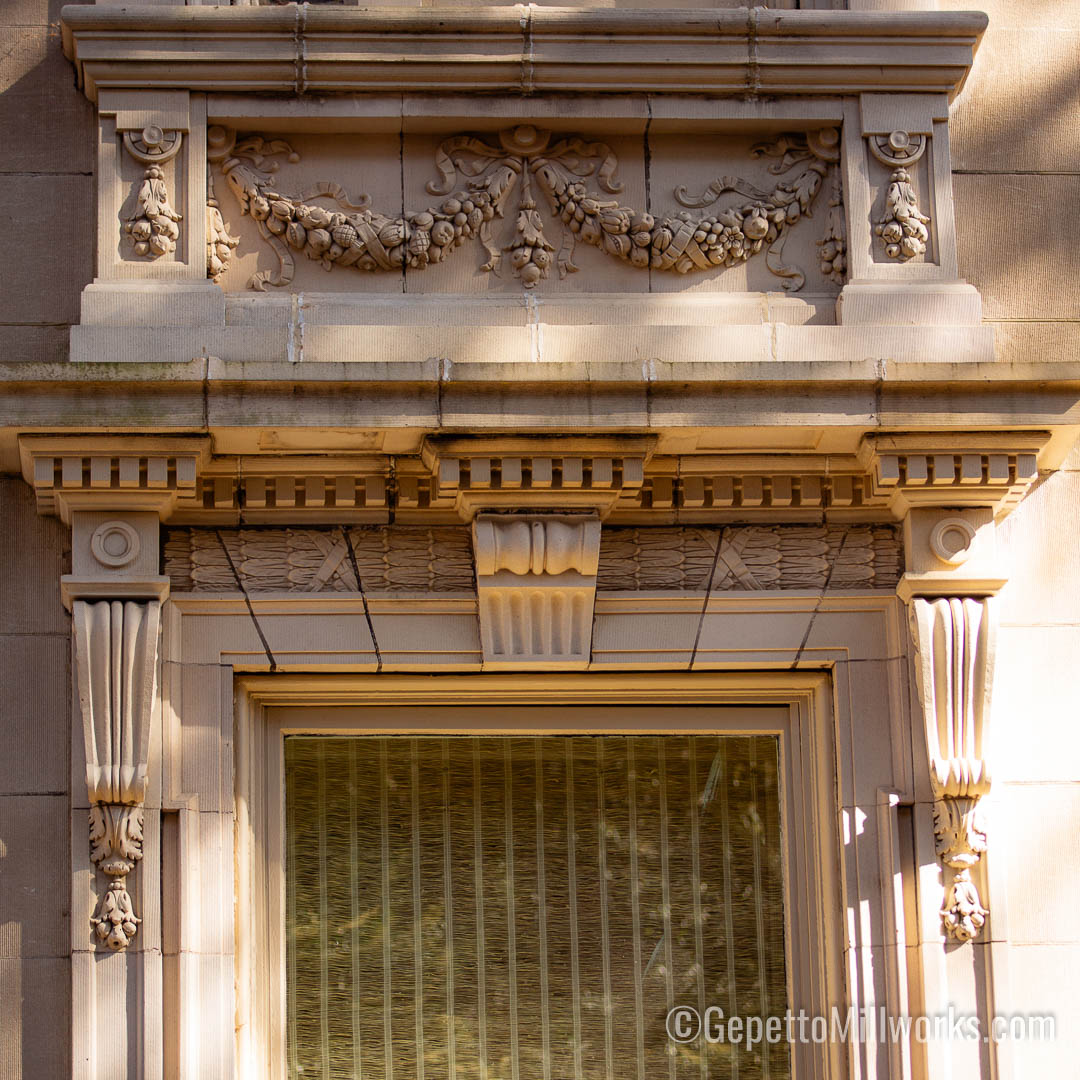
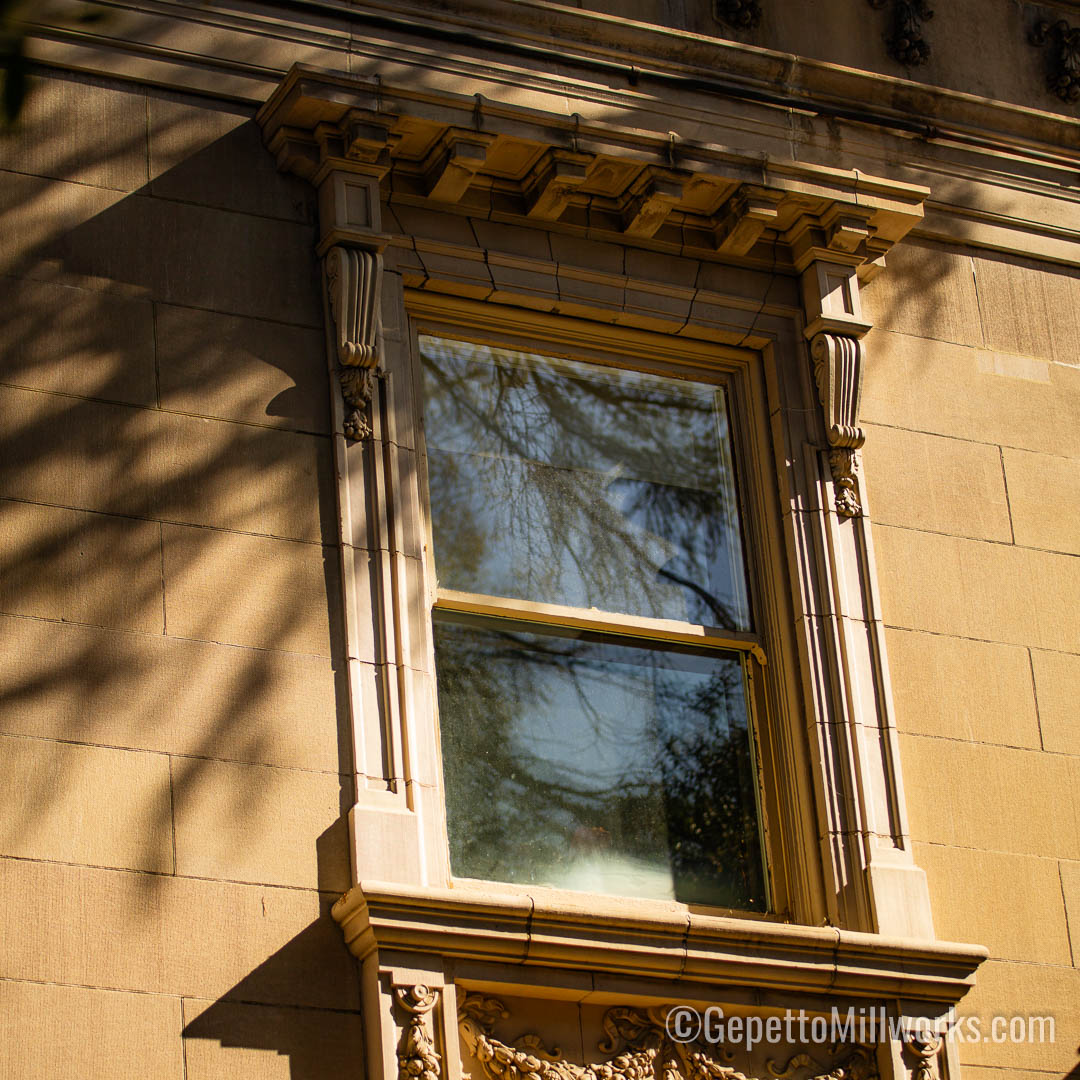
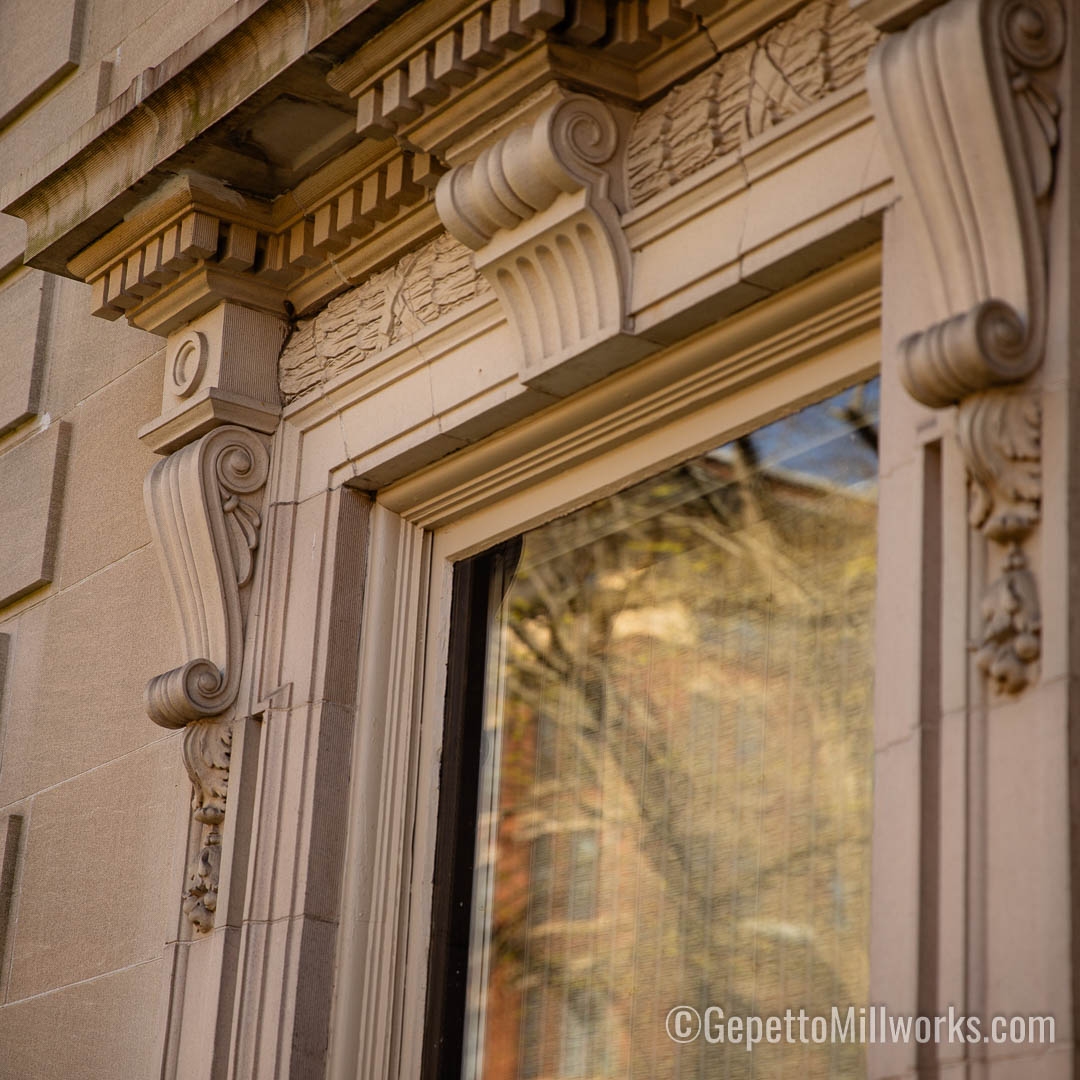
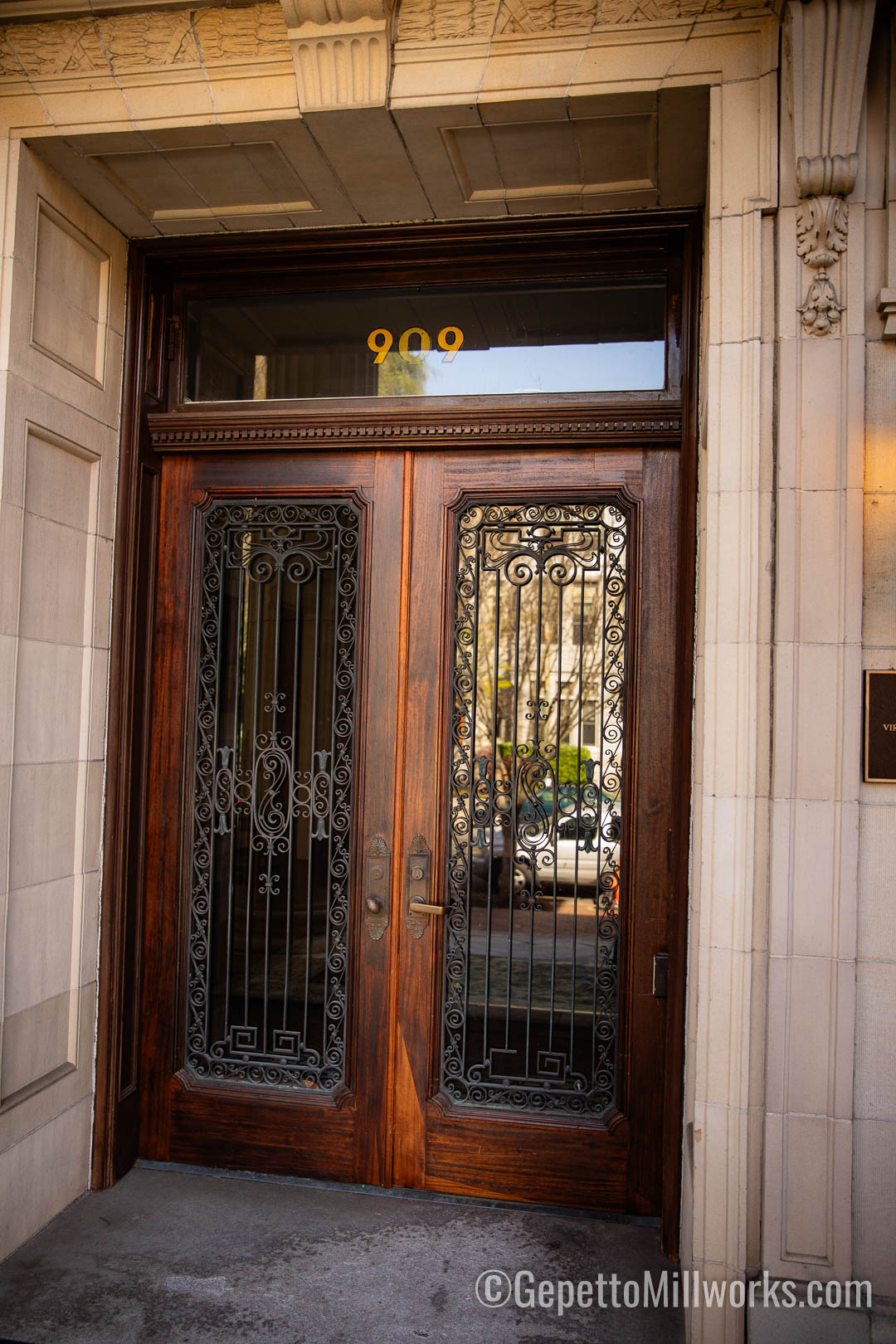
Goals for rehabilitation the Scott House included restoration of the exterior masonry and windows supplied by Gepetto Millworks Mechanical, electrical and plumbing systems were upgraded to modern standards. New restrooms, and conversions to office space and meeting rooms became part of the plans to serve the University Campus. While the rehabilitation will serve a variety of modern programmatic functions, the building’s historic fabric was restored in accordance with the Secretary of the Interior’s Standards for Rehabilitation and the University’s preservation philosophy for historic buildings.

Beaux Arts window and door restoration
Scotts House VCU Historic Restoration

Historic preservation seeks to find effective and artful ways of maintaining and reusing significant buildings, landscapes, and communities. Central to the discipline is the attempt to preserve cultural identity in the face of the threats of urban sprawl and loss of social diversity.


Maintain, protect, and repair authentic character defining features, materials, and finishes. If features are deteriorated beyond repair, replace them in-kind. Retain authentic historic building fabric to the maximum extent possible.

Historic building restoration respects the evolution of historic changes, fashion, taste, and use – do not try to “improve” the design of authentic building features.

Avoid installation of conjectural “historic” features.

Do not use maintenance methods or materials that damage significant building and landscape fabric.

Authentic Window Restoration Richmond


Scotts House VCU Historic Restoration
Richmond VA Authentic Historic Window Restoration
Scotts House VCU Historic Restoration
Richmond VA Authentic Historic Window Restoration
Scotts House VCU Historic Restoration

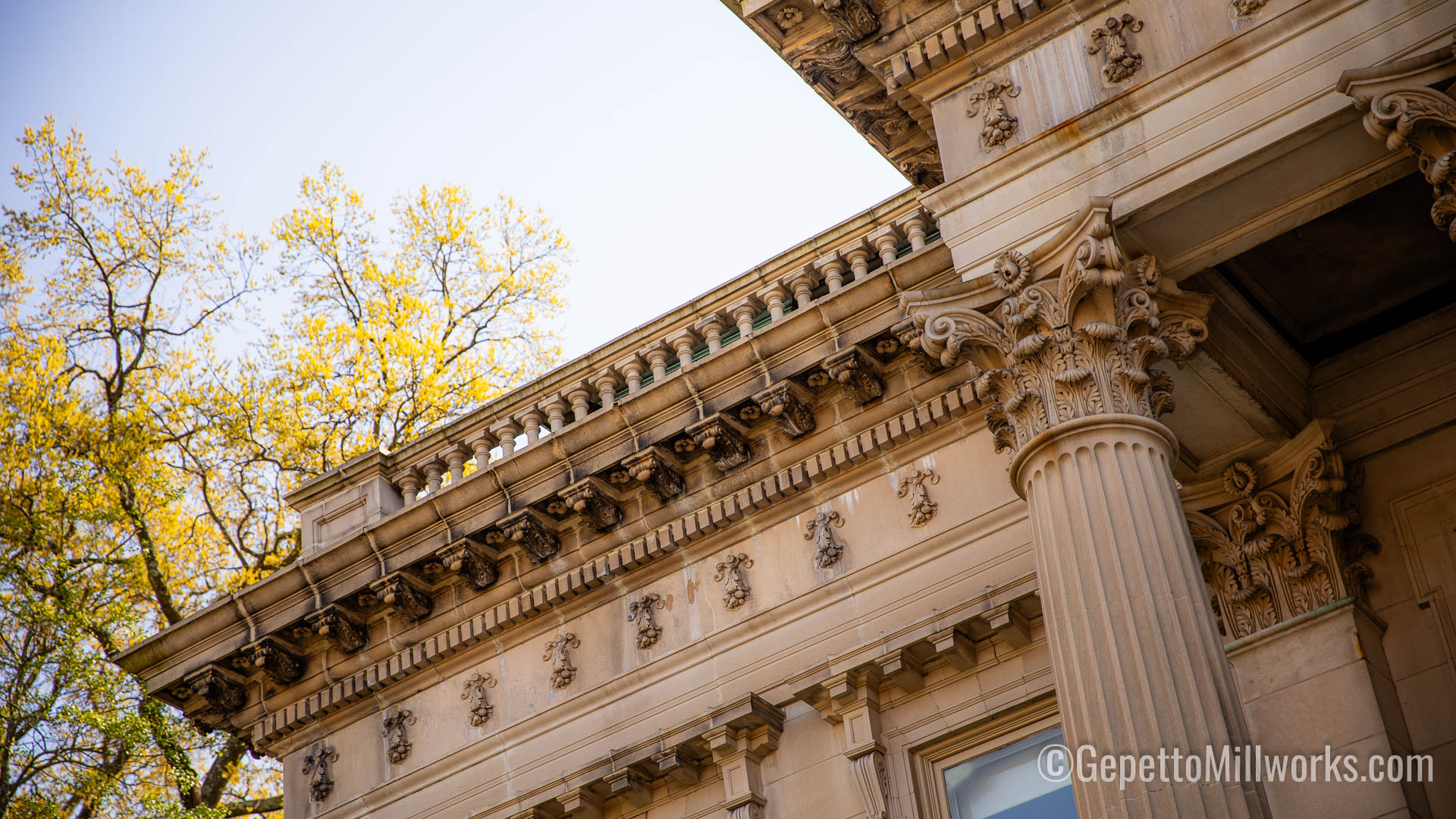
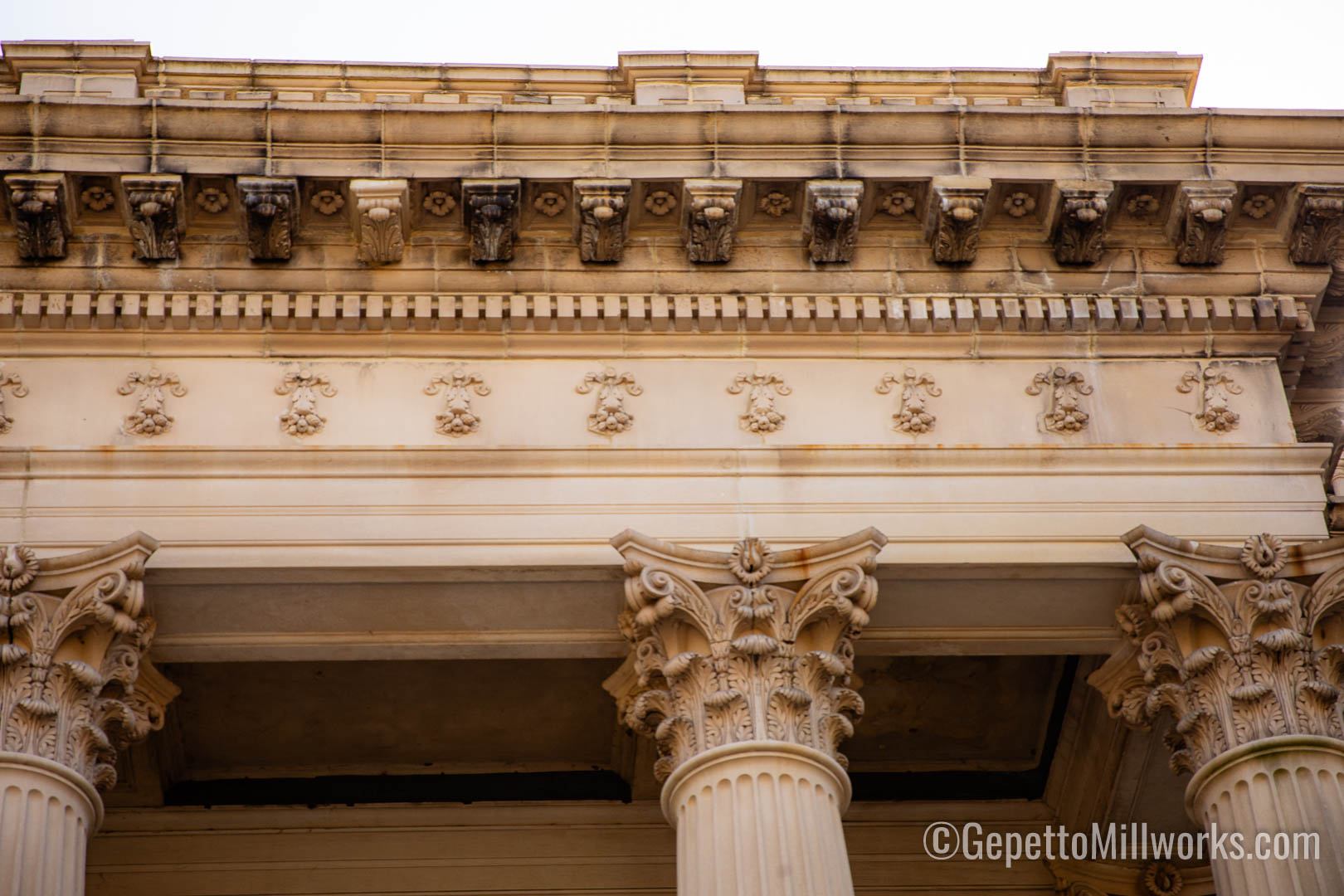
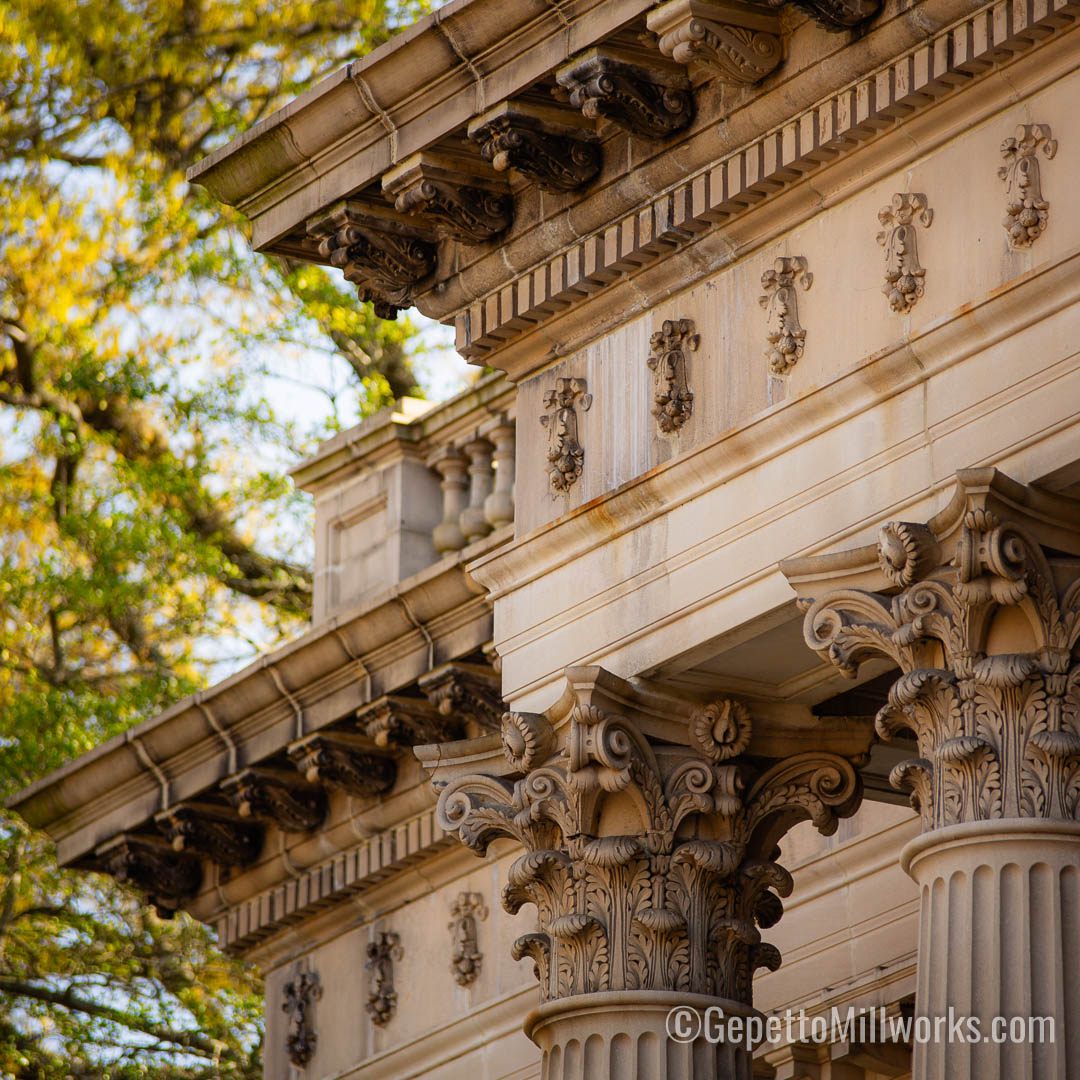
Scott House was built in 1907, and is a three-story, 40,950 square foot, Beaux Arts style mansion. The house is seven bays wide and is faced with a pale Indiana limestone. It features a central portico of four, giant Corinthian order columns and two Corinthian pilasters that dominate the highly formal, symmetrical entrance façade. Elizabeth and Frederic Scott bought the property from Lewis Ginter in 1903, Elisabeth Scott Bocock, moved into the house in the mid 20th century. While there, she founded the Historic Richmond Foundation, the 2300 Club, and the Hand Workshop (now known as the Visual Arts Center of Richmond). In the 1960s, the house was subdivided and used as dorms for VCU students, which continued into the 90s. A renovation in 2004 led to the Scott House opening its doors to the public, and the designation of the building as a Virginia Historic Landmark.

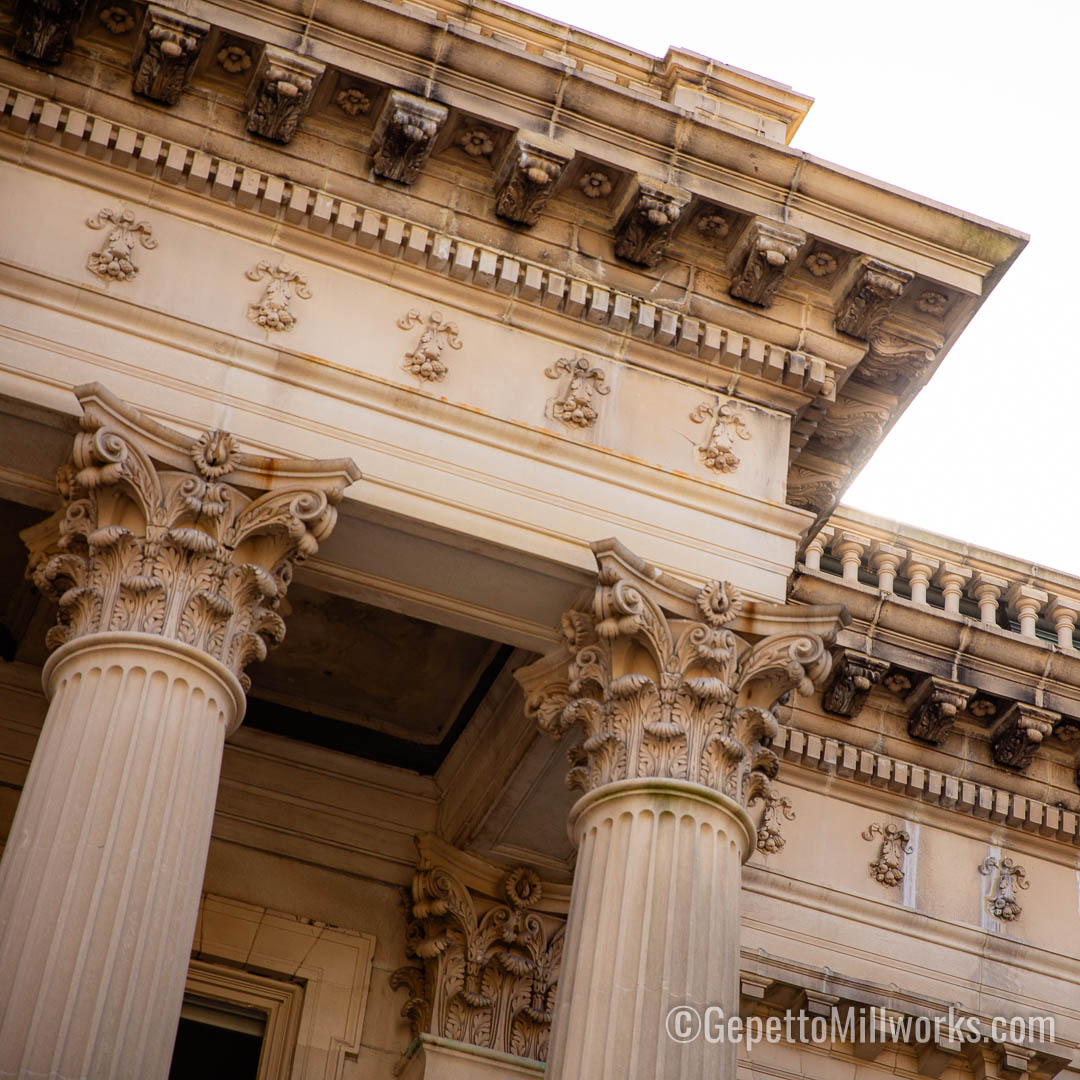
The historic Marble House in Newport, Rhode Island was chosen as inspiration for the Richmond structure, which was itself modeled after the Petit Trianon in Versailles. It stands proudly removed from West Franklin, an exception to the block’s density. The stately house, a handsome combination of limestone and terra cotta, is grounded by green-tiled wrapping terraces and a porte-cochére, shaded by trees in the house’s garden. Oxidized copper and careful cast iron work beautifully balance the gravity of the building’s exterior. Oversized fluted columns with Corinthian capitals give the mansion a sense of monumentality. The interior is a classic example of the American Renaissance style, originating in the 18th century. The occupant moves through the symmetrically divided rooms with no hallways on the first floor, structured around a main entrance stair which lies under a magnificent stained glass dome. Servants’ quarters are to the rear of the building, and a large English style carriage house is hidden behind the mansion. The Anderson Gallery, constructed in 1888 from the former Ginter House stables, also stands behind the Scott-Bocock House. The splendor of the structure is a reminder of Richmond’s insurance and banking glory days in the early 20th century, when it was an indulgent capital of the South.
Scotts House VCU Historic Restoration
Authentic Historic Window Restoration Virginia
Scotts House VCU Historic Restoration
Authentic Historic Window Restoration Virginia

Accoya Acetylated Wood Doors Made in VIRGINIA

Accoya Acetylated Wood Doors Made in VIRGINIA


Unlock the Value of Accoya Acetylated Wood Doors by Gepetto Millworks:

Elevating Architectural Millwork Across Virginia

Doors are more than just functional elements within architectural design; they serve as gateways that seamlessly blend practicality with aesthetics and as the portal are the first thing the eye catches in an architectural facade. Clients in Virginia seeking unparalleled durability and design, the Accoya Acetylated Wood should be specified in manufacturer and estimating process. This comprehensive guide delves into the myriad benefits of Accoya wood doors crafted by Gepetto Millworks, emphasizing how their superior quality is built from the foundation, checks the box of sustainability, and optimum for outdoor applications in the climate and all major cities of Virginia.

Understanding Accoya Acetylated Wood

Accoya Acetylated Wood, manufactured in Virginia, undergoes a transformative process that elevates its natural properties above the natural properties of many hard and soft woods. The innovative technique enhances the wood’s stability, durability, and resistance to decay. Structurally minimizing issues like swelling or shrinkage, even in the harshest environmental conditions like full sun exposure in Virginia summers.

Crafted Excellence FROM the Blue Ridge

Nestled in the heart the blue ridge of Virginia, Matt Wiley and his team represent the epitome of old world craftsmanship matched with modern innovation in wood manufacturing. Delivering to projects in North Carolina, South Carolina, Delaware, and the District of Columbia from a quiet shop in the hills. Matthew Wiley will help you cost manage and understand the value of your costs in any custom build with Accoya Acetlyated wood. We work direct to homeowners as well as direct to General Contractors. Our customer is committed to quality, and while the price hurts – we share your vision for amortizing that cost over 100 years instead of tomorrow. We build doors for your grandchildren to admire the wear marks, not for the lowest price.

Benefits of BUILDING Accoya Wood Doors

Made by hand in Gepetto Millworks Blue Ridge shop wood doors specified to be made from Accoya offer a myriad of advantages for discerning homeowners, architects, and contractors. These doors boast exceptional durability, surpassing counterparts by resisting moisture, fungi, and insects with ease. Their superior stability ensures smooth operation and minimal maintenance for years to come. Longevity and reliability are only built upon the foundation that you lay, and if you want us to build a door to exacting standards – we have to start with an exact foundation. Accoya wood is certified sustainable sourced and uses a non-toxic manufacturing process developed in the European Union from their higher environmental standards. Accoya wood is a responsible choice for eco-conscious building materials. Gepetto Millworks’ diverse design options will produce a wide range of architectural styles and customized doors to express that unique character of your Monument Avenue home.

Supplying Accoya Wood Doors to Major Cities in Virginia

As a premier supplier of Accoya wood doors, Gepetto Millworks serves major cities across Virginia, enhancing architectural spaces with their exceptional products:

Richmond: As the capital city of Virginia, Richmond boasts a rich tapestry of historical architecture and modern innovation. Accoya wood doors by Gepetto Millworks find resonance in Richmond’s architectural landscape, offering a harmonious blend of heritage and innovation for discerning homeowners and architects.

Virginia Beach: Renowned for its coastal charm and vibrant community, Virginia Beach is a hub of coastal living. Accoya wood doors by Gepetto Millworks are ideally suited to the coastal climate, offering unparalleled durability and resilience against saltwater corrosion and humidity.

Norfolk: Home to a thriving arts scene and cultural diversity, Norfolk presents an eclectic mix of architectural styles. Accoya wood doors by Gepetto Millworks add a touch of sophistication to Norfolk’s architectural ensemble, combining timeless elegance with modern functionality.

Chesapeake: Nestled amidst lush greenery and natural beauty, Chesapeake exudes a serene ambiance. Accoya wood doors by Gepetto Millworks seamlessly integrate with Chesapeake’s natural surroundings, offering homeowners a sustainable and stylish choice for their architectural needs.

Accoya wood doors by Gepetto Millworks represent the pinnacle of mixing modern technology with old world excellence in craftsmanship. No where else can sustainability meet design. From Richmond to Harrisonburg and beyond, these doors offer unmatched durability, stability, and aesthetic appeal, making them the ideal choice for discerning clients seeking to elevate their architectural spaces. By supplying Accoya wood doors to major cities in Virginia, Gepetto Millworks continues to set the standard for quality and innovation in the woodwork industry, fostering a deeper appreciation for sustainable design and superior craftsmanship.

federal style doors made to order virginia

Craftsman Style HomE Millwork

Craftsman Style HomE Millwork

Craftsman Custom Millwork

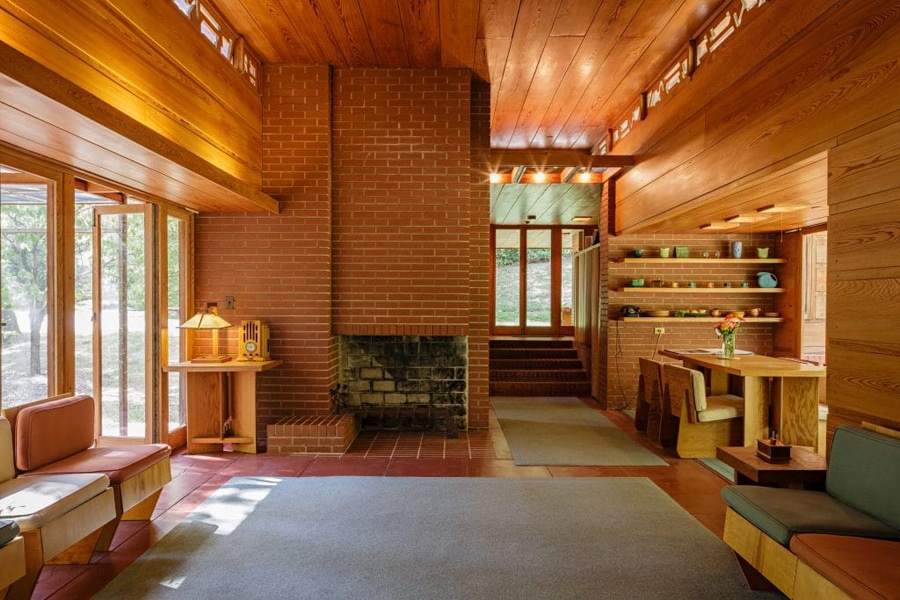
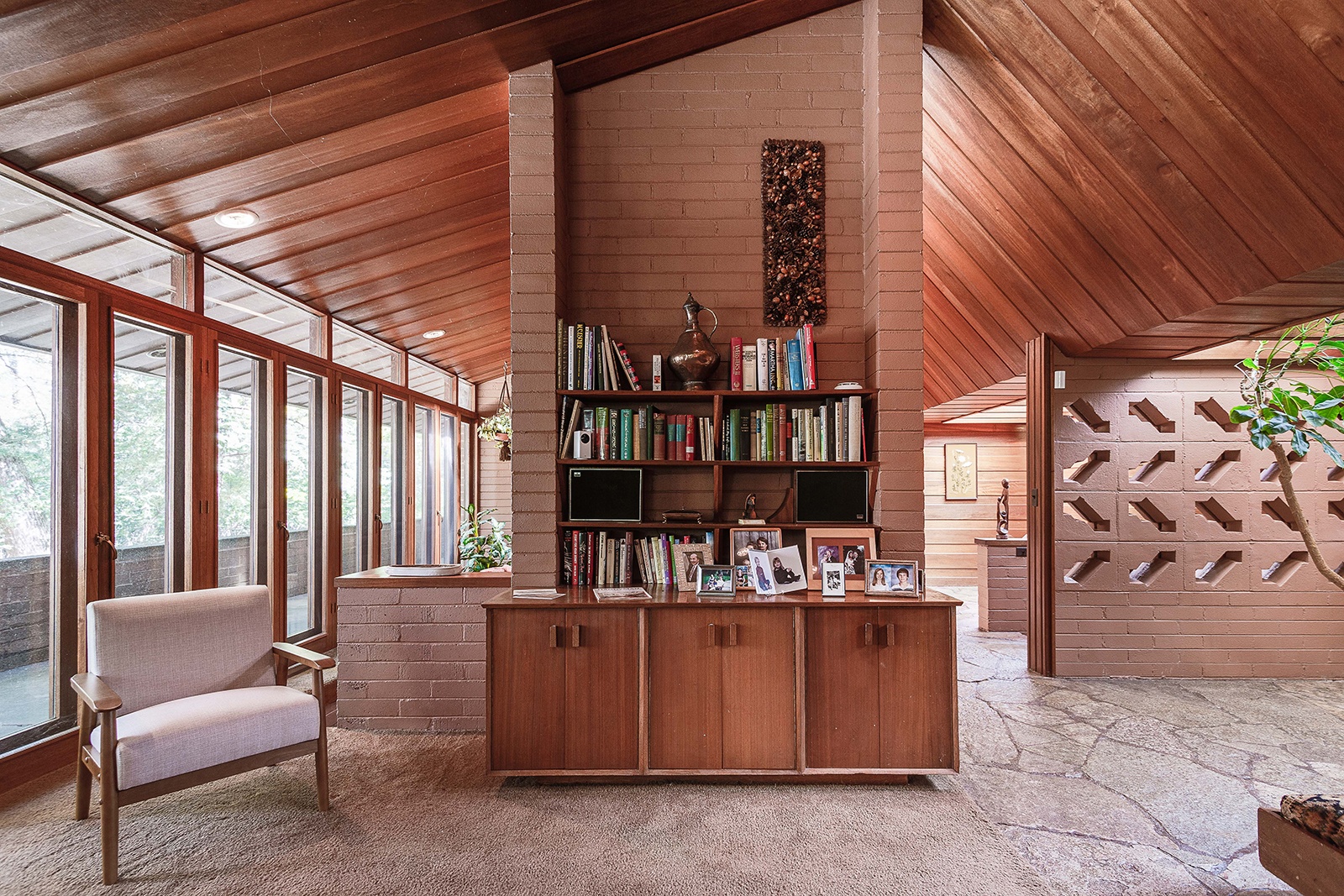
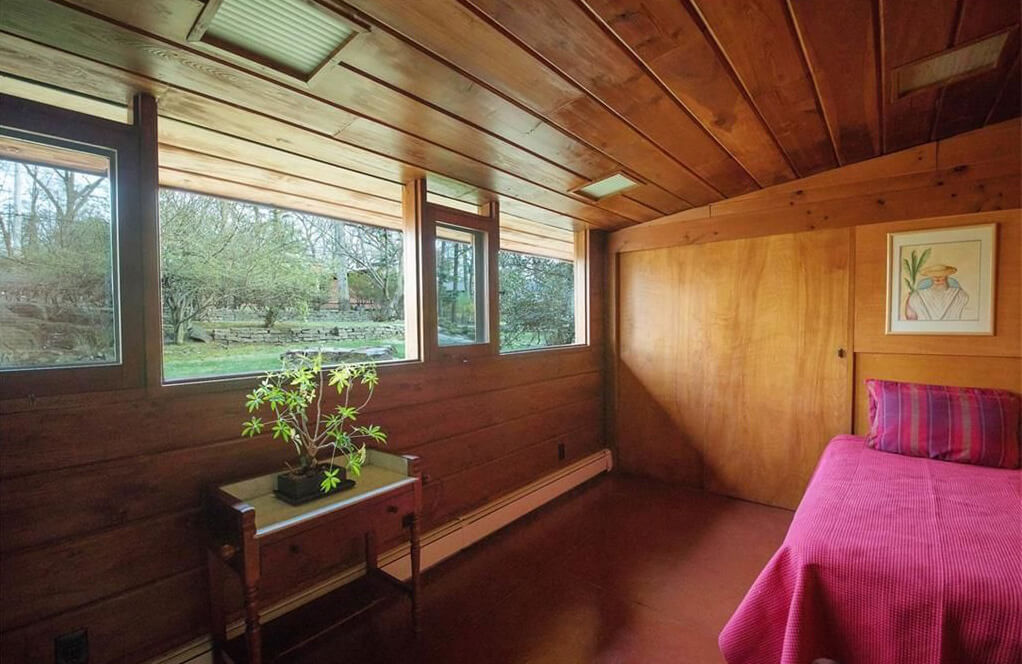
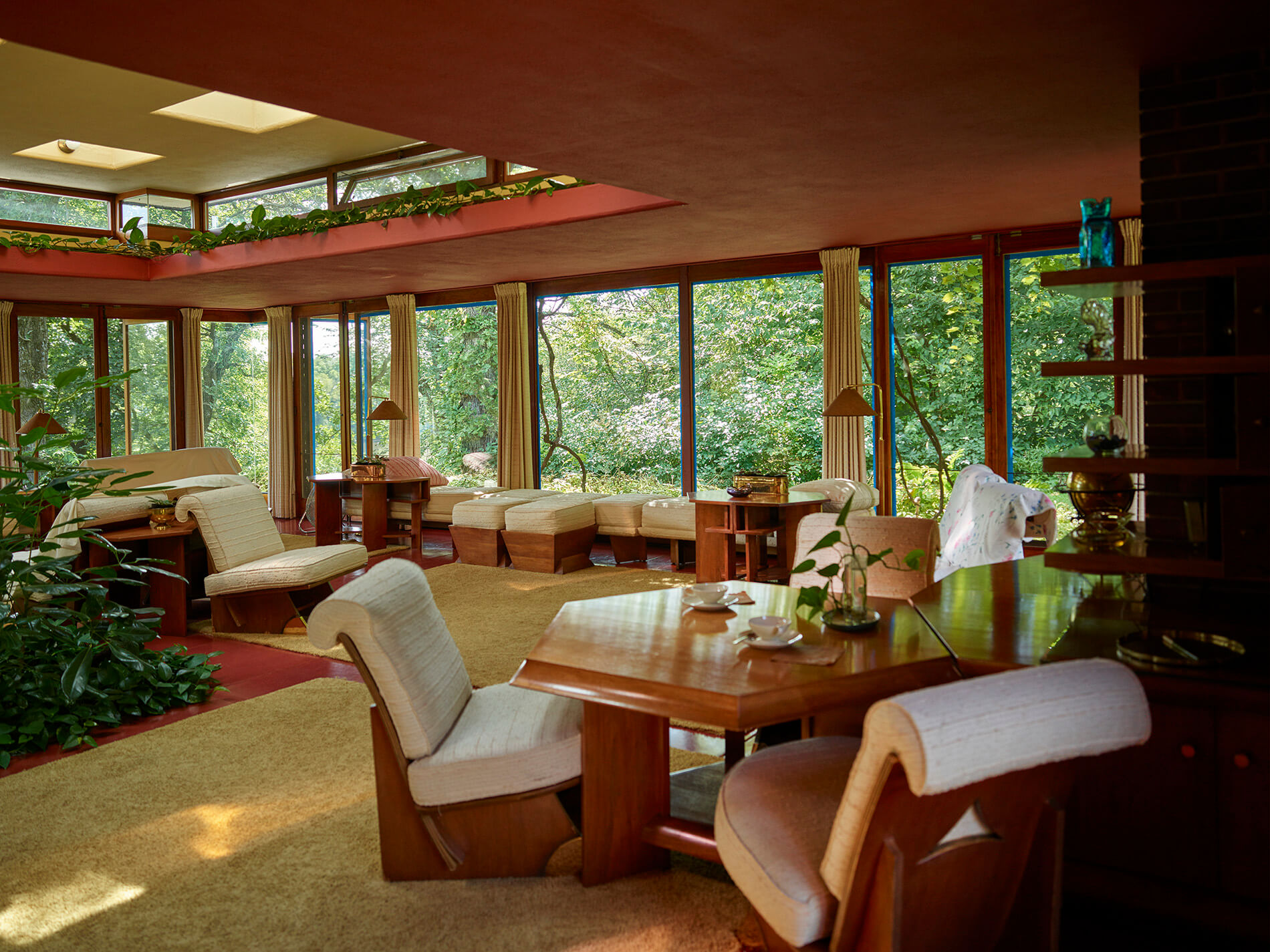
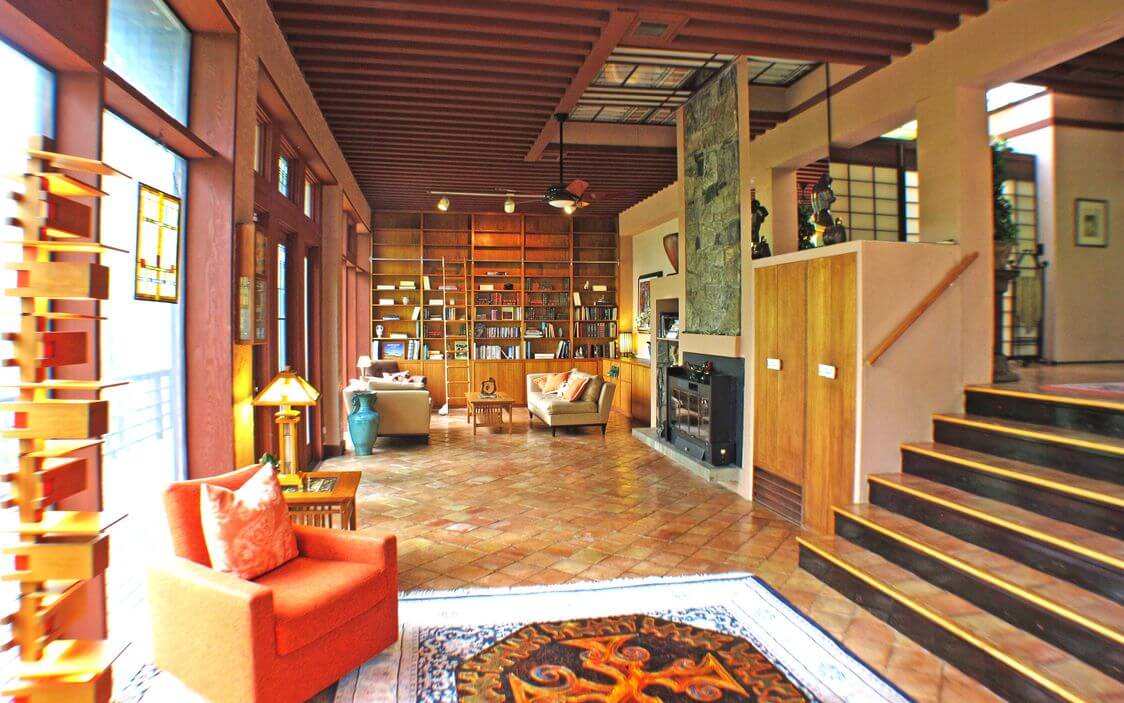
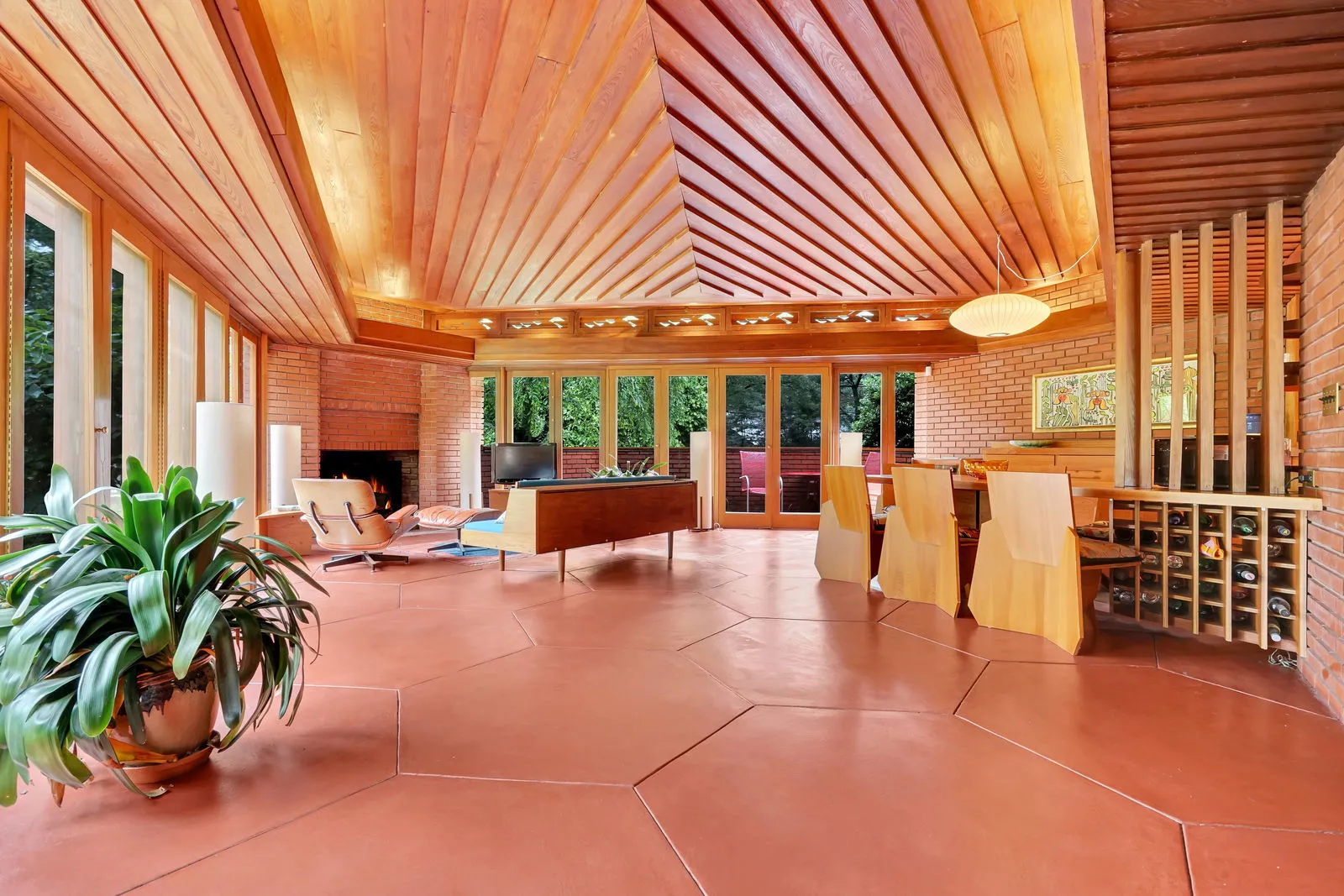
Craftsman style homes, originating in the late 19th and early 20th centuries, are renowned for their organic design elements and meticulous craftsmanship that wins in the hearts of Gepetto staff! Central to the allure of these homes is the intricate millwork featured in built-in cabinets, shelves, doors, baseboards, door frames, and crown detailing that really tie their interior spaces together with both function & aesthetic. As these homes age, preserving their original charm necessitates replacement or restoration of millwork components. Gepetto Millworks of Virginia has over 50 years of cumulative experience producing replica millwork to replace pieces damaged by time or accident.  As a beacon of craftsmanship we offer bespoke millwork to your architect’s plan upholding the authenticity of a Craftsman style home being built from the ground up today. If the interplay between the millwork found in Craftsman homes built between 1900 and 1950 capture your admiration and inspire you in your dream home building process Gepetto Millworks stands ready to supply your project with attention down to the quality of the kiln dried rough-cut lumber we begin making your pieces from.  If you are building your home to hold it’s value or inspire the next generation, you won’t be using veneer over a composite who’s structural integrity degrades with the swings in humidity.  Gepetto craftsmen are doing hand joinery and working with solids every day in the shop and have the expertise to produce your drawings.

Craftsman Style Homes and Millwork:

Craftsman style homes emerged as a balancing response to the overly ornate Victorian architecture prevalent in the late 19th century. Influenced by the Arts and Crafts movement coming out of the furniture industry and academic design, Craftsman homes exude simplicity, warmth, and a connection to nature. The millwork found within these homes serves as a testament to the era’s emphasis on quality built by craftsmen honoring the natural materials they were most familiar with. Matt Wiley and Gepetto Millworks supplies replacement or new millwork to maintain the integrity of these architectural treasures if you are restoring one of these homes and seeking authentic replacement pieces.

The craftsman house has been around for more than 100 years, making it one of America’s favorite architectural styles, with home-design elements built in to maximize space and elevate quality. “Craftsman-style homes are an expression of handcrafted artistry and natural materials utilized in honest ways,” says Rachael H Grochowski.  This American Arts and Crafts style was popularized by furniture maker Gustav Stickley, who published a magazine called The Craftsman and a book, Craftsman Homes (1909), that talk about the “simplification of life” and “a plain house that will last for generations and need but few repairs. The tome served as a guide to Craftsman design that spans everything from furniture to light fixtures and pillows.

craftsman style millwork custom specified
craftsman style millwork kitchen builder

Built-in Cabinets and Shelves:

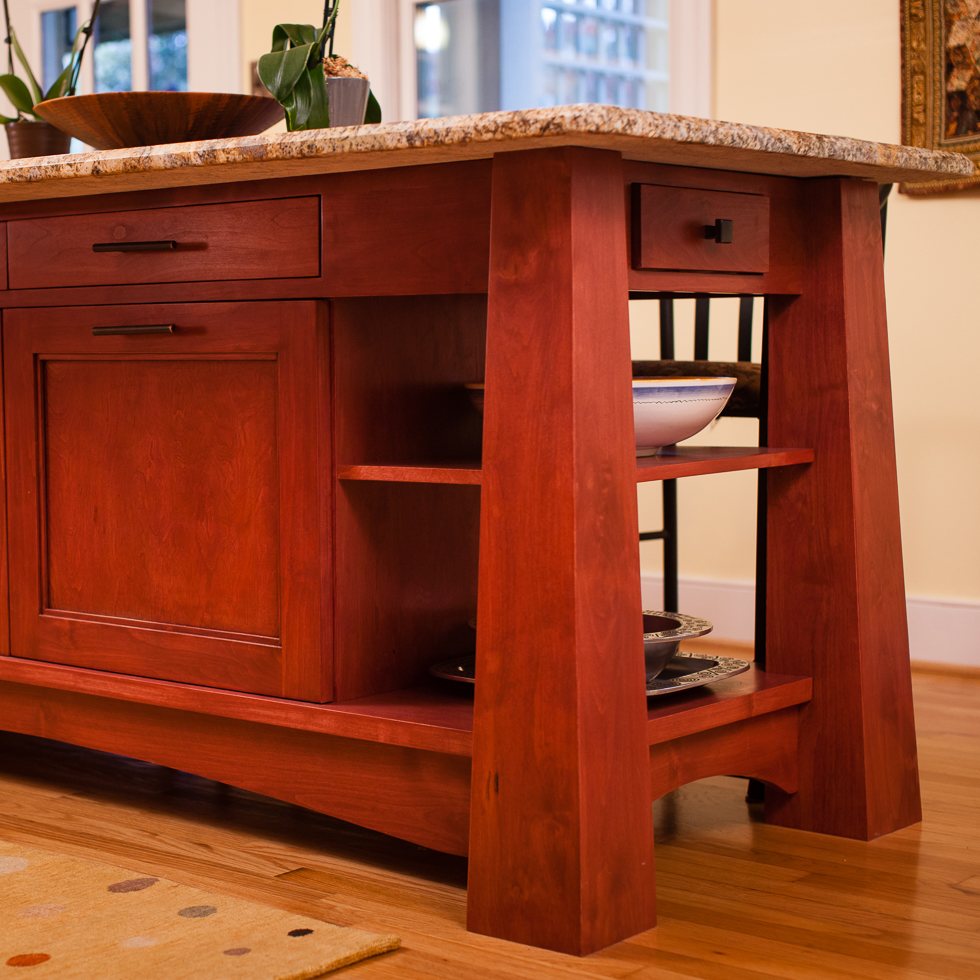
One of the defining features of Craftsman style homes is the presence of built-in cabinets and shelves. Made to fit elements are often characterized by sturdy construction, clean lines, and intricate detailing that doesn’t draw the eye like the former period of victorian squibbles. Craftsman cabinets and shelves typically are stained rather than painted, and showcase exposed grain and joinery, such as dovetail or mortise-and-tenon joints. The exposure highlights the skill of the craftsmen who created them, and honors the natural material’s texture. Gepetto Millworks of Virginia specializes in replicating these traditional joinery techniques, ensuring that replacement or new cabinets and shelves seamlessly integrate with the original millwork of Craftsman homes.

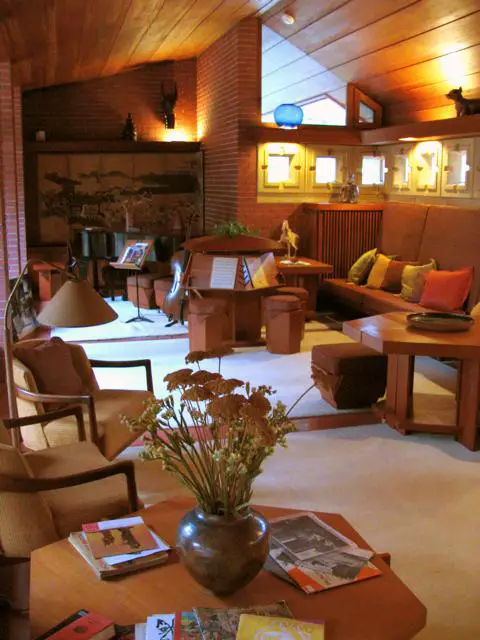
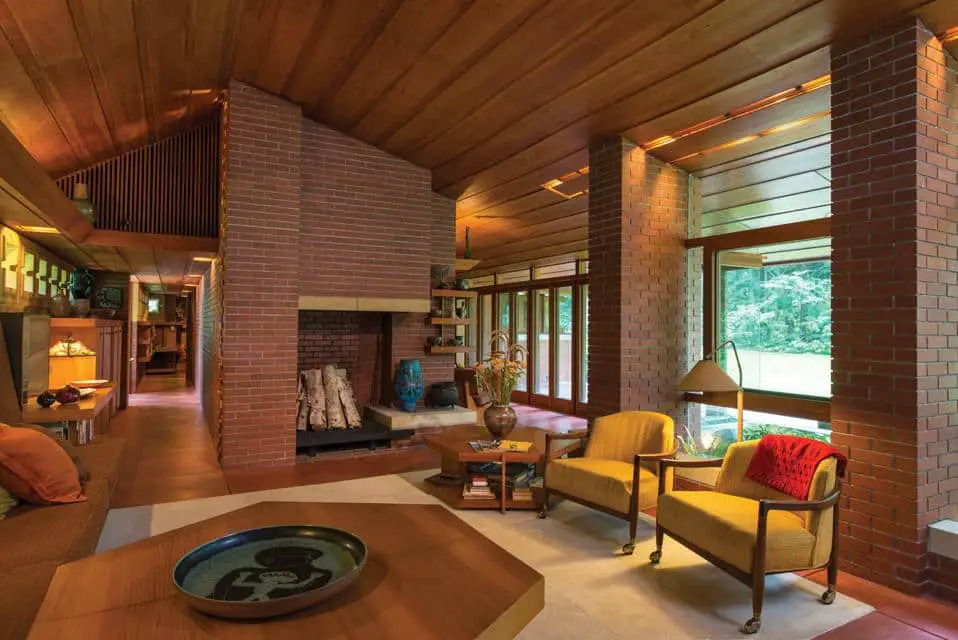
If you are launching into a ground up build and want to achieve the warmth of interior function in many of the interiors of America’s most famous architect, look no further than Gepetto as your trusted supplier!  Built in bench seating, custom tables matching the design and grain of wall paneling – all of these options are available today through a supplier like Gepetto – but are generally lost in the transition to pre-manufactured home goods.  If you are an interior designer and looking to make a splash for your client, give Matthew a call and talk through your goals as we have a cadre of experienced architects and millwork design draftsmen that can collaborate with you to produce the drawings and exact specifications to complete a project like this.

Doors and Door Frames:

Craftsman style doors and door frames are notable for their simple but elegant lines and solid construction. Doors featuring flat panels with simple geometric designs reflect the movement’s focus on craftsmanship with timeless geometric accents. Craftsman door frames may be unadorned with stained trim featuring the beauty of the natural wood grain to shine through. When you are featuring the grain, you’ll want to choose a supplier who can source slow grown species which have fewer defects.  We make your doors to your custom design and frame detailing, allowing individual homeowners or architects to carry the authentic character of their Craftsman style homes into the future.  We have some modern durability upgrades and weather proofing options that didn’t exist in the 1920’s and ’30s that will still honor the integrity of the wood materials.

Craftsman Baseboards and Crown Detailing:

Baseboards and crown detailing play a crucial role in defining the architectural character of Craftsman style homes. Baseboards are typically simple yet substantial, providing a visually pleasing transition between the walls and floors. Crown detailing, and even entire ceiling details on the other hand, adds a touch of elegance to the interior spaces, framing the ceilings and drawing the eye upward. Whether you’re dealing with a modest craftsman home or something bold and complex that might be categorized into the ‘midcentury modern’ aesthetic we specialize in crafting bespoke wood architectural elements.  Baseboards and crown molding that capture the essence of Craftsman style produced using high-quality wood species and traditional milling techniques to achieve authentic period details.

Bungalow Columns & Room Dividers:

In addition to the built-in cabinets, doors, and trim, Craftsman style homes often feature distinctive bungalow columns and room dividers that mirror the square tapered column.  The exterior to interior theme contributes to their recognizable charm from the street view. Bungalow columns, typically square or tapered, support the expansive front porches characteristic of Craftsman homes, evoking a sense of strength and solidity. The columns are often adorned with simple, yet elegant detailing, such as decorative capitals or geometric patterns, echoing the overall aesthetic of the home. That exterior theme is brought indoors to room dividers. Another hallmark of Craftsman design separating rooms with solid wood detailing often open to sound and light maintaining an open and airy feel. Dividers may feature built-in shelving, decorative screens, or crafted woodwork, adding visual interest and functionality to interior spaces. Today we can light them with LED accents and offers custom solutions for replicating or restoring solid wood columns and room dividers, ensuring that the timeless beauty of Craftsman style homes remains intact.

Bungalow, Prairie School, and Mission Revival style Millwork

As Craftsman style homes continue to age, the preservation of their original millwork can feel like an impossible task until you find us! Gepetto Millworks of Virginia understands the unique challenges associated with renovating these architectural treasures and offers tailored solutions to meet the needs of homeowners and restoration professionals alike. Whether it’s replicating a damaged cabinet door, matching the profile of a historic baseboard, or crafting custom-built shelving with live edge solid wood to complement existing millwork with your needs of today. Gepetto Millworks of Virginia combines traditional craftsmanship with modern technology to ensure the longevity and authenticity of Craftsman style homes for generations to come.  No one in 1940 was thinking of building in their flat screen TV – but today, you can build in your audio visual equipment into free standing or wall attached designed millwork.

Custom Millwork MaDe to Order

Is all we do every day of the week! 

Craftsman style homes stand as enduring symbols of American craftsmanship and ingenuity, embodying the principles of simplicity, honesty, and connection to nature. The intricate millwork featured in these homes plays a vital role in defining their architectural character and we wish to work with the architects, interior designers and owners who are inspired to keep this tradition alive. We offer bespoke solutions for the replacement or restoration of millwork components in Craftsman style homes built in any era and their brethren styles: Bungalow, Prairie School, and Mission Revival. Our combination of traditional craftsmanship with modern techniques and materials ensures that the beauty and integrity of architectural woodworking shine for future generations to enjoy.

Virginia Federal Period Doors & Millwork

Virginia Federal Period Doors & Millwork

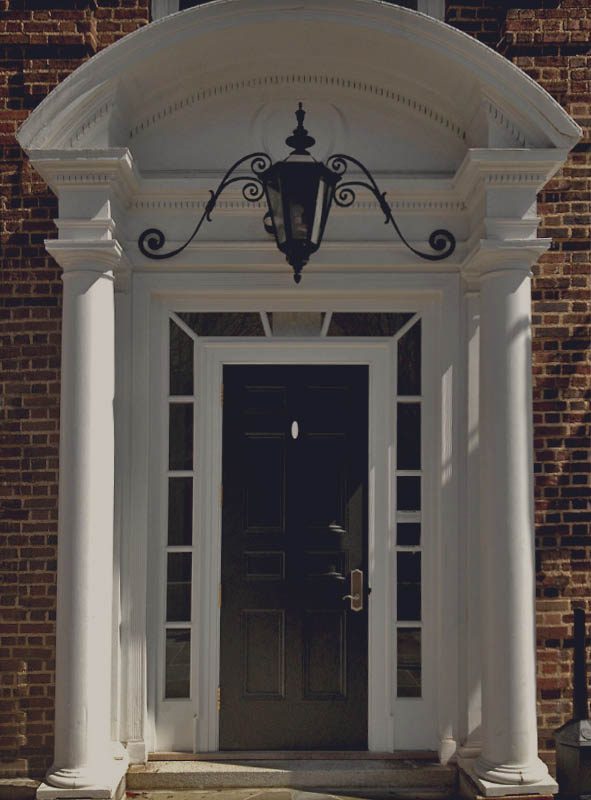
The Federal Period, spanning from the late 18th to the early 19th century, was a crucial era in American architecture that saw the emergence of distinct design elements and principles. In Virginia, during this period, homes became symbols of refined taste and elegance, reflecting the influence of Neoclassical ideals. One of the key architectural features that encapsulates the essence of Federal style homes in Virginia is the front door entryway.

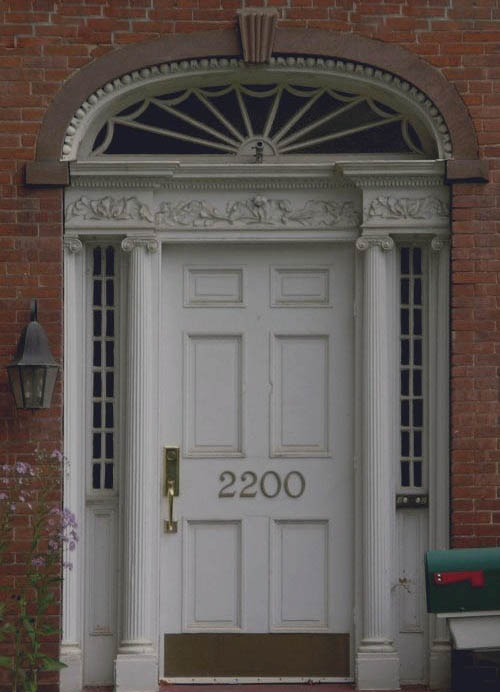
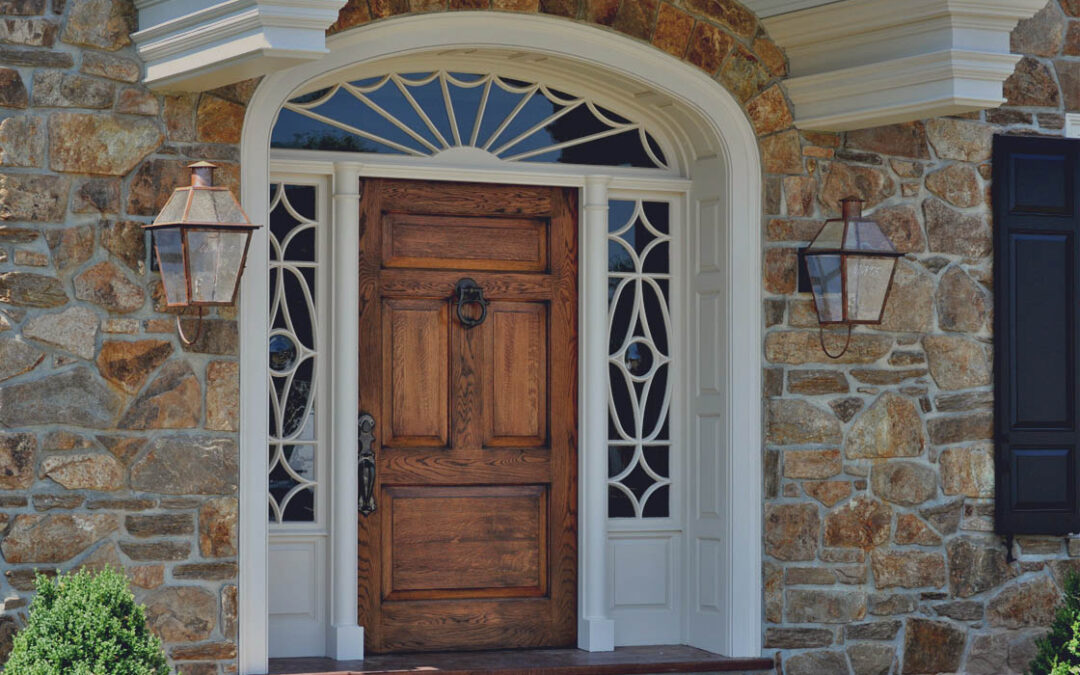
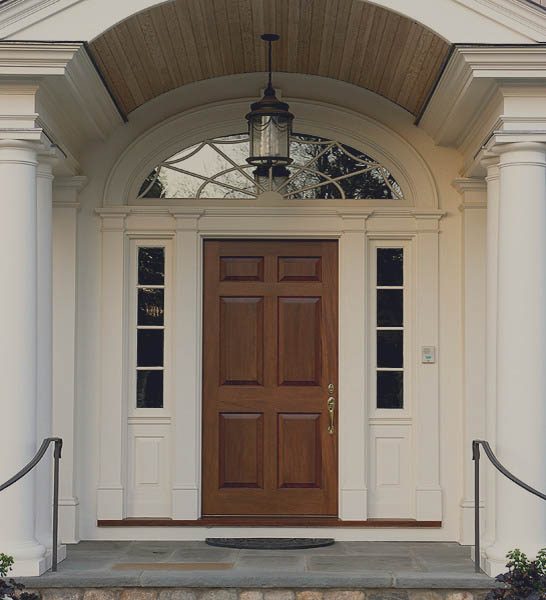
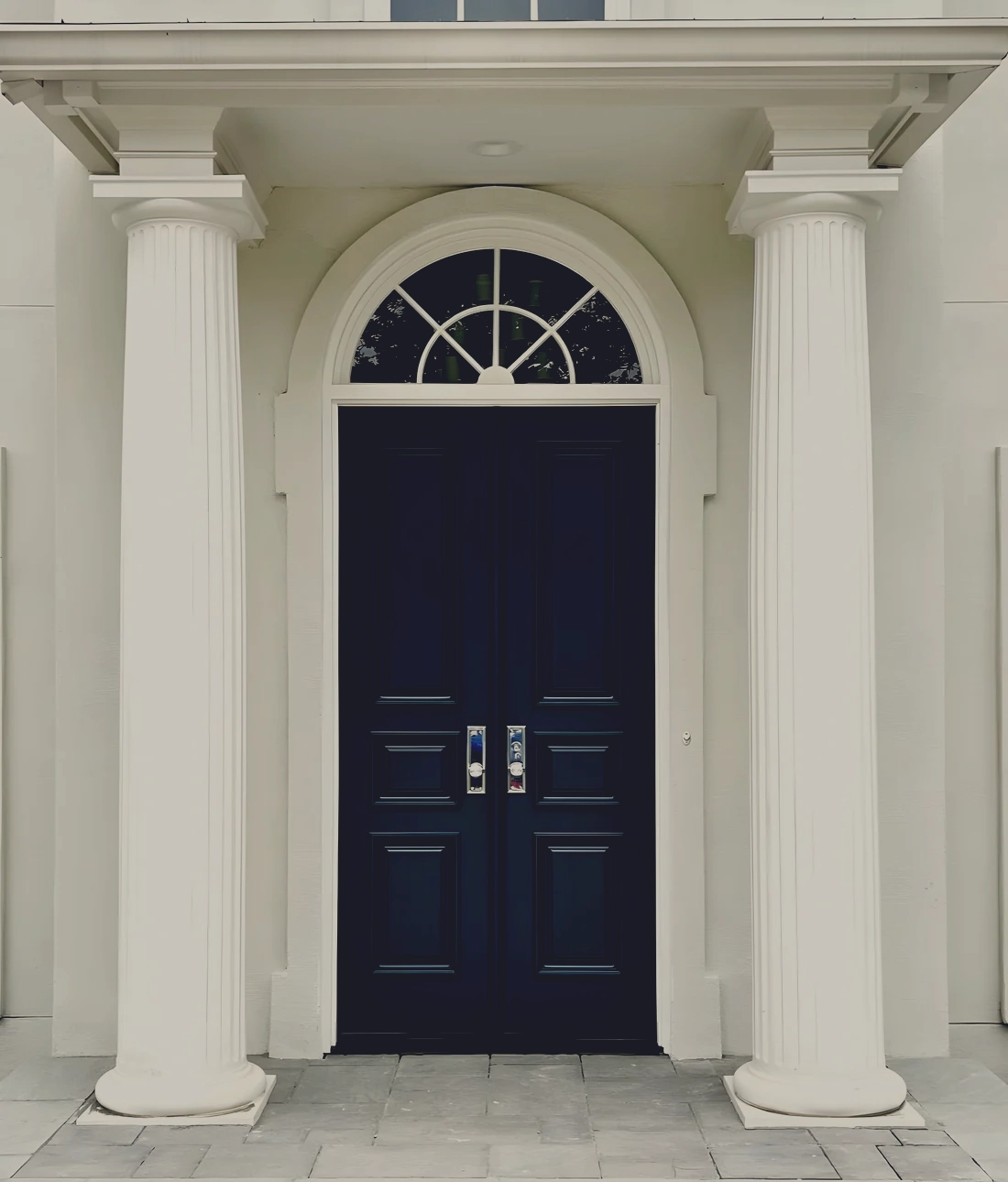
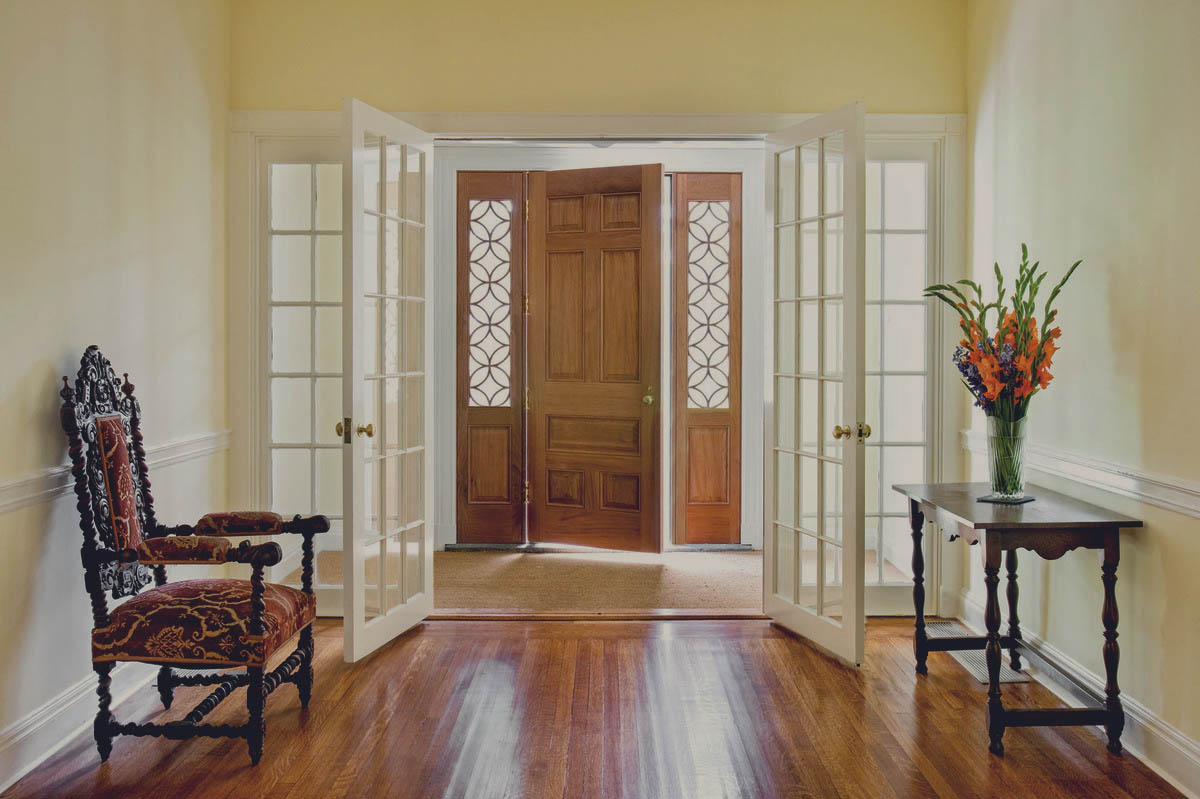
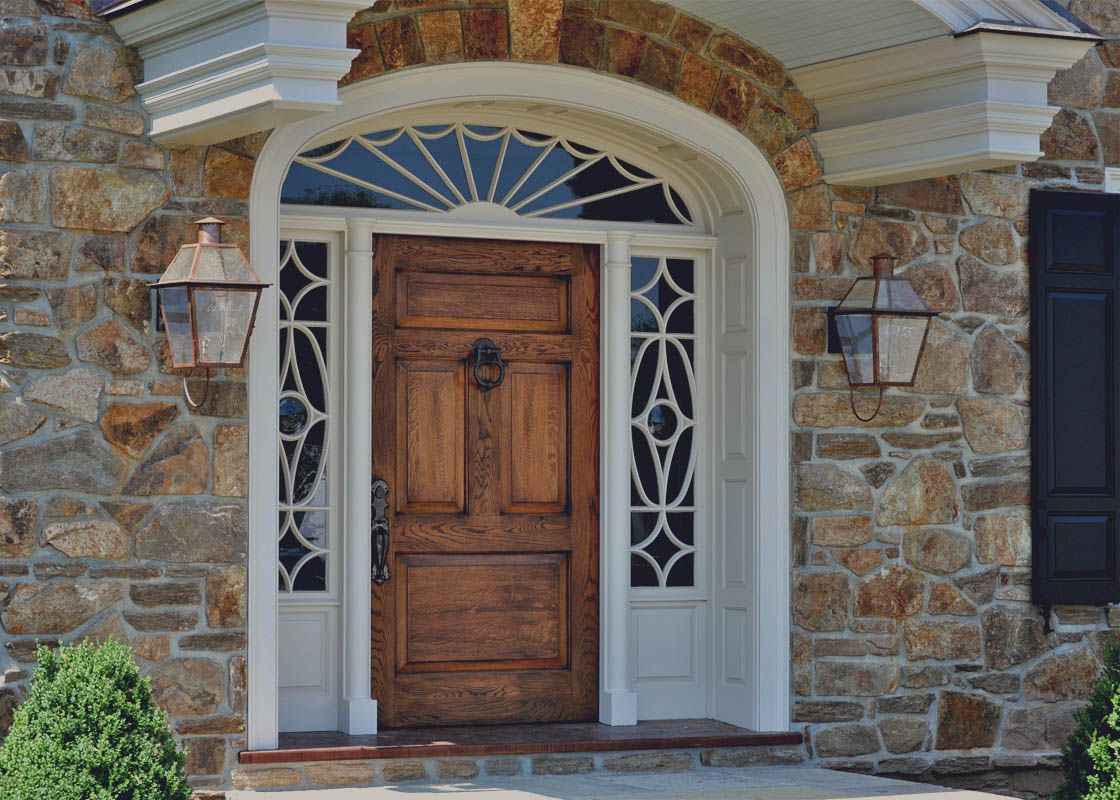
The front door entryway of a Federal period home in Virginia was meticulously designed to embody the principles of balance, symmetry, and classical motifs. Elliptical fanlights and sidelights were popular components of these entryways, contributing to the overall aesthetic appeal. The use of ellipses in the windows was not merely decorative but also served a functional purpose by allowing an abundance of natural light to flood the entrance hall.

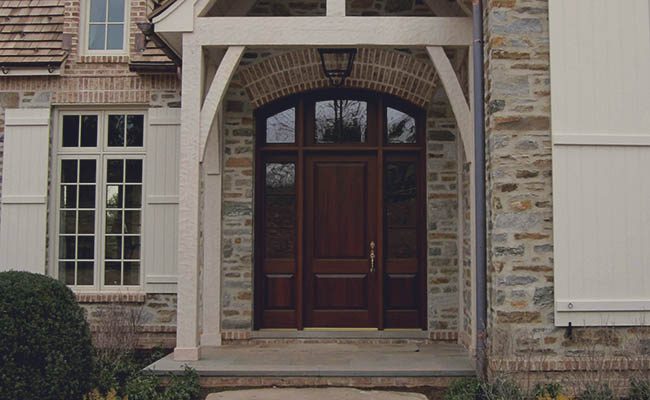
Windows spanning two sidelights became a distinctive hallmark of Federal style architecture in Virginia. The arrangement of these elements was carefully orchestrated to achieve visual harmony. The elliptical fanlight positioned above the door, along with the sidelights on either side, created a balanced and symmetrical composition. This adherence to symmetry was influenced by Neoclassical principles, which sought inspiration from classical Greek and Roman architecture.

The choice of elliptical windows was not arbitrary; it was rooted in the classical language of architecture. The ellipse, with its graceful curves, echoed the elliptical arches prevalent in ancient Roman structures. This classical reference was a deliberate attempt to evoke a sense of timelessness and cultural continuity. The use of classical motifs was a defining characteristic of Federal style architecture, as it sought to establish a connection with the ideals of ancient civilizations.

As we delve into the specifics of these front door entryways, it’s essential to acknowledge the craftsmanship that brought these designs to life. Gepetto Millworks, situated in the picturesque Blue Ridge Mountains, played a pivotal role in manufacturing the intricate components of Federal period homes in Virginia. The artisans at Gepetto Millworks were adept at translating architectural drawings into finely crafted wooden elements, bringing authenticity and precision to each piece.

Gepetto Millworks embraced the architectural principles of the Federal period, ensuring that their creations adhered to the standards of balance and proportion. The ellipses in the windows were meticulously carved, and the sidelights were crafted with precision to complement the overall symmetry of the entryway. The choice of materials, often hardwoods like mahogany or cherry, added a touch of luxury to these architectural elements.

The Blue Ridge Mountains, with their natural beauty and serene landscapes, provided an inspiring backdrop for the artisans at Gepetto Millworks. Surrounded by such scenic vistas, the craftsmen found motivation to infuse a sense of craftsmanship and artistry into each piece they produced. This connection to nature and the local environment contributed to the unique character of the architectural elements manufactured by Gepetto Millworks.

Federal Period Doors & Millwork Produced Locally in Virginia

The Federal period in Virginia was marked by a departure from the ornate styles of the preceding Georgian era. Federal architecture embraced simplicity, symmetry, and a reliance on classical motifs. The front door entryways, with their elliptical fanlights and sidelights, epitomized these principles. The ellipses in the windows, while serving a functional purpose, also added a touch of grace and sophistication to the overall design.

Symmetry was a fundamental aspect of Federal architecture, and the front door entryway was no exception. The placement of the elliptical fanlight at the center, flanked by two sidelights, created a balanced and harmonious facade. This commitment to balance was not only an aesthetic choice but also a reflection of the intellectual currents of the time, which valued order and proportion.

The classical motifs found in Federal architecture were a deliberate homage to the ideals of ancient Greece and Rome. The architects and craftsmen of this period sought to evoke a sense of timelessness by drawing inspiration from the classical past. The use of ellipses in the windows, reminiscent of Roman arches, was a clear nod to the enduring legacy of classical architecture.

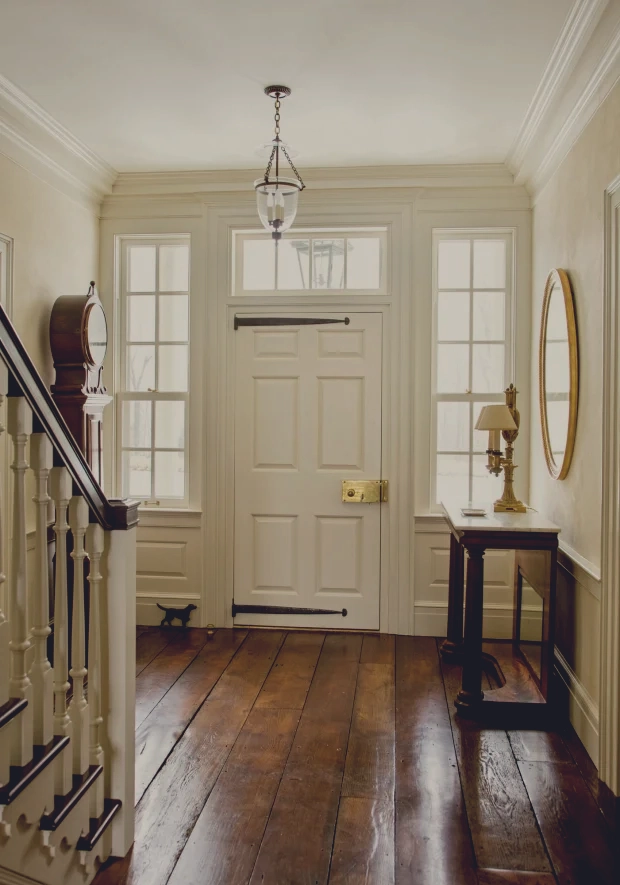
Gepetto Millworks, nestled in the Blue Ridge Mountains, embraced these principles in their manufacturing process. The artisans at Gepetto understand the importance of precision and attention to detail in creating authentic Federal period architectural elements. The choice of materials, combined with skilled craftsmanship, resulted in front door entryways that not only adhered to the architectural principles of the time but also showcased the natural beauty of the wood.  In the federal period we see the impact of the deployment of machine labor to wood allowing for the explosion in trim and styling of some of the ornate libraries, entry halls, staircases and the ever present focal point of the front door.

In addition to the visual appeal, the front door entryways of Federal period homes in Virginia also served a functional purpose. The elliptical fanlights above the doors allowed ample natural light to enter the entrance hall, creating a welcoming and well-lit space. This consideration of both form and function reflected the pragmatic yet elegant sensibilities of Federal architecture.

As we admire these front door entryways, it’s worth noting that Federal style architecture in Virginia was not confined to grand mansions. The principles of balance, symmetry, and classical motifs permeated homes of various sizes and scales. Whether in urban townhouses or rural estates, the front door entryway became a focal point, signaling the taste and sophistication of the inhabitants.

The front door entryways of Federal period homes in Virginia stand as enduring examples of architectural excellence. The ellipses in the windows, spanning two sidelights, showcase a commitment to classical principles of balance and symmetry. Manufactured by Gepetto Millworks in the Blue Ridge Mountains, these architectural elements embody a harmonious blend of craftsmanship, natural beauty, and a deep appreciation for the Neoclassical ideals of the Federal period. As we continue to study and celebrate the architectural legacy of this era, the front door entryways remain iconic symbols of a bygone time, preserving the elegance and grace of Federal style architecture in Virginia.

The elliptical fanlight, positioned above the front door, is a key feature that distinguishes Federal period homes in Virginia. This design choice goes beyond mere aesthetics, as the ellipse itself is a shape laden with historical and cultural connotations. Inspired by the elliptical arches of ancient Roman architecture, the use of ellipses in the windows pays homage to classical ideals. It serves as a visual link to the timelessness of classical civilizations, emphasizing a connection to the intellectual and cultural heritage of the past.

The elliptical fanlight also plays a crucial role in welcoming natural light into the entrance hall. This functional aspect aligns with the practical sensibilities of the Federal period. The desire for well-lit interiors was not only an aesthetic preference but also a manifestation of the period’s interest in creating inviting and hospitable spaces. The soft, diffused light streaming through the elliptical fanlight contributes to the overall ambiance of the entryway, making it a warm and inviting focal point.

Complementing the elliptical fanlight are the two sidelights positioned on either side of the front door. This symmetrical arrangement enhances the visual balance of the entryway, a hallmark of Federal architecture. The sidelights serve both practical and aesthetic purposes. They allow additional light to enter the interior, further illuminating the entrance hall and creating a sense of openness. Moreover, the sidelights contribute to the grandeur of the facade, framing the entrance in a way that accentuates its significance.

The combination of the elliptical fanlight and the two sidelights creates a harmonious trio, each element enhancing the other’s impact. The ellipse, with its graceful curves, contrasts with the vertical lines of the sidelights, creating a dynamic visual interplay. This contrast adds a layer of complexity to the design, elevating it beyond a mere exercise in symmetry. The play of light and shadow on the intricate detailing of the fanlight and sidelights enhances the depth and richness of the overall composition.

Beyond their aesthetic appeal, these architectural elements convey a narrative of cultural refinement and intellectual sophistication. The use of classical motifs, such as the elliptical arch, suggests a deliberate engagement with the philosophical and artistic ideals of antiquity. The Federal period was a time of intellectual curiosity and a desire to establish a distinct American identity that drew inspiration from the classical world. The front door entryway, with its unique combination of elements, became a canvas for expressing these ideals.

Gepetto Millworks, situated in the Blue Ridge Mountains, played a crucial role in bringing these unique design elements to life. The craftsmen at Gepetto understood the significance of the elliptical fanlight and sidelights in Federal period architecture. Their meticulous attention to detail and commitment to traditional craftsmanship ensured that each piece produced reflected the authenticity and elegance of the era.

In conclusion, the combination of the elliptical fanlight above the front door and the two sidelights flanking it represents a distinctive and iconic feature of Federal period homes in Virginia. This architectural ensemble goes beyond its visual appeal; it embodies the intellectual aspirations of the time, drawing inspiration from classical traditions. The play of light, the balance of forms, and the craftsmanship involved in creating these elements contribute to the enduring legacy of Federal style architecture. As we appreciate these front door entryways, we not only glimpse into a specific historical period but also witness the timeless beauty of design principles that continue to shape the look & flavor of our great Virginia Cities from Norfolk, Alexandria, to Charlottesville and Richmond.

federal style doors made to order virginia