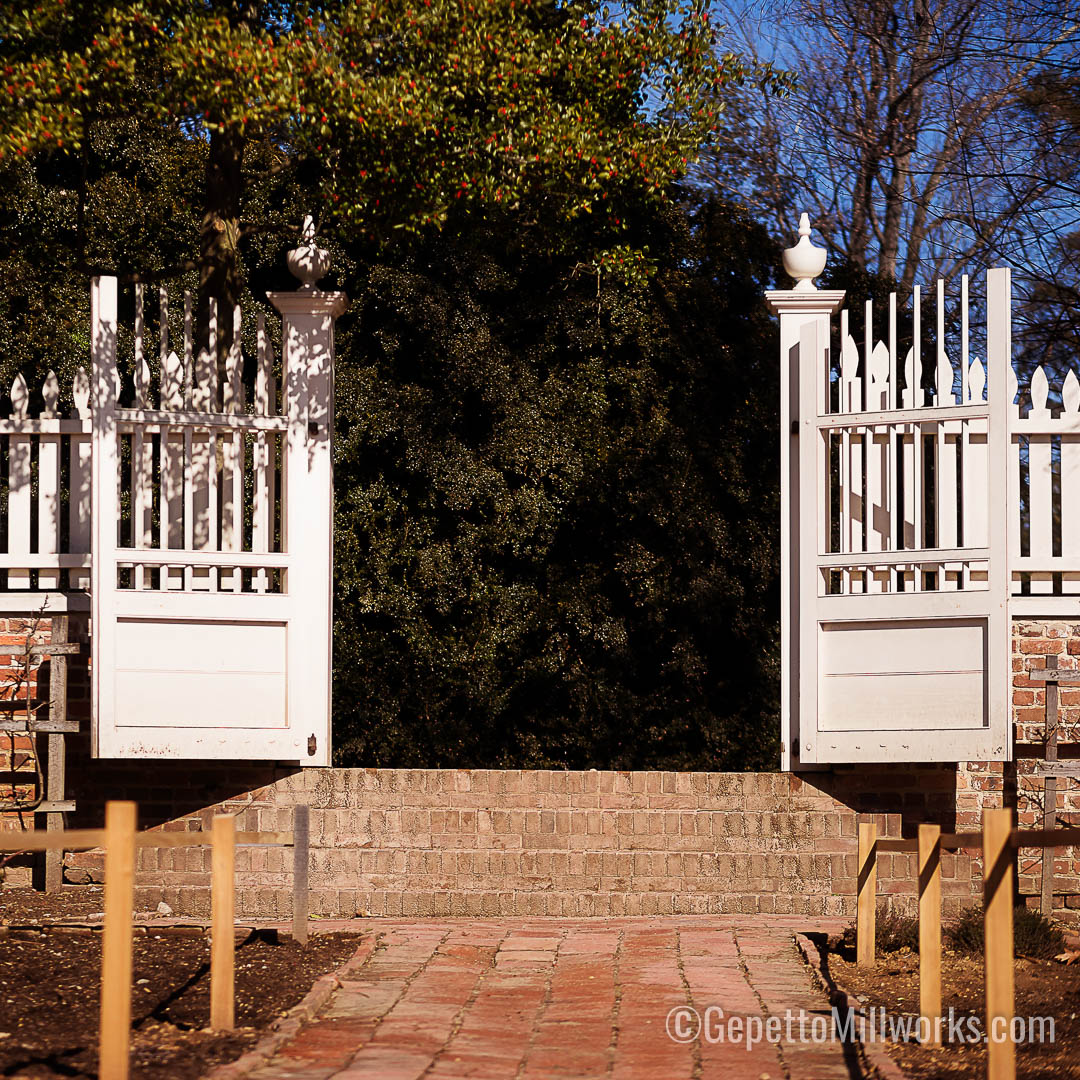
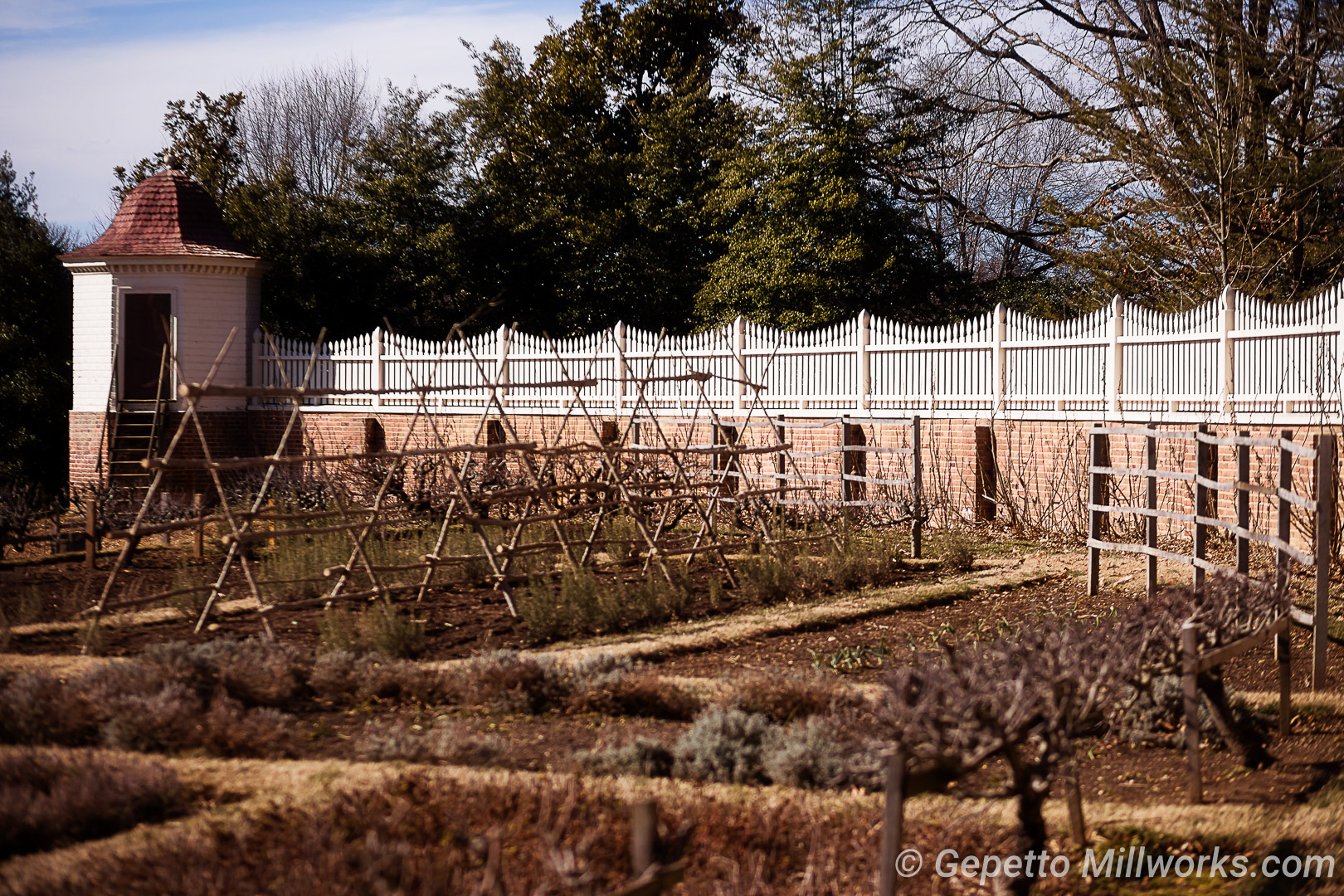
Mount Vernon Fences

Mount Vernon Fences

mount vernon historic restoration preservation millwork supplier
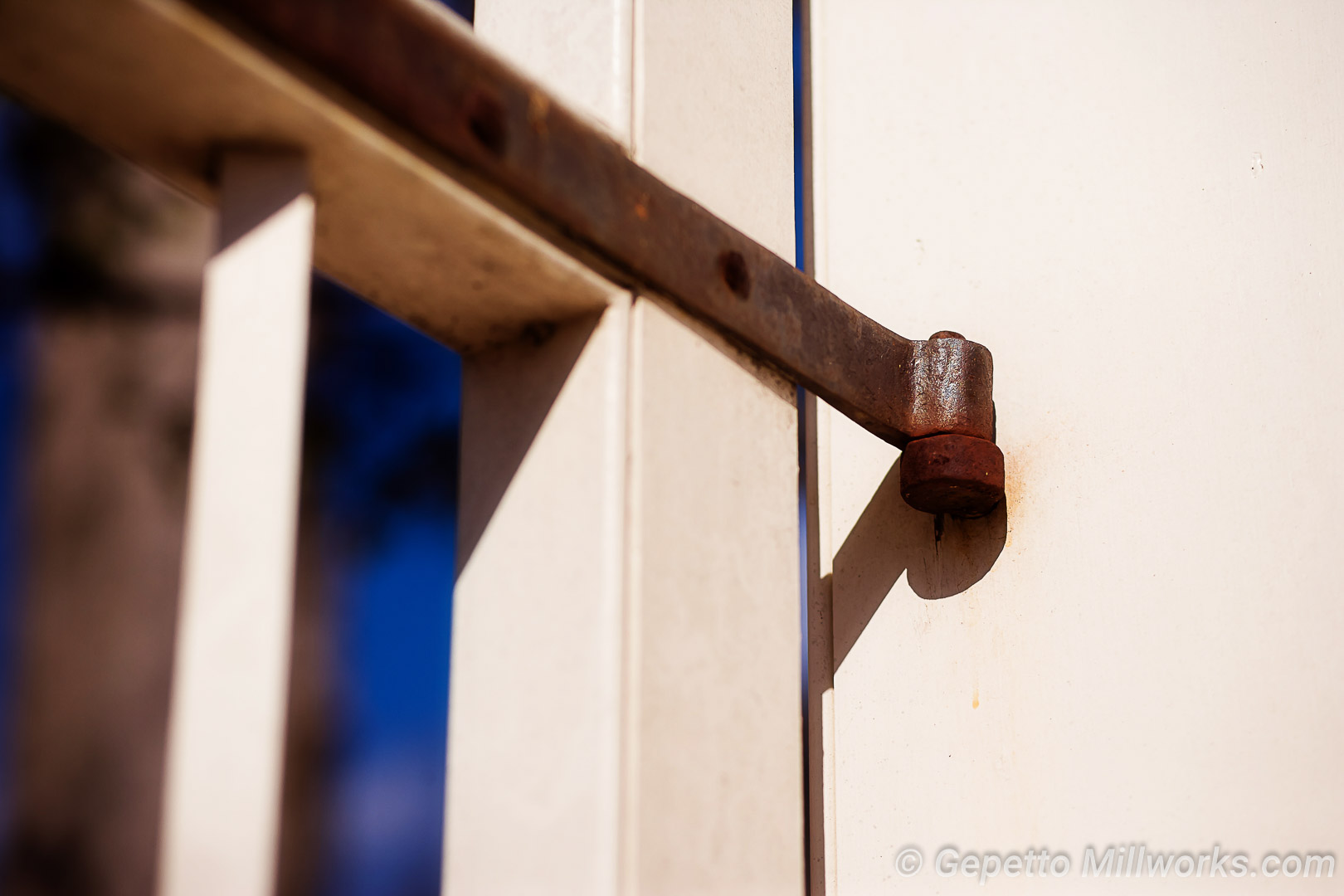
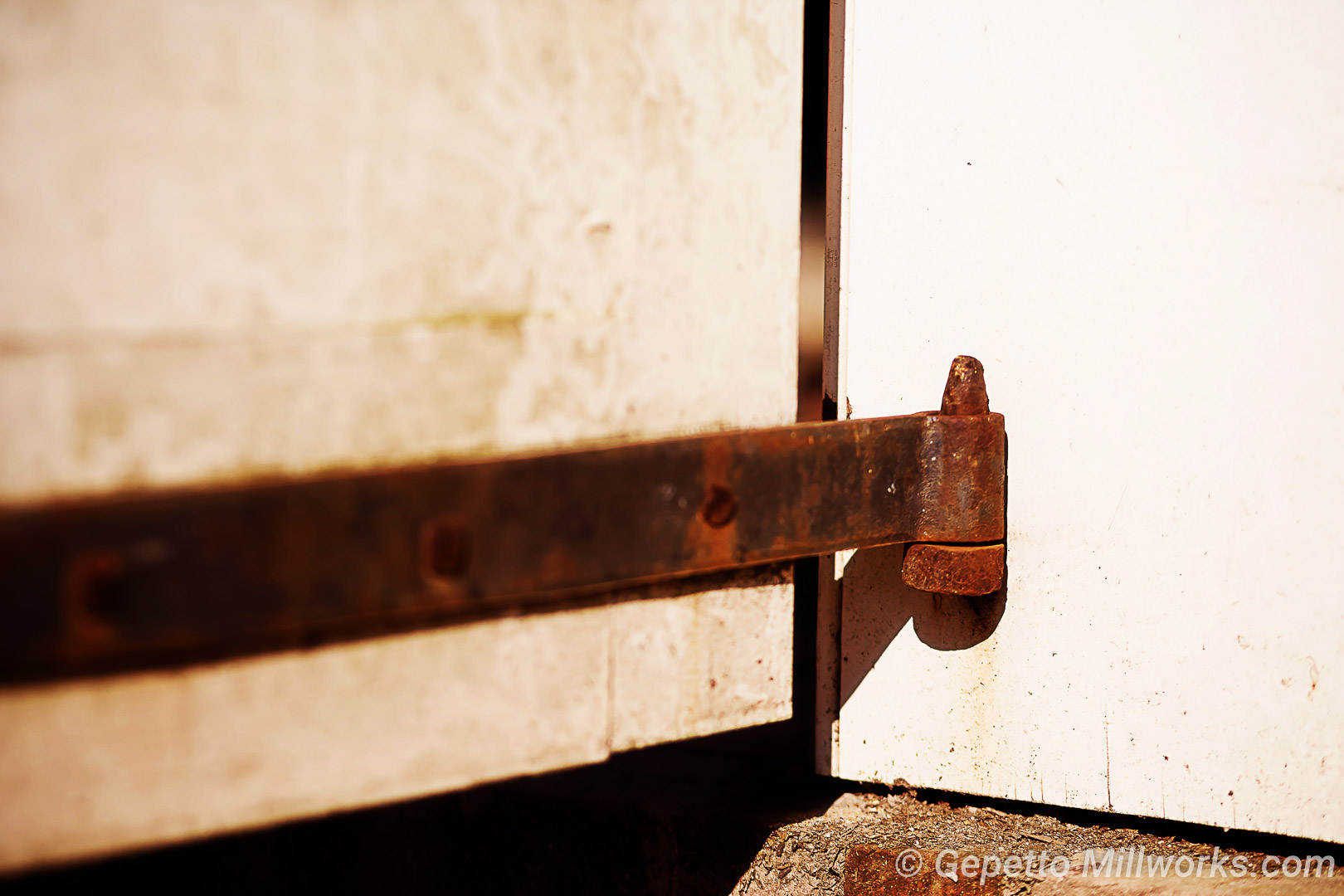
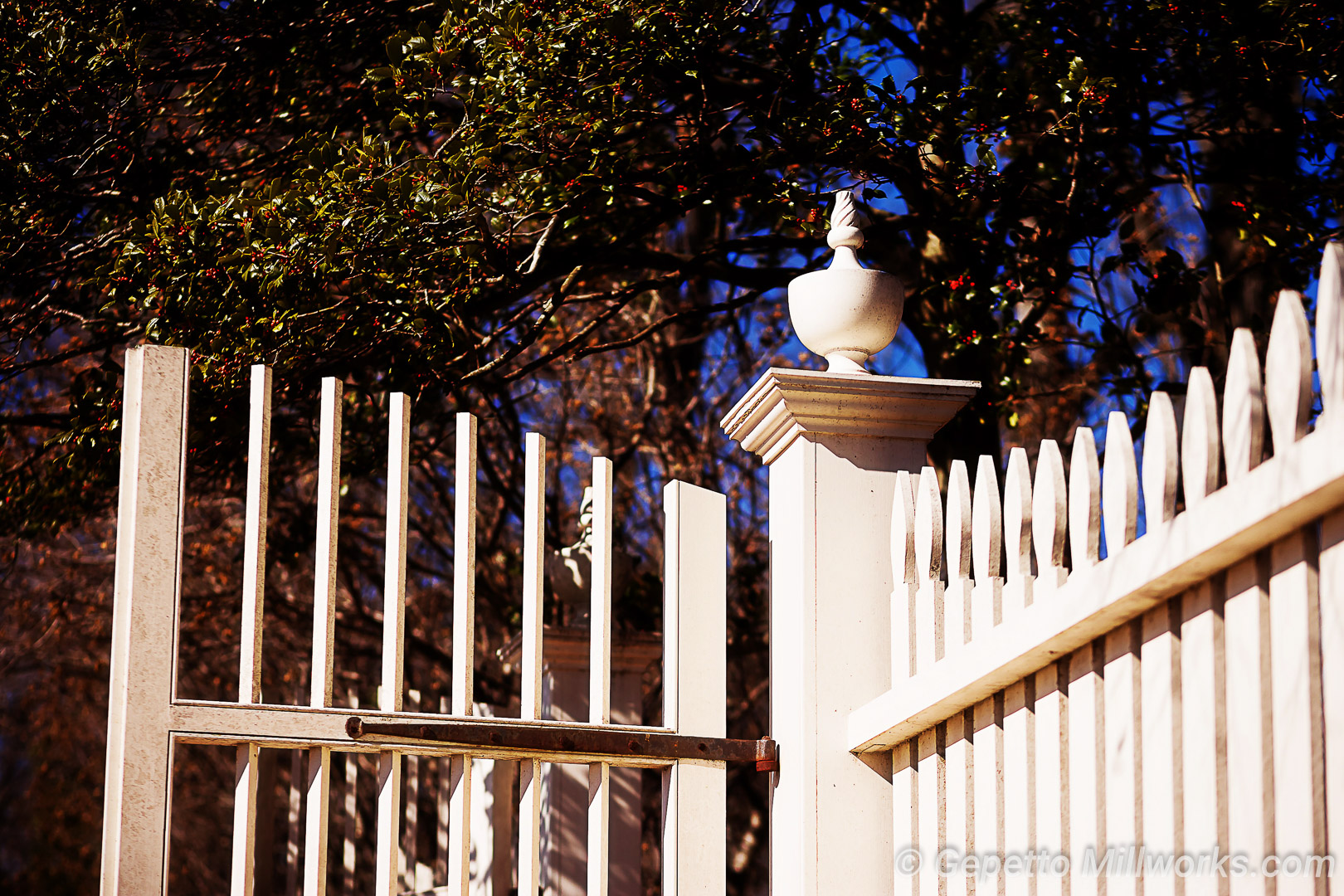
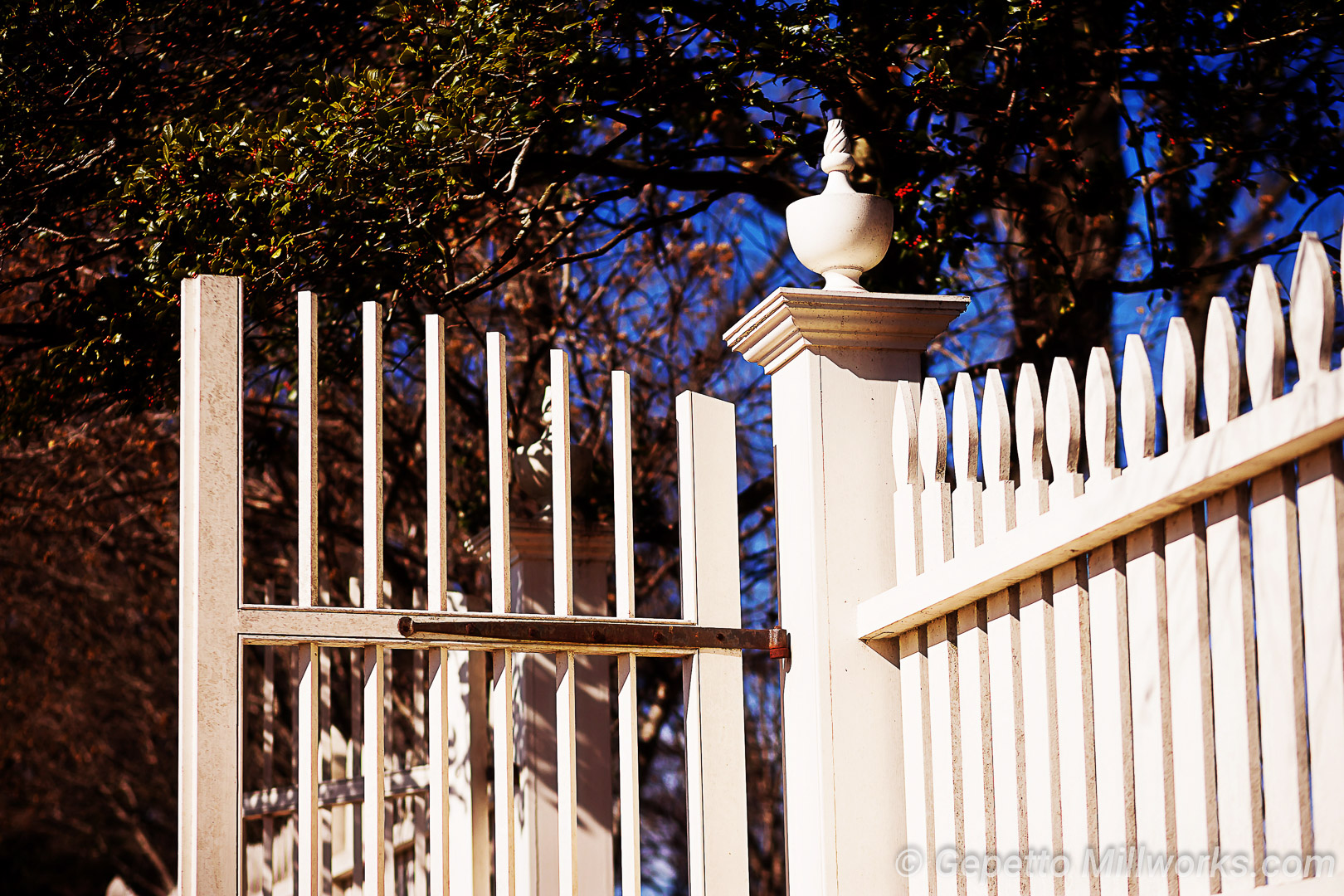
handmade smithed historic gate hinges

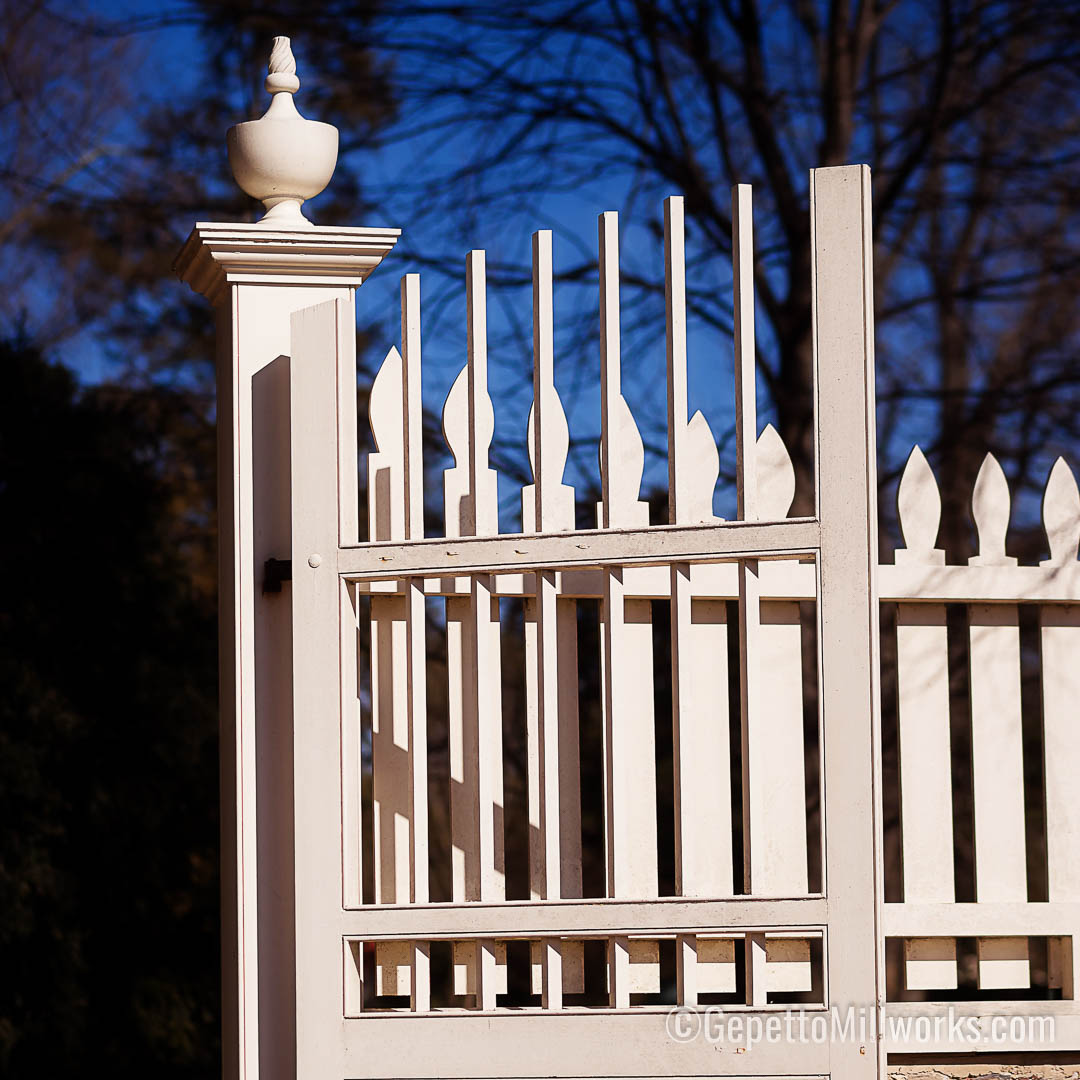
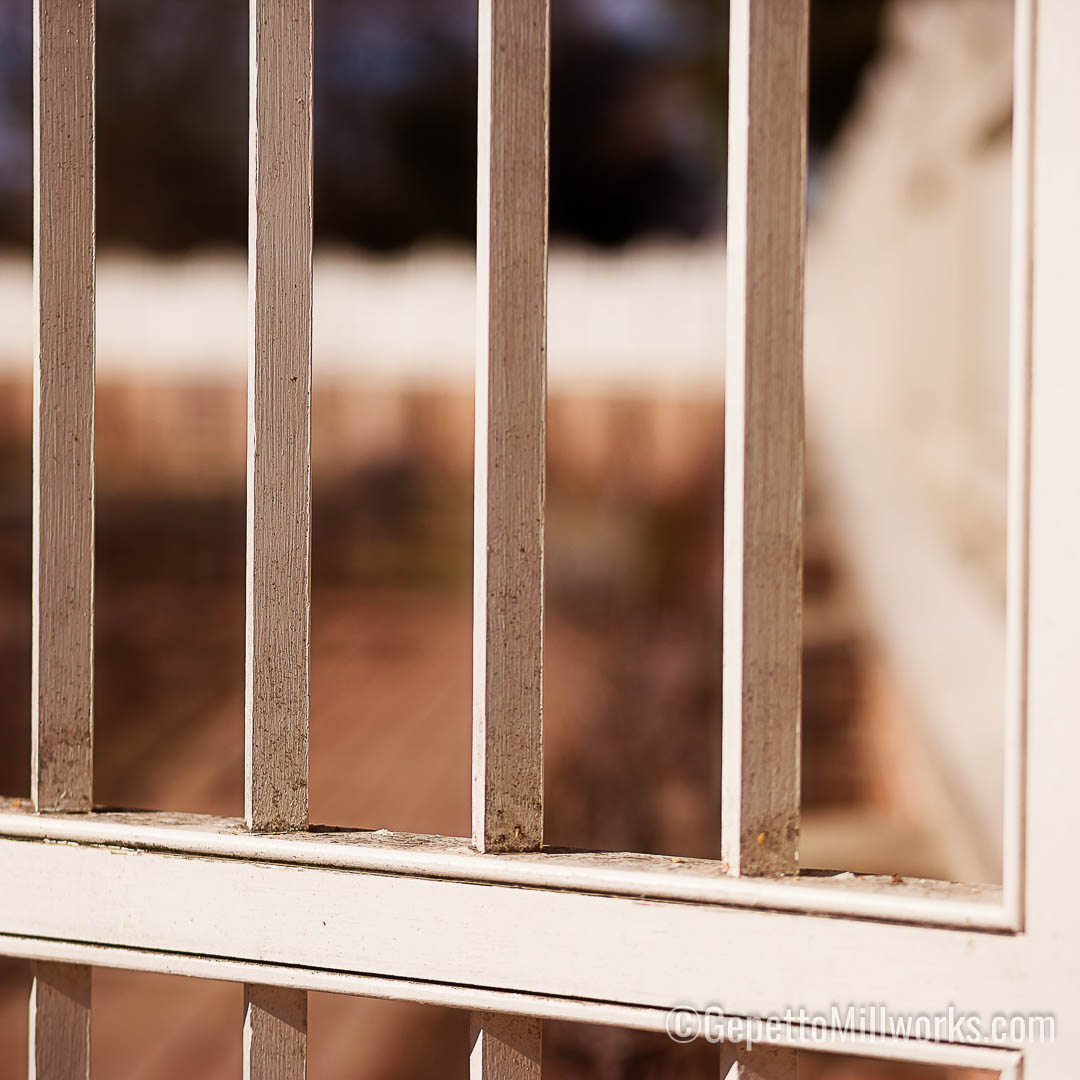
Full passthrough mortise joints.
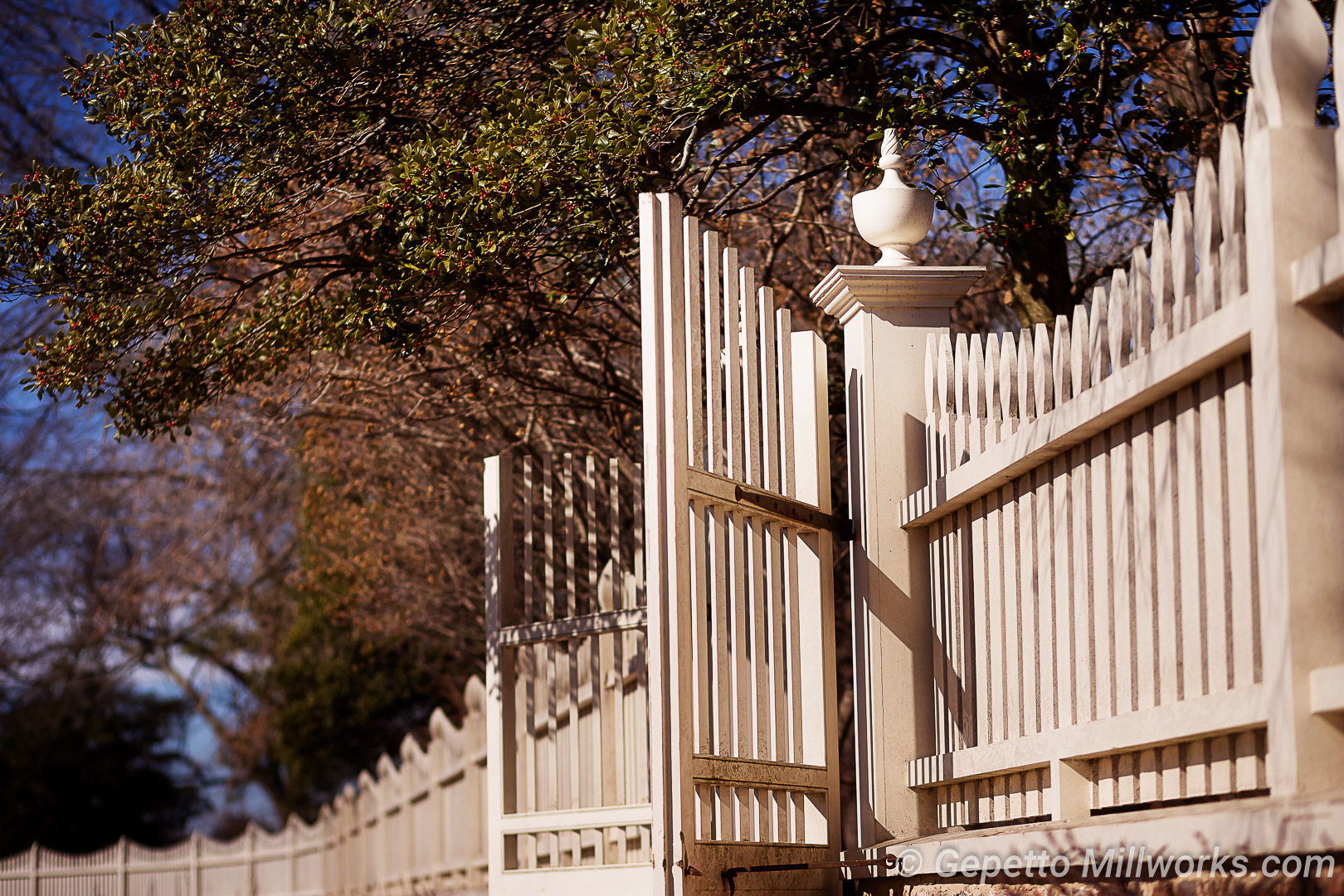
hand smithed historic gate hinges

Hand smithed historically accurate gate hinges.
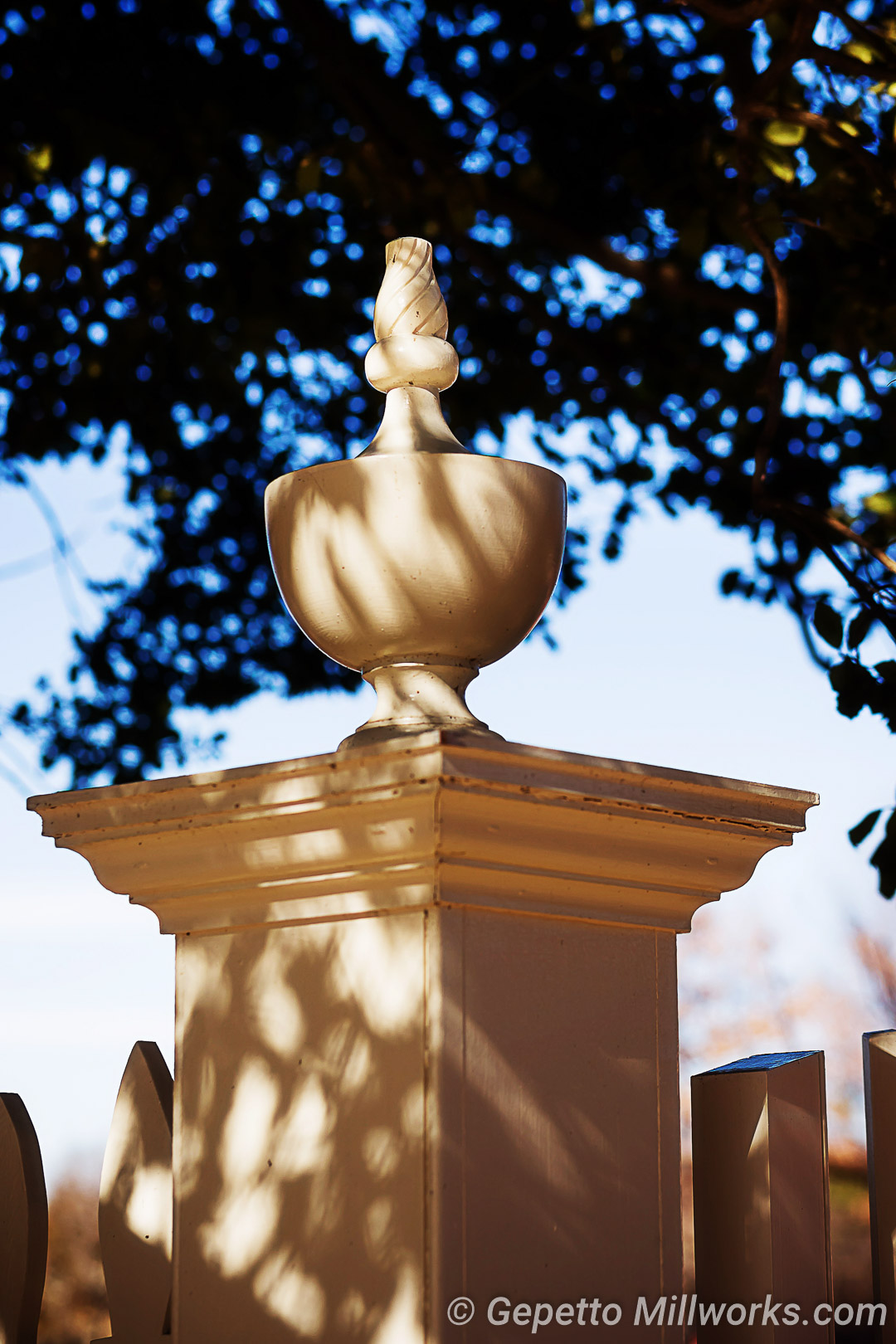
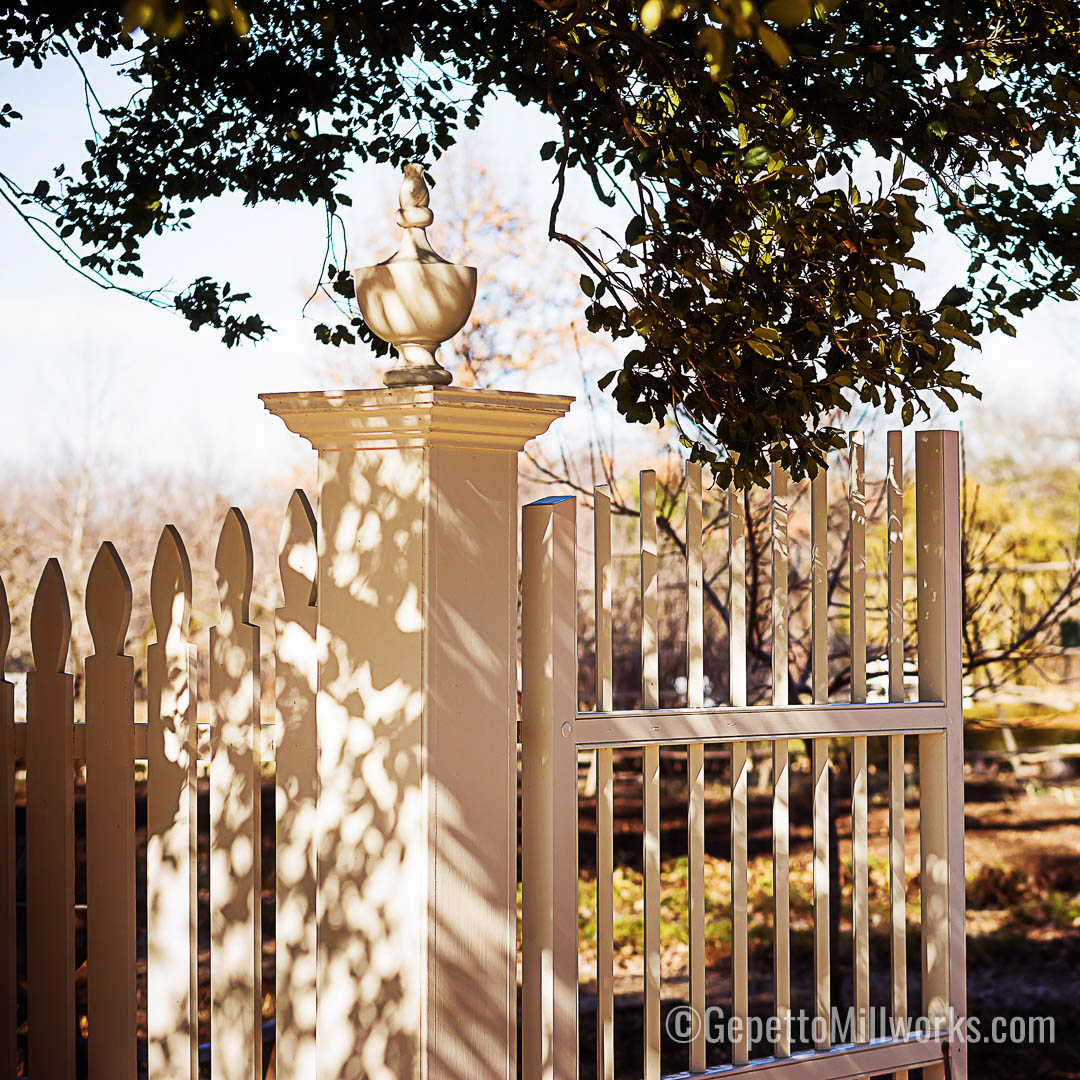
hand turned post architectural decorative elements
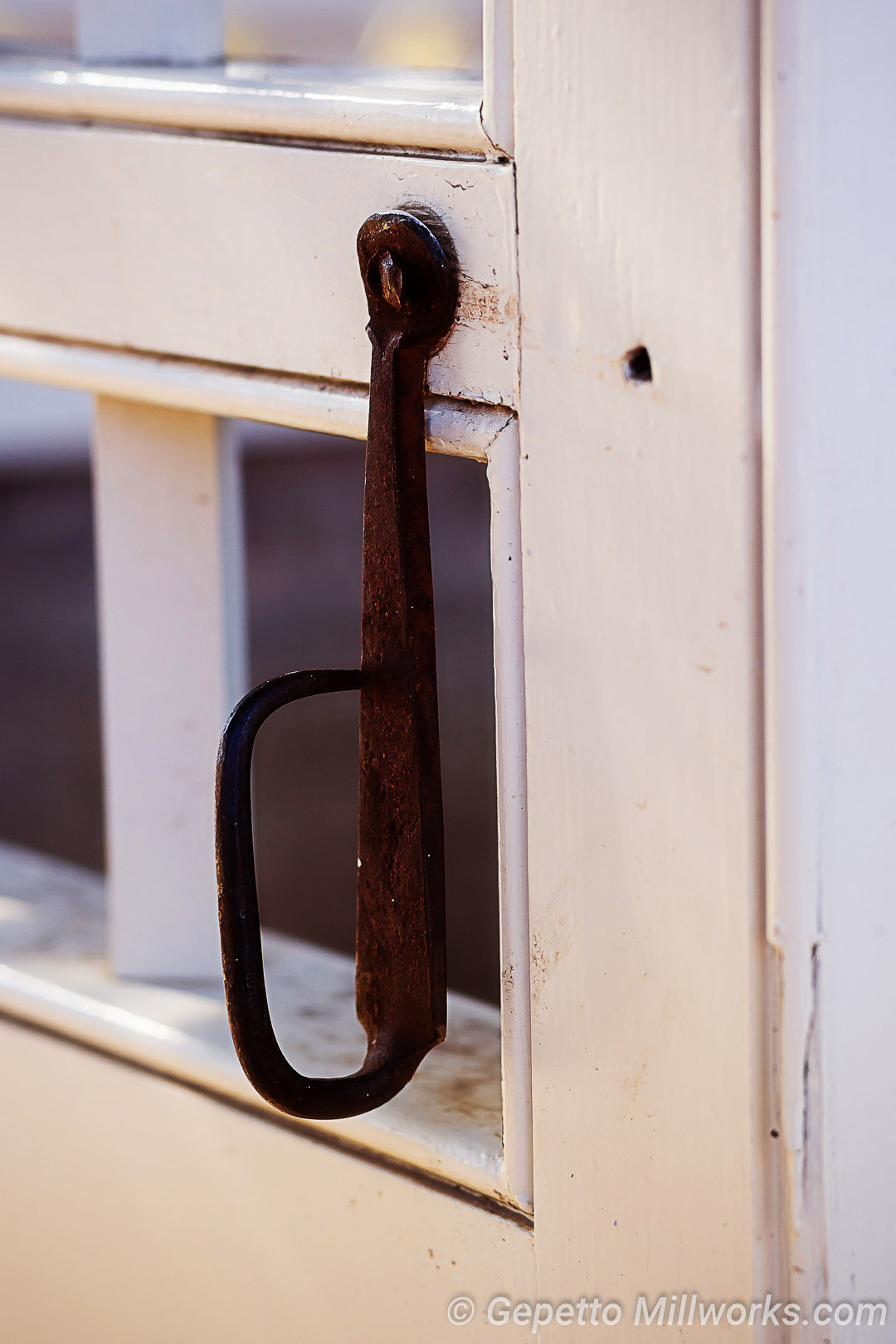
hand smithed gate latch hardware
hand smithed gate hinge hardware
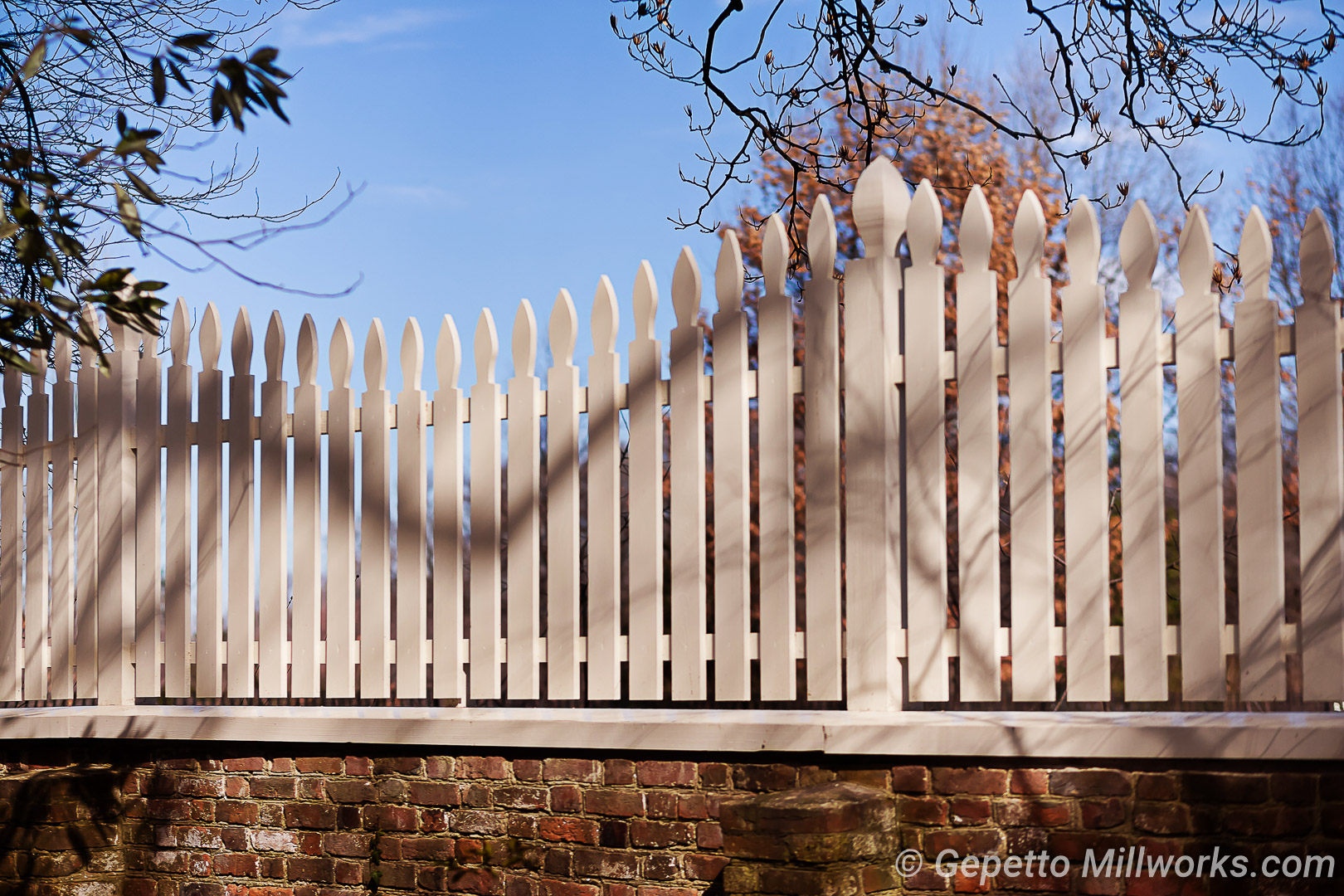
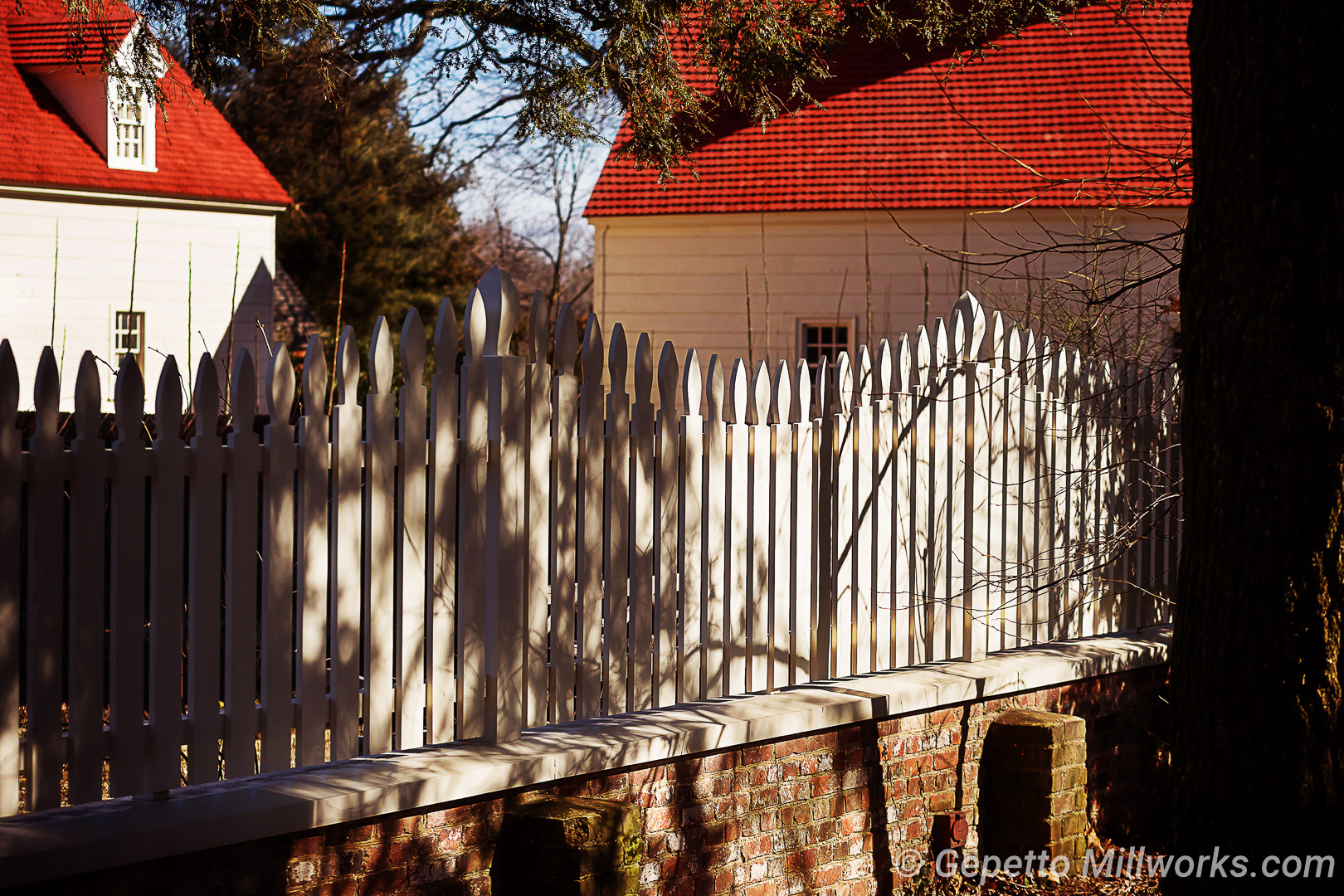
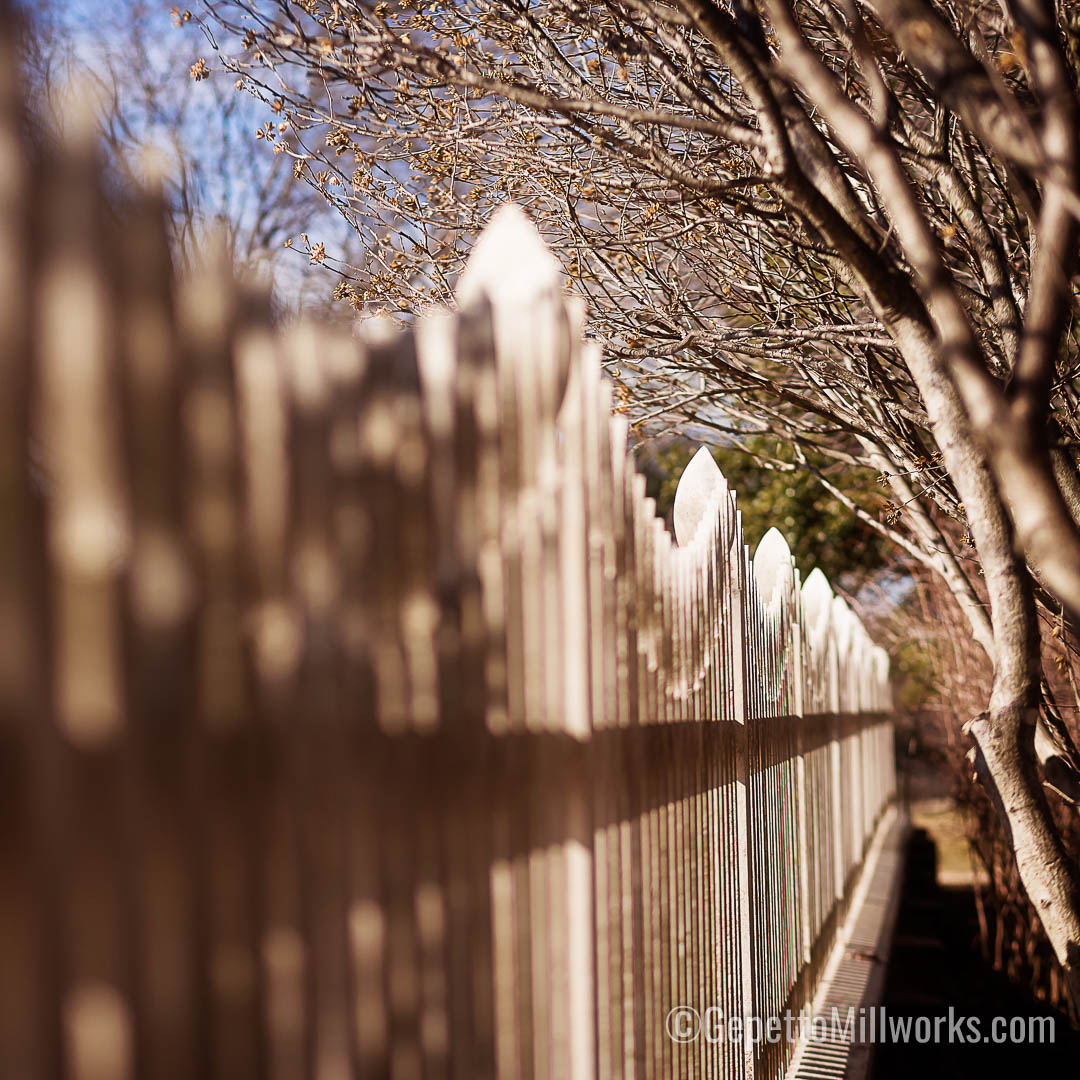
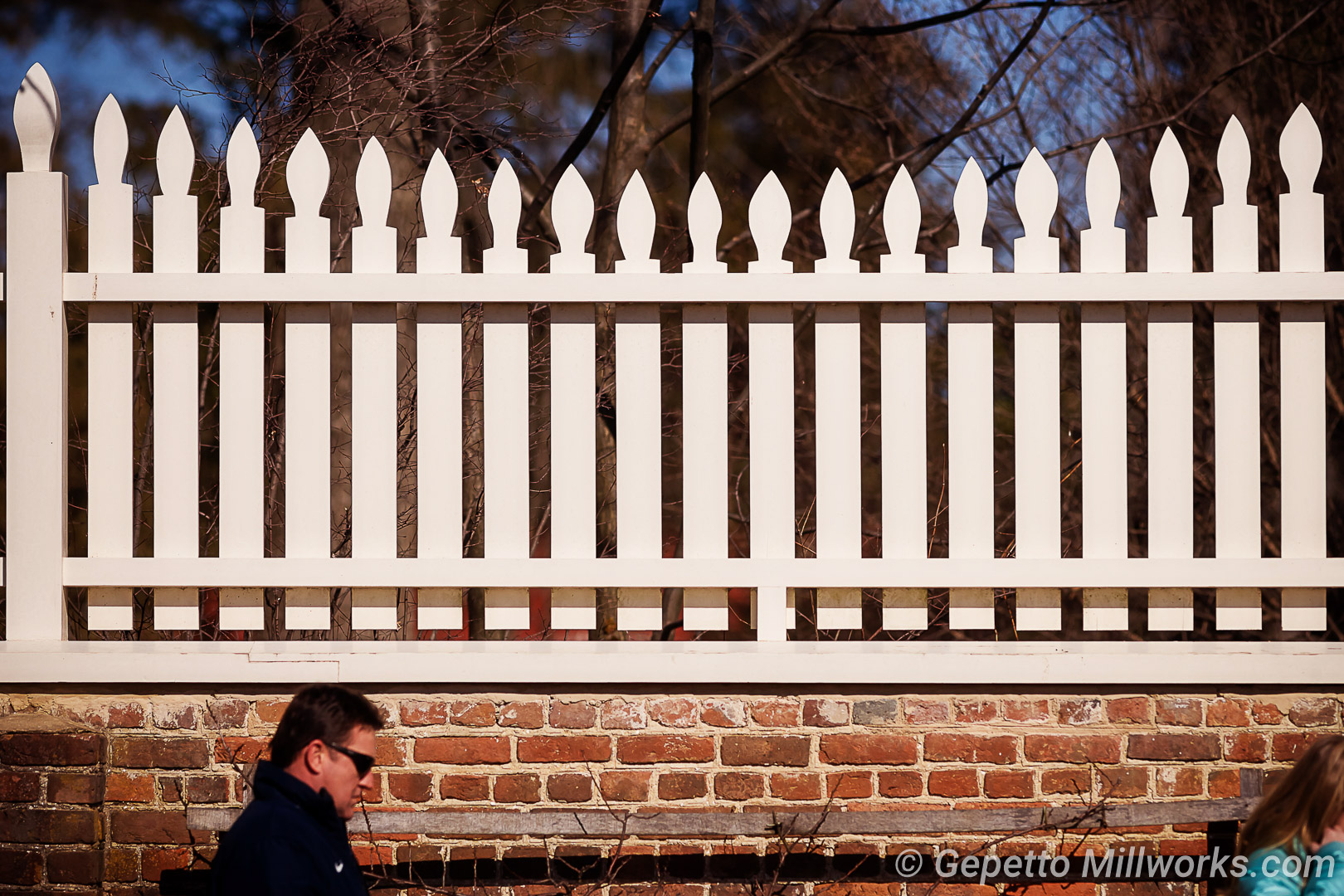
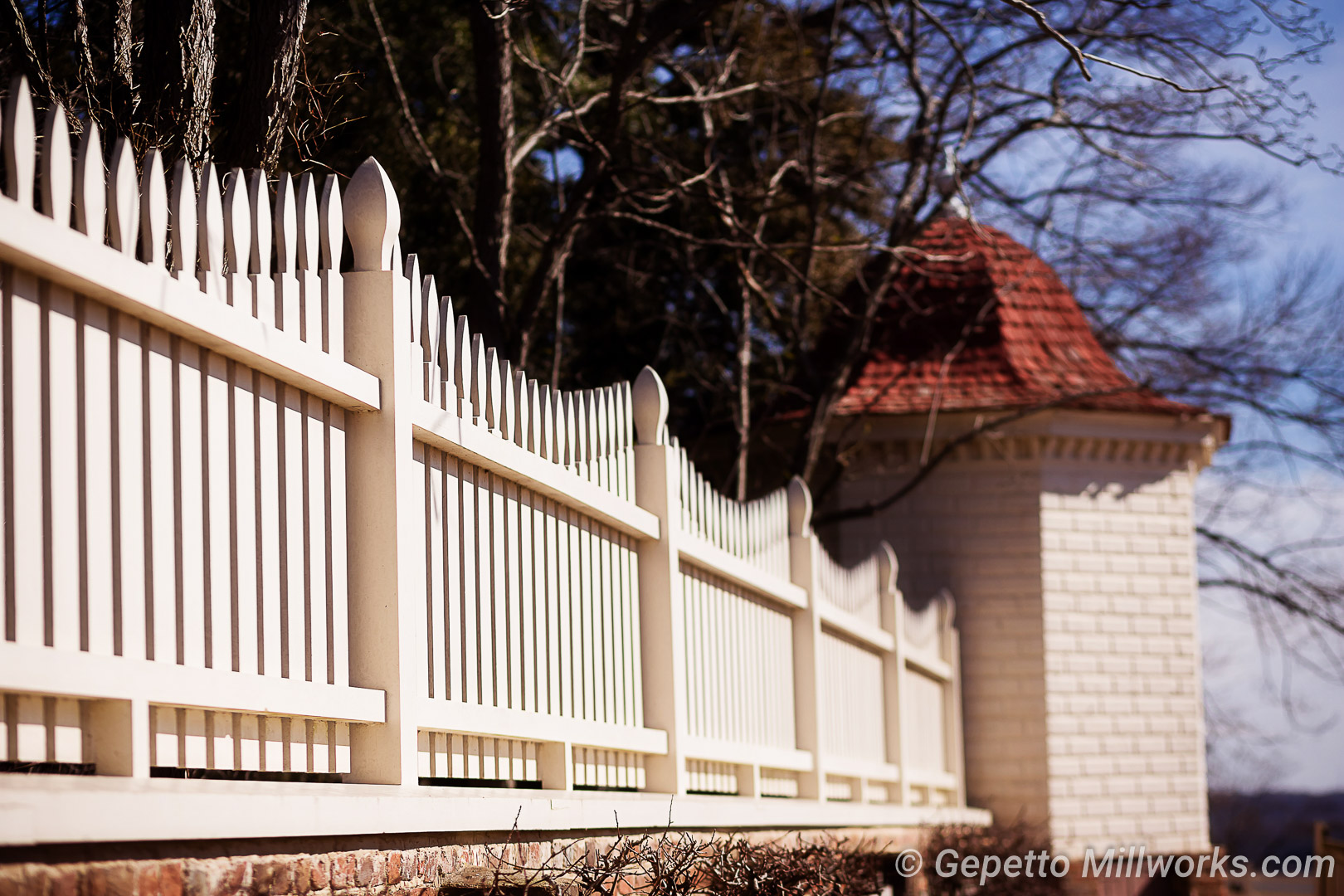
handmade historic fencing with decorative flourish made to match historic records
hand smithed gate hinge hardware
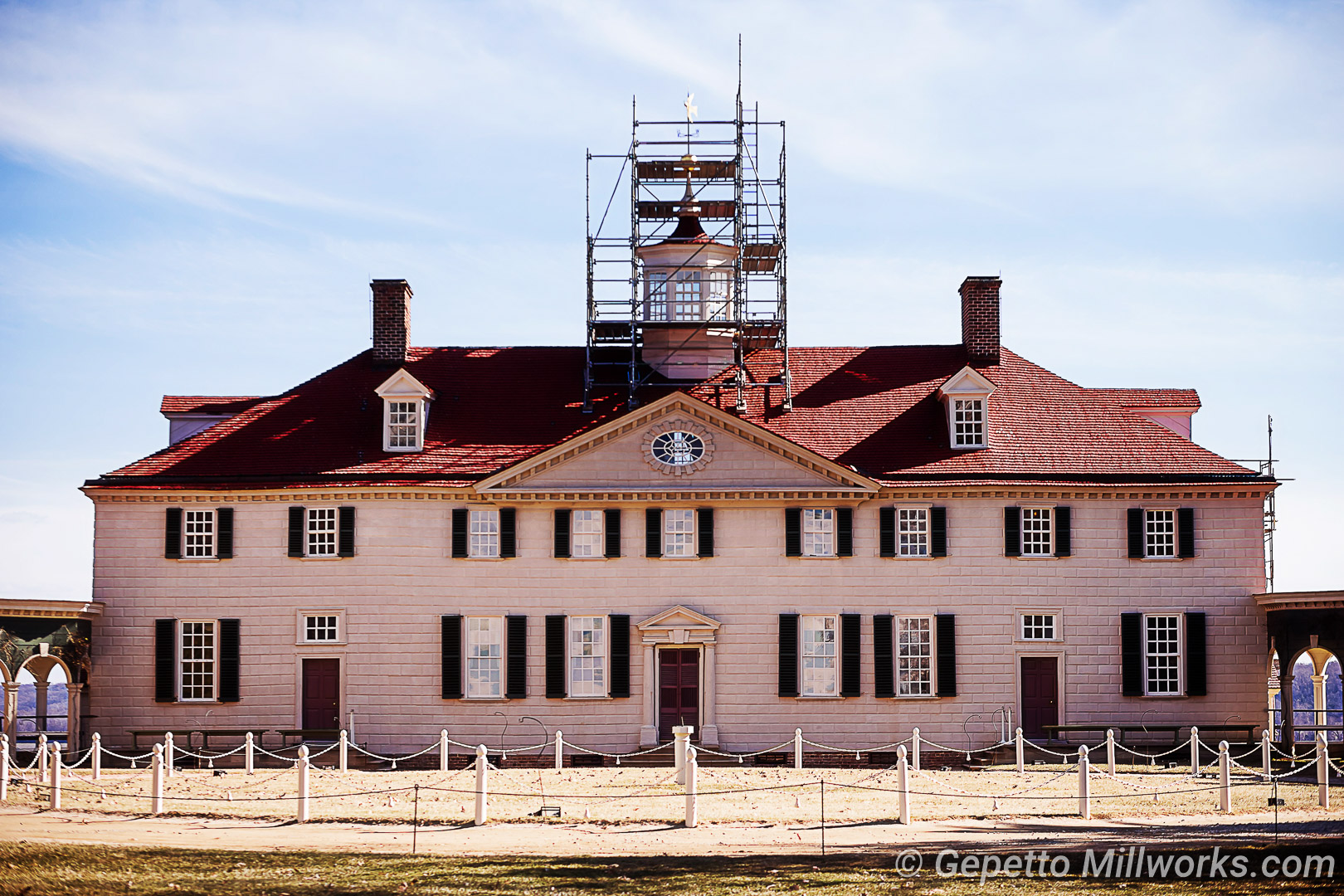
historic mount vernon home under construction
Mount Vernon Historic Restoration Materials Supplier

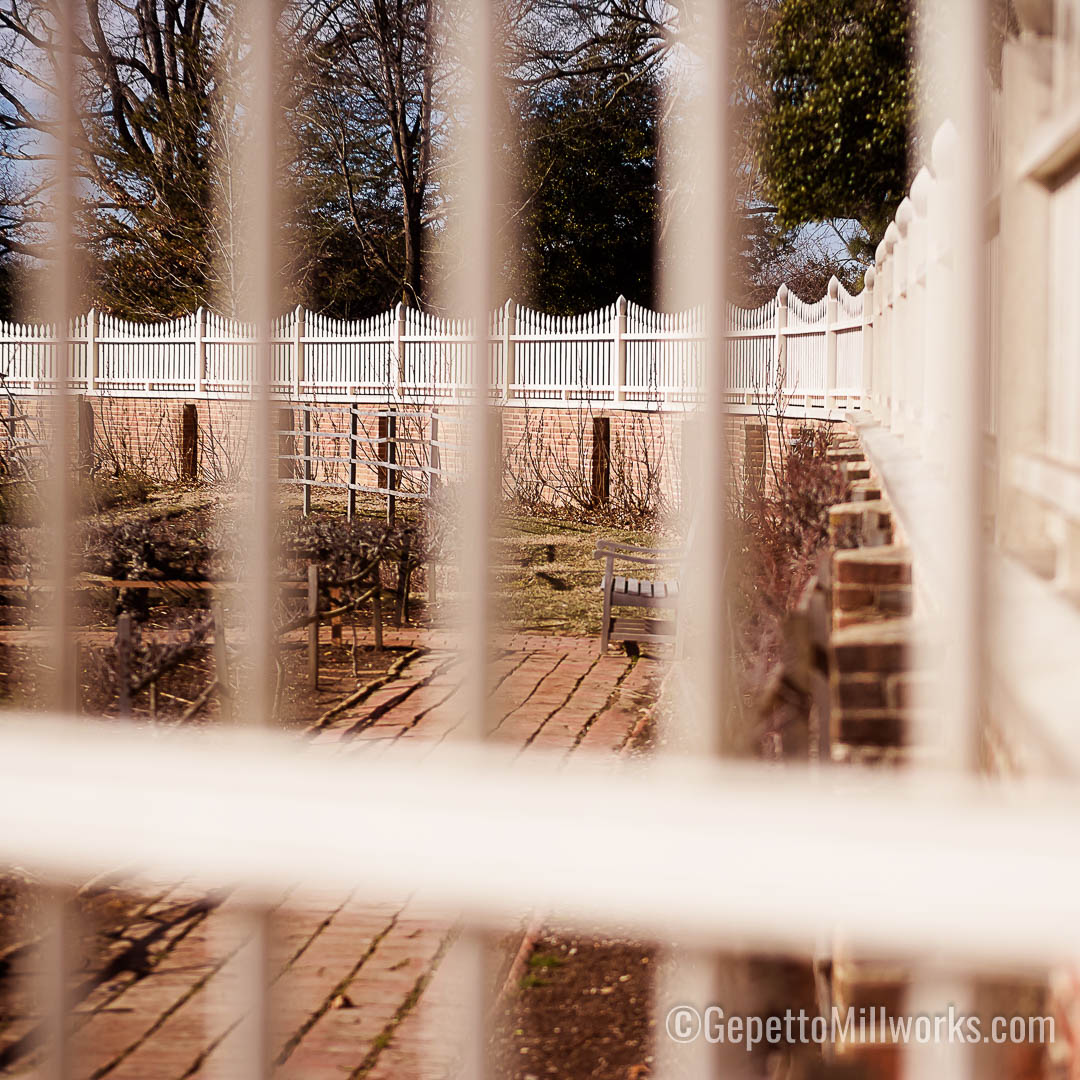
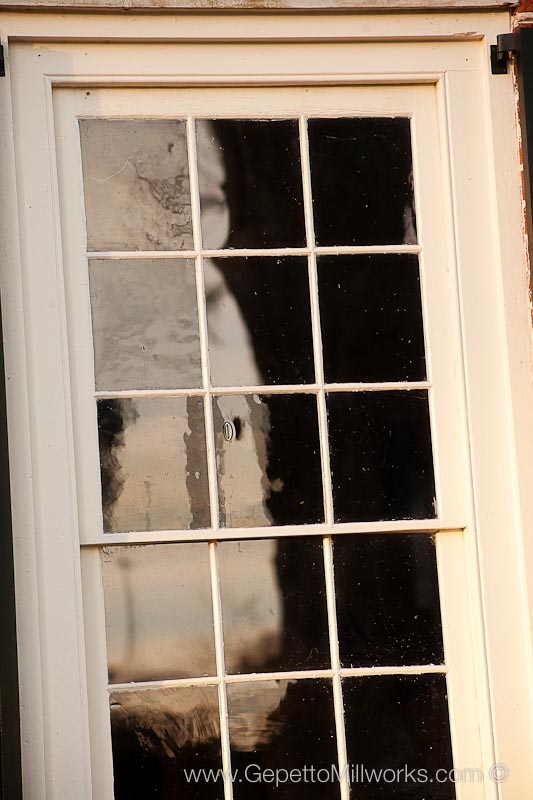
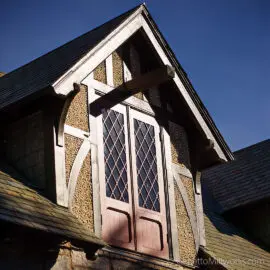
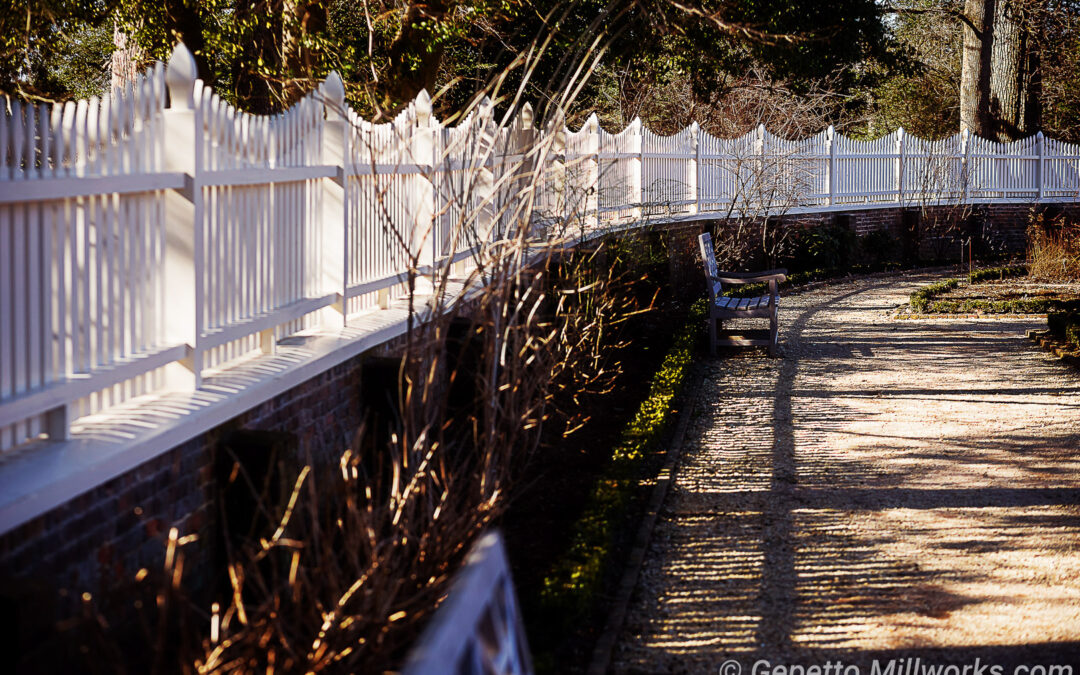
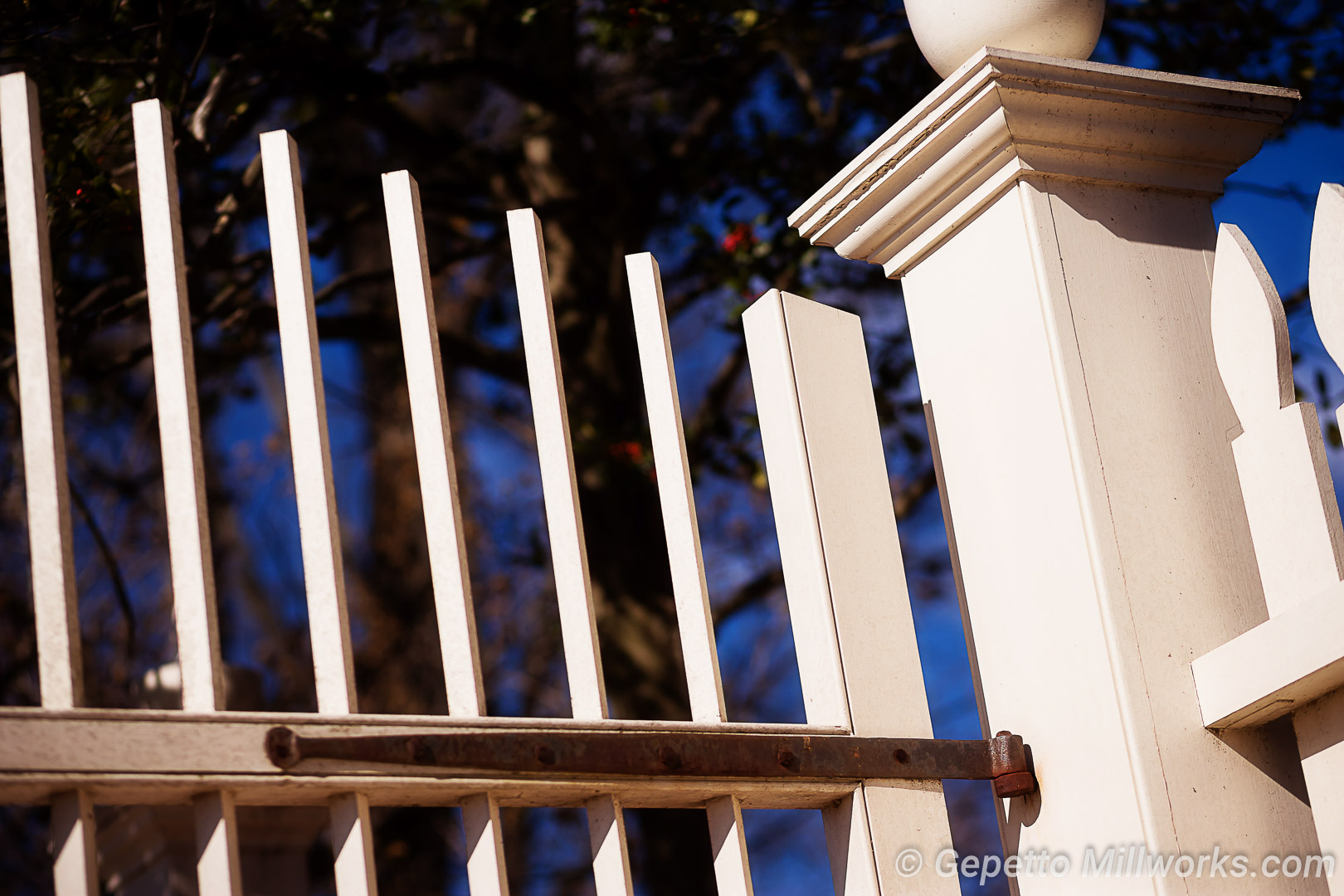
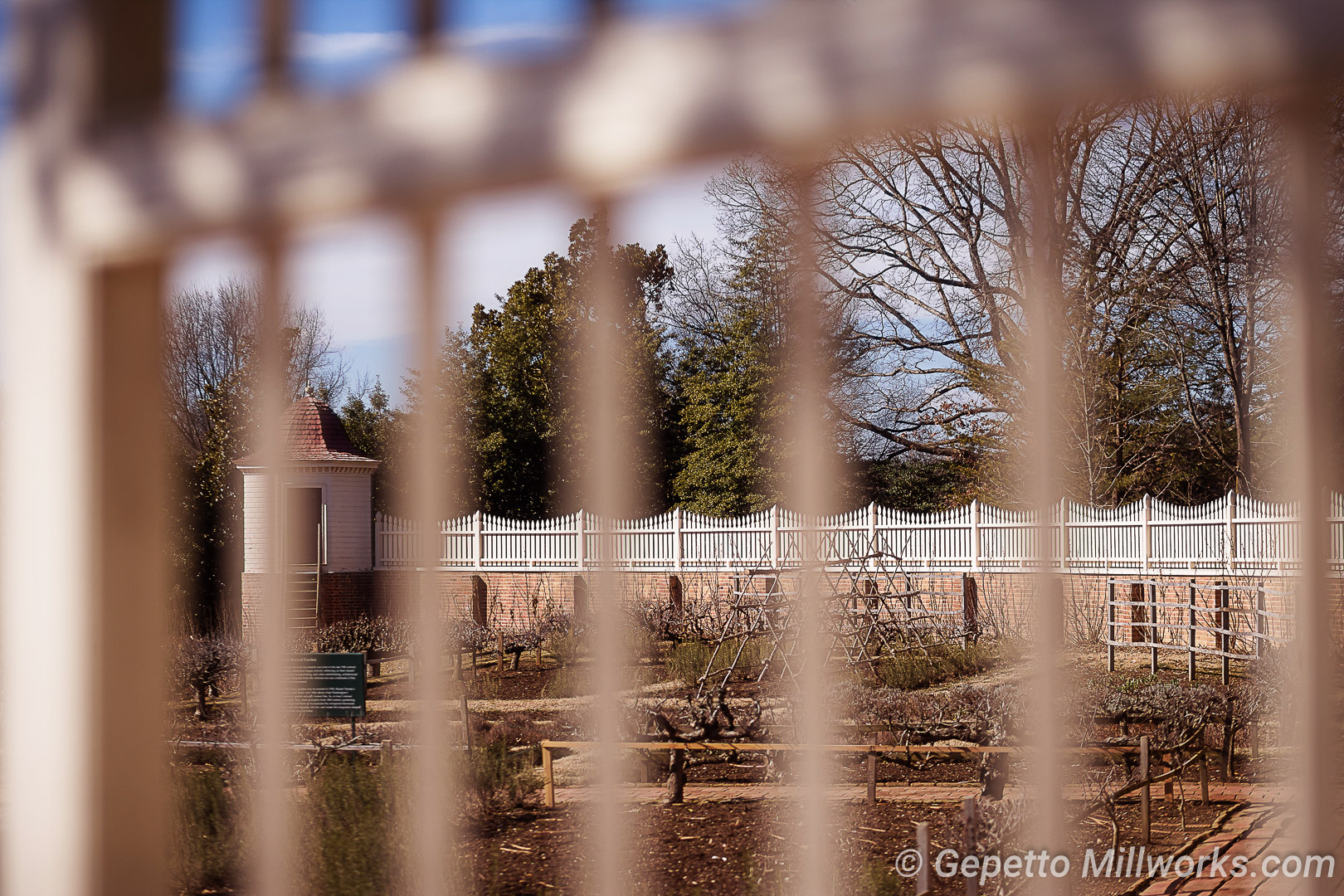
Virginia, often referred to as the “Mother of Presidents,” boasts a rich historical heritage that includes the homes and estates of some of America’s most iconic figures. One such historic gem is the Mount Vernon Estate, the former home of George Washington, the first President of the United States. Over the years, this treasured piece of American history has faced numerous challenges in its restoration efforts. Similarly, Gepetto Millworks, a renowned supplier of historic architectural millwork, has played a pivotal role in preserving Virginia’s historic architecture through their museum-quality restoration projects. The struggles faced in restoring the Mount Vernon Estate and the valuable contributions of Gepetto Millworks has made to historic preservation projects throughout Virginia are featured in these pictures.

The Mount Vernon Estate: A National Treasure

Mount Vernon, located on the banks of the Potomac River in Fairfax County, Virginia, is a place of immense historical significance. George Washington’s Mount Vernon Estate and Gardens is not only a symbol of the Founding Father’s legacy but also a testament to the architectural splendor of its time. The estate comprises the iconic mansion, outbuildings, lush gardens, and scenic landscapes. However, the preservation of Mount Vernon has been an ongoing struggle marked by various challenges.

Restoration Challenges at Mount Vernon

a. Weathering and Aging: Mount Vernon, like many historical sites, has faced the relentless effects of time and weather. Harsh winters, humid summers, and unpredictable weather patterns have taken a toll on the estate’s structures and architectural elements.

b. Preservation Costs: The financial burden of maintaining and restoring a site of Mount Vernon’s magnitude is substantial. Funding for restoration efforts often falls short, leading to the need for creative solutions and partnerships.

c. Historical Authenticity: Striking a balance between preserving the estate’s historical authenticity and accommodating modern visitor needs can be a delicate task. Restorations must respect the past while providing an educational and enjoyable experience for present-day tourists.

d. Skilled Labor Shortages: Finding craftsmen and artisans with the skills necessary for historical restoration can be a daunting challenge. The need for expertise in traditional techniques adds complexity to restoration projects.

e. Conservation Efforts: Environmental concerns and conservation efforts demand that restoration projects adhere to strict guidelines and sustainable practices. Balancing these requirements with historic preservation can be a struggle.

Gepetto Millworks: A Beacon of Expertise

Amid these restoration challenges, Gepetto Millworks has emerged as a beacon of expertise and quality in partnership with Museum Resources Kerry Shackleford. Founded with a commitment to producing museum-quality architectural millwork, our Virginia-based company has made substantial contributions to the restoration of historic buildings throughout the state.

  1. Museum-Quality Restoration

Gepetto Millworks specializes in crafting architectural millwork with an unparalleled commitment to historical accuracy. Their artisans use traditional techniques and materials, ensuring that each piece is a faithful reproduction of the original. This dedication to museum-quality restoration has made Gepetto Millworks a trusted partner in preserving Virginia’s historic architecture.

  1. Craftsmanship and Expertise

Restoration projects require a high level of skill and craftsmanship, often involving intricate details and historical accuracy. Gepetto Millworks employs master craftsmen who possess the knowledge and experience to recreate historical millwork with precision and authenticity. Their expertise is invaluable in maintaining the integrity of Virginia’s historic buildings.

  1. Collaborations with Historic Sites

Gepetto Millworks has actively collaborated with historic sites across Virginia, including Mount Vernon, to provide custom millwork solutions. Their work not only enhances the aesthetics of these buildings but also ensures their long-term structural integrity. Such collaborations exemplify the company’s commitment to preserving Virginia’s rich history.

  1. Sustainability and Conservation

In an era of increased environmental awareness, Gepetto Millworks incorporates sustainable practices into their restoration projects. Their use of locally sourced materials, eco-friendly finishes, and adherence to conservation guidelines aligns with the broader goals of preserving historic sites while minimizing environmental impact.

The Symbiotic Relationship between Mill & Installation

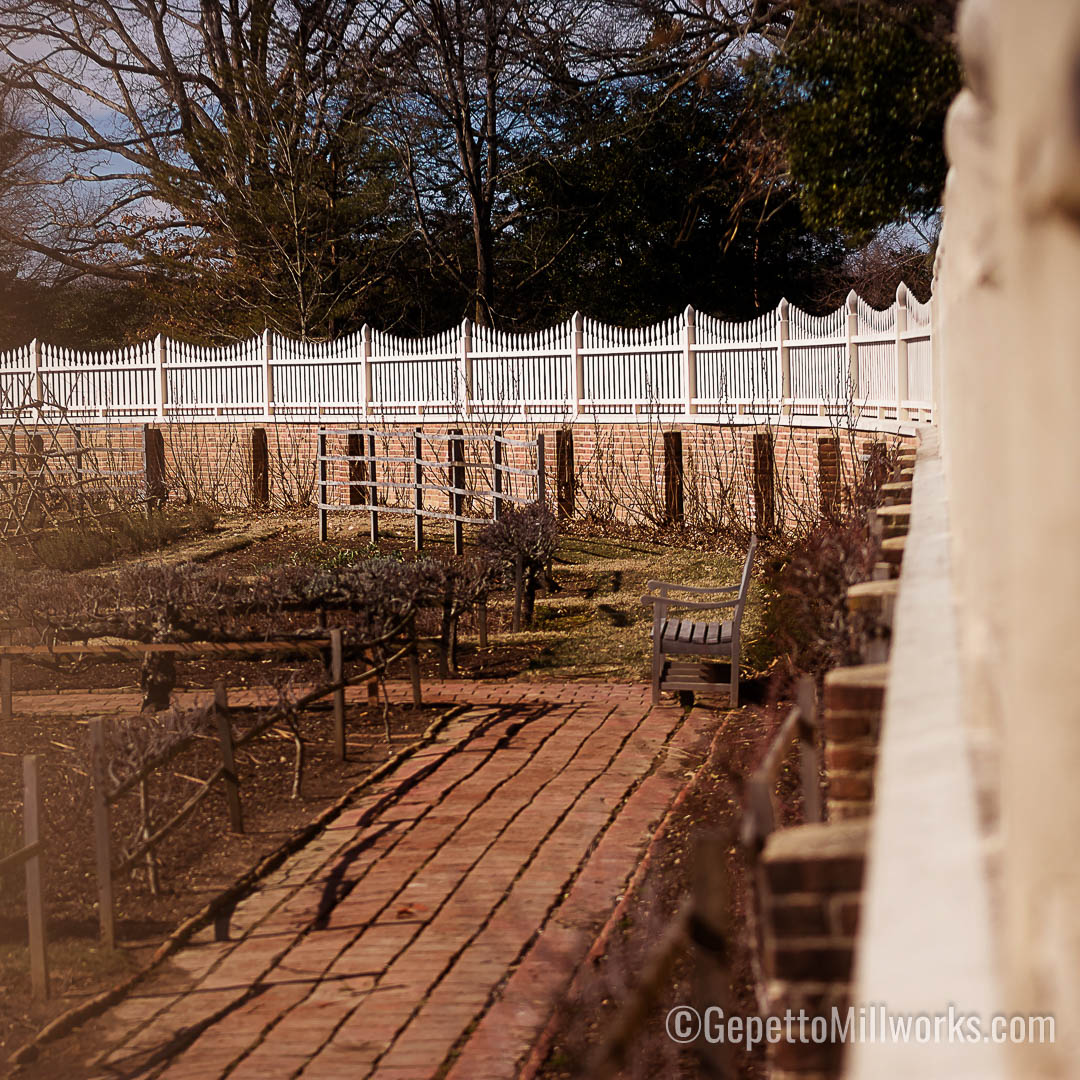
The relationship between the restoration of Mount Vernon and the contributions of Gepetto Millworks exemplifies a symbiotic partnership rooted in shared values.  In historic time periods labor was more affordable, and hand tools were used for shaping – so the fence profiles where not machine or template consistent.  You’ll see that small nuance if you look at the pictures closely now.

  1. Historical Authenticity: Gepetto Millworks’ dedication to historical accuracy ensures that every piece of millwork they create for Mount Vernon aligns with the estate’s architectural heritage. Their work is a vital component in preserving the authenticity of this iconic historical site.
  2. Addressing Restoration Challenges: The challenges faced in restoring Mount Vernon, such as the shortage of skilled artisans and preservation costs, are mitigated by Gepetto Millworks’ expertise and commitment. Their skilled craftsmen contribute to the restoration process while offering cost-effective solutions.
  3. Education and Tourism: Mount Vernon serves as an educational resource and tourist attraction, and Gepetto Millworks’ contributions enhance visitors’ experiences. The meticulous restoration work adds value to the estate’s appeal, promoting historical education and tourism in Virginia.
  4. Sustainability and Conservation: Both Mount Vernon and Gepetto Millworks recognize the importance of sustainable practices in historic preservation. By aligning their efforts with conservation principles, they ensure that the estate’s restoration is not only historically accurate but also environmentally responsible.

The struggle to restore the Mount Vernon Estate and the dedication of Gepetto Millworks to preserving Virginia’s historic architecture are intertwined stories of commitment, expertise, and shared values. Mount Vernon stands as a testament to America’s past, and its restoration challenges reflect the broader issues faced by historic sites across the nation. Gepetto Millworks’ role in providing museum-quality architectural millwork showcases the critical importance of skilled craftsmanship and historical accuracy in preserving our heritage.  In the face of weathering, financial constraints, and the need for historical authenticity, the collaboration between Mount Vernon and Gepetto Millworks serves as a model for successful historic restoration projects. Together, they ensure that the legacy of George Washington and Virginia’s rich historical heritage will endure for generations to come, offering a glimpse into the past for visitors and an opportunity to learn from it.
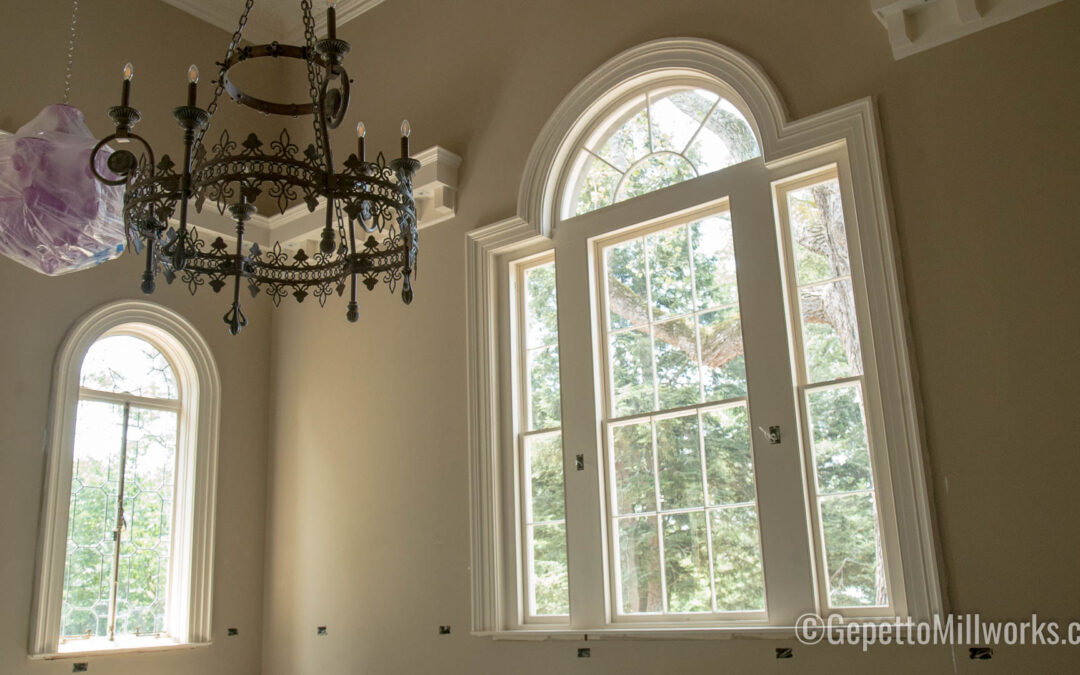
custom arc and round Top doors,  gates & Windows

custom arc and round Top doors, gates & Windows

In the world of construction and preservation, few elements evoke the same sense of wonder and complexity as round windows in historic buildings. These architectural marvels have graced our cities for centuries, captivating the imagination with their intricate designs and timeless beauty. As a construction manager deeply involved in the restoration of historic structures, I have come to appreciate the unique challenges and rewards that come with the territory. In this narrative, I will explore the intricate world of round windows in historic buildings, shedding light on their complexity and the indispensable need for experienced millwork craftsmen, such as Gepetto Millwork, to handcraft these exquisite features rather than opting for on-site construction or less experienced manufacturers.

The Fascination with Historic Round Windows

Before diving into the specifics of round windows, it is essential to understand why these architectural elements hold such a special place in the hearts of preservationists, architects, and construction managers alike. Round windows, often referred to as oculi or rose windows, are not just functional openings to let light into a building; they are intricate works of art, often featuring intricate tracery, stained glass, and decorative detailing. They serve as both practical and aesthetic elements, offering glimpses of the world outside while simultaneously enhancing the building’s visual appeal.

The Complexity of Round Windows

a. Architectural Challenges

Historic round windows, unlike their rectangular counterparts, present a myriad of architectural challenges. Their curved shape defies the straightforward geometry that most modern construction methods are built upon. This complexity necessitates precise calculations, measurements, and a deep understanding of materials so as not to create weakness and structural failure.

b. Structural Integrity

One of the foremost concerns when dealing with round windows is ensuring structural integrity. These windows often occupy large portions of the building’s façade, which means they must withstand considerable loads and environmental stressors. Failing to address structural concerns could lead to costly and dangerous consequences, compromising the safety of the building and its occupants.

c. Historical Authenticity

Preserving the historical authenticity of a building is paramount in restoration projects. Round windows are often integral to a building’s historical identity, and any attempt to replace or modify them must be done with the utmost care and attention to detail. Using the wrong materials or techniques can irreparably damage the building’s historical integrity.

The Artistry of Round Window Design

a. Intricate Tracery

One of the most captivating aspects of round windows is their intricate tracery, which refers to the ornamental stonework or woodwork that forms the window’s framework. The design of tracery can range from simple geometric patterns to elaborate, flowing motifs that tell a story or convey religious symbolism. Crafting tracery requires not only technical skill but also a deep appreciation for the artistic and historical context in which the window exists.

b. Stained Glass

Stained glass is a hallmark of many historic round windows, adding a mesmerizing play of colors and light to the interior of the building. The creation of stained glass windows is a highly specialized craft that demands a deep understanding of glasswork and painting techniques. Each piece of glass must be meticulously chosen for its color and translucency, and the final composition must be both beautiful and structurally sound. The Role of Experienced Millwork Craftsmen

a. Artful Construction

Millwork refers to the crafting of wood elements for architectural purposes, and it is a crucial aspect of round window construction. The skills required for millwork are highly specialized, involving precision cutting, carving, and shaping of wood to create intricate designs. Experienced millwork craftsmen possess the knowledge and expertise necessary to execute the most intricate and historically accurate round window designs.

b. Gepetto Millwork: A Trusted Name

When it comes to entrusting the creation of round windows in historic buildings, Gepetto Millwork is a name that resonates throughout the industry. With a 20 year legacy of craftsmanship Matthew Wiley has earned a reputation for excellence and delivered on big projects. His dedication to preserving historical accuracy and attention to detail make them a preferred choice for construction managers and preservationists alike.

The Perils of On-Site Construction

a. Compromised Quality

Attempting to construct round windows on-site presents a host of challenges that can compromise the quality and authenticity of the final product. On-site construction lacks the controlled environment and specialized equipment necessary for crafting intricate designs and achieving precise measurements.

b. Delays and Cost Overruns

On-site construction of round windows often leads to delays and cost overruns. Any miscalculations or mistakes can result in significant setbacks, including the need for costly revisions and repairs. These delays can be especially problematic when working on historic restoration projects with tight timelines and budgets.

The Pitfalls of Less Experienced Manufacturers

a. Cookie-Cutter Approaches

Less experienced manufacturers may take a one-size-fits-all approach to round window production, neglecting the unique historical and architectural context of each project. This can result in generic, uninspired designs that fail to capture the essence of the building or the period in which it was constructed.

b. Lack of Expertise

Experienced millwork craftsmen, like those at Gepetto Millwork, possess a level of expertise that is simply unmatched by less experienced manufacturers. The intricate detailing, historical accuracy, and structural integrity of round windows require a depth of knowledge and skill that cannot be easily replicated. In the world of historic preservation and construction, round windows stand as testaments to the intersection of art and architecture. Their complexity and beauty captivate the imagination and inspire awe. Yet, these architectural marvels are not easily replicated or replaced, and their preservation demands the utmost care and expertise. As a frustrated construction manager, I have witnessed firsthand the challenges that come with attempting to construct or restore round windows without the involvement of experienced millwork craftsmen like Gepetto Millwork. The complexities of structural integrity, historical authenticity, and artistic design cannot be taken lightly. To do justice to these remarkable features of historic buildings, we must recognize the indispensable role of craftsmanship in their creation and restoration. The next time you gaze upon a historic round window, take a moment to appreciate the intricate tracery, the stained glass, and the centuries of artistry and craftsmanship that have gone into its creation. These windows are not just openings to the past; they are portals to a world where beauty and complexity converge, reminding us of the timeless allure of historic architecture.
Unique Restaurant Millwork

Unique Restaurant Millwork

Completely Unique

Collaborate with a master woodworker on your first or next restaurant design.

20 years of experience bringing wood to life in restaurants for unique experiences.

Feature Natural Beauty

Start your creative plan with a master woodworker and feature the natural beauty of wood.

With two decades of crafting vibrant and unique dining experiences
through expert woodworking in restaurants,
we breathe life into wood, making each piece tell a story of its own.

Unique Restaurant Millwork

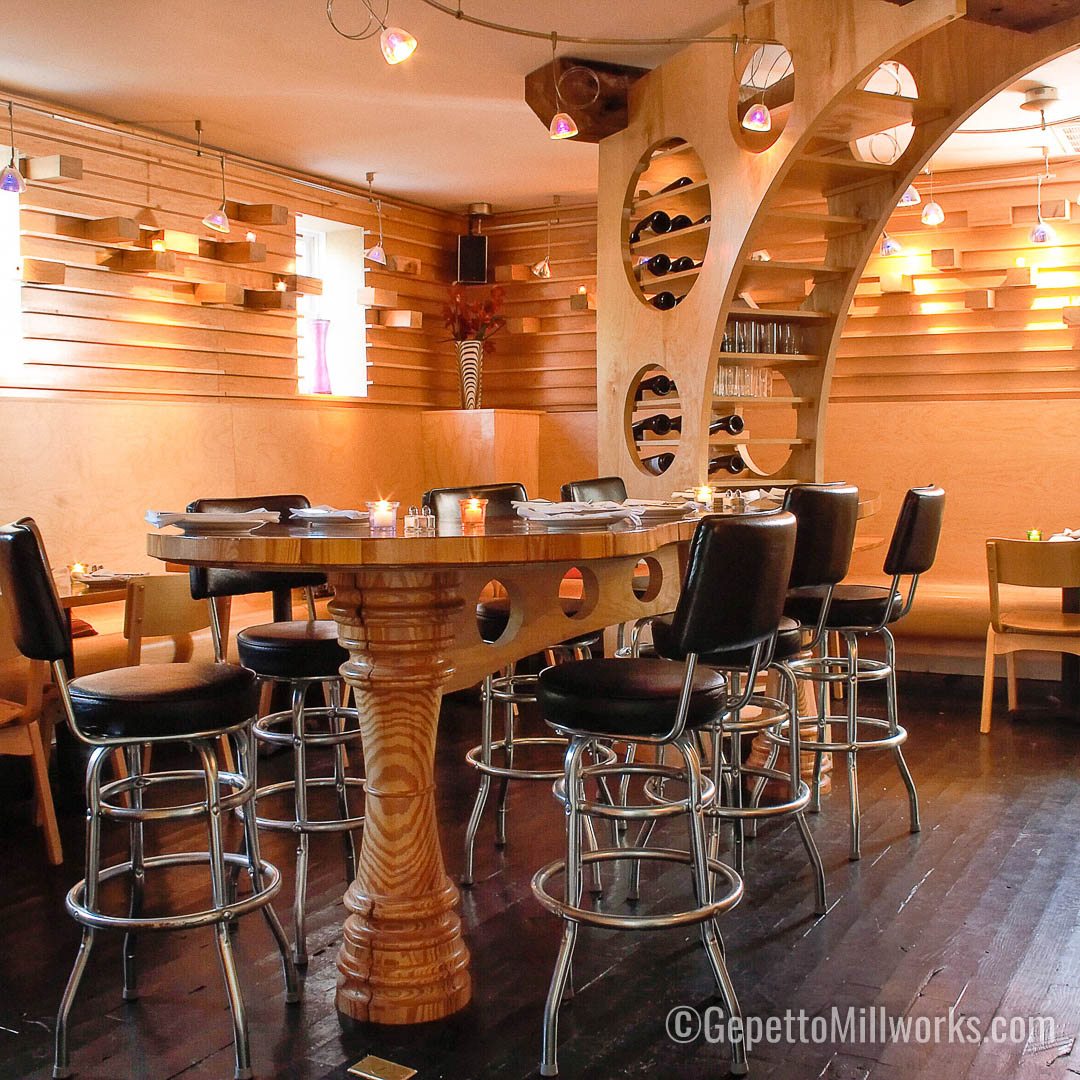
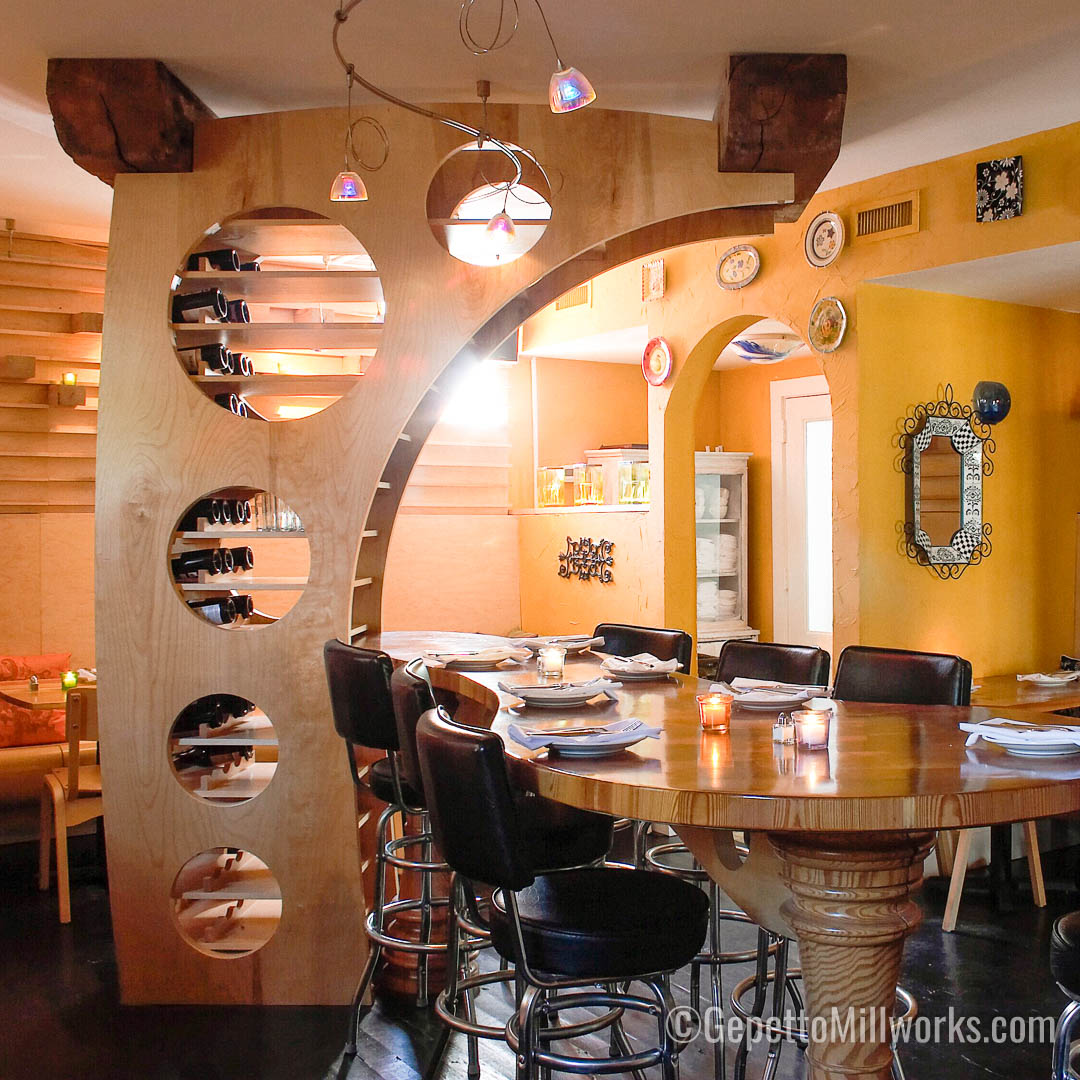
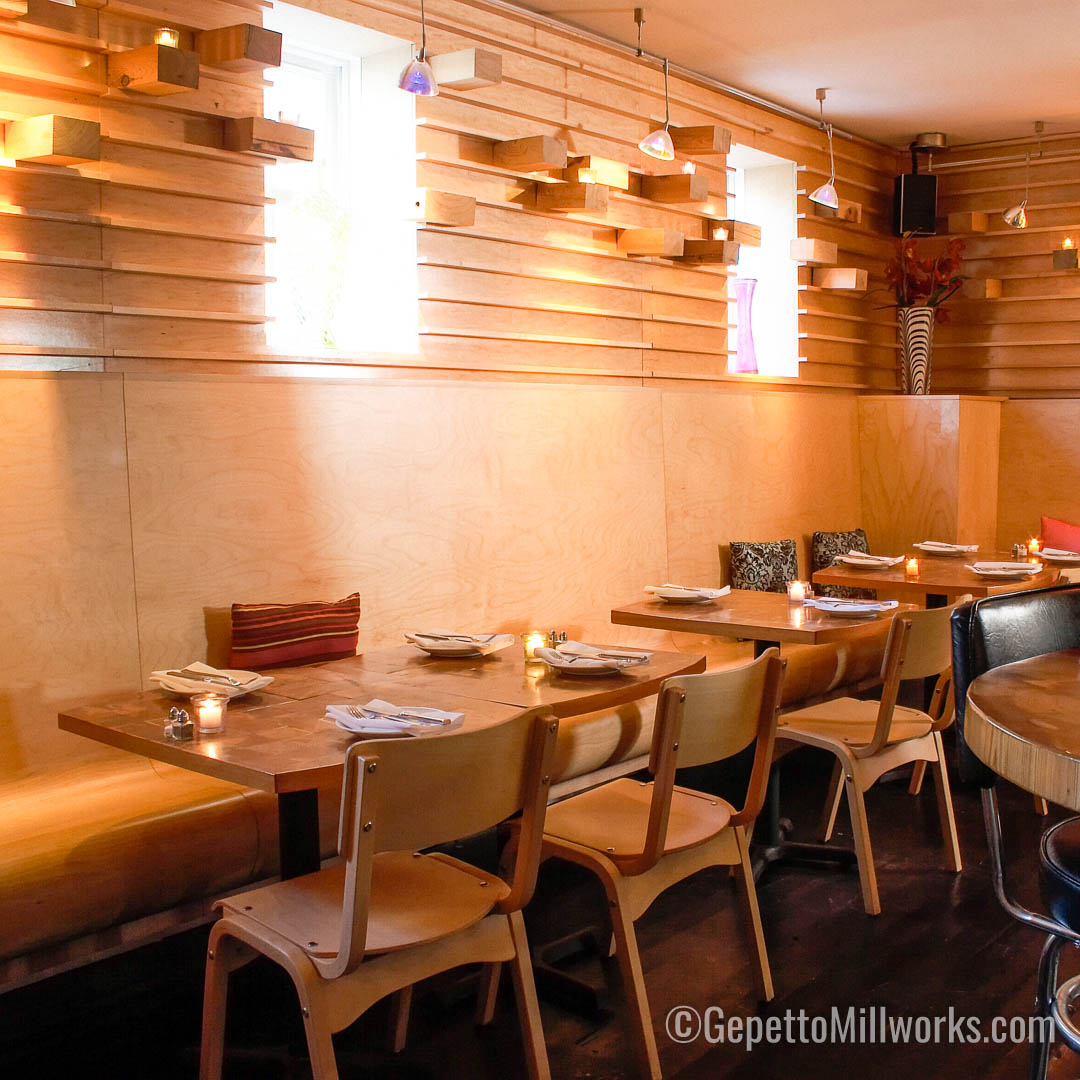
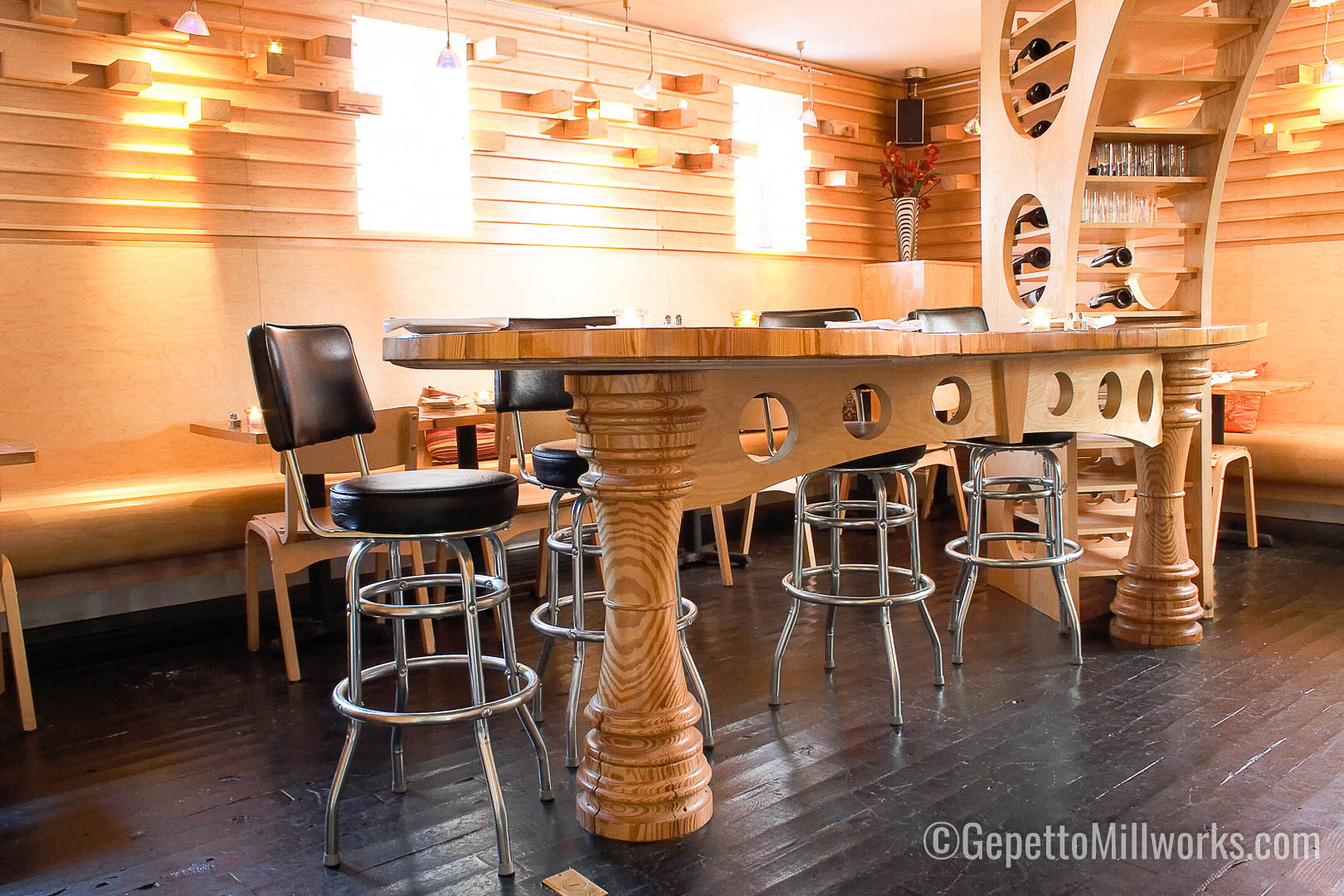
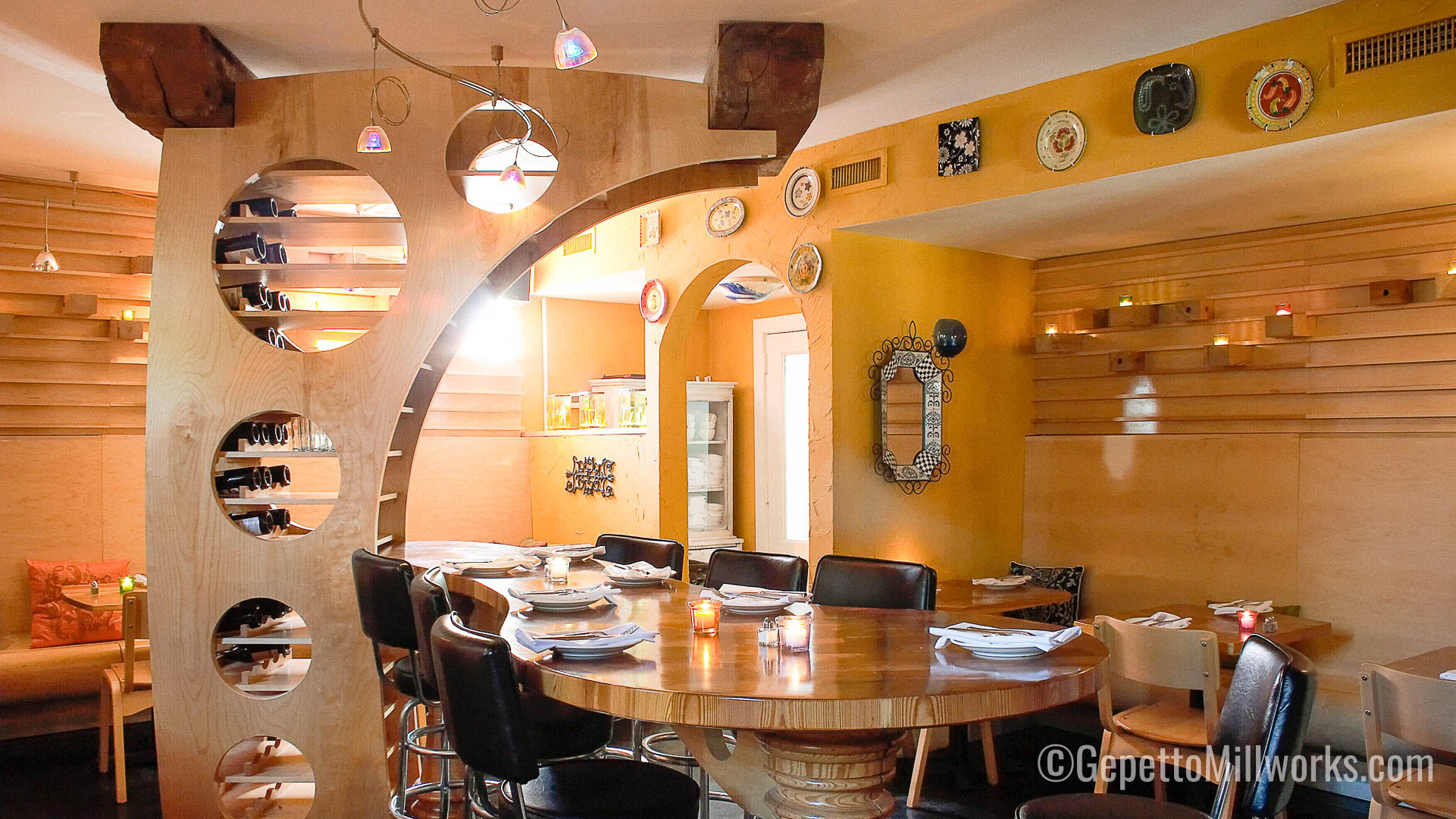
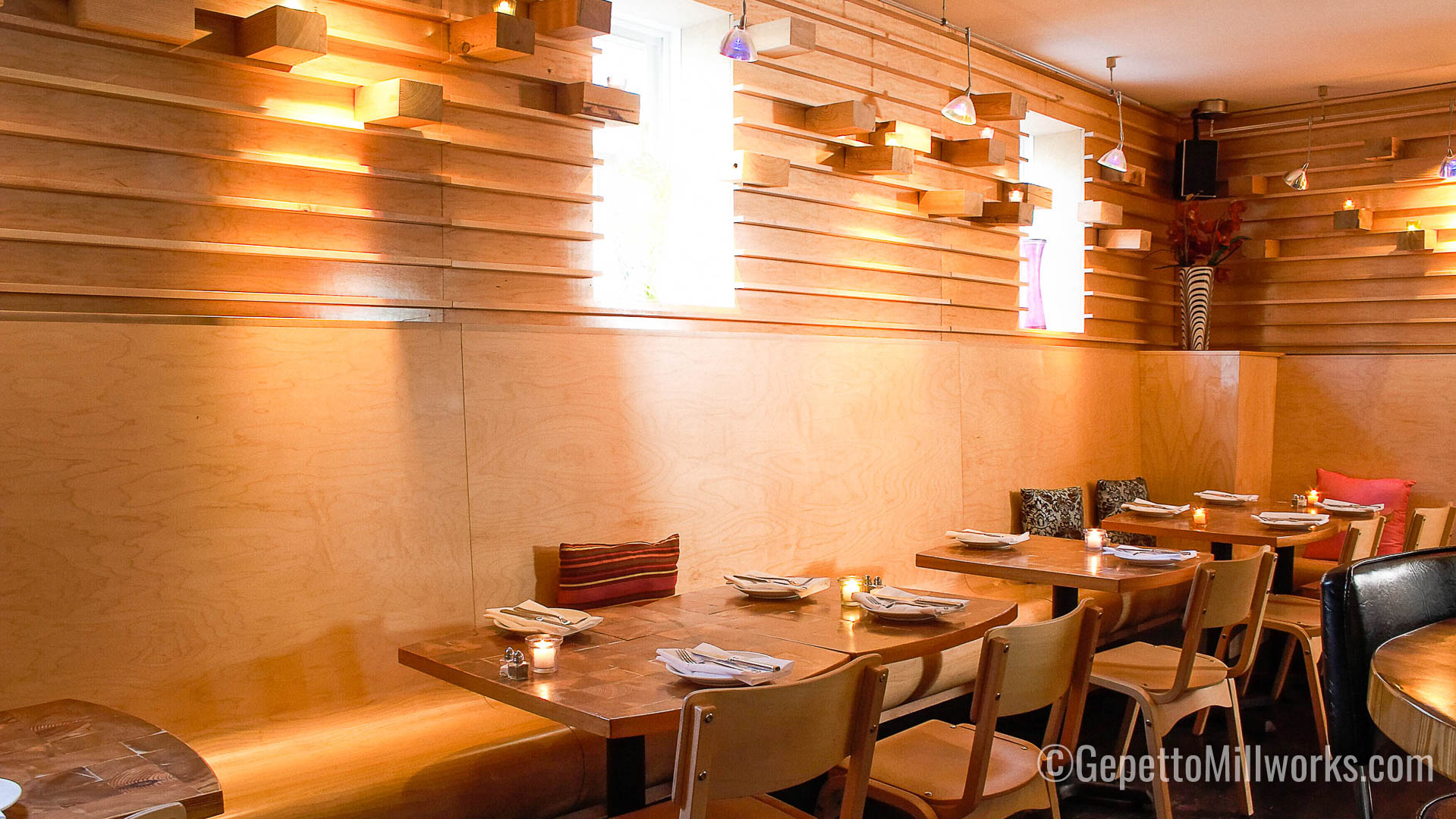
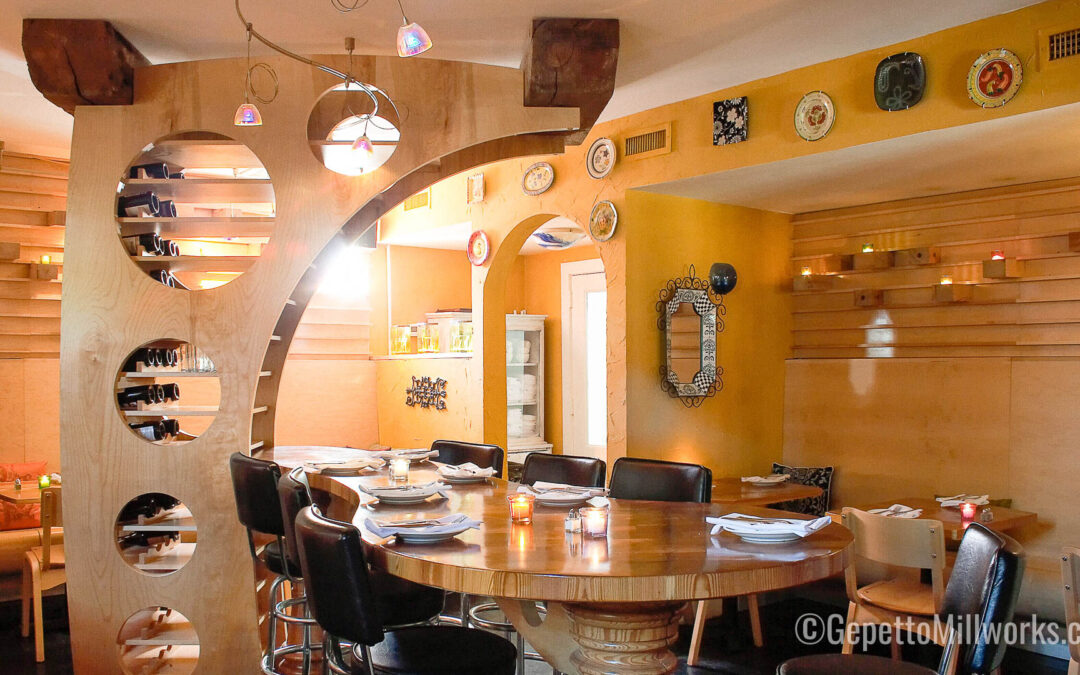
Si restaurant was a creative project in 2007 where wood brought to life in a very small space. Fitting the tiny space with off the shelf tables and chairs would have severely limited the function, and profitability of the restaurant. The owner approached us for assistance, seeking architectural help to build a space with a warm and comfortable atmosphere and a fluid layout to allow servers and waitresses to work smoothly. At it’s center, in the horizontal layout the architect designed a kidney-shaped table as a high-top that could seat any larger parties or family dining but needed confidence that we could make a structure strong enough while saving space. Massive large turnings became the legs. Standard height tables line the back wall and we increased seating capacity by forming a bench the complete length. Hard to notice in these photos but the bench seat turns the edge with a solid bent plywood showcasing the grain.

Wood Grain Theme

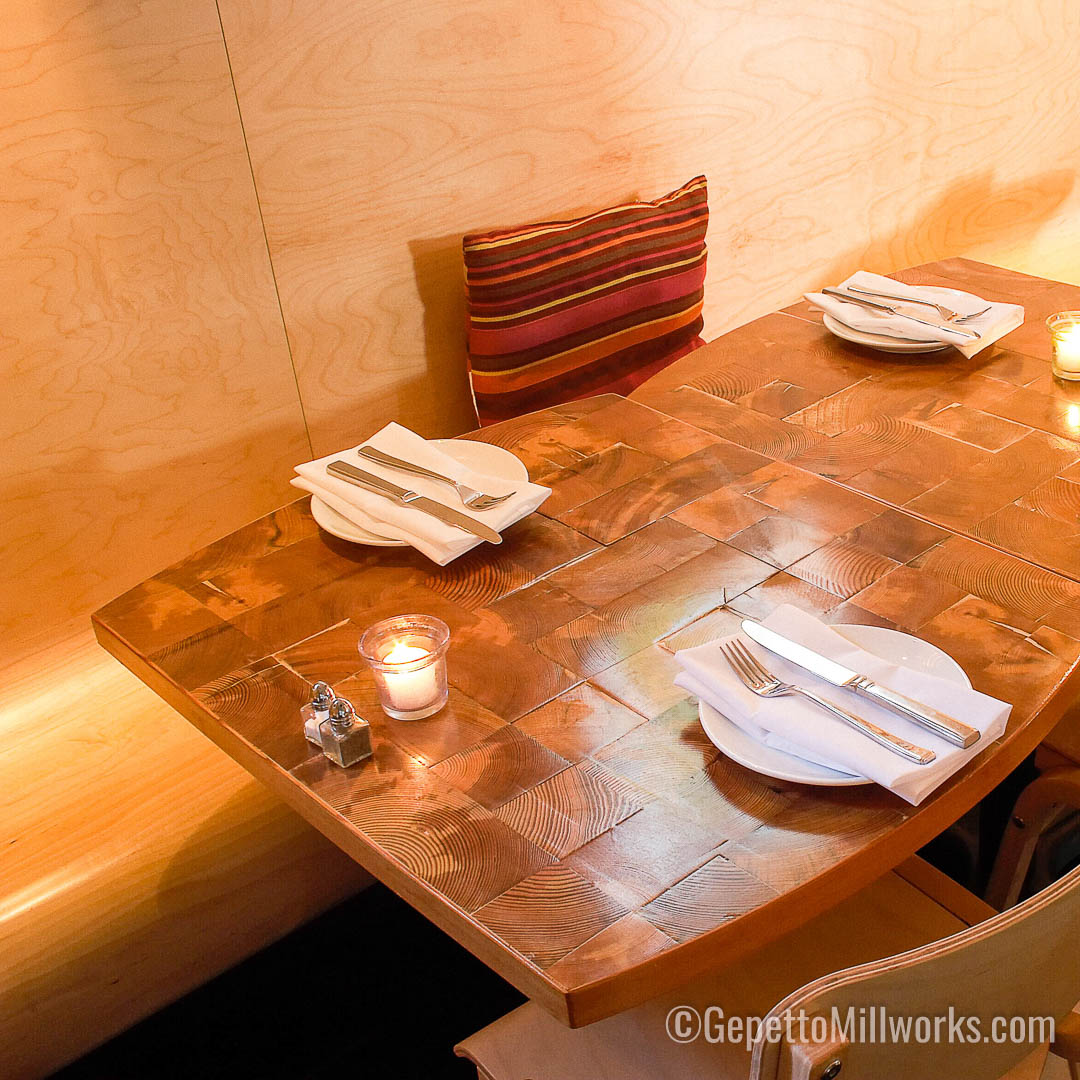
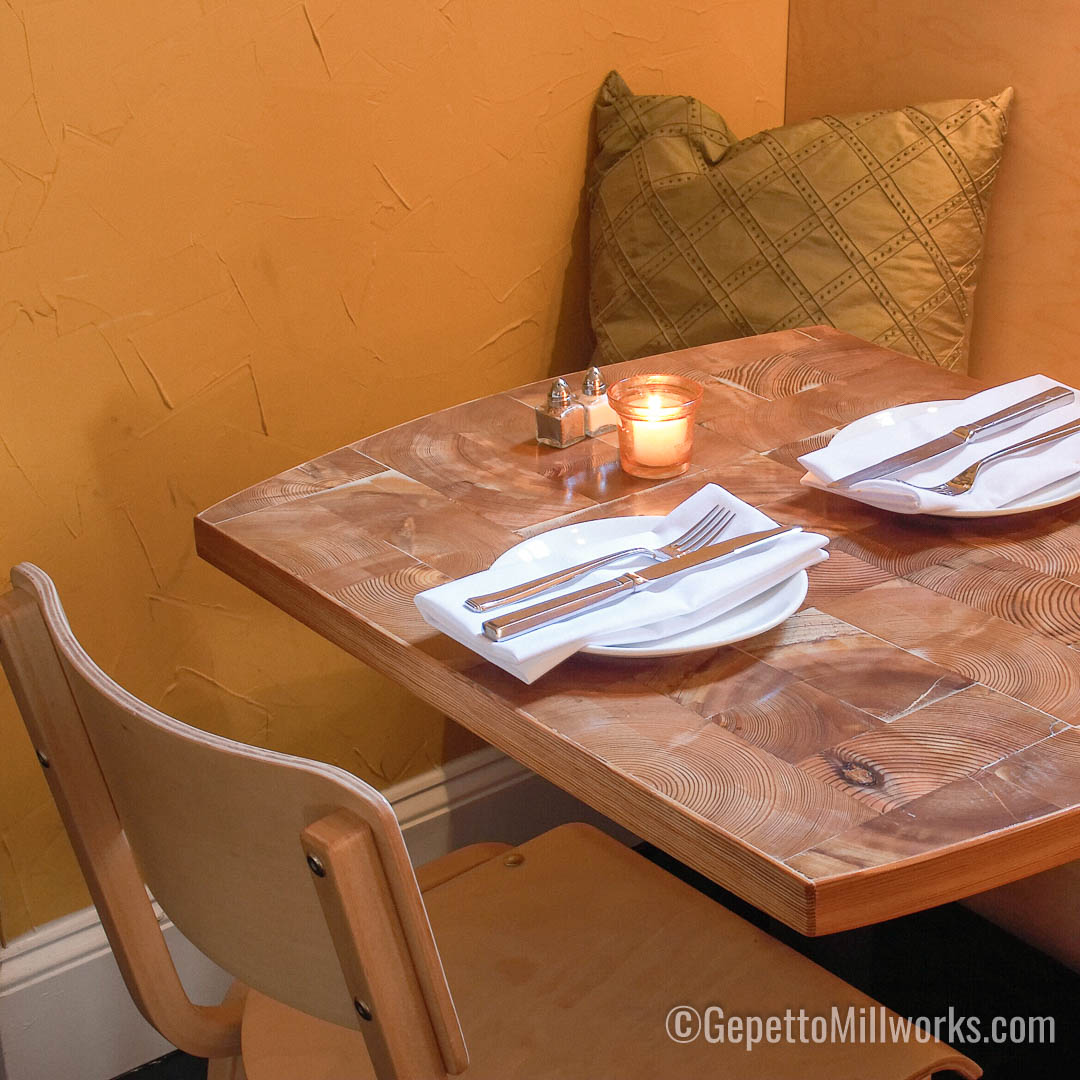
The natural wood grain brought a unified theme and saved on cost. The central visual flourish at the center incorporates the wine rack. Adding large circles to contrast all the straight lines, as well as confound the eye as to the method of construction, gave the space a bold and memorable arc. Two dark grain grain relics are held up creating a tension and mystery while delighting the eye as it travels up. The community table stands on hand turned solid legs, showcasing a rare grain profile but pragmatically saving floor space to make the small space appear larger. All the millwork showcased an end grain texture, lending the tabletop a distinct appearance divergent from traditional restaurant tables that was unheard of in 2007, and all the rage now.

Design Collaboration

Other practical pieces aren’t seen in the pictures. For example to ensure customer turnover, crucial for the restaurant’s survival in such a confined space, we opted not to include cushions on the seats; excessively comfortable seating might encourage patrons to linger for extended periods. In choosing Gepetto as your supplier, you get to work directly with me and can rely on me to collaborate with you for uninque presentation, as well as cost saving ideas that come directly from 20+ years of shop management experience. Just phone me up to talk through your creative interior that needs custom wood fabrication: ‪804-938-2094‬

virginia creative restaurant builder
completely unique restaurant millwork
virginia custom restaurant builder
https://gepettomillworks.com/commercial-millwork/restaurant-fittings/

Delivery & Install

Custom Fit

Handmade

Made IN VA

Unique Restaurant Millwork

Collaborate with a master woodworker on your first or next restaurant design. 20 years of experience bringing wood to life in restaurants for unique experiences.Start your creative plan with a master woodworker and feature the natural beauty of wood. With two decades...

Farmhouse Chic Rustic REstaurant Furnishing

Contact Matthew Wiley at Gepetto Millworks 804-938-2094 for custom restaurant pieces that ensure your space and presentation are unique!  Gepetto builds the made to order millwork from their shop in the hills outside of Charlottesville so you are supporting the local...

Restaurant Builder – Complex Artistic Fittings and Furnishings for Restaurants

COMPLEX ARTISTIC FITTINGS AND FURNISHINGS FOR RESTAURANTSWe're here in Washington DC finishing up install cleanup at M street and 11 th for Supra Restaurant.  The restaurant's beginning is an interesting story in innovation starting on Kickstarter and finished with...

Built to suit in-home bar : custom wood bar order

You want an empressive entertainment space. We can build anything you'd like!If you'd like your mancave to have that rustic feel. A hunting lodge meets olde english pub?Built to suit in-home bar Are you designing your dream home? We will design and build the ultimate...

Gepetto Millworks has carved a niche for itself in addressing spatial challenges while delivering sophisticated and stylish woodworking solutions for restaurants in Virginia, Maryland, and Washington DC. With a thorough understanding of the unique spatial problems encountered by restaurants in these regions, our craftsmen expertly create pieces that not only maximize the utility of space but also significantly elevate the aesthetic appeal of the establishments bringing in those social media mentions!

Understanding Spatial Challenges

Restaurants in bustling urban areas of Virginia, Maryland, and Washington DC often operate within confined spaces. Gepetto Millworks meticulously analyzes the dimensions and layout of each space to craft furniture and wooden installations that align seamlessly with the available area. They utilize innovative design techniques to ensure that each piece of furniture is both functional and compact, facilitating smooth movement within the restaurant while accommodating the maximum number of patrons.

Bespoke Design Solutions

The Gepetto Millworks team engages closely with restaurant owners and architects to comprehend their vision and requirements. With a keen eye for detail, they develop custom designs that reflect the brand’s identity while tackling spatial constraints. Whether the client desires a classic or contemporary ambiance, Gepetto Millworks delivers woodworking solutions that encapsulate the desired theme while optimizing space utility.

Material Selection and Craftsmanship

Selecting the finest materials is at the core of Gepetto Millworks’ operation. The company sources high-quality wood known for its durability and aesthetic versatility. Each piece undergoes a meticulous crafting process, where artisans with years of experience shape and assemble the wood with precision and care. The result is a collection of robust and beautiful furniture and installations that stand the test of time while enhancing the allure of the restaurant.

Innovative Features

Spatial problems often require inventive solutions. Gepetto Millworks introduces clever features into their designs to further assist with space management. For example, adjustable and foldable tables allow restaurants to easily modify the layout to suit different events or peak hours. Integrated storage solutions help in organizing and decluttering the space, making it appear larger and more inviting.

Aesthetic Cohesiveness

Maintaining a harmonious visual flow within a restaurant is crucial for creating a pleasant dining environment. Gepetto Millworks pays careful attention to ensuring that all wooden elements within the space complement each other and contribute to a cohesive aesthetic narrative. The wood’s color, grain, and finish are thoughtfully selected to align with the restaurant’s overall design scheme, creating an environment that is visually pleasing and welcoming.

Customer-Collaboration with Master Woodworker

Understanding the client’s needs and expectations is paramount for Gepetto Millworks. The company maintains open communication with restaurant owners throughout the design and manufacturing process, welcoming feedback and making necessary adjustments to achieve a product that meets, and often exceeds, the client’s expectations. This collaborative approach allows for the creation of spaces that are not only beautiful and functional but also uniquely tailored to each restaurant’s character and brand.

Case Studies of Success

Gepetto Millworks has a portfolio rich with success stories from restaurants spread across Virginia, Maryland, and Washington DC. Each case study is a testament to the company’s ability to transform spaces through expert woodworking and innovative design solutions. Whether it’s a quaint café looking to maximize seating capacity without compromising comfort or a high-end restaurant aiming to offer an unparalleled aesthetic experience, Gepetto Millworks has consistently delivered results that have left clients immensely satisfied.

With a commitment to excellence in design, craftsmanship, and customer service, Matthew Wiley @ Gepetto Millworks has established itself as a leader in providing woodworking solutions that address spatial challenges faced by restaurants in Virginia, Maryland, and Washington DC. The company’s dedicated team, innovative approach, and attention to detail ensure that each project is executed with precision and flair, resulting in restaurant spaces that are not only functional but also enchantingly beautiful. Through their expertise, Gepetto Millworks continues to contribute to creating dining spaces that are memorable, comfortable, and reflective of the unique brands they represent.

Custom Wood Turning for Historic Restoration

Custom Wood Turning for Historic Restoration

Handmade Turned wood rounds

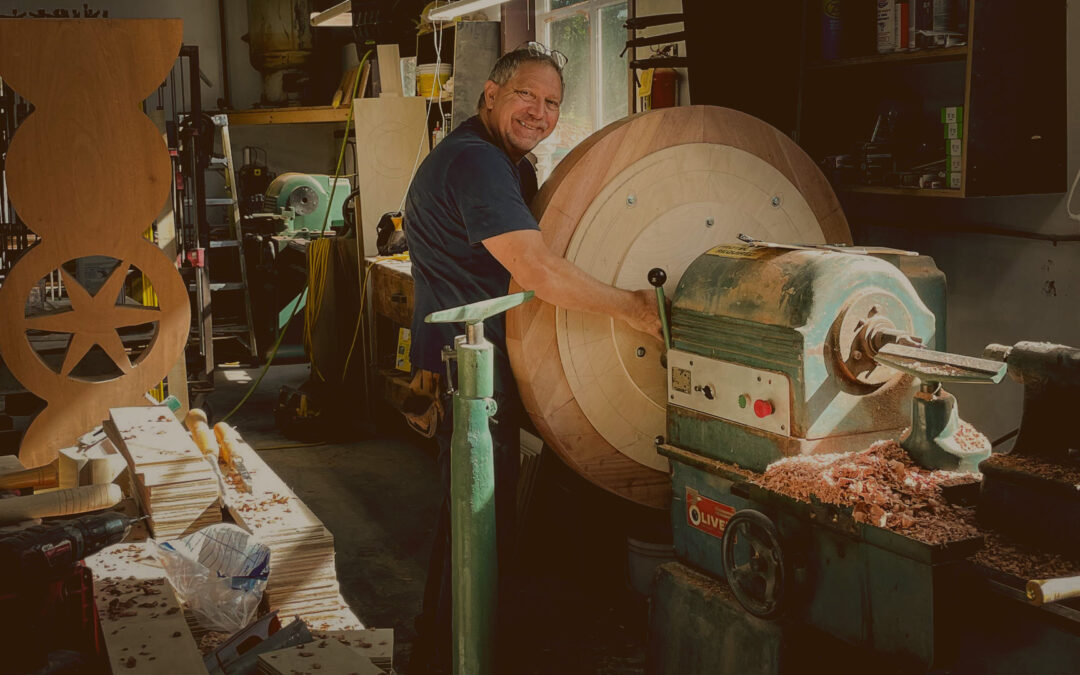
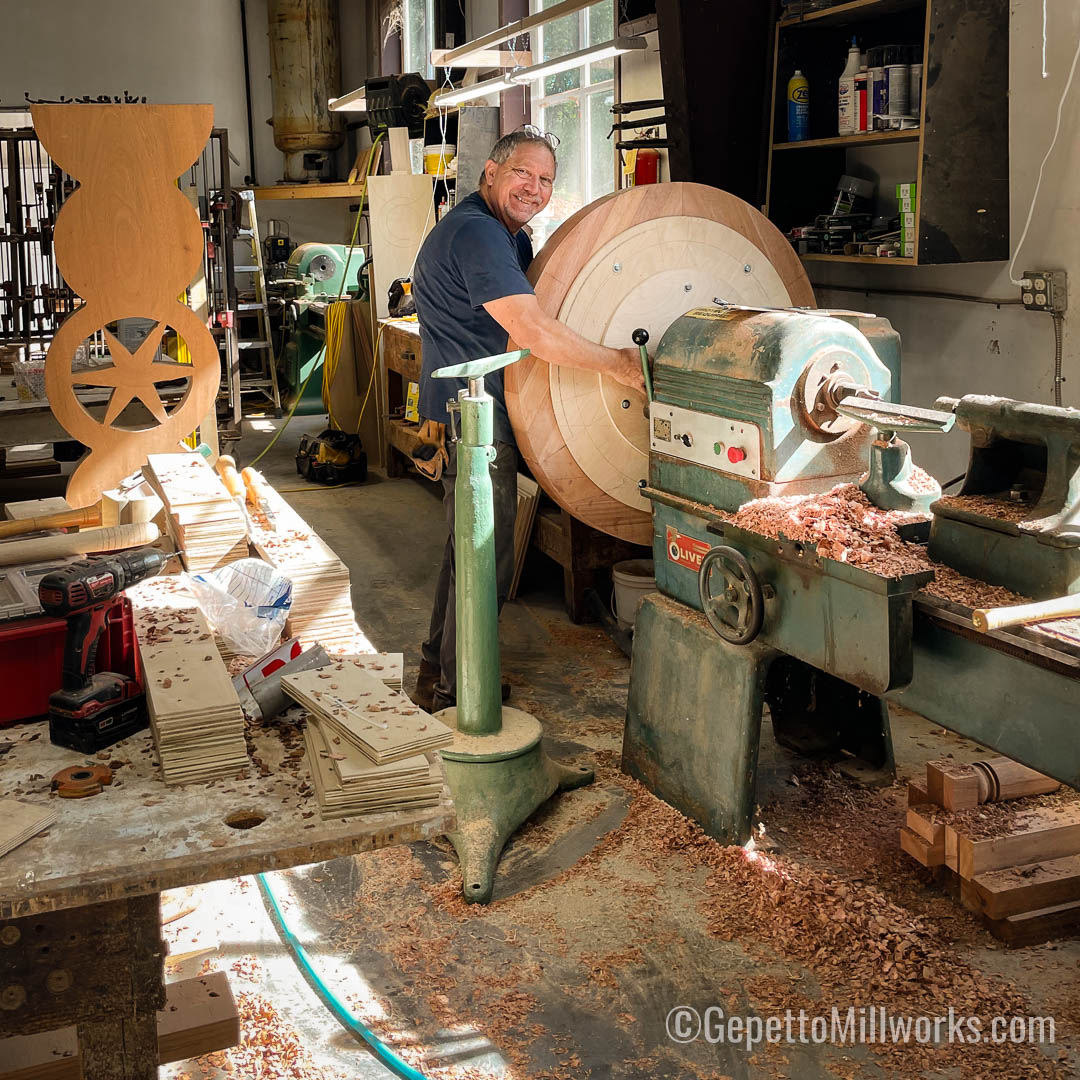
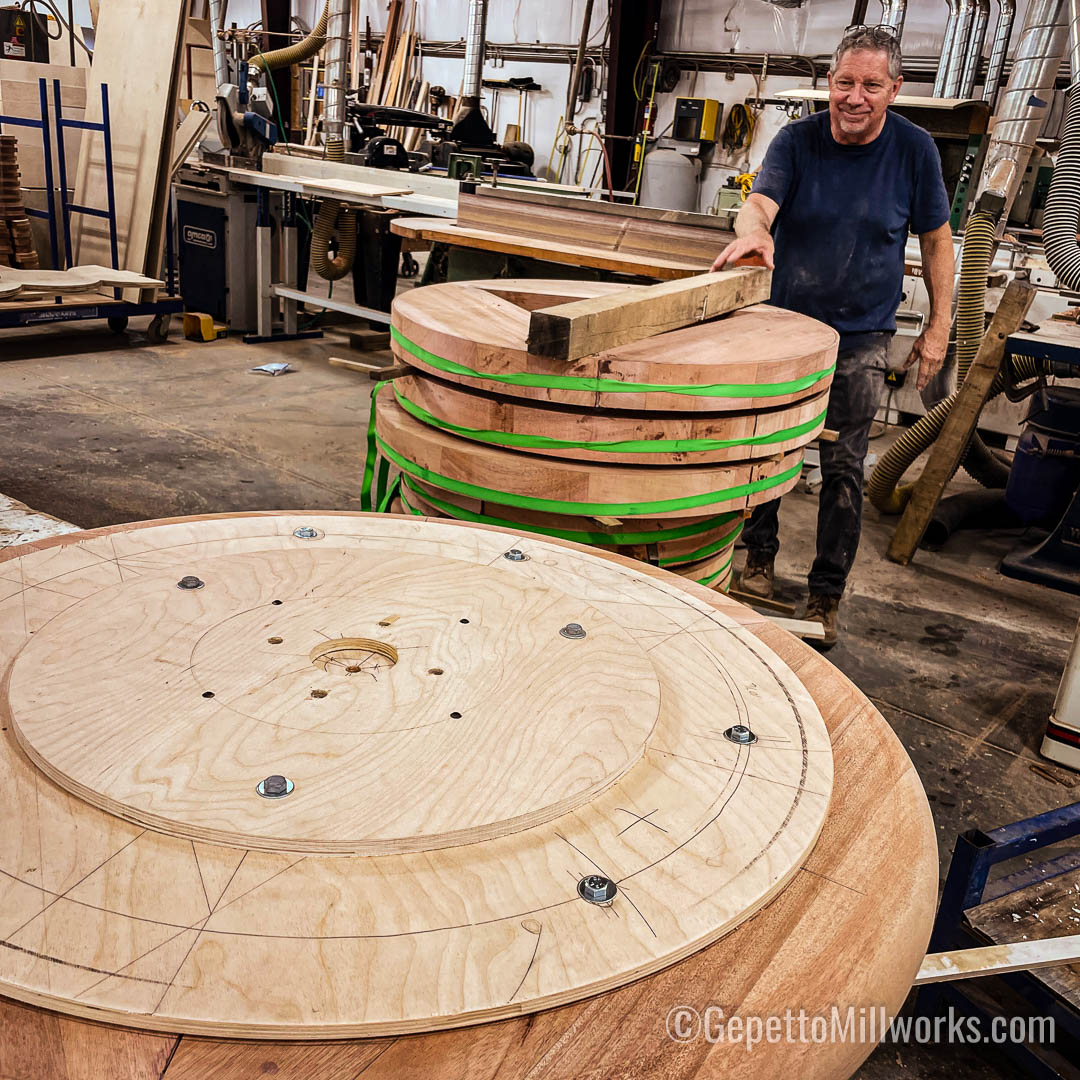
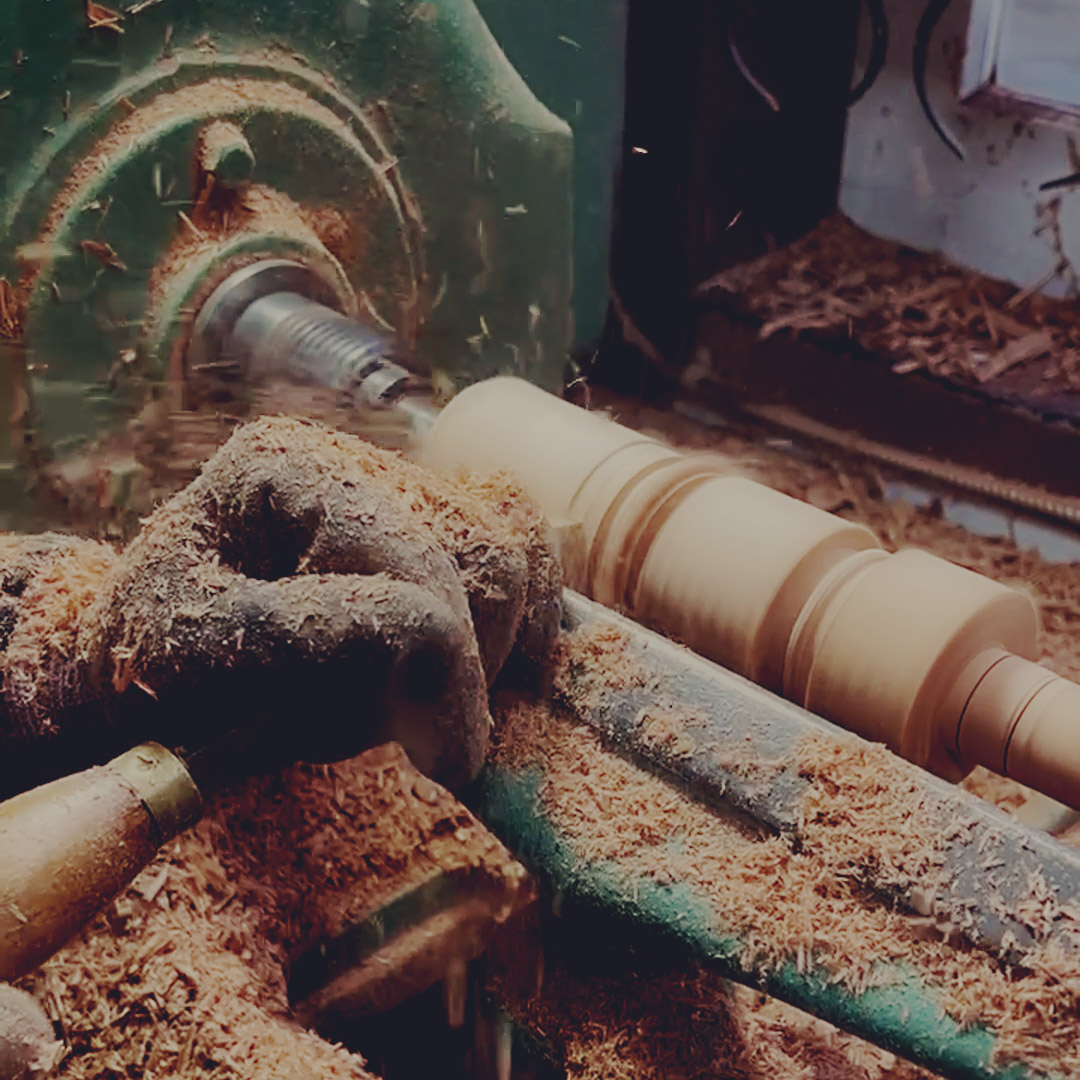
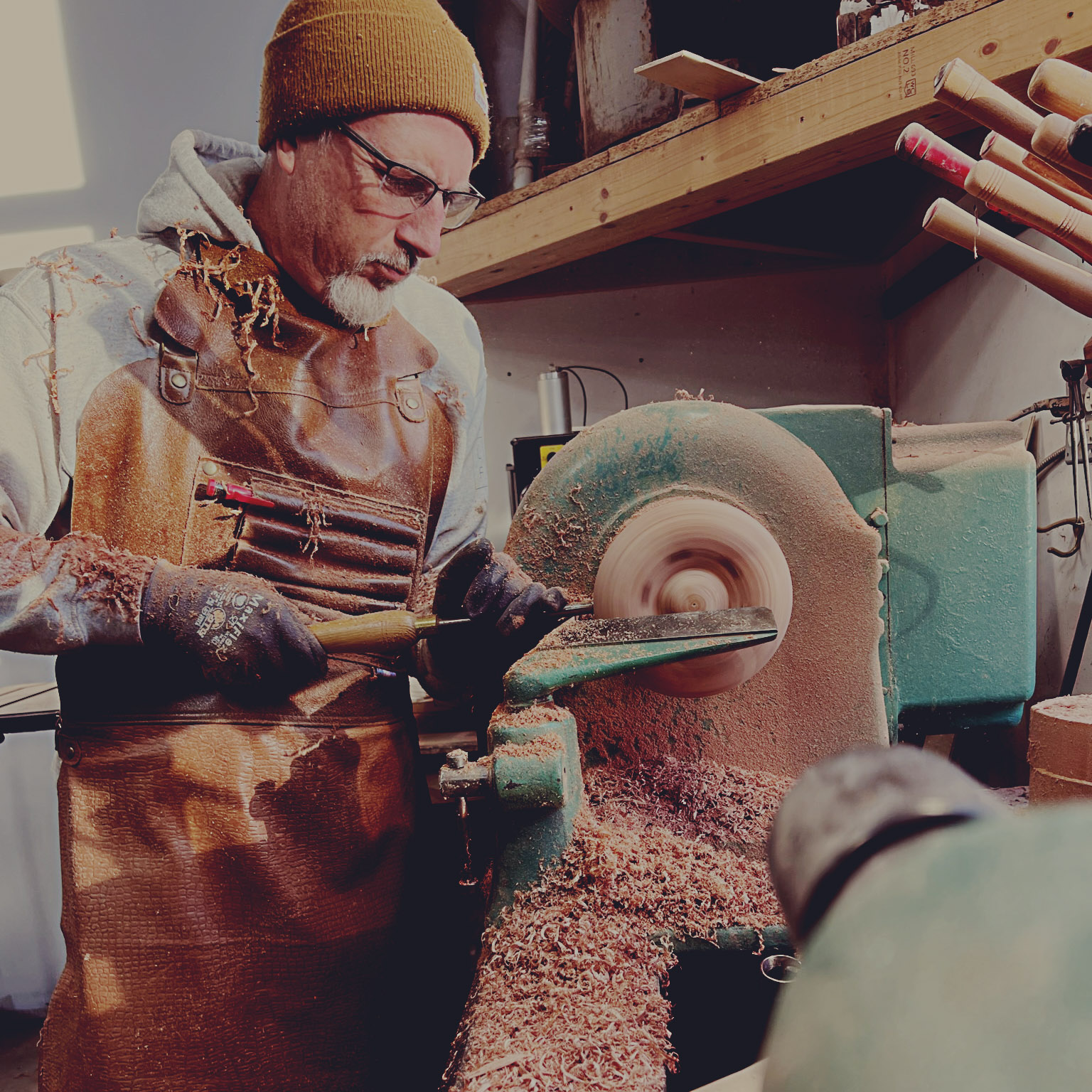
We hand turn solid wood round pieces for historic restoration projects.  That means that we pickup the damaged or worn parts to recreate them in our Charlottesville VA shop.

k

CUSTOM

REPAIR

HAND
MADE

CALL MATT

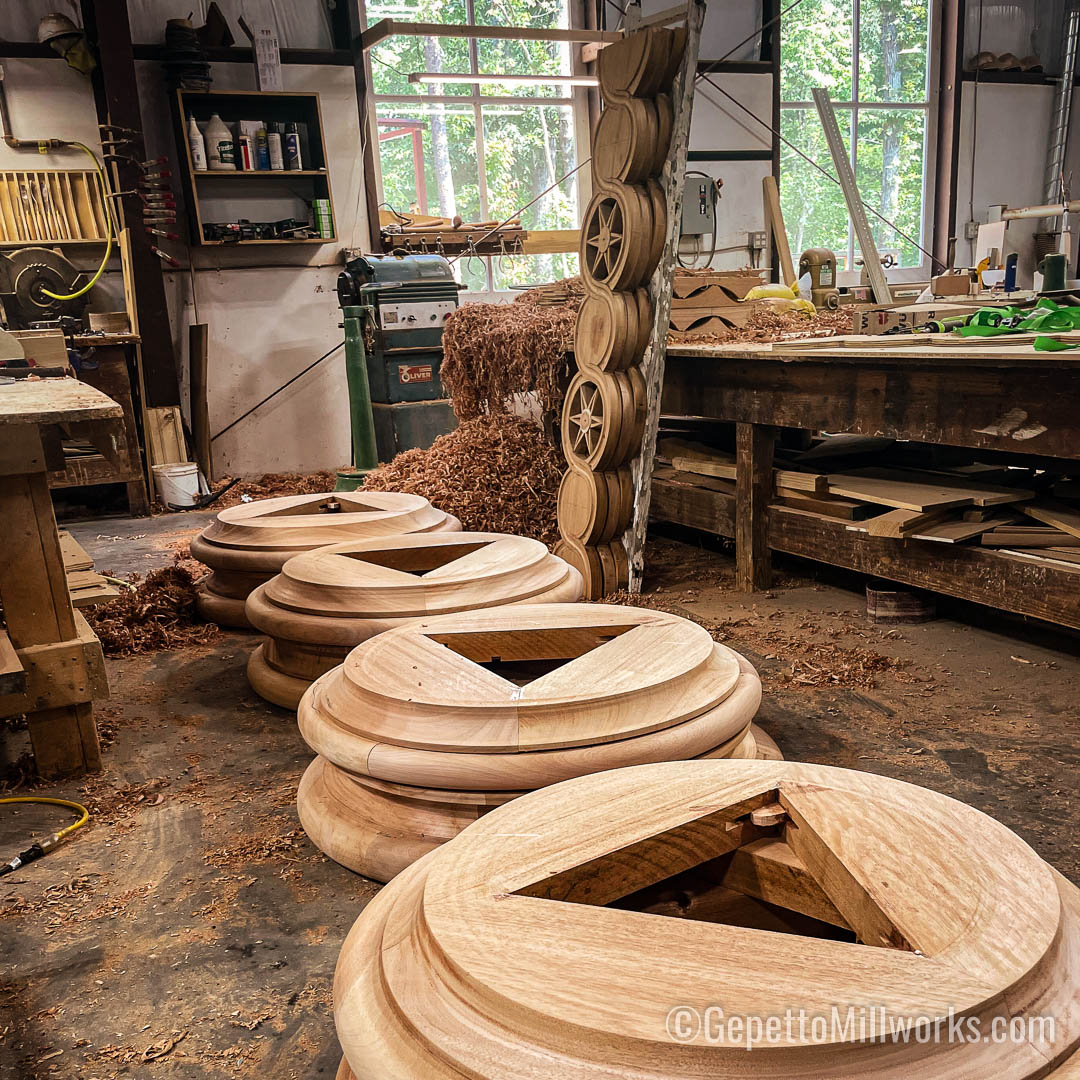
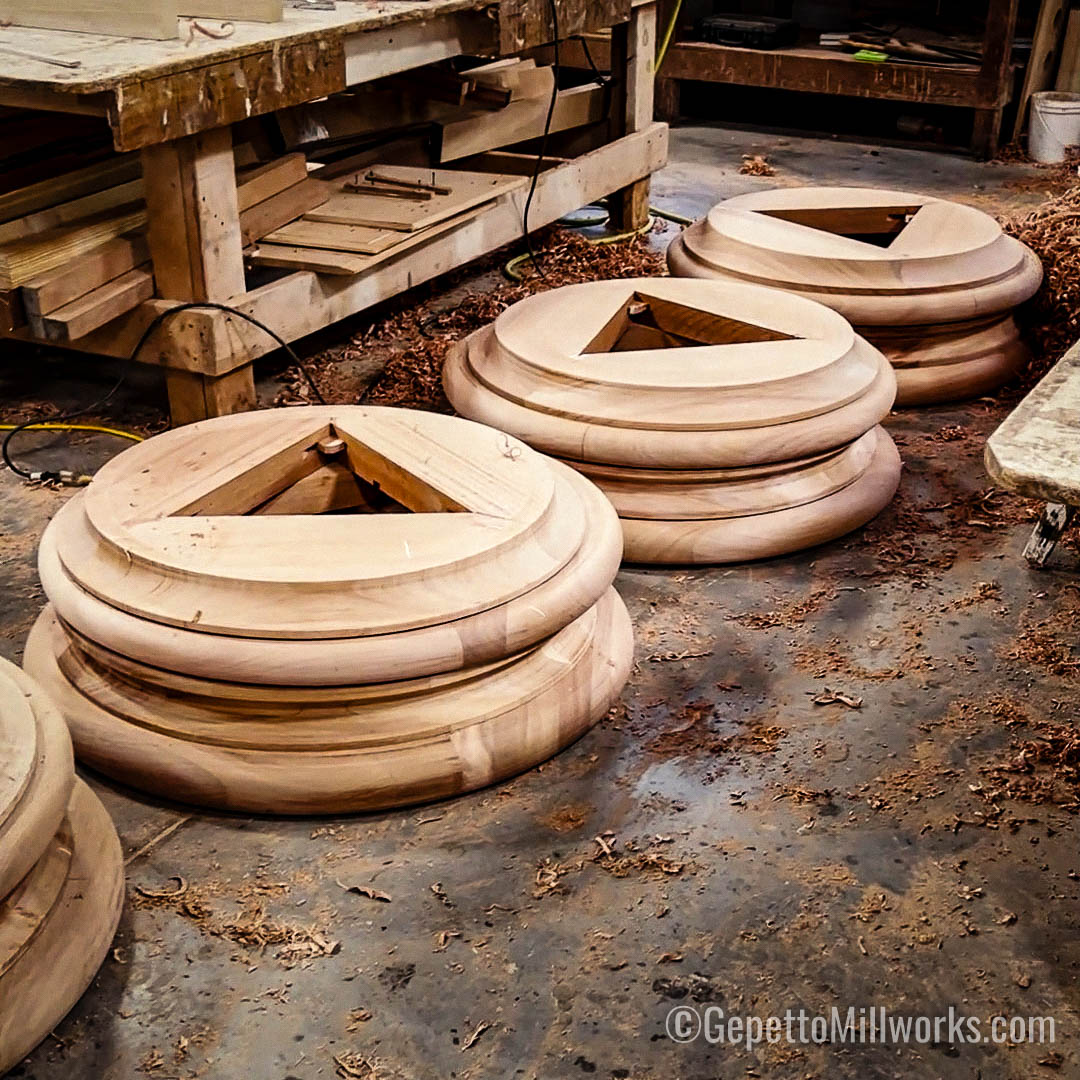
If you are searching for unique pieces for historic restoration building – call Matthew to discuss your needs!  We can build whatever you need, from whatever time period you are restoring.  These hand carved or turned pieces are being delivered to New Kent Virginia 


804.938.2094

solid wood round historic hand turning services

Handmade wood turnings made to order by Virginia craftsmen.  Whatever your project calls for we will make it to your specifications.  First step will be getting ‘shop drawings’ done, completely accurate architectural drawings.  From there we just need time!

Watch Them Turn Solid Wood

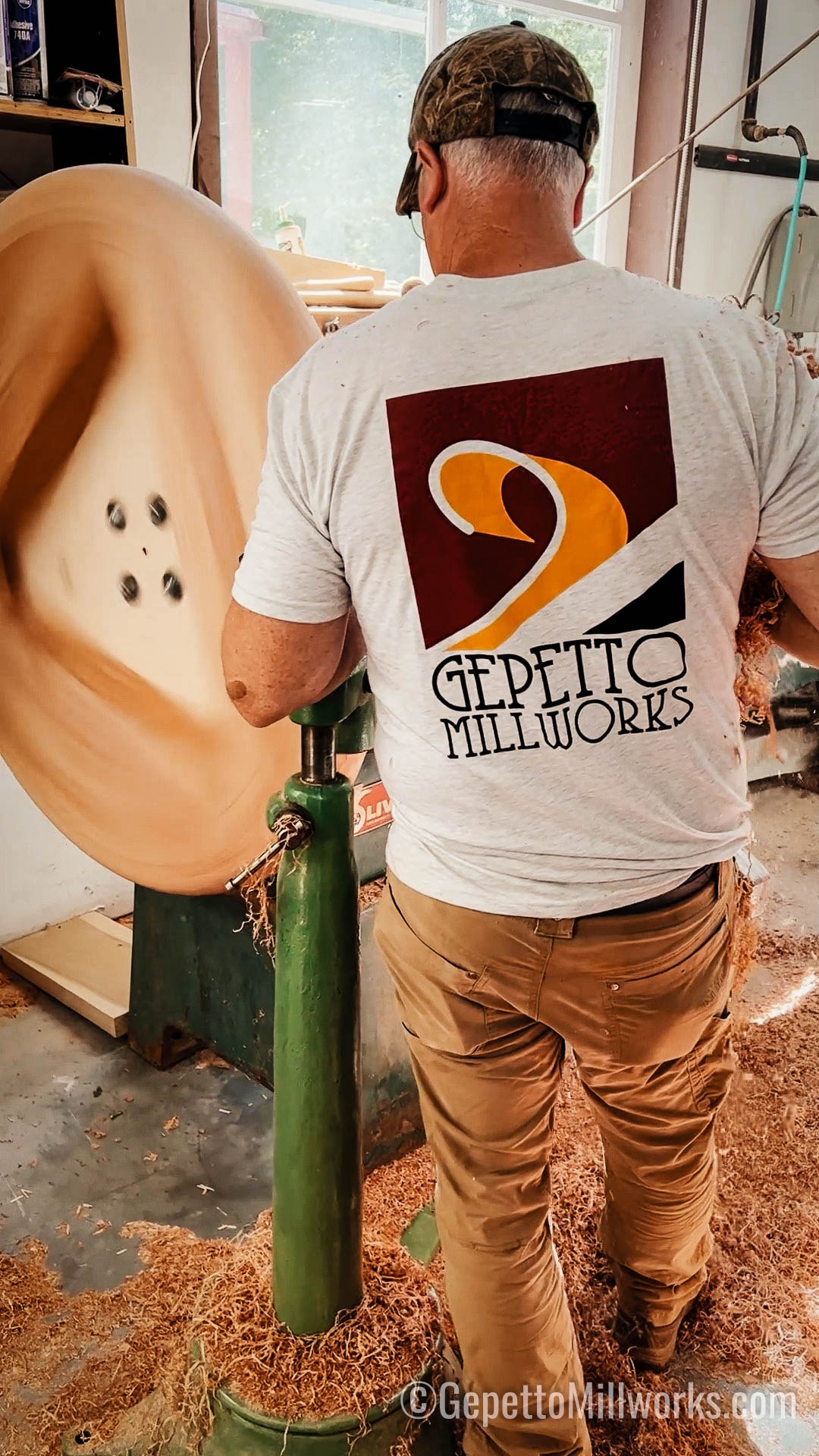
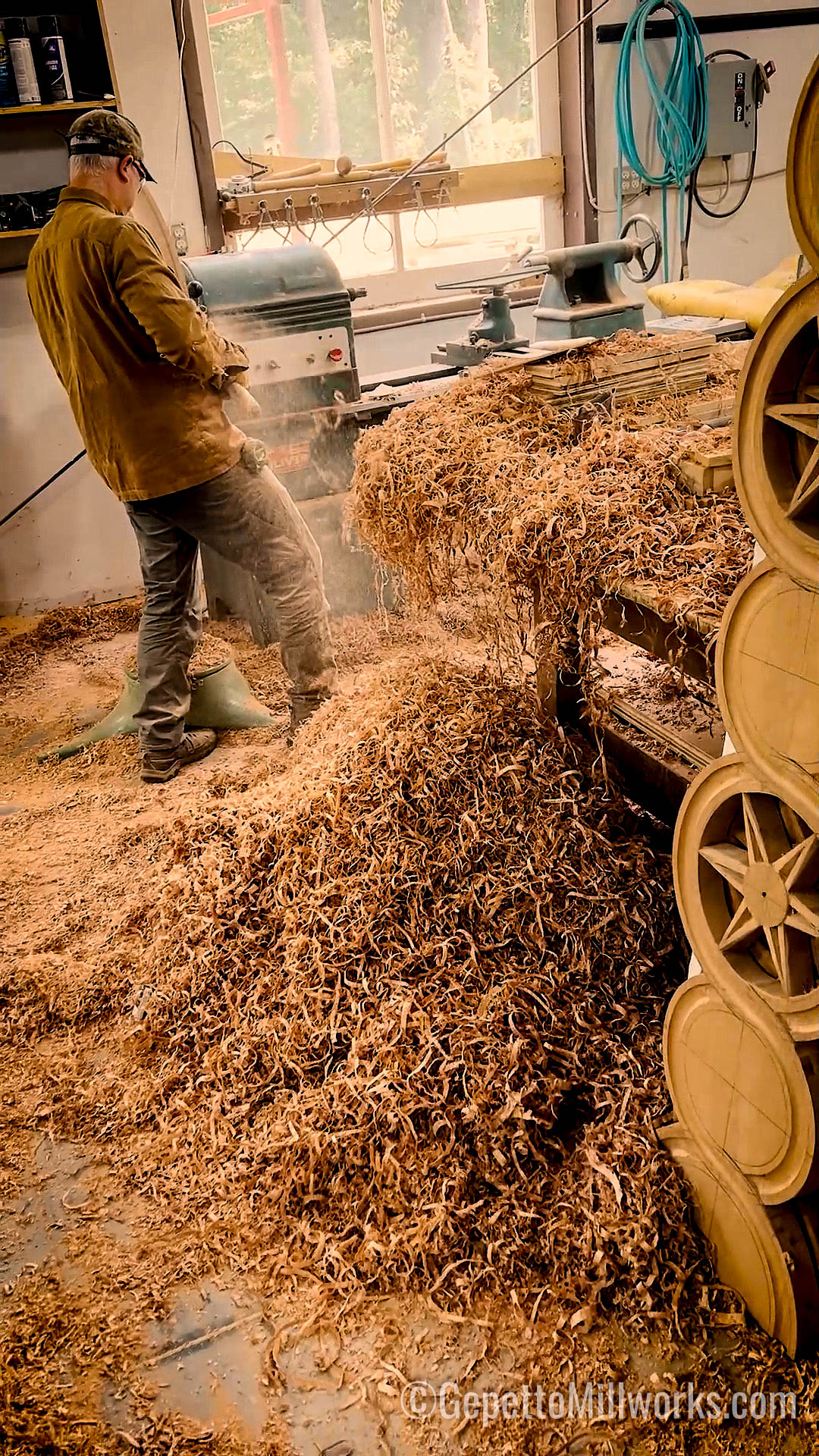
@gepetto.millworks Matt is making #handturned column bases from solid mahogany today in the shop - if you don’t think that you can find the parts and pieces for your #historicrenovation ♬ original sound - Gepettomillworks

GEPETTO CRAFTSMEN MAKE

Shop Magic

Hand Turned Solid Wood Column Base for Historic Restoration

A Legacy in Woodworking

At the heart of the historic restoration narrative lies Gepetto Millworks, a revered name in the woodworking realm, known for its unrivaled dedication to traditional craftsmanship. Situated in the woodlands of Virginia, Gepetto Millworks boasts a legacy spanning three generations, breathing life into the art of woodturning and historic restoration. Starting with Robert Wiley, now retired, Matt Wiley was trained by the demands of rural western Virginia farm life. Pragmatic attention to planning and time management crucial for farm life made Matt ready to manage a Millwork Shop. Robert’s 40 years of carpentry experience passed on to Matt a wide understanding of the building trades, common problems and historic solutions not readily available on Google or Youtube. Starting in 2022 now the 3rd generation began their apprenticeship under Matt with the understanding that fine wine takes time to mature! Gepetto now operates the shop facility from a nearly hidden hollow of 100 acres of farmland in the historic hills around Charlottesville VA.

The Art of Turning Solid Wood Pieces

The process of turning solid wood pieces is a harmonious blend of skill, precision, and patience. This age-old technique involves placing a wood blank on a lathe and shaping it using various cutting tools while it spins. For historic restoration, this technique offers the ability to recreate ornate profiles and subtle curves that were the hallmarks of architectural decoration in a bygone era where time & labor were less costly. Gepetto runs a very small staff of highly experienced craftsmen, so that projects are completed in a timely manner – and the trade skills and secrets are maintained. If you are seeking a unique piece – don’t worry, we’ve heard of it – and can recreate it accurately!

Column Bases: Echoes of Elegance

Column bases are architectural features that have graced structures for centuries, each reflecting the design trends of their time. In historic restoration, crafting column bases involves not just replicating their appearance but also understanding the construction techniques and materials that were prevalent during the structure’s era. Gepetto Millworks’ mastery shines in meticulously recreating column bases, capturing the very essence of the original design while ensuring structural integrity. We can craft a base from a single piece of solid mahogany so that environmental stressors are less likely to damage the piece. Historic building methods often have pragmatic reasons for their implementation. While we are capable of making a plywood style layered composite, the effective durability of a solid slab of weather durable mahogany is higher than a manufactured material. Architectural millwork encompasses a vast array of components, from intricate cornices to elaborate friezes. In historic restoration, these elements are the pièce de résistance, embodying the grandeur and attention to detail that defined the architecture of yesteryears. The artisans at Gepetto Millworks approach architectural millwork with a profound respect for tradition, using age-old techniques to replicate every fine detail, ensuring an authentic restoration that stands the test of time.
Hand Turned Solid Wood Column Base for Historic Restoration

Turned Solid Wood Pieces

Historic restoration is a noble endeavor that bridges the gap between the past and the present, preserving the essence of bygone eras for generations to come. One of the essential elements in such restoration projects is the art of turning solid wood pieces. Gepetto craftsmen are some of the only professional supply options for general contractors, architects and restoration specialists looking to recreate solid wood pieces. Delve into the intricate world of historic restoration construction with us! That world where turned wood components like column bases, balustrades, and newels, meticulously handcrafted on the wood lathes of Gepetto Millworks in Virginia continue to be exemplary producers of timeless craftsmanship that lasts centuries.

The Essence of Historic Restoration

Historic restoration construction involves a delicate balance between honoring the architectural legacy of a structure and ensuring its continued viability for modern use. In this context, turned solid wood pieces play a pivotal role because so many general contractors are not aware of services like Gepetto provides. The general contractor of today does not have an army of skilled woodworkers supplying their job sites any longer as in the historic time periods we are task to restore. You can return to the essence of an era, preserving the stylistic intricacies that defined the architectural preferences of that past time period. These pieces when installed properly continue the irreplaceable charm of the historic building.

Column Bases: Echoes of Elegance

Column bases are architectural features that have graced structures for centuries, each reflecting the design trends of their time. In historic restoration, crafting column bases involves not just replicating their appearance but also understanding the construction techniques and materials that were prevalent during the structure’s era. Gepetto Millworks’ mastery shines in meticulously recreating column bases, capturing the very essence of the original design while ensuring structural integrity. We can craft a base from a single piece of solid mahogany so that environmental stressors are less likely to damage the piece. Historic building methods often have pragmatic reasons for their implementation. While we are capable of making a plywood style layered composite, the effective durability of a solid slab of weather durable mahogany is higher than a manufactured material. Architectural millwork encompasses a vast array of components, from intricate cornices to elaborate friezes. In historic restoration, these elements are the pièce de résistance, embodying the grandeur and attention to detail that defined the architecture of yesteryears. The artisans at Gepetto Millworks approach architectural millwork with a profound respect for tradition, using age-old techniques to replicate every fine detail, ensuring an authentic restoration that stands the test of time.

Balustrades and Newels: Stairways to History

Balustrades and newels are often the visual centerpiece of historic buildings centered around the staircase. Adorning staircases with intricate designs that were once the high style elegance in that era. In the meticulous restoration of these components, Gepetto Millworks’ woodturning expertise comes to the fore. Every spindle, rail, and newel is handcrafted with the utmost care, ensuring that the soul of the original design is captured and the handmade nuances remain. What sets Gepetto Millworks apart is not just its remarkable craftsmanship, but its commitment to historical accuracy. The artisans delve deep into architectural records, scrutinizing historical documents and photographs to unravel the design elements of anything lost to the past. This dedication extends to sourcing the right wood species, using traditional joinery methods, and applying authentic finishes, ensuring that each turned wood piece is a faithful representation of its era.

Preservation Through Education

The legacy of historic restoration lives on through education. Gepetto Millworks recognizes the importance of passing on the torch of craftsmanship to the next generation. The woodworking workshops and apprenticeships offered by the millworks provide budding artisans with the opportunity to learn the nuances of turning solid wood pieces, perpetuating a tradition that might otherwise fade away. In the realm of historic restoration construction, turned solid wood pieces embody the essence of eras long past. Gepetto Millworks, nestled in the heart of Virginia, breathes life into this legacy, crafting column bases, architectural millwork, balustrades, and newels that stand as testaments to the artistry of yore. As we gaze upon these masterpieces, we are reminded that the past is not merely history; it is a living, breathing entity that continues to enrich our present and inspire our future.

Contact Gepetto for Bid Information

Timeline

Choosing the Right General Contractor for a Historic Renovation or Fix-and-Flip in Richmond, Virginia

Richmond, Virginia, is a city steeped in history, with neighborhoods that showcase architectural styles from the late 18th century through the early 20th century. For homeowners, real estate investors, and architects, this makes Richmond a prime location for historic...

arched and elliptical window builder Virginia

arched and elliptical window builder Virginia

Bowed Windows Made in Virginia

https://woodmadeillinois.com/wooden-windows/Round, Arc, Gothic Arch, and Bowed Windows Handcrafted in Virginia: When it comes to bespoke architectural woodwork, Gepetto Millworks stands at the pinnacle of craftsmanship in Virginia. Specializing in historically...

Church Hill Richmond Virginia Historic Millwork and Restoration Wood Supplier

Church Hill in Richmond, Virginia, Richmond's first neighborhood, is a historic district boasting antebellum homes and architectural styles like Greek Revival, Federal, Queen Anne, and Italianate, known for its cobblestone streets and gas streetlampThe Church Hill...

Clerestory Restoration Virginia

Airflow and Comfort in Pre-Air-Conditioning Time Periods

A Focus on Virginia

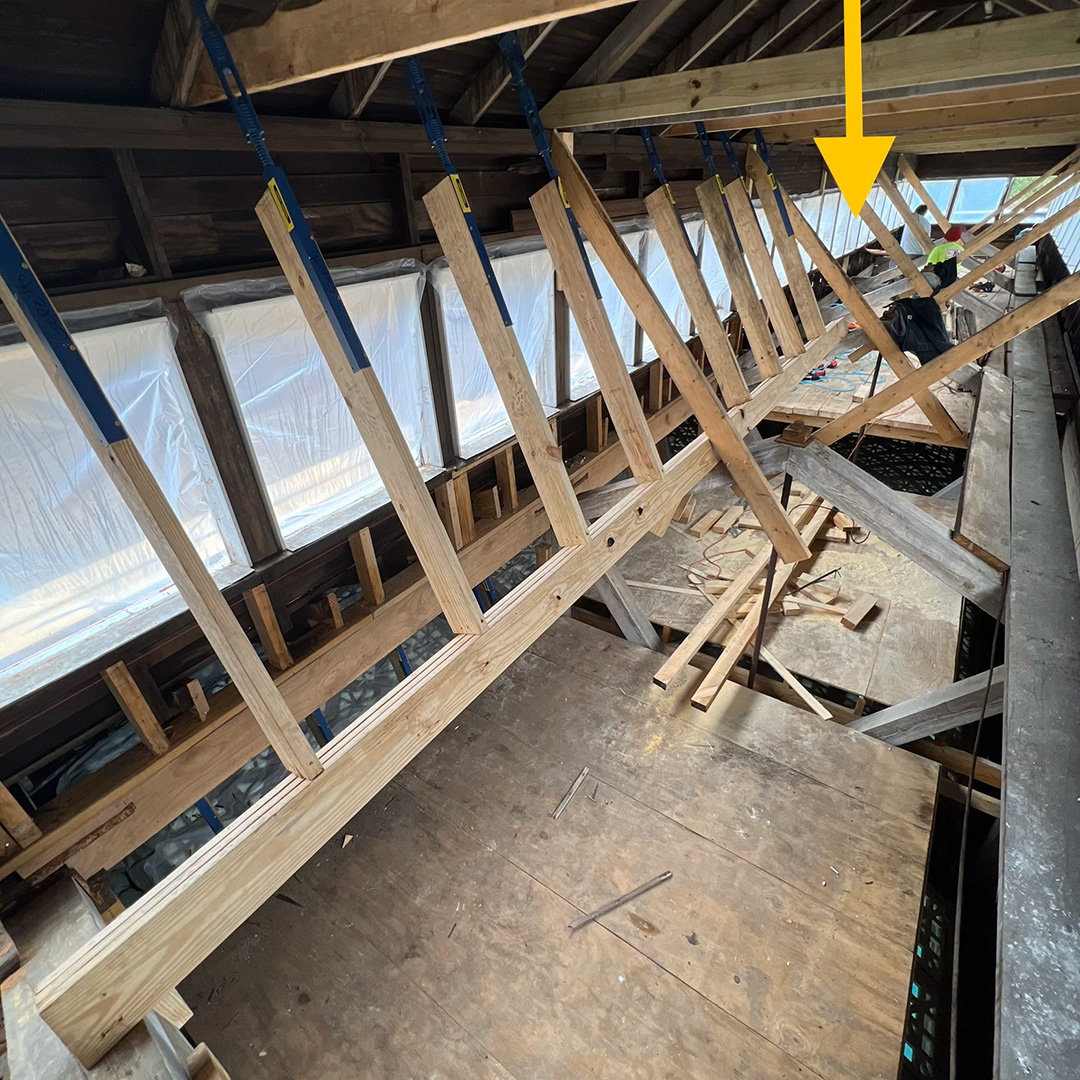
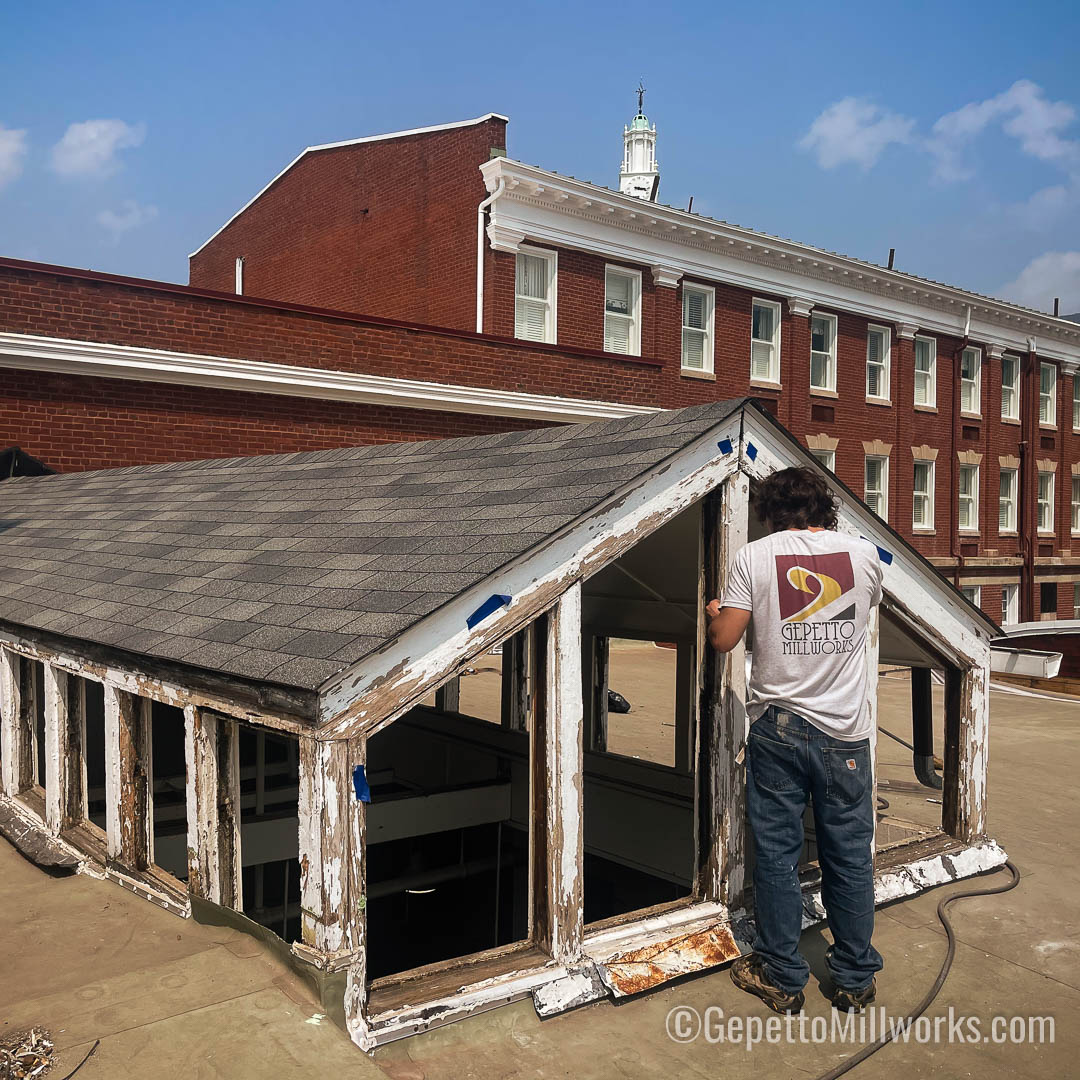
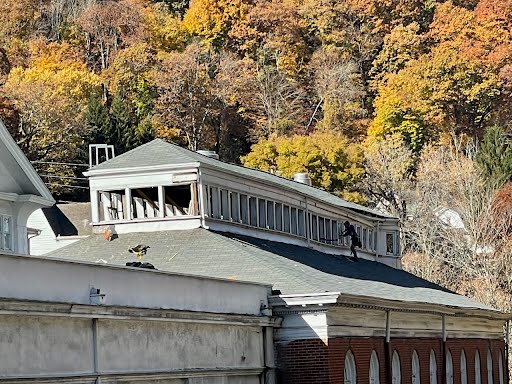
Clerestory windows have played a significant role in architectural design throughout history. These windows are characterized by their placement high on the walls of a structure, allowing natural light to flood the interior while facilitating airflow and ventilation. In pre-air-conditioning eras, such as in the state of Virginia, clerestory windows were particularly valued for their ability to improve indoor comfort. This article explores the restoration of clerestory windows for airflow and comfort in pre-air-conditioning time periods, with a specific focus on the work conducted by Gepetto Millworks. 

Historical Significance of Clerestory Windows

Clerestory windows have a rich history dating back to ancient times. The concept of the clerestory developed as a solution to challenges faced by architects and builders in creating well-lit and ventilated spaces. The utilization of vertical slabs of stone and narrow windows allowed for the admission of light and air, while maintaining the structural integrity of the building. This architectural innovation eventually found its way into churches, cathedrals, and other religious structures, where it became an essential element in creating awe-inspiring spaces.

The Role of Clerestory Windows in Pre-Air-Conditioning Times

Prior to the advent of air conditioning, buildings in Virginia and across the United States relied on passive cooling techniques to maintain comfortable indoor temperatures. Clerestory windows played a crucial role in this regard. By strategically placing these windows high on the walls, architects capitalized on the stack effect, a natural ventilation phenomenon that occurs when hot air rises and escapes through upper-level openings, drawing in cooler air from lower levels. The clerestory windows acted as exhaust vents, expelling warm air while simultaneously allowing fresh, cool air to enter the space. This process facilitated airflow, reducing stuffiness and improving overall comfort.

Preservation and Restoration of Clerestory Windows

With the passage of time and changing architectural trends, many historic buildings with clerestory windows fell into disrepair. However, there has been a recent resurgence of interest in restoring these windows to their former glory. Gepetto Millworks, a prominent restoration company, has been at the forefront of this movement in Virginia.

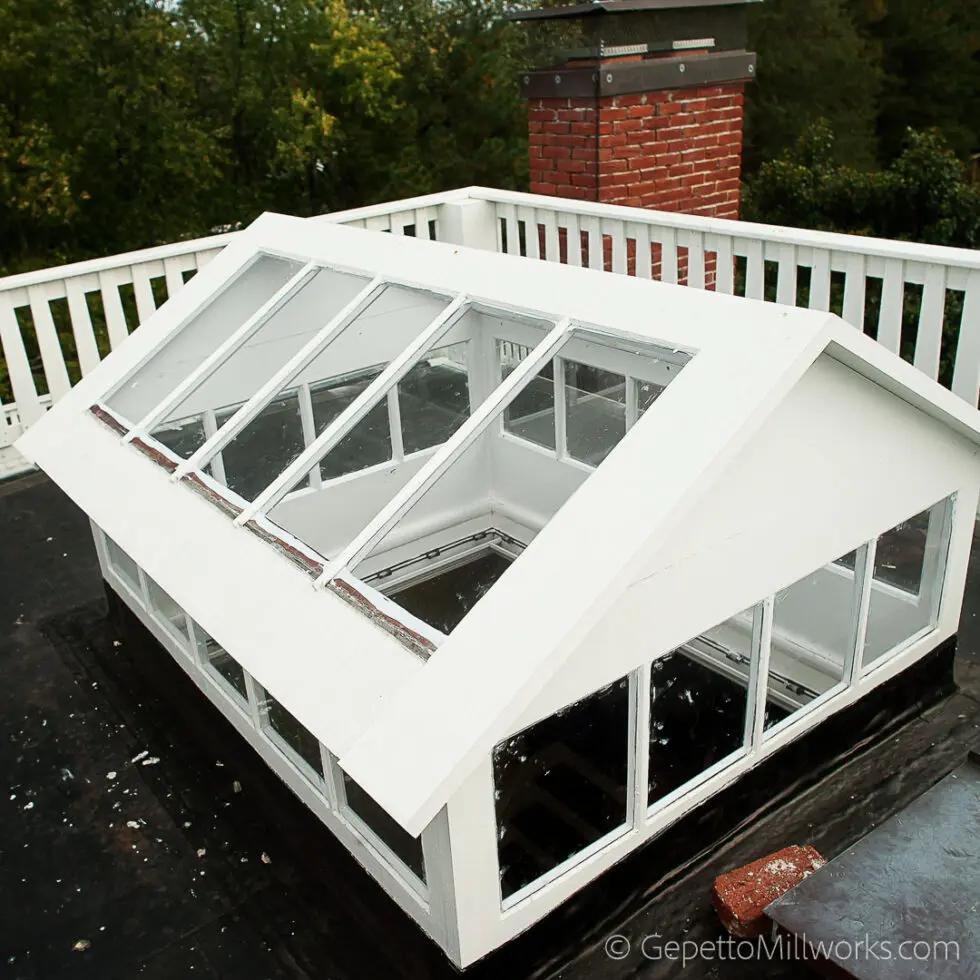
The restoration process begins with a thorough examination of the existing clerestory windows. Gepetto Millworks’ team of experts carefully assesses the condition of the windows, including the frames, glass panes, and any decorative elements. Preservation and restoration efforts aim to retain as much of the original material as possible, ensuring historical accuracy.

Gepetto Millworks utilizes traditional craftsmanship techniques to repair and replace damaged components. For instance, if the wooden frames show signs of decay, they are meticulously restored using age-appropriate joinery methods and durable wood species, such as mahogany or oak. Similarly, damaged glass panes are replaced with historically accurate replicas, matching the original design and ensuring optimal transparency.

Maximizing Airflow and Comfort

In the restoration process, Gepetto Millworks pays particular attention to optimizing the airflow and comfort provided by clerestory windows. Historical accuracy is maintained while integrating modern advancements in energy efficiency and comfort.

To ensure effective ventilation, Gepetto Millworks carefully adjusts the size and positioning of the windows, considering factors such as prevailing wind directions, sun exposure, and the building’s orientation. By tailoring these aspects to specific locations in Virginia, the company optimizes natural airflow patterns, promoting a comfortable and healthy indoor environment.

Gepetto Millworks also employs advanced weather sealing techniques to reduce air leakage. This not only enhances the energy efficiency of the restored windows but also prevents unwanted drafts and moisture infiltration, preserving the building’s structural integrity.

Benefits of Clerestory Window Restoration

The restoration of clerestory windows brings numerous benefits to both historic buildings and their occupants.

Preservation of Cultural Heritage: By restoring clerestory windows, Gepetto Millworks helps preserve the architectural heritage of Virginia. These windows are significant cultural artifacts that contribute to the historical fabric of the state and reflect the craftsmanship of a bygone era.

Improved Natural Lighting: Clerestory windows allow abundant natural light to enter the interior, reducing the need for artificial lighting during daylight hours. This enhances visual comfort, minimizes energy consumption, and creates a more aesthetically pleasing environment.

Enhanced Ventilation: Restored clerestory windows facilitate efficient airflow, promoting natural ventilation and reducing the reliance on mechanical cooling systems. This not only improves indoor air quality but also decreases energy consumption and the associated carbon footprint.

Increased Comfort: Properly restored clerestory windows contribute to a more comfortable indoor environment by reducing humidity, balancing temperatures, and minimizing the occurrence of stagnant air. Occupants can enjoy a fresh and pleasant atmosphere, reminiscent of the pre-air-conditioning era.

The restoration of clerestory windows in Virginia is a testament to the dedication and expertise of companies like Gepetto Millworks. By breathing new life into these architectural elements, they revive the timeless benefits of natural lighting and ventilation. As buildings adapt to modern energy-efficiency standards, the restoration of clerestory windows becomes an invaluable endeavor to bridge the gap between historical preservation and contemporary comfort.

@gepetto.millworks

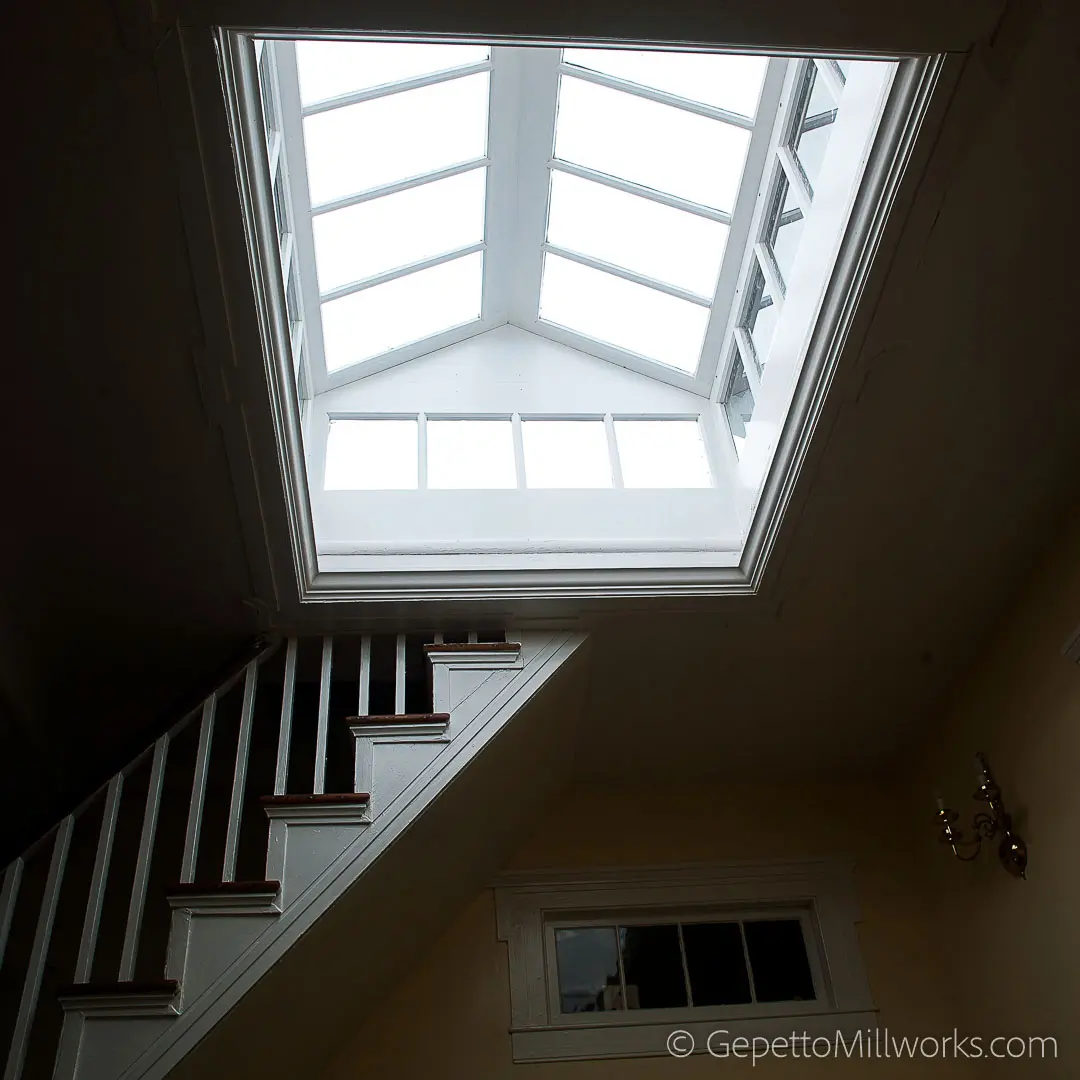
One of the interesting #architectural elements Gepetto Millworks often receives calls to replace, or rebuild are #skylight and #Clerestory from the era where light was just as precious as space. The light bulb was only invented in 1879, and the grid to support it would be years to follow! Today we are one of the few shops producing #handjoinery and we have replaced and repaired rooftop light systems from South Carolina to Maryland. Give me a call at 804-938-2094 to discuss replacing or restoring one in your project.

♬ original sound - Gepettomillworks
@gepetto.millworks

Custom made #historic #replica #historicrestoration serving general contractors and builders across #virginia #northcarolina #southcarolina #maryland

♬ original sound - Gepettomillworks
virginia clerestory service and restoration
virginia clerestory builder restoration
virginia clerestory restoration supplier

In architecture, a clerestory (/ˈklɪərstɔːri/ KLEER-stor-ee; lit. ’clear storey’, also clearstory, clearstorey, or overstorey) is a high section of wall that contains windows above eye level. Its purpose is to admit light, fresh air, or both.

Historically, clerestory denoted an upper level of a Roman basilica or of the nave of a Romanesque or Gothic church, the walls of which rise above the rooflines of the lower aisles and are pierced with windows.

Daylighting is the practice of placing windows, skylights, other openings, and reflective surfaces so that sunlight (direct or indirect) can provide effective internal lighting. Particular attention is given to daylighting while designing a building when the aim is to maximize visual comfort or to reduce energy use. Energy savings can be achieved from the reduced use of artificial (electric) lighting or from passive solar heating. Artificial lighting energy use can be reduced by simply installing fewer electric lights where daylight is present or by automatically dimming/switching off electric lights in response to the presence of daylight – a process known as daylight harvesting.

The amount of daylight received in an internal space can be analyzed by measuring illuminance on a grid or undertaking a daylight factor calculation. Computer programs such as Radiance allow an architect or engineer to quickly calculate benefits of a particular design. The human eye’s response to light is non-linear, so a more even distribution of the same amount of light makes a room appear brighter.