Warehouse Renovation Woodworking
Historic Warehouse Renovations
- Solid wood doors
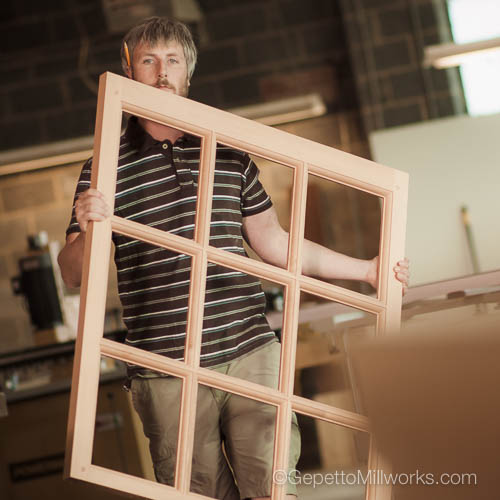
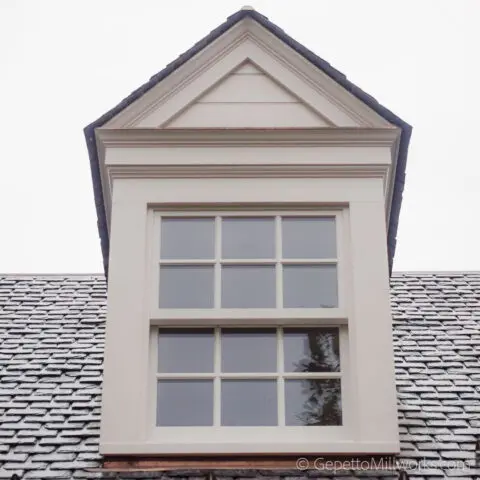
- Historic replica windows
- Restored Wooden Skylights
- Reclaimed wood flooring

Historic Restoration Architectural Millwork Richmond VA
The New England School of Architectural Woodworking has the best definition we could find for architectural woodwork as:
“…all the wood exposed to view when the building is completed. This includes residential and commercial cabinetry (kitchens, baths, storage, offices, closets), doors, windows, stairs, paneling, trim, and shelving. Almost everything made of wood, built into or attached to the interior of a building.”
Architectural mill work is not limited to built-in to a structure. It can be a free-standing piece such as a rolling kitchen island or a external decoration or visual frame for a door or window. Architectural millwork can be either stock “off-the-shelf”, semi-custom, or custom. If a builder is hoping to create a unique style for a home mill work is the easiest way to stand apart as the off the shelf trim and kitchen types are so uniform they loose personality.
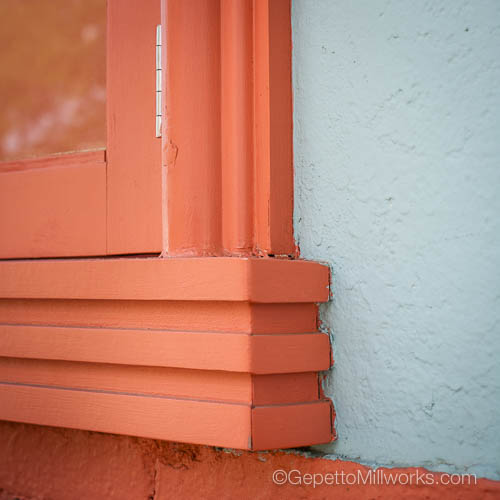
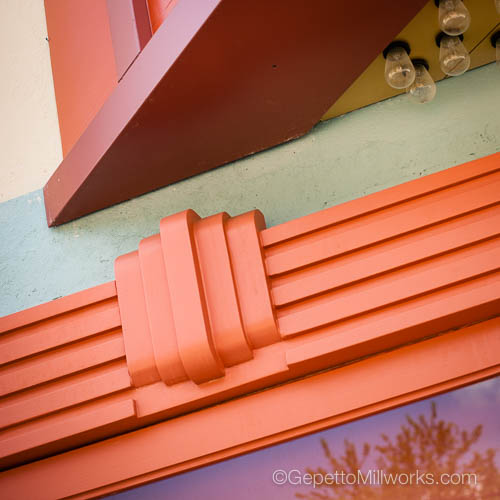
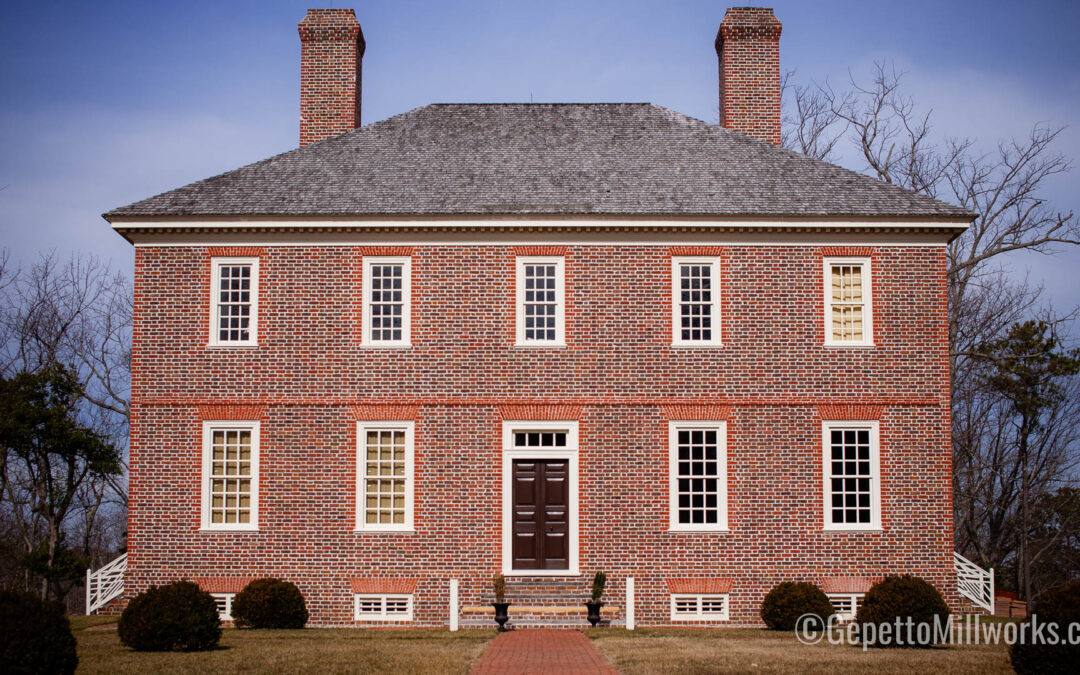
Exterior architectural millwork is not part of the interior of a building. It can include exterior trim, balusters, gable decorations, and columns . Exterior millwork add visual interest to the outside of a structure and so they acquire the architectural label. In times past the craft of home building was more individualized and filled with detail. Gepetto craftsmen have renovated and restored hundreds of Richmond and Virginia historic projects bringing the detail and charm back from gilded age homes.

Replica Wooden Windows
| Radius Millwork |
| Curved and Radius Molding |
| Custom Molding Profiles |
| Matching Modling Profiles |
| Radius Molding Production |
| Restoration Millwork |
| Historical Millwork |
| Master Carpentry Millwork |
| Detailed Millwork |
| Custom Millwork Shop |
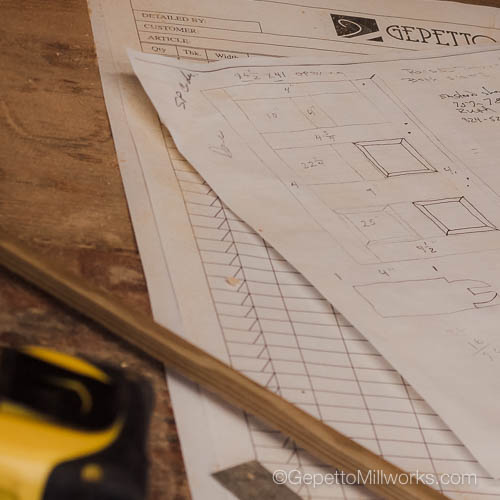
| Casework and Millwork Shop Drawings |
| Millwork Shop Blueprints |
| Millwork Design Shop Drawings |
| Millwork from Drawings |
| Architectural Millwork Drawings |
| Virginia Architectural Millwork Fabrication |
| Richmond Virginia Casework |
| Richmond VA Casework |
| Virginia Casework Specialists |
| Custom Casework Specialist |
(ˈmɪlˌwɜrk)
n.
A longtime fixture in the architectural woodwork industry, Gepetto Millworks has been recognized throughout its 20-year history for many of its high-profile projects around Richmond. I found Matthew’s expertise indispensable in adding fine woodworking to my custom home projects. The classy flair of real wood is an authentic element that manufactured homes can never fake.
[ninja_form id=1]
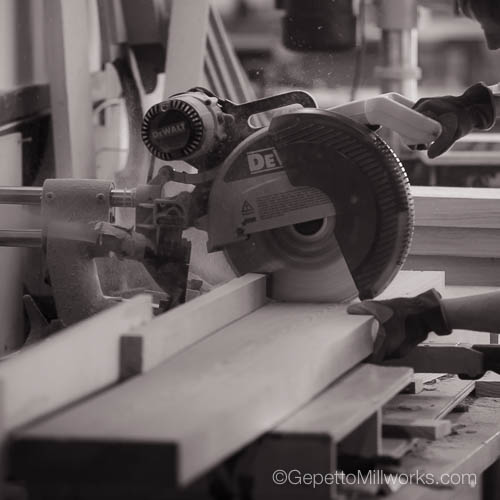
“Millwork” refers to the stuff traditionally made in a mill. Items such as base trim, crown molding, interior doors, door frames, window casing, chair rails and wood paneling are all examples of millwork. These items are all cut and created from raw lumber – in a sawmill – thus, giving them the umbrella term “millwork.” Millwork may also include decorative products, such as mantels and door casings. Millwork can be made from common woods such as pine and oak, but it may also include uncommon woods such as fir, poplar, hickory and maple. Some manufactured wood products also have a high enough density to be used for millwork, such as MDF. Millwork products only need nails, screws or adhesives to be installed, which makes using them easy and convenient. Millwork can be at standard lengths and can be stained or painted.
Architectural millwork does not have to necessarily be built-in to a structure. It can be a free-standing piece such as this rolling kitchen island (pictured right) that South Shore Millwork built for a home on the South Shore. Not to mention architectural millwork can be either stock (“off-the-shelf”), semi-custom, or custom such as what South Shore Millwork provides.
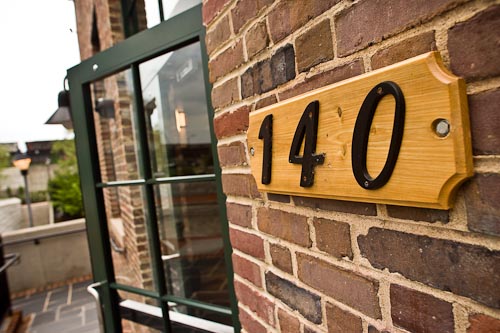
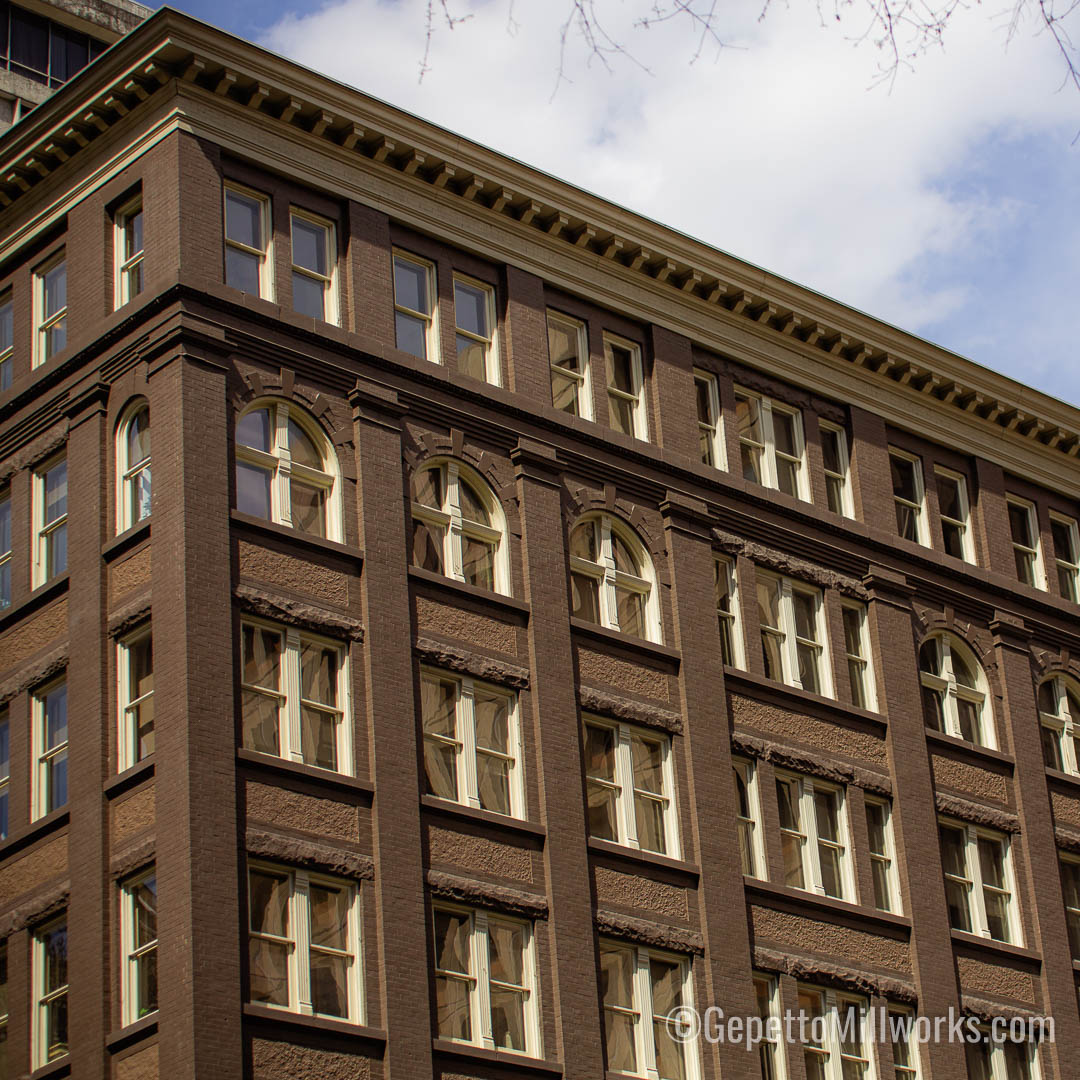
The Ladybird Hat Factory is a historical warehouse at 140 Virginia Street on the Canal in Downtown Richmond, Virginia.

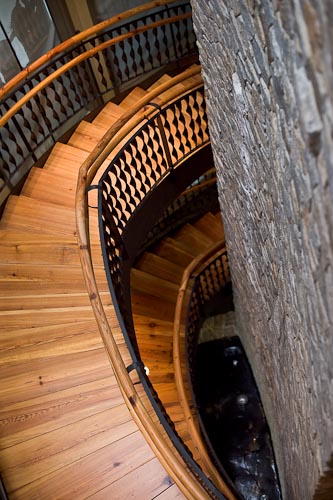
The developer, Fulton Hill Properties, took a rundown factory and refurbished it into a modern office space with a gigantic spiral staircase entrance.


Architectural Integrity of Wooden Windows
Preserving historical architecture presents a unique set of challenges, particularly when it comes to the integrity of wooden windows. Wooden windows, intrinsic to the aesthetic and structural integrity of historical buildings, demand meticulous attention to detail and technical expertise in preservation efforts. This discourse aims to critically examine the challenges and methods surrounding the preservation of wooden windows in historic buildings, emphasizing the importance of maintaining authenticity while ensuring longevity.
Wooden windows stand as quintessential components of architectural heritage, embodying the craftsmanship and design ethos of their respective eras. From the intricate muntin patterns of Gothic Revival windows to the elegant simplicity of Georgian sashes, each style reflects the cultural, social, and technological contexts of its time. Furthermore, wooden windows serve as portals to history, offering insights into construction techniques, materials, and architectural preferences of bygone eras.
Preserving wooden windows in historic buildings poses multifaceted challenges stemming from their susceptibility to environmental degradation, structural instability, and the impact of modernization. Exposure to fluctuating temperatures, moisture, and UV radiation accelerates the deterioration of wood, leading to rot, warping, and loss of structural integrity. Moreover, misguided renovation practices, such as indiscriminate replacement with modern materials, compromise the authenticity and historical value of the windows.
Effective preservation strategies for wooden windows necessitate a comprehensive understanding of materials and treatment methods. Traditional materials like oak, pine, and mahogany, prized for their durability and workability, remain preferred choices for historical accuracy. However, modern advancements offer alternative treatments such as epoxy consolidants and wood preservatives, which mitigate decay while maintaining the original appearance and texture of the wood.
Assessing the structural integrity of wooden windows requires a nuanced approach that combines visual inspection, non-destructive testing, and historical research. Techniques such as infrared thermography and acoustic emissions analysis provide valuable insights into hidden defects and weaknesses, enabling targeted repair interventions. Preservation carpentry, employing traditional joinery techniques and authentic materials, ensures sympathetic restoration while retaining the historical character of the windows.
Incorporating modern technologies into preservation efforts offers unprecedented opportunities to enhance the longevity and performance of wooden windows. High-performance coatings and sealants, formulated to withstand harsh environmental conditions, provide robust protection against moisture ingress and UV degradation. Additionally, the adoption of energy-efficient glazing systems and weather-stripping solutions improves thermal performance without compromising the authenticity of the windows.
Examining notable preservation projects reveals both successes and challenges in the conservation of wooden windows. The meticulous restoration of the wooden windows at Monticello, Thomas Jefferson’s iconic estate, exemplifies best practices in historical preservation, where meticulous research, skilled craftsmanship, and adherence to authenticity converge to ensure the integrity of the windows. Conversely, instances of misguided interventions, such as the wholesale replacement of original windows with modern replicas at the Woolworth Building in New York City, underscore the importance of informed decision-making and preservation ethics.