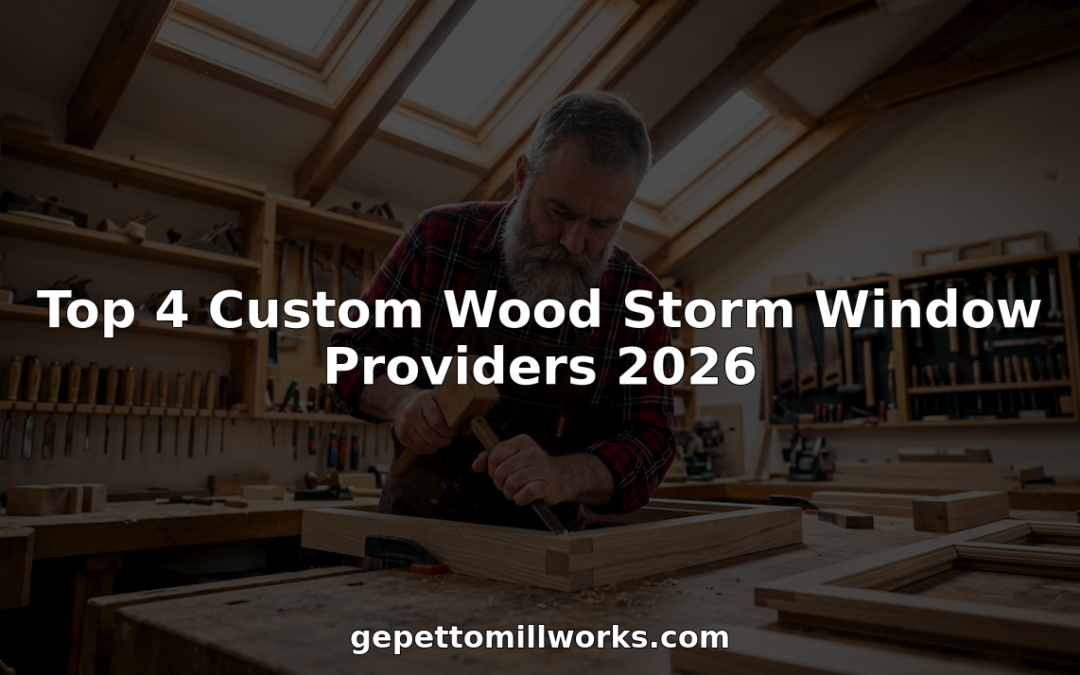
Top 4 Custom Wood Storm Window Providers 2026

Top 4 Custom Wood Storm Window Providers 2026

Selecting a provider for custom wood storm windows that preserves architectural authenticity and complies with local review boards often results in mismatched solutions or extended project delays. Standard manufacturers frequently overlook period-specific details or limit their offerings to certain regions, undermining both historical integrity and eligibility for preservation programs. This comparison assesses craftsmanship, regional expertise, and project compatibility across four providers so architects, historic property owners, and preservation consultants can identify the best fit for their restoration needs.

Table of Contents

Gepetto Millworks

https://gepettomillworks.com

At a Glance

Use of sustainably sourced Accoya Acetylated wood shapes Gepetto Millworks’ approach to historic windows, doors, and millwork. The shop focuses on restoration and authentic replicas for projects across Virginia and the Southeast US. Work aims to match historic specifications and support historic tax credit eligibility where applicable.

Core Features

Gepetto Millworks performs custom manufacturing and restoration of historic and architectural wood features, producing windows, doors, shutters, and interior millwork. The team fabricates historically accurate replicas that follow measured drawings and surviving examples. They collaborate directly with architects, project managers, and homeowners to align material and profile decisions with preservation goals.

Key Differentiator

Deep regional expertise in Virginia and the Southeast US combined with hands on historic craftsmanship distinguishes Gepetto Millworks. The shop’s portfolio centers on preservation projects that require matching original muntins, moldings, and sash details. That regional focus helps when municipal review boards or preservation consultants expect local precedent and historically correct assemblies.

Pros

High craftsmanship and attention to historic detail produce millwork that reads as original in period buildings. The use of durable, eco friendly Accoya wood reduces long term maintenance compared with many untreated species. Strong regional experience means the team understands local preservation practices and documentation needs for historic tax credit applications. Wide product scope covers windows, doors, shutters, and custom architectural elements for complex restorations.

Cons

  • Limited to Virginia and Southeastern US regions, which restricts availability for projects outside that geographic scope.

Who It’s For

Architects, historic property owners, preservation consultants, and developers working on restoration or adaptive reuse in Virginia and the Southeast US. The firm fits projects that require faithful replication of period details and projects seeking documentation compatible with historic tax credit programs.

Unique Value Proposition

Close collaboration with design teams and owners produces components that meet measured historic profiles and local review standards. That practice shortens revision cycles during review and helps integrate wood assemblies with existing frames and glazing. For preservation projects this workflow reduces the friction between fabrication and on site restoration trades.

Real World Use Case

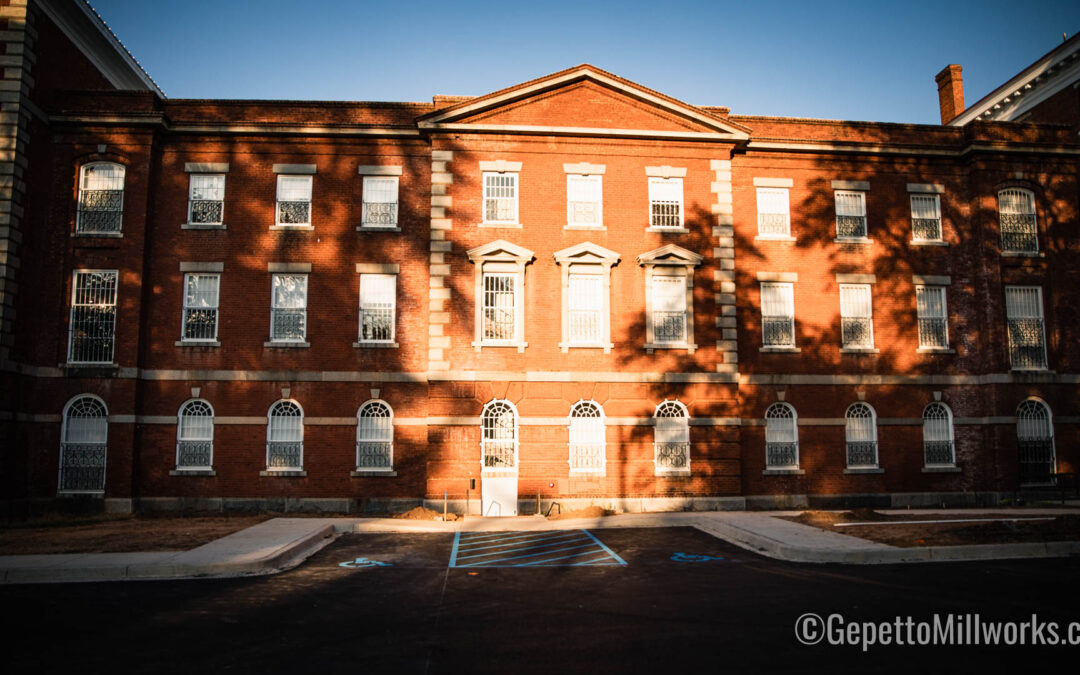
For William Fox Elementary School Gepetto Millworks crafted authentic wood windows and related millwork to restore the building while meeting historic standards. The project required matching existing muntin patterns and profiles so the new units fit original openings and passed preservation review.

Pricing

Pricing is not publicly listed. Gepettomillworks works on a project by project basis and issues custom estimates that reflect scope, materials, and historic replication requirements. Contact the shop for a site review and a detailed quote.

Website: https://gepettomillworks.com

Glacier Window and Door, Inc.
https://glacierwindow.com

At a Glance

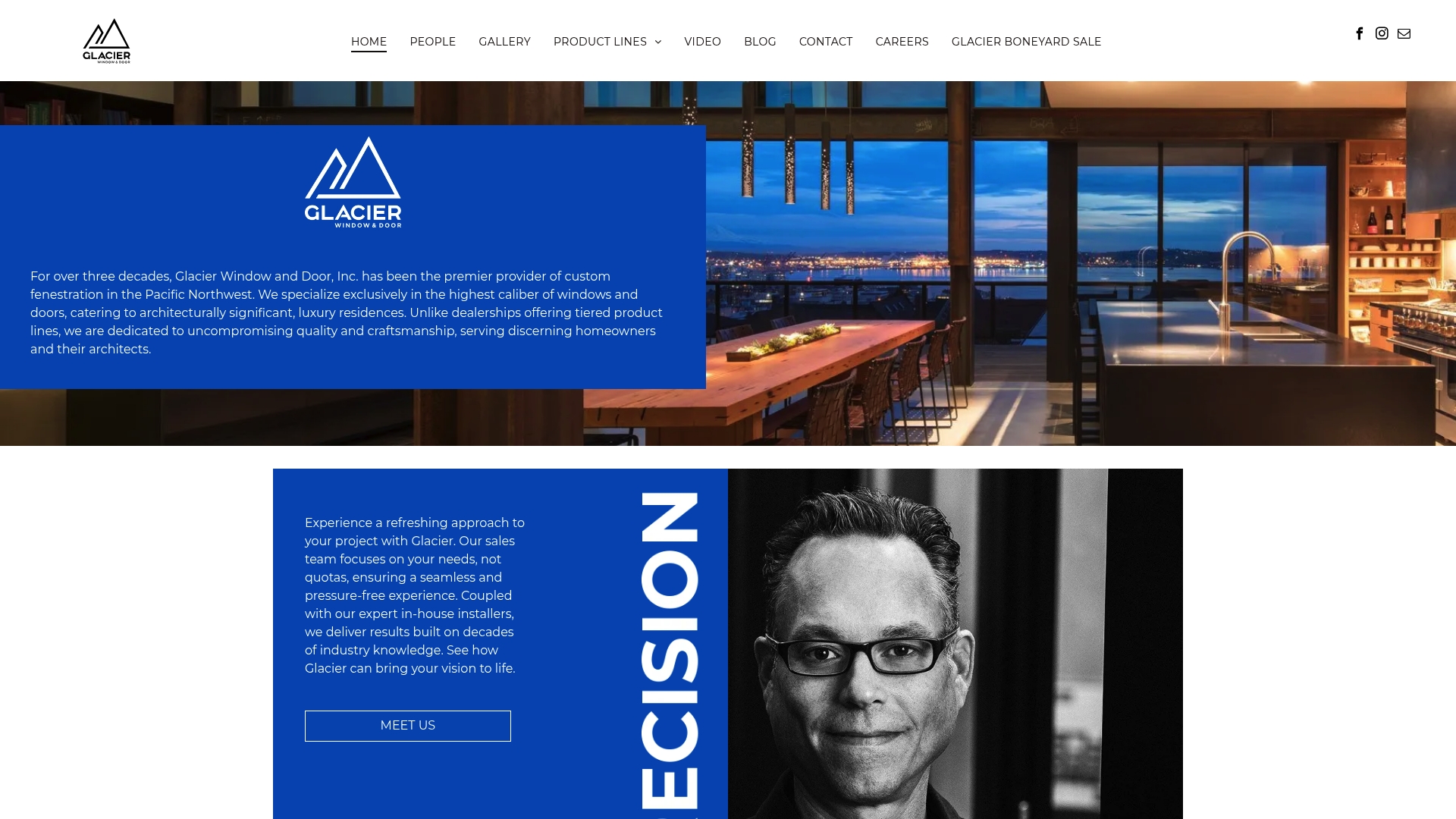
Multi-slide pocket doors, retracting screens, and motorized doors are core specialties for Glacier Window and Door, Inc. They work exclusively on high-end residential projects in the Pacific Northwest with showrooms in Portland and Seattle. Clients hire them when architects specify complex fenestration that must fit precise tolerances and finishes.

Core Features

Glacier supplies custom aluminum and steel windows and doors and pairs product delivery with professional installation to control fit and performance. Their portfolio highlights advanced systems such as multi slide pocket doors, retracting screens, and motorized doors for large openings. Showrooms in Portland and Seattle support design reviews and finish checks with mock ups.

Key Differentiator

The primary distinction is the integrated supply and installation model that keeps accountability for fit, finish, and on site adjustments with a single vendor. That single vendor approach reduces coordination friction between fabricator, installer, and trades on complex geometry and large openings. It favors custom crafted fenestration where shop tolerances and field adjustments must align to meet architect specifications.

Pros

Longstanding craft expertise and a focus on bespoke fenestration make Glacier a reliable choice for architect driven projects that demand exacting detail. Their combined supply and installation approach reduces finger pointing between manufacturers, installers, and trade contractors, and the company reports decades of experience. No commissioned sales staff lowers sales pressure and keeps consultations focused on design and technical fit rather than product tiers.

Cons

  • Primarily serves high end luxury residential market, so pricing and scale do not suit budget conscious owners.

  • Limited to new construction and renovation projects that involve luxury upgrades, excluding many standard retrofit jobs.

  • Service area is confined to Portland and Seattle which requires remote projects to find local alternatives.

When It May Not Fit

If you are a budget conscious homeowner, Glacier is not a practical option. Commercial clients and owners outside the Pacific Northwest will need a different supplier. Clients seeking rapid lead times should allow longer schedules because bespoke manufacturing and finish work can extend delivery.

Who It’s For

Discerning homeowners, architects, and builders in the Pacific Northwest require bespoke metal and aluminum windows and doors for high end residences. Design teams that need tight tolerances, custom finishes, or integrated motorized operation will gain from Glaciers combined supply and installation model. Preservation oriented projects that demand matching historic profiles and careful on site adjustments also align with their practice.

Real World Use Case

A luxury homeowner worked with an architect to specify bespoke aluminum and steel windows and doors for a custom residence. Glacier supplied shop drawn units, managed finishes, and scheduled installers to guarantee on site adjustments matched the drawings. The integrated delivery shortened coordination cycles that often stall complex modern projects.

Pricing

Pricing is not applicable. The company provides project specific quotes rather than published price lists. They discuss lead times and finish samples during consultation.

Website: https://glacierwindow.com

HH Windows & Doors
https://hhwindows.com

At a Glance

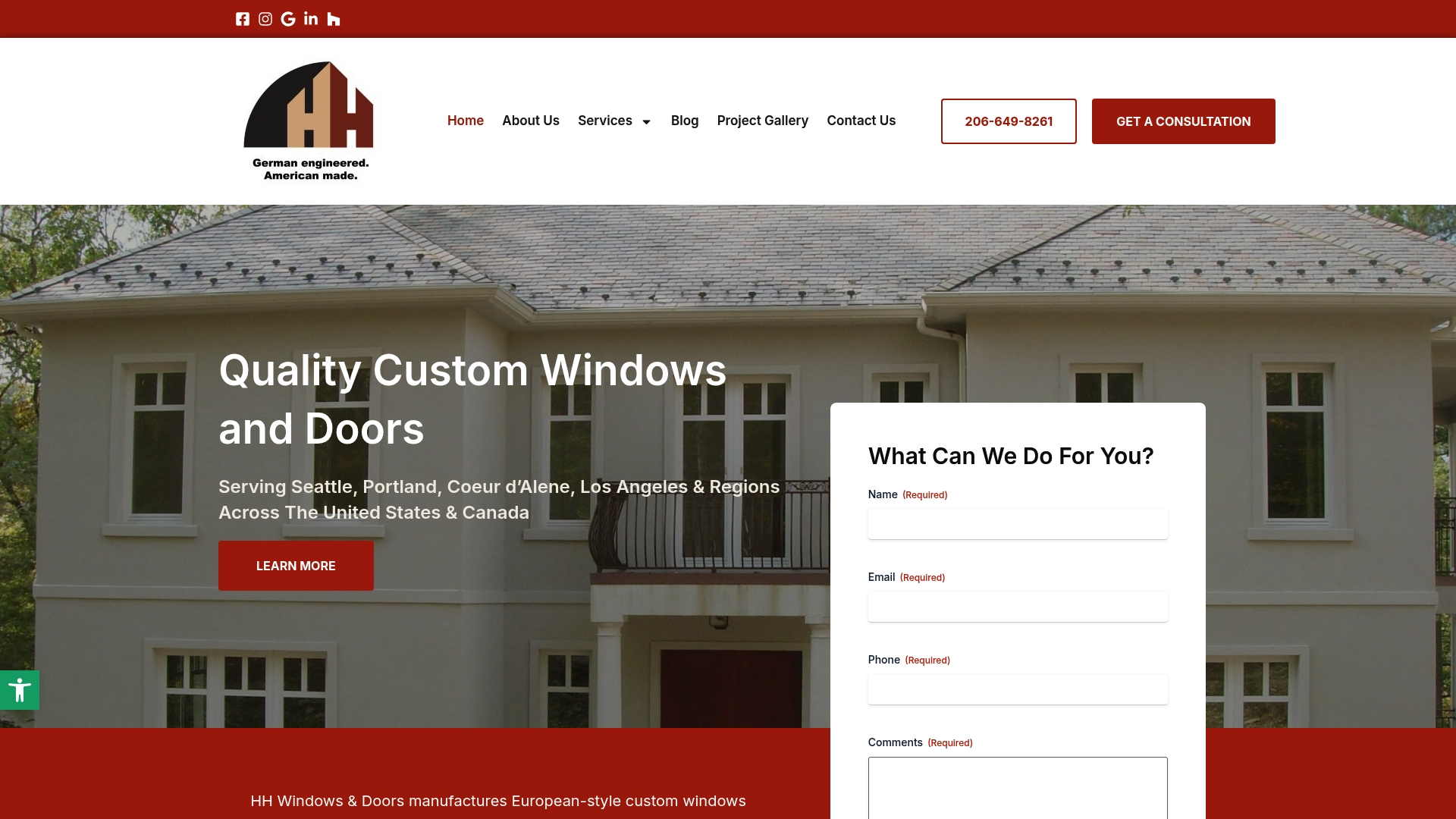
HH Windows & Doors reports U-values as low as 0.16 for some window models. That performance claim targets Passive House projects and other high-efficiency builds. The company pairs European system design with domestic production from a Seattle shop to shorten lead times and simplify support.

Core Features

Custom European-style windows and doors include tilt & turn, bifold, lift & slide, and Passive House capable sash and frames. Materials span wood, uPVC, fiberglass, and aluminum, and systems use fully concealed hardware and multi point locking for airtightness and security. Manufacturing in Seattle supports shorter turnaround and direct client interaction for size and finish customization.

Key Differentiator

The most distinctive angle is the combination of European engineering and American craftsmanship. That blend shows in system choices from Cascadia Window & Door and Prime Window Systems fitted and finished domestically. Buyers get European performance details with the logistical advantages of a U.S. manufacturer.

Pros

High-performance systems are engineered to meet rigorous thermal goals and the company advertises Passive House capable assemblies. Domestic fabrication in Seattle shortens lead times and gives builders a single point of contact for custom sizes, finishes, and hardware options. The product range covers multiple materials and configurations so architects can match historical detailing or modern minimalism while keeping focus on energy performance.

Cons

  • Premium pricing is likely; third-party praise for craftsmanship suggests cost typical of custom systems.

  • Custom work and higher performance standards increase project budgets compared with commodity windows.

  • Availability centers on projects in the US and Canada, which limits options for clients outside those markets.

When It May Not Fit

This supplier is a poor choice for budget-limited renovations where standard, off-the-shelf units suffice. It is not aimed at fast, low-cost replacement cycles for rental portfolios. Projects outside North America will face sourcing and support challenges.

Who It’s For

Architects, custom home builders, and homeowners pursuing Passive House or luxury renovation projects will find this offering aligned with their needs. The profile fits clients who prioritize thermal performance, design flexibility, and provenance in craftsmanship. Specify these systems when project budgets allow premium custom fabrication.

Real World Use Case

A Seattle luxury developer specified Passive House windows from HH Windows & Doors for a waterfront modern residence to meet strict energy targets. The local fabrication reduced coordination time between architect and manufacturer. The developer received custom sizes and finishes that matched the design intent while targeting low thermal transfer.

Pricing

Public pricing is not published. The company lists offerings as informational only and does not provide standard retail tiers. Expect project pricing to reflect custom specifications, material choice, and performance requirements.

Website: https://hhwindows.com

Oak Brothers Historic Restoration
https://oakbrothers.net

At a Glance

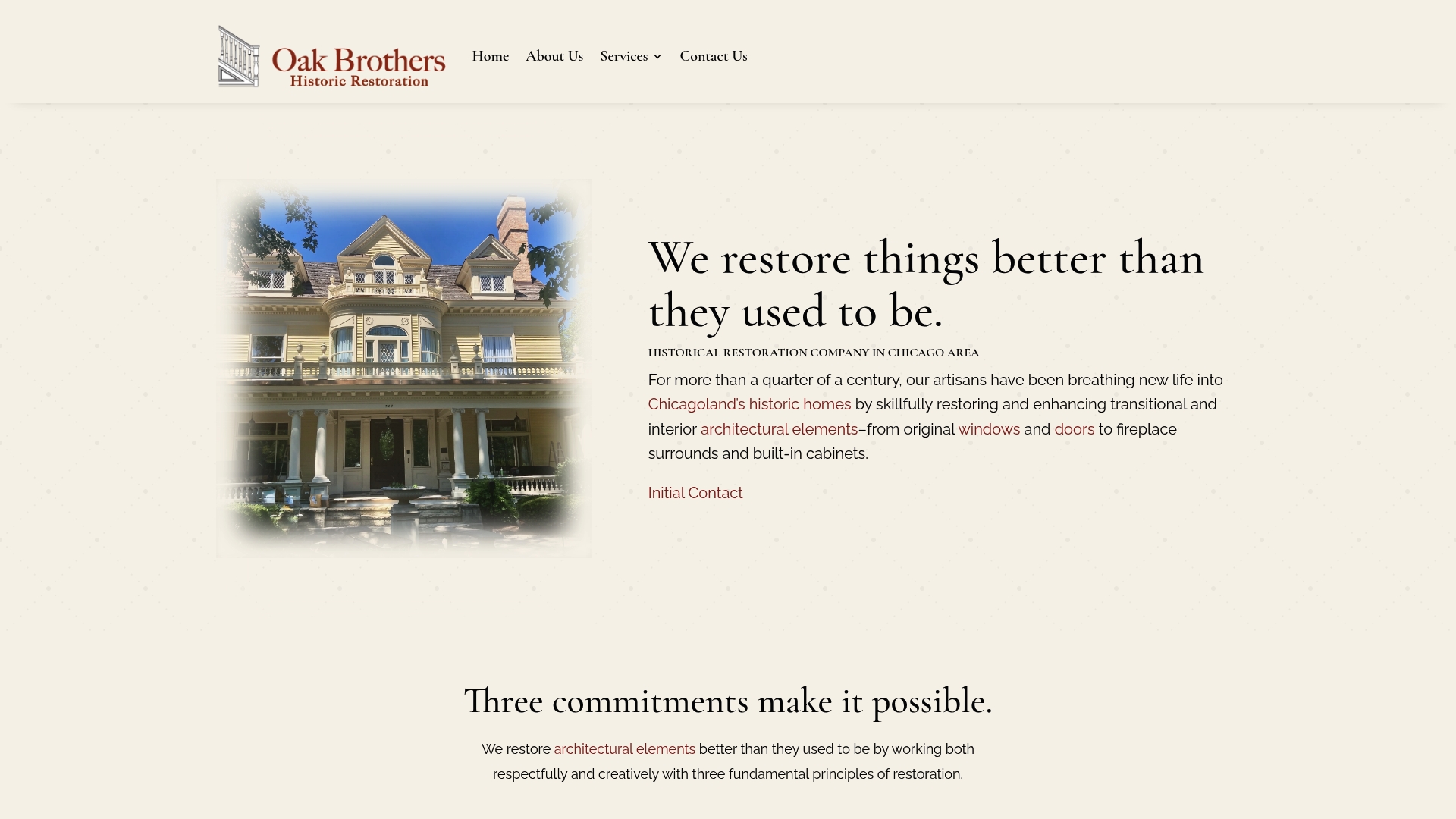
More than 25 years of craft restoration in the Chicago area anchors Oak Brothers approach to historic woodwork. The firm focuses on windows, doors, and interior millwork for vintage homes and civic buildings. Their stated aim is to preserve original character while making pieces “better than they used to be.”

Core Features

Oak Brothers restores architectural form and original joinery while repairing structural and operational defects in sash and door assemblies. They balance functional upgrades with visual authenticity and work to retain aged patina and surface character. The shop handles a broad set of wood window and door types using hands on processes rather than off the shelf replacements.

Key Differentiator

A craft driven method defines Oak Brothers approach. The team conflates historic accuracy with selective modern function so windows and doors hold period appearance while operating reliably. That focused, craft based model suits preservation projects that accept time and craft as part of the cost.

Pros

The company brings deep expertise in conserving historic fabric and original craftsmanship, which produces carefully matched repairs and reproductions. Project work is custom and educational; staff explain period detailing and material choices to owners and preservation groups. The shop’s finish work and fitting are highly detailed and often surpass client expectations when the client values authenticity.

Cons

  • High cost: meticulous hand work raises project invoices relative to simpler replacement options.

  • Long lead times: restoration steps and drying cycles extend project duration beyond quick repair windows.

  • Regional focus: services concentrate on the Chicago area and surrounding communities.

When It May Not Fit

This shop does not work with modern synthetic window materials or nonwood components. Projects needing a fast turnaround or a low budget will not match the studio pace or pricing. Buyers seeking standardized factory parts or nationwide installation will find the local, craft centric model a poor fit.

Who It’s For

Owners of historic and vintage homes who prioritize material authenticity and original details will benefit most. Preservation groups, historical societies, and homeowners restoring period interiors will find the firm aligned with their goals. Clients must accept project timelines and budget realities that reflect hand craftsmanship.

Real World Use Case

A 1920s Chicago bungalow returned to full function after Oak Brothers restored sash, reweighted cords, and refinished interior trim. The work improved thermal performance through weatherstripping while preserving muntin patterns and original glass where possible. The homeowner kept the bungalow appearance while regaining reliable operation.

Pricing

Oak Brothers does not publish standard pricing. Work is estimated per project after on site assessment and scope definition. Clients receive a bespoke proposal that reflects labor intensity, materials, and repair complexity.

Website: https://oakbrothers.net

If you need immediate replacement windows for many units with a tight budget, this shop may not be the right choice. Projects requiring factory-speed turnaround or low per-unit cost will find better fits among mass manufacturers, so plan further ahead when working with Adams to accommodate their bespoke production schedule.

Comparison of alternatives

Property preservationists and homeowners seeking custom wood storm windows must weigh the distinctive strengths of competing providers in authenticity, material quality, and more.

Craftsmanship in historical replication

Gepetto Millworks leads in crafting highly accurate historical replicas with adaptable methodologies in Virginia and the Southeast. Conversely, Oak Brothers Historic Restoration excels in preserving the aged patina and implementing traditional hand tools and joining techniques, focusing on authenticity over expediency. These approaches fulfill distinct restoration goals, prioritizing regional precedent versus restoration process fidelity.

Achievements in energy preservation

Energy-focused homeowners benefit significantly from HH Windows & Doors, which integrates European engineering principles with local manufacturing to provide advanced thermally efficient window systems. By featuring U-values as low as 0.16 and Passive House certifications, this provider meets rigorous environmental performance goals often beyond competitors’ scopes.

Best fit

  • For complex historic preservation projects in Virginia or the Southeast, Gepetto Millworks’s dedication to regional historic standards and authentic replication stands.
  • Clients prioritizing energy efficiency in Passive House construction will find HH Windows & Doors offering performance systems, including exceedingly low thermal transfer ratings.
  • Projects requiring incredibly detailed restoration emphasizing original finishes and patina should explore Oak Brothers Historic Restoration.
  • Those in the Pacific Northwest pursuing high-end, modern residential assignments with substantial customization can leverage Glacier Window and Door’s integrated services and precise solutions.

Our pick

Gepetto Millworks delivers standout value for historical restoration and preservation projects in the Southeast United States, where their expertise and adaptability ensure authenticity. While other providers shine in specific areas such as energy performance or meticulous finish restoration, Gepetto’s regional focus and offerings make them the premier choice for blending historical accuracy with practical application.

Custom wood storm window providers vary in regional expertise, crafting approaches, and installation models to suit distinct project requirements across different markets.

Provider Core Feature Key Differentiator Best For Pricing Notable Limitation
Gepettomillworks Historic replicas and restorations Expertise in historic craftsmanship Preservation projects in Virginia and the Southeast US Price not published Limited to Virginia and Southeast US regions
Glacier Window and Door, Inc. Custom aluminum and steel fenestration Supply and installation model integration High-end residential construction in the Pacific Northwest Price not published Confined to high-end residential market
HH Windows & Doors European-style high-performance systems Domestic production with European design Passive House and luxury renovation in US and Canada Price not published Premium pricing and limited availability
Oak Brothers Historic Restoration Custom restoration of wood units Focus on preserving aged patina Historic homes and civic buildings in Chicago Price not published High costs and long lead times

How to Resolve Challenges with Custom Wood Storm Windows in Historic Projects

Preserving the authentic detail of historic buildings requires custom wood storm windows that meet exact period profiles while offering improved durability. Gepettomillworks specializes in expertly crafting such windows using sustainably sourced Accoya Acetylated wood. This material provides long-term resistance and maintenance advantages without sacrificing the visual and structural integrity vital for tax credit eligibility.

Architects, historic property owners, and preservation consultants working in Virginia and the Southeast US will benefit from Gepettomillworks’ close collaboration to produce millwork that matches original muntins, moldings, and sash details. Visit Gepettomillworks to learn how their custom work supports your preservation goals and meets local review standards.

Enhance your restoration project today by starting a dialogue with experts who understand the importance of every architectural element. Explore Custom Millwork for historic building projects to request a detailed consultation and receive a tailored estimate for your specific requirements.
Explore Gepettomillworks

FAQ

What makes Gepettomillworks a top choice for custom wood storm windows?

Gepettomillworks specializes in restoration and authentic replicas of historic windows, emphasizing high craftsmanship and attention to detail. Their use of sustainably sourced Accoya Acetylated wood enhances durability while maintaining historical accuracy, making them ideal for preservation projects. Consider reaching out to discuss your specific restoration needs.

How does Gepettomillworks compare to Glacier Window and Door, Inc.?

Glacier Window and Door, Inc. excels in supplying and installing premium, high-end residential windows and doors, focusing on advanced systems like multi-slide pocket doors. Gepettomillworks, meanwhile, specializes in historically accurate replicas that align with preservation goals in Virginia and the Southeast US. If your project emphasizes detailed historical replication, Gepettomillworks may be the better fit.

Which geographic areas does Gepettomillworks serve?

Gepettomillworks is primarily limited to Virginia and the Southeastern US for its custom wood storm window projects. This regional focus allows them to understand local preservation practices effectively and meet municipal review standards, which is crucial for historic tax credit eligibility.

What type of wood does Gepettomillworks use for its custom windows?

They utilize sustainably sourced Accoya Acetylated wood, known for its durability and eco-friendliness. This choice significantly reduces long-term maintenance compared to many untreated species, providing a reliable solution for restoration projects. Consider this option if you’re looking for high-quality, durable materials for your custom wood storm windows.

Can Gepettomillworks accommodate unique architectural specifications?

Yes, Gepettomillworks collaborates directly with architects, project managers, and homeowners to ensure that their custom wood storm windows meet specific architectural profiles and preservation standards. This custom approach is beneficial for projects requiring faithful replication of period details.
Article generated by BabyLoveGrowth

Virginia sawmill operators

The Need for Custom Milled Lumber in Producing Historic Replica Wood Products for Homes, Hotels, and Mixed-Use Properties

Historic buildings tell stories of craftsmanship, architectural vision, and regional heritage. From stately homes with hand-carved moldings to grand hotels adorned with ornamental wood details, each structure carries unique character. When these buildings undergo restoration, expansion, or adaptive reuse, architects, preservationists, and property owners often face a challenge: sourcing authentic wood components that match the originals custom milled lumber becomes essential.

Standard, off-the-shelf wood products rarely replicate the intricate details, species variety, and precise dimensions required for historic replica wood products. Whether the project involves restoring a Georgian-era doorway, recreating Victorian gingerbread trim, or producing millwork for a mixed-use redevelopment of a historic warehouse, custom milled lumber ensures that authenticity, durability, and architectural integrity are maintained.

In this article, we’ll explore why custom milled lumber is indispensable for historic projects, the process behind its creation, and how it benefits property owners, architects, and developers working with historic restoration millwork.


Why Historic Replica Wood Products Require Custom Milled Lumber

1. Standard Lumber Dimensions Don’t Match Historic Profiles

bowed window producer Virginia

Modern lumberyards typically stock dimensional lumber in standard sizes—2x4s, 1x6s, or 4×8 sheets of plywood. Historic builders, however, worked with different milling practices and often used full-dimension lumber with hand-planed finishes. Window sashes, stair treads, or door stiles from the 18th or 19th century are often slightly thicker, wider, or cut with unique joinery that doesn’t align with contemporary production.

Only custom milled lumber can be matched to the original specifications. A mill shop can replicate exact widths, depths, and profiles, ensuring a replacement piece doesn’t look out of place or compromise the building’s historical authenticity.

2. Historic Properties Demand Architectural Accuracy

Preservation guidelines—especially in districts protected by local or national landmark commissions—often require that repairs and replacements remain faithful to original designs. Using mass-produced trim, stock crown molding, or factory windows can jeopardize approvals and reduce the value of the restoration.

By working with a craftsman experienced in historic replica wood products, property owners can be confident that every detail, from mortise-and-tenon joinery to decorative fluting, matches the original craftsmanship.

3. Many Historic Species Are No Longer Commercially Available

Centuries-old buildings often relied on wood species like heart pine, chestnut, or old-growth oak—species that aren’t commonly sold at today’s lumberyards. Custom milling allows artisans to work with reclaimed lumber or responsibly sourced alternatives that mimic the density, grain pattern, and durability of the originals.  Accoya Acetelated wood is the only modern product bending the curve into better wood, as it is chemically altered to not absorb water!

For example:

  • Reclaimed heart pine beams can be remilled into flooring that matches Civil War–era homes.

  • Sapele or mahogany may be substituted for rot-resistant exterior trim when the original tropical hardwood is no longer available.

  • White oak can be quartersawn to mimic the shimmering ray fleck common in Arts & Crafts–era millwork.


The Process of Creating Custom Milled Lumber for Historic Replica Wood Products

Restoring or replicating historic woodwork is a precise and labor-intensive process. Unlike modern production lines that prioritize speed and uniformity, custom milling focuses on detail, flexibility, and one-of-a-kind accuracy.

Step 1: Site Assessment and Documentation

Architects and millworkers begin by surveying the property. Every molding, door stile, or window sash is measured, photographed, and cataloged. Shop drawings may be produced using AutoCAD or hand-drafted sketches. The goal is to capture the exact dimensions, joinery, and ornamental details.

Step 2: Lumber Selection

Choosing the right wood is critical. Preservationists balance authenticity with modern performance requirements. For exterior applications, rot resistance and stability may take precedence, while interior elements prioritize appearance and authenticity.

Step 3: Knife Grinding and Profile Matching

One of the hallmarks of custom milled lumber is profile replication. Specialized steel knives are ground to match the original profile of a molding or trim piece. This allows modern machinery to cut exact replicas that are indistinguishable from 150-year-old originals.

Step 4: Milling and Fabrication

Using planers, shapers, and moulders, raw lumber is transformed into historically accurate components. In some cases, hand tools are used to add the final detail or patina to match existing woodwork.

Step 5: Assembly and Joinery

For larger elements like historic replica windows and doors, traditional joinery methods—such as mortise-and-tenon or pegged joints—are reproduced. These not only provide structural strength but also honor the original methods of construction.

Step 6: Finishing

The final step includes sanding, staining, or painting. Some projects even call for custom finishing techniques to replicate the aged appearance of adjacent woodwork so that the replacement seamlessly integrates.


Applications of Custom Milled Lumber in Historic Replica Wood Products

1. Homes and Residential Properties

Private homeowners restoring historic residences often require custom millwork for:

  • Crown moldings and baseboards to match original interior detailing.

  • Custom windows and shutters designed with historically accurate joinery.

  • Staircases and banisters requiring hand-turned balusters or curved rails.

  • Doors and casings built with raised panels or specific architectural motifs.

2. Hotels and Hospitality Spaces

Grand hotels built during the Gilded Age or early 20th century often feature elaborate wood paneling, ballroom wainscoting, and carved ceiling beams. When these properties undergo restoration or adaptive reuse, custom milled lumber ensures that every lobby, guest room, and banquet hall reflects the elegance of its original era.

For boutique hotels in historic districts, the use of historic replica wood products also creates a sense of authenticity that appeals to guests seeking an immersive experience.

3. Mixed-Use Properties and Commercial Redevelopment

Across the country, developers are transforming warehouses, factories, and historic storefronts into mixed-use properties combining retail, office, and residential units. These adaptive reuse projects rely heavily on custom milled lumber to retain character while meeting modern code requirements.

Examples include:

  • Replicating storefront cornices for historic main streets.

  • Creating interior millwork that complements exposed brick and steel.

  • Designing historically accurate wood windows that meet energy efficiency standards.


Benefits of Using Custom Milled Lumber in Historic Replica Projects

Authenticity

Perhaps the greatest advantage is authenticity. Property owners avoid the “cookie-cutter” look of modern stock components, ensuring the finished project remains true to its origins.

Durability

Custom lumber can be milled from higher-quality, longer-lasting species, ensuring that restored woodwork stands the test of time.

Compliance with Preservation Standards

Local landmark commissions and preservation boards often demand accuracy. Using custom milled lumber demonstrates a commitment to historic integrity, increasing the likelihood of approval for renovation plans.

Increased Property Value

A historically accurate restoration not only preserves cultural heritage but also enhances market appeal. Buyers, investors, and tenants appreciate authentic craftsmanship that sets a property apart.

Sustainability

Reclaimed and responsibly sourced lumber used in custom milling reduces environmental impact while reusing materials that might otherwise go to waste.


Challenges in Producing Custom Milled Lumber

While the advantages are clear, producing custom milled lumber for historic replica wood products also involves unique challenges:

  • Cost: Custom milling requires specialized labor and tooling, which can be more expensive than off-the-shelf options.

  • Lead Times: Knife grinding, material sourcing, and fabrication extend project timelines.

  • Material Availability: Historic species may need substitutes that balance authenticity with availability.

However, most property owners find that the long-term benefits—authenticity, durability, and property value—far outweigh the initial investment.


Case Study Examples

Historic Hotel Renovation

A century-old hotel undergoing renovation required replication of 12-inch crown moldings and intricate ballroom paneling. Off-the-shelf products could not match the profiles. A mill shop used custom milled lumber with ground knives to create exact replicas, preserving the hotel’s grandeur.

Residential Restoration

A homeowner restoring an 1850s farmhouse needed historically accurate windows with true divided lights and hand-forged joinery. Custom milling provided sash frames that matched the originals while integrating energy-efficient glass.

Mixed-Use Development

Developers converting a tobacco warehouse into offices and apartments wanted to preserve the historic storefront façade. Custom milled lumber allowed replication of the original trim, pilasters, and transom frames, giving new life to the streetscape.


The Future of Custom Milled Lumber in Historic Replica Projects

As interest in historic preservation and adaptive reuse grows, the demand for custom milled lumber will continue to rise. Modern technology—such as CNC routers and 3D scanning—enhances accuracy, but traditional craftsmanship remains at the heart of the process.

Sustainability will also play a role. More projects are turning to reclaimed lumber, combining historical integrity with environmentally conscious practices.

For homes, hotels, and mixed-use properties alike, custom milled lumber remains the key to bridging the past and the present.


Conclusion

When it comes to preserving architectural heritage, there is no substitute for custom milled lumber. Whether the goal is restoring a historic home, renovating a grand hotel, or redeveloping a mixed-use property, authenticity and craftsmanship matter. Stock components cannot replicate the details, durability, or artistry of historic replica wood products.

By investing in custom milling, property owners ensure their projects meet preservation standards, stand the test of time, and honor the legacy of the structures they inhabit. From carved moldings to hand-crafted windows, custom milled lumber keeps history alive—one project at a time.

Church Hill Richmond Virginia Historic Millwork and Restoration Wood Supplier

Church Hill Richmond Virginia Historic Millwork and Restoration Wood Supplier

Church Hill in Richmond, Virginia, Richmond’s first neighborhood, is a historic district boasting antebellum homes and architectural styles like Greek Revival, Federal, Queen Anne, and Italianate, known for its cobblestone streets and gas streetlamp

The Church Hill neighborhood stands on the south hilltop looking back toward ‘downtown’ across the shockhoe valley. If you long to reside in a historic home, there are few older or more historic places in the united states. The area is the oldest neighborhood in Richmond and legend suggests its name originated when William Byrd ll stood in the area now known as Libby Hill park and saw how the view below resembled the view of Richmond on Thames in London, England. Most of the homes in this area are pre Civil-War and architecture consists of Colonial, Greek Revival, Italianate and Queen Anne. The city has restored more than 200 historic properties in the Church Hill area since 1983. Live here and you will enjoy evening strolls down charming tree lined streets illuminated by the area’s distinctive gaslights. As you stroll you will pass charming row housing and townhouses adorned with wrought iron, ornate wood porches, lavish scrollwork and facades of stone and brick.  The overlooks to the James river are mostly parklands allowing for a beautiful neighborhood experience with playgrounds and open spaces nearby.

Historic Building Tax Credits

Historic Building Tax Credits

Maximizing Historic Building Tax Credits with Gepetto Millworks’ Authentic Wood Architectural Elements

Restoring historic buildings is both a labor of love and a commitment to preserving cultural heritage. While the process is rewarding, it can also be financially daunting. One significant financial incentive available to property owners and developers is historic building tax credits. These credits can offset the costs of preservation and restoration, especially when using historically accurate materials and techniques.

Gepetto Millworks, a premier manufacturer of authentic wood architectural elements based in Virginia, provides an invaluable resource for those seeking to maximize these tax credits. This article outlines key considerations for qualifying for historic building tax credits and highlights how Gepetto Millworks’ custom-crafted products can be instrumental in achieving compliance with historic preservation standards.

Gepetto Project History of Tax Credit Projects


Understanding Historic Building Tax Credits

Historic building tax credits are financial incentives offered at both federal and state levels to encourage the preservation and rehabilitation of historic structures. These credits reduce the tax liability of property owners who undertake qualified restoration projects.

Federal Historic Preservation Tax Incentives Program

The Federal Historic Preservation Tax Incentives program, administered by the National Park Service (NPS) in partnership with the Internal Revenue Service (IRS) and State Historic Preservation Offices (SHPOs), offers a 20% tax credit for the rehabilitation of income-producing historic buildings. Eligible structures must be listed in the National Register of Historic Places or located in a registered historic district. Arlington VA Historic Window Builder credits are an example of a historic district.

State-Level Tax Credits

Many states, including Virginia, offer additional tax credits for historic preservation. These credits can often be combined with the federal program, providing substantial financial benefits for property owners. In Virginia, for instance, the state’s Historic Rehabilitation Tax Credit program offers a 25% credit for qualifying expenses.


Key Considerations for Filing Historic Building Tax Credits

To qualify for historic building tax credits, property owners must meet specific criteria and follow a structured application process that is often hindered by supplying historic restoration millwork! Here are the critical steps and considerations:

1. Determining Eligibility

  • Historic Designation: The building must either be listed in the National Register of Historic Places, contribute to a historic district, or meet specific criteria outlined by the SHPO.
  • Income-Producing Property: For federal tax credits, the property must generate income, such as through commercial use or rental housing.

2. Meeting the Secretary of the Interior’s Standards for Rehabilitation

The NPS evaluates projects based on the Secretary of the Interior’s Standards for Rehabilitation, which emphasize retaining and preserving historic character. Key principles include:

  • Repairing rather than replacing historic materials.
  • Ensuring new additions are compatible with the building’s historic character.
  • Avoiding alterations that destroy significant historical features.

3. Qualified Rehabilitation Expenses (QREs)

Only certain costs are eligible for tax credits, including:

  • Exterior and interior structural repairs.
  • Restoration of historic architectural elements.
  • Mechanical, electrical, and plumbing systems integral to the building’s structure.
  • Architectural and engineering fees related to the project.

Non-eligible expenses typically include landscaping, new additions, and furnishings.

4. Application Process

The application involves three parts:

  • Part 1: Certify the property’s historic status.
  • Part 2: Obtain approval for the proposed rehabilitation work.
  • Part 3: Certify that the completed work meets approved plans and the Secretary’s Standards.

The Role of Gepetto Millworks in Historic Building Restoration

Gepetto Millworks specializes in manufacturing authentic wood architectural elements that are essential for restoring historic buildings to their original grandeur. Their expertise and dedication to craftsmanship make them a trusted partner for projects seeking historic building tax credits.

1. Authenticity and Craftsmanship

Gepetto Millworks employs traditional techniques and materials to create wood elements that match the original features of historic buildings. From intricately carved moldings to custom windows and doors, their products are designed to seamlessly integrate into existing structures while meeting the Secretary’s Standards.

2. Custom Solutions for Unique Projects

Every historic building is unique, requiring tailored solutions to address specific restoration challenges. Gepetto Millworks offers custom fabrication services to replicate original designs, ensuring accuracy and compliance with preservation guidelines.

3. Sustainable Practices

Sustainability is a core value at Gepetto Millworks. They source premium, responsibly harvested wood and prioritize eco-friendly manufacturing processes, aligning with modern sustainability goals without compromising historical authenticity.


Key Products by Gepetto Millworks for Historic Restorations

Gepetto Millworks’ product offerings encompass a wide range of architectural elements critical to historic restorations. Each product is crafted with attention to detail and adherence to historical accuracy.

Custom Windows

  • Historical Accuracy: Gepetto Millworks replicates historic window designs, including sash, casing, and muntin profiles.
  • Energy Efficiency: Modern performance standards are integrated into historically accurate designs, ensuring energy efficiency without sacrificing authenticity.

Architectural Moldings

  • Period-Specific Designs: Gepetto’s catalog includes moldings that reflect the styles of different historical periods.
  • Custom Fabrication: Unique designs can be reproduced to match existing elements precisely.

Doors and Entryways

  • Handcrafted Quality: Gepetto’s custom doors capture the elegance and craftsmanship of historic entryways.
  • Variety of Styles: Options range from Georgian and Victorian designs to mid-20th-century modern aesthetics.

Staircases and Railings

  • Traditional Joinery: Gepetto employs traditional woodworking techniques to craft staircases and railings that embody historical authenticity.
  • Custom Components: Balusters, handrails, and newel posts are tailored to the building’s era and style.

Compliance with Preservation Standards

Using Gepetto Millworks’ products in your restoration project can simplify compliance with preservation standards, enhancing your chances of approval for tax credits. Places like Cape Charles, VA 23310 have Historic Building Materials local ordenances that keep the character of the whole town that you would know about as you purchased the property.

Adherence to the Secretary’s Standards

  • Repair Over Replacement: Gepetto’s focus on repairing and replicating original features aligns with the Standards’ emphasis on preservation. Our shop built wood products are built with the same solid wood mortise and tenon construction that was used 200 years ago. Most other products you will find on the open market do not use historically accurate building techniques, they shortcut the quality for speed of production in the factory.
  • Compatible Materials: Their use of authentic wood ensures compatibility with historic structures.

Documentation Support

Gepetto Millworks provides detailed documentation of their products’ historical accuracy and manufacturing process, which can be included in your tax credit application to demonstrate compliance.


Case Studies: Gepetto Millworks in Action

1. Restoring a 19th-Century Townhouse in Richmond, Virginia

  • Challenge: Replacing deteriorated windows while maintaining historical integrity.
  • Solution: Gepetto crafted custom wood windows replicating the original sash profiles and integrated energy-efficient glazing.
  • Outcome: The project received both federal and state tax credits.

2. Renovating a Historic Church in Alexandria, Virginia

  • Challenge: Restoring ornate moldings and woodwork damaged by decades of wear.
  • Solution: Gepetto’s team recreated intricate carvings using traditional techniques.
  • Outcome: The restoration earned praise from the SHPO and qualified for tax credits.

Steps to Get Started with Gepetto Millworks

  1. Consultation: Schedule a consultation with Gepetto Millworks to discuss your project needs and goals.
  2. Design and Fabrication: Work with their expert team to develop custom solutions that align with your building’s historical character.
  3. Installation Support: Gepetto provides guidance to ensure proper installation and compliance with preservation standards.
  4. Documentation: Receive detailed documentation to support your historic building tax credit application.

Conclusion

Securing historic building tax credits requires meticulous planning, adherence to preservation standards, and a commitment to quality restoration. Gepetto Millworks’ authentic wood architectural elements are a crucial asset for achieving these goals. By combining traditional craftsmanship with modern sustainability practices, Gepetto Millworks ensures that every project not only preserves history but also meets the highest standards of excellence.

Partner with Gepetto Millworks for your next historic restoration project and unlock the full potential of historic building tax credits. Contact their Virginia fabrication facility today to learn how they can bring your vision to life while honoring the past.

Custom by Architects

WholeSale to Builders

MADE IN VA

Sustainable & Reparable

Choosing the Right General Contractor for a Historic Renovation or Fix-and-Flip in Richmond, Virginia

Richmond, Virginia, is a city steeped in history, with neighborhoods that showcase architectural styles from the late 18th century through the early 20th century. For homeowners, real estate investors, and architects, this makes Richmond a prime location for historic...

arched and elliptical window builder Virginia

arched and elliptical window builder Virginia

Bowed Windows Made in Virginia

https://woodmadeillinois.com/wooden-windows/Round, Arc, Gothic Arch, and Bowed Windows Handcrafted in Virginia: When it comes to bespoke architectural woodwork, Gepetto Millworks stands at the pinnacle of craftsmanship in Virginia. Specializing in historically...

Church Hill Richmond Virginia Historic Millwork and Restoration Wood Supplier

Church Hill in Richmond, Virginia, Richmond's first neighborhood, is a historic district boasting antebellum homes and architectural styles like Greek Revival, Federal, Queen Anne, and Italianate, known for its cobblestone streets and gas streetlampThe Church Hill...

Historic Building Tax Credits

Maximizing Historic Building Tax Credits with Gepetto Millworks’ Authentic Wood Architectural Elements Restoring historic buildings is both a labor of love and a commitment to preserving cultural heritage. While the process is rewarding, it can also be financially...

Carter’s Grove Gates

                                                                        ...
VCU SCOTT HOUSE Window Restoration

VCU SCOTT HOUSE Window Restoration

SCOTT House on VCU Campus


Beaux Arts style Window Restoration


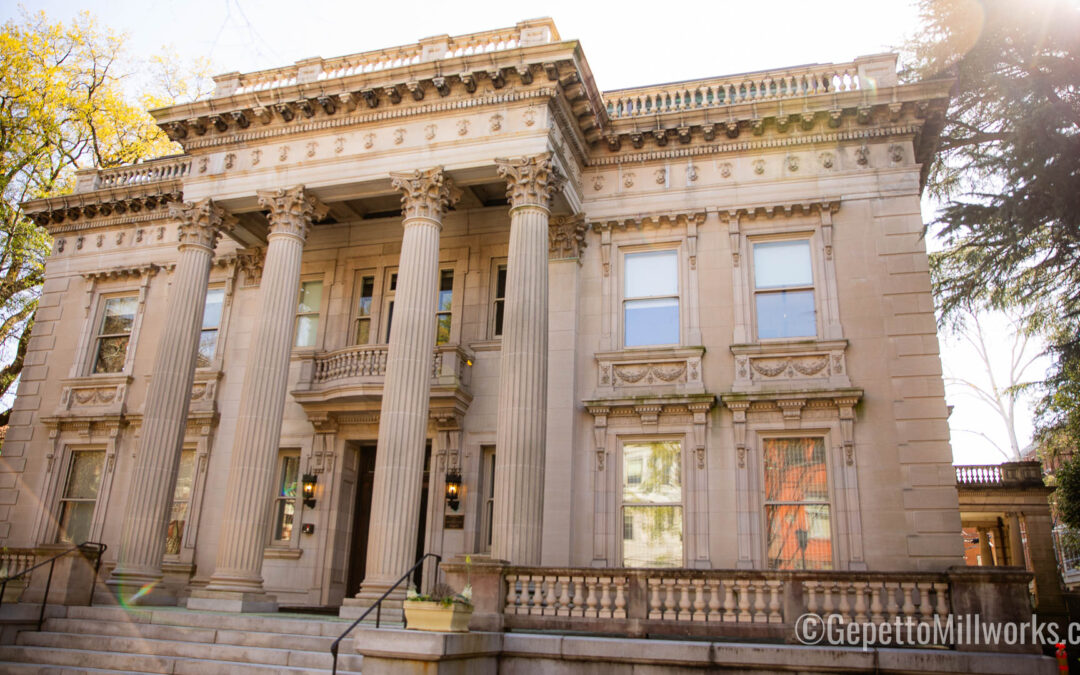
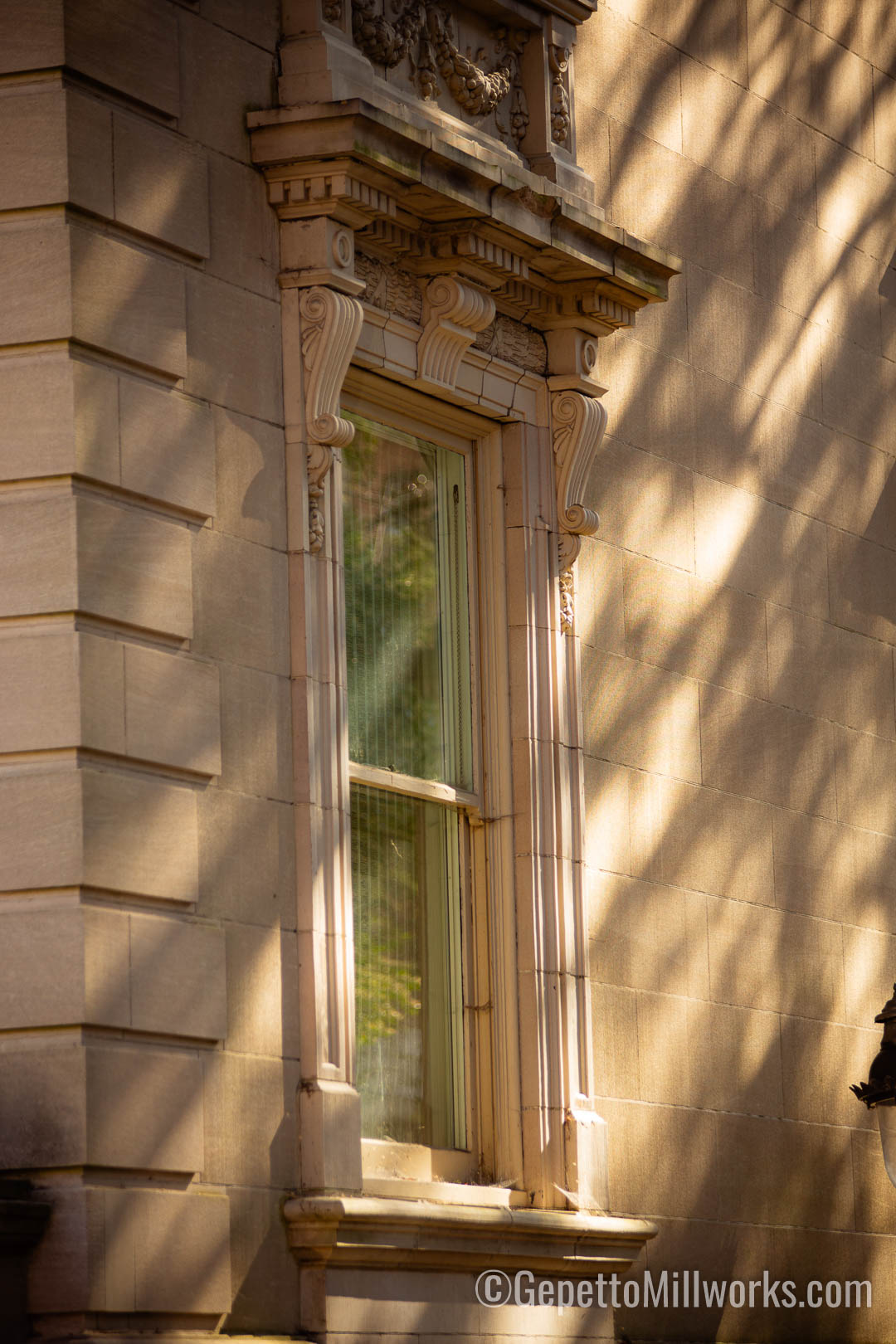
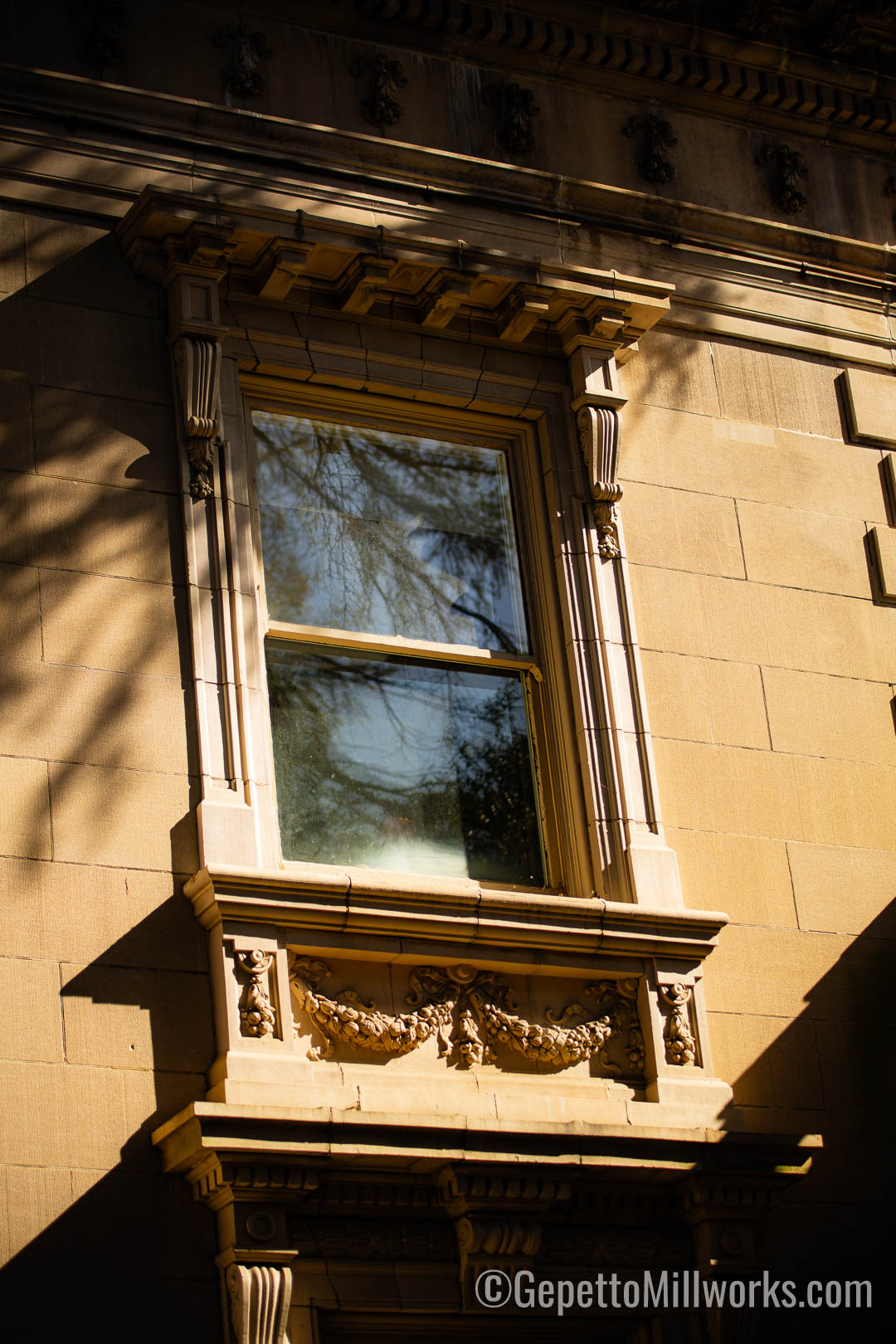
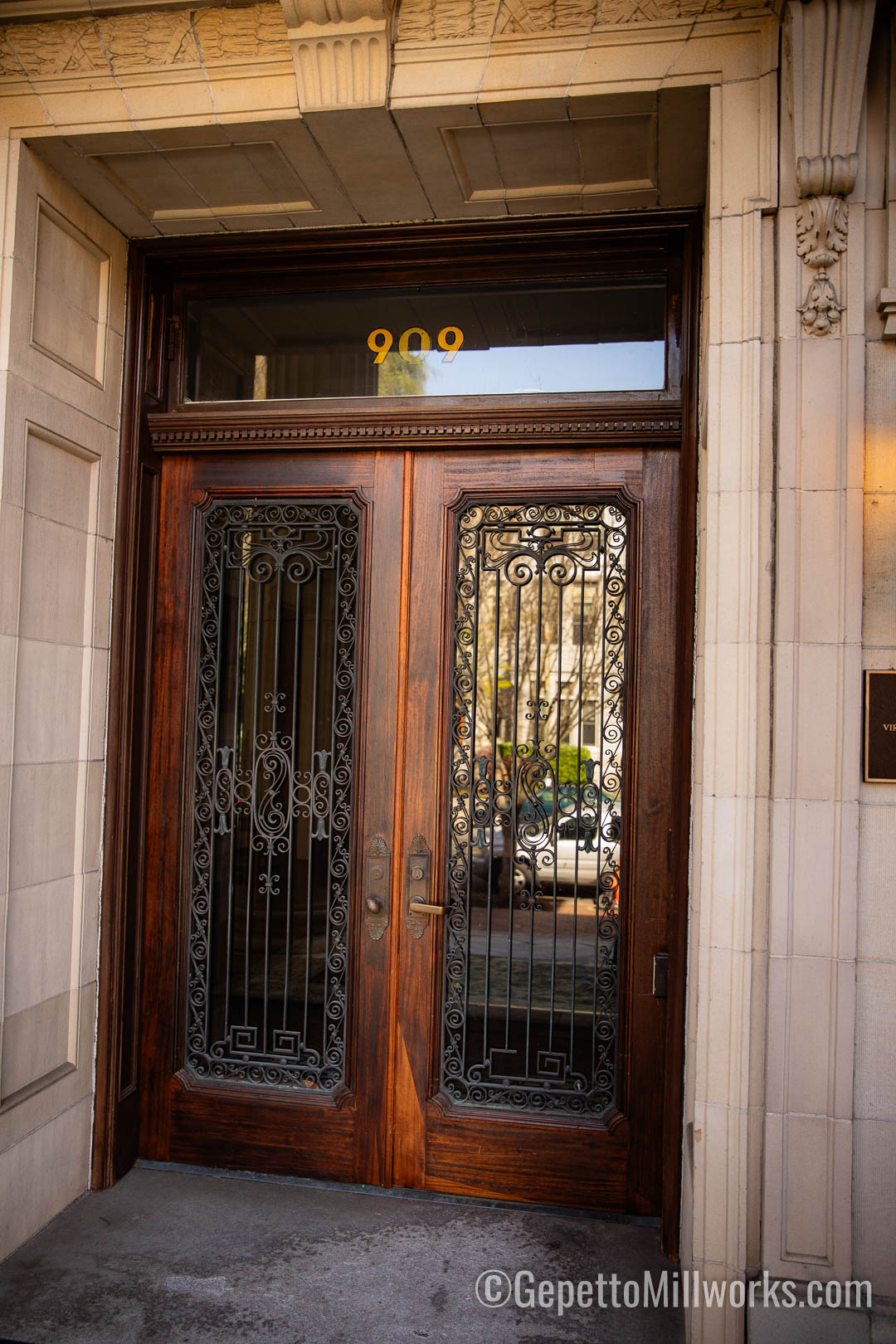
THE SCOTT HOUSE is one of Richmond’s most significant examples of American Renaissance architecture and is listed on the National Register of Historic Places. It was completed in 1911 and acquired by Virginia Commonwealth University (VCU) in 2001. The 18,000 sf mansion was built for Frederic William Scott and his wife Elizabeth Strother Scott. It was modeled after the Marble House in Newport, Rhode Island, which referenced the Petit Trianon at Versailles. Interior plasterwork is attributed to prominent sculptor and plaster contractor, Ferruccio Legnaioli.

VCU commissioned Glavé & Holmes Architecture (G&H) to provide a feasibility study to assess existing conditions, programming, and conceptual design. Subsequently, G&H was selected to provide a historically-sensitive rehabilitation to allow the building to serve as meeting and event space for visiting and University groups.

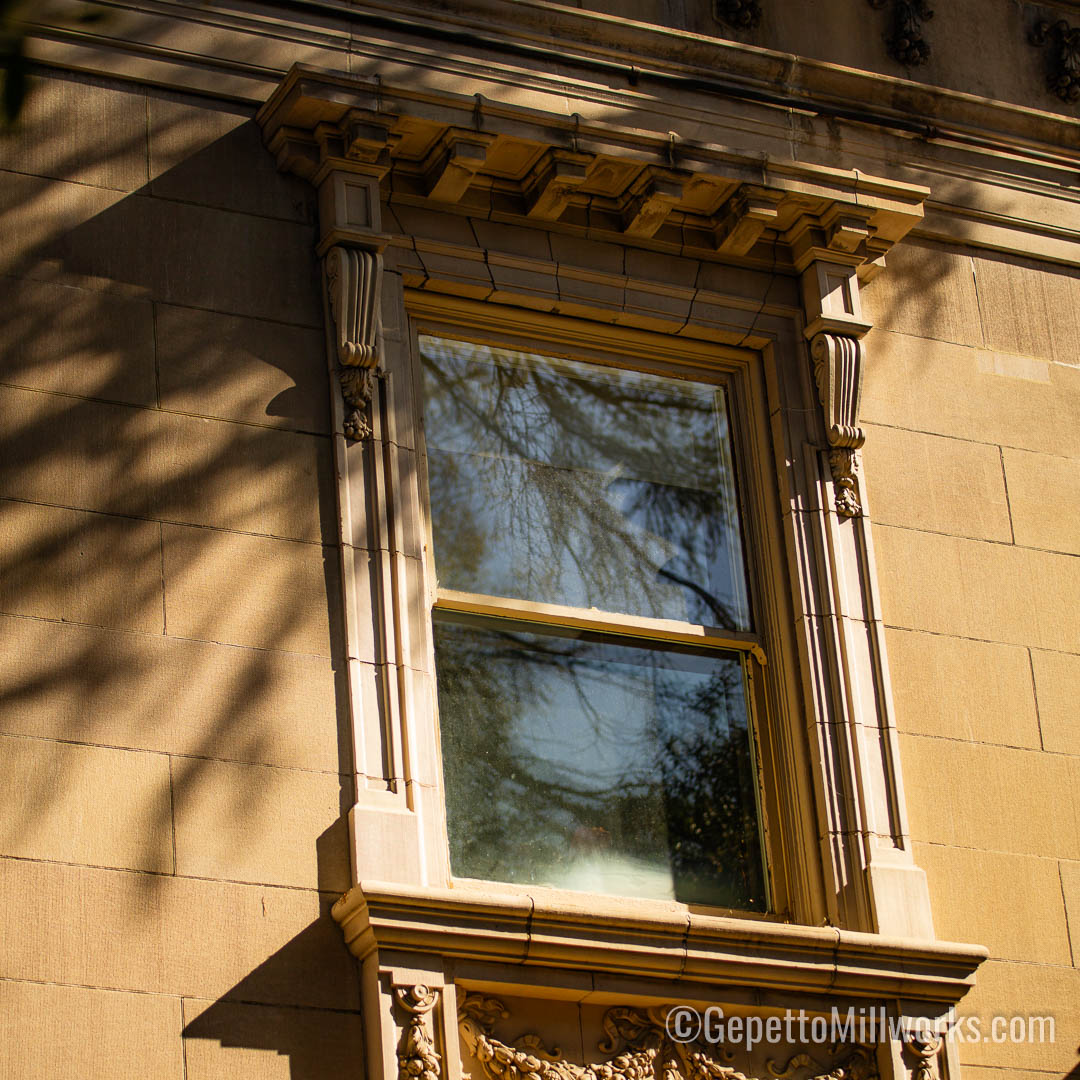
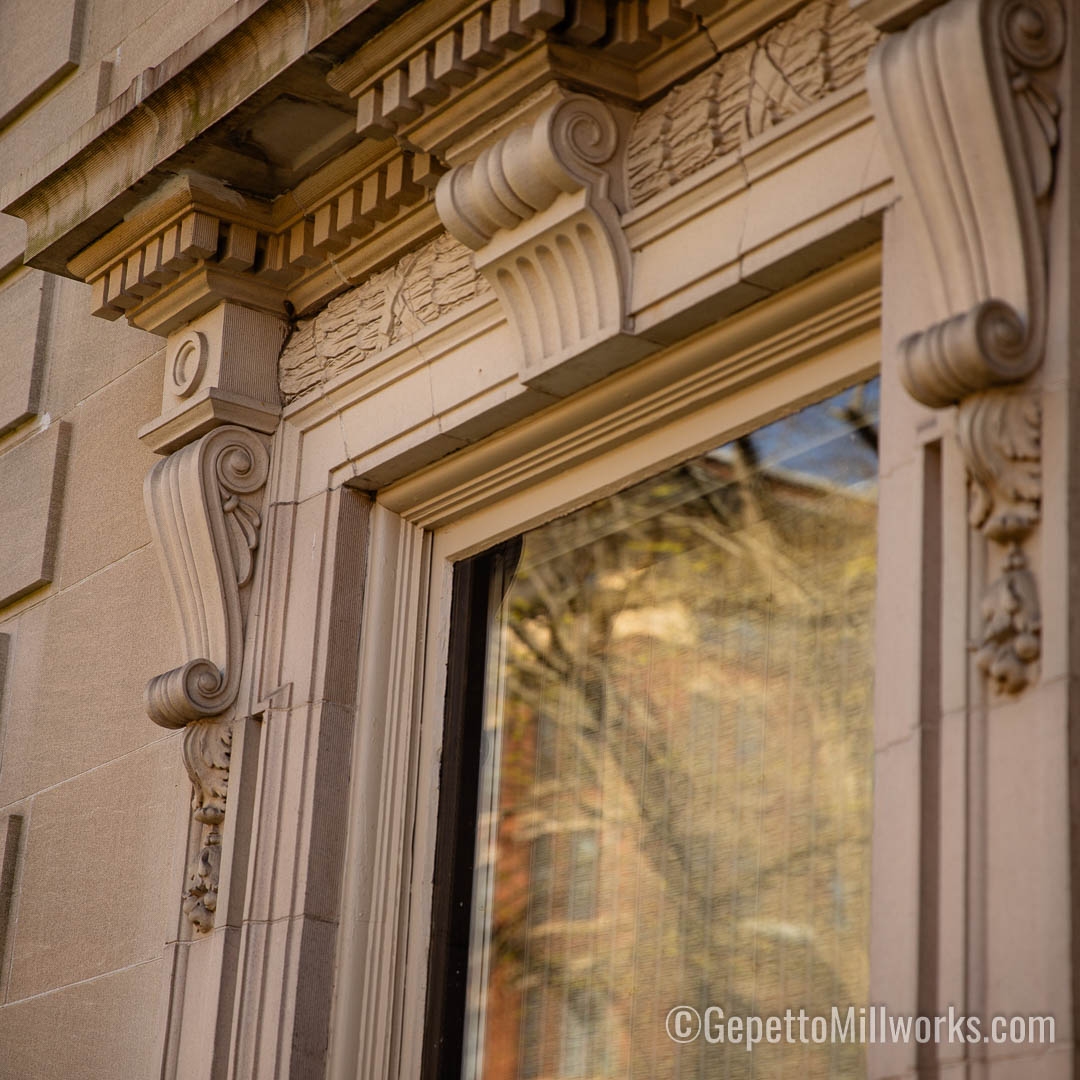
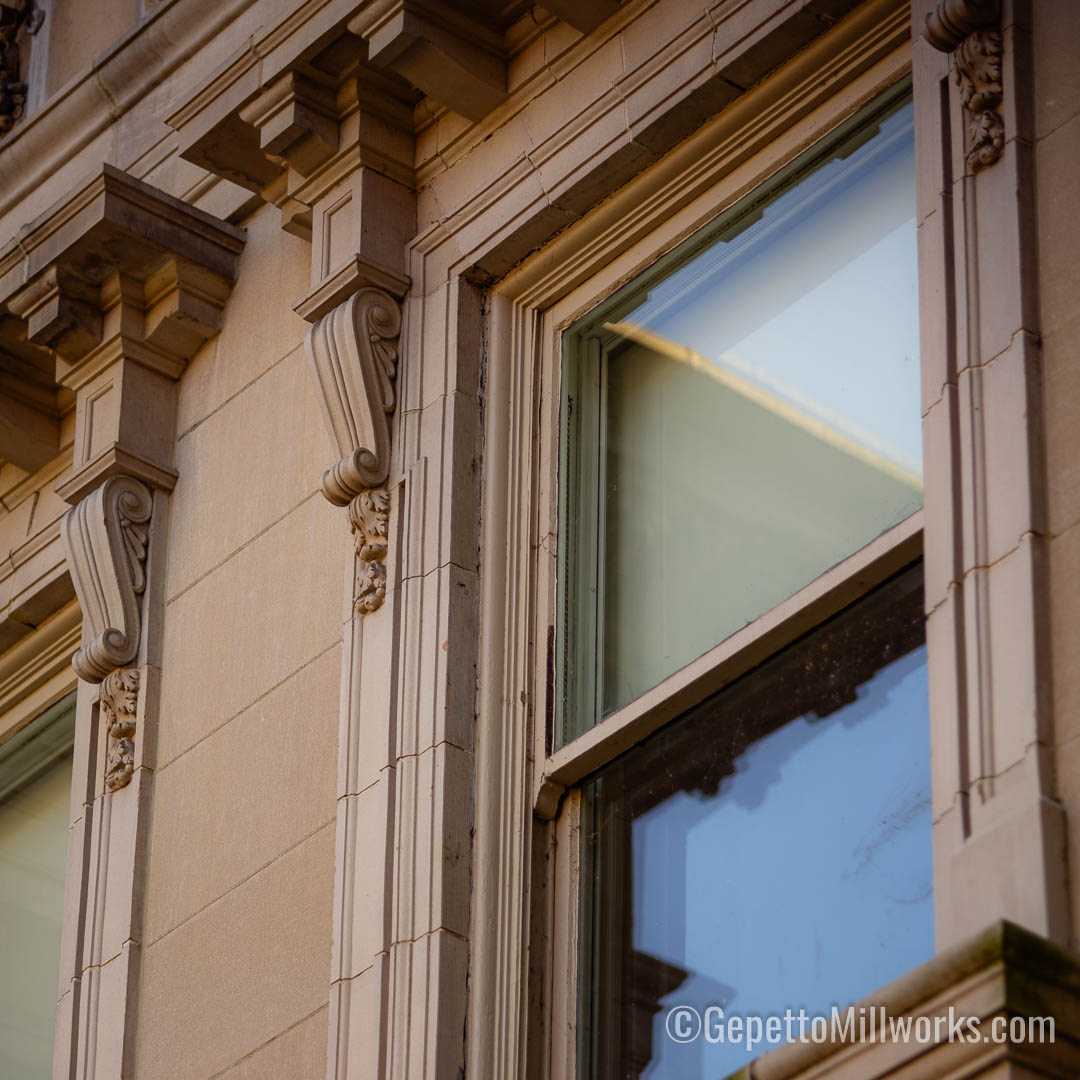
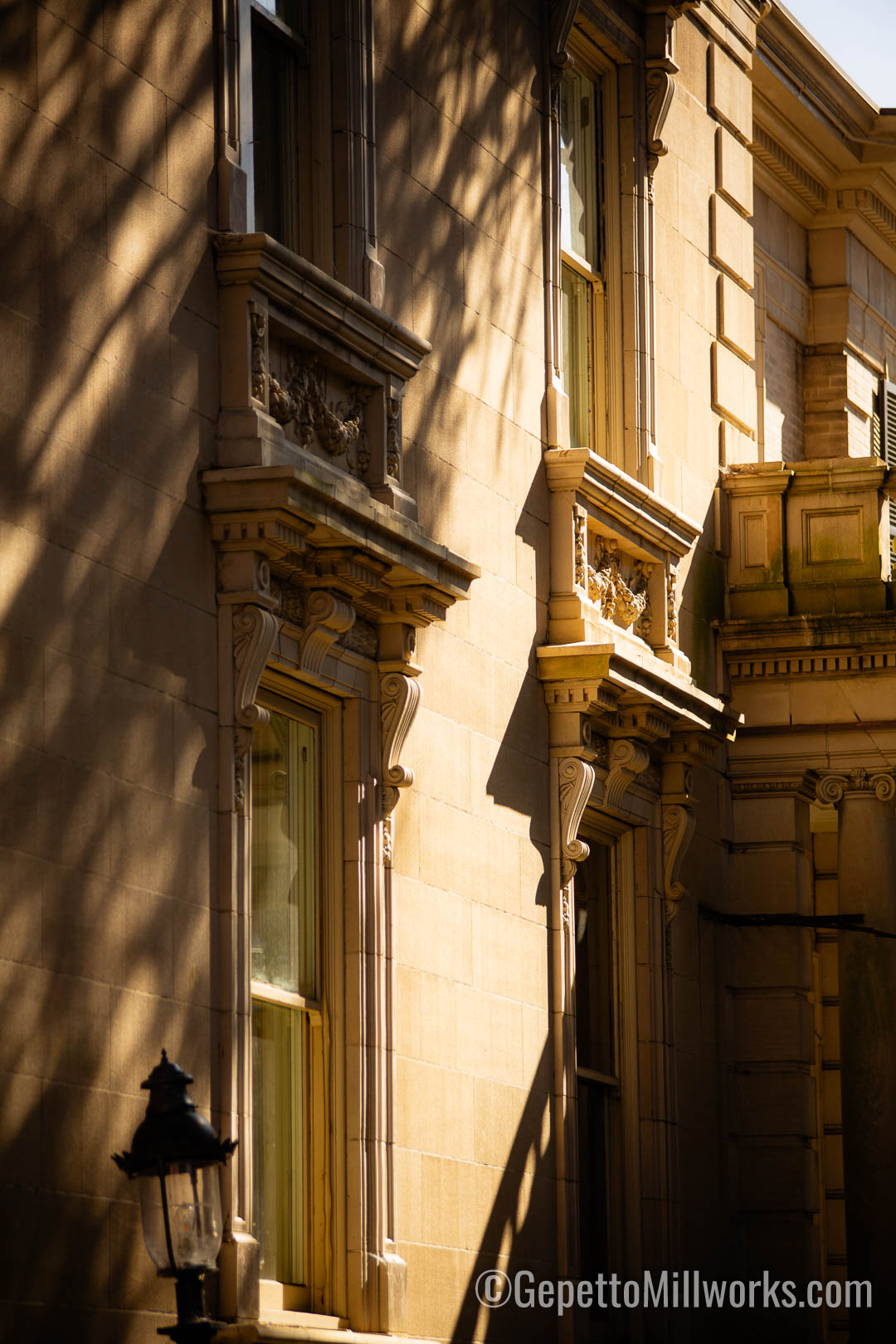
Goals for rehabilitation the Scott House included restoration of the exterior masonry and windows supplied by Gepetto Millworks Mechanical, electrical and plumbing systems were upgraded to modern standards. New restrooms, and conversions to office space and meeting rooms became part of the plans to serve the University Campus. While the rehabilitation will serve a variety of modern programmatic functions, the building’s historic fabric was restored in accordance with the Secretary of the Interior’s Standards for Rehabilitation and the University’s preservation philosophy for historic buildings.

Beaux Arts window and door restoration
Scotts House VCU Historic Restoration

Historic preservation seeks to find effective and artful ways of maintaining and reusing significant buildings, landscapes, and communities. Central to the discipline is the attempt to preserve cultural identity in the face of the threats of urban sprawl and loss of social diversity.


Maintain, protect, and repair authentic character defining features, materials, and finishes. If features are deteriorated beyond repair, replace them in-kind. Retain authentic historic building fabric to the maximum extent possible.

Historic building restoration respects the evolution of historic changes, fashion, taste, and use – do not try to “improve” the design of authentic building features.

Avoid installation of conjectural “historic” features.

Do not use maintenance methods or materials that damage significant building and landscape fabric.

Authentic Window Restoration Richmond


Scotts House VCU Historic Restoration
Richmond VA Authentic Historic Window Restoration
Scotts House VCU Historic Restoration
Richmond VA Authentic Historic Window Restoration
Scotts House VCU Historic Restoration

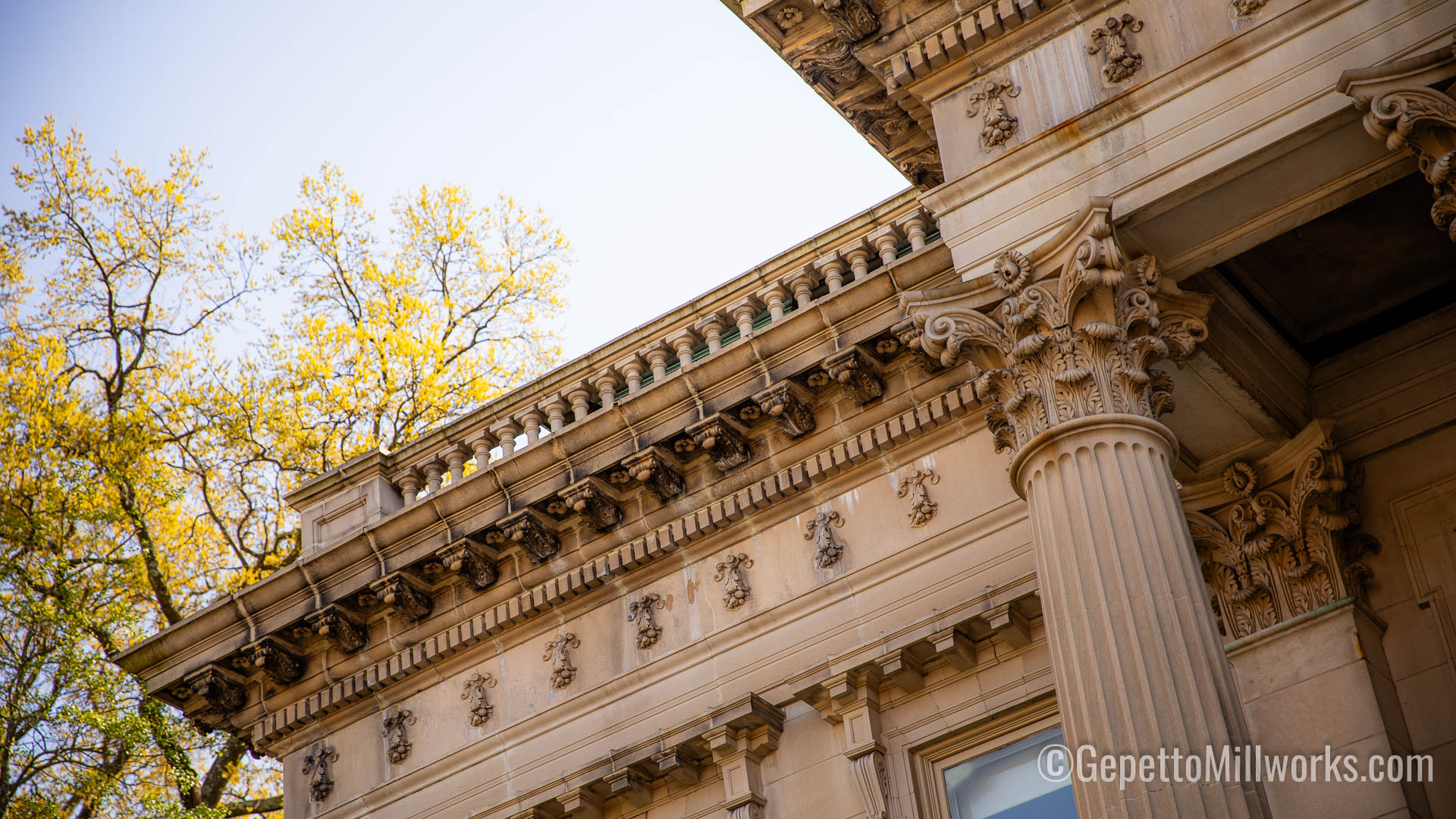
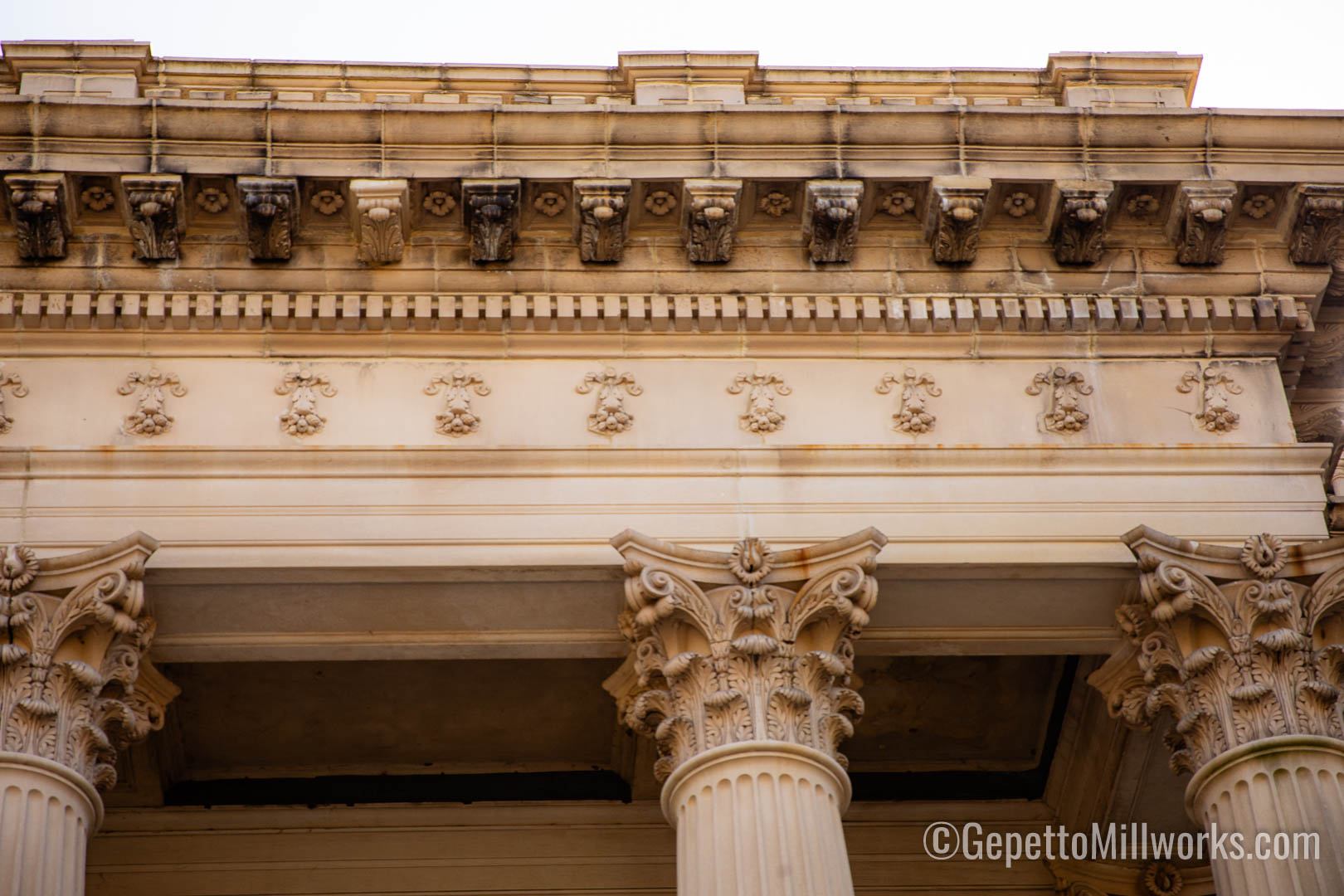
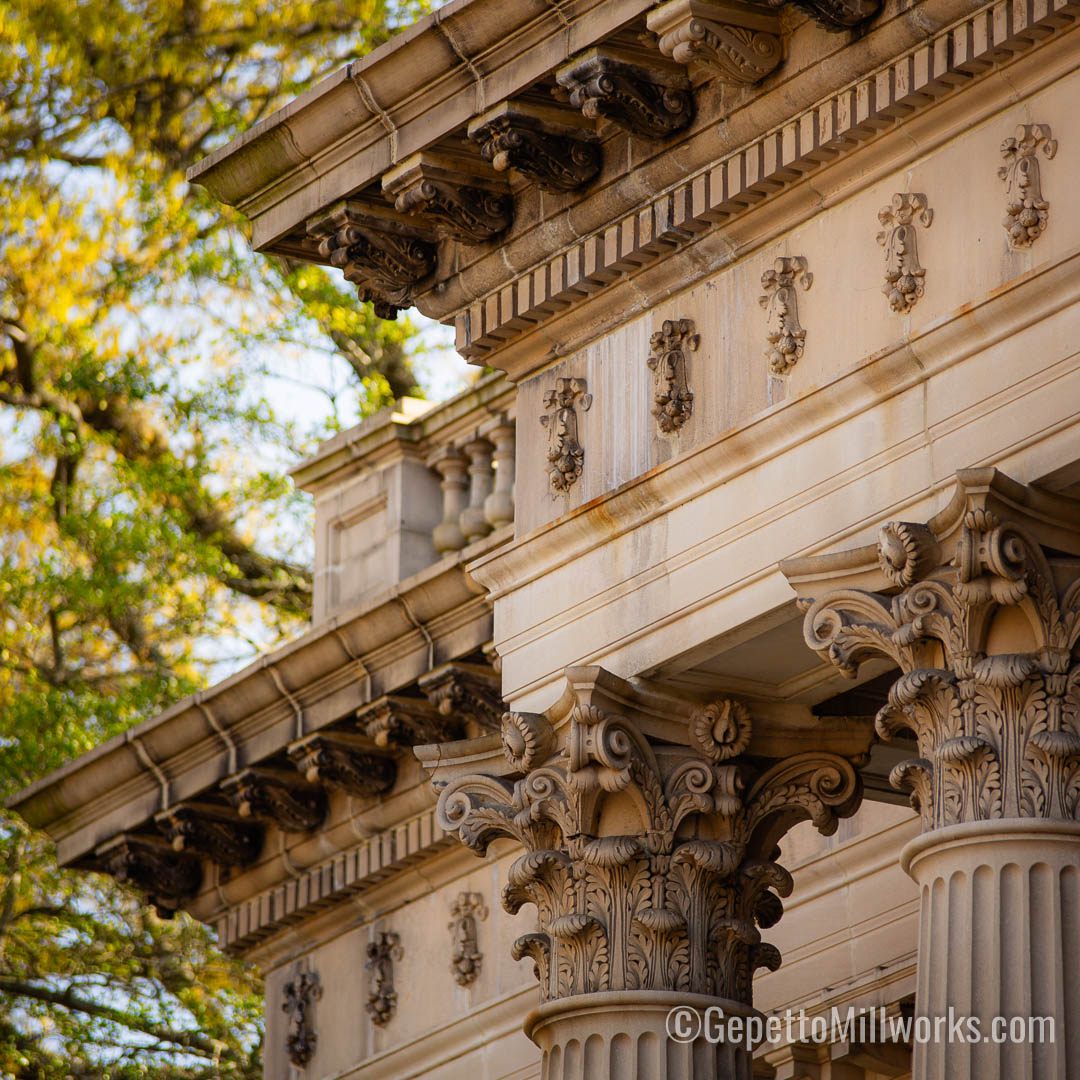
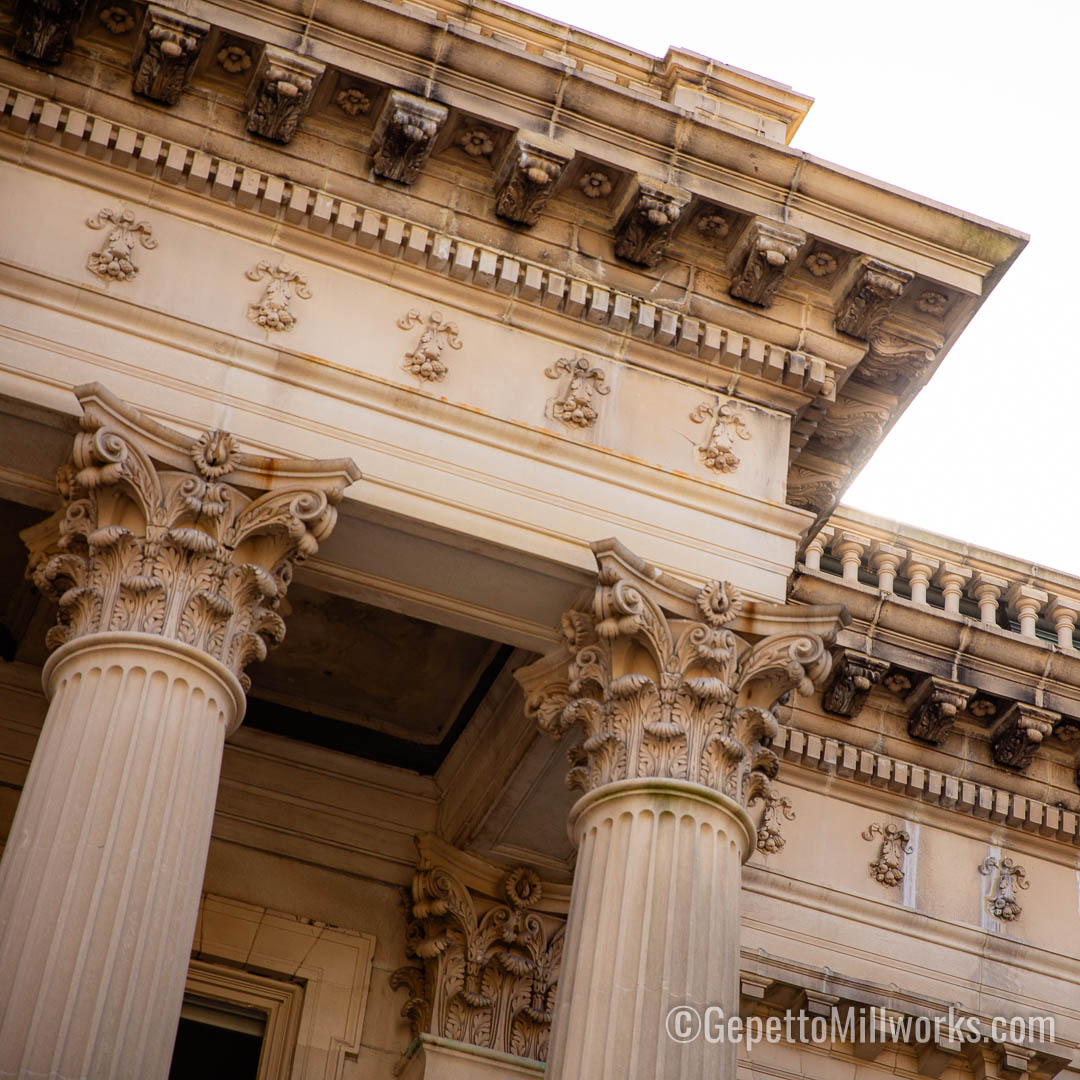
Scott House was built in 1907, and is a three-story, 40,950 square foot, Beaux Arts style mansion. The house is seven bays wide and is faced with a pale Indiana limestone. It features a central portico of four, giant Corinthian order columns and two Corinthian pilasters that dominate the highly formal, symmetrical entrance façade. Elizabeth and Frederic Scott bought the property from Lewis Ginter in 1903, Elisabeth Scott Bocock, moved into the house in the mid 20th century. While there, she founded the Historic Richmond Foundation, the 2300 Club, and the Hand Workshop (now known as the Visual Arts Center of Richmond). In the 1960s, the house was subdivided and used as dorms for VCU students, which continued into the 90s. A renovation in 2004 led to the Scott House opening its doors to the public, and the designation of the building as a Virginia Historic Landmark.

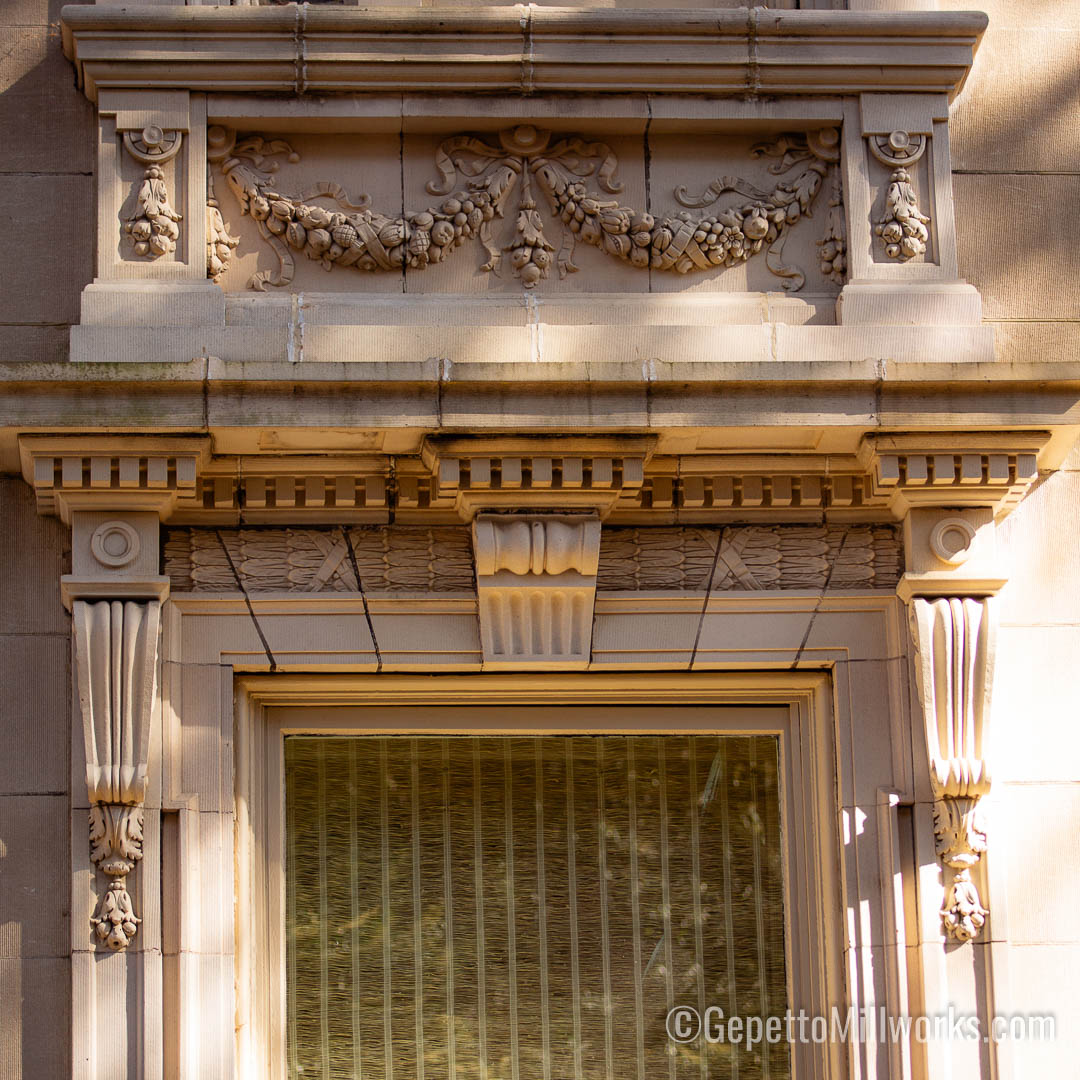
The historic Marble House in Newport, Rhode Island was chosen as inspiration for the Richmond structure, which was itself modeled after the Petit Trianon in Versailles. It stands proudly removed from West Franklin, an exception to the block’s density. The stately house, a handsome combination of limestone and terra cotta, is grounded by green-tiled wrapping terraces and a porte-cochére, shaded by trees in the house’s garden. Oxidized copper and careful cast iron work beautifully balance the gravity of the building’s exterior. Oversized fluted columns with Corinthian capitals give the mansion a sense of monumentality. The interior is a classic example of the American Renaissance style, originating in the 18th century. The occupant moves through the symmetrically divided rooms with no hallways on the first floor, structured around a main entrance stair which lies under a magnificent stained glass dome. Servants’ quarters are to the rear of the building, and a large English style carriage house is hidden behind the mansion. The Anderson Gallery, constructed in 1888 from the former Ginter House stables, also stands behind the Scott-Bocock House. The splendor of the structure is a reminder of Richmond’s insurance and banking glory days in the early 20th century, when it was an indulgent capital of the South.

Scotts House VCU Historic Restoration
Authentic Historic Window Restoration Virginia
Scotts House VCU Historic Restoration
Authentic Historic Window Restoration Virginia