arched and elliptical window builder Virginia
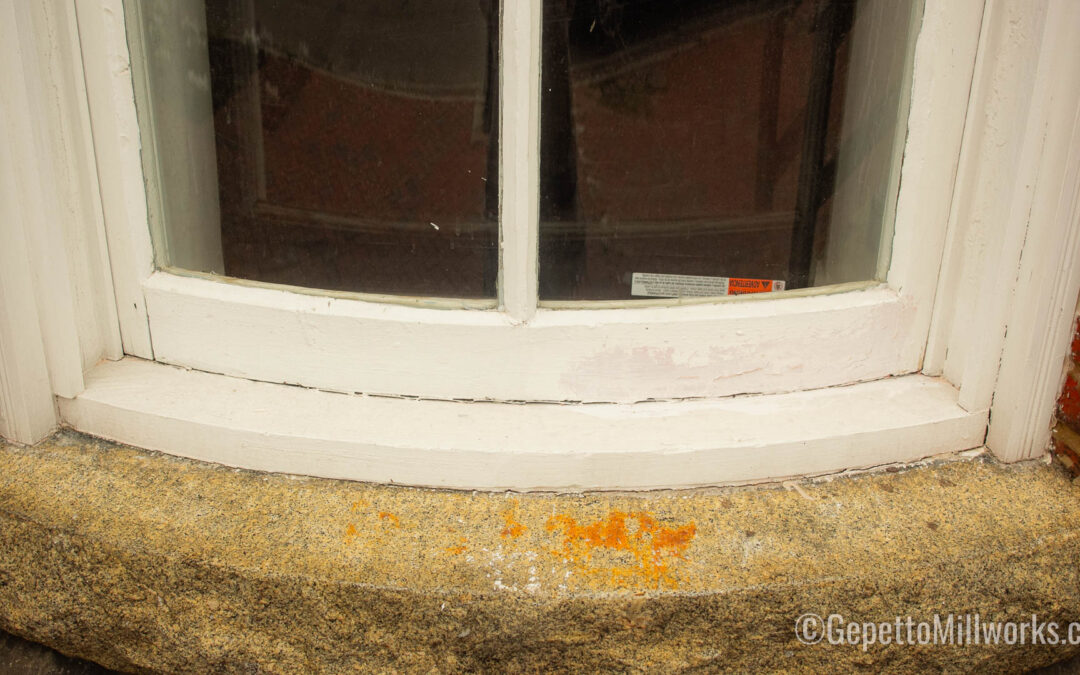
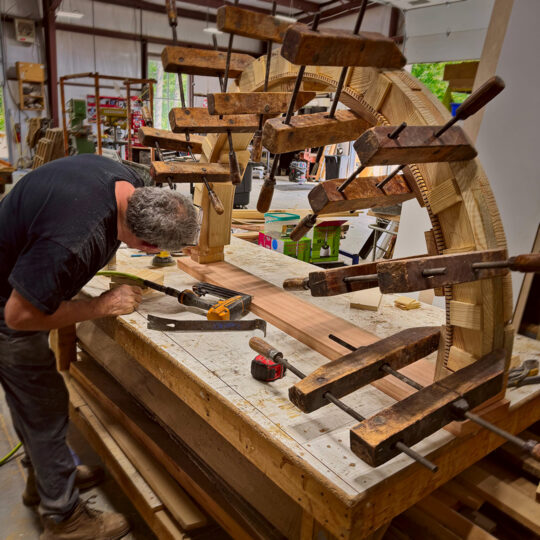
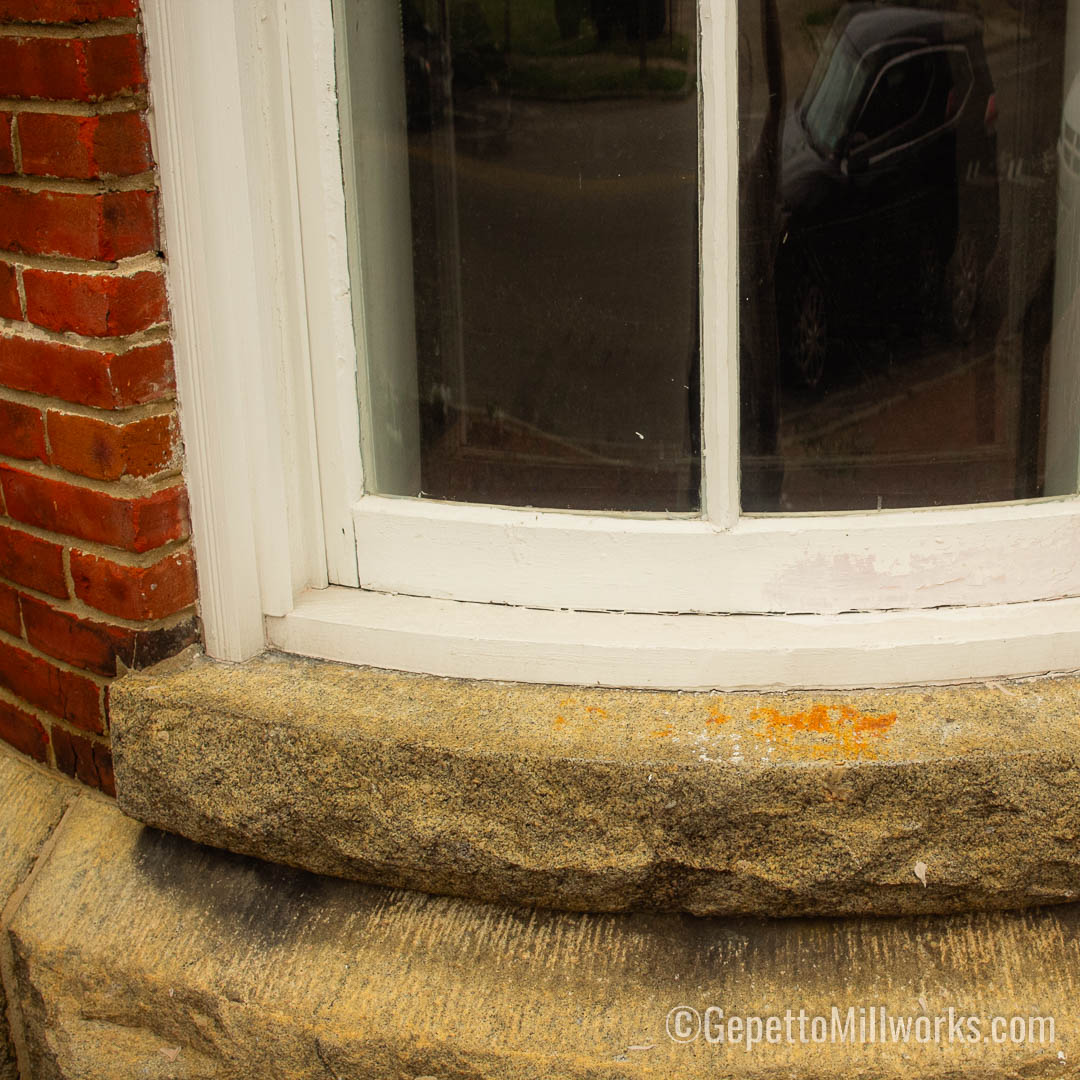
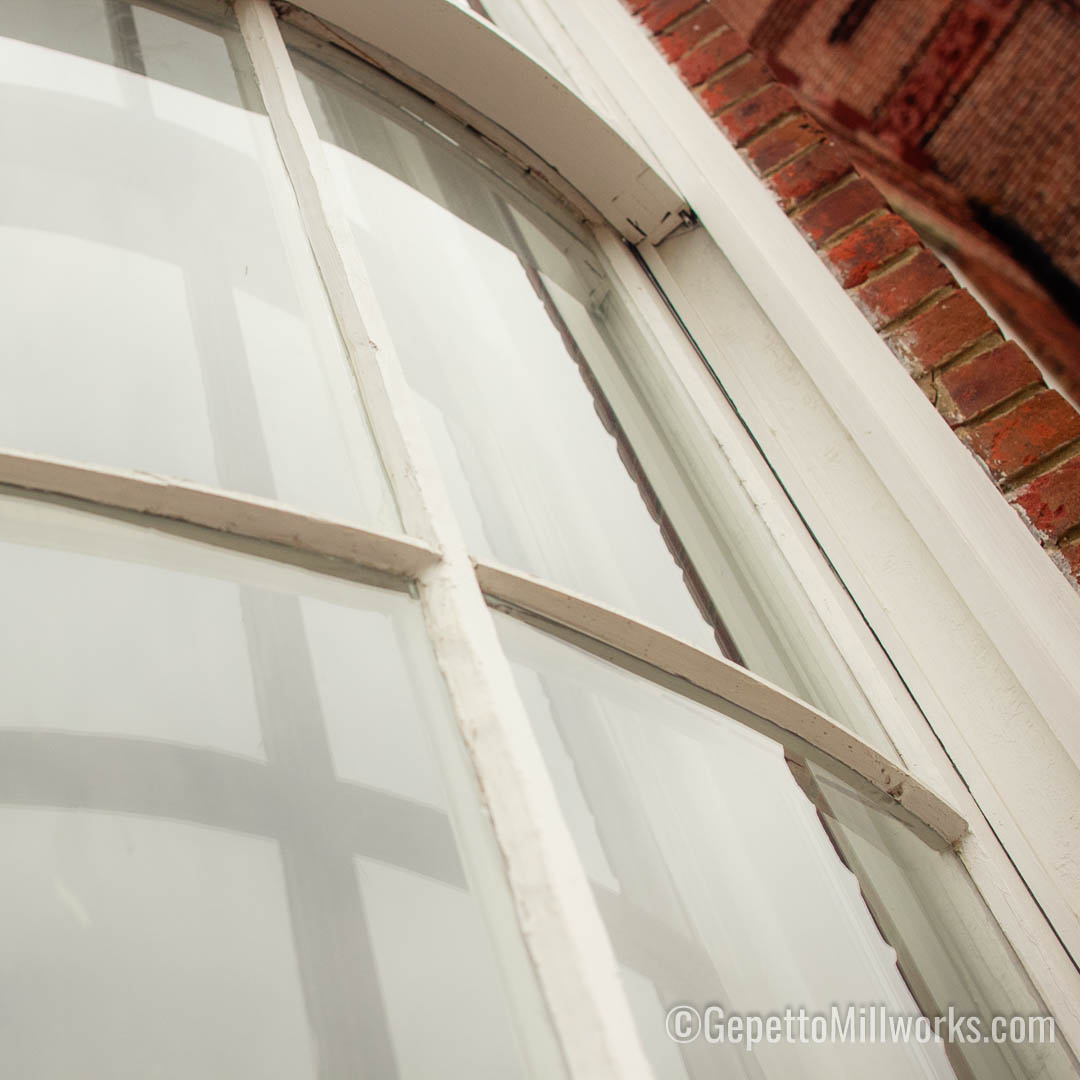
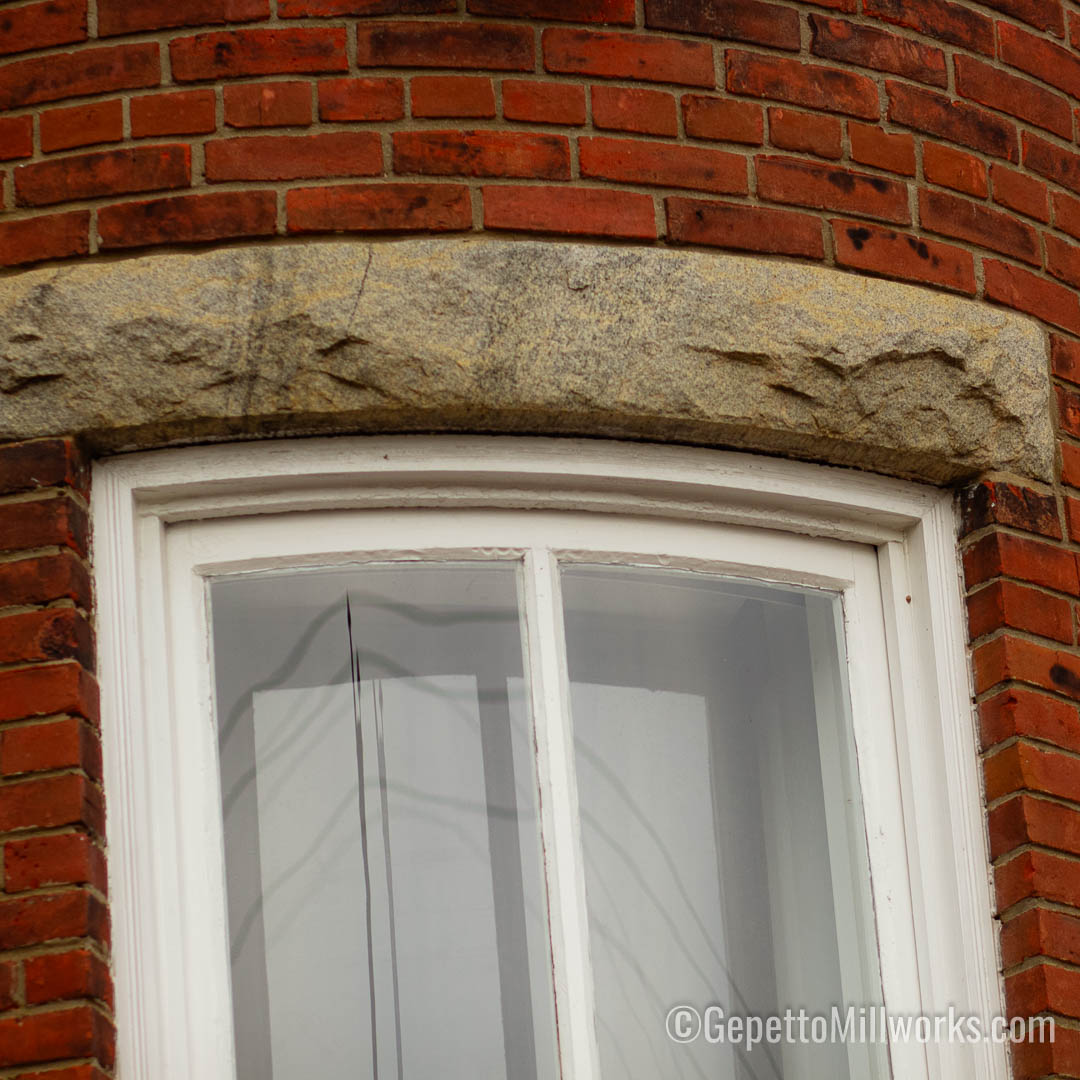
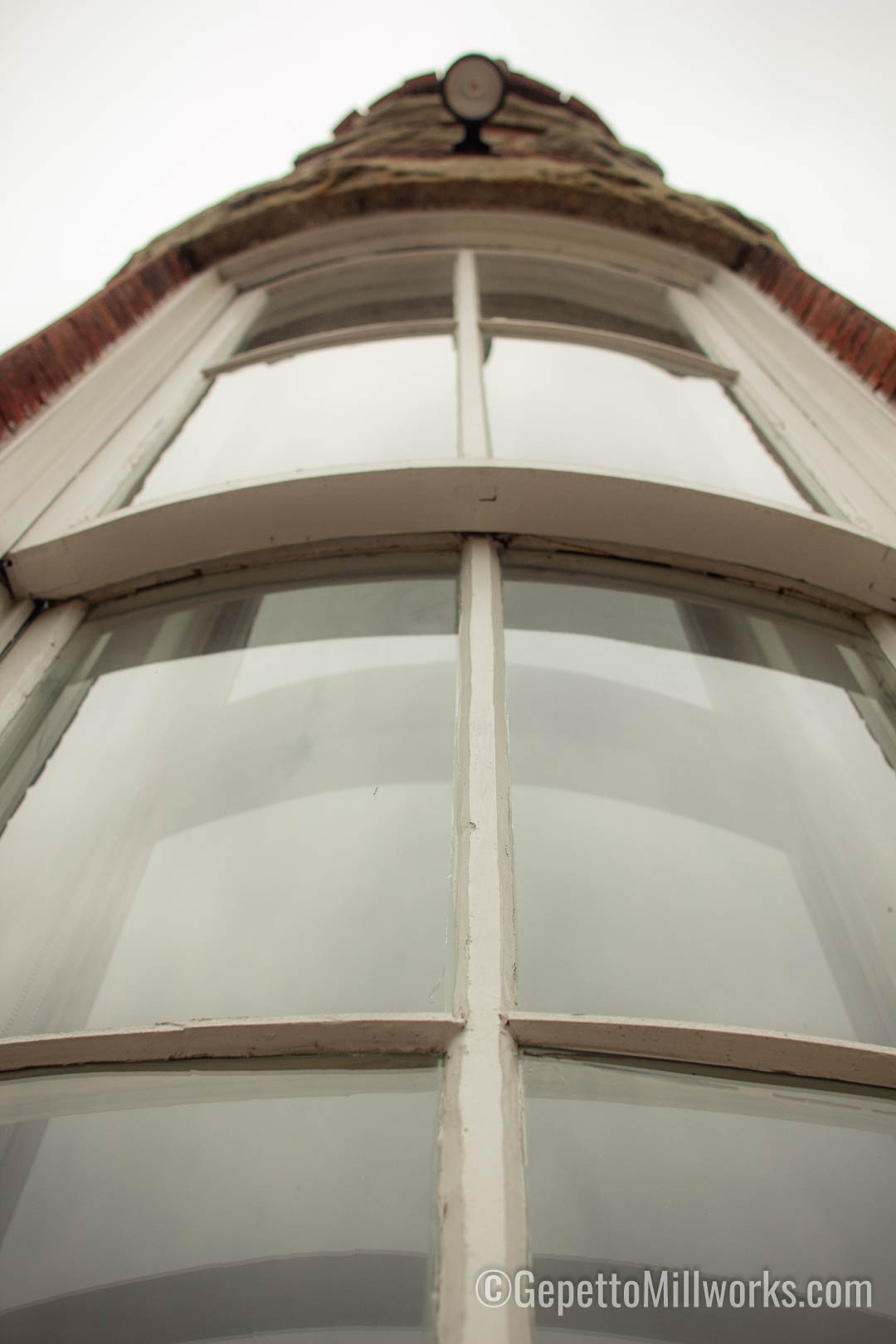
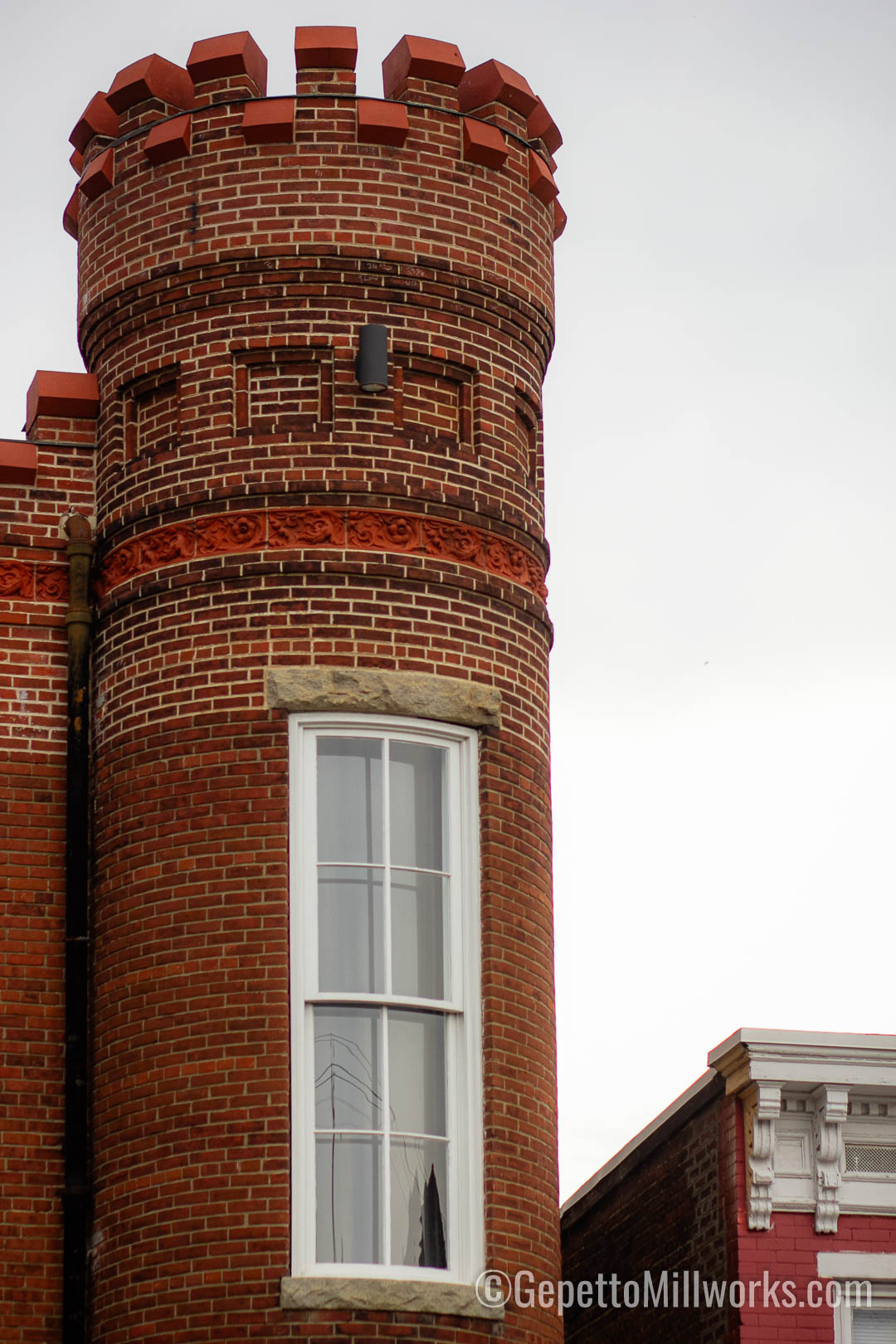
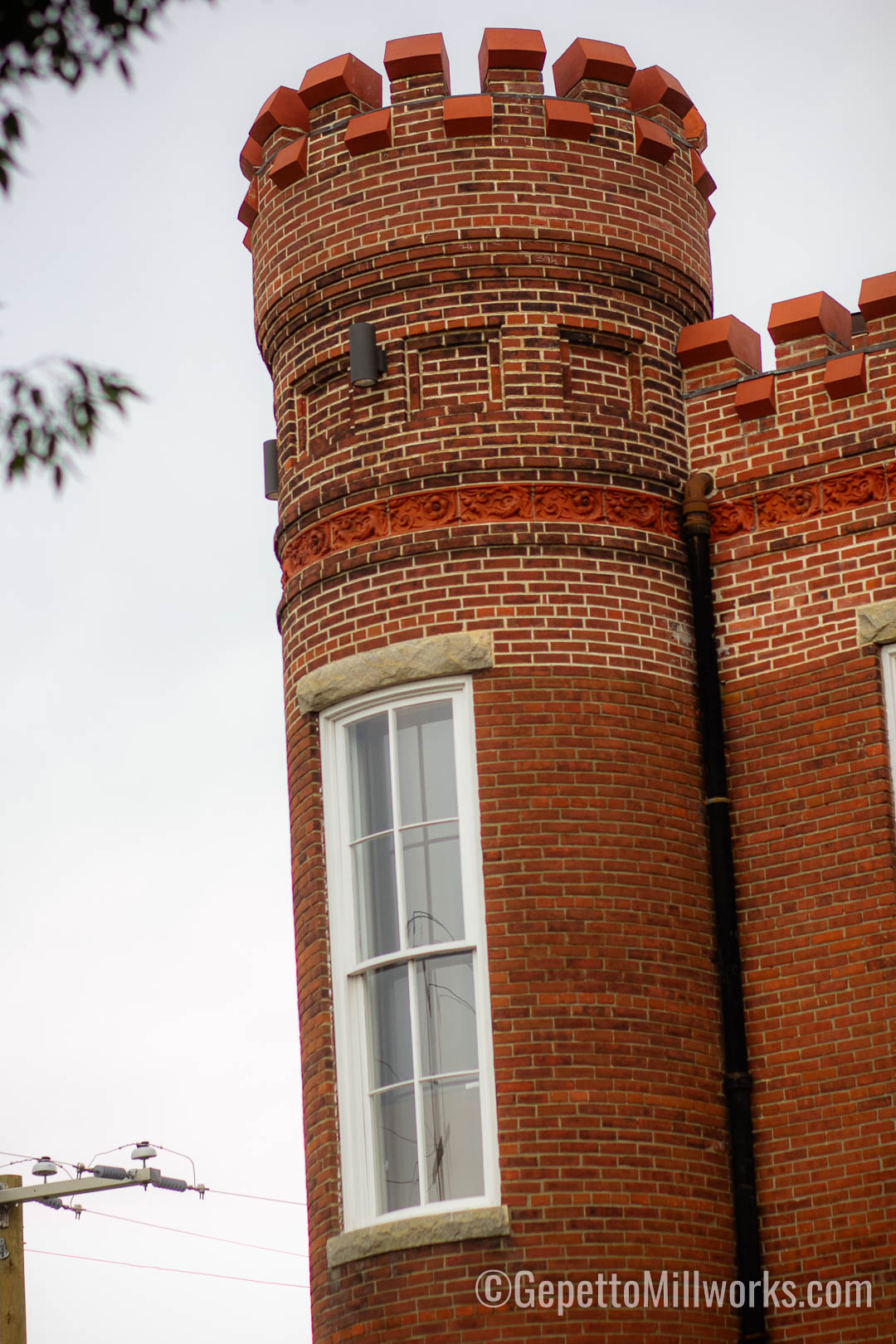
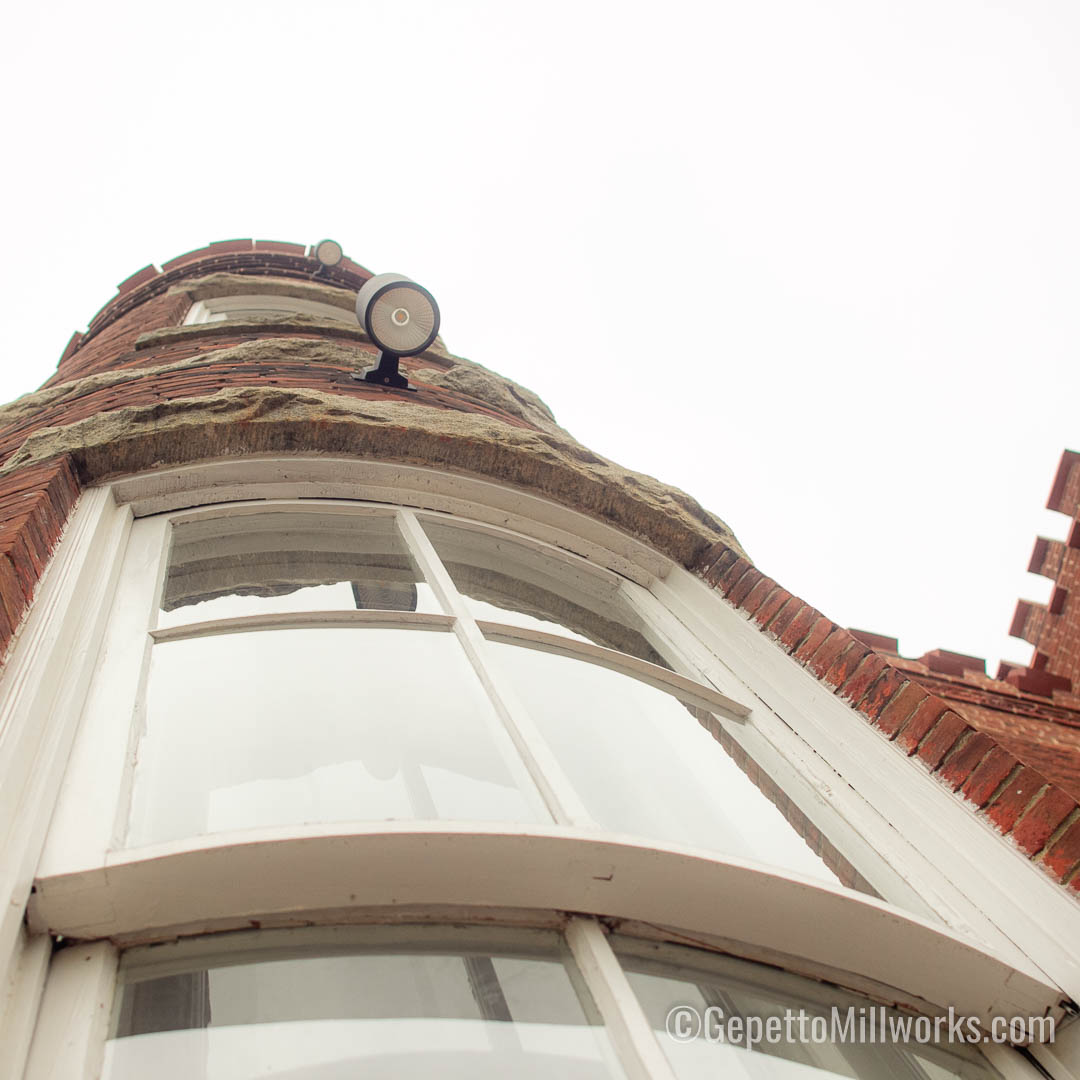
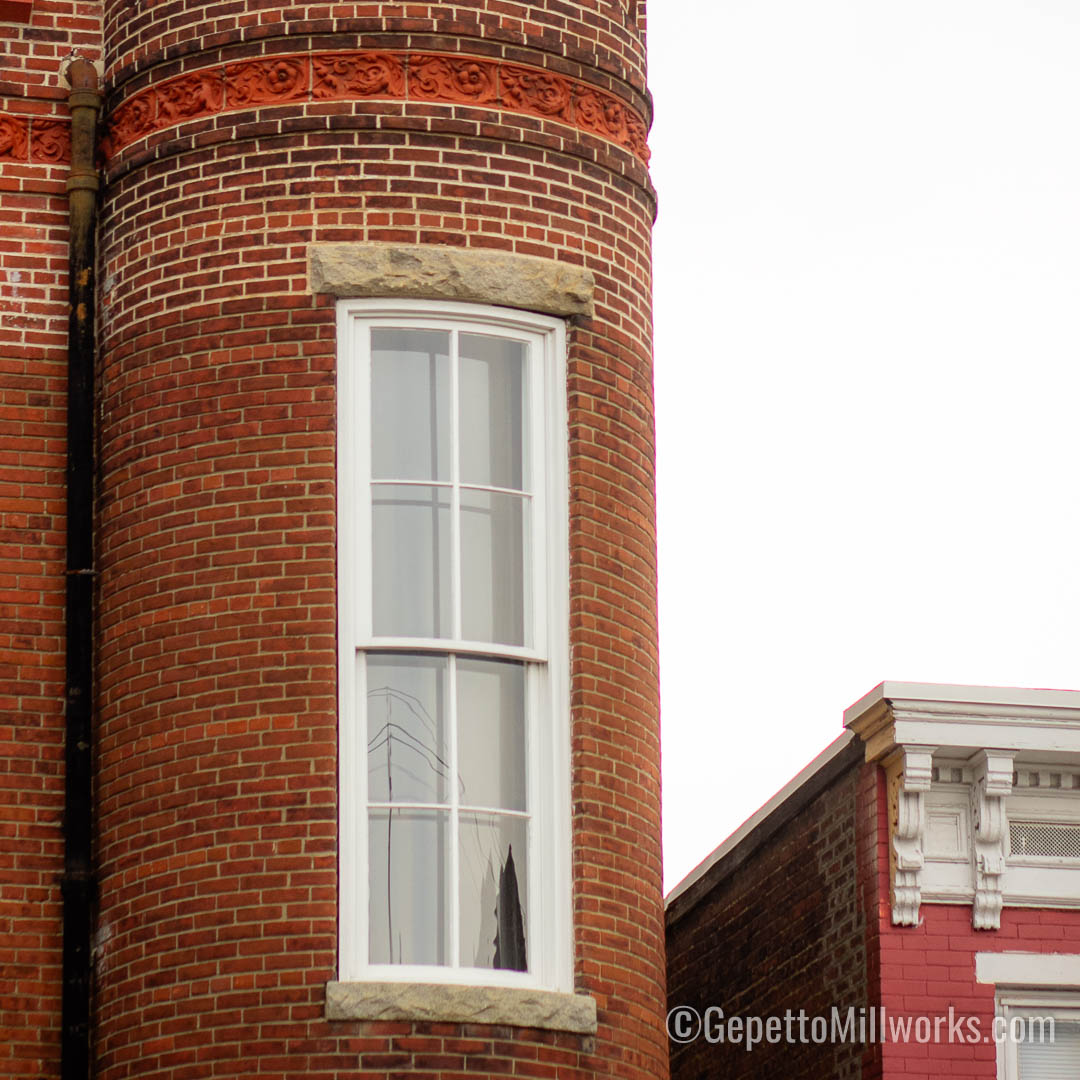
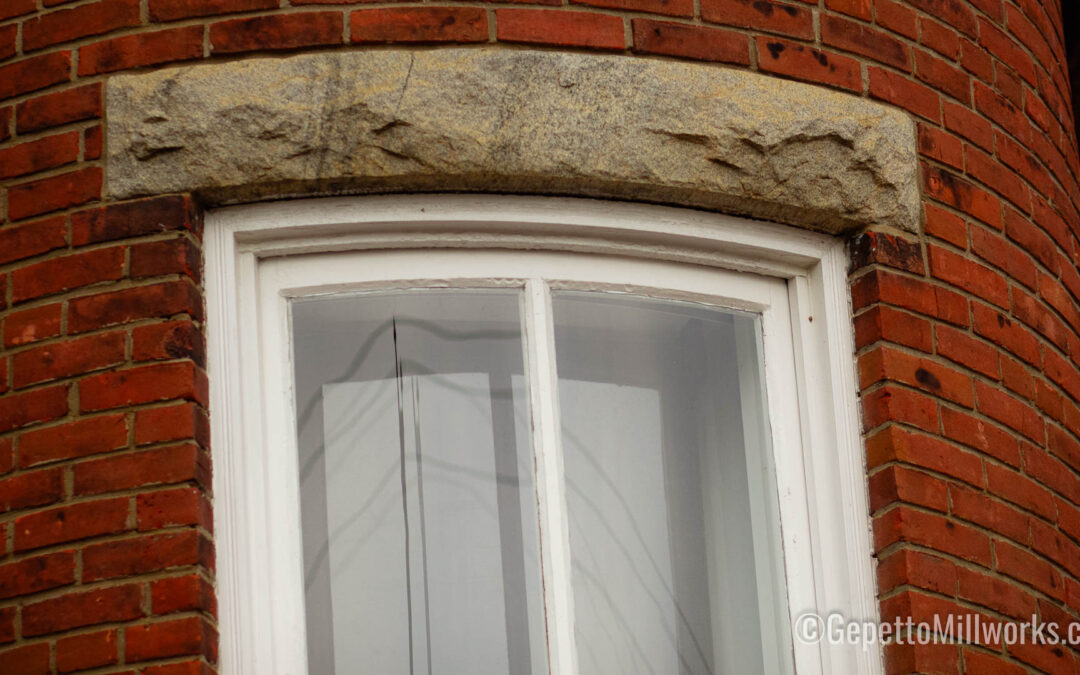
@gepetto.millworks Gepetto craftsmen remade the exterior arc & historically accurate replacement windows on the Black History Museum in Jackson Ward. Originally fabricated in a time where construction was done by many hands sharing the work creative solutions like making a window to fit the arc of the exterior wall was a common practice 'in the trades'. Today, you'll need to turn to me and my team of trained craftsmen to make new windows that last another 200 years. If you are seeing complex overlight arcs or exterior bowed windows and wondering how to match give me a call at 804.938.2094 to chat about #historicrestoration #historicpreservation #Woodenwindows #historicvirginia
♬ original sound - Gepettomillworks
Arched windows and their many variations, including half-round overlights, Gothic arches, and elliptical forms, have been central to architectural aesthetics for centuries. In Virginia, from the early colonial period in the 17th century to modern architectural styles in the 21st century, these window forms have been adapted and reinterpreted to reflect changing tastes, technologies, and cultural influences. This document explores the appearances, styles, and contexts of rounded window forms as they appear in Virginian architecture from 1492 to 2025, offering comparative insight into how these forms evolved through history.
Early Colonial and Georgian Period (1607–1780s)
Though 1492 marks the start of European contact with the Americas, permanent architecture in Virginia began with the Jamestown settlement in 1607. Early structures were utilitarian, made of timber, and typically lacked ornate window treatments. As settlements grew and wealth increased, more elaborate styles emerged.
In the Georgian period (ca. 1700-1780), architectural influences from England dominated. Georgian architecture emphasized symmetry, proportion, and classical detail. Arched windows began to appear in high-status buildings, often in the form of fanlights—semi-circular or elliptical overlights—placed above central doors. These fanlights were not just decorative; they allowed natural light to enter entry halls. In Virginia, examples can be found in plantation homes such as the Governor’s Palace in Williamsburg and Carter’s Grove, where arched windows framed in brick or wood conveyed classical elegance. The arches tended to be segmental or elliptical rather than Gothic, reflecting Enlightenment-era ideals of rationality and order.
Federal Style (1780s–1820s)
The Federal period retained the Georgian emphasis on symmetry but refined it with greater delicacy and lightness. Fanlights remained a hallmark of this style, often accompanied by sidelights flanking the door. Arched windows became more sophisticated, with thinner muntins and more intricate tracery. Elliptical arches grew more prevalent, aligning with the neoclassical revival that idealized ancient Roman forms.
Thomas Jefferson, Virginia’s most famous architectural mind, integrated arched windows in his designs at Monticello and the University of Virginia. His interpretation of Palladian architecture included Venetian windows (a central arched window flanked by two rectangular ones) and thermal windows (large, semi-circular windows) that drew from Roman precedents. Jefferson’s use of arched windows was both aesthetic and symbolic—an architectural assertion of Enlightenment ideals and republican virtue.
Greek Revival and Gothic Revival (1820s–1860s)
The Greek Revival movement, popular in Virginia from the 1820s through the Civil War, emphasized strong, rectangular forms and classical columns. Arched windows became less common in this period, with architects favoring pedimented frames and simple, rectangular openings. However, elliptical fanlights continued to adorn doorways, subtly maintaining the arched motif.
In contrast, Gothic Revival architecture reintroduced the pointed Gothic arch to Virginian architecture. Churches, in particular, embraced this style, with pointed arch windows filled with stained glass. The use of Gothic arches conveyed verticality, spirituality, and historical continuity. Examples include St. Paul’s Episcopal Church in Richmond and the Chapel at the University of Virginia, both of which feature lancet windows and tracery consistent with the Gothic Revival aesthetic. Unlike the classical round or elliptical arches, the Gothic arch is defined by its pointed apex, lending a different emotional and visual character—one more dramatic and evocative.
Victorian and Eclectic Styles (1870s–1910s)
In the late 19th century, the architectural landscape of Virginia diversified. Victorian styles, including Queen Anne, Romanesque Revival, and Second Empire, used a rich vocabulary of window forms. Arched windows were common but varied greatly in form and context.
Romanesque Revival buildings, such as the Old Post Office in Richmond, featured heavy stone arches with rounded tops and deeply recessed windows. These semi-circular arches conveyed strength and permanence. Meanwhile, Queen Anne homes might include arched windows in tower elements or as decorative gables, often with stained or leaded glass.
In this period, technological advancements in glass production and steel allowed for larger and more elaborate windows. The use of segmental, elliptical, and full-round arches became more decorative than structural, signaling the increasing role of aesthetics in residential and civic architecture.
Colonial Revival and Neoclassical Styles (1890s–1940s)
Colonial Revival architecture looked back to the Georgian and Federal periods for inspiration. As such, arched fanlights and Palladian windows reappeared in Virginia homes and public buildings. These forms were not mere copies but idealized reinterpretations, often with exaggerated proportions and decorative glass. For example, the Virginia Executive Mansion, remodeled in the early 20th century, includes numerous fanlight-style windows that evoke the state’s colonial heritage.
Neoclassical styles of the early 20th century, especially those used in banks, courthouses, and universities, often incorporated large, symmetrical arched windows to convey grandeur and civic virtue. The domed rotunda of the University of Virginia continued to inspire buildings across the state.
Modernism and Minimalism (1940s–1970s)
With the rise of Modernist architecture, arched windows became rare. Modernism emphasized function, simplicity, and new materials, favoring large rectangular panes and curtain walls. However, exceptions existed—especially in ecclesiastical architecture—where arched windows retained symbolic and aesthetic value.
Some mid-century modern homes and buildings incorporated abstracted versions of arched windows, often in the form of curved rooflines or minimalist, half-round clerestory windows. These nods to historical forms were subtle and reinterpreted within the modern vocabulary.
Postmodernism and New Urbanism (1980s–2000s)
Postmodern architecture allowed for the reintroduction of historical elements with a sense of irony or playfulness. Arched windows returned in exaggerated or stylized forms, often detached from their traditional contexts. In Virginia, suburban developments and public buildings adopted elements like oversized Palladian windows or rounded porticoes, mixing styles in eclectic combinations.
New Urbanism, which gained traction in the 1990s and 2000s, sought to revive traditional urban forms. In places like Reston and parts of Alexandria, arched windows appeared in buildings that mirrored early 20th-century styles, aiming to create walkable, historically resonant neighborhoods.
Contemporary and Sustainable Architecture (2010s–2025)
In the 21st century, architecture in Virginia reflects a blend of tradition and innovation. Rounded windows are used selectively to add softness to otherwise rectilinear forms. In luxury homes, arched transoms and elliptical overlights are often included to enhance natural lighting and evoke classical elegance.
In commercial and institutional architecture, designers sometimes employ large elliptical or circular windows as focal points, drawing on both classical and modern precedents. Sustainable design principles have also led to new interpretations of arched windows that maximize passive solar gain and energy efficiency.
Contemporary churches and cultural centers in Virginia occasionally revisit the Gothic arch, integrating pointed windows in a sleek, minimalist style that blends spirituality with modern sensibilities.
Arched windows across Virginian architecture serve as a visual and symbolic link across centuries of changing styles. The classical round and elliptical forms of the Georgian, Federal, and Colonial Revival periods communicate balance, order, and refinement. The Gothic arch, by contrast, is dynamic and emotive, typically associated with spiritual and ecclesiastical structures.
While early uses of arched windows were often structural as well as decorative, later periods employed them more for stylistic effect. Materials have shifted from hand-blown glass and wood to steel, aluminum, and high-performance glazing.
The variations—fanlights, Venetian windows, thermal windows, lancet arches, elliptical transoms—all tell stories of cultural aspiration, technological advancement, and aesthetic evolution. Whether in a rural plantation house, a downtown courthouse, or a sustainable modern home, these windows reflect Virginia’s layered architectural identity.
From the early colonial settlements to contemporary designs, arched and rounded windows have remained a consistent yet evolving element in Virginia’s architectural tapestry. Their forms—be they half-round overlights, Gothic arches, or elliptical windows—embody both continuity and change. In comparing these styles over more than five centuries, we observe not just architectural trends but broader cultural values, from Enlightenment rationalism to modern ecological consciousness. The story of Virginia’s arched windows is, ultimately, a story of adaptation, innovation, and enduring beauty.
Virginia Window Restorers
- Richmond VA Window Rehabilitation
- Alexandria Old Window Restorers
- Charlottesville Restoration Services
- Fredricksburg Window Experts
- Norfolk Historic Window Repair
- Harrisonburg Window Rot Rescue
- Staunton VA Window Rehabilitation
- Lexington VA Window Contractor
- Roanoke VA Rehabilitation Contractor
- Lynchburg VA Historic Window Services
- Washington DC Historic Windows
- Portsmouth VA Old Window Restorer
- Arlington VA Historic Window Builder
- Abingdon Historic District Windows
- Winchester Historic Windows
Historic Replica Windows Made to Order
Southeast US Window Rehabilitation
- Greensboro NC Window Restoration
- Durham NC Wood Window Repair
- Raleigh NC Historic Window Rehabilitation
- Outer Banks Historic Home Restorers
- Henderson NC Window Rot Repair
- Winston Salem NC Rehabilitation
- Columbia SC Historic Window Restorer
- Spartansburg SC Wood Window Builder
- Charleston SC Historic Window Contractor
- Savannah GA Historic Window Services
- Ashville NC Old Window Restorer
- Virginia Wood Window Restoration