
Historic restoration construction is the process of preserving and repairing historic buildings using compatible materials and techniques that maintain architectural integrity while meeting modern codes and standards. The industry term for this discipline is “historic preservation,” a field governed by the Secretary of the Interior’s Standards for the Treatment of Historic Properties, which distinguishes restoration from rehabilitation and reconstruction. South Carolina’s rich architectural heritage, from antebellum plantation houses to Lowcountry vernacular cottages, makes these distinctions especially consequential. Homeowners and developers who understand the difference between authentic restoration and generic renovation protect both cultural legacy and long-term property value. This guide covers materials, methods, common mistakes, and realistic budget expectations for anyone stewarding a historic property.
What materials and craftsmanship define historic restoration construction?
Authentic restoration depends on material compatibility above all else. Original structures were built with old-growth heart pine, longleaf pine, and cypress, woods far denser and more durable than modern plantation-grown lumber. Lime-based mortars, rather than Portland cement, were used in masonry because they allow walls to breathe and flex without cracking. Replacing these with modern equivalents causes accelerated deterioration, not preservation.
Skilled craftsmanship is equally non-negotiable. Millwork restoration, plaster recasting, and masonry repointing require tradespeople who understand period-specific profiles and proportions. Original plaster crown molding with deep, layered profiles is irreplaceable; damaged sections must be recast with matching plaster, never substituted with stock moldings. Gepettomillworks specializes in exactly this kind of period-accurate custom millwork, producing profiles that match original architectural intent rather than approximating it.
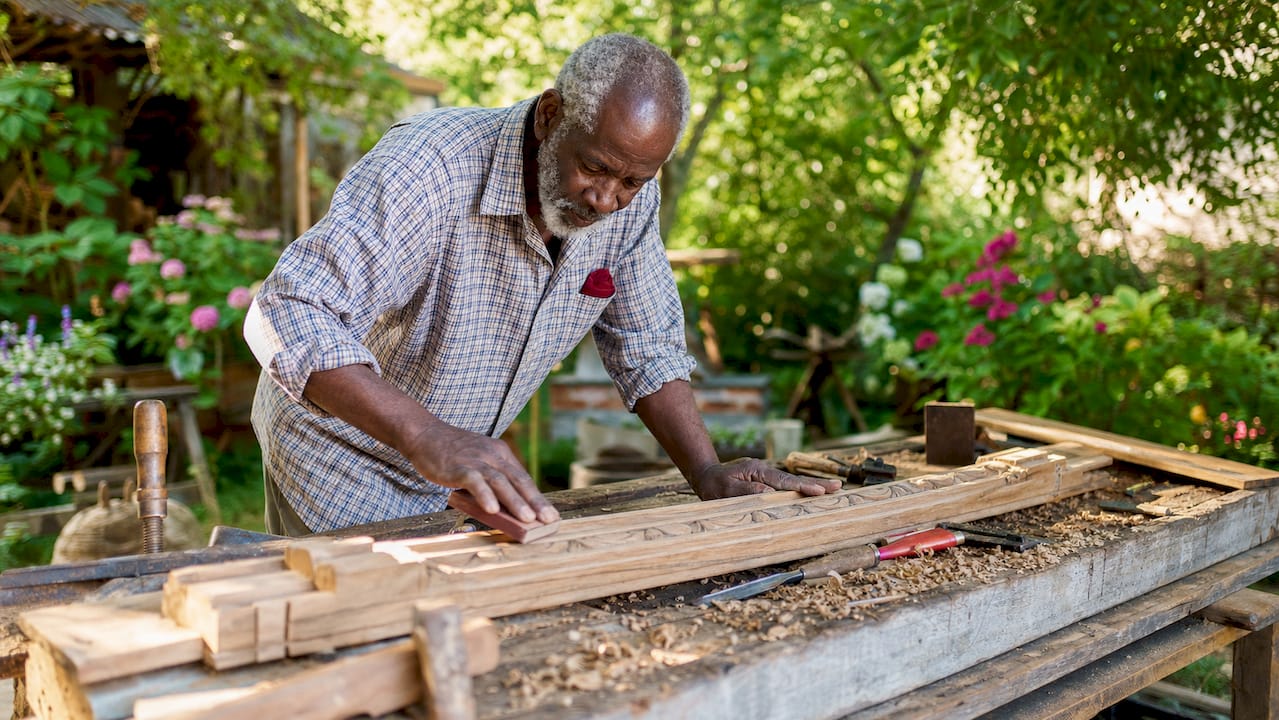
Restoration millwork costs $12–$20 per square foot for stripping and refinishing old-growth wood. That figure is substantially lower than new fabrication in fiberboard or MDF, and the result is architecturally authentic. Restoration investments in Chicago greystones have generated 85–110% return on investment, a figure that reflects the market premium buyers place on original materials.
Pro Tip: Before any restoration work begins, photograph and document every original millwork element in detail. Many pieces are unique and cannot be sourced off the shelf, so thorough documentation protects against irreversible loss during the construction phase.
The table below compares authentic restoration materials against common modern substitutes:
| Original material | Modern substitute | Why the original wins |
|---|---|---|
| Old-growth heart pine | Plantation pine or MDF | Denser grain, superior durability, period authenticity |
| Lime mortar | Portland cement mortar | Allows wall movement, prevents cracking, breathable |
| Plaster crown molding | Stock polyurethane molding | Matches original profile depth and layered texture |
| 20-ounce copper flashing | Aluminum or galvanized steel | Historically accurate, longer service life |
| Handmade brick | Modern extruded brick | Matches color variation and surface texture of period masonry |
Exterior conservation projects that use compatible materials like 20-ounce copper for flashings and historically accurate mortar for masonry stabilization consistently outperform those that substitute modern materials for convenience. The prototype-first approach, testing a small section before committing to full-scale work, is standard practice in serious heritage building restoration.
How are modern systems integrated into historic restoration projects?
Modern infrastructure can coexist with historic fabric when the installation method is surgical. Electrical wiring, plumbing, and HVAC systems can be integrated without damaging architectural details if contractors route new lines through existing wall cavities, floor voids, and attic spaces rather than cutting through decorative surfaces. The key is selecting contractors who treat the original structure as a constraint to work within, not an obstacle to remove.
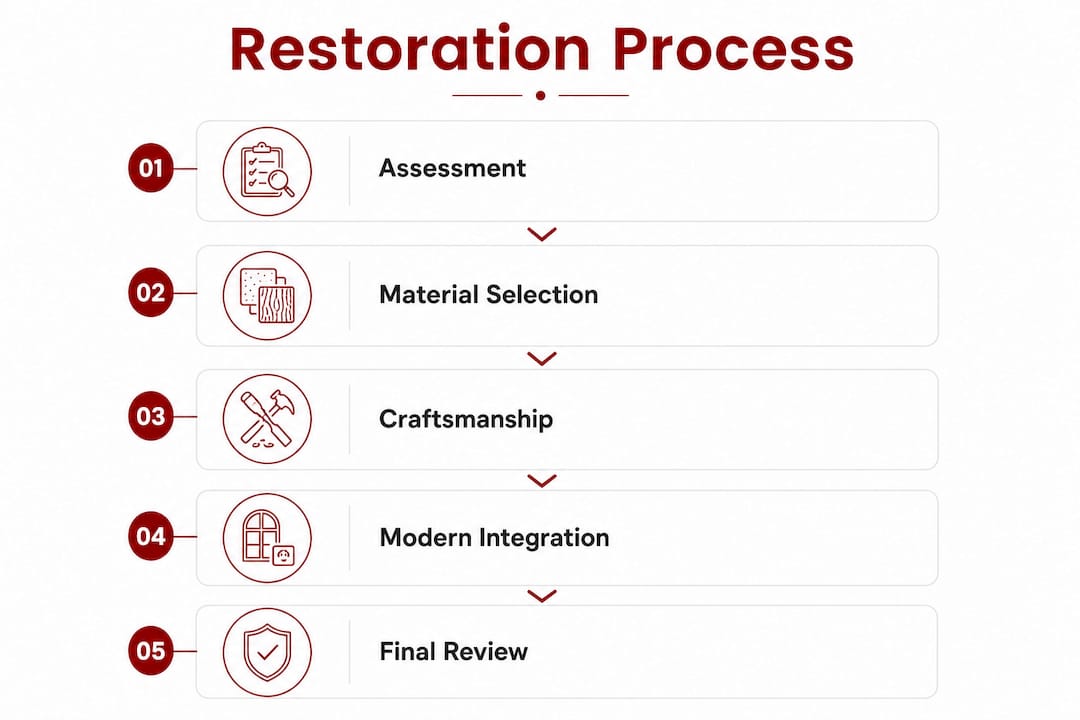
Digital documentation tools have transformed the accuracy of heritage building restoration. Drone surveys and photogrammetry create precise three-dimensional records of a building’s existing condition before any work begins. Combining century-old building wisdom with modern digital tools like drone surveys yields superior restoration results and maintains heritage authenticity. The UNESCO award-winning restoration of the Thukkachi temple in Tamil Nadu demonstrated this principle at scale, using photogrammetric mapping to guide craftspeople working with traditional lime plaster techniques.
Foundation moisture control is the top priority in any historic property renovation. Drainage and waterproofing must be addressed before cosmetic or systems work begins, because shifting footings caused by moisture intrusion can compromise every other restoration effort. South Carolina’s humid subtropical climate makes this especially critical for properties in the Lowcountry, where high water tables and seasonal flooding are common.
- Route new wiring through floor joists and attic runs, not through plaster walls
- Use mini-split HVAC systems to avoid ductwork that would require wall demolition
- Install radiant floor heating beneath period-appropriate flooring to preserve ceiling heights
- Specify low-profile electrical boxes and period-style switch plates to maintain visual continuity
- Use flexible conduit in wall cavities to allow future upgrades without reopening walls
Pro Tip: Hire a mechanical engineer with historic renovation experience before finalizing any systems plan. A specialist will identify routing paths that a general contractor might miss, saving weeks of remediation work on irreplaceable surfaces.
What construction mistakes compromise historic integrity?
The most damaging mistake in vintage home renovation is removing walls to create open floor plans. Open-concept renovations destroy historic character; better alternatives include wider cased openings and pocket doors that improve flow while preserving the original room layout. A cased opening between a parlor and dining room reads as a deliberate architectural gesture. A demolished wall reads as a loss.
Material mismatches cause equally serious harm. Replacing plaster with drywall, installing hollow-core doors in place of solid wood originals, or applying vinyl siding over original clapboards are all changes that historic preservation boards will flag and may require you to reverse at significant cost. Early liaison with your local historic district commission avoids these expensive corrections.
Authentic restoration is not about freezing a building in amber. It is about understanding what the original builders valued, what materials they chose, and what proportions they honored, then carrying those decisions forward with equal care. Every shortcut taken with materials or layout is a debt the building will eventually collect.
Selecting the right contractor is as consequential as selecting the right materials. A general contractor experienced in new construction will approach a historic property with the wrong instincts, favoring speed and standardization over patience and specificity. Look for contractors who hold credentials from the Association for Preservation Technology International or who can demonstrate completed projects reviewed and approved by a State Historic Preservation Office. You can also review historic renovation best practices to understand what a qualified restoration team should deliver. Gepettomillworks works alongside restoration contractors across South Carolina, supplying replica millwork profiles that meet preservation board standards.
What are realistic timelines and budgets for historic restoration projects?
Project scale determines timeline more than any other factor. A focused millwork restoration in a single room may take four to eight weeks. A full exterior envelope restoration on a National Register property can run 18 months or longer. Large-scale historic restoration projects require multi-year timelines and can cost billions, while smaller commercial restorations may be completed within months at hundreds of thousands in cost. That range reflects the enormous variation in scope, condition, and regulatory complexity.
Budget contingencies are not optional in historic property renovation. Hidden conditions, including deteriorated framing behind intact plaster, failed drainage, or undocumented structural modifications, appear in nearly every project. A 20% contingency reserve is the professional standard; experienced restoration architects often recommend 25–30% on properties older than 100 years.
| Scope | Typical timeline | Key cost drivers |
|---|---|---|
| Millwork restoration (single room) | 4–8 weeks | Stripping, recasting, refinishing at $12–$20/sq ft |
| Exterior envelope restoration | 6–18 months | Masonry repointing, window restoration, roofing |
| Full interior and exterior restoration | 18 months to 3 years | Systems integration, structural stabilization, millwork |
| Seismic or structural stabilization | 2–5 years | Engineering, phased construction, regulatory approvals |
Preserving original woodwork significantly increases resale value versus stripping and replacing with modern materials. That premium is well documented in urban markets and is increasingly recognized in South Carolina’s historic districts, where buyers pay above-market prices for properties with intact original fabric. Authentic restoration is not a cost center. It is a value-generating investment.
Pro Tip: Apply for historic tax credits before construction begins, not after. Federal and South Carolina state programs offer substantial credits for certified rehabilitation work, but the property must be reviewed and approved before work starts to qualify. Gepettomillworks can supply documentation of period-appropriate materials to support your application.
Key takeaways
Authentic historic restoration construction protects architectural integrity, generates measurable property value, and requires compatible materials, skilled craftsmanship, and careful regulatory coordination from the outset.
| Point | Details |
|---|---|
| Material compatibility is foundational | Use lime mortar, old-growth wood, and period-accurate profiles; modern substitutes accelerate deterioration. |
| Document before you touch anything | Photograph all original millwork and architectural details before work begins to protect irreplaceable elements. |
| Avoid open-concept renovations | Cased openings and pocket doors preserve historic room layouts while improving flow. |
| Budget for hidden conditions | Reserve 20–30% contingency on properties over 100 years old to cover undiscovered structural issues. |
| Restoration generates ROI | Preserving original millwork and fabric yields measurable resale premiums and qualifies for historic tax credits. |
Gepetto’s perspective on stewardship over renovation
The word “renovation” carries assumptions that do not belong in a historic preservation project. Renovation implies improvement on what existed. Restoration implies fidelity to what existed. Those are fundamentally different orientations, and confusing them is where most projects go wrong.
I have seen homeowners invest heavily in a property, only to strip out the very features that gave it value: the built-in hutch with its original glass, the wide-plank pine floors with their patina of a century, the plaster medallion above the dining room chandelier. Each of those elements was replaced with something generic, something that could have come from any house built in any decade. The result was a house that looked new but felt like nothing.
The buildings that hold their value, and more importantly, their soul, are the ones where someone made the harder choice. They kept the original millwork and had it restored. They matched the mortar profile on the repointed chimney. They sourced historically accurate windows rather than installing vinyl replacements that would have failed a preservation board review anyway.
South Carolina has an extraordinary stock of historic architecture, from the Federal-style townhouses of Charleston’s South of Broad neighborhood to the Craftsman bungalows of Columbia’s Elmwood Park. Each of these buildings is a record of how people lived, what they valued, and how they built. Treating them as raw material for generic renovation is a failure of stewardship. Treating them as the irreplaceable artifacts they are is the only approach that makes sense, practically and culturally.
— Gepetto
Gepettomillworks custom millwork for authentic restoration
Gepettomillworks produces custom millwork for historic building projects across South Carolina and beyond, supplying period-accurate profiles for Mission Revival, Craftsman bungalow, and Prairie School properties.

Whether you are restoring a single room’s built-in cabinetry or outfitting an entire historic commercial building, Gepettomillworks matches original profiles with the precision that preservation boards require. The Mission Revival supplier and bungalow millwork archives offer period-specific products sourced and fabricated to meet Secretary of the Interior standards. Gepettomillworks also supports historic tax credit renovation projects with material documentation. Contact Gepettomillworks to discuss your project’s specific profile requirements and get materials that will pass review.
FAQ
What is historic restoration construction?
Historic restoration construction is the process of repairing and preserving historic buildings using materials and techniques compatible with the original construction. It follows standards set by bodies such as the Secretary of the Interior to maintain architectural integrity while meeting current safety codes.
How much does historic millwork restoration cost?
Stripping and refinishing original old-growth millwork costs $12–$20 per square foot, which is significantly less than fabricating new millwork in modern materials. Restoration also preserves the property’s resale premium and historic character.
Can I add modern plumbing and electrical to a historic home?
Modern systems can be integrated without damaging historic fabric when contractors route wiring and plumbing through existing wall cavities and floor voids rather than cutting through decorative surfaces. Experienced restoration contractors treat the original structure as a constraint to work within, not remove.
What mistakes most often damage historic properties?
Removing walls for open floor plans and replacing original materials with modern substitutes are the two most damaging mistakes. Cased openings and pocket doors preserve room layout and flow without destroying historic character.
Do I need approval before starting restoration work?
Historic preservation boards oversee exterior alterations in designated historic districts, and work begun without approval can require costly reversal. Contact your local historic district commission or State Historic Preservation Office before any construction begins.