Choosing the Right General Contractor for a Historic Renovation or Fix-and-Flip in Richmond, Virginia

Choosing the Right General Contractor for a Historic Renovation or Fix-and-Flip in Richmond, Virginia

Richmond, Virginia, is a city steeped in history, with neighborhoods that showcase architectural styles from the late 18th century through the early 20th century. For homeowners, real estate investors, and architects, this makes Richmond a prime location for historic renovation projects and fix-and-flip opportunities. Whether you are breathing new life into a Church Hill rowhouse or restoring a Victorian in The Fan District, one of the most critical decisions you’ll make is choosing the right general contractor.

But a contractor is just one part of the puzzle. Your project will only succeed if the materials match the home’s original design and construction methods. That’s where Gepetto Millworks comes in. Based in Virginia, Gepetto is not a general contractor, but they supply historically accurate windows, doors, and millwork, along with consulting expertise, to ensure that your contractor and architect deliver a result that preserves the property’s charm and historic value.

This guide covers everything you need to know about:

  • How to choose a good general contractor in Richmond for a historic renovation
  • Key factors for fix-and-flip investors to maximize ROI while preserving character
  • Why historically accurate building materials matter for long-term value
  • How Gepetto Millworks partners with contractors, architects, and homeowners to create historically faithful results

Why Historic Renovation Requires a Different Approach

Renovating a historic home is not like doing a typical remodel. Richmond’s historic neighborhoods are filled with properties that are over 100 years old. Many of them feature construction techniques that are no longer common today, including:

  • Mortise-and-tenon joinery in window sashes and door frames
  • Solid wood construction using species like heart pine, oak, and sapele
  • Custom molding profiles that cannot be replicated with standard stock trim
  • True divided-light windows that require proper glazing techniques
  • Plaster and lath walls instead of modern drywall

Your contractor must understand how to work with these materials and techniques—or at least know when to call in specialists. A contractor who simply rips out old windows and installs vinyl replacements may make the house less valuable, both historically and financially.


The Richmond Neighborhoods Where Historic Renovations Shine

When planning your renovation, it’s worth considering the context of Richmond’s historic neighborhoods, each of which has its own character:

A contractor with experience in these neighborhoods will already be familiar with Richmond’s historic district guidelines, zoning requirements, and common renovation challenges.


Step-by-Step Guide to Choosing a General Contractor

1. Look for Historic Renovation Experience

A contractor who has done kitchen remodels in modern homes may not be the right fit for a 1900s Victorian. Ask potential contractors to show you examples of past projects specifically involving historic properties.  One fun element to work from are historic pictures, did they use historic reference and research in their design decision making?

2. References Return our Humanity

Request references from other clients, ideally those who have renovated homes in Richmond’s historic neighborhoods.  No construction project goes perfectly, so it’s more valuable to have a contractor that will bring issues to light, discuss and resolve instead of shuffling under the carpet or taking shortcuts.

3. Check Their Relationships with Specialists

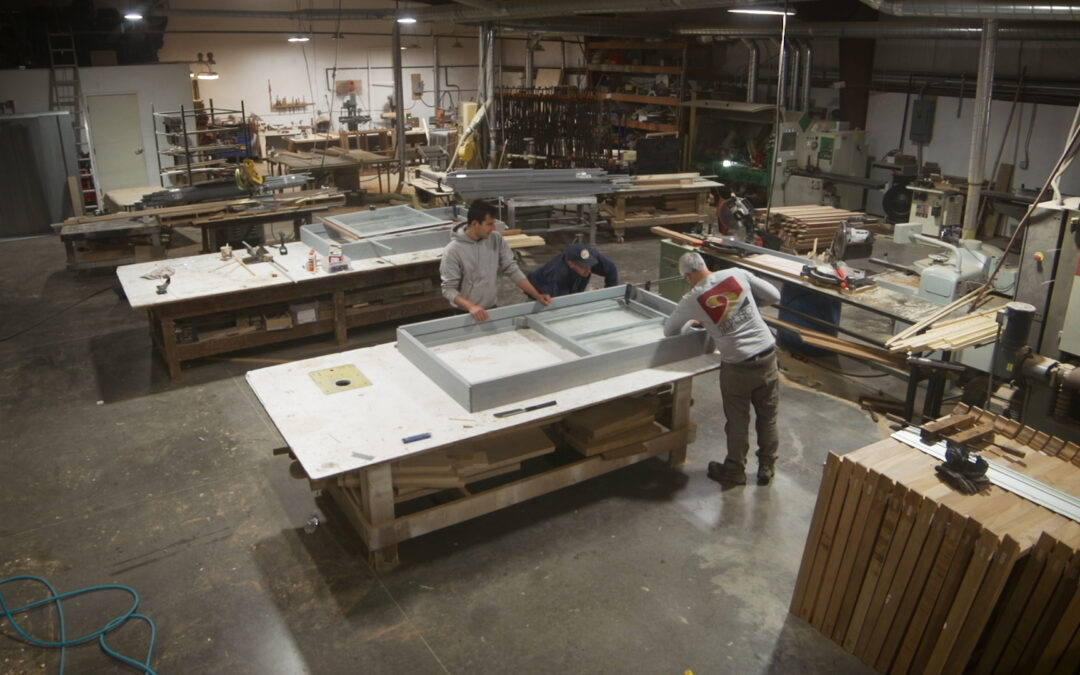
Many contractors will need to partner with specialists such as plasterers, wood window restoration experts, and millwork suppliers like Gepetto. Ask whether they have established relationships with these subcontractors and trades.  See the video below for reference about how Matthew Wiley, the ‘wood’ expert – brought a masonary element into question in the drawing stage to unify the design around the windows.  Collaboration builds.

4. Ask About Communication and Project Management

Historic renovations can uncover surprises—hidden damage, outdated wiring, or structural issues. Choose a contractor who communicates clearly, documents changes, and can coordinate with your architect to turn an unexpected upset into a success.  We have seen to many of these problems attempted to be buried, and they will only come back to haunt you.  It’s a common mis-conception that a contractor provides a ‘quote’ of a fixed price – that is ‘all in’.  You need to choose a contractor willing to build the trust and communication to weather changes.  Payment schedules in professional contracts are not ‘half upfront’ they include healthy milestones and checkoffs for each stage of the build.  If you read online, you’ll see the sad stories of those that were quotes the lowest price and ‘paid half upfront’.

5. Get a Written Proposal and Timeline

Historic projects can take longer than anticipated, so set clear expectations up front. A good contractor will provide a detailed written proposal and realistic timeline.  Professional contracts have milestones that break the project into smaller pieces, as well as the payment schedule so that you can see your project coming to life as you’re writing incremental checks.


Fix-and-Flip Considerations for Richmond Investors

If you are a real estate investor doing a fix-and-flip project, you face a balancing act: maximizing your return on investment while preserving enough character to attract buyers. Today’s homebuyers in Richmond love properties with original charm. Here’s why working with the right team matters:

  • Curb appeal sells homes. Gepetto’s historically accurate windows and doors make a house stand out in a competitive market.
  • Buyers notice quality. Solid wood doors, real divided-light windows, and custom trim elevate a property beyond the “builder-grade flip.”
  • Historic tax credits may apply. In Virginia, there are state and federal tax incentives for rehabilitating historic properties that can ease the high cost of diving into an historic property.
  • Long-term durability matters. Properly restored or replicated elements last longer and reduce call-backs after the sale.  If the windows are 100 years old, our exact replicas would be expected to last the same duration with the proper maintenance.  Don’t loose sight of the amortization against 100 years, instead of looking only at today’s profit.

Why Historically Accurate Materials Are Crucial

When renovating a historic home, the wrong materials can diminish its value. Vinyl windows, MDF moldings, and hollow-core doors might be cheaper upfront, but they detract from the authenticity of the property. Gepetto Millworks specializes in:

  • Sapele solid wood windows built with mortise-and-tenon joinery for century-long durability
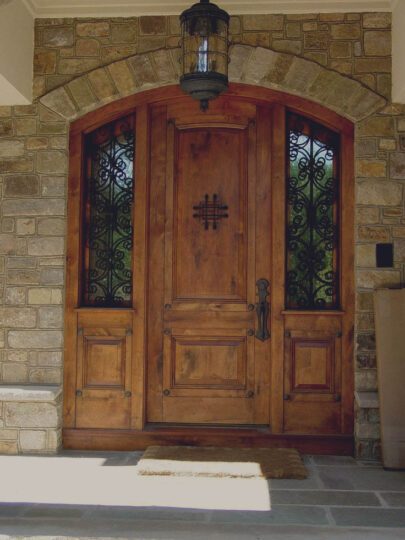
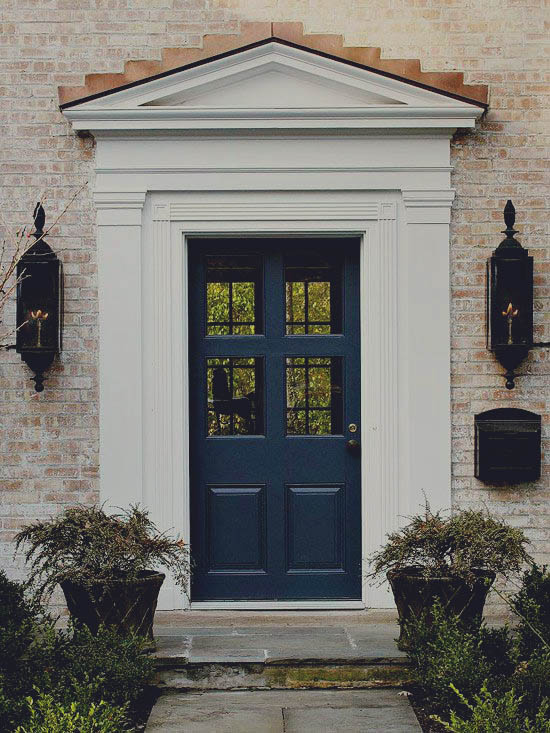
  • Custom solid wood doors that replicate the proportions and panel profiles of the originals
  • Exact-match molding profiles that blend seamlessly with existing trim
  • Architectural consulting to ensure every detail is period-appropriate

Collaborating Early with Gepetto Millworks

One of the most effective ways to avoid costly mistakes is to bring Gepetto Millworks into the conversation early. Here’s why:

  • Pre-construction planning: Gepetto can work with your architect to design historically accurate elements.
  • Material lead time: Custom windows and doors take time to fabricate—ordering early keeps your project on schedule.
  • Contractor coordination: Gepetto can consult with your contractor to ensure proper installation techniques.
  • Cost management: Early dialogue helps balance authenticity with budget.

By calling Matthew Wiley at Gepetto Millworks before your project begins, you establish a partnership that can guide your contractor and architect toward the right choices.  His number is 804.8938.2094 and amidst all the spam and promotions you’ll probably be receiving as you google your way through this building journey – Matt is and old fashioned real person on the other end of the line.  His 25 years experience in Richmond is a living rolodex of referrals and expertise for you to connect with.


How Gepetto Supports Architects and Contractors

Gepetto doesn’t just supply materials—they act as a technical partner. Their team can provide:

  • Shop drawings down to the millimeter for every window and door opening
  • Guidance on joinery and wood species to match historical standards
  • Advice on finish options to replicate period-appropriate colors and sheens
  • Ongoing communication throughout the project

This level of support makes the contractor’s job easier and ensures that the final product meets both the homeowner’s and the historic district’s expectations.


Preservation and Long-Term Value

For homeowners who plan to live in their house long-term, preserving its historic character is not just about aesthetics—it’s about protecting the property’s value. Homes that retain original wood windows, doors, and trimwork consistently sell for more than those that have been stripped of their historic charm.

Additionally, Richmond’s historic districts are a draw for tourism and community pride. By investing in a thoughtful renovation, you are contributing to the cultural fabric of the city.


Getting Started: Your Next Steps

If you’re planning a historic renovation or fix-and-flip in Richmond:

  1. Research contractors with proven historic renovation experience.
  2. Schedule consultations and request detailed proposals.
  3. Contact Gepetto Millworks early to discuss your material needs.
  4. Start a dialogue between contractor, architect, and supplier to ensure everyone is aligned.

Your first call should be to Matthew Wiley at Gepetto Millworks. He can guide you through material options, introduce you to historically accurate solutions, and set your contractor up for success.


Final Thoughts

A historic renovation or fix-and-flip project in Richmond, VA, is an opportunity to create something beautiful, authentic, and valuable. Choosing the right general contractor is critical, but so is choosing the right partner for your windows, doors, and millwork. With Gepetto Millworks supplying historically accurate materials and offering consulting expertise, your contractor will have everything they need to execute a renovation that honors the past and sets your property apart.

By starting early, collaborating with the right professionals, and insisting on authenticity, you can ensure that your project will stand the test of time—just like the historic homes that make Richmond one of the most charming cities in Virginia.

Historic Building Tax Credits

Historic Building Tax Credits

Maximizing Historic Building Tax Credits with Gepetto Millworks’ Authentic Wood Architectural Elements

Restoring historic buildings is both a labor of love and a commitment to preserving cultural heritage. While the process is rewarding, it can also be financially daunting. One significant financial incentive available to property owners and developers is historic building tax credits. These credits can offset the costs of preservation and restoration, especially when using historically accurate materials and techniques.

Gepetto Millworks, a premier manufacturer of authentic wood architectural elements based in Virginia, provides an invaluable resource for those seeking to maximize these tax credits. This article outlines key considerations for qualifying for historic building tax credits and highlights how Gepetto Millworks’ custom-crafted products can be instrumental in achieving compliance with historic preservation standards.

Gepetto Project History of Tax Credit Projects


Understanding Historic Building Tax Credits

Historic building tax credits are financial incentives offered at both federal and state levels to encourage the preservation and rehabilitation of historic structures. These credits reduce the tax liability of property owners who undertake qualified restoration projects.

Federal Historic Preservation Tax Incentives Program

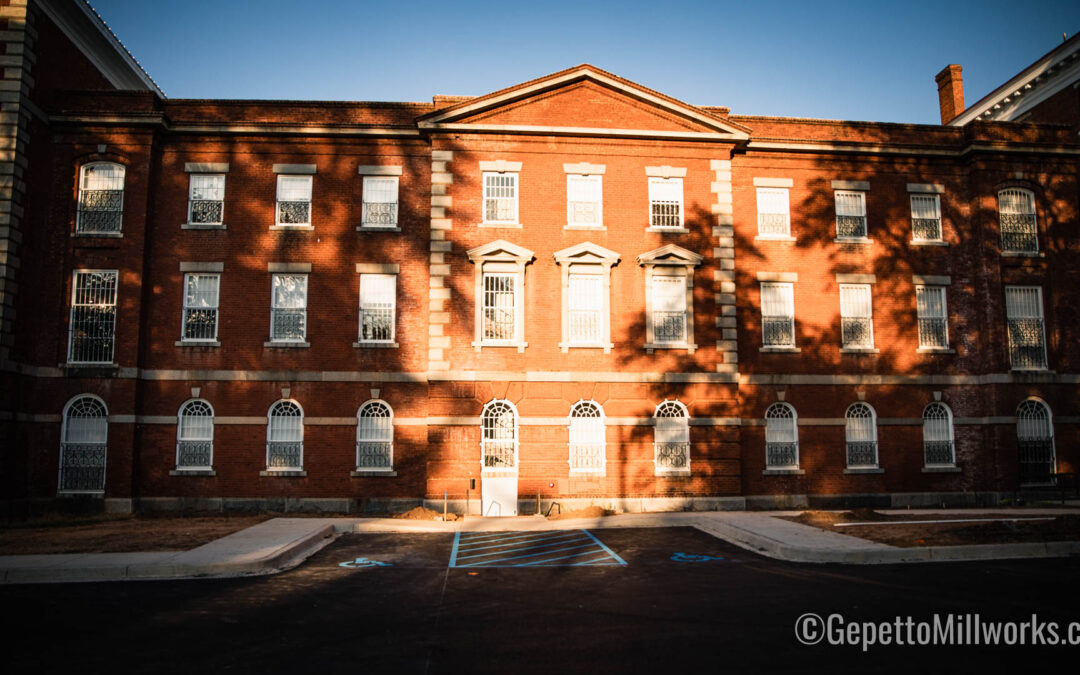
The Federal Historic Preservation Tax Incentives program, administered by the National Park Service (NPS) in partnership with the Internal Revenue Service (IRS) and State Historic Preservation Offices (SHPOs), offers a 20% tax credit for the rehabilitation of income-producing historic buildings. Eligible structures must be listed in the National Register of Historic Places or located in a registered historic district. Arlington VA Historic Window Builder credits are an example of a historic district.

State-Level Tax Credits

Many states, including Virginia, offer additional tax credits for historic preservation. These credits can often be combined with the federal program, providing substantial financial benefits for property owners. In Virginia, for instance, the state’s Historic Rehabilitation Tax Credit program offers a 25% credit for qualifying expenses.


Key Considerations for Filing Historic Building Tax Credits

To qualify for historic building tax credits, property owners must meet specific criteria and follow a structured application process that is often hindered by supplying historic restoration millwork! Here are the critical steps and considerations:

1. Determining Eligibility

  • Historic Designation: The building must either be listed in the National Register of Historic Places, contribute to a historic district, or meet specific criteria outlined by the SHPO.
  • Income-Producing Property: For federal tax credits, the property must generate income, such as through commercial use or rental housing.

2. Meeting the Secretary of the Interior’s Standards for Rehabilitation

The NPS evaluates projects based on the Secretary of the Interior’s Standards for Rehabilitation, which emphasize retaining and preserving historic character. Key principles include:

  • Repairing rather than replacing historic materials.
  • Ensuring new additions are compatible with the building’s historic character.
  • Avoiding alterations that destroy significant historical features.

3. Qualified Rehabilitation Expenses (QREs)

Only certain costs are eligible for tax credits, including:

  • Exterior and interior structural repairs.
  • Restoration of historic architectural elements.
  • Mechanical, electrical, and plumbing systems integral to the building’s structure.
  • Architectural and engineering fees related to the project.

Non-eligible expenses typically include landscaping, new additions, and furnishings.

4. Application Process

The application involves three parts:

  • Part 1: Certify the property’s historic status.
  • Part 2: Obtain approval for the proposed rehabilitation work.
  • Part 3: Certify that the completed work meets approved plans and the Secretary’s Standards.

The Role of Gepetto Millworks in Historic Building Restoration

Gepetto Millworks specializes in manufacturing authentic wood architectural elements that are essential for restoring historic buildings to their original grandeur. Their expertise and dedication to craftsmanship make them a trusted partner for projects seeking historic building tax credits.

1. Authenticity and Craftsmanship

Gepetto Millworks employs traditional techniques and materials to create wood elements that match the original features of historic buildings. From intricately carved moldings to custom windows and doors, their products are designed to seamlessly integrate into existing structures while meeting the Secretary’s Standards.

2. Custom Solutions for Unique Projects

Every historic building is unique, requiring tailored solutions to address specific restoration challenges. Gepetto Millworks offers custom fabrication services to replicate original designs, ensuring accuracy and compliance with preservation guidelines.

3. Sustainable Practices

Sustainability is a core value at Gepetto Millworks. They source premium, responsibly harvested wood and prioritize eco-friendly manufacturing processes, aligning with modern sustainability goals without compromising historical authenticity.


Key Products by Gepetto Millworks for Historic Restorations

Gepetto Millworks’ product offerings encompass a wide range of architectural elements critical to historic restorations. Each product is crafted with attention to detail and adherence to historical accuracy.

Custom Windows

  • Historical Accuracy: Gepetto Millworks replicates historic window designs, including sash, casing, and muntin profiles.
  • Energy Efficiency: Modern performance standards are integrated into historically accurate designs, ensuring energy efficiency without sacrificing authenticity.

Architectural Moldings

  • Period-Specific Designs: Gepetto’s catalog includes moldings that reflect the styles of different historical periods.
  • Custom Fabrication: Unique designs can be reproduced to match existing elements precisely.

Doors and Entryways

  • Handcrafted Quality: Gepetto’s custom doors capture the elegance and craftsmanship of historic entryways.
  • Variety of Styles: Options range from Georgian and Victorian designs to mid-20th-century modern aesthetics.

Staircases and Railings

  • Traditional Joinery: Gepetto employs traditional woodworking techniques to craft staircases and railings that embody historical authenticity.
  • Custom Components: Balusters, handrails, and newel posts are tailored to the building’s era and style.

Compliance with Preservation Standards

Using Gepetto Millworks’ products in your restoration project can simplify compliance with preservation standards, enhancing your chances of approval for tax credits. Places like Cape Charles, VA 23310 have Historic Building Materials local ordenances that keep the character of the whole town that you would know about as you purchased the property.

Adherence to the Secretary’s Standards

  • Repair Over Replacement: Gepetto’s focus on repairing and replicating original features aligns with the Standards’ emphasis on preservation. Our shop built wood products are built with the same solid wood mortise and tenon construction that was used 200 years ago. Most other products you will find on the open market do not use historically accurate building techniques, they shortcut the quality for speed of production in the factory.
  • Compatible Materials: Their use of authentic wood ensures compatibility with historic structures.

Documentation Support

Gepetto Millworks provides detailed documentation of their products’ historical accuracy and manufacturing process, which can be included in your tax credit application to demonstrate compliance.


Case Studies: Gepetto Millworks in Action

1. Restoring a 19th-Century Townhouse in Richmond, Virginia

  • Challenge: Replacing deteriorated windows while maintaining historical integrity.
  • Solution: Gepetto crafted custom wood windows replicating the original sash profiles and integrated energy-efficient glazing.
  • Outcome: The project received both federal and state tax credits.

2. Renovating a Historic Church in Alexandria, Virginia

  • Challenge: Restoring ornate moldings and woodwork damaged by decades of wear.
  • Solution: Gepetto’s team recreated intricate carvings using traditional techniques.
  • Outcome: The restoration earned praise from the SHPO and qualified for tax credits.

Steps to Get Started with Gepetto Millworks

  1. Consultation: Schedule a consultation with Gepetto Millworks to discuss your project needs and goals.
  2. Design and Fabrication: Work with their expert team to develop custom solutions that align with your building’s historical character.
  3. Installation Support: Gepetto provides guidance to ensure proper installation and compliance with preservation standards.
  4. Documentation: Receive detailed documentation to support your historic building tax credit application.

Conclusion

Securing historic building tax credits requires meticulous planning, adherence to preservation standards, and a commitment to quality restoration. Gepetto Millworks’ authentic wood architectural elements are a crucial asset for achieving these goals. By combining traditional craftsmanship with modern sustainability practices, Gepetto Millworks ensures that every project not only preserves history but also meets the highest standards of excellence.

Partner with Gepetto Millworks for your next historic restoration project and unlock the full potential of historic building tax credits. Contact their Virginia fabrication facility today to learn how they can bring your vision to life while honoring the past.

Custom by Architects

WholeSale to Builders

MADE IN VA

Sustainable & Reparable

Choosing the Right General Contractor for a Historic Renovation or Fix-and-Flip in Richmond, Virginia

Richmond, Virginia, is a city steeped in history, with neighborhoods that showcase architectural styles from the late 18th century through the early 20th century. For homeowners, real estate investors, and architects, this makes Richmond a prime location for historic...

arched and elliptical window builder Virginia

arched and elliptical window builder Virginia

Bowed Windows Made in Virginia

Round, Arc, Gothic Arch, and Bowed Windows Handcrafted in Virginia: When it comes to bespoke architectural woodwork, Gepetto Millworks stands at the pinnacle of craftsmanship in Virginia. Specializing in historically accurate, handcrafted windows, our artisans are...

Church Hill Richmond Virginia Historic Millwork and Restoration Wood Supplier

Church Hill in Richmond, Virginia, Richmond's first neighborhood, is a historic district boasting antebellum homes and architectural styles like Greek Revival, Federal, Queen Anne, and Italianate, known for its cobblestone streets and gas streetlampThe Church Hill...

Historic Building Tax Credits

Maximizing Historic Building Tax Credits with Gepetto Millworks’ Authentic Wood Architectural Elements Restoring historic buildings is both a labor of love and a commitment to preserving cultural heritage. While the process is rewarding, it can also be financially...

Carter’s Grove Gates

                                                                        ...
Accoya Acetylated Wood Doors Made in VIRGINIA

Accoya Acetylated Wood Doors Made in VIRGINIA


Unlock the Value of Accoya Acetylated Wood Doors by Gepetto Millworks:

Elevating Architectural Millwork Across Virginia

Doors are more than just functional elements within architectural design; they serve as gateways that seamlessly blend practicality with aesthetics and as the portal are the first thing the eye catches in an architectural facade. Clients in Virginia seeking unparalleled durability and design, the Accoya Acetylated Wood should be specified in manufacturer and estimating process. This comprehensive guide delves into the myriad benefits of Accoya wood doors crafted by Gepetto Millworks, emphasizing how their superior quality is built from the foundation, checks the box of sustainability, and optimum for outdoor applications in the climate and all major cities of Virginia.

Understanding Accoya Acetylated Wood

Accoya Acetylated Wood, manufactured in Virginia, undergoes a transformative process that elevates its natural properties above the natural properties of many hard and soft woods. The innovative technique enhances the wood’s stability, durability, and resistance to decay. Structurally minimizing issues like swelling or shrinkage, even in the harshest environmental conditions like full sun exposure in Virginia summers.

Crafted Excellence FROM the Blue Ridge

Nestled in the heart the blue ridge of Virginia, Matt Wiley and his team represent the epitome of old world craftsmanship matched with modern innovation in wood manufacturing. Delivering to projects in North Carolina, South Carolina, Delaware, and the District of Columbia from a quiet shop in the hills. Matthew Wiley will help you cost manage and understand the value of your costs in any custom build with Accoya Acetlyated wood. We work direct to homeowners as well as direct to General Contractors. Our customer is committed to quality, and while the price hurts – we share your vision for amortizing that cost over 100 years instead of tomorrow. We build doors for your grandchildren to admire the wear marks, not for the lowest price.

Benefits of BUILDING Accoya Wood Doors

Made by hand in Gepetto Millworks Blue Ridge shop wood doors specified to be made from Accoya offer a myriad of advantages for discerning homeowners, architects, and contractors. These doors boast exceptional durability, surpassing counterparts by resisting moisture, fungi, and insects with ease. Their superior stability ensures smooth operation and minimal maintenance for years to come. Longevity and reliability are only built upon the foundation that you lay, and if you want us to build a door to exacting standards – we have to start with an exact foundation. Accoya wood is certified sustainable sourced and uses a non-toxic manufacturing process developed in the European Union from their higher environmental standards. Accoya wood is a responsible choice for eco-conscious building materials. Gepetto Millworks’ diverse design options will produce a wide range of architectural styles and customized doors to express that unique character of your Monument Avenue home.

Supplying Accoya Wood Doors to Major Cities in Virginia

As a premier supplier of Accoya wood doors, Gepetto Millworks serves major cities across Virginia, enhancing architectural spaces with their exceptional products:

Richmond: As the capital city of Virginia, Richmond boasts a rich tapestry of historical architecture and modern innovation. Accoya wood doors by Gepetto Millworks find resonance in Richmond’s architectural landscape, offering a harmonious blend of heritage and innovation for discerning homeowners and architects.

Virginia Beach: Renowned for its coastal charm and vibrant community, Virginia Beach is a hub of coastal living. Accoya wood doors by Gepetto Millworks are ideally suited to the coastal climate, offering unparalleled durability and resilience against saltwater corrosion and humidity.

Norfolk: Home to a thriving arts scene and cultural diversity, Norfolk presents an eclectic mix of architectural styles. Accoya wood doors by Gepetto Millworks add a touch of sophistication to Norfolk’s architectural ensemble, combining timeless elegance with modern functionality.

Chesapeake: Nestled amidst lush greenery and natural beauty, Chesapeake exudes a serene ambiance. Accoya wood doors by Gepetto Millworks seamlessly integrate with Chesapeake’s natural surroundings, offering homeowners a sustainable and stylish choice for their architectural needs.

Accoya wood doors by Gepetto Millworks represent the pinnacle of mixing modern technology with old world excellence in craftsmanship. No where else can sustainability meet design. From Richmond to Harrisonburg and beyond, these doors offer unmatched durability, stability, and aesthetic appeal, making them the ideal choice for discerning clients seeking to elevate their architectural spaces. By supplying Accoya wood doors to major cities in Virginia, Gepetto Millworks continues to set the standard for quality and innovation in the woodwork industry, fostering a deeper appreciation for sustainable design and superior craftsmanship.

federal style doors made to order virginia