Architectural Integrity of Wooden Windows
Preserving historical architecture presents a unique set of challenges, particularly when it comes to the integrity of wooden windows. Wooden windows, intrinsic to the aesthetic and structural integrity of historical buildings, demand meticulous attention to detail and technical expertise in preservation efforts. This discourse aims to critically examine the challenges and methods surrounding the preservation of wooden windows in historic buildings, emphasizing the importance of maintaining authenticity while ensuring longevity.
Historical Significance of Wooden Windows
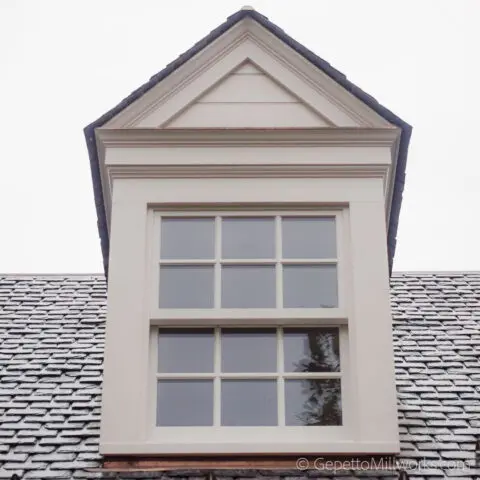
Wooden windows stand as quintessential components of architectural heritage, embodying the craftsmanship and design ethos of their respective eras. From the intricate muntin patterns of Gothic Revival windows to the elegant simplicity of Georgian sashes, each style reflects the cultural, social, and technological contexts of its time. Furthermore, wooden windows serve as portals to history, offering insights into construction techniques, materials, and architectural preferences of bygone eras.
Challenges in Preservation
Preserving wooden windows in historic buildings poses multifaceted challenges stemming from their susceptibility to environmental degradation, structural instability, and the impact of modernization. Exposure to fluctuating temperatures, moisture, and UV radiation accelerates the deterioration of wood, leading to rot, warping, and loss of structural integrity. Moreover, misguided renovation practices, such as indiscriminate replacement with modern materials, compromise the authenticity and historical value of the windows.
Technical Analysis: Material Selection and Treatment
Effective preservation strategies for wooden windows necessitate a comprehensive understanding of materials and treatment methods. Traditional materials like oak, pine, and mahogany, prized for their durability and workability, remain preferred choices for historical accuracy. However, modern advancements offer alternative treatments such as epoxy consolidants and wood preservatives, which mitigate decay while maintaining the original appearance and texture of the wood.
Structural Assessment and Repair Techniques
Assessing the structural integrity of wooden windows requires a nuanced approach that combines visual inspection, non-destructive testing, and historical research. Techniques such as infrared thermography and acoustic emissions analysis provide valuable insights into hidden defects and weaknesses, enabling targeted repair interventions. Preservation carpentry, employing traditional joinery techniques and authentic materials, ensures sympathetic restoration while retaining the historical character of the windows.
Integration of Modern Technologies
Incorporating modern technologies into preservation efforts offers unprecedented opportunities to enhance the longevity and performance of wooden windows. High-performance coatings and sealants, formulated to withstand harsh environmental conditions, provide robust protection against moisture ingress and UV degradation. Additionally, the adoption of energy-efficient glazing systems and weather-stripping solutions improves thermal performance without compromising the authenticity of the windows.
Case Studies: Successes and Challenges
Examining notable preservation projects reveals both successes and challenges in the conservation of wooden windows. The meticulous restoration of the wooden windows at Monticello, Thomas Jefferson’s iconic estate, exemplifies best practices in historical preservation, where meticulous research, skilled craftsmanship, and adherence to authenticity converge to ensure the integrity of the windows. Conversely, instances of misguided interventions, such as the wholesale replacement of original windows with modern replicas at the Woolworth Building in New York City, underscore the importance of informed decision-making and preservation ethics.
Virginia Window Restorers
- Richmond VA Window Rehabilitation
- Alexandria Old Window Restorers
- Charlottesville Restoration Services
- Fredricksburg Window Experts
- Norfolk Historic Window Repair
- Harrisonburg Window Rot Rescue
- Staunton VA Window Rehabilitation
- Lexington VA Window Contractor
- Roanoke VA Rehabilitation Contractor
- Lynchburg VA Historic Window Services
- Washington DC Historic Windows
- Portsmouth VA Old Window Restorer
- Arlington VA Historic Window Builder
- Abingdon Historic District Windows
- Winchester Historic Windows
Historic Replica Windows Made to Order
Southeast US Window Rehabilitation
- Greensboro NC Window Restoration
- Durham NC Wood Window Repair
- Raleigh NC Historic Window Rehabilitation
- Outer Banks Historic Home Restorers
- Henderson NC Window Rot Repair
- Winston Salem NC Rehabilitation
- Columbia SC Historic Window Restorer
- Spartansburg SC Wood Window Builder
- Charleston SC Historic Window Contractor
- Savannah GA Historic Window Services
- Ashville NC Old Window Restorer
- Virginia Wood Window Restoration
Wooden Window Fabrication