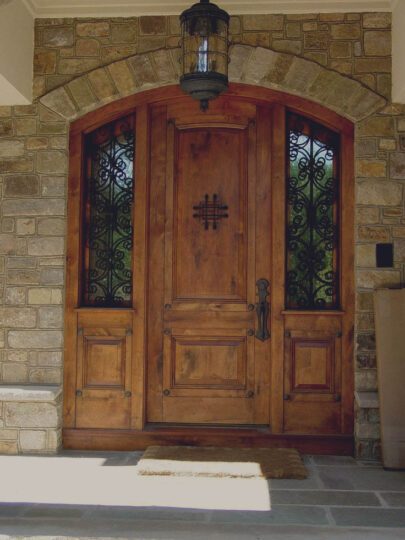
Virginia sawmill operators

The Need for Custom Milled Lumber in Producing Historic Replica Wood Products for Homes, Hotels, and Mixed-Use Properties

Historic buildings tell stories of craftsmanship, architectural vision, and regional heritage. From stately homes with hand-carved moldings to grand hotels adorned with ornamental wood details, each structure carries unique character. When these buildings undergo restoration, expansion, or adaptive reuse, architects, preservationists, and property owners often face a challenge: sourcing authentic wood components that match the originals custom milled lumber becomes essential.

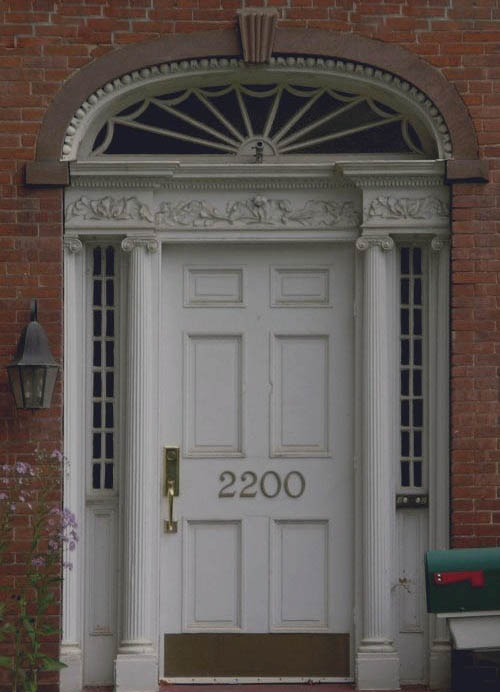
Standard, off-the-shelf wood products rarely replicate the intricate details, species variety, and precise dimensions required for historic replica wood products. Whether the project involves restoring a Georgian-era doorway, recreating Victorian gingerbread trim, or producing millwork for a mixed-use redevelopment of a historic warehouse, custom milled lumber ensures that authenticity, durability, and architectural integrity are maintained.

In this article, we’ll explore why custom milled lumber is indispensable for historic projects, the process behind its creation, and how it benefits property owners, architects, and developers working with historic restoration millwork.


Why Historic Replica Wood Products Require Custom Milled Lumber

1. Standard Lumber Dimensions Don’t Match Historic Profiles
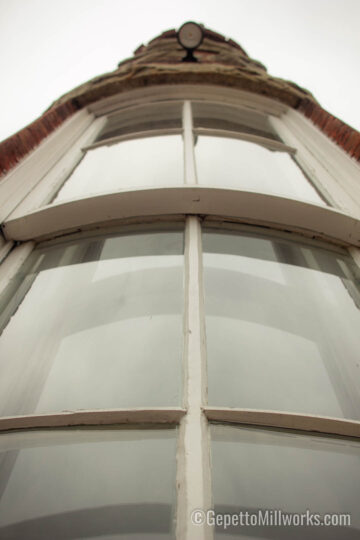
bowed window producer Virginia

Modern lumberyards typically stock dimensional lumber in standard sizes—2x4s, 1x6s, or 4×8 sheets of plywood. Historic builders, however, worked with different milling practices and often used full-dimension lumber with hand-planed finishes. Window sashes, stair treads, or door stiles from the 18th or 19th century are often slightly thicker, wider, or cut with unique joinery that doesn’t align with contemporary production.

Only custom milled lumber can be matched to the original specifications. A mill shop can replicate exact widths, depths, and profiles, ensuring a replacement piece doesn’t look out of place or compromise the building’s historical authenticity.

2. Historic Properties Demand Architectural Accuracy

Preservation guidelines—especially in districts protected by local or national landmark commissions—often require that repairs and replacements remain faithful to original designs. Using mass-produced trim, stock crown molding, or factory windows can jeopardize approvals and reduce the value of the restoration.

By working with a craftsman experienced in historic replica wood products, property owners can be confident that every detail, from mortise-and-tenon joinery to decorative fluting, matches the original craftsmanship.

3. Many Historic Species Are No Longer Commercially Available

Centuries-old buildings often relied on wood species like heart pine, chestnut, or old-growth oak—species that aren’t commonly sold at today’s lumberyards. Custom milling allows artisans to work with reclaimed lumber or responsibly sourced alternatives that mimic the density, grain pattern, and durability of the originals.  Accoya Acetelated wood is the only modern product bending the curve into better wood, as it is chemically altered to not absorb water!

For example:

  • Reclaimed heart pine beams can be remilled into flooring that matches Civil War–era homes.

  • Sapele or mahogany may be substituted for rot-resistant exterior trim when the original tropical hardwood is no longer available.

  • White oak can be quartersawn to mimic the shimmering ray fleck common in Arts & Crafts–era millwork.


The Process of Creating Custom Milled Lumber for Historic Replica Wood Products

Restoring or replicating historic woodwork is a precise and labor-intensive process. Unlike modern production lines that prioritize speed and uniformity, custom milling focuses on detail, flexibility, and one-of-a-kind accuracy.

Step 1: Site Assessment and Documentation

Architects and millworkers begin by surveying the property. Every molding, door stile, or window sash is measured, photographed, and cataloged. Shop drawings may be produced using AutoCAD or hand-drafted sketches. The goal is to capture the exact dimensions, joinery, and ornamental details.

Step 2: Lumber Selection

Choosing the right wood is critical. Preservationists balance authenticity with modern performance requirements. For exterior applications, rot resistance and stability may take precedence, while interior elements prioritize appearance and authenticity.

Step 3: Knife Grinding and Profile Matching

One of the hallmarks of custom milled lumber is profile replication. Specialized steel knives are ground to match the original profile of a molding or trim piece. This allows modern machinery to cut exact replicas that are indistinguishable from 150-year-old originals.

Step 4: Milling and Fabrication

Using planers, shapers, and moulders, raw lumber is transformed into historically accurate components. In some cases, hand tools are used to add the final detail or patina to match existing woodwork.

Step 5: Assembly and Joinery

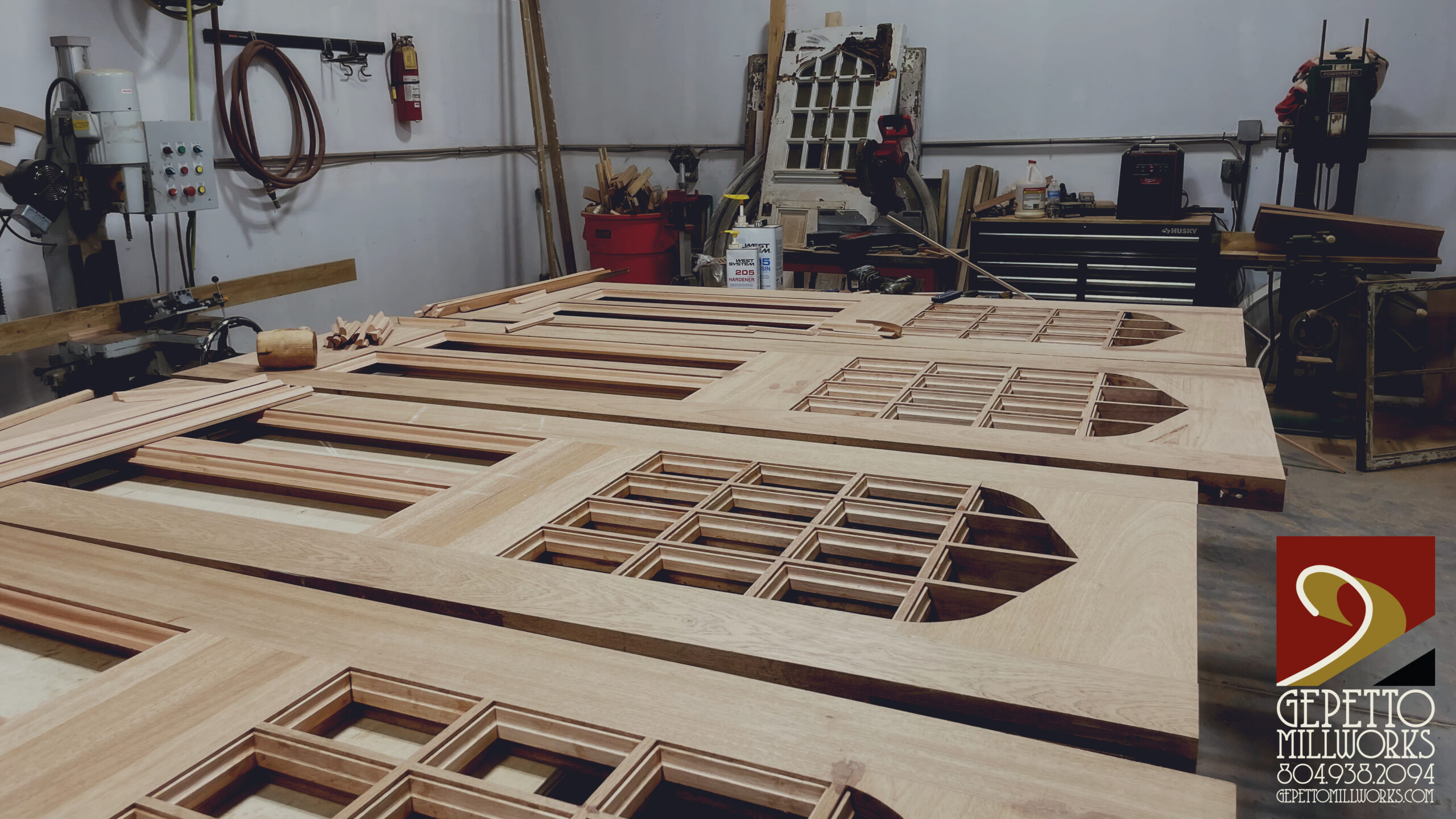
For larger elements like historic replica windows and doors, traditional joinery methods—such as mortise-and-tenon or pegged joints—are reproduced. These not only provide structural strength but also honor the original methods of construction.

Step 6: Finishing

The final step includes sanding, staining, or painting. Some projects even call for custom finishing techniques to replicate the aged appearance of adjacent woodwork so that the replacement seamlessly integrates.


Applications of Custom Milled Lumber in Historic Replica Wood Products

1. Homes and Residential Properties

Private homeowners restoring historic residences often require custom millwork for:

  • Crown moldings and baseboards to match original interior detailing.

  • Custom windows and shutters designed with historically accurate joinery.

  • Staircases and banisters requiring hand-turned balusters or curved rails.

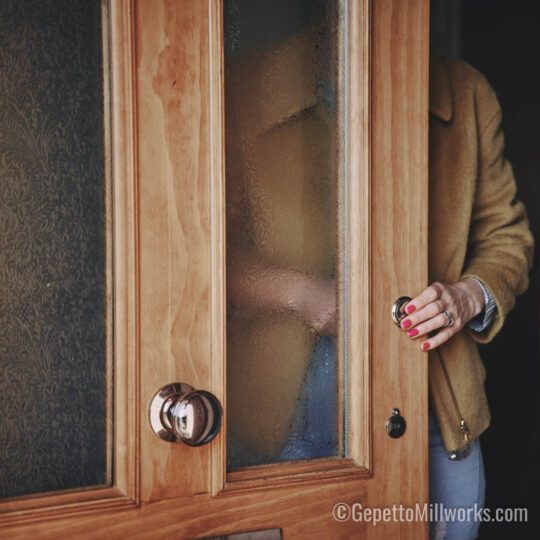
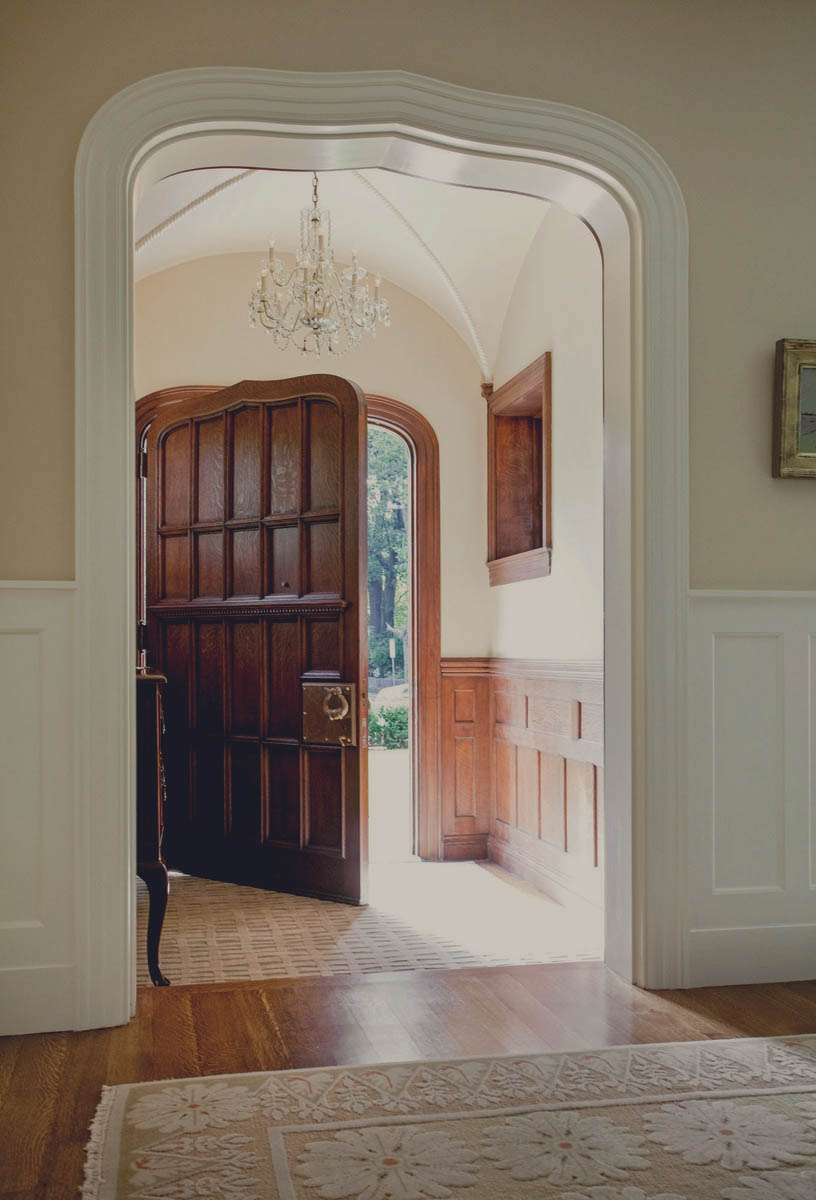
  • Doors and casings built with raised panels or specific architectural motifs.

2. Hotels and Hospitality Spaces

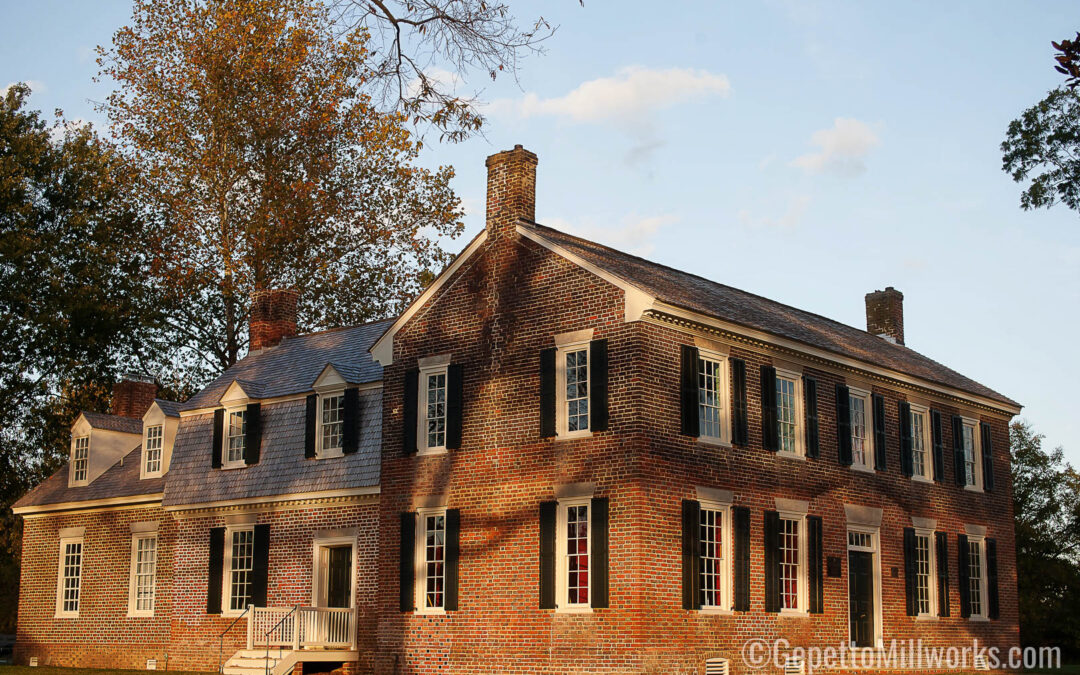
Grand hotels built during the Gilded Age or early 20th century often feature elaborate wood paneling, ballroom wainscoting, and carved ceiling beams. When these properties undergo restoration or adaptive reuse, custom milled lumber ensures that every lobby, guest room, and banquet hall reflects the elegance of its original era.

For boutique hotels in historic districts, the use of historic replica wood products also creates a sense of authenticity that appeals to guests seeking an immersive experience.

3. Mixed-Use Properties and Commercial Redevelopment

Across the country, developers are transforming warehouses, factories, and historic storefronts into mixed-use properties combining retail, office, and residential units. These adaptive reuse projects rely heavily on custom milled lumber to retain character while meeting modern code requirements.

Examples include:

  • Replicating storefront cornices for historic main streets.

  • Creating interior millwork that complements exposed brick and steel.

  • Designing historically accurate wood windows that meet energy efficiency standards.


Benefits of Using Custom Milled Lumber in Historic Replica Projects

Authenticity

Perhaps the greatest advantage is authenticity. Property owners avoid the “cookie-cutter” look of modern stock components, ensuring the finished project remains true to its origins.

Durability

Custom lumber can be milled from higher-quality, longer-lasting species, ensuring that restored woodwork stands the test of time.

Compliance with Preservation Standards

Local landmark commissions and preservation boards often demand accuracy. Using custom milled lumber demonstrates a commitment to historic integrity, increasing the likelihood of approval for renovation plans.

Increased Property Value

A historically accurate restoration not only preserves cultural heritage but also enhances market appeal. Buyers, investors, and tenants appreciate authentic craftsmanship that sets a property apart.

Sustainability

Reclaimed and responsibly sourced lumber used in custom milling reduces environmental impact while reusing materials that might otherwise go to waste.


Challenges in Producing Custom Milled Lumber

While the advantages are clear, producing custom milled lumber for historic replica wood products also involves unique challenges:

  • Cost: Custom milling requires specialized labor and tooling, which can be more expensive than off-the-shelf options.

  • Lead Times: Knife grinding, material sourcing, and fabrication extend project timelines.

  • Material Availability: Historic species may need substitutes that balance authenticity with availability.

However, most property owners find that the long-term benefits—authenticity, durability, and property value—far outweigh the initial investment.


Case Study Examples

Historic Hotel Renovation

A century-old hotel undergoing renovation required replication of 12-inch crown moldings and intricate ballroom paneling. Off-the-shelf products could not match the profiles. A mill shop used custom milled lumber with ground knives to create exact replicas, preserving the hotel’s grandeur.

Residential Restoration

A homeowner restoring an 1850s farmhouse needed historically accurate windows with true divided lights and hand-forged joinery. Custom milling provided sash frames that matched the originals while integrating energy-efficient glass.

Mixed-Use Development

Developers converting a tobacco warehouse into offices and apartments wanted to preserve the historic storefront façade. Custom milled lumber allowed replication of the original trim, pilasters, and transom frames, giving new life to the streetscape.


The Future of Custom Milled Lumber in Historic Replica Projects

As interest in historic preservation and adaptive reuse grows, the demand for custom milled lumber will continue to rise. Modern technology—such as CNC routers and 3D scanning—enhances accuracy, but traditional craftsmanship remains at the heart of the process.

Sustainability will also play a role. More projects are turning to reclaimed lumber, combining historical integrity with environmentally conscious practices.

For homes, hotels, and mixed-use properties alike, custom milled lumber remains the key to bridging the past and the present.


Conclusion

When it comes to preserving architectural heritage, there is no substitute for custom milled lumber. Whether the goal is restoring a historic home, renovating a grand hotel, or redeveloping a mixed-use property, authenticity and craftsmanship matter. Stock components cannot replicate the details, durability, or artistry of historic replica wood products.

By investing in custom milling, property owners ensure their projects meet preservation standards, stand the test of time, and honor the legacy of the structures they inhabit. From carved moldings to hand-crafted windows, custom milled lumber keeps history alive—one project at a time.
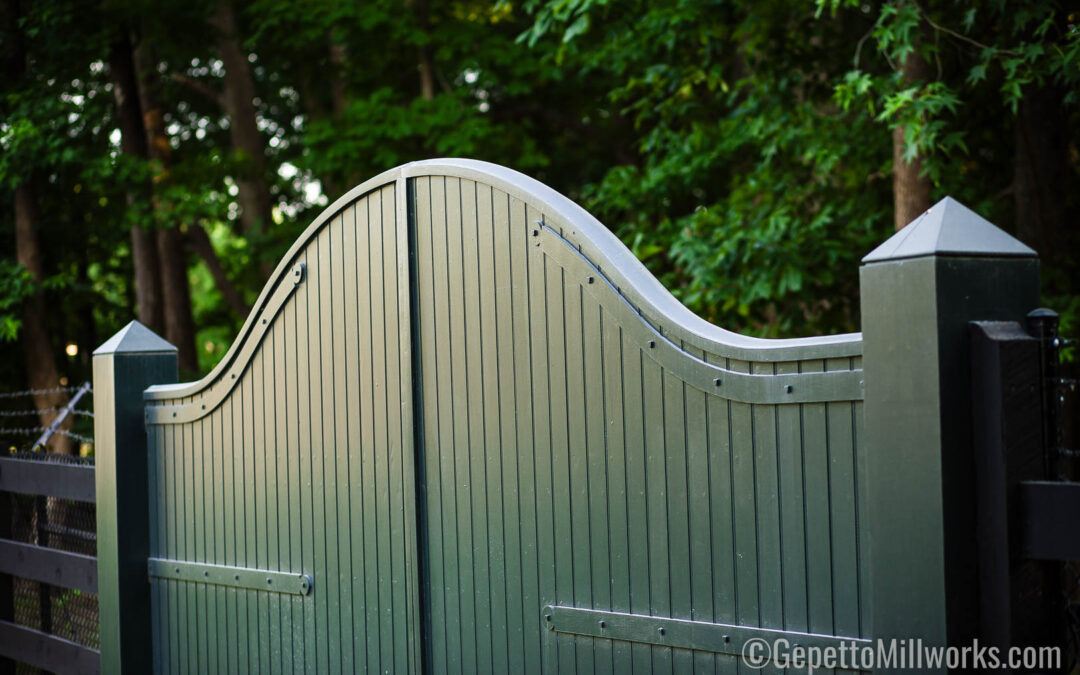
Accoya Approved Manufacturer VA

Accoya Approved Manufacturer VA

Accoya Approved Manufacturer

We have been using Accoya Acetylated wood for exterior applications since it’s introduction into the United States market in 2012.

Acetylated wood stands truer and weather’s better – read the acdemic articles below to start your education for specifiying the ‘foundation’ of your project.

Accoya Now American Made

“We are excited to be a part of the Kingsport community ,” said Rod Graf, general manager of Accoya USA.

“Our cutting-edge building will enhance capacity, create local jobs, and foster community. We are also eager to work with the Tennessee College of Applied Technology and the Regional Center for Advanced Manufacturing to become a preferred employer in the region as production begins.”

Virginia Expert Manufacture

Matt Wiley has been building with Accoya Acetylated Wood for over 10 years!

High quality one of a kind builds made in Virginia.


Specify Accoya

“Acetylated lumber wins accolades for its performance and small environmental footprint”  ~ Green Building Advisor

Unlike most pressure-treated wood, acetylated lumber doesn’t contain any copper or biocides that can leach into the environment over time. The treatment renders the wood harder, more dimensionally stable and immune to insects. Accoya lasts for 50 years above grade, 25 years in contact with the ground or submerged in fresh water, and has a service life of 70 years, according to its manufacturer.

Build From the Foundation

You understand the metaphor if you’re a builder.  We are limited in our ability to deliver a ‘straight’ product, by straight lumber!  In order to deliver your dream piece, we need quality lumber that will not warp or twist and it is becoming harder to source.  Just like you wouldn’t want your foundation to be 1/8th out of square, we don’t want our raw materials to move 1/8th of an inch after they are machined to size.

Accoya Acetylated Wood Manufacturer Virginia

Acetylation BY ROGER M. ROWELL ~ 4 SEPTEMBER 2006

The Vikings burned the outside of their ships to make them water resistant and flame retardant without knowing anything about hydrophobicity or the insulating properties of char!

Long before we had formal wood science, we had a long history of observations on the properties and performance of wood. It was well known that wood swelled and shrunk with water, that wood decayed, that wood burned, and that wood was degraded by the sun. People took advantage of the positive properties and also learned to design around wood’s weaknesses.  As we started to understand the properties and performance of wood, we discovered that the properties of wood are, for the most part, a result of the chemistry of its cell wall components.

Combining all of the art and science of wood recorded from ancient times to the present, we have discovered that if you change the chemistry of wood, you change its properties and, therefore, you change its performance.

From this foundation, the science of chemical modification of wood was born. We first learn by observation, progress by experimentation, and finally advance through understanding. We learned to use wood, accepting that it changes dimensions with changing moisture content (MC),

Chemical modification of wood can be defined as a process of bonding a reactive simple chemical to a reactive part of a cell wall polymer, with or without catalyst,
to form a covalent bond between the two.  Chemical modification of wood has historically been used to:
1) isolate various cell wall components;
2) study differences in properties as a result of changing the chemistry;
3) improve the performance properties of wood.

Many chemical reaction systems have been published for the modification of wood and the systems have been reviewed in the literature. The chemicals include anhydrides, acid chlorides, ketene carboxylic acids, isocyanates, formaldehyde, acetaldehyde, difunctional aldehydes, chloral, phthaldehydic acid, and epoxides .

None of the studies of the chemical modification of wood and other lignocellulosic resources have gone past the research stage, except acetylation. 


Read Full Article

“Our sales in North America increased by 44% between fiscal years 2021 and 2022, and we continue to see strong demand for Accoya,” said John Alexander, group sales director. “Once operational, our Accoya 2022 production volumes will be doubled at the Kingsport site.”

The Kingsport facility, which will be operational in early 2024, will provide the North American market, while the Netherlands plant will supply the rest of the world. The American reactors are now on their way from Europe and will arrive in Kingsport in January 2023.

“We are excited to be a part of the Kingsport community and watch the development of the US facility,” said Rod Graf, general manager of Accoya USA. “Our cutting-edge building materials will enhance capacity, create local jobs, and foster community. We are also eager to work with the Tennessee College of Applied Technology and the Regional Center for Advanced Manufacturing to become a preferred employer in the region as production begins.”

Accoya Acetylated Project Gallery

Historic Look

Smooth Swing bearings and weather durable fittings

Steel Core

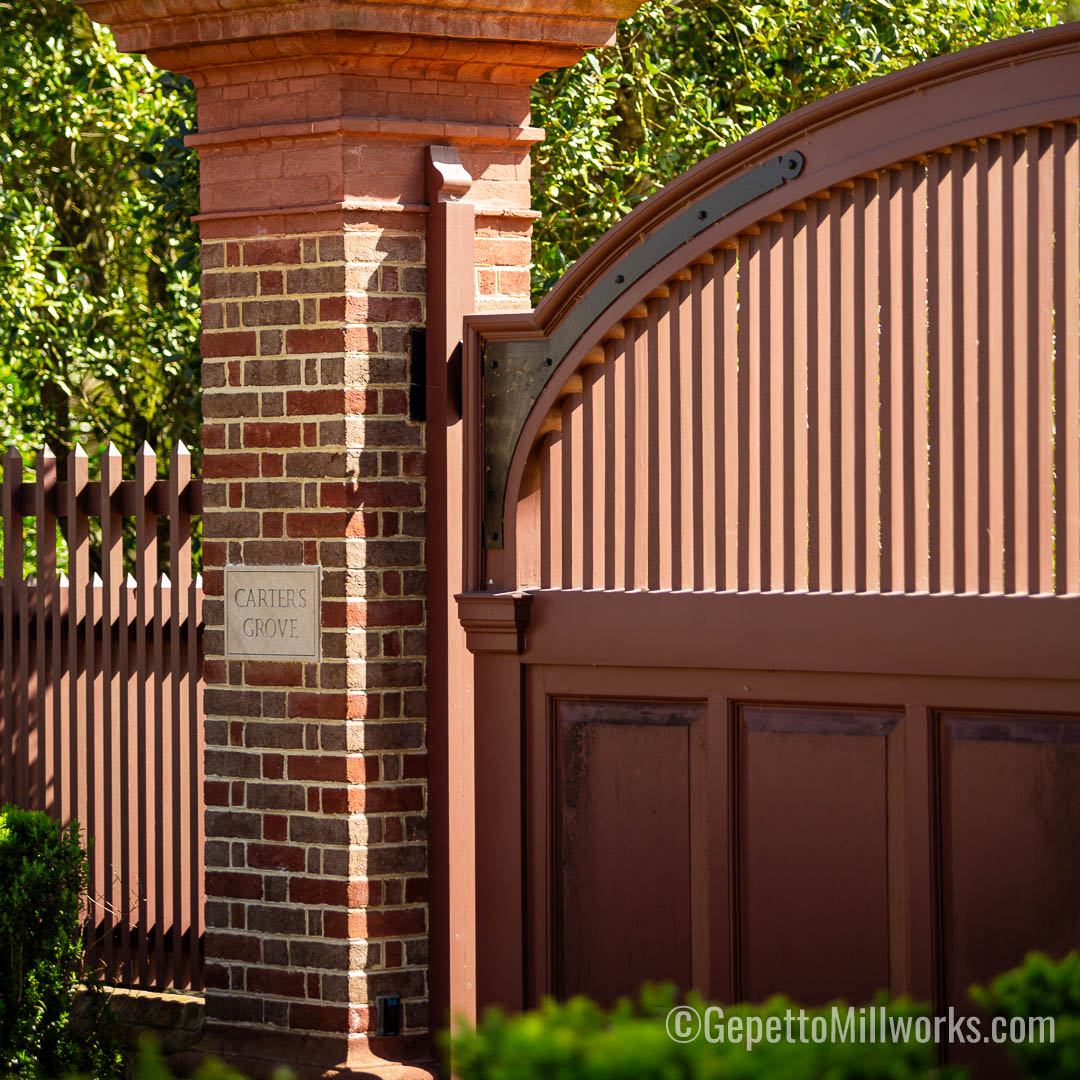
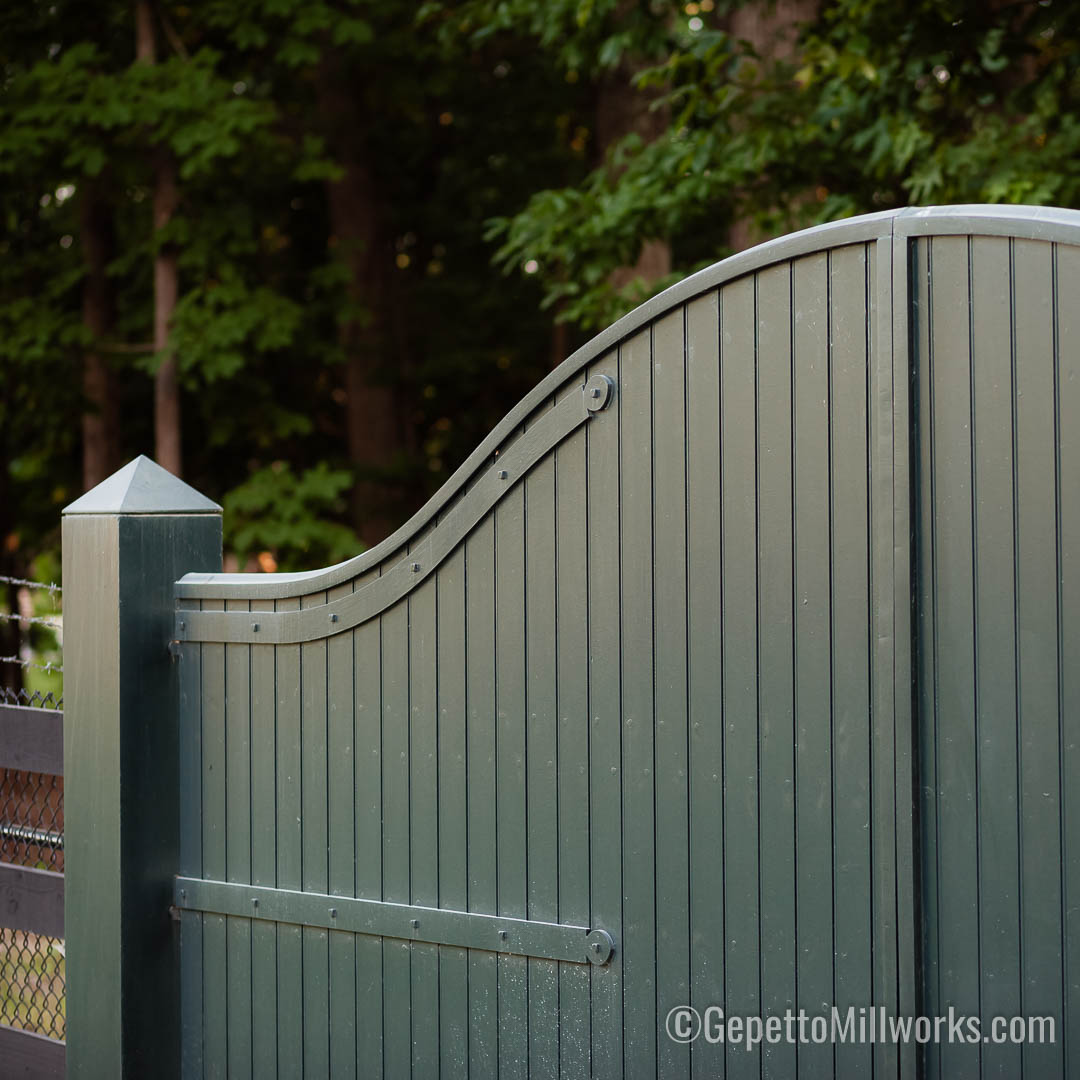
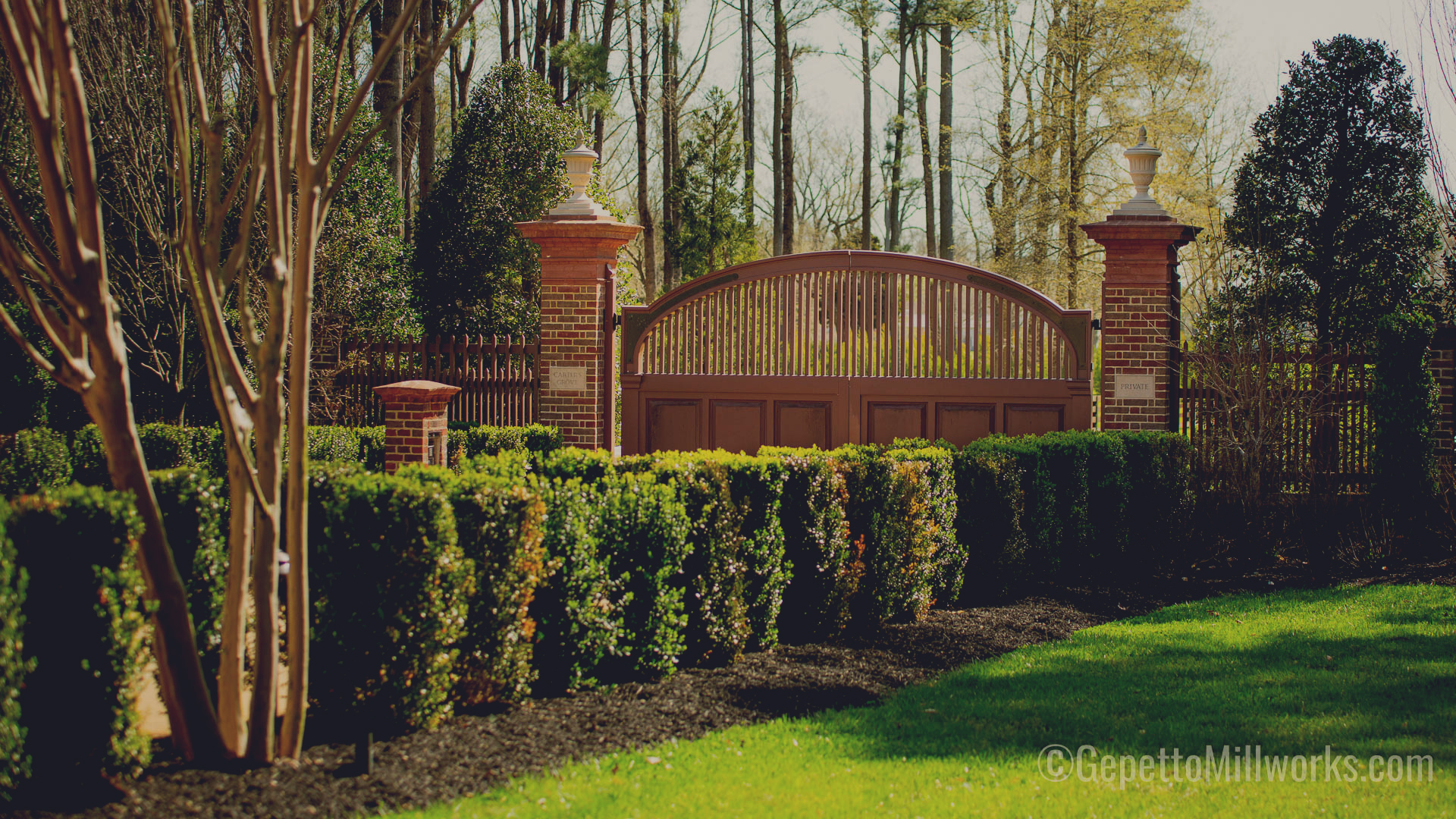
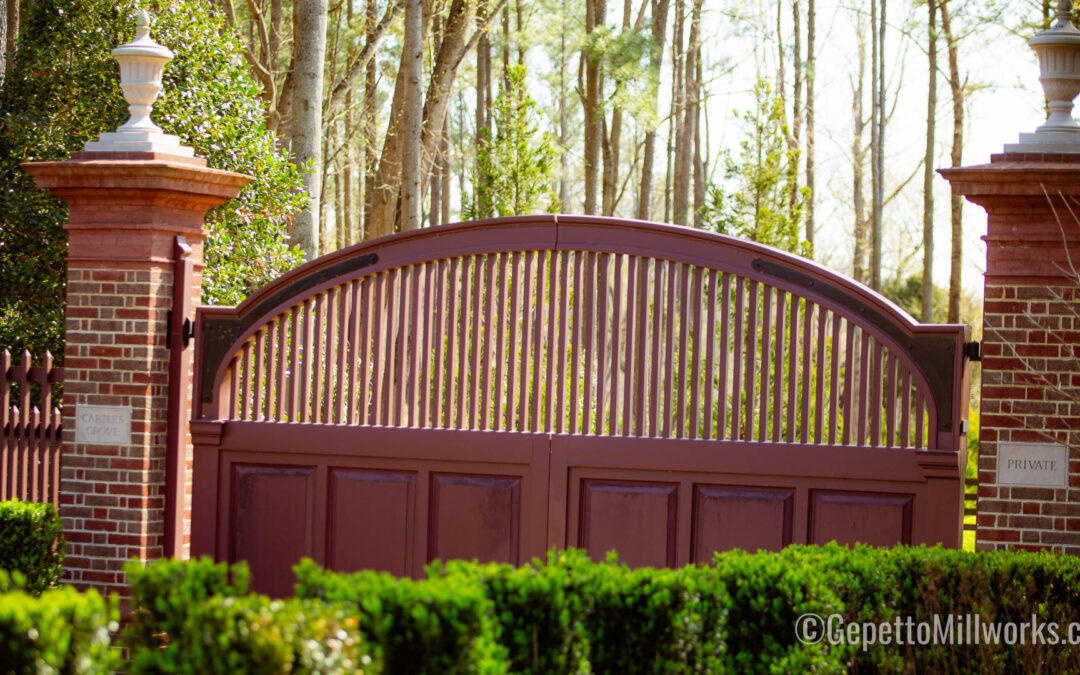
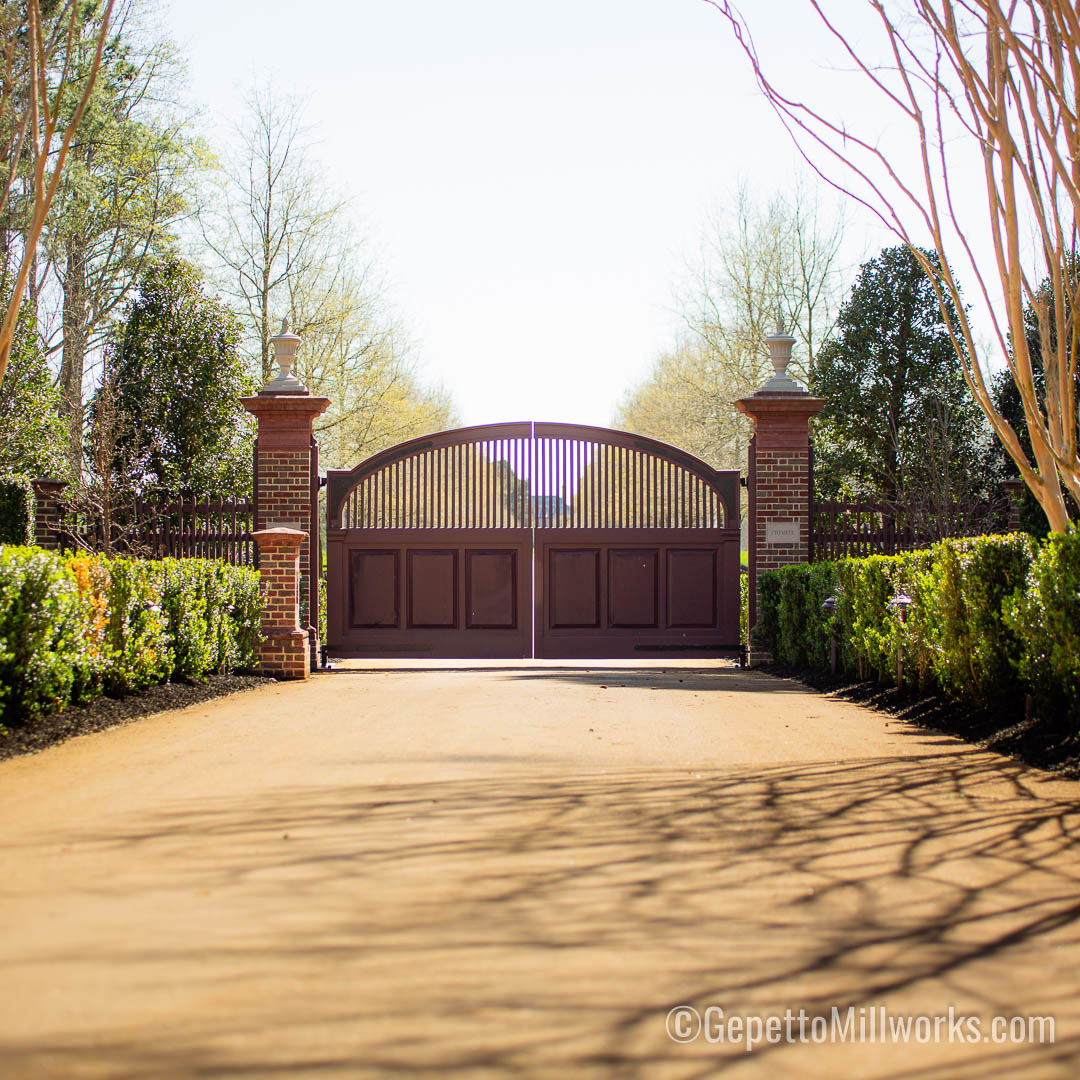
Historically Accurate wooden gates

Mated with Steel core elements for the best of both materials.

Historic Detailing

Fully Mortized Spindles on an Arc!

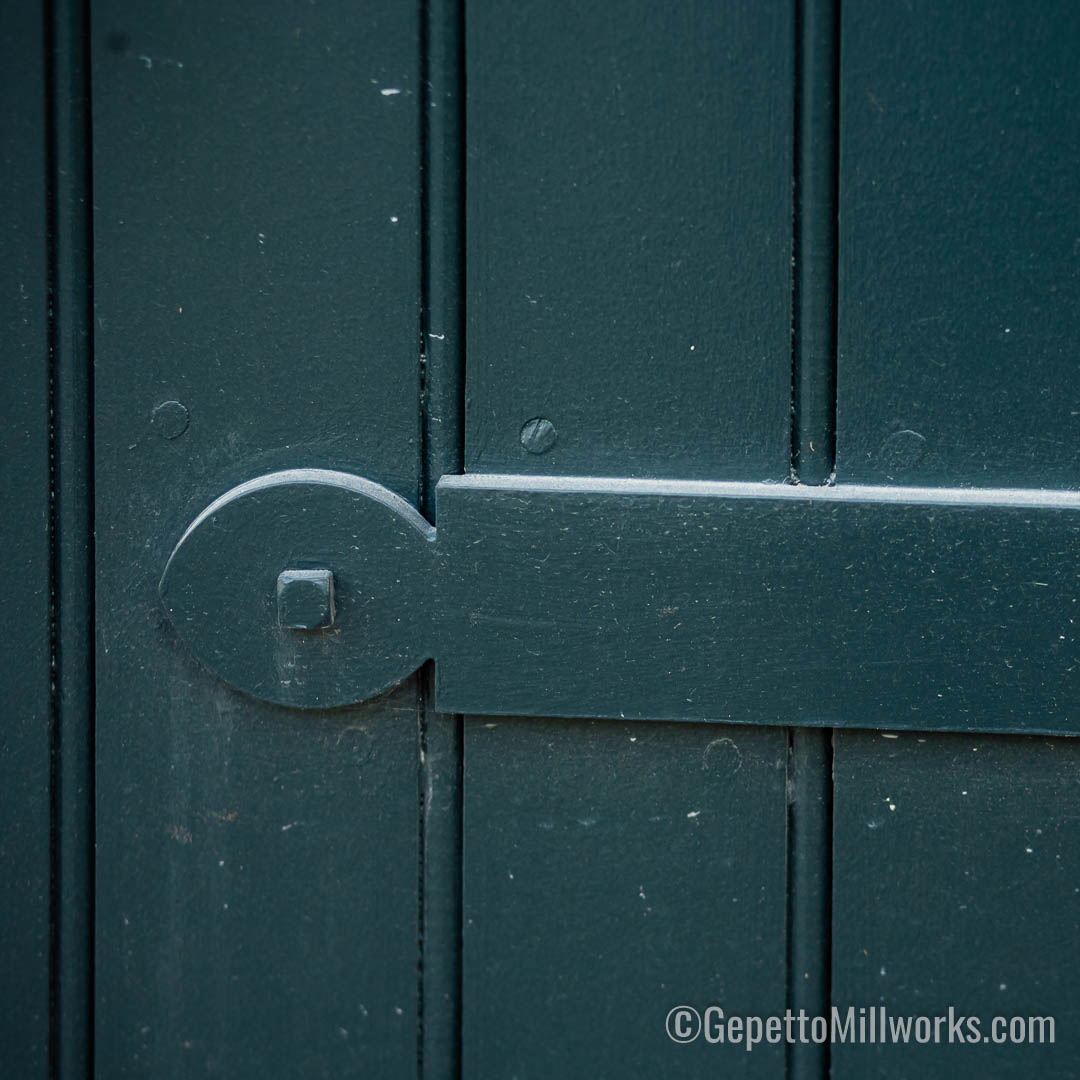
Take a moment and notice all the wonderful details from the matching profile and scale at the gate frame top to the under hinge trim profile.  

Accoya Acetylated Wood Manufacturer Virginia
Accoya Approved Manufacturer VA
Accoya Acetylated Wood Manufacturer Virginia

Building Science Explained:

Accoya Wood Window Builder VA

Accoya Wood Window Builder VA

Windows made of Accoya Acetylated Wood

In the heart of the Blue Ridge Mountains craftsmanship meets innovation in the form of Solid Wood windows made at Gepetto of Accoya Acetylated Wood.  Your new windows will stand as a testament to old world historic quality and modern manufacturing excellence. With a commitment to sustainability while improving durability Accoya Acetylated Wood brings warmth and architectural beauty to homes across Virginia. From the historic streets of Richmond to the picturesque landscapes of Roanoke Gepetto Solid Wood windows perform with modern excellence and old world charm.

At Gepetto, each window is meticulously crafted by skilled artisans who take pride in their work. Utilizing the finest Accoya Acetylated Wood, our windows exude timeless durability while offering the charm and authenticity of historic register places. From traditional to contemporary designs, Gepetto Solid Wood windows elevate the aesthetics of any home, adding character and charm.

Sustainable Manufacturing in the Blue Ridge

Nestled in the Blue Ridge Mountains of Virginia, our state-of-the-art manufacturing facility sings sustainability from the hills that hug it. Responsibly sourced materials from the land that we currently invest in as forest managers built the out buildings around the shop.  Eco-friendly production is one of our old world values – not a new ‘green economy’ mindset. Gepetto owner Matthew Wiley has the soil of these hills as the blood that runs through his veigns.  Reducing environmental footprint is the new term that empowers the old idea of work with what you have! By choosing Gepetto Solid Wood windows, homeowners invest in a greener Virginia while enjoying the benefits of premium craftsmanship.

Advantages of Accoya Acetylated Wood

Accoya Acetylated Wood sets Gepetto Solid Wood windows apart from the rest on the molecular level! Accoya solved the acetylation process on a scale that was affordable.  Read the full technical article to understand fully what you’re investing in.  This remarkablly small chemical change elevates the wood to otherwise unachievable qualities.  Unparalleled stability, durability, and resistance to rot and decay develop after a simple treatment of vinegar. With fewwer maintenance requirements, Gepetto windows crafted from Accoya Acetylated Wood ensure lasting beauty and performance, even in Virginia’s humid and sun bleached climate.

Service Area for Gepetto

From the bustling metropolis of Alexandria and Arlington crescnet surrounding DC to the serene shores of Virginia covering the Beach or Chesapeak tidewaters like Norfolk, Williamsburg and Newport News, Gepetto Solid Wood windows adorn homes in every corner of the Commonwealth. With customizable options to suit any architectural style, homeowners have the freedom to create spaces that reflect their unique taste and personality. Whether it’s a cozy bungalow in Charlottesville or a stately mansion in Norfolk, Gepetto windows enhance the beauty and value of every residence.

Unrivaled Performance and Energy Efficiency

Beyond their exquisite craftsmanship and aesthetic appeal, Gepetto Solid Wood windows deliver exceptional performance even through hurricane’s and tornadoes. Advanced insulation properties from weather stripping and the cumulative effet of precision engineering show in tests to be equal or better than any modern standard.  If it’s double glass you want, we can build it – or we can show you the test results of 160mph winds and install locations across the south east US.   Our windows help maintain optimal indoor comfort while reducing energy costs. From sweltering summers to wet damp winters, Gepetto windows provide year-round comfort for Virginia homeowners.

The Accoya Promise: Quality and Reliability

Backed by decades of experience and a dedication to excellence, Gepetto builds quality and Accoya provides reliability. As a homeowner your peace of mind rests in knowing you’ve invested in the best.

Partnering with Virginia’s Finest Builders and Architects

Gepetto Solid Wood windows are the preferred choice of Virginia’s finest builders and architects. With a reputation for uncompromising quality and attention to detail, our windows complement the visionary designs of top professionals in the industry. From luxury estates to commercial developments, Gepetto windows add a touch of sophistication and refinement to every project.

Elevate Your Home with Accoya

Accoya Acetylated Wood Manufacturer Virginia
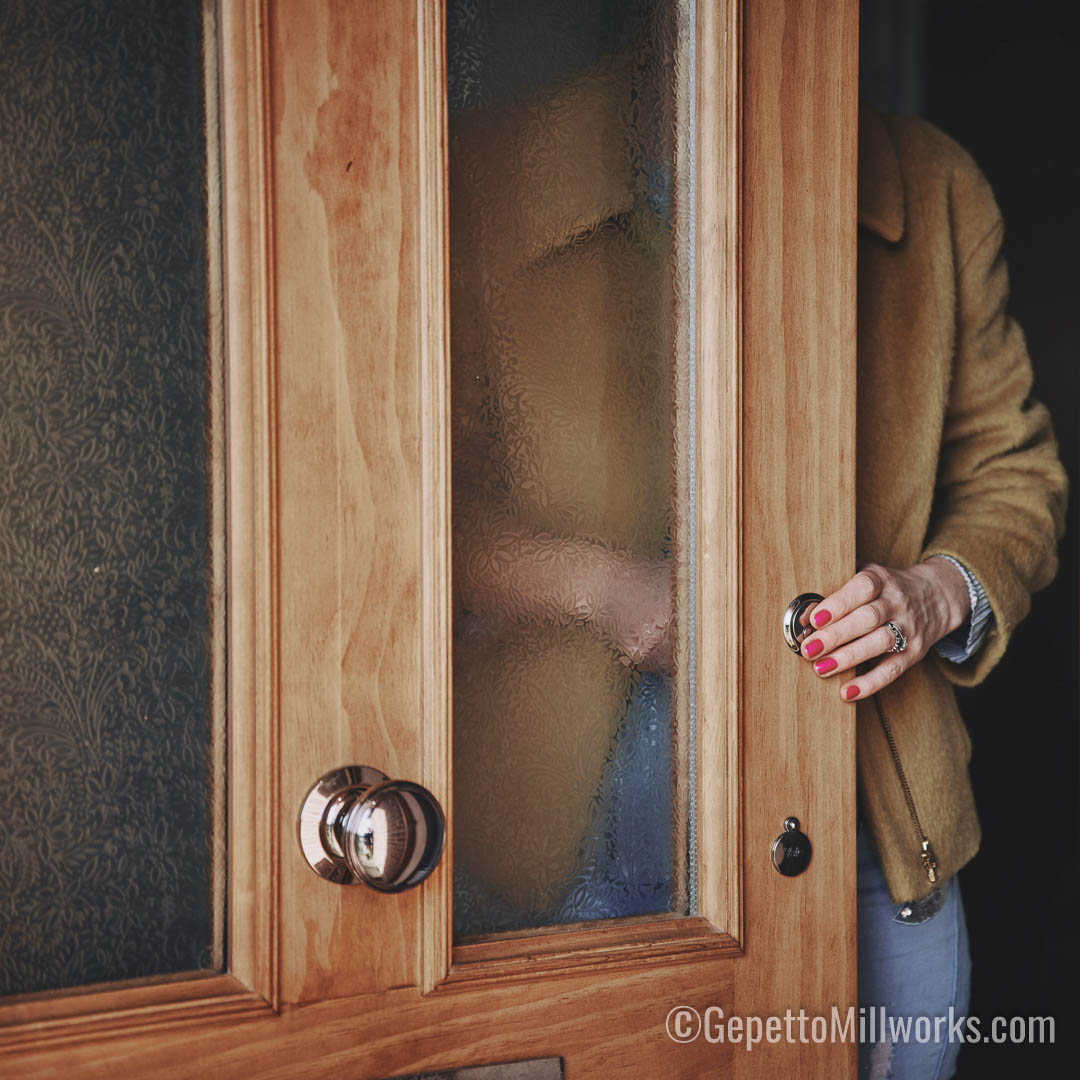
Accoya Acetylated Wood Doors Made in VIRGINIA

Accoya Acetylated Wood Doors Made in VIRGINIA


Unlock the Value of Accoya Acetylated Wood Doors by Gepetto Millworks:

Elevating Architectural Millwork Across Virginia

Doors are more than just functional elements within architectural design; they serve as gateways that seamlessly blend practicality with aesthetics and as the portal are the first thing the eye catches in an architectural facade. Clients in Virginia seeking unparalleled durability and design, the Accoya Acetylated Wood should be specified in manufacturer and estimating process. This comprehensive guide delves into the myriad benefits of Accoya wood doors crafted by Gepetto Millworks, emphasizing how their superior quality is built from the foundation, checks the box of sustainability, and optimum for outdoor applications in the climate and all major cities of Virginia.

Understanding Accoya Acetylated Wood

Accoya Acetylated Wood, manufactured in Virginia, undergoes a transformative process that elevates its natural properties above the natural properties of many hard and soft woods. The innovative technique enhances the wood’s stability, durability, and resistance to decay. Structurally minimizing issues like swelling or shrinkage, even in the harshest environmental conditions like full sun exposure in Virginia summers.

Crafted Excellence FROM the Blue Ridge

Nestled in the heart the blue ridge of Virginia, Matt Wiley and his team represent the epitome of old world craftsmanship matched with modern innovation in wood manufacturing. Delivering to projects in North Carolina, South Carolina, Delaware, and the District of Columbia from a quiet shop in the hills. Matthew Wiley will help you cost manage and understand the value of your costs in any custom build with Accoya Acetlyated wood. We work direct to homeowners as well as direct to General Contractors. Our customer is committed to quality, and while the price hurts – we share your vision for amortizing that cost over 100 years instead of tomorrow. We build doors for your grandchildren to admire the wear marks, not for the lowest price.

Benefits of BUILDING Accoya Wood Doors

Made by hand in Gepetto Millworks Blue Ridge shop wood doors specified to be made from Accoya offer a myriad of advantages for discerning homeowners, architects, and contractors. These doors boast exceptional durability, surpassing counterparts by resisting moisture, fungi, and insects with ease. Their superior stability ensures smooth operation and minimal maintenance for years to come. Longevity and reliability are only built upon the foundation that you lay, and if you want us to build a door to exacting standards – we have to start with an exact foundation. Accoya wood is certified sustainable sourced and uses a non-toxic manufacturing process developed in the European Union from their higher environmental standards. Accoya wood is a responsible choice for eco-conscious building materials. Gepetto Millworks’ diverse design options will produce a wide range of architectural styles and customized doors to express that unique character of your Monument Avenue home.

Supplying Accoya Wood Doors to Major Cities in Virginia

As a premier supplier of Accoya wood doors, Gepetto Millworks serves major cities across Virginia, enhancing architectural spaces with their exceptional products:

Richmond: As the capital city of Virginia, Richmond boasts a rich tapestry of historical architecture and modern innovation. Accoya wood doors by Gepetto Millworks find resonance in Richmond’s architectural landscape, offering a harmonious blend of heritage and innovation for discerning homeowners and architects.

Virginia Beach: Renowned for its coastal charm and vibrant community, Virginia Beach is a hub of coastal living. Accoya wood doors by Gepetto Millworks are ideally suited to the coastal climate, offering unparalleled durability and resilience against saltwater corrosion and humidity.

Norfolk: Home to a thriving arts scene and cultural diversity, Norfolk presents an eclectic mix of architectural styles. Accoya wood doors by Gepetto Millworks add a touch of sophistication to Norfolk’s architectural ensemble, combining timeless elegance with modern functionality.

Chesapeake: Nestled amidst lush greenery and natural beauty, Chesapeake exudes a serene ambiance. Accoya wood doors by Gepetto Millworks seamlessly integrate with Chesapeake’s natural surroundings, offering homeowners a sustainable and stylish choice for their architectural needs.

Accoya wood doors by Gepetto Millworks represent the pinnacle of mixing modern technology with old world excellence in craftsmanship. No where else can sustainability meet design. From Richmond to Harrisonburg and beyond, these doors offer unmatched durability, stability, and aesthetic appeal, making them the ideal choice for discerning clients seeking to elevate their architectural spaces. By supplying Accoya wood doors to major cities in Virginia, Gepetto Millworks continues to set the standard for quality and innovation in the woodwork industry, fostering a deeper appreciation for sustainable design and superior craftsmanship.

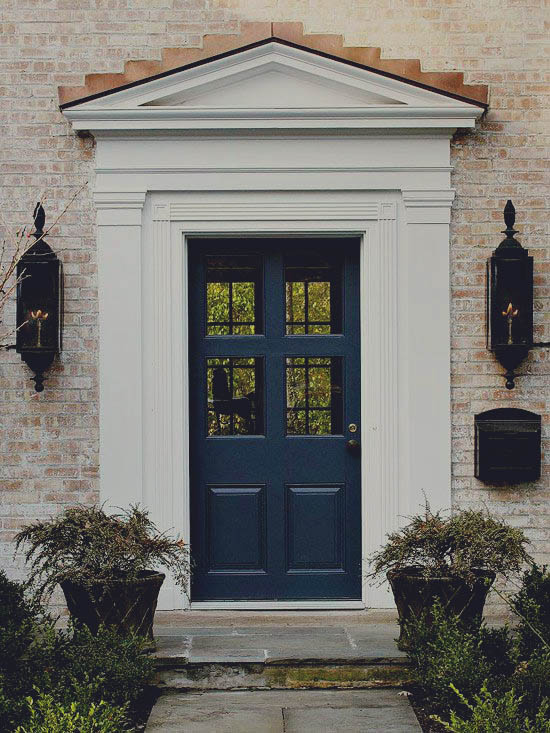
federal style doors made to order virginia