Virginia sawmill operators
The Need for Custom Milled Lumber in Producing Historic Replica Wood Products for Homes, Hotels, and Mixed-Use Properties
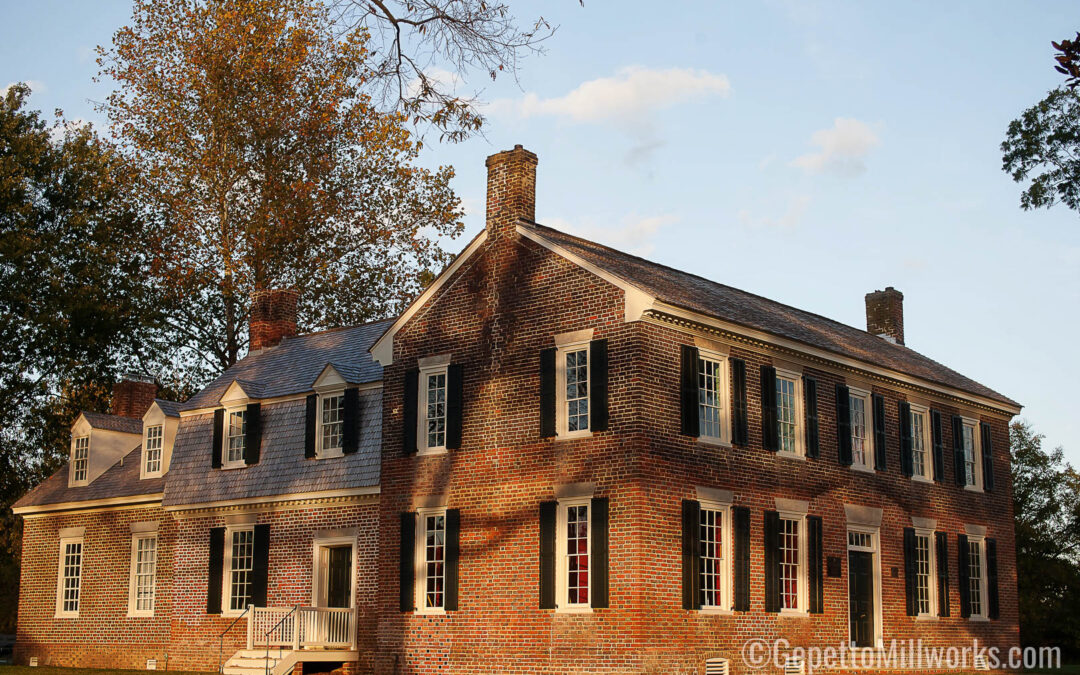
Historic buildings tell stories of craftsmanship, architectural vision, and regional heritage. From stately homes with hand-carved moldings to grand hotels adorned with ornamental wood details, each structure carries unique character. When these buildings undergo restoration, expansion, or adaptive reuse, architects, preservationists, and property owners often face a challenge: sourcing authentic wood components that match the originals custom milled lumber becomes essential.
Standard, off-the-shelf wood products rarely replicate the intricate details, species variety, and precise dimensions required for historic replica wood products. Whether the project involves restoring a Georgian-era doorway, recreating Victorian gingerbread trim, or producing millwork for a mixed-use redevelopment of a historic warehouse, custom milled lumber ensures that authenticity, durability, and architectural integrity are maintained.
In this article, we’ll explore why custom milled lumber is indispensable for historic projects, the process behind its creation, and how it benefits property owners, architects, and developers working with historic restoration millwork.
Why Historic Replica Wood Products Require Custom Milled Lumber
1. Standard Lumber Dimensions Don’t Match Historic Profiles
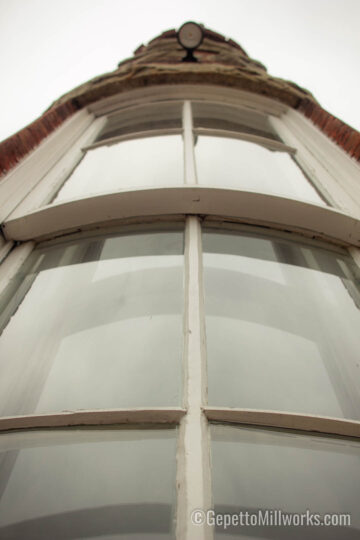
Modern lumberyards typically stock dimensional lumber in standard sizes—2x4s, 1x6s, or 4×8 sheets of plywood. Historic builders, however, worked with different milling practices and often used full-dimension lumber with hand-planed finishes. Window sashes, stair treads, or door stiles from the 18th or 19th century are often slightly thicker, wider, or cut with unique joinery that doesn’t align with contemporary production.
Only custom milled lumber can be matched to the original specifications. A mill shop can replicate exact widths, depths, and profiles, ensuring a replacement piece doesn’t look out of place or compromise the building’s historical authenticity.
2. Historic Properties Demand Architectural Accuracy
Preservation guidelines—especially in districts protected by local or national landmark commissions—often require that repairs and replacements remain faithful to original designs. Using mass-produced trim, stock crown molding, or factory windows can jeopardize approvals and reduce the value of the restoration.
By working with a craftsman experienced in historic replica wood products, property owners can be confident that every detail, from mortise-and-tenon joinery to decorative fluting, matches the original craftsmanship.
3. Many Historic Species Are No Longer Commercially Available
Centuries-old buildings often relied on wood species like heart pine, chestnut, or old-growth oak—species that aren’t commonly sold at today’s lumberyards. Custom milling allows artisans to work with reclaimed lumber or responsibly sourced alternatives that mimic the density, grain pattern, and durability of the originals. Accoya Acetelated wood is the only modern product bending the curve into better wood, as it is chemically altered to not absorb water!
For example:
-
Reclaimed heart pine beams can be remilled into flooring that matches Civil War–era homes.
-
Sapele or mahogany may be substituted for rot-resistant exterior trim when the original tropical hardwood is no longer available.
-
White oak can be quartersawn to mimic the shimmering ray fleck common in Arts & Crafts–era millwork.
The Process of Creating Custom Milled Lumber for Historic Replica Wood Products
Restoring or replicating historic woodwork is a precise and labor-intensive process. Unlike modern production lines that prioritize speed and uniformity, custom milling focuses on detail, flexibility, and one-of-a-kind accuracy.
Step 1: Site Assessment and Documentation
Architects and millworkers begin by surveying the property. Every molding, door stile, or window sash is measured, photographed, and cataloged. Shop drawings may be produced using AutoCAD or hand-drafted sketches. The goal is to capture the exact dimensions, joinery, and ornamental details.
Step 2: Lumber Selection
Choosing the right wood is critical. Preservationists balance authenticity with modern performance requirements. For exterior applications, rot resistance and stability may take precedence, while interior elements prioritize appearance and authenticity.
Step 3: Knife Grinding and Profile Matching
One of the hallmarks of custom milled lumber is profile replication. Specialized steel knives are ground to match the original profile of a molding or trim piece. This allows modern machinery to cut exact replicas that are indistinguishable from 150-year-old originals.
Step 4: Milling and Fabrication
Using planers, shapers, and moulders, raw lumber is transformed into historically accurate components. In some cases, hand tools are used to add the final detail or patina to match existing woodwork.
Step 5: Assembly and Joinery
For larger elements like historic replica windows and doors, traditional joinery methods—such as mortise-and-tenon or pegged joints—are reproduced. These not only provide structural strength but also honor the original methods of construction.
Step 6: Finishing
The final step includes sanding, staining, or painting. Some projects even call for custom finishing techniques to replicate the aged appearance of adjacent woodwork so that the replacement seamlessly integrates.
Applications of Custom Milled Lumber in Historic Replica Wood Products
1. Homes and Residential Properties
Private homeowners restoring historic residences often require custom millwork for:
-
Crown moldings and baseboards to match original interior detailing.
-
Custom windows and shutters designed with historically accurate joinery.
-
Staircases and banisters requiring hand-turned balusters or curved rails.
-
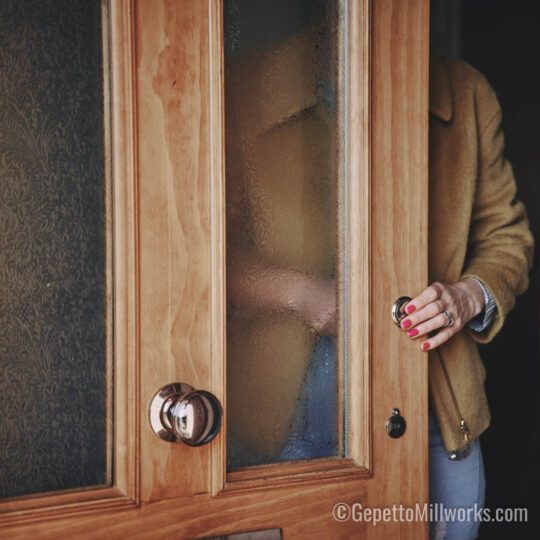
Doors and casings built with raised panels or specific architectural motifs.
2. Hotels and Hospitality Spaces
Grand hotels built during the Gilded Age or early 20th century often feature elaborate wood paneling, ballroom wainscoting, and carved ceiling beams. When these properties undergo restoration or adaptive reuse, custom milled lumber ensures that every lobby, guest room, and banquet hall reflects the elegance of its original era.
For boutique hotels in historic districts, the use of historic replica wood products also creates a sense of authenticity that appeals to guests seeking an immersive experience.
3. Mixed-Use Properties and Commercial Redevelopment
Across the country, developers are transforming warehouses, factories, and historic storefronts into mixed-use properties combining retail, office, and residential units. These adaptive reuse projects rely heavily on custom milled lumber to retain character while meeting modern code requirements.
Examples include:
-
Replicating storefront cornices for historic main streets.
-
Creating interior millwork that complements exposed brick and steel.
-
Designing historically accurate wood windows that meet energy efficiency standards.
Benefits of Using Custom Milled Lumber in Historic Replica Projects
Authenticity
Perhaps the greatest advantage is authenticity. Property owners avoid the “cookie-cutter” look of modern stock components, ensuring the finished project remains true to its origins.
Durability
Custom lumber can be milled from higher-quality, longer-lasting species, ensuring that restored woodwork stands the test of time.
Compliance with Preservation Standards
Local landmark commissions and preservation boards often demand accuracy. Using custom milled lumber demonstrates a commitment to historic integrity, increasing the likelihood of approval for renovation plans.
Increased Property Value
A historically accurate restoration not only preserves cultural heritage but also enhances market appeal. Buyers, investors, and tenants appreciate authentic craftsmanship that sets a property apart.
Sustainability
Reclaimed and responsibly sourced lumber used in custom milling reduces environmental impact while reusing materials that might otherwise go to waste.
Challenges in Producing Custom Milled Lumber
While the advantages are clear, producing custom milled lumber for historic replica wood products also involves unique challenges:
-
Cost: Custom milling requires specialized labor and tooling, which can be more expensive than off-the-shelf options.
-
Lead Times: Knife grinding, material sourcing, and fabrication extend project timelines.
-
Material Availability: Historic species may need substitutes that balance authenticity with availability.
However, most property owners find that the long-term benefits—authenticity, durability, and property value—far outweigh the initial investment.
Case Study Examples
Historic Hotel Renovation
A century-old hotel undergoing renovation required replication of 12-inch crown moldings and intricate ballroom paneling. Off-the-shelf products could not match the profiles. A mill shop used custom milled lumber with ground knives to create exact replicas, preserving the hotel’s grandeur.
Residential Restoration
A homeowner restoring an 1850s farmhouse needed historically accurate windows with true divided lights and hand-forged joinery. Custom milling provided sash frames that matched the originals while integrating energy-efficient glass.
Mixed-Use Development
Developers converting a tobacco warehouse into offices and apartments wanted to preserve the historic storefront façade. Custom milled lumber allowed replication of the original trim, pilasters, and transom frames, giving new life to the streetscape.
The Future of Custom Milled Lumber in Historic Replica Projects
As interest in historic preservation and adaptive reuse grows, the demand for custom milled lumber will continue to rise. Modern technology—such as CNC routers and 3D scanning—enhances accuracy, but traditional craftsmanship remains at the heart of the process.
Sustainability will also play a role. More projects are turning to reclaimed lumber, combining historical integrity with environmentally conscious practices.
For homes, hotels, and mixed-use properties alike, custom milled lumber remains the key to bridging the past and the present.
Conclusion
When it comes to preserving architectural heritage, there is no substitute for custom milled lumber. Whether the goal is restoring a historic home, renovating a grand hotel, or redeveloping a mixed-use property, authenticity and craftsmanship matter. Stock components cannot replicate the details, durability, or artistry of historic replica wood products.
By investing in custom milling, property owners ensure their projects meet preservation standards, stand the test of time, and honor the legacy of the structures they inhabit. From carved moldings to hand-crafted windows, custom milled lumber keeps history alive—one project at a time.